To save content items to your account,
please confirm that you agree to abide by our usage policies.
If this is the first time you use this feature, you will be asked to authorise Cambridge Core to connect with your account.
Find out more about saving content to .
To save content items to your Kindle, first ensure no-reply@cambridge.org
is added to your Approved Personal Document E-mail List under your Personal Document Settings
on the Manage Your Content and Devices page of your Amazon account. Then enter the ‘name’ part
of your Kindle email address below.
Find out more about saving to your Kindle.
Note you can select to save to either the @free.kindle.com or @kindle.com variations.
‘@free.kindle.com’ emails are free but can only be saved to your device when it is connected to wi-fi.
‘@kindle.com’ emails can be delivered even when you are not connected to wi-fi, but note that service fees apply.
The maturing sperm cells discard the majority of their cytoplasm during the final stages of spermatogenesis and lose some of their defense enzymes. The purpose of this study was to investigate the effects of vitamin E supplementation on standard semen quality parameters and antioxidant activities of frozen-thawed bovine sperm. Vitamin E was added at concentrations of 0.5, 1.0, 1.5 and 2.0 mg/ml to bovine semen cryoprotective medium. The results showed that the sperm motility and VSL, STR values in the extender supplemented with 1.0 and 1.5 mg/ml of vitamin E, were significantly higher than that of other concentrations (P < 0.05). The percentages of acrosome-intact and membrane-intact sperm were significantly improved (P < 0.05) by supplementing with 1.5 mg/ml of vitamin E. In biochemical assays, the extender supplemented with vitamin E did not exhibit significant improvement in SOD (superoxide dismutase) levels, compared with the control (P > 0.05). Compared with other groups, CAT (catalase) levels were demonstrated to be greater with the supplementation of vitamin E at 1.0 and 1.5 mg/ml (P < 0.05). The extender supplemented with 1.5 mg/ml of vitamin E caused the highest levels of glutathione peroxidase (GSH-Px), compared with other groups (P < 0.05). The glutathione (GSH) activity was significantly higher with the supplementation of 0.5, 1.0 and 1.5 mg/ml of vitamin E, compared with 2.0 mg/ml in the vitamin E group and control (P < 0.05). Moreover, increasing the doses of vitamin E decreased sperm antioxidant activities, the extender supplemented with 2.0 mg/ml of vitamin E, caused the lowest levels of GSH-Px and GSH activities, compared with other treatment groups (P < 0.05). In conclusion, the beneficial effects of vitamin E noted in this study can be attributed to the antioxidant characteristics. Vitamin E supplementation in the extender reduced the lipid peroxidation potential and improved semen quality during freezing-thawing. More researches are needed to evaluate and understand the precise physiological role of vitamin E in reproduction.
Fat affects meat quality, value and production efficiency as well as providing energy reserves for pregnancy and lactation in farm livestock. Leptin, the adipocyte product of the obese (ob) gene, was quickly seen as a predictor of body fat content in animals approaching slaughter and an aid to assessing reproductive readiness in females. Its participation in inflammation and immune responses that help animals survive infection and trauma has clear additional relevance to meat and milk production. Furthermore, almost a decade of discoveries of nucleotide polymorphisms in the leptin and leptin receptor genes has suggested useful applications relating to feed intake regulation, the efficiency of feed use, the composition of growth, the timing of puberty, mammogenesis and mammary gland function and fertility in cattle, pigs and poultry. The current review attempts to summarise where research has taken us in each of these aspects and speculates on where future research might lead.
Bacitracin is an antibiotic used in rabbit husbandry to control microbial digestive pathologies. Collateral effects on absorption and mucosal development have been reported and these may impact on protein metabolism. This study aims to analyse the effect of the antibiotic on protein synthesis in lactating does because mammary gland metabolism and milk output should provide a sensitive index of any undesirable action of bacitracin. Rates of protein synthesis were measured in mammary gland, liver, intestinal mucosa and muscle of lactating rabbits does by injecting a flooding dose of [2H5]phenylalanine into the auricular artery of two groups (each n = 8) of New Zealand White does fed different experimental diets. The control group (C) received the basal diet and the bacitracin group (B) ingested the same diet but supplemented with bacitracin (100 mg/kg). Animals received the experimental diet from day 28 of pregnancy until day 26 of lactation when they were slaughtered. Just after birth, litter size was adjusted by cross-fostering either to five or nine pups (four does per dietary treatment). The relative weight of the liver tended to be greater in those females receiving the B diet (27 v. 22.5 g/kg BW; P < 0.07), while diet did not affect mammary gland weight (255.7 ± 10.59 g). Fractional protein synthesis rate (FSR) was higher for intestinal mucosa (duodenum; 51.7% ± 2.09%/day) followed by mammary gland and liver (38.29 ± 2.62%/day and 40.2 ± 1.98%/day, respectively), and the lowest value was observed in muscle (2.92 ± 0.26%/day; P < 0.0001). Bacitracin treatment lowered FSR in the mammary gland by 23% (P = 0.024) and this was independent of litter size. Conversely, FSR in the duodenum was not affected by antibiotic treatment but reduced by 15% (P = 0.021) for the larger litter size.
The objective of this study was to examine the online use of near infrared reflectance (NIR) spectroscopy to estimate the concentration of individual and groups of fatty acids (FA) as well as intramuscular fat (IMF) in crossbred Aberdeen Angus (AA×) and Limousin (LIM×) cattle. This was achieved by direct application of a fibre-optic probe to the muscle immediately after exposing the meat surface in the abattoir at 48 h post mortem. Samples of M. longissimus thoracis from 88 AA× and 106 LIM× were scanned over the NIR spectral range from 350 to 1800 nm and samples of the M. longissimus lumborum were analysed for IMF content and FA composition. Statistically significant differences (P < 0.001) were observed in most FA between the two breeds studied, with FA concentration being higher in AA× meat mainly. NIR calibrations, tested by cross-validation, showed moderate to high predictability in LIM× meat samples for C16:0, C16:1, C18:0, trans11 C18:1, C18:1, C18:2 n-6, C20:1, cis9, trans11 C18:2, SFA (saturated FA), MUFA (monounsaturated FA), PUFA (polyunsaturated FA) and IMF content with R2 (SECV, mg/100 g muscle) of 0.69 (146), 0.69 (28), 0.71 (62), 0.70 (8.1), 0.76 (192), 0.65 (13), 0.71 (0.9), 0.71 (2.9), 0.68 (235), 0.75 (240), 0.64 (17) and 0.75 (477), respectively. FA such as C14:0, C18:3 n-3, C20:4 n-6, C20:5 n-3, C22:6 n-3, n-6 and n-3 were more difficult to predict by NIR in these LIM× samples (R2 = 0.12 to 0.62; SECV = 0.5 to 26 mg/100 g muscle). In contrast, NIR showed low predictability for FA in AA× beef samples. In particular for LIM×, the correlations of NIR measurements and several FA in the range from 0.81 to 0.87 indicated that the NIR spectroscopy is a useful online technique for the early, fast and relatively inexpensive estimation of FA composition in the abattoir.
The general aim of our in vitro experiments was to study the role of the metabolic hormones leptin, ghrelin, obestatin and IGF-I and mitogen-activated protein kinase (MAPK)-dependent intracellular mechanisms in the control of nuclear maturation of porcine oocytes. For this purpose, porcine oocytes were isolated from the ovary and cultured in the presence of leptin, ghrelin, obestatin, IGF-I, MAPK blocker PD98059 and the combinations of hormones with PD98059. Proportions of matured oocytes (at metaphase II of meiosis, determined by DAPI staining) and of oocytes containing MAPK/ERK1-2 (determined by immunocytochemistry) were measured before and after culture. It was observed that the majority of oocytes isolated from the ovary before culture were immature and did not contain visible MAPK, but some oocytes were mature, and the majority of these oocytes contained MAPK. Incubation of oocytes resulted in a significant increase in the proportion of matured oocytes and in the percentage of oocytes containing MAPK in both the matured and not matured groups. Addition of IGF-I to the culture medium increased the proportion of matured oocytes, addition of leptin decreased it, and ghrelin and obestatin did not oocyte maturation. Addition of hormones did not affect the expression of MAPK in either immature or mature oocytes. PD98059, when given alone, suppressed the maturation and accumulation of MAPK in both mature and immature oocytes. When given together with hormones, PD98059 was able to reduce the stimulatory effect of IGF-I, to invert the inhibitory action of leptin to stimulatory and to induce the stimulatory action of ghrelin and obestatin on meiosis. IGF-I, ghrelin and obestatin, but not leptin, when given together with PD98059, increased the accumulation of MAPK in both immature and mature oocytes. Association of nuclear maturation and expression of MAPK in oocytes before, but not after culture, as well as the prevention of oocyte maturation by MAPK blocker suggests the involvement of MAPK-dependent intracellular mechanisms in the promotion of reinitiation, but not completion of meiosis. The effect of hormonal additions on meiosis of oocytes suggests that IGF-I is a stimulator, leptin can be an inhibitor, while ghrelin and obestatin probably do not control oocyte maturation. The ability of PD98059 to modify the effect of hormones on oocyte maturation and on MAPK expression suggests possible interference of hormones and MAPK-dependent intracellular mechanisms in oocytes. However, no influence of hormones on MAPK and lack of association between action of hormones and PD98059 on MAPK and meiosis suggest that MAPK is probably not a mediator of effect of IGF-I, leptin, ghrelin and obestatin on porcine oocyte nuclear maturation.
The objective of this study was to describe the genetic and phenotypic relationship between milk urea nitrogen (MUN) and reproductive traits in Iranian Holstein dairy cows. Test-day MUN data obtained from 57 301 dairy cows on 20 large dairy herds in Iran between January 2005 and June 2009. Genetic parameters for MUN and reproductive traits were estimated with a five-trait model using ASREML program. Random regression test-day models were used to estimate heritabilities separately for MUN from first, second and third lactations. Regression curves were modeled using Legendre polynomials of order 3. Herd-year-season along with age at calving was included as fixed effects in all models for reproductive traits. Heritabilities for MUN and reproductive traits were estimated separately for first lactation, second lactation and third lactation. The estimated heritabilities for MUN varied from 0.18 to 0.22. The heritability estimate was low for reproductive traits, which ranged from 0.02 to 0.06 for different traits and across parities. Except for days open, phenotypic and genetic correlations of MUN with reproductive performance traits were close to zero. Genetic correlations between MUN and days open were 0.23, 0.35 and 0.45 in first, second and third lactation, respectively. However, the phenotypic correlation between MUN at different parities was moderate (0.28 to 0.35), but the genetic correlation between MUN at different parities was high and ranged from 0.84 to 0.97. This study shows a limited application of MUN for use in selection programs to improve reproductive performance.
The β-3 adrenergic receptor (ADRB3) is a G-protein coupled receptor involved in regulating lipolysis, as part of homeostatic regulation. In this study, South African Mutton Merino and Shanxi Dam Line were used to study the distribution and quantification of ADRB3 in adipose (subcutaneous, omental, retroperitoneal, mesenteric and perirenal fat) and non-adipose (heart, liver, spleen, lung and kidney) tissues of sheep. The protein was determined by immunohistochemical technique and by mRNA abundance via real-time polymerase chain reaction. ADRB3 was detected in all studied tissues with abundance in adipose tissues higher than in non-adipose tissues (P < 0.001). For adipose tissues, greater expression was found in deep deposits such as great omental and retroperitoneal fat than in subcutaneous fat (P < 0.05). Significant differences (P < 0.05) both for mRNA and for protein expression also existed between the two sheep flocks. These findings are consistent with the known function of ADRB3 in mediating lipolysis and homeostasis in adipose tissues.
The nutritional effects of sulla (Hedysarum coronarium L.) forage containing condensed tannins (CT) on growth of lambs, and carcass and meat quality were investigated. Thirty-two male Comisana lambs aged 100 ± 8 days weighing 19.0 ± 2.8 kg were fed fresh forage of sulla or CT-free annual ryegrass (Lolium multiflorum Lam. subsp. Wersterwoldicum) for 49 days until slaughter; in addition, each lamb was supplied with 200 g/days of concentrate. Eight lambs per diet had been previously treated with anthelmintic drugs to remove nematode parasites. Measurements of BW and feed intake, and counts of faecal nematode eggs were made. Carcass parameters were recorded after slaughter, and tissue components of the hind leg were determined. Longissimus dorsi meat was evaluated for pH, colour, thawing and cooking losses, Warner-Bratzler shear force, chemical composition and sensory properties based on triangle tests. Relative to ryegrass-fed lambs, sulla-fed lambs had significantly greater dry matter (DM) and protein intake, a more favourable feed conversion ratio, and superior growth rate, final BW at 150 days of age, carcass weight, yield and fatness. These results were attributed to the high protein and non-structural carbohydrate content of sulla, and also to the moderate CT content of sulla (16.7 and 20.3 g/kg of DM in offered and consumed sulla forage, respectively). Anthelmintic treatment did not affect lamb growth, as the level of parasitic infection (initial and final) was low. The physical, chemical and sensory properties of the lamb meat were not influenced by diet.
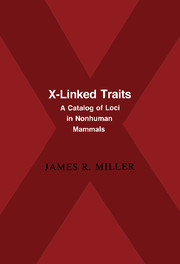
Until recently, comparative studies have not played a major role in mammalian genetics because there was little to compare. However, this situation has been changed by rapid developments in molecular biology which have revealed details of the genetic structures of a wide range of mammalian species. The resulting flood of information on comparative aspects of mammalian genomes has been scattered across a great many journals and books, and no single source has been available. X-Linked Traits: A Catalog of Loci in Non-Human Mammals presents just such a source for the mammalian X-chromosome. X-Linked Traits will serve as a useful guide for researchers in comparative mammalian genetics, developmental biology, cell biology, and biochemistry, as well as clinical disciplines in human and veterinary medicine.
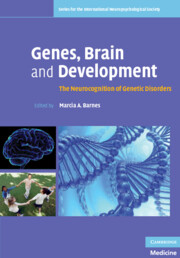
Genetic syndromes and neurodevelopmental disorders that have a genetic basis are associated with cognitive and academic disabilities. Genes, Brain and Development reviews the connections between genes, brain, and behavior for a range of genetic disorders, and also considers lifespan and treatment issues. The content further explores what is known about development in neurogenetic disorders, particularly in the domains of language and mathematics, and shows how this knowledge is pertinent to understanding both these specific disorders, and disorders of language and math more generally. This will be essential reading for a wide range of brain scientists and developmental clinicians, including neuropsychologists, cognitive psychologists, neurologists, psychiatrists, pediatricians, neuroscientists and geneticists.
A challenge when predicting total genetic values for complex quantitative traits is that an unknown number of quantitative trait loci may affect phenotypes via cryptic interactions. If markers are available, assuming that their effects on phenotypes are additive may lead to poor predictive ability. Non-parametric radial basis function (RBF) regression, which does not assume a particular form of the genotype–phenotype relationship, was investigated here by simulation and analysis of body weight and food conversion rate data in broilers. The simulation included a toy example in which an arbitrary non-linear genotype–phenotype relationship was assumed, and five different scenarios representing different broad sense heritability levels (0·1, 0·25, 0·5, 0·75 and 0·9) were created. In addition, a whole genome simulation was carried out, in which three different gene action modes (pure additive, additive+dominance and pure epistasis) were considered. In all analyses, a training set was used to fit the model and a testing set was used to evaluate predictive performance. The latter was measured by correlation and predictive mean-squared error (PMSE) on the testing data. For comparison, a linear additive model known as Bayes A was used as benchmark. Two RBF models with single nucleotide polymorphism (SNP)-specific (RBF I) and common (RBF II) weights were examined. Results indicated that, in the presence of complex genotype–phenotype relationships (i.e. non-linearity and non-additivity), RBF outperformed Bayes A in predicting total genetic values using SNP markers. Extension of Bayes A to include all additive, dominance and epistatic effects could improve its prediction accuracy. RBF I was generally better than RBF II, and was able to identify relevant SNPs in the toy example.
We analysed the family linkage data obtained from short tandem repeat (STR) genotyping of 212 unrelated Indian families having a single Down syndrome (DS) baby each, in order to explore the incidence and aetiology of this human aneuploidy in our cohort. The estimated values of maternal meiotic I and meiotic II non-disjunction (NDJ) errors of chromosome 21 (Ch 21) were ~78 and ~22%, respectively. Within the paternal outcome group, about 47 and 53% were accounted for NDJ at meiosis I and meiosis II, respectively. We estimated only ~2% post-zygotic mitotic errors. The comparison of average age of conception between controls and DS-bearing mothers revealed a significant difference (P<0·001) with DS-bearing women were on an average older than controls and meiotic II non-disjoined mothers were oldest among meiotic outcome groups. Our linkage analysis suggested an overall reduction in recombination by more than 50% on meiotic I non-disjoined maternal Ch 21 with error prone to susceptible chiasma formation within the ~5·1 kbp segment near the telomeric end. We stratified meiotic I non-disjoined women in three age groups, viz. young (⩽28 years), middle (29–34 years) and old (⩾35 years) and found linear decrease in the frequency of achiasmate meiosis from the young to the old group. In contrary, a linear increase in the multiple chiasma frequency from the young to the old group was observed. Considering these results together, we propose that the risk factors for Ch 21 NDJ are of two types, one being ‘maternal age-independent’ and the other being ‘maternal age-dependent’. Moreover, a comparison of our present Indian dataset with that of other published data of ethnically different populations suggested that the genetics that underlies the NDJ of Ch 21 is probably universal irrespective of racial difference across human populations. The present study is the first population-based report on any DS cohort from the Indian subcontinent and our work will help future workers in understanding better the aetiology of this birth defect.
Drosophila melanogaster, like other organisms, move and orient themselves in response to the earth's gravitational force. The ability to sense and respond to gravity is essential for an organism to navigate and thrive in its environment. The genes underlying this behaviour in Drosophila remain elusive. Using 88 recombinant inbred lines, we have identified four quantitative trait loci (QTLs) that contribute to adult gravitaxis (geotaxis) behaviour in Drosophila. Candidate genes of interest were selected from the QTLs of highest significance based on their function in chordotonal organ formation. Quantitative complementation tests with these candidate genes revealed a role for skittles in adult gravitaxis behaviour in D. melanogaster.
Isolated founder populations which exhibit great genetic and environmental homogeneity provide an attractive setting for the study of quantitative traits (QTs). Geneticists have repeatedly turned to population isolates and the past successes have prompted increased interest among medical researchers. We studied nine small isolated villages of a secluded area of Sardinia (Ogliastra), all of them characterized by a few founders, high endogamy rates, slow population expansion and a distinct genetic makeup. Anthropometric and blood parameters, 43 QTs in all, were analysed in about 9000 voluntary subjects for whom extended genealogical information was available. We explored the distribution and examined mean differences of each trait among villages by analysis of variance (ANOVA). A heritability analysis with the variance component (VC) method was performed. Results show significant differences in the distribution of most traits between groups of villages located in two distinct geographical areas already identified by a previous population structure analysis, thus supporting the existence of differentiation among sub-populations in the same region. Heritability estimates range between 30 and 89%, demonstrating that genetic effects substantially contribute to phenotypic variation of all investigated traits and that this population provides excellent research conditions for gene-mapping projects. Results suggest that history, geographic location and population structure may have influenced the genetic and phenotypic features of these isolates. Our findings may be useful for the ongoing linkage and association studies in these isolates and suggest that a thorough characterization of population is valuable to better identify genes or variants that may be rare in the population at large and peculiar to single villages.
The L2-Boosting algorithm is one of the most promising machine-learning techniques that has appeared in recent decades. It may be applied to high-dimensional problems such as whole-genome studies, and it is relatively simple from a computational point of view. In this study, we used this algorithm in a genomic selection context to make predictions of yet to be observed outcomes. Two data sets were used: (1) productive lifetime predicted transmitting abilities from 4702 Holstein sires genotyped for 32 611 single nucleotide polymorphisms (SNPs) derived from the Illumina® BovineSNP50 BeadChip, and (2) progeny averages of food conversion rate, pre-corrected by environmental and mate effects, in 394 broilers genotyped for 3481 SNPs. Each of these data sets was split into training and testing sets, the latter comprising dairy or broiler sires whose ancestors were in the training set. Two weak learners, ordinary least squares (OLS) and non-parametric (NP) regression were used for the L2-Boosting algorithm, to provide a stringent evaluation of the procedure. This algorithm was compared with BL [Bayesian LASSO (least absolute shrinkage and selection operator)] and BayesA regression. Learning tasks were carried out in the training set, whereas validation of the models was performed in the testing set. Pearson correlations between predicted and observed responses in the dairy cattle (broiler) data set were 0·65 (0·33), 0·53 (0·37), 0·66 (0·26) and 0·63 (0·27) for OLS-Boosting, NP-Boosting, BL and BayesA, respectively. The smallest bias and mean-squared errors (MSEs) were obtained with OLS-Boosting in both the dairy cattle (0·08 and 1·08, respectively) and broiler (−0·011 and 0·006) data sets, respectively. In the dairy cattle data set, the BL was more accurate (bias=0·10 and MSE=1·10) than BayesA (bias=1·26 and MSE=2·81), whereas no differences between these two methods were found in the broiler data set. L2-Boosting with a suitable learner was found to be a competitive alternative for genomic selection applications, providing high accuracy and low bias in genomic-assisted evaluations with a relatively short computational time.