We partner with a secure submission system to handle manuscript submissions.
Please note:
You will need an account for the submission system, which is separate to your Cambridge Core account. For login and submission support, please visit the
submission and support pages.
Please review this journal's author instructions, particularly the
preparing your materials
page, before submitting your manuscript.
Click Proceed to submission system to continue to our partner's website.
To save this undefined to your undefined account, please select one or more formats and confirm that you agree to abide by our usage policies. If this is the first time you used this feature, you will be asked to authorise Cambridge Core to connect with your undefined account.
Find out more about saving content to .
To send this article to your Kindle, first ensure no-reply@cambridge.org is added to your Approved Personal Document E-mail List under your Personal Document Settings on the Manage Your Content and Devices page of your Amazon account. Then enter the ‘name’ part of your Kindle email address below. Find out more about sending to your Kindle.
Find out more about saving to your Kindle.
Note you can select to save to either the @free.kindle.com or @kindle.com variations. ‘@free.kindle.com’ emails are free but can only be saved to your device when it is connected to wi-fi. ‘@kindle.com’ emails can be delivered even when you are not connected to wi-fi, but note that service fees apply.
The discovery of a multi-chambered long cairn in central Brittany dating to the Middle Neolithic period challenges previous conceptions of the coastal focus of Neolithic society in this region.
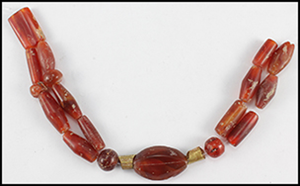
A sickle boat petroglyph in Wadi Asafir, North-west Arabia, can potentially stretch the geographic scope of the connection between Egypt and Western Arabia in the fourth millennium BC.
A multi-disciplinary research project in the Aras Valley, Armenia, focuses on the remains of the Late Bronze/Early Iron Age settlement of Metsamor. The results challenge prior understandings of the settlement's past and the role it played in the region, especially during the first centuries of the first millennium BC.
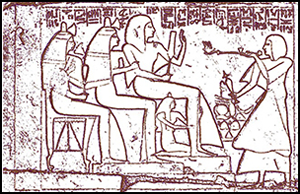
This paper presents the results of a non-photorealistic rendering technique applied to three different types of reliefs from the ancient Egyptian tomb of Meryneith at Saqqara.
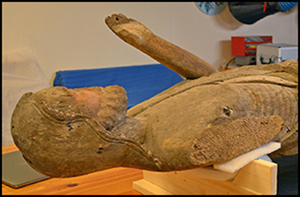
This project develops theoretical as well as methodological tools for the study of ancient wood, focusing on wood-use in North-eastern Europe within the period AD 1100–1600. The authors approach wood within the framework of object biographies and link the study of wooden artefacts with broader archaeological understandings of formation processes and environmental reconstruction.
The ‘Maritime Endangered Archaeology’ (MarEA) project is conducting remote, large-scale identification and assessment of vulnerable maritime heritage to assist in its management in the face of challenges such as climate change and rapid urbanisation.