To save content items to your account,
please confirm that you agree to abide by our usage policies.
If this is the first time you use this feature, you will be asked to authorise Cambridge Core to connect with your account.
Find out more about saving content to .
To save content items to your Kindle, first ensure no-reply@cambridge.org
is added to your Approved Personal Document E-mail List under your Personal Document Settings
on the Manage Your Content and Devices page of your Amazon account. Then enter the ‘name’ part
of your Kindle email address below.
Find out more about saving to your Kindle.
Note you can select to save to either the @free.kindle.com or @kindle.com variations.
‘@free.kindle.com’ emails are free but can only be saved to your device when it is connected to wi-fi.
‘@kindle.com’ emails can be delivered even when you are not connected to wi-fi, but note that service fees apply.
Background: The complement component C5 inhibitor, ravulizumab, is approved in Canada for the treatment of adults with AQP4-Ab+ NMOSD. Updated efficacy and safety results from the ongoing CHAMPION-NMOSD (NCT04201262) trial are reported. Methods: Participants received IV-administered, weight-based dosing of ravulizumab, with loading on day 1 and maintenance doses on day 15 and every 8 weeks thereafter. Following a primary treatment period (PTP; up to 2.5 years), patients could enter a long-term extension (LTE). Outcome measures included safety, time to first adjudicated on-trial relapse (OTR), risk reduction, and disability scores. Results: 56/41 patients entered/completed the LTE as of June 14, 2024. Median follow-up was 170.3 weeks (186.6 patient-years). No patients experienced an OTR. 94.8% (55/58 patients) had stable or improved Hauser Ambulation Index scores. 89.7% (52/58 patients) had no clinically important worsening in Expanded Disability Status Scale scores. Treatment-emergent adverse events (98.4%) were predominantly mild and unrelated to ravulizumab. Serious adverse events occurred in 25.9% of patients. Two cases of meningococcal infection occurred during the PTP, and none in the LTE. One unrelated death (cardiovascular) occurred during the LTE. Conclusions: Ravulizumab demonstrated long-term clinical benefit in AQP4-Ab+ NMOSD relapse prevention while maintaining or improving disability measures, with no new safety concerns.
Heterotaxy patients after Kawashima surgery, with separately draining hepatic veins pose a complexity for Fontan completion. We describe a novel percutaneous technique for hepatic vein diversion and complete transcatheter Fontan.
Case report:
A 6-year-old female with single ventricle physiology and bilateral hepatic vein drainage underwent Kawashima surgery. She later developed a complete heart block and elevated mean pulmonary pressures (17 mmHg). Permanent pacemaker implantation and left hepatic vein ligation were performed. Due to elevated pulmonary pressures, transcatheter Fontan completion was chosen over surgical options, and hepatic veins were included without prior surgical preparation as there were well-developed venous collaterals between the hepatic veins. The patient remained asymptomatic post-intervention with no complications and was discharged on anticoagulation therapy.
This paper examines the impact of COVID-19 on labour governance and legal struggles faced by overseas Chinese workers. Drawing on migration studies and legal research, it explores the intersections of state, labour and law in the context of transnational mobility and dispute resolution. Through critical analysis of policy directives and court rulings, the paper highlights the Chinese government’s dual challenge in the wake of the pandemic: maintaining the continuity of overseas business operations to safeguard corporate profitability and China’s international image, while also protecting workers’ rights to uphold social stability. The findings reveal that overseas workers were at times overlooked in central government policy guidelines, despite facing unique legal, spatial and logistical challenges owing to the transnational and trans-jurisdictional nature of their employment. This lack of tailored policy attention has resulted in inconsistencies and disparities in how domestic courts adjudicate their legal claims. Gaps in overseas labour governance during times of crisis underscore the need for clearer legal stipulations and more inclusive judicial protections to address the complexities of transnational labour disputes under “Global China.”
Background: Occipital nerve stimulation (ONS) is a promising therapy for craniofacial pain syndromes refractory to conventional treatments. This study evaluates the long-term efficacy and safety of ONS over a 15-year period at Hôpital Enfant-Jésus, CHU de Québec, based on patient-reported outcomes and complication rates. Methods: A retrospective cohort analysis was conducted on patients with occipital neuralgia, cluster headaches, migraines, and other craniofacial pain syndromes who underwent ONS implantation. Pain intensity, quality of life, and patient-reported improvements were assessed at baseline, one year, and the latest follow-up. Trial stimulation was performed before permanent implantation. Results: Among 45 patients (mean age: 53.7 years), diagnoses included occipital neuralgia, migraines, cluster headaches, cervicogenic pain, and other pain syndromes. At follow-up (mean: 4.72 ± 1.02 years), NPRS scores decreased by 3.8 ± 1.7 points, BPI showed a 45% ± 18% reduction, and SF-36 revealed improvements in physical (20% ± 25%) and social functioning (30% ± 22%). Adverse events occurred in 27% of patients, with surgical revisions required in 14%. Conclusions: ONS provides significant, long-term pain relief and quality-of-life improvements in refractory craniofacial pain, particularly for occipital neuralgia and cluster headaches. While complications remain notable, advancements in techniques and technology may improve outcomes, supporting ONS in tailored pain management protocols.
Background: Accurate aquaporin-4 (AQP4) and Myelin Oligodendrocyte Glycoprotein (MOG) assays are essential for effectively diagnosing neuromyelitis Optica spectrum disorder and MOG antibody-associated disease. The Live Cell-Based Assay (L-CBA) is the gold standard laboratory test for detecting these antibodies. We studied the profiles of these antibodies, in samples of patients with relevant neurological conditions. Methods: Between January 2021 and December 2024, a total of 6673 samples of serum and/ or CSF were tested at BC Neuroimmunology Lab, Vancouver. We performed in-house L-CBA for the AQP4 and MOG Abs identification. We analyzed the demographics and characteristics of the positive Abs results. Results: We identified 7.8% positive results for anti-MOG and 2.7% for anti-AQP4 antibodies. Both antibodies were more frequent in females (AQP4: 76.9%, MOG: 65.1%). The average age of patients was 49.2 ± 18.8 years, ranging from 9 to 88 years for AQP4 antibodies, and 40.9 ± 19.5 years, ranging from 10 months to 89 years for MOG antibodies. Conclusions: Both anti-MOG and anti-AQP4 Abs are prevalent in females. Moreover, anti-MOG Abs are present across a wider age range from infancy to the elderly, and anti-AQP4 Abs are typically found in later ages, between 10 and 90 years.
Background: Leadership drives innovation, patient care and resident education in neurosurgery. This study aims to quantitatively analyze the demographic and professional characteristics of leaders in Canadian academic neurosurgery. Methods: Leaders in remunerated positions, such as department chairs and program directors, from the 14 Canadian Royal College of Physicians and Surgeons-accredited neurosurgery programs were identified using publicly available online resources, chain-referral sampling, and personal communications. Demographic and professional data were collected and analyzed using frequency analyses and exploratory chi-square tests. Results: Thirty-four neurosurgical leaders were identified, predominantly in Québec (29.4%) and Ontario (26.5%). Pediatrics (26.5%) was the most common subspecialty. Over half of leaders held positions in the institution where they trained (52.9%). Among non-Quebec programs, male neurosurgeons were less likely than females to hold leadership positions (p = 0.040, OR = 0.344, 95% CI 0.12-0.99), although males still predominated (18 males vs. 6 females). In Quebec, no gender association was found (p = 0.652). Leaders averaged 76.4 (±81.49) publications and an h-index of 19.71 (±15.12) with nearly two-thirds holding advanced degrees. Conclusions: This study establishes the current landscape of leaders in Canadian academic neurosurgery. Further research is needed to explore career trajectory and barriers to leadership in the field.
Background: This retrospective cohort study investigates radiographic factors linked to the success of Endoscopic Third Ventriculostomy (ETV) for hydrocephalus. Methods: We examined 48 patients who underwent ETV between August 2011 and March 2023. Radiographic factors analyzed included the basal skull angle, modified basal skull angle, interpeduncular cistern diameter, prepontine diameter, and approach angle to the third ventricle floor. Statistical analysis was performed using R studio. Results: The cohort had a median age of 41 years, with 22 females. Pathologies included aqueductal stenosis (21 cases), tectal tumors (7), and IVH (5). The mean ETV Success Score (ETVSS) was 76.7. Of the 21 failures, 16 required a shunt. A strong correlation was found between ETVSS and procedure success (p<0.001). Modified basal skull angle (p=0.028), interpeduncular cistern diameter (p<0.001), and approach angle (p<0.001) were all associated with ETV success. Decision tree analysis showed that the inclusion of approach angle to ETVSS improved sensitivity and specificity, reaching 1.0 for both. Conclusions: In conclusion, the study highlights that radiographic factors, particularly the modified basal skull angle, interpeduncular cistern diameter, and approach angle, are key predictors of ETV success. This information can assist neurosurgeons in planning cases more effectively.
Background: Hyperosmotic hyperglycemic nonketotic state (HHS) is associated with myriad neurological complications such as seizures. Methods: We report a case presenting with visual hallucinations due to occipital lobe epilepsy. Results: A 67-year old woman with chronic hypertension, hyperlipidemia and diabetes mellitus non-compliant to medication presented with a 10-day history of recurrent visual phenomena in the left visual field. She described stationery multi-coloured flashing lights which decreased in intensity, brightness and size after 3 minutes. She was alert and conscious during attacks. There was no limb jerking. Neurological examination was normal with no visual field defect. Capillary glucose was 28.1 mmol/L, Hba1c 9% and B-hydroxybutyrate < 0.1. She was treated with actrapid 8 units, glipizide 5 mg BD and empagliflozin 12.5 mg OM. Interictal electroencephalogram was normal with no epileptiform activity. Brain magnetic resonance imaging revealed restricted diffusion in the right occipital cortex with corresponding cortical thickening and increased FLAIR signal with subtle hypodensity on GRE sequence. Her visual symptoms improved dramatically with hydration and diabetic control. She was treated with a short course of keppra. Conclusions: Visual hallucinations are an uncommon but well recognised and fully reversible complication of HHS. Clinicians should not forget HHS in the workup of occipital lobe epilepsy.
Background: Stroke therapies remain an area of ongoing research. Gene therapies offer a novel approach to repair tissue damage, particularly NeuroD1-mediated astrocyte-to-neuron conversion, which regenerates functional neurons after ischemic injury. Here, we applied NeuroD1 therapy in a non-human primates (NHPs) stroke model to evaluate its effects on corticospinal tract (CST) recovery and motor performance. Methods: Eight NHPs underwent middle cerebral artery occlusion (MCAO). Fourteen days later, six animals received intracranial NeuroD1 treatment (three high-dose, three low-dose), while two received a control solution. Neurological and functional performance were assessed daily. MRI scans were performed at baseline and at 7, 30, 90, 120, and 240 days post-MCAO, with the bilateral CST reconstructed at each time point. All procedures followed Canadian Council of Animal Care guidelines and were approved by Queen’s University’s Animal Use Subcommittee. Results: We found that NHPs receiving the control solution exhibited poorer motor recovery and minimal CST reconstruction. In contrast, those treated with a low dose of NeuroD1 demonstrated motor and functional recovery along with CST reconstruction. Notably, animals receiving the higher dose showed the most significant overall recovery including a greater CST integrity. Conclusions: NeuroD1 treatment promotes white matter tract restoration and facilitates motor recovery following stroke.
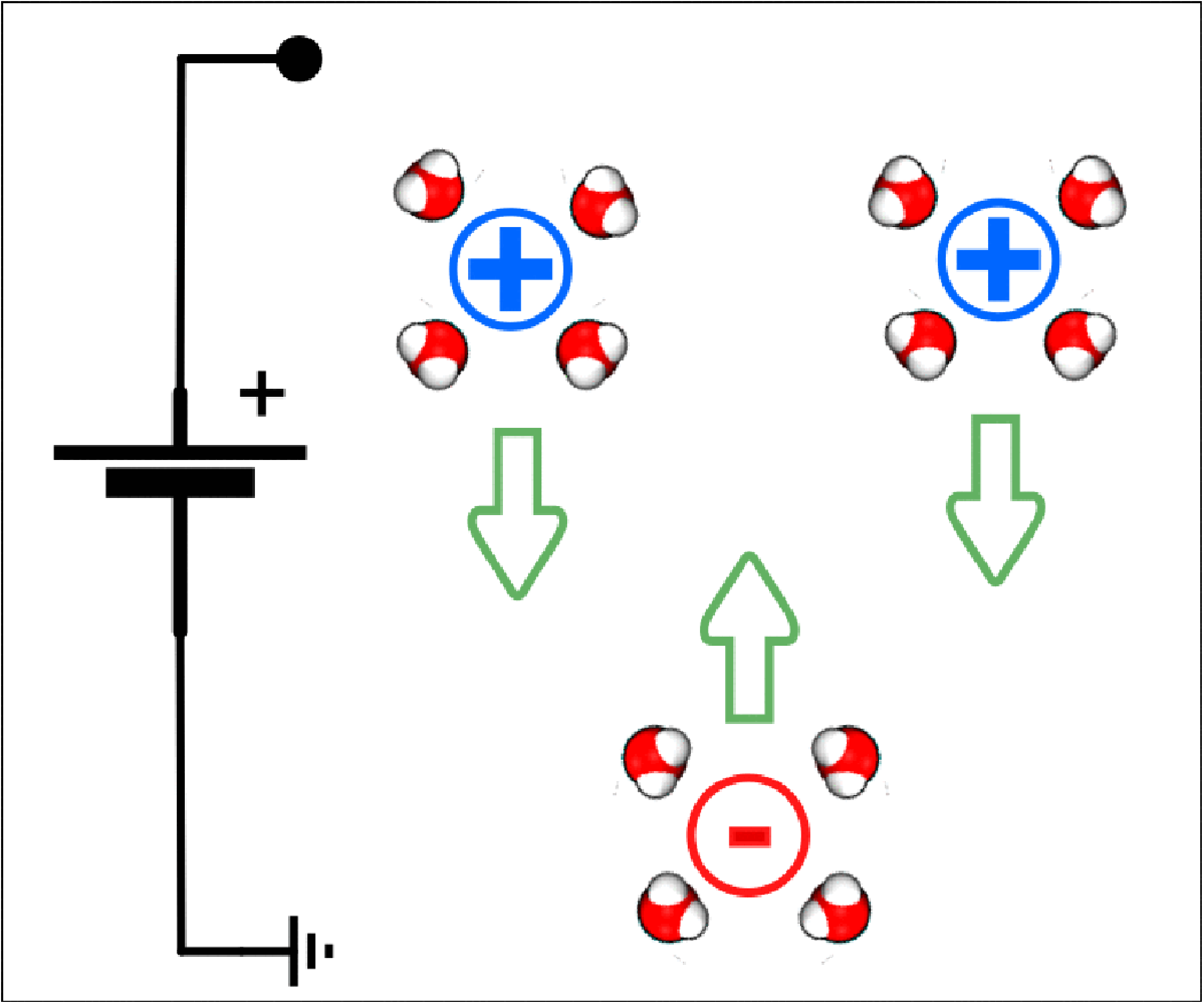
Transport in nanofluidic devices is often characterized by complex electrohydrodynamic coupling. Electro-osmotic flow (EOF), i.e. the motion of fluid due to an external electric field, is one of the most common electrohydrodynamic phenomena. However, the classical continuum description of EOF cannot be directly applied at the nanoscale, and no generic experimental techniques exist to measure EOF for nanopores just a few nanometres in size. This led to the development of approximate approaches to express EOF through experimentally accessible quantities. The most popular one, derived by Gu et al. in 2003, employs nanopore selectivity measured via reversal potential experiments and expresses EOF as the sum of water molecules dragged by each ion moving through the pore. Here, combining theoretical arguments, continuum electrohydrodynamic and molecular dynamics simulations, we discuss the limitations of these approximations. Our results indicate that, although some approximate expressions contradict basic fluid dynamics scaling arguments, they still capture the order of magnitude of EOF for very narrow biological nanopores such as MspA, CytK and CsgG. Finally, we highlight some caveats of the method, particularly when dealing with non-cylindrical biological pores and the effects of localized alterations of the pore surface charge, such as point mutations commonly employed in nanopore sensing technology.
Magnetic reconnection, a fundamental plasma process, is pivotal in understanding energy conversion and particle acceleration in astrophysical systems. While extensively studied in two-dimensional (2-D) configurations, the dynamics of reconnection in three-dimensional (3-D) systems remains under-explored. In this work, we extend the classical tearing mode instability to three dimensions by introducing a modulation along the otherwise uniform direction in a 2-D equilibrium, given by $g(y)$, mimicking a flux-tube-like configuration. We perform linear stability analysis (both analytically and numerically) and direct numerical simulations to investigate the effects of three-dimensionality. Remarkably, we find that a tearing-like instability arises in three dimensions as well, even without the presence of guide fields. Further, our findings reveal that the 3-D tearing instability exhibits reduced growth rates compared with two dimensions by a factor of $\int g(y)^{1/2} {\rm d}y\,/\int {\rm d}y$, with the dispersion relation maintaining similar scaling characteristics. We show that the modulation introduces spatially varying resistive layer properties, which influence the reconnection dynamics.

Background: Non-pharmacological interventions that promote self-management are crucial for individuals with mild cognitive impairment (MCI.) Mindfulness training has shown promise but is often not tailored to MCI. Methods: In 2021, the Neil and Susan Manning Cognitive Health Initiative (CHI) - a collaboration between the Vancouver Island Health Authority, Universities of BC and Victoria, and the Victoria Hospitals Foundation - partnered with the BC Association for Living Mindfully (BCALM) to develop a specialized mindfulness program for MCI, based on Mindfulness-Based Stress Reduction (MBSR). This multi-phase initiative aimed to enhance self-management, address the lack of outpatient services for MCI in Victoria, and contribute to the evidence base for mindfulness interventions. Results: Phase 1 assessed the BCALM program’s suitability for MCI; feedback included suggestions to simplify content and meditations. Phase 2 piloted an adapted version, with an 8-week program consisting of weekly sessions. Participants, recruited from the Seniors Outpatient Clinic in Victoria, completed pre- and post-program surveys; results showed over 90% of participants reported improved memory and coping, and 80% managed memory-related challenges better. Conclusions: Now in Phase 3, the MCI program is being transitioned into regular BCALM curriculum, with plans for a clinical trial comparing it to traditional psychoeducational approaches.
Background: Epilepsy has significant implications to quality of life (QOL) beyond the seizures themselves. While research has investigated QOL among people with epilepsy (PwE) from around the globe, minimal research exists on QOL among PwE living in Canada. Methods: People with drug-resistant epilepsy admitted to the Epilepsy Monitoring Unit in London, Ontario completed the “Quality of Life in Neurological Disorders” questionnaire (Neuro-QOL), a scale evaluating 13 QOL domains. We assessed objective cognition using a battery called Creyos. Results: Participants (N=42) scored significantly worse than the reference populations on the anxiety, satisfaction with social roles and activities, and cognitive functioning Neuro-QOL domains (p<.05). Scores on these domains, as well as depression and positive affect/well-being were unrelated to age (mean=39.3 years, SD=16.9), sex (28 females), education level, epilepsy duration, and age of epilepsy onset (p>.05). There were no correlations between scores on these Neuro-QOL domains and Creyos performance in short-term memory, reasoning, and verbal processing (p>.05). Conclusions: PwE living in Canada experience negative QOL in anxiety, social satisfaction, and subjective cognition, unrelated to the clinical factors or cognitive domains investigated. More attention is needed in Canadian clinical care and research to assess and address these affected attributes of QOL for all PwE.
Background: This study aimed to describe the technical characteristics and clinical efficacy of intracranial-to-intracranial (IC-IC) bypass for the treatment of complex intracranial aneurysms. Methods: We retrospectively reviewed all patients with aneurysms who underwent a preplanned combination of surgical or endovascular treatment and IC-IC bypass at our institution between January 2006 and September 2023. IC-IC bypass techniques included four strategies: type A (end-to-end reanastomosis), type B (end-to-side reimplantation), type C (in situ side-to-side anastomosis), and type D (IC-IC bypass with a graft vessel). Results: We performed the type A strategy on five patients (50.0%), type B on one (10.0%), type C on one (10.0%), and type D on three (30.0%). During a mean period of 68.3 months, good clinical outcomes (modified Rankin Scale score, 0-2) were observed in all patients. Follow-up angiography demonstrated complete aneurysmal obliteration in all patients and good bypass patency in nine of ten patients (90.0%). Conclusions: The treatment of complex aneurysms remains a challenge with conventional surgical or endovascular treatments. IC-IC bypass surgery is a useful technique, associated with favorable clinical outcomes, for treating complex aneurysms.
Background: Neurosurgery is a long and arduous training program, and the demands of neurosurgical training have led to resident burnout prevalence ranging from 11-67%, attrition, and suicide. We aimed to assess whether implementation of a weekly self-assessment tool with optional psychological counselling improves neurosurgical resident quality of life. Methods: We performed a one year prospective cohort study including 14 Calgary (intervention group) and 12 Toronto/Winnipeg residents (control group). Calgary residents utilized a mobile application (“HONE”) weekly, and all residents responded to questionnaires at baseline, midpoint and endpoint: EQ-5D-5L, Maslach Burnout Inventory (MBI), and Mayo Clinic Well-being Index (WBI). Between and within group results were compared using two-tailed t-tests. Results: Pooled baseline scores were comparable to population norms, with increased mean MBI depersonalization scores (10.28 versus 7.12, p=0.033), and more WBI “at risk” scores compared to normative data. There were no baseline differences between cohorts. EQ-5D-5L, MBI, and WBI scores were comparable between and within cohorts at all three time points. Three intervention group residents accessed psychological counselling, totalling ten sessions. Conclusions: Weekly use of the HONE application did not impact resident quality of life, although multiple residents displayed help-seeking behaviours. HONE provided tangible data for the program director to track trends in team well-being.
Background: Degenerative Cervical Myelopathy (DCM) is a progressive condition causing cervical spinal cord injury. Disease severity is commonly assessed using the modified Japanese Orthopedic Association (mJOA) score, yet clinical guidelines do not integrate pain—a key symptom—in evaluations. This meta-analysis examines the relationship between pain scores and quality of life outcomes (QOL) in surgical DCM patients. Methods: A comprehensive literature search using MEDLINE, Web of Science, and Embase identified 73 studies. Data regarding pain scores (VAS/NRS) and QOL outcomes (SF-12, SF-36) were extracted by 2 independent reviewers and all conflicts were resolved by the senior author. The number of patients analyzed in the studies included was 929. Results: Meta-regression identified no significant relationship between pain and SF-36 preoperatively but found a significant negative correlation at 3 months (r = -0.67, p<0.05), 6 months (r = -0.65, p<0.05), 1 year (-0.63, p<0.05), and 2 years (r = -0.62, p<0.05). Conclusions: Our results indicate a strong relationship between postoperative pain and QOL among patients with DCM. Surgeons and care teams should prioritize optimal pain management postoperatively for patients with DCM.