To save content items to your account,
please confirm that you agree to abide by our usage policies.
If this is the first time you use this feature, you will be asked to authorise Cambridge Core to connect with your account.
Find out more about saving content to .
To save content items to your Kindle, first ensure no-reply@cambridge.org
is added to your Approved Personal Document E-mail List under your Personal Document Settings
on the Manage Your Content and Devices page of your Amazon account. Then enter the ‘name’ part
of your Kindle email address below.
Find out more about saving to your Kindle.
Note you can select to save to either the @free.kindle.com or @kindle.com variations.
‘@free.kindle.com’ emails are free but can only be saved to your device when it is connected to wi-fi.
‘@kindle.com’ emails can be delivered even when you are not connected to wi-fi, but note that service fees apply.
Persistent depressive episodes and subsyndromic depressive symptoms frequently characterize mood alterations in bipolar disorder (BD) and negatively influence quality of life and suicide risk. BD patients with predominant depressive episodes generally show significantly higher treatment resistance rates. Although not specifically approved in Italy for bipolar depression, recently published observational data suggest that the cariprazine add-on may be a potential effective short-term treatment for resistant bipolar depression. Nevertheless data on long-term cariprazine treatment are lacking.
Objectives
This study evaluated the efficacy and safety of long-term cariprazine augmentation in patients suffering from treatment-resistant bipolar depression.
Methods
30 resistant bipolar depressed patients, whose resistance was defined according to The CINP Guidelines on the Definition and Evidence-Based Interventions for Treatment-Resistant Bipolar Disorder, were treated with cariprazine 1,5 -3 mg flexible dose for 4 weeks, added to previous mood stabilizing and/or antidepressant treatment. Psychopathology at time 0 and at 4, 8, 12, 16, 20, 24 weeks of treatment was evaluated using the Hamilton Depression Rating Scale (HDRS), the Hamilton Anxiety Rating Scale (HARS), the Young Mania Rating Scale (YMRS) and the Bipolar Depression Rating Scale (BDRS); safety and tolerability was measured by the UKU Side Effect Rating Scale. The drop-out rate was assessed throughout the study duration.
Results
Cariprazine add-on was effective in the study sample but only during the first 4 weeks of treatment. Improvement in depression scores started from the first week, reaching about 40% mean HDRS score reduction at T4; a moderate ulterior decrease (-15%) was reached at T24 but was accompanied by a significant drop-out rate; anxiety symptoms improved (mean HARS score reduction 37% at T4) mainly during the first 4 weeks. The treatment was generally well tolerated. From week 4 to 24 we observed a near 70% drop-out rate (18 total drop-outs) with maximum drop-outs between weeks 4-8 (n=7) and 18-24 (n=7). Discontinuation causes were inefficacy (5/18); clinical worsening (10/18); side effects (3/18); hypomanic shift (2/18).
Conclusions
Despite the relatively small population examined and the observational design, our results suggest that cariprazine may represent an effective and safe short-term enhancement strategy in resistant bipolar depression. Long-term treatment, in this sample, did not lead to significant improvements and was burdened by a high drop-out rate, mainly due to inefficacy/clinical worsening. Further studies on larger samples are needed to confirm these preliminary findings, both in short-term and in longer observations.
Feminists have long argued that emotions have a rightful place in politics. Anger, specifically, is often said to play a crucial role in alerting people to oppression and motivating resistance. The task of this paper is to elaborate these claims and to outline a conception of the political value of anger. In doing so, I argue against the view that anger is valuable only if and because it expresses a sound moral judgment. Instead, we should see rage, in the first place, as simply a response to having one's practical aims in the world thwarted—there need be nothing moral or righteous about this feeling for it to have political potential. Second, unlike those who highlight anger's connection with love or claims for equal dignity, I emphasize its tendency towards aggression. With this non-moralized conception of anger in hand, we can see how rage reveals practical problems in a way that can spur on a dialectical process of political articulation and organized action. The resulting standpoint from which one can articulate and resist one's oppression based on one's rage is not inherent in the experience of anger—rather, it needs to be seen as a political achievement in itself.
Patients’ beliefs and attitudes about medications play a role in whether they adhere to their medications or not. Knowledge on how beliefs and attitudes about medications can be influenced is therefore important.
Objectives
The current study aimed to assess whether patients’ perceived support from their therapists regarding use of medications was associated with their beliefs and attitudes about medications. Because non-adherence in patients with psychosis frequently results in relapses and emergencies, this knowledge may be very useful for therapists and patients.
Methods
This cross-sectional study included 310 patients diagnosed with psychosis from 31 clinical units in Norwegian mental health specialist care. We assessed beliefs about medications using the Beliefs about Medicines Questionnaire (BMQ). BMQ-specific consists of two subscales, BMQ-necessity and BMQ-concerns. Higher score on the necessity subscale indicates stronger beliefs in the necessity of taking the medicine. Higher score on the concern subscale indicates stronger concerns about taking the medicine. We used a newly developed self-report questionnaire, MedSupport, to assess the patients’ perceived support from therapists in dealing with their medications. Higher score on the MedSupport means that the patient experienced more support with decisions related to medications. Linear mixed effect models were used to investigate possible associations of sociodemographic factors, clinical factors and patients’ perceptions of medication support with BMQ.
Results
Patients’ perceptions of medication support from therapists were positively associated with positive beliefs towards medications, β = 0.20, 95% CI [0.04 to 0.35], p=0.012, and negatively associated with concerns about taking the medications, β = -0.31, 95% CI [-0.44 to -0.17], p < 0.001, when other relevant variables were taken into consideration.
Conclusions
The present study shows that therapists may affect patients’ beliefs and concerns about medications. Consequently, medication support may lead to improved adherence to medications prescribed.
To investigate the relationship between father involvement in parenting and mental health problems among children and adolescents in rural China. The Rural Children’s Mental Health dataset includes mental health information from 2,489 children and adolescents aged 5–16 in seven provinces in China. The relationship between father involvement in children and adolescents depression risk and anxiety was analyzed by Spearman’s correlation analysis, logistic regression analysis, and restricted cubic spline. Father involvement was significantly and negatively associated with depression scores (r = −0.38, P < 0.001) and anxiety scores (r = −0.18, P < 0.001) in rural Chinese children and adolescents. Both multivariate models indicate that the highest level of father involvement has a protective effect on the risk of depression among children and adolescents (OR = 0.268 and 0.303, 95% CI: 0.149~0.483 and 0.144~0.636), while the association with anxiety risk is only significant in the multivariate model 1 (OR = 0.570, 95% CI: 0.363~0.896). Father involvement is a protective factor for the risk of depression among children and adolescents in rural China. The level of father involvement should be increased, and active participation should be encouraged to reduce the risk of depression in their children and to further promote the mental health of children and adolescents in China.
Hundreds of fires have been burning from coast to coast across the country since March 2023, putting Canada on track to experience the worst wildfire season ever. From East to West, provinces such as Quebec, Ontario, Nova Scotia, Alberta, and British Columbia have been particularly affected by large and uncontrollable wildfires.
Objectives
This study aimed to determine the prevalence and predictors of depression symptoms among residents of Alberta and Nova Scotia during the Canadian wildfires of 2023.
Methods
This study conducted a cross-sectional quantitative survey for data collection. In the period between 14th May and 23rd June 2023, an online survey was administered using REDCap. Through the Text4Hope program, participants subscribe to receive supportive SMS messages daily. After the first message, participants were invited to complete an online questionnaire, containing demographic information, wildfire-related information, and responses to the Patient Health Questionnaire-9 (PHQ-9) for depression assessment. SPSS version 25 was used to analyze the data. Descriptive, univariate, and multivariate regression analyses were employed.
Results
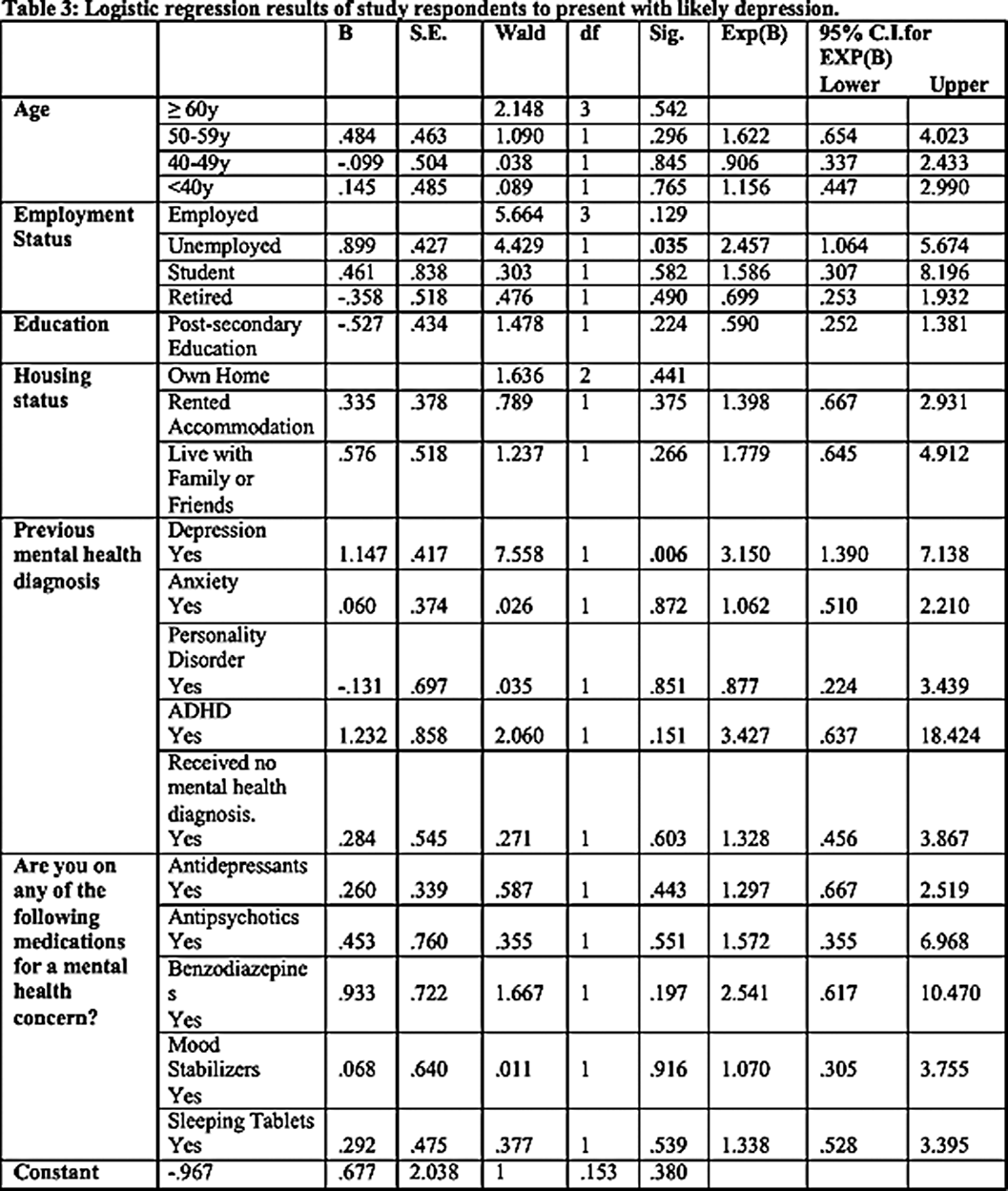
A total of 298 respondents completed the online survey out of 1802 who accessed it, resulting in a response rate of 16.54 %. Most of the respondents were females (85.2%, 253), below 40 years of age (28.3%, 84), employed (63.6%, 189), and in a relationship (56.4%, 167). A historical depression diagnosis (OR = 3.15; 95% CI: 1.39–7.14) was a significant predictor of moderate to severe MDD in our study. While employment status did not significantly predict MDD, unemployed individuals were two times more likely to report moderate-to-severe symptoms of MDD than employed individuals (OR = 2.46; 95% CI: 1.06–5.67). Among the total sample population, the moderate to severe MDD prevalence was 50.4%, whereas it was 56.1% among those living in wildfire-affected areas.
Image:
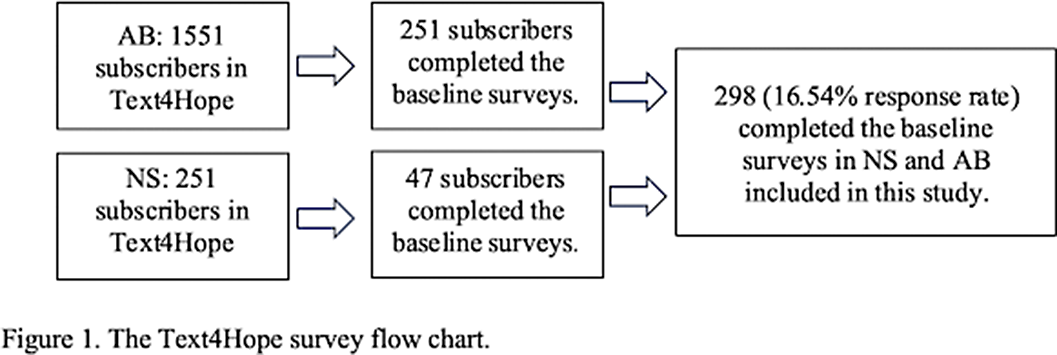
Image 2:
Conclusions
As a result of our study, the development of moderate to severe MDD symptoms during wildfire disasters was significantly associated with a history of depression diagnosis. Although employment status did not significantly predict MDD, unemployed individuals had a greater likelihood of experiencing moderate-to-severe symptoms than employed individuals. Further research is necessary to ascertain reliable predictors of mental health issues among those who have experienced disasters, as well as to offer appropriate interventions and treatment options to the communities and individuals who are most vulnerable.
The final aim of the EXPERIENCE project is to enable individuals to record and share extended-personal realities in Virtual Reality (VR) - which entails the consideration of a person’s neurophysiological, psychological, and cognitive states. One prospective application is using this technology to aid in assessing symptoms of affective disorders.
Objectives
The objective is to test the ability of a pre-designed VR environment to differentiate between individuals with depressive symptoms and healthy controls (HCs) via machine learning algorithms.
Methods
Conducted as a pilot study in Italy, we recruited 100 volunteers, comprising 50 HCs and 50 individuals with moderate depressive symptoms assessed via the PHQ-9. Through a 40–60-minute VR engagement, comprehensive data on cognitive (inc. cognitive flexibility, sustained attention, working memory, processing speed), behavioral (exploration, attentional bias), and physiological (heart-rate variability, skin conductance) variables was collected. Subsequently, an explainable artificial intelligence model (xAI) was trained on data from 80% of the sample and tested on the remaining 20% in terms of accuracy for between-group classification.
Results
Following an iterative process that considered both the importance assigned to each variable in the different models and the theoretical relevance of these variables to depression the final model achieved an average accuracy of 71% (with individual trials ranging from 64.5% to 77.1%). Key predictors included exploratory behaviors and heart-rate variability during both exploration and cognitive tasks.
Conclusions
These results are comparable, however remain below the levels of accuracy achieved based on fMRI and DTI data alone (around 80%). Nonetheless, the EXPERIENCE system, slated for refinement beyond this pilot phase, shows potential in integrating multimodal data for evaluating affective disorder symptoms, aiming for a more objective screening and diagnostic approach at a lower cost.
Acknowledgement
The EXPERIENCE project is funded by the European Commission H2020 Framework Program, Grant No. 101017727.
Individuals with schizophrenia are known to be at an increased risk of suicidal behavior (Sher & Kahn, 2019). However, the relationship between chronotype, which refers to an individual’s preference for sleep-wake patterns, and suicidal attempts in schizophrenia patients remains an area of interest and investigation.The relationship between chronotype and suicidal attempts in schizophrenia patients has not been extensively studied. However, research in other populations has shown that individuals with evening chronotypes, also known as “night owls,” may be at a higher risk of mental health issues, including depression and suicidal ideation (Verma et al., 2016). It is plausible to hypothesize that individuals with schizophrenia who have evening chronotypes may also be at an increased risk of suicidal attempts. Further research is needed to explore this relationship and its potential implications for clinical practice. In conclusion, the relationship between chronotype and suicidal attempts in schizophrenia patients is an area that requires further investigation.Early identification and intervention are crucial in preventing further suicidal attempts in this vulnerable population. Future research should focus on exploring the relationship between chronotype and suicidal attempts in schizophrenia patients to provide a comprehensive understanding of the factors contributing to suicide risk in this population.
Objectives
This study investigates the relationship between chronotype and suicidal attempts in patients with schizophrenia.
Methods
The study was conducted cross-sectionally using quantitative research methods and using purposive sampling. The personal information form and scales used for data collection in this study, which was planned with patients hospitalized in the psychiatric ward and patients applying to the outpatient clinic, are based on self-report. The personal information form developed by the researcher by reviewing the literature, the Morningist-Evening Scale (SAM), the Suicide Probability Scale, the Suicidal Behavior Scale, the Positive Symptoms Rating Scale (SAPS) and the Negative Symptoms Rating Scale (SANS) were used as data collection tools. Participants signed an informed consent form before the interview.
Results
Data extraction is still ongoing in detailed style by principal authors. A description of the studies and the key findings will be presented.
Conclusions
Reducing the risk of suicide in patients with schizophrenia is of vital importance. Awareness of the risks related to suicide may help reduce mortality rates in schizophrenia patients as in all patients. It is thought that the study’s results will be an important resource in knowing the risks related to suicide and determining the risk factors so that prevention studies can be initiated.
Food insecurity has become a growing burden within a global context where climate change, catastrophes, wars, and insurgencies are increasingly prevalent. Several studies have reported an association between suicidal behaviors (i.e., suicide ideation, plans, and attempts) and food insecurity. This meta-analytic review for the first time, synthesized the available literature to determine the pooled prevalence of suicidal behaviors among individuals experiencing food insecurity, and examined the strength of their association.
Objectives
To determine the pooled prevalence of suicidal behaviors among individuals experiencing food insecurity, and examine the strength of their association.
Methods
Databases (Ovid, PubMed, Web of Science, and CINAHL) were searched using the appropriate search term from inception to July 2022. Eligible studies reporting the number/prevalence of suicidal behaviors among individuals experiencing food insecurity or the association between food insecurity and suicidal behaviors were included. The pooled prevalence of suicidal behaviors was determined using the random-effects model. The review was registered with PROSPERO (CRD42022352858).
Results
A total of 47 studies comprising 75,346 individuals having experienced food insecurity were included. The pooled prevalence was 22.3% for suicide ideation (95% CI: 14.7-29.9; I2=99.6%, p<0.001, k=18), 18.1% for suicide plans (95% CI: 7.0-29.1; I2=99.6%, p<0.001, k=4), 17.2% for suicide attempts (95% CI: 9.6-24.8; I2=99.9%, p<0.001, k=12), and 4.6% for unspecified suicidal behavior (95% CI: 2.8-6.4; I2=85.5%, p<0.001, k=5). There was a positive relationship between experiencing food insecurity and (i) suicide ideation (aOR=1.049 [95% CI: 1.046-1.052; I2=99.6%, p<0.001, k=31]), (ii) suicide plans (aOR=1.480 [95% CI: 1.465-1.496; I2=99.1%, p<0.001, k=5]), and (iii) unspecified suicide behaviors (aOR=1.133 [95% CI: 1.052-1.219; I2=53.0%, p=0.047, k=6]). However, a negative relationship was observed between experiencing food insecurity and suicide attempts (aOR=0.622 [95% CI: 0.617-0.627; I2 = 98.8%, p<0.001, k=15]). The continent and the countries income status where the study was conducted were the common cause of heterogeneity of the differences in the odds of the relationships between experiencing food insecurity and suicidal behaviors - with North America and high-income countries (HICs) having higher odds. For suicide attempts, all non HICs had a negative relationship with food insecurity.
Conclusions
There is a high prevalence of suicidal behaviors among individuals experiencing food insecurity. Initiatives to reduce food insecurity would likely be beneficial for mental wellbeing and to mitigate the risk of suicidal behaviors among population experiencing food insecurity.
The paradoxical finding of suicide attempts having a negative relationship with food insecurity warrants further research.
Fear of childbirth is attracting growing interest because of its impact on the experience of pregnancy and on the progress of childbirth and it seems that some women are more susceptible to fear of childbirth than others are.
Objectives
Our objective is to identify pregnancy factors that predict the fear of childbirth.
Methods
We approached 350 pregnant women consulting at the Gynecology-Obstetrics department of the Hedi Chaker University Hospital of Sfax. We collected their sociodemographic and clinical data. Fear of childbirth was assessed using the French version of the Traumatic Event Scale (TES), adapted to assess fear of childbirth.
Results
The mean age of the participants was 28 years (16-41) and the mean gestational weak was 36.27. Half of the participants (53.7%) were nulliparous, and eight reported a history of infertility. The pregnancy was not planned in 61% of cases. As many as 67% of the participants had regular checkups, 50.3% had exaggerated somatic symptoms and 34.3% had pregnancy-related diseases.
The mean score for the TES was 48.73 ± 13.72.
We found a positive correlation between the TES score and nulliparity (p=0.01), gestational age ≥ 40 weeks (p=0.01), planned pregnancy (p=0.002), exaggerated somatic symptoms (p=0.03), and pregnancy-related diseases (p<0.001).
Conclusions
Identification of women at risk for fear of childbirth could help in preparing them before or during pregnancy to improve their childbirth experiences.
In the UK there are 3500 individuals detained in medium secure forensic psychiatry units. Service users in such settings have complex and serious mental illness (SMI), often with co-morbid physical health problems and a life expectancy of at least 10 years shorter than the general population. They often have low levels of physical activity. There is little evidence about physical activity interventions for medium secure service users in the United Kingdom.
Objectives
Our objective is to co-produce, with medium secure service users, the content and delivery of an intervention to increase physical activity. We shall assess feasibility, acceptability, and pilot data collection methods for outcomes relevant for a future randomised controlled trial.
Methods
This is a 30-month mixed-methods project that will follow the Medical Research Council (MRC) framework Developing and Evaluating Complex Interventions. The study has 4 phases. Phases 1-2 will gather information required to co-develop an evidence-based intervention in Phase 3. Phase 4 will assess the intervention in a feasibility study, evaluating and testing the intervention for a future pilot study.
Study settings: Two NHS Medium Secure In-Patient Psychiatric Hospitals in the UK.
Results
This paper presents the preliminary findings from Phase 4 and also offers a highlight into the results from the Women’s Services from both study sites. A total of thirty-three service users from both study sites participated in Phase 4 of the study and twenty-six completed the physical activity intervention, known as the IMPACT Intervention. Between both study sites, there were two Women’s Standard Medium Secure Services and one Women’s Enhanced Medium Secure Service, involved in this study. A total of nine female service users participated in Phase 4.
Conclusions
The preliminary findings of Phases 4 are allowing the team to move forward and evaluate the effect of the IMPACT Intervention.
In the assessment of suicidal behavior, recent studies describe the great influence of an environmental component with adverse life events and stressors that can influence ideation and self-harm.
Objectives
-1. We propose to analyze the reasons for consultation of adolescents between 12 and 16 years old who consult for suicidal ideation/behavior. 2. Estimate the frequency of different socio-family life events.
Methods
-A retrospective review of emergency consultations in the last 4 months is performed. Sociodemographic data, vital events, reason for consultation and evolution in the following 40 days after the first consultation are collected.
Results
-Data are collected from 16 adolescents who consult due to suicidal ideation/gesture in a period of 4 months, of which 42% (7) are women and 57% (9) are men. The reasons recorded as stressful life events were: 32% unstructured family environment, 13% death of a close relative, 37% poor parental supervision, 26% end of a romantic relationship, 15% legal problems, 2% sexual or physical abuse, 68 % academic problems, 13% bullying. It was observed that in 63% of the cases they had more than one adverse experience.
Conclusions
-Different adverse life events frequently precede suicidal ideation and behavior that can be minimized or go unnoticed and undervalued. A meticulous clinical history can clarify some of the reasons that influence the hopelessness and clinical anguish that suicidal patients present. Its early detection provides the opportunity for an early and specialized approach
Relapse prevention is crucial in patients with schizophrenia, as repeated episodes can worsen psychopathology and functionality. There is strong evidence of antipsychotics efficacy in preventing relapse; however, non-compliance rates in patients with schizophrenia are very high. Long-acting injectable antipsychotics (LAIs) are an important treatment option but remain underutilized.
Aripiprazole once-monthly is a long-acting intramuscular injectable formulation of aripiprazole indicated for the maintenance treatment of schizophrenia in adult patients stabilized on oral aripiprazole.
If one injection start regimen is adopted, on the day of initiation, an injection of 400mg Aripiprazole once monthly should be administered accompanied by 10mg to 20mg of oral aripiprazole per day for the successive 14 days New treatment regimen: On the day it begins, inject 400 mg Aripiprazole twice at different sites and provide one 20 mg dose of oral aripiprazole
Objectives
The main aim of this study is to evaluate the efficacy and tolerance of Aripiprazole long-acting injectable (ALAI) in stable patients with schizophrenia.The initial dose was administered according to the new regimen (Two injection Start).
The secondary objective is to compare hospitalizations and emergency interventions during 24 months before (retrospective) and after (prospective) switching to ALAI.
Methods
The study included 15 patients diagnosed with stable schizophrenia (DSM 5 criteria) who underwent treatment with ALAI. The beginning dosage was administered using the new regimen (Two Injection Start).
Over an 24-month follow-up period, the Clinical Global Impression-Schizophrenia scale (CGI-SCH), treatment adherence, concomitant medication, hospitalizations, emergency assists, and reported side effects were evaluated every three months.
Results
Mean initial scores were 4.24 (±0.83) on GCI-SCH.
After 24 months, the mean scores varied from baseline by -1.21±0.74 (P<0.01) on the ICG-SCH.
The percentage of patients who remained admission-free at the end of the 24 months was 73%.
The treatment adherence rate for ALAI after 24 months was 66%.
The most frequent side effect with an incidence of 20% was transient mild insomnia. None of the patients who started ALAI after the 2-injection start regimen experienced severe adverse effects or severe adverse effects.
There were 20 hospital admissions during the 24-month period prior to the switch to ALI, which fell to 5 hospital admissions 24 months following the switch.
Similarly, there were 38 emergency assists during the 24-month period before the switch to ALI, which dropped to 9 emergency assists 24 months after the switch.
Conclusions
We found of Aripiprazole long-acting injectable (The starting dose was administered following the new regimen (Two injection Start)) is effective, safe, and well tolerated in clinical practice conditions
Patients diagnosed with schizophrenia, particularly those with severe negative symptoms (NS) and treatment resistant schizophrenia (TRS), have poorer oral health than the general population, which can have serious consequences beyond oral and dental problems, but remains poorly addressed in psychiatric clinical practice and mental health research.
Objectives
To investigate the association between oral health-related subjective quality of life (OHR-sQoL) and severity of NS in TRS.
Methods
We conducted a cross-sectional study in a tertiary psychiatric clinic in Croatia during 2022-2023. The target population were patients diagnosed with TRS with more pronounced NS. The outcome was the Self-Evaluation of Negative Symptoms (SNS) scale and its five dimensions. Exposure was OHR-sQoL measured by the Oral Health Impact Profile questionnaire (OHR-sQoL). We tested the hypothesis using multivariable linear hierarchical regression analysis.
Results
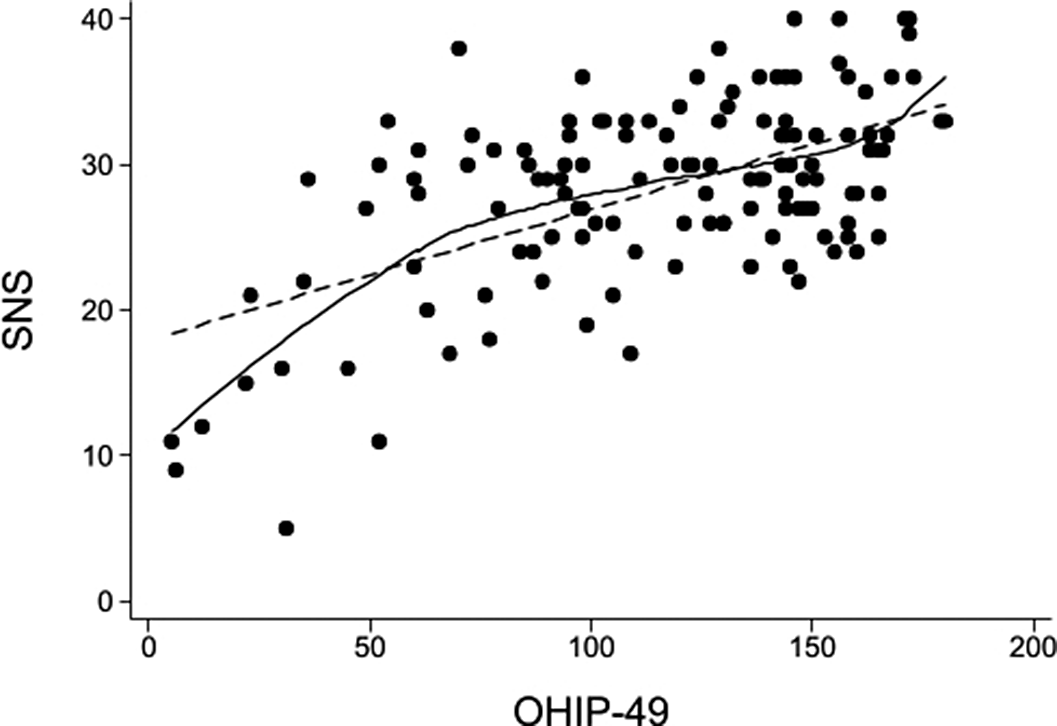
We enrolled 130 participants with a median (interquartile range) age of 43 (36-51) years, with an equal number of women and men. Total SNS and OHR-sQoL scores were found to be significantly associated in both bivariate and multivariable analysis adjusted for a large number of covariates (R2 increase over the effect of covariates = 0.22; p < 0.001; false discovery rate < 5%). Total SNS score was significantly associated with the functional limitation dimension of the OHIP-49, as well as diminished emotional range with psychological discomfort, physical and psychological disability, and anhedonia with functional limitation.
Figure 1. Scatter plot of the correlation between the total score of the Self-evaluation of Negative Symptoms (SNS) and the Oral Health Impact Profile (OHIP-49); the solid line represents the 80% smoothed local polynomial regression curve; the dashed line represents the linear regression line (n = 130)
Image:
Conclusions
NS of TRS are relatively strongly associated with OHR-sQoL, especially with functional limitations. The robustness of this association was confirmed by controlling for a large number of covariates. If the relationship between NS and OHR-sQoL is bidirectional, which should be verified by future studies, perhaps for further progress in solving the serious problems of NS and TRS it will be necessary to include the comorbidity with oral diseases and oral functional disorders and OHR-sQoL.
Quality of life encompasses a multidimensional component that includes aspects of lifestyle, health, housing, personal satisfactions, which can affect the academic performance of students in their university studies.
Objectives
To determine the relationship between the quality of life and academic performance of students at the National Institute of Professional Technical Training “Humberto Velásquez García” in Ciénaga, Colombia.
Methods
Cross-sectional observational study involving a sample of 344 undergraduate students who completed the WHOQOL-BREF questionnaire, a sociodemographic form, and were asked about their academic performance in the last semester. Data were analyzed using RStudio, where categorical variables were interpreted through relative and absolute frequencies, and quantitative variables through medians. Bivariate analysis was conducted using non-parametric tests such as Mann-Whitney U and Kruskal-Wallis for group comparisons, and Kendall for correlations.
Results
Academic performance had a median of 4.00, and the quality of life had a median of 47.57. The Mann-Whitney U test showed p=0.03 for gender-based performance comparison. Kruskal-Wallis comparison by age group regarding performance showed p=0.003. The correlation between academic performance and quality of life showed tau=0.120 and p=0.004.
Conclusions
The median academic performance is above the approval point, but the quality of life is below average levels (on a scale of 1 to 100). There are significant differences in median performance among gender and age groups, as well as a very low, positive, and statistically significant correlation between academic performance and levels of quality of life.
A body of research has examined the association between prenatal cannabis use and congenital birth defects in offspring; however, these studies have not been synthesised. We performed a comprehensive synthesis of existing research to test whether there is an association between prenatal cannabis use and congenital birth defects in exposed offspring.
Objectives
The aim of this study was to conduct a comprehensive systematic review and meta-analysis of existing evidence to synthesise the association between prenatal cannabis use and congenital birth defects in exposed offspring.
Methods
In line with the preregistered protocol (PROSPERO: CRD42022368623), we systematically searched PubMed/Medline, CINHAL, EMBASE, Web of Science, ProQuest, Psych-Info, and Google Scholar for published articles until 4 April 2023. The methodological quality of the included studies was appraised by the Newcastle-Ottawa Quality Assessment Scale (NOS). A meta-analysis was carried out to report the pooled effect estimates from the included studies. We further performed subgroup, leave-one-out sensitivity, and meta-regression analyses, which increased the robustness of our findings.
Results
Thirty observational studies (i.e., fifteen case-control and fifteen cohort studies) with 229,930 cases of birth defects and 26,826,741 controls (healthy babies) were included in the final analysis. We found that offspring exposed to maternal prenatal cannabis had a 56%, 69%, 47%, 23%, and 13% increased risk of any birth defects (irrespective of specific body system) [RR = 1.56: 95 % CI 1.28 – 1.92], defects of the gastrointestinal [RR = 1.69: 95 % CI 1.37 – 2.09], cardiovascular/heart [RR = 1.47: 95 % CI 1.09 – 1.97], central nervous systems [RR = 1.43: 95 % CI 1.09 – 1.89], and facial/oral cleft [RR = 1.13: 95 % CI 1.08 – 1.18], respectively.
Conclusions
The findings from the current study suggest that maternal prenatal cannabis exposure is associated with a higher risk of birth defects in offspring. The findings highlight the importance of promotive and preventive strategies to reduce cannabis use during pregnancy that contribute to minimising the risk of birth defects in offspring.
While in theory our training program is quite satisfactory, in practise it often falls short. The first two years give a more general knowledge, including spending time at internal, ICU and neurological wards as well as attending a month-long course about communication, palliative care and basic legal principals important in healthcare. The second three years provide the opportunity to engage in profession-related rotations, like psychotherapy, psychiatric rehabilitation and addictology.
Objectives
The design in itself is clear, but the supervision for its enactment is insufficient. This leads to regional differences between the four faculties of our country, not everyone is able to partake in the supposedly mandatory rotations (mostly because of shortcomings in staff) and the organization of our theoretical education varies greatly in each region to the point of non-existence in one area, since the COVID-19 pandemic started. The personal supervision of each psychiatry trainee also leaves much to be desired both on professional and – in psychiatry very important – mental levels. Competence and responsibility limits are often vague, and, especially in country hospitals, to much is expected of the resident (i.e. doing a nightshift alone, without direct supervision).
Methods
It is a positive thing that in theory there are standards in place, the problem is that they are more viewed as guidelines, than demands to be met. Nevertheless, some of the faculties provide well-organized education (even subdivided per year of training) and/or take rotations outside of the ‘home ward’ seriously. The opportunity to gain a basic knowledge in psychotherapy is also beneficial and a good aspect of our training. Easily accessible or even obligatory participation in psychotherapy for ourselves during our training however, is lacking.
Results
The decreasing number of psychiatry trainees sadly is a worldwide trend and Hungary is no exception. This poses more difficulties, i.e. making it harder to let a resident go on ‘outside’ rotations, especially from wards already struggling with staff shortages. Because of the latter, there is also little time to teach the trainees appropriately and pay them the attention they need.
Conclusions
All in all, there is much potential in our training program and its standards, also leaving room for substantial improvement in realizing the practical aspects. The decline in numbers of psychiatry trainees is worrisome and calls for more general intervention on a European or even global level.
Childhood maltreatment (CM) is associated with distinct clinical and biologi- cal characteristics in people with eating disorders (EDs). The measurement of local gyrification index (lGI) may help to better characterize the impact of CM on cortical structure.
Objectives
The objective of this study was to investigate the association of CM with lGI in women with EDs.
Methods
Twenty-six women with anorexia nervosa (AN) and 24 with bulimia nervosa (BN) underwent a 3T MRI scan. All partici- pants filled in the Childhood Trauma Questionnaire. All neuroimaging data were processed by FreeSurfer. LGI maps underwent a general linear model to evaluate differences between groups with or without CM. People with AN and BN were merged together.
Results
Based on the Childhood Trauma Questionnaire cut- off scores, 24 participants were identified as maltreated and 26 as non- maltreated. Maltreated people with EDs showed a significantly lower lGI in the left middle temporal gyrus compared with non-maltreated people, whereas no differences emerged in the right hemisphere between groups.
Conclusions
The present study showed that in people with EDs, CM is associated with reduced cortical folding in the left middle temporal gyrus, an area that could be involved in ED psychopathology. This finding corroborates the hypothesis of a ‘maltreated ecophenotype’, which argues that CM may allow to biologically, other than clinically, distinguish individuals with the same psychiatric disorder.
Antipsychotics are the primary class of drugs used to manage schizophrenia. These medications help control and reduce the severity of these symptoms, allowing individuals with schizophrenia to better function. On the other hand, rifampicin, used as treatment for tuberculosis, is a powerful inducer of several drug-metabolizing enzymes which have the potential to decrease the plasma levels of antipsychotics. Therefore, the presence of multiple pharmacokinetic interactions can alter how antipsychotics are metabolized, leading to a notable clinical impact when these medications are administered concurrently.
Objectives
The objective is to share valuable clinical experiences and insights to aid healthcare providers in making informed decisions when faced with the challenge of co-administering antipsychotics with rifampicin, ultimately ensuring the safety and efficacy of treatment for their patients.
Methods
It will be discussed a case of a 41-year-old woman with the diagnosis of schizophrenia under treatment with paliperidone palmitate and clozapine who had a sudden relapse after starting treatment for latent tuberculosis with rifampicin as a framework for a literature review based off Pubmed.
Results
The antituberculosis drug rifampicin induces drug-metabolizing enzymes in the liver, having the greatest effects on the expression of cytochrome P450 (CYP3A4) and therefore can lead to a decrease in the plasma levels of antipsychotic medications that also rely on these pathways for clearance. In this particular case, although specific data on clozapine and paliperidone concentrations were not reported, fluctuations in symptomatology following rifampicin introduction were probably explained by an inducing effect of this drug on their metabolism. So, when initiating rifampicin treatment and when discontinuing it, clinicians should carefully assess the dosages of any concomitant medications that may potentially interact with rifampicin. To ensure effective therapy during rifampicin treatment, it is crucial to monitor both the patient’s clinical response and their blood drug concentrations, making dosage adjustments as necessary.
Conclusions
This case report offers valuable guidance to clinicians on safely and effectively managing drug interactions between antipsychotic medications and rifampicin, ensuring the well-being of their patients during treatment. The co-administration of these medications lacks robust clinical evidence, and notably, there is insufficient data regarding its impact on plasma antipsychotic levels, a crucial factor in determining clinical effectiveness.
Mental health is a critical factor influencing employee well-being and performance in companies. However, many factors within professional environments can either positively or negatively impact employees’ psychological well-being.
Objectives
This study aims to assess mental health among workers in a confectionery factory and its association with job satisfaction.
Methods
We conducted a cross-sectional study among workers in a private confectionery in Sfax. Questionnaires and workplace assessments were collected over a period from December 2022 to July 2023 using a pre-established questionnaire. Mental health assessment was performed using the 21-item Depression, Anxiety, and Stress Questionnaire (DASS21). The degree of job satisfaction was assessed using a visual analog scale ranging from 0 to 10.
Results
Our study included 200 participants, with 61% being female. Severe to very severe symptoms of depression, anxiety, and stress were found in 4.5%, 17%, and 10.5% of our participants, respectively. Among our workers, 22.5% reported being not very satisfied or not satisfied. Bivariate analysis revealed lower levels of satisfaction among the most anxious (p = 0.000), the most depressed (p = 0.000), and the most stressed (p = 0.000) workers.
Conclusions
The decline in mental health is closely linked to job dissatisfaction. Implementing measures to enhance employee job satisfaction and providing adequate support resources for mental well-being are essential steps to promote a healthier workplace and improve employee well-being.
Chronic pain is a prevalent condition that is frequently complicated by concomitant mood and anxiety disorders. Very preliminary data indicate that female physiotherapists could have a better attitude towards psychiatric disorders.
Objectives
Purpose of the present article is to identify eventual differences in the management of patients with chronic pain and anxiety/mood disorders depending on the physiotherapists’ gender.
Methods
An ad-hoc questionnaire was developed and sent to physiotherapists by e-mail. The two group identified by gender were compared by unpaired sample t tests for continuous variables and χ2 tests for qualitative ones. A binary logistic regression was then performed with factors resulted statistically significant at univariate analyses as independent variables and gender as dependent one.
Results
Female physiotherapists (compared to male ones) resulted to be more confident in the prosecution of physiotherapy by patients with Generalized Anxiety Disorder (GAD)comorbidity (t=2.46, p=0.01) and by patients who had received a visit with a mental health professional (t=2.79, p=0.01). Furthermore, female physiotherapists versus male ones believed that pharmacotherapy was less associated with motor side effects (t=2.90, p<0.01) and more frequently recognized the importance of a training to identify affective disorders (t=2.65, p=0.01) and the need of more education in mental health (t=2.85, p=0.01). The binary logistic regression model confirmed that female professionals (compared to male ones) were less likely to work as freelance in private institutions (p=0.015) and were more confident in the prosecution of physiotherapy by patients with GAD comorbidity (p=0.05).
Conclusions
Female compared to male physiotherapists resulted to be more comfortable with patients affected by mental conditions and to be more aware of the need of training on mental health. Implementation of mental health education for male physiotherapists is probably necessary and further studies are needed to confirm the results of the present study.