To save content items to your account,
please confirm that you agree to abide by our usage policies.
If this is the first time you use this feature, you will be asked to authorise Cambridge Core to connect with your account.
Find out more about saving content to .
To save content items to your Kindle, first ensure no-reply@cambridge.org
is added to your Approved Personal Document E-mail List under your Personal Document Settings
on the Manage Your Content and Devices page of your Amazon account. Then enter the ‘name’ part
of your Kindle email address below.
Find out more about saving to your Kindle.
Note you can select to save to either the @free.kindle.com or @kindle.com variations.
‘@free.kindle.com’ emails are free but can only be saved to your device when it is connected to wi-fi.
‘@kindle.com’ emails can be delivered even when you are not connected to wi-fi, but note that service fees apply.
Most patients show temporary impairments in clinical orientation (i.e., orientation in person, place, and time) after electroconvulsive therapy (ECT)-induced seizures. It is unclear whether postictal reorientation is related to electroencephalography (EEG) restoration. This tentative relationship may shed light on mechanistic aspects of reorientation after ECT.
Objectives
To study whether postictal EEG restoration after an ECT-induced seizure is related to recovery of clinical orientation in the cognitive domains person, place and time.
Methods
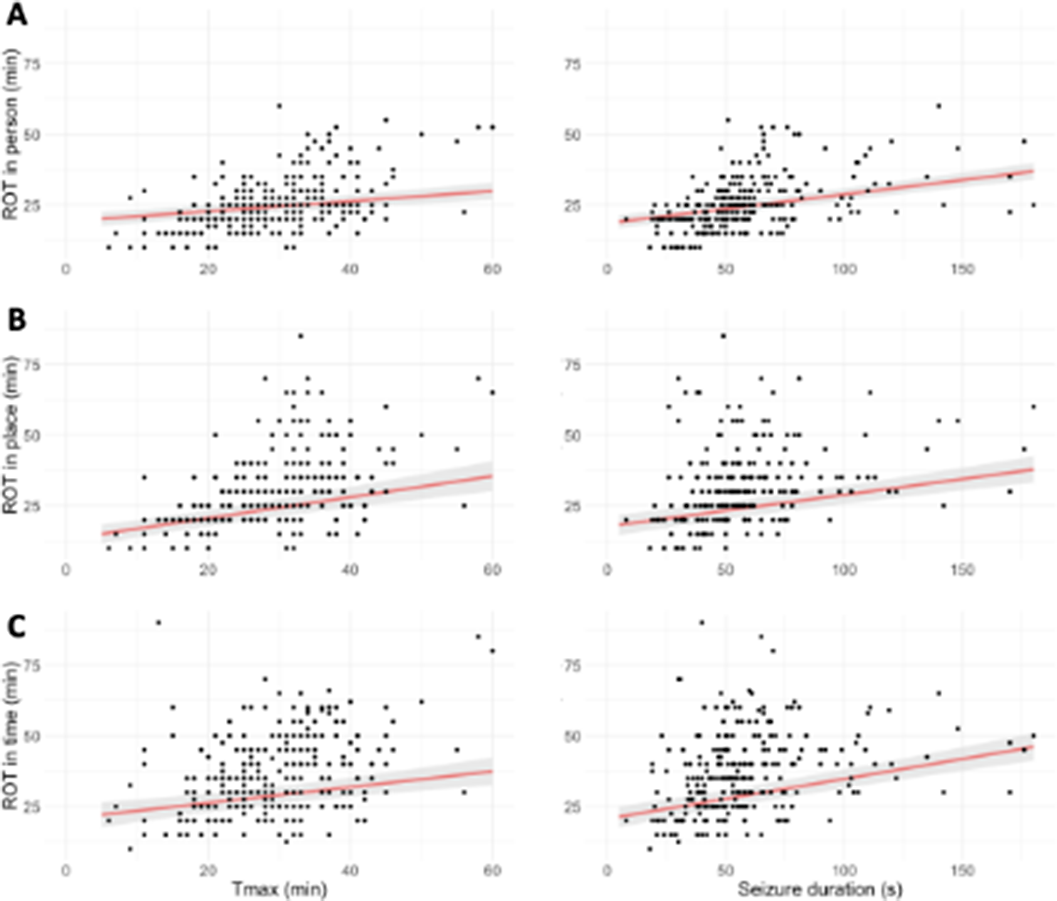
We performed a longitudinal study in ECT patients and collected continuous postictal EEGs. Postictal EEG restoration was estimated by the evolution of the normalized alpha/delta ratio (ADR). Recovery of orientation in the cognitive domains of person, place, and time was assessed using the Reorientation Time (ROT) questionnaire. In each cognitive domain, a linear mixed model was fitted to investigate the relationship between ROT and postictal EEG restoration. In these models, other (ECT-)parameters including seizure duration, use of benzodiazepines and electrode placement were included.
Results
In total, 272 ictal and postictal EEG recordings of 32 patients were included. In all domains, longer ROT was associated with slower postictal EEG recovery. Longer seizure duration and use of benzodiazepines were related to longer ROT in all domains. Increased total charge of the ECT-stimulus was associated with increased ROT in place and age was positively associated with ROT in time.
Image:
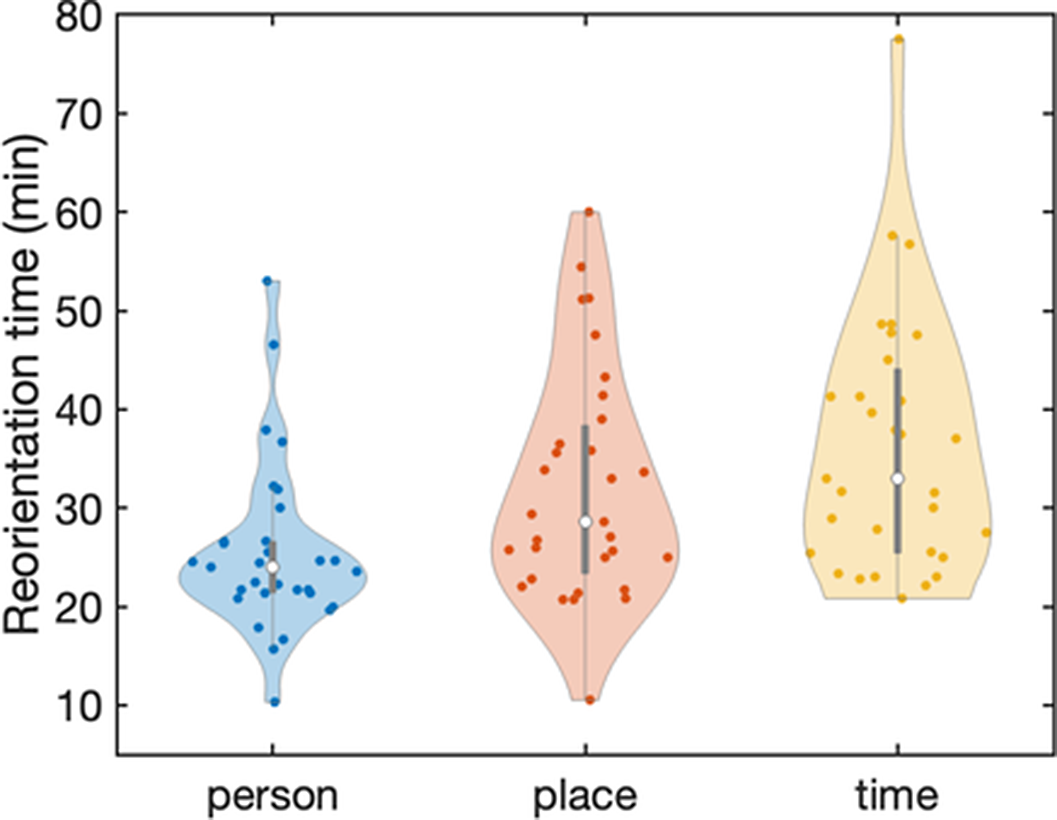
Image 2:
Conclusions
We show a relationship between restoration of the postictal EEG and clinical reorientation in person, place and time after ECT-induced seizures. This indicates that clinical reorientation probably depends on gradual cortical synaptic recovery. Increased seizure duration and the use of benzodiazepines were also related to increased ROT values. Longer seizures and use of benzodiazepines may induce longer postictal synaptic depression.
High levels of impulsivity are associated with individuals suffering from eating disorders. Impulsivity is a complex and multidimensional construct, with elevated impulsivity traits posing a specific risk in relation to binge-eating and purging disorders when compared to restrictive types eating disorders.
Objectives
Our aim was to identify the difference in impulsivity profile in children and young patients with eating disorders, including anorexia nervosa restrictive type (ANR), anorexia nervosa binge eating/purging type (ANP), bulimia nervosa (BN) and binge-eating disorder (BED).
Methods
Patients aged 21 years or younger, meeting the DSM-V criteria for ANR (n=125), ANP (n=48), BN (n=38), and BED (n=37) were enrolled in the study. The participants had an average age of 16.3 ± 2.15 years. Data collection involved the administration of the UPPS Impulsiveness Scale (UPPS). Bilateral Student’s t-tests were conducted to evaluate potential statistically significant differences among the diagnostic groups.
Results
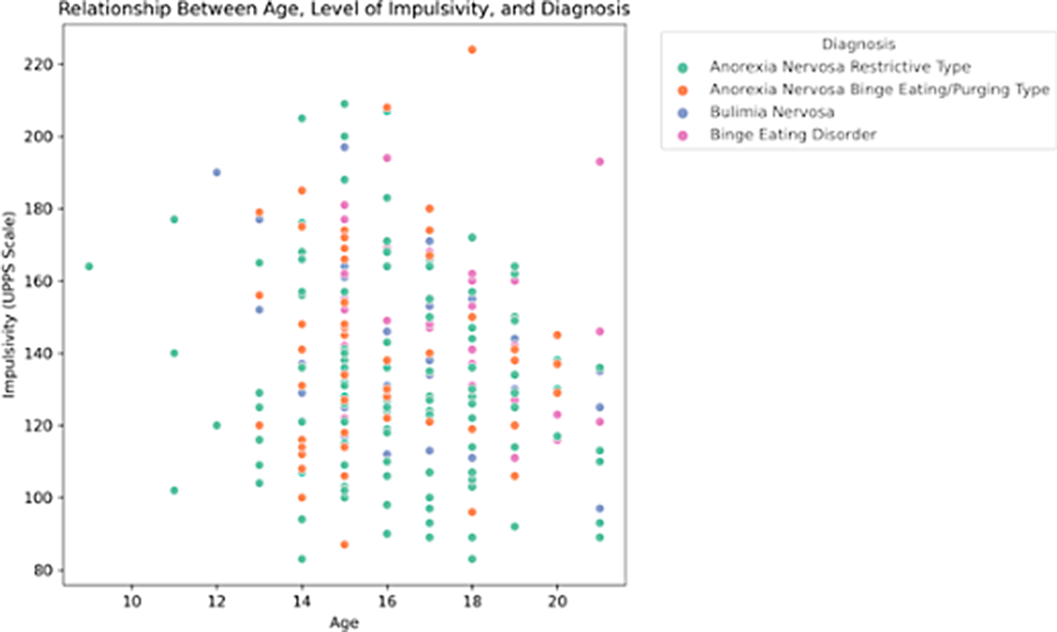
Our results indicated statistically significant differences in total impulsivity between patients diagnosed with ANR and each of the other eating disorders including ANP (T-Stud -2,19 p < .02), BN (T-Stud -2.17p < .03), and BED (T-Stud -2,68 p < .008) (Figure 1). However, no significant differences were observed among the other eating disorder groups. Nevertheless, it is noteworthy that heightened impulsivity traits, particularly sensation-seeking tendencies, were a common feature among all subtypes of eating disorders, regardless of their specific diagnostic category. Impulsivity and age also exhibited a statistically significant negative correlation (r = -0.13, p = .03) (Figure 2).
Image:
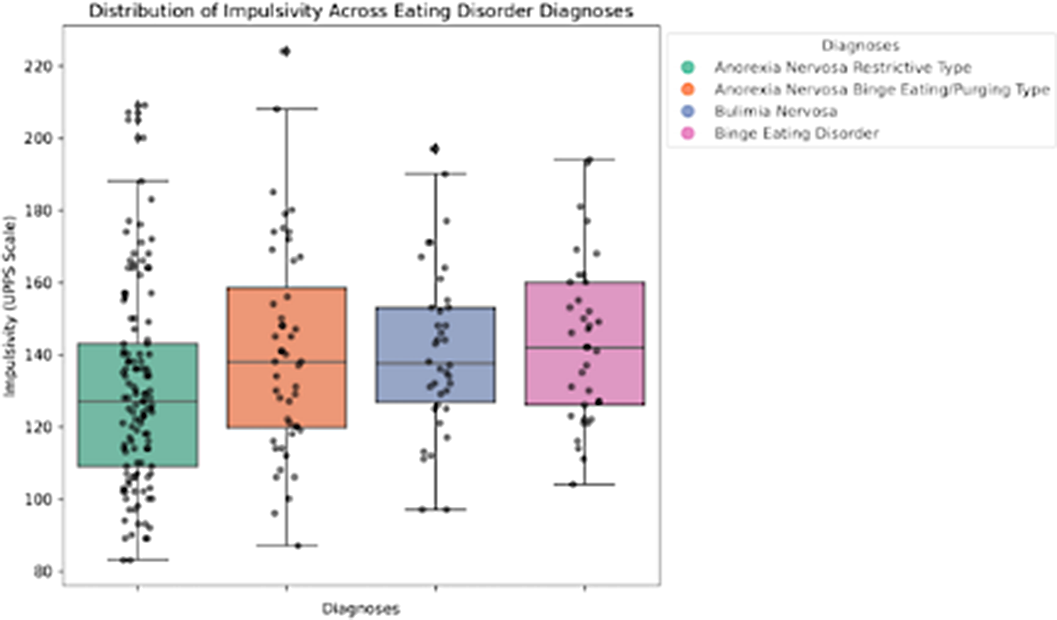
Image 2:
Conclusions
Impulsivity in individuals with restrictive and binge/purgative eating disorders differ significantly, with lower levels of impulsivity in ANR (Figure 1), except for sensation-seeking tendencies. This suggests that both groups may share a similar inclination for seeking intense emotions or engaging in emotionally arousing behaviors. As individuals age from adolescence to young adulthood, there is a tendency for impulsivity levels to decrease (Figure 2).
Involuntary treatments in forensic psychiatry represents a complex intersection of mental health, legal systems and ethics. Judicial authorities may compulsorily refer children to inpatient clinics for receiving necessarily treatment. Despite its importance, there is limited research on the reasons behind and effectiveness of such interventions in minors.
Objectives
The objectives of this study were to describe the clinical characteristics of minors who have risks of harming themselves and/or others so receiving involuntary treatment due to a court order. It is aimed to assess the effectiveness of involuntary treatment.
Methods
A follow-up case series was conducted on 9 minors who hospitalized by court orders in a secure inpatient child and adolescent psychiatry clinic, in the year of 2023. Data collected from medical records, including demographic information, clinical presentation, diagnosis and discharge treatment. After one, three and six month of the discharge, interviews made with the patients and their families. Current data collected on treatment regimen, compliance, behavioral outcomes and reoffending rates. All data were anonymized to maintain patient confidentiality.
Results
The case series consisted of 3 males and 6 females, with a mean age of 16.5 years at the time of admission. The most common reason to hospitalization was homicide risk 88%, followed by substance use 66%. Conduct Disorder was the most common diagnosis with the rate of 88%, followed by Substance Use Disorder(66%) and Attention Deficit and Hiperactivity Disorder(50%). 44% of minors had a history of juvenile delinquency. School dropout rates were 100%. Treatment consisted of a combination of individual and group therapy and medication. Treatment refusal rates were 88% so in terms of treatment, 88% of the minors in this sample treated with depot form antipsychotic medications, with the most common medication being risperidone. Overall all of the sample showed a significant reduction in disruptive behaviors during their hospital stay. Follow-up data collecting is still continue and preliminary statistics show us that relapse rates are low and treatment compliance is relatively high of the sample.
Conclusions
The findings suggest that involuntary hospitalization can be effective in reducing disruptive behaviors and increasing treatment compliance in minors with conduct disorders, substance abuse disorders and a history of juvenile delinquency. These results underscore the need for comprehensive, multidisciplinary approaches that integrate psychiatric treatment, psychoeducation and social support. Given the relatively small sample size and short-term follow-up, further research is needed to determine the long-term effects of involuntary treatment and to identify factors that predict treatment response.
Despite major advances in research into the neurobiological basis of mental illness, there have been hardly any new developments in new drug therapies. As there are approximately 30% of affected individuals that do not respond sufficiently to available treatments, there is a significant unmet medical need for new therapeutic approaches. About 90% of novel substances that have shown promise in animal studies are not effective in clinical trials. Recent research on human induced pluripotent stem cells (hiPSC) could lead to the use of more human-tailored models in this field. IPSC-derived cell models and organoids may be very attractive for preclinical screening and bridge the gap between in vitro and in vivo studies, reducing animal testing. However, the next steps must first demonstrate the validity and reproducibility of the initial functional results from the hIPSC models of mental illness. In our own studies on neuronal cell models of patients with attention-deficit/hyperactivity disorder (ADHD) with rare PARK2 gene variants, we were able to show evidence of mitochondrial dysfunction and impaired energy metabolism. Additionally, we have first hints at a oxidative dysbalance which could be as well targeted by medication. In a model of cortical development of ADHD patients with common variants in the ADGRL3 gene, we found first evidence for altered neuronal maturation as well as abnormalities in calcium metabolism and glutamatergic functionality compared to cells from healthy controls. In summary, these first results are promising that hIPSC models can contribute new insights into cellular pathomechanisms of mental and neurodevelopmental disorders and the development of new, individualised therapeutic approaches.
Disclosure of Interest
S. Kittel-Schneider Grant / Research support from: The studies are funded by IZKF Wuerzburg and BBRF fund (to SKS and RMcN). SKS received speaker’s honoraria from Takeda, Medice and Janssen.
Classification of mental disorders evolved greatly over time, as DSM and ICD dominated both research and everyday practice in the past decades. DSM-5 was planned to represent biological features of psychiatric disorders and include results of genetic and imaging studies in the criteria. Unfortunately, this goal couldn’t be fulfilled, since, although there were promising results, evidence wasn’t strong enough to fully support the biological background of the currently used diagnostic categories. One possible explanation for this discrepancy is that biological disturbances don’t represent the somewhat artificial categorisation of these disorders. Many of the leading symptoms in psychotic disorders are nowadays considered as lying on a spectrum, such as autism, affective and psychotic spectrum disorders. Despite that, DSM-5 still describes schizophrenia, schizoaffective disorder and bipolar disorder as separate entities, however there can be major overlaps in the leading symptoms, moreover symptoms are not necessarily stable over time and can show fluctuations. It should be mentioned though that subgroups of schizophrenia in DSM-5 had been abolished and catatonia is considered as a trans-diagnostic specifier, moreover in ICD-11 certain symptoms can be added as symptoms specifiers to an existing diagnosis of primary psychotic disorder.
Objectives
Our aim was to establish a new trans-diagnostic, dimensional scale to assess the most important symptoms amongst patients with psychotic disorders. This scale is meant to represent the long-term clinical presentation and not a cross-sectional picture of a current state. We believe that long-term trajectories of these symptoms may be more connected to underlying biological features, such as genetic load (i.e. polygenic risk scores) and imaging results than the currently used diagnostic criteria. We think it is very important to create a tool, which is straightforward and short enough, so can be realistically used in everyday clinical work. This could provide important real-life data, which give us information about our patients from a different angle than the currently used diagnostic systems.
Methods
We have created the CPAN scale based on the current symptom specifiers of ICD-11 and the Clinician-Rated Dimensions of Psychosis Symptom Severity, which is an “emerging measure” for DSM-5 and also took into consideration our own clinical experience.
Results
The new tool measures 4 symptoms (catatonia, psychosis, affective symptoms and negative symptoms) on a scale of 5 (0-4). We have also put in specifiers to be able to characterize patients more precisely, and output measures (suicidal risk, functionality) to open the way for further analysis.
Conclusions
We tried to establish a novel symptom scale to help assessing patients with psychotic symptoms in everyday clinical work. Our plan is to test the validity of CPAN in the near future.
Social networks (SN) addiction is a serious problem among young adults that requires increased attention.
Objectives
The aim of the study was to assess the relationships between internet addiction and selected psychological characteristics of university students.
Methods
This is a descriptive and analytical study, conducted over the period from November 2022 to January 2023, among students in various fields. SN addiction was measured using the Social Media Addiction Scale-Student Form (SMAS-SF). The Rosenberg scale was used to assess global self-esteem and the Social Self-Esteem Inventory was used to assess social self-esteem. The Big Five Personality-10 (BFI 10) scale was used to assess the 5 personality dimensions.
Results
A total of 116 students, with an average age of 25.49, took part in the study. Most students (91.4%) were over 20 years old. They were female in 78.4% of cases. They enrolled in postgraduate studies in 55.2% of cases. The majority of students (59,5%) studied medicine. According to the SMAS-SF scale, the average score was 75.87. The mean score for social self-esteem score was 122.03. Sixty-four participants (55.2%) had low and very low self-esteem. The dominant personality dimensions were extraversion and neuroticism in 15.5% each. Addiction to SN was significantly associated with very low global self-esteem (p=0.028) and a lower social self-esteem score (p=0.011). Low conscientiousness and neuroticism were significantly associated with increased SN use (p=0.007, p=0.004 respectively).
Conclusions
This study provides a better understanding of the phenomenon of addiction to SN, and enables us to tailor prevention and care more effectively. The psychological factors associated with this behavior need to be more explored in future research.
Chemsex refers to the use of drugs, typically stimulants and/or psychoactive substances, in a sexual context, often in the context of casual or group sex encounters. Currently, the practice of chemsex focuses on men who have sex with men (MSM). On the other hand, Pre-exposure prophylaxis (PrEP) is a biomedical method that has proven effective in preventing HIV transmission, particularly among individuals at a heightened risk, including those who engage in chemsex. MSM account for two thirds of new HIV cases in the US. It is estimated that in 70% of cases seroconversion occurs through “condomless anal sex” (CAS). According to the CDC, one in six MSM will be infected with HIV during their lifetime. The consumption of methamphetamine (MA) has been identified as the main driver of the practice of CAS, alteration of rectal immunological function and faster seroconversion. One in three new HIV infections have been associated with MA consumption. (Grov C et al. JAIDS 2020; 85 272-279).
Objectives
The primary goal of this study is to describe the prevalence of chemsex engagement among PrEP users, delineate user characteristics and requirements, gain deeper insights into this phenomenon within the Barcelona region, and formulate customized strategies accordingly.
Methods
This study conducts a literature review to explore the current correlation between engaging in chemsex and the utilization of PrEP. We identified research articles published between January 2020 and December 2022, that discussed the utilization of chemsex drugs prior to or during sexual activities. The findings were synthesised using a narrative approach and conceptualised using a behavioural analysis framework.
Results
According to a recent cross-sectional study performed at Hospital Clínic de Barcelona, SUD among patients who are being followed-up in the outpatient clinic of PrEP was higher (89%) compared with other European regions such as England (38.5%) or Amsterdam (41%). Moreover, according to data collected in the EMIS 2017 survey, Barcelona is the city with the highest prevalence of chemsex in Spain. (De La Mora L et al. AIDS Beh. 2022; 26: 4055-4062).
Conclusions
The frequency of chemsex practice among individuals using PrEP in Barcelona surpasses what has been observed in other groups. Nearly 25% of the participants express worries and a requirement for assistance regarding the management of drug use, matters associated with their sexuality, and sexually transmitted infections (STIs). MSM who suffers from substance use disorder may experience difficulty achieving effective daily oral PrEP adherence prevention levels that may serve as early indicators of increased risk of disengagement from PrEP care and discontinuation the PrEP. These results highlight the importance of adopting aninterdisciplinary approach that incorporates education about substances and the implementation of risk mitigation strategies within the context of riskier sexual behaviors.
For more than 25 years, Bosnia and Herzegovina (BH) has maintained and improved reform processes in the field of mental health (MH) care. In the last 13 years, the results of the reform are visible, and they focused on the quality of services oriented to people with mental disorders (PMD), as well as raising the quality of specific services to the general population. The developed network of community mental health centers (CMHC) as the leading concept of the reform (community psychiatry) enabled affordable, timely and adequate protection of mental health in whole country, while relying on other resources, primarily clinical and hospital capacities and centers for social work.
Objectives
Reform orientation had several directions: broad promotion and prevention, protection of the rights of the people with mental health disorders, quality education and more specific qualifications and competencies of mental health professionals and public promotion as a part of destigmatization.
Methods
Overview of the mental health reform in last two decades.
Results
In last more than 25 years reforming processes were focused mainly to users of mental health services. Specific legislative was created and recently upgraded trough Mental Health Protection Law, as unique document focused to users, mental health professionals and services, and general population as well. Users organization were formed and have important role in creation of further directions in the reform. Main principles in daily care for users are community based with case management and intersectoral collaboration trough joint discharge planning. Also, special focus is given to media reporting about mental health as well as to children and adolescents, prenatal psychiatry and elderly.
Conclusions
Republic of Srpska and Bosnia and Herzegovina made significant steps and visible changes in the quaity of mental health services focused to users needs. Further activities will be oriented to continuous destigmatization of the people with mental health disorders, psychiatry and mental health professionals and further implementation of results achieved in reforming processes in our county.
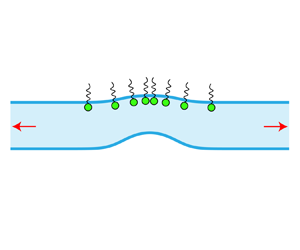
Thin-film equations are utilised in many different areas of fluid dynamics when there exists a direction in which the aspect ratio can be considered small. We consider thin free films with Marangoni effects in the extensional flow regime, where velocity gradients occur predominantly along the film. In practice, because of the local deposition of surfactants or input of energy, asymmetric distributions of surfactants or surface tension more generally, are possible. Such examples include the surface of bubbles and the rupture of thin films. In this study, we consider the asymmetric thin-film equations for extensional flow with Marangoni effects. Concentrating on the case of small Reynolds number $ Re $, we study the deposition of insoluble surfactants on one side of a liquid sheet otherwise at rest and the resulting thinning and rupture of the sheet. The analogous problem with a uniformly thinning liquid sheet is also considered. In addition, the centreline deformation is discussed. In particular, we show analytically that if the surface tension isotherm $\sigma = \sigma (\varGamma )$ is nonlinear (surface tension $\sigma$ varies with surfactant concentration $\varGamma$), then accounting for top–bottom asymmetry leads to slower (faster) thinning and pinching if $\sigma = \sigma (\varGamma )$ is convex (concave). The analytical progress reported in this paper allows us to discuss the production of satellite drops from rupture via Marangoni effects, which, if relevant to surface bubbles, would be an aerosol production mechanism that is distinct from jet drops and film drops.
In psychosocial rehabilitation (PSR), rank scales are widely used to assess the severity of functional disorders in patients. The main problem of evaluating the effectiveness of PSR is related to the methods of processing data obtained using psychometric scales used to evaluate the effectiveness of interventions within PSR. The proof of the non-numerical nature of ranks was obtained by J. Pfanzagl (1968). Incorrect processing of rank information obtained in the framework of psychosocial research leads to contradictions in the assessment of the patient’s condition. Consequently, rank processing does not allow classical mathematical operations (summation, average), which makes it impossible to correctly estimate the effectiveness of PSR numerically.
Objectives
Development of algorithms for numerical evaluation of PSR efficiency based on rank information processing using the analytic hierarchy process (AHP) [1].
Methods
Clinical, psychometric, AHP algorithms
Results
The analysis of the problems of assessing the patient’s conditions on the basis of categorical and psychometric (rank) scales and subscales shows that these problems can be presented in the form of appropriate hierarchies, the structure of which must be taken into account when processing the initial information.
According to the results of the analysis of the data of preliminary studies, the main areas of impaired functioning of patients affecting the evaluation of the effectiveness of PSR have been identified. Rank estimates of changes in the relevant areas of the patient’s dysfunction after the PSR program compared to the initial level are the basis for the conclusion about the effectiveness of the PSR components. Algorithms of the AHP normative approach were used to translate rank information into numerical information [2]. The weight of the areas of the patient’s functioning disorders was used in the formation of integral estimates of the effectiveness of PSR.
The fundamental difference between AHP-based assessments and rank assessments is due to the fact that numerical estimates of the weight of the criteria and the corresponding changes in the patient’s condition are obtained, which depend on the qualifications of specialists, the characteristics of the scales used to measure violations in the relevant areas and the procedures of the PSR.
Conclusions
Obtaining the results of processing rank information in a numerical scale allows to obtain the correct integration of the patient’s personal characteristics when considering PSR procedures and to obtain correct prognostic models of the patient’s condition. 1. Saaty T. European Journal of Operational Research.1990; 48(1):9-26. https://doi.org/10.1016/0377-2217(90)90057-I 2. Mitikhin V.G., Solokhina T.A. et al. Psychiatry, 2022; 20(2): 51-59. DOI: 10.30629/2618-6667-2022-20-2-51-59
The prevalence of suicidal behavior in individuals diagnosed with Bipolar Disorder Type 1 is a topic of great concern within the field of psychiatry and mental health research. Bipolar Disorder Type 1 is characterized by extreme mood fluctuations that can contribute to a heightened risk of suicidal ideation, attempts, and completions in affected individuals.
Objectives
- To examine the socio-demographic and clinical profiles of Bipolar Type 1 patients admitted to the “C” psychiatry department at Hedi Chaker Hospital in Sfax, Tunisia.
- To identify and understand the factors associated with suicidal behavior in this population.
Methods
We conducted a retrospective descriptive and analytic study of hospitalized patients suffering from bipolar disorder type 1 in the psychiatry department “C”, Hedi Chaker Hospital, Sfax Tunisia from 2021 to 2023. Socioeconomic data and clinical profiles of patients were collected from archived files.
Results
The total number of patients was 98, with an average age of 36.74 ± 12.3 years. The majority were single (67%), living with their families (76.5%), jobless (45.9%), and receiving family support (94.9%). In terms of psychoactive substance use, 81.6% have used tobacco, 46.9% have used alcohol, and 34.7% have used cannabis.
Concerning family history, 55% of patients had at least one family member being treated for a mood disorder. Among them, 7.1% had attempted suicide, and 6.1% had died by suicide.
Concerning the clinical profile of the study population, 28.6% had a personal somatic history. The diagnosis of bipolar disorder was made at the age of 27.52±8.6 years. 11.2% had a comorbid personality disorder with bipolar disorder.
The majority of patients were on antipsychotics (95.9%), 84.7% were using mood stabilizers, 33.7% were prescribed anxiolytics, and only 4.1% were on antidepressants. Treatment compliance was poor in 61.2% of cases and 63.3% of patients had a poor insight.
Ten percent of these patients had attempted suicide, 50% during a depressive episode, 50% occurring during a depressive episode, 30% during a manic episode, and 40% of attempts were related to discontinuation of treatment. 3.1% had used hanging, and 3.1% had engaged in voluntary drug ingestion as a method of self-harm. None of the suicide attempts necessitated intensive care hospitalization, but 60% of the individuals were admitted to psychiatric care. There was a statistically significant correlation between suicide attempts and a family history of suicide (p=0.049).
Conclusions
Bipolar patients face a heightened risk of suicide, which is closely tied to the distinctive attributes of the disorder, including biological factors, thymic decompensation, and psychological aspects. Consequently, managing their condition necessitates a tailored approach, demanding ongoing vigilance for individuals diagnosed with bipolar disorder.
Dementia can present with psychiatric symptoms even before the cognitive impairment, which makes difficult to establish an adequate diagnosis. There have described symptoms of this type in vascular dementia, frontotemporal dementia, Alzheimer disease and Lewy bodies dementia. Frontotemporal dementia has a prevalence of 9-20% and it`s the third in frequency among degenerative dementia. It appears before the age of 65 years old and is more common in men. Two variants have been described, linguistic and behavioral. The behavioral one has usually an initial psychiatric presentation, with behavioral disorders, disinhibition and personality changes. Therefore it`s important to make an adequate differential diagnosis with late onset bipolar disorder.
Objectives
To review about frontotemporal dementia and its differential diagnosis with late onset bipolar disorder.
Methods
We carry out a literature review about frontotemporal dementia and its differential diagnosis with late onset bipolar disorder, accompanied by a clinical description of one patient with behavioral disturbance and language disorder.
Results
A 59-year-old female was admitted to the short-term hospitalization unit from the emergency department due to behavior disorder. She had no relevant personal or familiar psychiatric history up to two years before when she received diagnosis of bipolar disorder. She presented behavioral disorganization, psychomotor restlessness, verbal aggressiveness, verbiage, insomnia and decreased intake. Psychopathological examination became difficult due to her language disorder since she presented an incoherent speech with paraphasias and loss of the common thread. Neurological study guided diagnosis to frontotemporal dementia even though they left the psychopharmacological treatment to our discretion. Olanzapine 5 mg twice a day was initiated, and behavioral improvement was observed. However, the patient maintained a significant functional impairment.
Conclusions
Psychiatric presentation is frequent in dementia, even before cognitive failures which makes essential an exhaustive differential diagnosis. It`s important to consider the diagnosis of frontotemporal dementia in those patients who debut with behavioral disturbance in the 50s. Psychopharmacological treatment is only symptomatic so functional recovery should not be expected.
Patient or service user participation in research and development is seen as essential in health research, including in topics within psychiatry. The process and depth of research collaboration can vary and is not always described adequately.
Objectives
The objective is to describe the collaborative methods and the experiences of experts by experience and academic researchers in a research project on patients’ experiences of remote care in psychiatric settings during and after the COVID-19 pandemic.
Methods
We describe our collaborative methods and experiences using the INVOLVE key features (www.involve.nihr.ac.uk).
Results
Collaboration started with an open discussion on research aims and role definitions. Collaborative methods included teaching and training sessions on interview methodologies, collaboratively writing and evaluating documents for ethical approval and research permission, collaboratively planning the recruitment process, preparation, and conducting research interviews and analysis. On-line and in-person meetings have been essential for an an-going dialogue and reflection. The methods and experiences are described in more detail in Table 1.
Openness and building trust have been important and time was needed to achieve these. All academic researchers had been actively working with experts by experience in the clinical settings before the research project. The collaboration in the current study has emphasized the need for active involvement of experts with experience throughout the research process. For the experts by experience, the project has provided new insight into academic research and given them confidence in their ability to participate meaningfully in a collaborative study project. The academic researchers valued the sense of significance of the research topic and shared decision-making that the collaboration has brought into the project.
Image:

Conclusions
Collaborative research needs time to build trust and to clearly define the roles of participants, from the opening stage of the process. Continuous learning during the research process is emphasized. Since different research methodologies arise from various theoretical backgrounds, we suggest adding a topic on research theory to the INVOLVE key features.
Health Psychology is aggregated to clinical studies providing physicians, nurses, and psychotherapists with psychodynamics of sick persons, facilitating interpersonal relationships and greater adherence to treatments. How do people deal with illness and treatment from what they symbolize in experiences of becoming ill? Watch & Wait Protocol for patients with rectal cancer is an active surveillance as an alternative approach in surgical medical management. Patients are followed with physical examinations, endoscopy, and imaging. Observation carried out through periodic examinations aims to avoid surgery stage while rectal cancer is maintained.
Objectives
To interpret emotional meanings attributed by patients, after adhering to the W&W protocol for rectal cancer, to life experiences of watching and waiting for the disease course.
Methods
Clinical-Qualitative Method (Turato. Portuguese Psychos. J, 2000 2(1): 93-108). For data collection, the first author used Semi-Directed Interview with Open-ended Questions In-Depth and Field Notes, after acculturation. Sample closed by information saturation (Fontanella et al. Cad Saude Publica. 2008; 24(1): 17-27). Interviews conducted by the first author, a female psychologist. We employed the Seven Steps of the Clinical-Qualitative Content Analysis (Faria-Schützer et al. Cien Saude Colet. 2021; 26(1): 265-274) to construct categories. Theoretical framework was the Balintian Medical Psychology. Findings were validated by peer reviewers from Lab of Clinical-Qualitative Research.
Results
Sample had 10 patients, 3 female and 7 male, from 52 to 77 years. Interviews carried out from October 2022 to March 2023. We constructed 03 categories: 1) Fate out of hands - “I get sick just coming in here.” There is an apprehension experienced in each medical evaluation to check the clinical condition because the symbol of waiting is not having the own destiny in the hands. 2) Psychic defence - “Sometimes I even thought if I had to live on a grant for the rest of my life or die!” Imagining the worst is a psychic defence because if this probability occurs, the mind has already begun its elaboration. 3) Life upside down - “I was going to have the surgery, use a bag, my life was going to be upside down.” Anxiety generated by waiting is a mental disorganizing.
Conclusions
Attitudes of observing and waiting carry different symbolisms to those who work with scientific thinking and who experience the observation of their own disease and the wait for what conduct they will receive. Observing oneself in illness requires acceleration of changes in ego identity. Waiting in front of illness asks the ego to think the worst. It is not a volitional choice. Preparing for the worst is a defensive necessity in the emotional sphere to avoid surprises that take to mental rupture.
Antipsychotics are currently widely prescribed for various mental disorders. A presumption of a potential carcinogenic effect of antipsychotics was raised by certain studies. There are few data in the literature on this subject.
Objectives
Study the relationship between the use of antipsychotics and the risk of cancer.
Methods
A systematic literature review was carried out on PubMed looking for articles in English, published during the last decade (2013-2023), using the keywords “Antipsychotics” and “Cancer”. We included all articles studying the relationship between antipsychotics use and cancer risk.
Results
Nine articles were included in our study, the majority of which focused on breast cancer. The results regarding breast cancer were discordant: although three studies did not show an association between the administration of antipsychotics and breast cancer, more recent studies have proven the opposite. Indeed, chronic exposure to antipsychotics, particularly those raising prolactinemia, was significantly associated with an accumulated risk of breast cancer, especially with positive estrogen receptors, whereas prolactin-sparing antipsychotics were not associated with it. Regarding hematologic malignancies, unlike other antipsychotics, long-term use of clozapine was associated with a high risk of malignancy, and had a greater effect on mortality from lymphoma and leukemia than to agranulocytosis. On the other hand, it has been proven that the use of atypical antipsychotics is associated with a reduced risk of lung cancer.
Conclusions
Data from the literature regarding the carcinogenic potential of antipsychotics remain discordant and inconclusive. The most recent studies are worrying and highlight in particular an association between the use of antipsychotics and the increased risk of breast cancer. If these data are confirmed in future studies, this will undoubtedly impact the benefit-risk balance when making therapeutic decisions.
This paper describes the scientific features of an innovative technique to mass-produce monolayers of hexagonal close-packed structures (HCP) of particles (280–1100 nm). Our technique differs from a continuous roll-to-roll Langmuir–Blodgett (LB) process. It consists of a thin liquid film flowing down an inclined plane channel, the ramp, and entraining deposited particles floating on its surface to form a compact monolayer. Vertical sidewalls limit the entire flow. The main benefits of this technique in comparison with a standard LB process are a gentler push on the floating particles during the assembly and the prospect of better flexibility and scalability in the design of industrial applications. Our disruptive approach presents new control parameters and surprising but challenging hydraulic phenomena due to the flowing liquid. This paper investigates the hydrodynamics of this new LB-type design theoretically and experimentally. We propose an original theoretical prediction of the thickness of the liquid film flowing down the ramp without or with particles on its surface, including within the hydraulic jump region separating the liquid film whose surface is free of particles and the liquid film whose surface is particle-loaded. The experimental determinations of the film thickness obtained by a confocal chromatic technique and moiré topography agree well with our model. In addition, Bragg diffraction topography and false colour topography allow the HCP structure of the compact monolayer of particles to be quantified.
Clozapine is an atypical antipsychotic approved for treatment-resistant schizophrenia. Although effective, possible side effects make its underutilization still a current problem. The type of titration and dosages used differ worldwide.
Objectives
To asses doses of clozapine and concomitant medications used in schizophrenia during 2012-2013 versus 2022-2023.
Methods
A retrospective observational study analysing clozapine doses and concomitant treatment used in schizophrenia from 2012-2013 compared to 2022-2023. Data were collected from the medical charts of patients admitted to the Clinical Hospital of Psychiatry and Neurology Brasov, Romania, during 2012-2013 and 2022-2023.
Results
In the total of 570 patients who were admitted in 2012-2013 with a diagnosis of paranoid schizophrenia, 69 (12,10%) of them were treated with clozapine.Of the 69 cases, 53,62% patients were females, mean age was 40,95 years (SD = ±10,32), with an average of onset age 23,17 (SD=±6,21). The average length of stay for hospitalization was 24,97 days (SD= ±12,65). The mean clozapine dose was 393,47 ((SD= ±183,69), with a minimum dose of 100mg/day and a maximum dose of 800mg/day. 37,68% of patients received concomitant treatment with benzodiazepines, mood stabilisers or sedative-hypnotic drugs. None of the patients received concomitant treatment with another antipsychotic.Among the total of 356 patients admitted with the diagnosis of paranoid schizophrenia during the 2022-2023 period, 72 (20,22%) of the patients were treated with clozapine. 72,22% patients were females, mean age was 49,12 years (SD = ±11,16), with an average of onset age 25,04 (SD=±6,40). The average length of stay for hospitalization was 18,58 days (SD= ±13,78). The mean clozapine dose was 275,34 (SD= ±146,7), with a minimum dose of 25mg/day and a maximum dose of 600mg/day. 72,22% of patients received concomitant treatment with benzodiazepines, mood stabilisers, sedative-hypnotic drugs or with another antipsychotic. Antipsychotics used in combination with clozapine were both oral (risperidone, amisulpride, quetiapine, aripiprazole) and long-acting injectable (aripiprazole, risperidone, paliperidone, flupentixol decanoate).
Conclusions
Clozapine remains the drug of choice in treatment-resistant schizophrenia even after 10 years, but its mode of administration has changed over time. While the doses of clozapine used have decreased, the percentage of patients receiving concomitant treatment has doubled.Although some side effects of clozapine are dose-dependent, lowering doses and combining with other adjuvant treatment is not always a better option, as polypragmacy and possible adverse effects combined can lead to reduced adherence.The decision to increase the dose of clozapine or to use concomitant (combination) treatment depends on individual factors, including the patient’s clinical condition, response to treatment, and the assessment of potential risks and benefits.
“Electrolyte abnormalities are commonly encountered in daily clinical practice, and their diagnosis relies on routine laboratory results. Electrolyte disturbances can affect the brain among many other organs and tissues and must be promptly recognized, as they can lead to serious and potentially life-threatening complications if neglected or not appropriately treated. Neurological manifestations reflect the severity of acute neuronal dysfunction and thus require urgent treatment. Acute and/or severe electrolyte imbalances can manifest with rapidly progressive neurological symptoms, seizures, and psychiatric manifestations. They are more frequently observed in patients with sodium disorders (especially hyponatremia), hypocalcemia, and hypomagnesemia.
Objectives
Were the psychiatric manifestations secondary to hyponatremia or epilepsy? Or is it a comorbidity? What are the risk factors? And what is the appropriate course of action for this type of patient?”
Methods
We present, through a clinical case, the situation of a 64-year-old patient who experienced status epilepticus secondary to hyponatremia, requiring hospitalization in the neurology department. Subsequently, she developed psychiatric manifestations with a marked change in behavior. She began experiencing symptoms of anxiety and depressive mood, headaches, somatic complaints, and social isolation. Her condition gradually worsened, necessitating hospitalization in the psychiatry department 3 years later.
Results
The patient was placed on Carbamazepine by her neurologist, and since then, she has not experienced epileptic seizures. Her follow-up electrolyte panel initially showed slight disturbances before normalizing. Psychiatric manifestations were concurrent with these somatic symptoms and worsened over time. During her psychiatric hospitalization three years later, after a thorough evaluation, she was prescribed Sertraline ans Risperidone in combination with Carbamazepine, resulting in a significant improvement in her condition.
Conclusions
In summary, this case illustrates the critical impact of electrolyte abnormalities on both neurological and psychiatric health, especially in older patients. Understanding risk factors associated with electrolyte imbalances is crucial for effective diagnosis and management, particularly in the elderly. This underscores the importance of a multidisciplinary approach to address the potential serious consequences of electrolyte disturbances on overall patient well-being.
Eating disorders are characterized by a persistent disturbance in eating and/or eating-related behavior, resulting in altered food consumption or absorption, which can significantly compromise physical health as well as psychosocial functioning. These disorders are closely linked with stressful experiences which university students configure a group prone to development.
Objectives
The objective is to evaluate the impact of eating disorders on young people when entering and staying at university.
Methods
This is an observational, quantitative, analytical and cross-sectional study, in which 1300 (one thousand and three hundred) medical students were invited, of both sexes and over 18 years of age from the 1st (first) to the 12th (twelfth) year. period of the Medicine course at the University of Oeste Paulista (UNOESTE) with 91 students joining. A structured interview was applied via online, aiming at collecting sociodemographic and occupational data in conjunction with the application of the Periodic Eating Compulsion Scale - ECAP, assessing the existence and degree of eating disorders in medical students.
Results
Mean age 22.7 ± 3.9 years, predominantly female (76.9%) and white ethnicity (86.8%). Most live alone or with a parent (82.5%). With regard to eating habits, 81 (89.0%) said they did not follow a nutrition professional’s diet, and 84 (92.3%) have at least 3 meals a day. Lunch is eaten by 100% of the participants, while supper is the least consumed meal (17.6%). A total of 24 (26.4%) participants said they had little time to eat, and almost half (46.2%) did not prepare their own meals, with 12.5% choosing to eat salted or not. eating a certain meal. The ECAP binge eating score had a median of 9 (11.5) points, with a minimum score equal to 1 and a maximum equal to 41. Sixty-eight (74.7%) of the participants were classified as having no binge eating, with moderate binge eating 15 (16.5%), and severe, 8 (8.8%).
Conclusions
There is a need for changes in lifestyle aspects in order to present healthier meals in appropriate amounts, in addition to an adequate therapeutic approach to these disorders. Research funding agency We also declare that we received financial support from the Institutional Program for Scientific Initiation Scholarships (PROBIC).
The use of Structured Diagnostic Assessments (SDAs) is a solution for unreliability in psychiatry and the gold standard for diagnosis. However, except for studies between the 50s and 70s, reliability without the use of Non-SDAs (NSDA) is seldom tested, especially in non-Western, Educated, Industrialized, Rich, and Democratic (WEIRD) countries.
Objectives
We aim to measure reliability between examiners with NSDAs for psychiatric disorders.
Methods
We compared diagnostic agreement after clinician change, in an outpatient academic setting. We used inter-rater Kappa measuring 8 diagnostic groups: Depression (DD: F32, F33), Anxiety Related Disorders (ARD: F40–F49, F50–F59), Personality Disorders (PD: F60–F69), Bipolar Disorder (BD: F30, F31, F34.0, F38.1), Organic Mental Disorders (Org: F00–F09), Neurodevelopment Disorders (ND: F70–F99) and Schizophrenia Spectrum Disorders (SE: F20–F29) (Check table 1 about diagnosis hyerarchy and observed frequency in sample). Cohen’s Kappa measured agreement between groups, and Baphkar’s test assessed if any diagnostic group have a higher tendency to change after a new diagnostic assessment. This research was approved by IPUB’s ethical committee, registered under the CAAE33603220.1.0000.5263, and the UTN-U1111-1260-1212.
Results
We analyzed 739 reevaluation pairs, from 99 subjects who attended IPUB’s outpatient clinic. Overall inter-rater Kappa was moderate, and none of the groups had a different tendency to change (Check table 2 for diagnostic change distribution). Our tests achieved the followinf results: Cohen Kappa 0.70, IC: 0.66– 0.74; Weighted Kappa 0.72, IC:0.72 – 0.72; Bhapkar Test X² = 5.98, Df = 7, P-value = .55; Achieved Power (w=0.1): 0.93Table 2
Agreement between examiners for eight diagnostic groups
ARD
BD
DD
DRD
ND
Organic
PD
SSD
ARD
39
3
9
0
2
0
3
3
BD
1
154
7
3
2
2
4
10
DD
9
10
71
0
0
2
5
9
DRD
0
2
0
4
0
0
0
2
ND
1
2
1
0
51
1
1
6
Organic
0
1
0
0
3
20
0
5
PD
4
2
1
1
0
0
33
3
SSD
5
20
11
2
8
5
4
192
Conclusions
NSDA evaluation was moderately reliable, but the lack of some prevalent hypothesis inside the pairs raised concerns about NSDA sensitivity to some diagnoses. Diagnostic momentum bias (that is, a tendency to keep the last diagnosis observed) may have inflated the observed agreement.