To save content items to your account,
please confirm that you agree to abide by our usage policies.
If this is the first time you use this feature, you will be asked to authorise Cambridge Core to connect with your account.
Find out more about saving content to .
To save content items to your Kindle, first ensure no-reply@cambridge.org
is added to your Approved Personal Document E-mail List under your Personal Document Settings
on the Manage Your Content and Devices page of your Amazon account. Then enter the ‘name’ part
of your Kindle email address below.
Find out more about saving to your Kindle.
Note you can select to save to either the @free.kindle.com or @kindle.com variations.
‘@free.kindle.com’ emails are free but can only be saved to your device when it is connected to wi-fi.
‘@kindle.com’ emails can be delivered even when you are not connected to wi-fi, but note that service fees apply.
Craniofacial surgery is a specialized field that addresses congenital and acquired deformities of the head and face. While the physical outcomes of craniofacial surgery are well-documented, less attention has been given to the psychological well-being of adult patients. This abstract aims to explore self-esteem issues among adult patients treated at the Craniofacial Surgery Sector of HCPA (Hospital de Clínicas de Porto Alegre), where a substantial proportion of adult patients have reported self-esteem problems.
Objectives
1. To assess the prevalence of self-esteem issues among adult patients (≥18 years old) attending the HCPA Craniofacial Surgery Sector.
2. To examine potential contributing factors to self-esteem problems in this specific patient population.
3. To evaluate the impact of self-esteem on the mental health and psychosocial functioning of adult craniofacial surgery patients.
4. To propose recommendations for psychosocial support and intervention strategies tailored to the needs of adult patients in this context.
Methods
This cross-sectional study involved 132 adult patients who had undergone or were scheduled for craniofacial surgery at HCPA. Participants reported self-esteem issues in their talk with the hospital’s physicians, and their medical records were reviewed to collect demographic and clinical data. Additionally, participants provided information about their mental health status and psychosocial functioning.
Results
Among the 39 adult patients included in the study, 37 (94.9%) reported experiencing self-esteem issues, such as lack of confidence or feeling unattractive. The most commonly reported contributing factors were visible facial differences, social interactions, and prior surgical experiences. Patients with lower self-esteem had a higher likelihood of reporting symptoms of depression and anxiety and reported lower overall psychosocial functioning compared to those with higher self-esteem.
Conclusions
This reveals a strikingly high prevalence of self-esteem issues among adult patients attending the Craniofacial Surgery Sector at HCPA. These findings underscore the importance of recognizing and addressing the psychological well-being of adult craniofacial surgery patients. Comprehensive psychosocial support, including counseling, peer support, and interventions to enhance self-esteem, should be integrated into the care of these patients. By addressing self-esteem concerns, healthcare providers can improve the mental health and overall quality of life of adult craniofacial surgery patients.
Globally, mental disorders account for almost 20% of disease burden and there is growing evidence that mental disorders are associated with various social determinants. Tackling the United Nations Sustainable Development Goals (UN SDGs), which address known social determinants of mental disorders, may be an effective way to reduce the global burden of mental disorders.
Objectives
To examine the evidence base for interventions that seek to improve mental health through targeting the social determinants of mental disorders.
Methods
We conducted a systematic review of reviews, using a five-domain conceptual framework which aligns with the UN SDGs (PROSPERO registration: CRD42022361534). PubMed, PsycInfo, and Scopus were searched from 01 January 2012 until 05 October 2022. Citation follow-up and expert consultation were used to identify additional studies. Systematic reviews including interventions seeking to change or improve a social determinant of mental disorders were eligible for inclusion. Study screening, selection, data extraction, and quality appraisal were conducted in accordance with PRISMA guidelines. The AMSTAR-2 was used to assess included reviews and results were narratively synthesised.
Results
Over 20,000 records were screened, and 101 eligible reviews were included. Most reviews were of low, or critically low, quality. Reviews included interventions which targeted sociocultural (n = 31), economic (n = 24), environmental (n = 19), demographic (n = 15), and neighbourhood (n = 8) determinants of mental disorders. Interventions demonstrating the greatest promise for improved mental health from high and moderate quality reviews (n = 37) included: digital and brief advocacy interventions for female survivors of intimate partner violence; cash transfers for people in low-middle-income countries; improved work schedules, parenting programs, and job clubs in the work environment; psychosocial support programs for vulnerable individuals following environmental events; and social and emotional learning programs for school students. Few effective neighbourhood-level interventions were identified.
Conclusions
This review presents interventions with the strongest evidence base for the prevention of mental disorders and highlights synergies where addressing the UN SDGs can be beneficial for mental health. A range of issues across the literature were identified, including barriers to conducting randomised controlled trials and lack of follow-up limiting the ability to measure long-term mental health outcomes. Interdisciplinary and novel approaches to intervention design, implementation, and evaluation are required to improve the social circumstances and mental health experienced by individuals, communities, and populations.
Giving care to someone who is experiencing mental distress is a difficult and challenging task that could be detrimental to the caregiver’s overall quality of life. Stigma associated with mental illness is one of the most important mental health issues faced by these caregivers.
Objectives
Our aims were to assess perceived stigma among family caregivers of patients with severe mental disorders and to identify its associated factors.
Methods
We conducted a descriptive and analytical cross-sectional study among family caregivers of patients followed at the psychiatry outpatient clinic of the Hedi Chaker University Hospital in Sfax, during the period from February 2022 to July 2022.
A structured interview questionnaire was designed to collect socio-demographic data of both patients and their caregivers. We used the Stigma Devaluation Scale (SDS) to assess stigma.
Results
A total of 90 family caregivers of severely mentally ill patients were included: 26 men and 64 women, with an average age of 50.68 ±11.67 years.
Patients’ parents accounted for 40% of family caregivers. The majority of family caregivers (83.3%) had no more than secondary education. Married people represented 70% of cases.
The median age of patients was 42 years. Schizophrenia was the diagnosis in 68.9% of cases. The mean duration of illness was 16.23 years.
Daily assistance lasted from 4 to 8 hours in 30% of cases and more than 8 hours in 66.7% of cases.
The mean score (SDS12) for family-focused stigma was 13.12 ± 2.34 with ranges from 8 to 18.
Perceived stigma scores were significantly higher among caregivers caring for non-married patients (p=0.04), with an age <50 years (p=0.04), and with a higher level of education (p=0.02).
Long duration of providing care (> 8 hours per day) (p=0.05) and insufficient information about the illness (p=0.02) were significantly associated with perceived stigma.
Conclusions
The clinicians managing patients with severe mental disorders must focus on stigma and psychological distress among the caregivers and plan intervention strategies to reduce stigma.
There’s large heterogeneity present in major depressive disorder (MDD) and controversial evidence on alterations of brain functional connectivity (FC), making it hard to elucidate the neurobiological basis of MDD. Subtyping is one promising solution to characterize this heterogeneity.
Objectives
To identify neurophysiological subtypes of MDD based on FC derived from resting-state functional magnetic resonance imaging using large multisite data and investigate the differences in genetic mechanisms and neurotransmitter basis of FC alterations, and the differences of FC-related cognition between each subtype.
Methods
Consensus clustering of FC patterns was applied to a population of 829 MDD patients from REST-Meta-MDD database after data cleaning and image quality control. Gene transcriptomic data derived from Allen Human Brain Atlas and neurotransmitter receptor/transporter density data acquired by using neuromap toolbox were used to characterize the molecular mechanism underlying each FC-based subtype by identifying the gene set and neurotransmitters/transporters showing high spatial similarity with the profiles of FC alterations between each subtype and 770 healthy controls. The FC-related cognition in each subtype was also selected by lasso regression.
Results
Two stable neurophysiological MDD subtypes were found and labeled as hypoconnectivity (n=527) and hyperconnectivity (n=299) characterized by the FC differences in each subtype relative to controls, respectively. The two subtypes did not differ in age, sex, and scores of Hamilton Depression/Anxiety Scale.
The genes related to FC alterations were enriched in ion transmembrane transport, synaptic transmission/organization, axon development, and regulation of neurotransmitter level for both subtypes, but specifically enriched in glial cell differentiation for hypoconnectivity subtype, while enriched in regulation of presynaptic membrane and regulation of neuron differentiation for hyperconnectivity subtype.
FC alterations were associated with the density of 5-HT2a receptor in both subtypes. For hyperconnectivity subtype, FC alterations were also correlated with the density of norepinephrine transporter, glutamate receptor, GABA receptor, 5-HT1b receptor, and cannabinoid receptor.
Both subtypes showed correlations between FC and categorization, motor inhibition, and localization. The FC in hypoconnectivity subtype correlated with response inhibition, selective attention, face recognition, sleep, empathy, expertise, uncertainty, and anticipation, while that was related to inference, speech perception, and reward anticipation in hyperconnectivity subtype.
Conclusions
Our findings suggested the presence of two neuroimaging subtypes of MDD characterized by hypo or hyper-connectivity. The two subtypes had both shared and distinct genetic mechanisms, neurotransmitter receptor/transporter profiles, and cognition types.
Multi-staged and personalized in nature, psychosocial interventions for cardiac surgery patients explain the necessity of relying on the potential of interdisciplinary interaction
Objectives
To present the review of the model of interdisciplinary interaction of experts and institutions in the course of psychosocial interventions for cardiac surgery patients, which is currently used in the Chuvash Republic.
Methods
This model involves the experts and institutions of the regional healthcare system, the regional system of social care, the regional and federal system of education, non-governmental medical and health resort institutions, and private practitioners.
Results
In the center of this model is the Regional Cardiology Center, which interacts with the Psychotherapeutic Center and the Republican Mental Hospital’s Helpline. It also involves the town hospitals and the central district hospitals, non-governmental clinics and private practitioners. The process of rehabilitation and follow-up care continues in the regional health resorts. The social service centers provide additional support. The institute of chief experts of the regional Health Care Ministry, which includes a psychiatrist, cardiologist, psychotherapist, and psychologist, oversees the overall activity. The clinic faculty professors and associate professors are involved in the development of the programs.
Conclusions
The practical results of using the regional model of interdisciplinary interaction enhance the potential of psychosocial interventions for cardiac surgery patients.
As a result of the notable progress in HIV / AIDS prevention and treatment globally, the HIV epidemic is considered controlled to the extent that individuals living with HIV manage to have a similar life expectancy to HIV-negative individuals and a good level of health. However, the “epidemic” related to the stigma of HIV-positive individuals, particularly of Men who have Sex with Men (MSM), still remains an issue, while it has been associated with a profound negative impact on individuals’ mental health.
Objectives
The present study aimed to compare anxiety, depression, social support, loneliness, and psychological resilience between MSM with and without HIV. Furthermore, the study investigated the correlates of HIV related stigma in MSM with HIV.
Methods
The sample of the study comprised a total of 139 adult MSM. According to their self-report 84 individuals were HIV-negative (age in years: M = 24.58, SD = 5.55), while the remaining 55 individuals were HIV-positive (age in years: M = 38.99, SD = 10.95). Furthermore, the majority of individuals in both groups reported Greek nationality. Participants completed a questionnaire on socio-demographic characteristics, the Hospital Anxiety and Depression Scale to assess anxiety and depression, the UCLA Loneliness Scale to measure loneliness, the Brief Resilience Scale (BRS) to evaluate psychological resilience, and the Multidimensional Scale of Perceived Social Support (MSPSS) to assess social support. HIV-positive individuals additionally completed the HIV Stigma Scale-Brief Version, a brief scale measuring social stigma related to HIV.
Results
According to the findings, MSM with and without HIV did not differ in anxiety (p = 0.908), depression (p = 0.904), social support (p = 0.657), loneliness (p = 0.086), and psychological resilience (p = 0.600). Furthermore, it emerged that among HIV-positive MSM, stigma was positively associated with anxiety (r = 0.479, p < 0.001), depression (r = 0.479, p < 0.001), and loneliness (r = 0.532, p = 0.001), while the correlation was negative with social support (r = -0.456, p < 0.001) and resilience (r = -0.400, p < 0.003). No significant association was found between stigma and age in HIV-positive individuals (r = 0.099, p = 0.474).
Conclusions
In conclusion, the findings of this study identified possible risk factors as well as protective factors for the mental health of HIV-positive MSM. As long as stigma associated with HIV continues to be a risk factor for the development of psychosocial problems in those living with HIV, it is advisable for both policymakers and the research community to take more proactive steps in order to offer the necessary support and attention to those who are living with HIV and experiencing multiple forms of stigma.
The coronavirus pandemic has affected mental health since its outbreak in 2019 and several studies have revealed that obsessive-compulsive disorder (OCD) patients were adversely affected.
Objectives
The aim of our present report is to study the impact of the coronavirus infection on OCD.
Methods
We illustrate a case of new emerging obsessions and compulsions after a COVID-19 infection in a patient consulting at the Psychiatry C department of the Hedi Chaker University Hospital.
Results
Mr. HB first presented in our outpatient unit of the Psychiatry C department at the age of 32. His medical history was unremarkable except for a COVID-19 infection in June 2022 that did not cause any organic complications. His family history was negative without neurological and psychiatric diseases. Further history revealed that OCD symptoms already started before his infection with COVID-19. At that time, he suffered from compulsions with the urge to constantly wash his hands and check rituals, but his symptoms were not severe enough to make him seek a psychiatric consult or treatment. However, since July 2022, soon after his infection with COVID-19, he suffered from new obsessions and compulsions, he would spend hours calculating all the numbers he sees and counting the number of letters in the words he came across. Non-surprisingly, OCD symptoms caused relevant problems in social life, and at work, he had difficulties concentrating and working. Due to his symptoms, he had neglected hobbies, avoided social contact, spent less time with his family, and even had suicidal thoughts. Therefore, pharmacotherapy with clomipramine was initiated with a maximal dose of 150 mg/d. Because of adverse events and lack of efficacy, he stopped medication and decided to consult our department to seek a different treatment. Therefore, sertraline was started at the dose of 50 mg/d along with psychotherapy.
Conclusions
People with OCD are likely to be more susceptible to the mental health impact of COVID-19. Responses to the pandemic are not only associated with an increase in all Obsessive-Compulsive (OC) symptoms and their severity but also the emergence of new types of obsessions and compulsions. Consequently, therapists should consider the effects of the pandemic on all OC symptom dimensions and adjust their treatment plans accordingly.
Occupational therapy - which also includes art therapy - is an activity/test with a purpose, it involves coordination between the sensory, motor, cognitive, and psychosocial systems of the individual. “Sciences recognize the role of observation in research… All artists who practice art therapy are based on their own artistic activity and present a common recurring feature: they are always in line with “essential pragmatism”. (McNIFF, Shaun, Trust the process: an artist’s guide to letting go. Creative ability. Psychological aspects. Self-actualization (Psychology). Artist-Psychology, Shambhala Publication, Boston, 1998, p. 78)
Objectives
We seek to find new development solutions through stimulation, creativity, catharsis, and socialization to be authentic, spontaneous, feel fulfilled, emotionally balanced, and transformed, with the aim of fulfilling one’s social role through contact with human and environmental factors. (Emilia Chirilă, ART THERA PY IN EMOTIONAL DISORDERS OF CHILDREN AND ADOLESCENTS, printed edition 2018) ISBN 978-973-0-27683-1)
Methods
Through the graphic gesture, the child expresses various issues related to his feelings, like the search for his identity, the generated anxieties, the family and professional environment, and the situations of neglect and abuse. (MALCHIODI, Cathy A, Handbook of Art Therapy, The Guilford Press, New York and London, 2003, p. 157).
Results
The following reactions can be identified: aggression, frustration, dominance tendency, low self-esteem, fraternal rivalry, hopelessness, sadness, compensation mechanisms, self-defense, other significant psycho-traumatic aspects. The disappearance of frustrations and negative feelings due to the disinterest of parents who do not visit the beneficiaries was achieved by gaining authority over the environment and by improving pre-existing skills. emotional disorders of children and adolescents” - Journal of Neurology and Psychiatry of Children and Adolescents from Romania - 2012 - vol. 15 - no. 3- p 121-136 - ISSN (printed): 2068-8040)
Image:

Image 2:
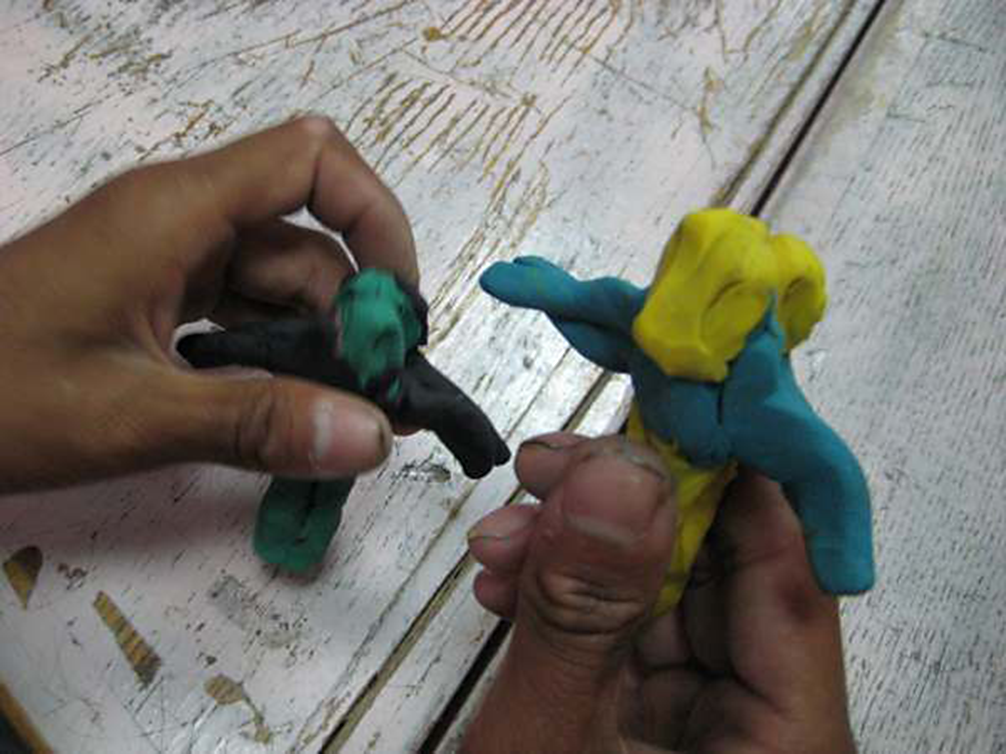
Image 3:

Conclusions
Through the creative process and symbolic communication, associated with narration and imitation, we realize the development of outstanding and hidden abilities, we develop new ways of communication, new ways of self-expression, and new ways of seeing things, to increase the ability to face existential problems.(2018 Emilia Chirilă - Art therapy in emotional disorders of children and adolescents: “Festina lente - Hurry slowly!” Harmonizing the rhythm with those around us ,print edition, ISBN 978-973-0-27683)
Survivors of the pandemic of COVID-19 suffered from multiple sequelae long time after recovery, such as tiredness and memory dysfunction, affecting daily life activities.
Objectives
To assess fatigability, cognitive impairment and the severity of pain in long-COVID.
Methods
We conducted a prospective cohort study including 121 Tunisian COVID-19 inpatients who had been discharged alive from hospital. Each enrolled patient was asked about the period before the hospital stay, and the 6-9 month-period after hospital discharge, using the visual analog scale (VAS), self-completed unidimensional scale and yes/ no question about fatigability and cognitive impairments.
Results
The median age of participants was 59 years, with extreme values ranging from 18 to 80. Among them, 51.2% were females.
Our findings showed a significant increase in VAS score after COVID infection (3.82 vs 1.69; p<0.001). Sixty-eight (56.2%) participants reported spontaneously fatigability after the infection and 52 (43%) reported spontaneously a deterioration in memory capacity either with or without previous memory dysfunction. Fatigability was statistically associated to cognitive impairment (55.9% vs 26.4%; P= 0.02). In addition, fatigability and cognitive impairment were statistically associated with pain (P=0.001 and P= 0.022 respectively).
There was no significative association of fatigability nor cognitive impairment with the gender of the survivors.
Conclusions
The clinician should keep in mind to screen for possible somatic or psychological distress, in particular pain, fatigability and cognitive impairment even after resolution of the COVID infection, in order to guarantee a better quality of life.
COVID-19 affected humankind worldwide in different aspects of life. Survivors still report the effects of the pandemic on daily life, physical health, and mental health.
Objectives
To assess effects of the pandemic on the mood and the quality of life of the survivors.
Methods
We conducted a prospective cohort study including 121 Tunisian COVID-19 inpatients who had been discharged alive from hospital. Each enrolled patient was asked about the period before the hospital stay, and the 6-9 month-period after hospital discharge, using several scales: the validated Arabic version of “Patient Health Questionnaire” (PHQ-9) to screen for depressive symptoms, and “EuroQol five-dimension three-level” (EQ-5D-3L) to assess the quality of life.
Results
The median age of participants was 59 years, with extreme values ranging from 18 to 80. Among them, 51.2% were females. As compared with baseline statue of patients, the depressive dimension assessed through PHQ was significantly impaired (7.05 vs 1.12; p<0.001). The different dimensions of the EQ-5D-3L showed significant deterioration in mean scores (mobility:1.09 vs 1.31, p<0.001; selfcare:1 vs 1.11, p=0.001; daily activities:1.09 vs 1.49, p<0.001; pain and disturbance: 1.17 vs1.49, p<0.0005 and anxiety and depression: 1.07 vs 1.57, p<0.001). Depressive symptoms were 10 times more frequent in post-COVID (57.9% vs 5.7%). The post-COVID PHQ-9 score was correlated with the post-COVID EQ-5D-3L score (p=0.033).
Conclusions
This study points out the long-term impact of the COVID infection. Therefore, the clinician should screen for possible psychological distress even after resolution of the disease, in order to guarantee a better quality of life.
Attachment theory, first proposed by John Bowlby and later extended by Mary Ainsworth and others, outlines how experiences of early childhood attachment with caregivers can affect one’s emotional and interpersonal relationships throughout adulthood. Typically, attachment styles are categorised into four main types: secure, anxious-ambivalent, avoidant and disorganised. Conversely, it is recognised that various biological, psychological, relational, social and iatrogenic factors elements can impact an individual’s sexual function.
Objectives
Our aim with this research was to present the most current literature on whether there is a correlation between attachment styles and sexual function.
Methods
We conducted a non-systematic review on the topic using PubMed and PsycInfo.
Results
There is evidence indicating a link between attachment styles and sexual function.
People with secure attachment styles tend to experience more positive and fulfilling sexual relationships. Such individuals typically have a more positive self-image, they feel at ease with emotional intimacy, and are therefore able to openly communicate their needs and desires. They exhibit a healthy balance between seeking closeness and maintaining independence.
Individuals with anxious attachment styles may experience heightened levels of sexual anxiety and insecurity. Concerns regarding rejection or abandonment within sexual relationships may impact their sexual function and satisfaction. These individuals usually have a negative self-image and may be more prone to seek reassurance and validation through sexual activities.
People with avoidant attachment styles may encounter obstacles in developing emotional intimacy and closeness, which can negatively affect their sexual relationships. Such individuals might experience commitment anxiety and prioritise physical aspects of sexual activity over emotional bonding, ultimately decreasing sexual satisfaction for both them and their partners.
Disorganised attachment styles are linked with challenges in regulating their emotions and behaviours in intimate situations, which can have a negative impact on sexual function and satisfaction.
Conclusions
While the literature proposes attachment styles may impact sexual function, it is important to acknowledge other factors that contribute to sexual function. In addition to biological and iatrogenic factors, individual personality, relationship dynamics, past experiences, and cultural influences all have a significant role in shaping one’s sexual behaviour and satisfaction. All of these should be addressed in order to alleviate sexual difficulties.
Moreover, attachment styles may develop and change over time through positive relationships and therapeutic interventions, potentially leading to changes in one’s sexual functioning and relationship dynamics.
In this essay, I argue that Christophers’ description of asset-manager society is best characterized by a logic of ‘acquire and extract’. I build on his insights to delve into the less-explored world of emancipatory alternatives. I argue for radical transformations – what I term ‘democratic ruptures’ – that shift the investment logic of asset managers toward one of ‘build and nourish’. With insights from the failure to establish economic democracy over large pools of finance by unions in the postwar period, I argue that the crucial missing ingredient in the social and ecological disaster of asset-manager society today is democracy. I conclude with a radical reimagining of financial democracy for the twenty-first century.
Although the etiological diagnosis of loss of consciousness is essentially based on a careful history and clinical examination, electroencephalography (EEG) remains an important investigative tool.
Objectives
The aim of this study was to identify the value of EEG in the management of adolescents with recurrent bouts of fainting
Methods
This was a retrospective descriptive study conducted from January 2019 to May 2022. We included all adolescents referred to the functional explorations department at Habib Bourguiba hospital, Tunisia for Electroencephalogram (EEG) as part of a workup to explore recurrent episodes of loss of consciousness.
Results
A total of 55 adolescents were included in this study, with a mean age of 15.4±2.3 and a 72.4% female proportion.The delay between the EEG and the onset of the seizure was greater than one week.67.3% of patients were referred by the child psychiatry department.29.1% of the 55 EEG reports were pathological. Epileptiform discharges were noted in 56.3% of adolescents. Slow waves were found in 43.7% of cases. The location of the abnormalities was predominantly frontal. Patients with temporal EEG anomalies had a notion of ascending epigastric pain preceding loss of consciousness in 90% of cases. Adolescents with EEGs containing epileptiform abnormalities had a history of paroxysmal movements in 30% of cases. The sensitivity of the EEG was estimated to be around 25%, and the specificity around 79%.
Conclusions
Although the clinical examination is of great importance in the etiological diagnosis of loss of consciousness, the EEG remains a complementary examination of non-negligible interest in the etiological investigation.
Despite the importance of electroconvulsive therapy (ECT) as treatment, it remains one of the most controversial and misunderstood treatments. Negative media representations, primitive practice in the past and fear for electricity results in fear that extends beyond other therapies. Research on the perspective and role of informal caregivers (IC) in the process of ECT is limited. Most research focuses on relatives’ attitude or knowledge of ECT measured with questionnaires. However, profound understanding of their perspective can facilitate the role of physicians (or psychiatrists) in guiding patients and their IC through the decision-making process of ECT.
Objectives
The aim of this study was to describe the perspective of informal caregivers in the decision-making process in ECT treatment.
Methods
A qualitative phenomenological study was set up. Semi-structured interviews were held with IC of patients who are treated with ECT. Purposive sampling was based on maximum variation. All interviews were fully transcribed and thematic analyses took place. Trustworthiness was guaranteed by e.g. researcher triangulation
Results
In nine interviews were held with partners, children and parents of patients. The interviews had a mean duration of 102 minutes and interviewing proceeded until saturation of the most important themes was reached. During the interviews it became clear that the decision-making process of ECT is strongly influenced by the illness-trajectory and context of living with the mental health problems of the patient. IC describe their life and that of the patient as ‘trying to survive’. The proposal of ECT is seen as a way out of this unendurable situation. The perceived responsibility of the IC in the informed consent process to ECT adds to this burden. The IC worry, feel uncertain and fear to do wrong. Nonetheless ECT seems to be a beacon of hope. Trust in the psychiatrist as a competent professional who wants the best for the patient seems more important than having an answer to all of their questions. After the ECT has been started, IC establish a framework to evaluate the side-effects and effectiveness of ECT. This framework is based on how they experience the patient in daily life and on what they define as ‘the patient becoming a bit more himself again’. IC weigh the effects and side-effects to support the continuation of ECT. However, if patients clearly express that they experience side-effects that are too hindering, IC follow the patient if he or she wants to stop ECT.
Conclusions
Our study gives an insight in the perspective of the IC of patients undergoing ECT. It could be helpful for IC if the psychiatric team repeats information stepwise and takes the burden of responsibility perceived by the IC into account. The framework used by IC to evaluate the effects of ECT could be a valuable addition to the clinical evaluation of the ECT treatment.
In mental disorders, very little is known about the cellular and subcellular mechanisms underlying the development of symptoms. Postmortem studies can contribute to understanding these. Our research group collects and studies cortical samples with short postmortem intervals from schizophrenia patients.
Objectives
We investigated primary motor cortical brain samples, to understand the background of motor symptoms in schizophrenia.
Methods
Both hemispheres of primary motor cortices of eight control- and eight subjects with schizophrenia were analysed by immunohistochemistry. We labelled pyramidal cells with SMI32 antibody, which binds to neurofilaments, and parvalbumin (PV) antibody, which labels one type of inhibitory input on these cells, axo-axonic and axo-somatic interneurons, and a proportion of giant pyramidal neurons (Betz cells). We were interested in the size and density of layer 3 and 5 pyramidal cells and Betz cells, the distribution of PV-labelled terminals and the PV expression of Betz cells. Results of the subjects were compared both as a whole and separately per hemisphere.
Results
Most changes were present in the primary motor cortices in the right hemisphere (presumably subdominant). Here, the density of Betz cells and their inhibitory inputs were also reduced. PV-expression of Betz cells was not dependent on the group studied, but we observed that it is decreasing with age. The other investigated characteristics show no significant differences.
Conclusions
Our results suggest that the primary motor cortex may be involved in schizophrenia. Neurodevelopmental, pharmacological and neurodegenerative causes could be involved in this process. Network dysconnectivity is likely to underlie the stronger involvement of the subdominant side, and literature data point also in this direction. We believe that our research method is suitable for the study of the background of other symptoms and may lead to a better understanding of schizophrenia, especially if we could combine our results with clinical research.
Posttraumatic stress disorder (PTSD) and personality disorders (PD) often co-occur and treatment dropout remains a challenging problem for both disorders. The literature on predictors of treatment dropout is highly mixed and few reliable predictors have been identified for both PTSD and PD treatments separately, let alone for concurrent PTSD and PD treatment.
Objectives
The aim of the present study was to identify predictors of treatment attendance among a wide range of variables in patients with PTSD and comorbid PD who received trauma-focused treatment with and without concurrent PD treatment.
Methods
Data were used from the prediction and outcome study in comorbid PTSD and personality disorders (PROSPER), a study consisting of two randomized clinical trials (RCT) testing the effectiveness of trauma-focused treatment (eye movement desensitization and reprocessing or imagery rescripting) with versus without concurrent PD treatment (dialectical behavior therapy or group schema therapy). 256 patients with PTSD and comorbid personality disorder participated in the study. The potential predictors included demographic (e.g. work status), patient severity (e.g. PTSD severity), patient-therapist (e.g. working alliance) and therapist (e.g. therapist experience) variables. The ordinal outcome variable was treatment attendance (0, 1-7, 8-11, 12+ trauma-focused treatment sessions). Relevant predictors were identified by a series of ordinal regression analyses (threshold for inclusion p < .10). Relevant predictors were then entered together in a final ordinal regression model. Multiple imputation was used to handle missing data.
Results
The final model included ten predictor variables and provided a good fit for the data (pooled R2Nagelkerke = .29). Higher education level (OR = 1.22, p = .009), self-rated PTSD severity (OR = 1.04, p = .036) and working alliance (OR = 1.72, p = .047) were associated with a larger number of attended sessions. Higher levels of inadequate social support from a friend (OR = 0.90, p = .042) and being randomized in the concurrent treatment condition (OR = 0.52, p = .022) were associated with a smaller number of attended sessions.
Conclusions
In terms of treatment attendance rates, the results suggest that trauma-focused treatment is preferred over concurrent trauma-focused and personality disorder treatment for patients presenting with PTSD and PD. Clinicians should further be aware of the risk of lower treatment attendance for patients with a lower educational background and those reporting inadequate social support. Enhancing working alliance may protect against early treatment termination. Finally, patients with higher levels of PTSD severity at baseline may need a larger number of treatment sessions.
Excoriation disorder (ExD) is a pathology recognized by DSM-5, and it is considered a part of the obsessive-compulsive spectrum. ExD is associated with a high rate of psychiatric comorbidity (e.g., depression, ADHD, substance use disorders, etc.).
Objectives
The main objective of this review was to explore the available evidence to support the diagnosis and treatment of skin picking in elderly population.
Methods
A literature review of the available sources reporting on ExD in elderly patients, realized by searching three electronic databases (PubMed, Cochrane, Clarivate/Web of Science) but also the grey literature. All papers published between January 1990 and July 2023, including the terms “excoriation disorder”, “compulsive skin picking”, “dermatillomania” and “elderly” or “old-age patients” were reviewed.
Results
The information about ExD was extracted almost exclusively from reports on elderly patients with neurocognitive disorders. Tactile hallucinations, delusions of contamination, social isolation and focusing on own bodily sensations, and organic causes- dehydration, allergies, renal insufficiency, hepatic and pancreatic diseases, as well as toxic causes- e.g., adverse events of certain drugs should be investigated in elderly patients exhibiting signs of ExD. A differential diagnosis is very important in this population in order to find the most adequate treatment. Behavioral treatments, serotonergic antidepressants, and glutamatergic modulators have been explored in patients with ExD, although specific trials for elderly patients with this disorder are still lacking. However, case reports support the utility of several serotonergic antidepressants in the elderly.
Conclusions
ExD is a less explored disorder in the elderly, where an extensive differential diagnosis and screening for somatic/psychiatric comorbidities are needed. Trials exploring the potential treatments for ExD in old-age patients are also required for evidence-based case management.
While in eating disorders such as anorexia nervosa, the comorbidity of pathological personality traits is very common, and accordingly the personality traits of borderline personality disorder is considered very frequent and coexisting. The treatment of anorexia nervosa is based primarily on the psychotherapy and work on pathological personality traits even more than the treatment of the syndrome and the consequences of malnutrition itself. That achieves a longer-term and more reliable solution than symptomatic treatment of anorexia nervosa which usually does not bring satisfactory results. On the other hand, in patients with obesity, pathological personality traits, especially those of borderline personality disorder, are still very rarely associated, since obesity is usually not even considered a disorder, but a variation in the population.
Objectives
The aim of this paper is to investigate the pathological personality traits of borderline personality disorder in people with obesity.
Methods
Investigating relevant scientific and professional literature from the field of personality pathology and eating disorders.
Results
When obesity is related to impulse control disorder in the sense of emotional eating under increased stress according to today’s relevant literature, it can definitely be related to personality traits of borderline personality disorder, i.e. the presence of elements of borderline personality organization and prementalization models. Such an inability to deal with negative emotions such as increased anxiety or rejection sensitivity, which results in overeating and the related feeling of shame that overwhelms the person, regardless of whether he/she/they has any of the certain forms of compulsive behaviour afterwards, can be related to impulsive behaviour and the “all or nothing” way of thoughts. This is also confirmed by cases when certain people have a history of both one and the other disorder. Thus, some people have, for example, malnutrition in adolescence as part of anorexia nervosa, only to have problems with obesity after some time with a healthy body mass.
Conclusions
Since pathological personality traits in people with anorexia nervosa and obesity give indications of common characteristics in the form of borderline personality disorder traits, i.e. borderline personality organization and prementalization models in both disorders, future research will certainly shed light on the connection between these eating disorders.
Behçet’s disease, a rare autoimmune disorder, can present a challenging diagnostic puzzle, particularly when neuropsychiatric symptoms take the forefront. In this case study, we delve into the diagnostic process of a 43-year-old patient without prior psychiatric history, who initially presented with depressive and catatonic symptoms. The trajectory from psychiatric admission to a final diagnosis of Behçet’s disease with neuropsychiatric involvement underscores the importance of interdisciplinary collaboration and the consideration of rare diseases in psychiatric assessment. Clinical remission was achieved with immunosuppressive therapy.
Objectives
Presentation of a clinical case of Behçet’s disease with neuropsychiatric manifestations.
Methods
Review of the patient’s clinical data in SOARIAN platform and research on UptoDate and Pubmed using the terms “Catatonia,” “Behçet disease,” “Neuro-Behçet,” and “Psychiatry.”
Results
We present a clinical case of a 43-year-old patient, originally from India, not fluent in Portuguese or English, with no prior psychiatric history, who presented to the emergency department exhibiting mutism and was admitted to the psychiatry department with the diagnostic hypothesis of depressive episode with psychotic and catatonic symptoms. During hospitalization, severe vitamin deficiencies, gastrointestinal symptoms (vomiting, abdominal pain, and hematochezia), and gynecological symptoms (dyspareunia and vaginal discharge) were observed. From a psychiatric perspective, in addition to depressive and psychotic symptoms, atypical symptomatology incongruent with the initial diagnosis was identified, raising suspicion of an “organic” disease. There was an atypical fluctuation in symptoms, with periods of severe behavioral disorganization interspersed with periods of apathy and psychomotor retardation, significant alterations in attention and memory, and executive deficits. Additionally, there was a poor response to psychiatric medication and electroconvulsive therapy. A colonoscopy revealed ulcers at the ileocecal valve, and gynecological lesions suggestive of a vasculitic process were observed. Autoimmunity testing showed positivity for HLA B51/52. Given the neuropsychiatric, gastrointestinal, and gynecological manifestations, along with suggestive autoimmunity, the diagnosis of Behçet’s Disease with neurological involvement was established. Clinical remission was achieved only with immunosuppressive therapy. The case is enriched by the complex diagnostic journey, multiple complications encountered (including valproic acid-induced encephalopathy), and the challenges faced in treating neuropsychiatric manifestations.
Conclusions
This clinical case exemplifies the challenges in diagnosing a systemic disease with primary psychiatric presentation, as well as the therapeutic success resulting from multidisciplinary collaboration in a public hospital.
Incorporating psychotherapy into the curricula of psychiatry residency programs has been proven difficult, even in countries where psychotherapy training is a requirement for psychiatry residents to become psychiatrists. There is a risk that future psychiatrists lacking psychotherapy skills will be restricted in managing the wide scope of disorders and personalities they will face in clinical practice. It is important to assess what psychiatry trainees around the globe have to say about psychotherapy training as part of their residency curricula.
Objectives
The primary purpose of the article was to assess psychiatry trainees’ perspectives on psychotherapy training in residency programs worldwide.
Methods
The authors performed a narrative review, resulting 19 original research studies, published between 2001 and 2021, evaluating psychiatry residents’ perspectives by the application of a questionnaire.
Results
Nineteen articles were included in this review. Most of the studies were developed across European countries (47.4%) and in the USA (36.8%). Psychiatry residents are interested in and value psychotherapy training, and some consider it should be an obligatory competency for psychiatrists, as it already occurs in some countries worldwide. Even though, most psychiatry trainees feel dissatisfaction with the existing training in residency curricula, pointing out concerns related to the quality of resources such as courses of psychotherapy and supervision of cases, time within the residency period, and financial constraints. In terms of personal psychotherapy, we found contrasting views of its importance in psychotherapy training for psychiatry residents. A crucial finding was that psychiatry residents tend to lose interest in psychotherapy during the years of the residency, and dissatisfaction with the quality of the psychotherapy curricula, lack of support, and low self-perceived competence in psychotherapy by trainees were factors associated with reduced interest in psychotherapy training.
Conclusions
At a time when psychotherapy is increasingly becoming acknowledged to play a central role in the treatment of most psychiatric disorders, current training is failing to provide these competencies to psychiatry trainees. Serious reflection must be given to both the extent of the guidelines and the practical opportunities for psychotherapy training so future psychiatrists can be qualified to provide an accurate biopsychosocial model of psychiatric care. The authors postulate that maintaining residents’ interest in psychotherapy requires improvements in the residency curricula and departmental leadership must support trainees’ goals of becoming comprehensively trained psychiatrists.
