To save content items to your account,
please confirm that you agree to abide by our usage policies.
If this is the first time you use this feature, you will be asked to authorise Cambridge Core to connect with your account.
Find out more about saving content to .
To save content items to your Kindle, first ensure no-reply@cambridge.org
is added to your Approved Personal Document E-mail List under your Personal Document Settings
on the Manage Your Content and Devices page of your Amazon account. Then enter the ‘name’ part
of your Kindle email address below.
Find out more about saving to your Kindle.
Note you can select to save to either the @free.kindle.com or @kindle.com variations.
‘@free.kindle.com’ emails are free but can only be saved to your device when it is connected to wi-fi.
‘@kindle.com’ emails can be delivered even when you are not connected to wi-fi, but note that service fees apply.
Generalized Algebraic Data Types (GADTs) are a syntactic generalization of the usual algebraic data types (ADTs), such as lists, trees, etc. ADTs’ standard initial algebra semantics (IAS) in the category $\mathit{Set}$ of sets justify critical syntactic constructs – such as recursion, pattern matching, and fold – for programming with them. In this paper, we show that semantics for GADTs that specialize to the IAS for ADTs are necessarily unsatisfactory. First, we show that the functorial nature of such semantics for GADTs in $\mathit{Set}$ introduces ghost elements, i.e., elements not writable in syntax. Next, we show how such ghost elements break parametricity. We observe that the situation for GADTs contrasts dramatically with that for ADTs, whose IAS coincides with the parametric model constructed via their Church encodings in System F. Our analysis reveals that the fundamental obstacle to giving a functorial IAS for GADTs is the inherently partial nature of their map functions. We show that this obstacle cannot be overcome by replacing $\mathit{Set}$ with other categories that account for this partiality.
The glucagon-like peptide-1 (GLP-1) receptor agonist Semaglutide has been widely used to manage type 2 diabetes due to its favourable effects on glycemic control and weight reduction. Proved to be safe in adults and elderly patients with renal or hepatic disorders demanding no dose modification. Affective symptoms are not listed as side effects in the product information. However, there is a recent investigation going on by the European Medicines Agency (EMA) after three flagged cases of suicidal thoughts in Iceland. In contrast, the Food and Drug Administration (FDA) recommend that patients with this treatment are monitored for suicidal thoughts or behaviour.
Objectives
This case study explores the possible relationship between Semaglutide treatment and the onset of a manic episode in a 57-year-old male with no history of psychiatric disorders.
Methods
We present a 57-year-old male with no psychiatric history of interests, with a previous good functioning. A one-week history of disruptive behaviours started, characterized by excessive cheerfulness, heightened euphoria, and reduced need for sleep. Family members describe a complex situation at home, with frequent outings by the patient, engaging in conversations with strangers, getting lost, and becoming more irritable with them. The patient and family relate this mood change after initiating Semaglutide for diabetes control, starting at 7mg doses. The temporal relationship between the initiation of Semaglutide therapy, precisely a dose escalation to 7mg, and the onset of manic symptoms prompted family members to notify the patient’s endocrinologist. Due to the inability to manage the patient at home and his unpredictability, they sought help at the emergency department, resulting in a psychiatric admission. Imaging and analytical tests show no significant abnormalities.
Results
During his stay in the psychiatry department, semaglutide dosage was reduced, and treatment with Aripiprazole was initiated at doses of 5mg, given the metabolic profile associated with medical comorbidities (obesity, chronic renal failure and diabetes). Subsequent clinical observations showed a gradual resolution of manic symptoms and an improvement in the patient’s overall mental state.
Conclusions
This case highlights the importance of monitoring and recognizing potential neuropsychiatric side effects associated with Semaglutide therapy, particularly in individuals without a prior psychiatric history. Further research is warranted to elucidate the underlying mechanisms linking Semaglutide with mood disturbances and to identify risk factors that may predispose certain patients to develop manic states in response to this GLP-1RA. Clinicians should remain vigilant and consider alternative treatment options if such side effects occur, ensuring comprehensive management of patients receiving Semaglutide for diabetes control.
It is well established that migrants have a 2 to 4 times increase in psychosis risk. However, estimates are highly heterogeneous and vary considerably depending on origin and destination country. It also seems that the relationship between migration and psychosis is complex.
Objectives
In this review, we aim to explore the moderators, mediators and mechanisms behind migration psychosis.
Methods
We searched PubMed using the following terms: “psychosis,” “psychotic,” “migra*”, “immigra*”, “schizophreni*.” “pathogene*”. We limited the search to studies published after 2010 and we screened the title, abstract, and full text. We included a total of 47 studies in this narrative review.
Results
Moderators identified in the literature were country of origin, vitamin D deficiency, male sex, and psychosocial adversity (e.g. exposure to war). Mediators were mostly social, namely discrimination, social exclusion and ethnic minority status, low ethnic density, as well as language distance, unstable housing, and unemployment. Most of the studies we retrieved found that substance use did not fully explain the increased risk for psychosis among migrants. We found that potential pathophysiological mechanisms include stress-induced alterations in dopaminergic neurotransmission, functional and structural alterations in ventral anterior cingulate cortex, as well as possible stress-resultant neuroinflammation.
Conclusions
This review highlights the pathway from psychosocial hardships to neurobiological alterations leading to migration psychosis. Further research is needed to translate these findings into developing preventive measures and tailoring treatment modalities to the migrant population.
Consideration of the reserve problem would be incomplete without an analysis of the cytoprotective mechanism. The predominant molecular hallmark of aging and degeneration is the accumulation of altered gene products. Moreover, several conditions, including protein, lipid, or glucose oxidation, disrupt redox homeostasis and lead to the accumulation of unfolded or misfolded proteins in the aging brain in case of AD, and other neurodegenerative diseases that have as a common denominator abnormal protein production, mitochondrial dysfunction and oxidative stress. Some authors classify aging, pathological aging, and neurodegeneration as “protein conformational diseases”.
Objectives
scientific publications
Methods
analytical review
Results
The central nervous system has evolved a conserved unfolded protein response mechanism to cope with the accumulation of misfolded proteins. As one of the main intracellular redox systems involved in neuroprotection, the vitagene system becomes a potential neurohormetic target for novel cytoprotective interventions. Vitagens encode the cytoprotective heat shock proteins (Hsp) Hsp70 and heme oxygenase-1, as well as thioredoxin reductase and sirtuins. The cellular stress response is the ability of a cell to withstand stressful conditions, including the heat shock response. The production of heat shock proteins, including protein chaperones, is necessary for the folding and repair of damaged proteins, which promotes cell survival to avoid apoptosis.«Molecular chaperone» are proteins that function as part of an ancient defense system in our cells. They promote cell survival by sequestering damaged proteins and preventing their aggregation. Chaperone complexes are involved in the regulation of mitochondrial functions, assembly of the cytoplasmic proteolytic system of brain cells. The cellular response to stress requires the activation of survival pathways that are under the control of protective genes called vitagens. Vitagens are involved in the production of heat-shock protein molecules, glutathione, and bilirubin. They have antioxidant and anti-apoptotic activity and provide protection against oxidative stress.
Conclusions
Studies have shown that the heat shock response contributes to the maintenance of cellular homeostasis, the establishment of a cytoprotective state in a wide range of human diseases, including inflammation, cancer, aging, and neurodegenerative disorders. Endogenous proteins can be manipulated by food or pharmacological compounds, which represents an innovative approach to therapeutic intervention in neurodegenerative disorders, actually influencing reserve mechanisms and adaptive capacity.
Ageist beliefs and attitudes may restrict the opportunities for older adults to participate actively in their communities, resulting in strong effects on mental health.
Objectives
This study has three objectives: 1) To investigate the effect of ageism on older adults’ civic activities; 2) To analyze the influence of ageism on mental health; and 3) To explore the impact of civic participation on older adults’ mental health.
Methods
This qualitative study included 391 older people from three different nationalities (Portuguese, Brazilian and English) ranging in age from 65 to 88 years old. All the interviews went through the process of content analysis.
Results
For the first objective, findings encompass four major themes: (1) Social disapproval (86%); (2) Perceived Ineptitude (84%); (3) Anticipated Failure (83%); and (4) Inability to Contribute (77%). For the second objective, findings indicated six categories: (1) Helplessness and Despair (89%); (2) Rage (81%); (3) Self-Perceived Inability (77%); (4) Sense of Unimportance (71%); (5) Anxiety (68%); and (6) Outbursts of Emotion (63%). For the third objective, the following five major subjects emerged: (1) Meaningfulness (81%); (2) Embracing Social Belonging (80%); (3) Cognitive Abilities (71%); (4) Personal Empowerment (67%); (5) Emotional Expression (54%). Additionally, findings indicated that the most verbalized themes for the three objectives were the same across the three nationalities.
Conclusions
The results of this study offered insight into how ageism, mental health, and civic engagement are related. Ageism seems to have a negative impact on mental health. Ageism also made it difficult for people to participate in civic life, which has been linked to better mental health. These findings emphasize the need to identify ageism and encourage inclusive civic involvement to improve older individuals’ mental health.
Burnout syndrome arises as a result of chronic workplace stress that has either been inadequately managed or entirely unaddressed, leading to symptomatic manifestations of emotional exhaustion (EE), depersonalization (DP), and a decreased sense of professional accomplishment (PA).
Objectives
This study evaluated the prevalence of burnout and investigated its correlation with resilience among healthcare professionals in Morocco.
Methods
A self-administered questionnaire survey was conducted in April 2023, comprehensively using the Connor-Davidson Resilience Scale (CD-RISC) and the Maslach Burnout Inventory (MBI) among 296 healthcare professionals stationed across three institutions located in the Casablanca-Settat region.
Results
A total of 158 responses were obtained. Surprisingly, the results indicate that EE was highly prevalent, impacting 43.7% of respondents, while DP was notably affected 44.9% of participants. Conversely, PA was diminished in 58.2% of the respondents. It is worth noting that 44.3% of the participants displayed reduced levels of resilience. Furthermore, statistically significant correlations were observed between resilience and all three dimensions of burnout. Upon gender stratification, the analysis showed that resilience was significantly associated with two burnout dimensions, EE and PA, among male respondents, whereas among their female counterparts, resilience demonstrated a noteworthy correlation with all three dimensions of burnout.
Conclusions
These findings emphasize the pervasive nature of burnout among healthcare professionals and highlight deficiencies in resilience. It is crucial to consider these factors when crafting healthcare policies and devising focused approaches to effectively prevent and manage burnout.
Bipolar disorder (BD) is characterised by heterogeneous phenotypic manifestations that may affect the achievement of a timely diagnosis delaying its therapeutic management. Increased circulating levels of pro-inflammatory cytokines and cortisol (CORT) have been observed in BD patients in addition to decreased levels of Brain-Derived-Neurotrophic Factor (BDNF) suggesting that the interaction among these mediators may play a role in the occurrence of affective episodes overall disrupting brain plasticity. However, knowledge on BD etiopathogenesis is still limited, including the causal relationship with inflammatory and neuroendocrine markers.
Objectives
To assess whether variations in peripheral neuroendocrine and inflammatory markers during acute phases of the disease and euthymia might predict the occurrence of affective episodes; to evaluate whether the interplay among these biomarkers might be exploited as a signature of BD.
Methods
We are currently recruiting BD patients during depressive or manic/hypomanic phases together with age- and sex-matched healthy controls (CTRLs). Complete blood count, pro-inflammatory, anti-inflammatory cytokines and BDNF will be assessed in serum; salivary cortisol awakening response test will be used to evaluate hypothalamic-pituitary-adrenal axis activity. MADRS, YMRS and HAM-A will be used to assess psychiatric symptoms, PSP and C-SSRS for global functioning and suicidal risk, IPSS and SRRS for stress levels and CIRS to evaluate physical comorbidities. All assessments will be carried out at the time of recruitment (T0) and after 3 (T1) and 6 (T2) months.
Results
Data have been so far collected on 28 BD patients (18 males, 10 females, age: 48.31±11.3) and 26 CTRLs (16 males, 10 females, age: 46.82±10.86). At T0, BD were characterised by a greater total number of white cells (7.83±1.86 BD vs. 6.78±1.87 CTRL, p<0.05), mean number of neutrophils (4.89±1.49 BD vs. 3.92±1.45 CTRL, p<0.05) and neutrophil/lymphocyte ratio (NLR) (2.52±1.1 BD vs. 1.9±0.69 CTRL, p<0.05). Moreover, BD patients showed overall a greater BMI (30.5±6.6 BD vs. 24.45±3.86 CTRL, p<.001). No difference was observed among groups with respect to sex and age.
Conclusions
Although preliminary, these results suggest that the active phases of BD are associated with a low-grade inflammatory state, potentially related to a different metabolic set-point in BD patients. Ultimately, this study will allow us to evaluate whether the presence of affective symptoms is correlated with fluctuations in the levels of inflammatory mediators, salivary cortisol and BDNF and to establish a reliable and highly predictive BD signature.
“Funded by: Bando Ricerca Indipendente ISS 2021-2023 to A. Berry project code ISS20-9286e4091f8e”
This is a 13-year-old female patient admitted to the psychiatric unit active suicidal ideation.
Objectives
the objective is to show through a clinical case how vortioxetine can be safe in adolescents.
Methods
Case report and literature review
Results
She has a history of daily consumption of at least 2 units of cannabis per day. She presents high emotional distress secondary to academic failure, consuming the substance as a coping strategy. Due to prohibition and control by her parents, the patient stopped taking the substance, presenting severe depressive symptoms, self-injury and suicide ideation. For this reason she is admitted to the inpatient psychiatric unit. The electrocardiogram performed on admission shows a corrected QT index of 524. Exploring physical symptoms, she recognized episodes of syncope and palpitations. Coordination was made with cardiology, who performed an echocardiogram with normal results and began follow-up with them without prescribing medication. It was agreed not to use drugs that could prolong the QT index. Evaluating the clinical situation, it was decided to start treatment with Vortioxetine up to 10 mg. With this treatment there was no worsening of the electrocardiogram and the patient’s mood improved, anxiety and ideas of death were remitted
Conclusions
This work aims to show how vortioxetine has been effective and safe at the cardiological level in the case of moderate-severe depression in an adolescent with prolonged QT index
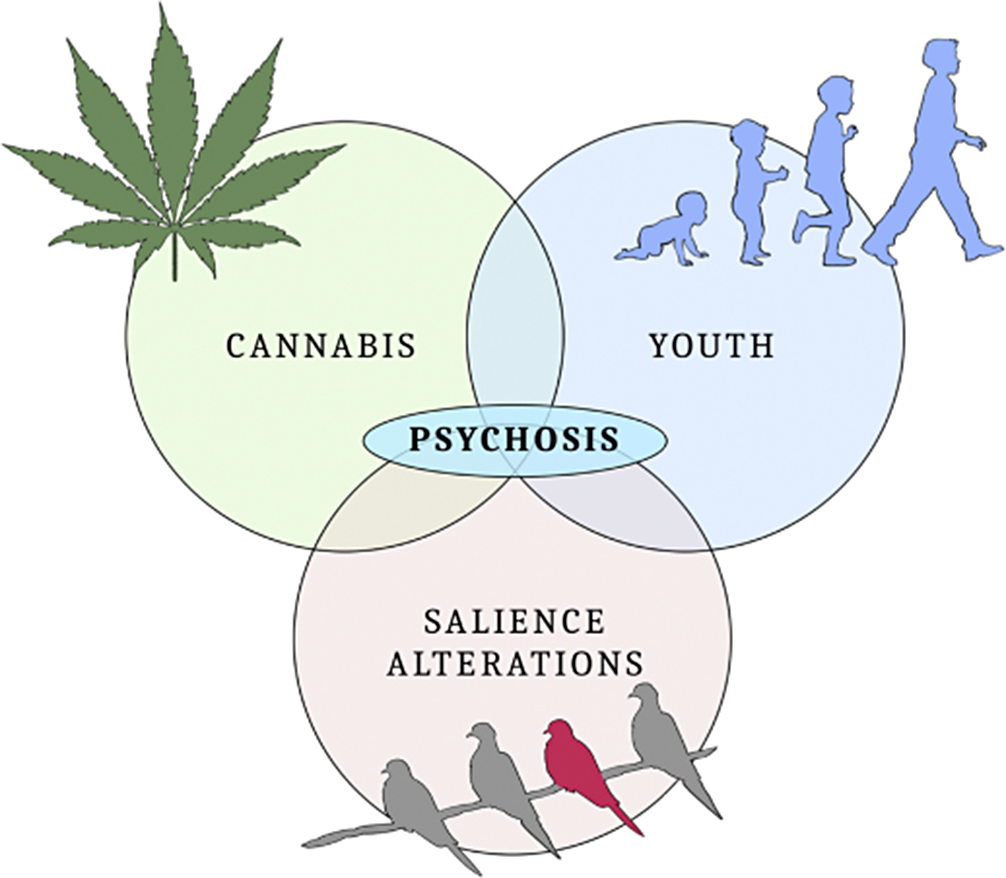
The aim of this project is to study to which extent salience alterations influence the severity of psychotic symptoms. However, rather than studying them individually, we decided to focus on their interplay with two additional variables, that is: observing their effect in a vulnerability phase (adolescence) and with another added, well-recognized risk factor (cannabis use).
The reason for this study design lies in the fact that, in our opinion, it is fundamental to observe the trajectory of psychotic symptoms over a continuum; however, rather than adopting a longitudinal approach, we decided to structure it as a cross-sectional study confronting patients from two age brackets - adolescence and adulthood.
Objectives
The primary purpose of this study was to assess a difference between THC-abusing and non-abusing patients in adolescent and adult cohorts, using the Italian version of the psychometric scale “Aberrant Salience Inventory” (ASI), and the possible correlation with more severe psychotic symptoms. The employment of several different psychometric scales and the inclusion of a variegated cohort allowed to pursue multiple secondary objectives.
Methods
We recruited 192 patients, subsequently divided into six subgroups based on age and department of recruitment (whether adolescent or adult psychiatric or neurologic units - the latter serving as controls). Each individual was administered a set of questionnaires and a socio-demographic survey; the set included: Aberrant Salience Inventory (ASI), Community Assessment of Psychic Experiences (CAPE), Positive and Negative Syndrome Scale (PANSS), Montgomery-Asberg Depression Rating Scale (MADRS), Mania Rating Scale (MRS), Hamilton Anxiety Scale (HAM-A), Association for Methodology and Documentation in Psychiatry (AMDP) and Cannabis Experience Questionnaire (CEQ).
Results
The data analysis showed statistically significant (p<0.05) differences between adolescents and adults with psychotic symptoms in all of the three scales of PANSS and in MADRS. These two groups were homogenous for both cannabis use and ASI score. The intra-group comparison (either adolescent or adult) showed a hierarchical pattern in the scores of psychometric scales according to the diagnostic subgroup of allocation: patients with psychotic symptoms showed an higher level of psychopathology in all measures when compared to patients from the psychiatric unit without psychotic symptoms, which in turn scored higher than the patients from the neurologic unit.
Image:
Conclusions
The results of the present study may suggest that when salience alterations occur in adolescents with cannabis exposure, we might observe worsened positive and negative psychotic symptoms; their influence might be relevant also in other domains, especially regarding the depressive and anxiety spectrums.
Stigma towards mental health disorders is an issue standing in the way of healing and integrating the patient into the social life. Stigmatising does not only come from the general population but also from health care providers. Studies found out that lack of knowledge and skills among health care professionals is associated with stigmatization, which affects the attitudes and the patient’s treatment process.
Objectives
The main aims of this study were to evaluate the attitudes and knowledge about mental health among nurses and psychiatry residents working in psychiatric departments, to explore the relationship between knowledge and attitude toward mental health and to find out the possible link with sociodemographic and work characteristics
Methods
A cross-sectional questionnaire was conducted in two departments of psychiatry at RAZI hospital focusing on nurses and psychiatrist trainees. The sociodemographic informations, duration and choice of working in psychiatric field, personal experience with mental illness were collected .
The Mental Health Knowledge Questionnaire (MHKQ) and the mental illness clinicians attitude scale (MICA-4 )were used to evaluate the participants mental health knowledge and attitude towards psychiatry and people with mental disorders .
Results
A total of 30 health care providers finished the questionnaire. Their median (± interquartile range) age was 29 (±9) years within a range of 25 to 60 years old. Our participants were predominantly female (N = 26; 86.7%). The overall median of MHKQ scale was 10 (±6) with a higher score in psychiatrist trainees than nurses but no significant difference was found (p= 0.066) However there was a significant difference between the two groups regarding the MICA scale (p=0.02) with a negative attitude found in the group of nurses . Participants with no personal experience with mental illness along with those who were obliged to work in psychiatric facilities tend to have higher score on the MICA scale with significant statistically relationships, respectively, p =0.18 and p=0.09 We didn’t find any statistically significant relationship between the total scores of the MICA and MHKQ scales ( rho = -0.206, p = 0.275)
Conclusions
In our study negative attitude toward mental disorders were found in the group of nurses. Education about mental health disorders as well as addressing the importance of mental health outcomes must be included in the first year training of every healthcare provider. New strategies Focusing on improving the knowledge and skills among healthcare professionals are important to make due to their positive effect on the recovery.
Transition to a consultant role is a challenging time for an early career psychiatrist, as the high level of structure and guidance available during psychiatric training ceases when training is complete. The Royal College of Psychiatrists, UK therefore pioneered the Startψell initiative to ease this transition. This consultant-led initiative proposed embedding good habits and robust coping mechanisms early on, to enable psychiatrists to thrive in their roles and is based on six main pillars (New consultants (StartWell) (rcpsych.ac.uk)Image 1: Startwell framework. Berkshire Healthcare NHS Foundation Trust (BHFT) is a mental healthcare provider based in Southeast England where we designed a project to enhance support to new consultants, based on Startψwell principles.
Objectives
The aims of this project were to:
- Improve the experience of early career psychiatrists taking on their first consultant role in BHFT.
- Ensure that the new consultants are provided with relevant information and resources to fulfil their roles safely.
- Set up a system for ongoing support for new consultants till they complete five years in their post.
Methods
Having discussed the feasibility of setting up a local Startwell initiative in BHFT, plans were presented to the medical director and medical staff committee including new consultants, for their input. Under the guidance from senior consultants, monthly meetings were arranged which offered professional development talks and peer support. As several themes emerged at these meetings, we stratified and aligned these local to the RCPsych Startψell framework (Image 2:Themes). An induction folder was also collated with all the relevant information in paper and digital format. In addition, a yearly bespoke induction event for new consultant psychiatrists was delivered from 2019-2022 except in 2021, during the pandemic.
Results
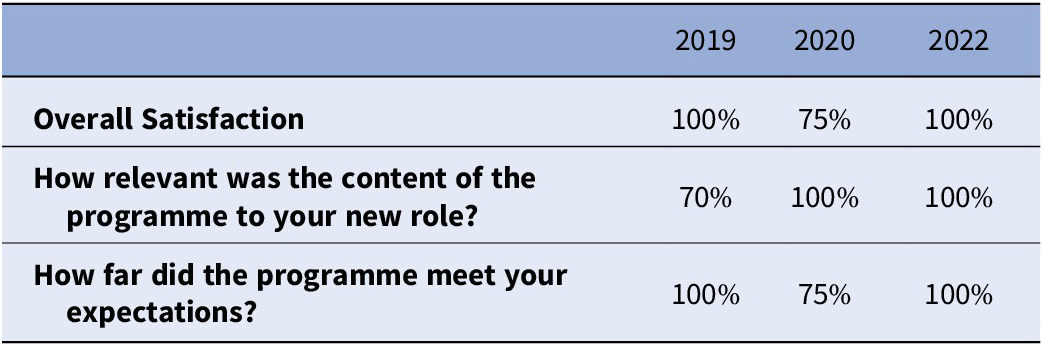
We used Likert scales to gather quantitative feedback (Table 1) with free box for comments to capture qualitative feedback (Image 3). Feedback response rate for the three cohorts were 75%, 70% and 80% respectively.
2019
2020
2022
Overall Satisfaction
100%
75%
100%
How relevant was the content of the programme to your new role?
70%
100%
100%
How far did the programme meet your expectations?
100%
75%
100%
Image:

Image 2:
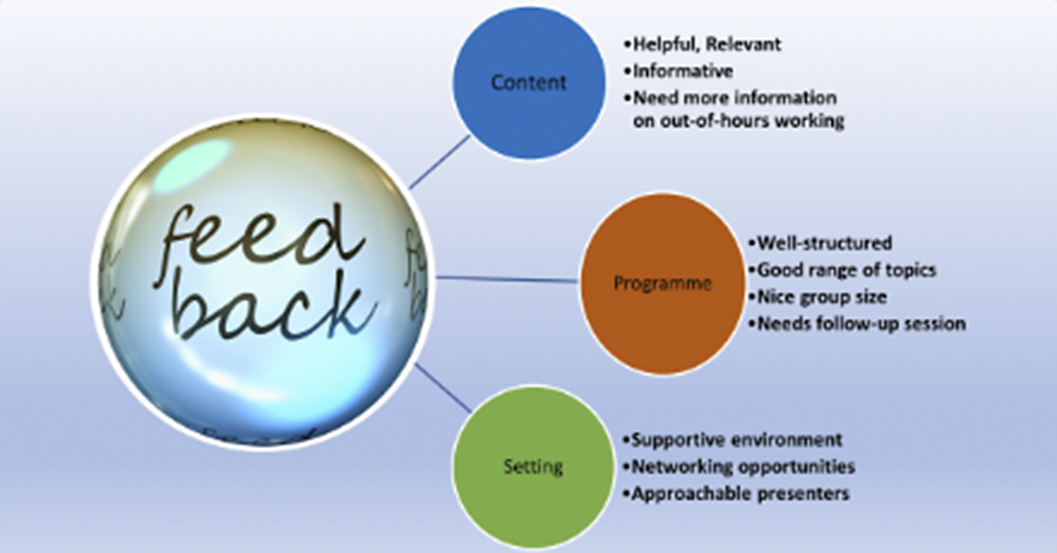
Image 3:
Conclusions
The BHFT Startwell initiative has been running successfully for the past five years and been valued by the new consultants. We are therefore continuing to working towards embedding the programme futher and ensuring sustainably for the future. W e are looking to share our experience in the hope that similar programmes are set up and our newer colleagues can enjoy a long, fulfilling, and enjoyable career.
Exploring the positive psychological and behavioural dimensions of people living with mental disorders can establish a firm ground in a therapeutic alliance for setting up positive life goals.
Objectives
The present study aimed to explored whether the strength of the mental health capacities and the severity of mental disorder symptoms and the interaction of the two differ in the strength of their associations with several dimensions of well-being on Hungarian adult psychiatric and non-clinical community samples.
Methods
The psychiatric sample (129 patients (44 male, 85 female)) was collected in four Hungarian healthcare facilities using a cross-sectional design. The non-clinical community sample (253 adults (43 male, 210 female)) was collected online using a cross-sectional design. All the respondents completed the Mental Health Test, six well-being and mental health measures, and the Symptom Checklist-90-Revised.
Results
Including both the mental health competencies and mental disorder symptoms variables in one regression model in both samples can predict patients’ well-being even more accurately. Mental health competencies related positively; mental disorder symptoms connected negatively to subjective well-being. In all models and both samples, mental health competencies were found to be a stronger determinant of well-being than the mental disorder symptoms. The interaction of mental health functioning and mental disorders is no more predictive of well-being in either psychiatric or non-clinical samples than when the effects of each are considered separately.
Conclusions
The assessment of mental health competencies has an important predictive value for well-being in the presence of psychopathological symptoms and/or mental disorders.
Insomnia, which is characterized by difficulty in initiating or maintaining a physiological sleep, is a relevant clinical issue, affecting not only the elderly population (from 20% to 40%), but also the general population since 30% of adults report problems in sleeping properly. In addition, 30-40% of adults report complaints about sleep quality lifetime, and10-15% report chronic insomniaBenzodiazepines (BZDs) are commonly prescribed to treat insomnia and sleep disorders. BZDs show a rapid sedative and anxiolytic effect, successfully used in the acute treatment of insomnia as well as anxiety, agitation, or anxiety associated with any type of psychiatric disorder. Their use is associated with potential side effects such as residual daytime sleepiness, ataxia, and dizziness. Long-term BZDs use may lead to drug abuse, tolerance, drug dependency, and abstinence. For instance, BZDs abrupt withdrawal can lead to severe symptoms such as insomnia and/or rebound anxiety, an increase in heart rate and blood pressure, nausea and/or vomiting, sweating, diarrhea, convulsions, and other neurological and psychiatric symptoms.
Objectives
This e-poster aimed to summarize evidence regarding the effect of BZDs treatment on human Sleep Architecture.
Methods
A bibliopgraphical review was performed using PubMed platform. All relevant articles were found using the keywords: benzodiazepines, sleep architecture, insomnia.
Results
Prolonged use of benzodiazepines leads to an increase of time spent in stages 2 and a decrease of time in stages 1, 3, and 4. The increased NREM stage 2 is associated with a subjective improvement in sleep quality. The decrease in NREM sleep time in stages 3 and 4 is usually associated with lesser “rest” for the brain, which leads to a lack of concentration.
Conclusions
BZDs use modified sleep architecture in the short and long term.
Opioid substitution treatments, notably methadone, now represent the standard treatment in the management of opioid dependence, making it possible to reduce illicit opioid consumption, crime, infections linked to administration practices and improve socio-professional integration
Objectives
Determine the socio-demographic and clinical characteristics of the patients Evaluate the quality of life of these patients
Methods
A cross-sectional, descriptive and analytical study was conducted with 60 patients receiving methadone followed at Ar-Razi Hospital in Salé between 01 june 2023 and 30 august 2023. A questionnaire was used to assess the socio-demographic and clinical characteristics of the patients. Quality of life was assessed using the 36-item Short Form Health Survey SF-36 scale
Results
The average age of our patients was 34 years with a male predominance Most of our patients were single and unemployed Somatic disorders were found in 15% of the sample The majority of them had an associated depressive disorder The main types of new psychoactive substances consumed were benzodiazepines (62.3%) and cannabis.
Quality of life was impaired in 60% of patients treated with methadone
Conclusions
The population using methadone is precarious and presents somatic and psychiatric vulnerability. Forms of misuse and associated consumption of other psychoactive substances and illicit drugs are recorded, hence the need for early detection in order to improve care
Depression continues to present significant economic burdens to the Canadian healthcare system. Novel therapies, including those that incorporate psychoactive substances such as ketamine, present an opportunity to evaluate both clinical and economic effectiveness against current standards of care, which may be repeatedly proving ineffective in treating depression for some individuals.
Objectives
This paper evaluates the cost-effectiveness of the Roots to Thrive ketamine program compared to group psychotherapy covered through the medical services plan in British Columbia, Canada.
Methods
A discrete-time Markov-model is used to estimate depressive states over five cycles for a treatment cohort and a synthetic control cohort. The transition probabilities for the treatment cohort are calculated from Roots to Thrive program data (n = 62) over the past 3 years, with the control cohort using published values from the literature. Both cohorts use the same starting state distribution, excess healthcare utilization rates for each severity level of depression, and utility outcomes based on depression state severity.
Results
Compared to the control cohort, the Roots to Thrive program was less expensive and produced better outcomes as measured by PHQ-9 scores and Quality-Adjusted life years over 5 treatment cycles. On average, the Roots to Thrive program would save $14,481 and produce 0.94 additional QALY’s per individual compared to group psychotherapy of three patients per provider in the current standard of care.
Conclusions
From an economic perspective, incorporating the Roots to Thrive program - or a program like it - into care in British Columbia would provide both an improvement in health outcomes and reduce expenditure by the ministry of health. These funds could be reinvested into other areas of the healthcare system to improve the lives of all British Columbians, even those that do not engage in psychedelic-assisted psychotherapy.
The patient was a 34-year-old male admitted to the psychiatric inpatient unit for high anxiety and suicide ideation due to severe toothache.
Objectives
To show how the antipsychotic pimozide can be an effective option for the treatment of anxiety and obsessive symptoms around physical complaints within the spectrum of somatoform disorders
Methods
Case report and literature review
Results
The patient comes to the emergency room with high anxiety and active self-harming ideation. He reports that for months he has been experiencing mouth pain that is becoming more and more intense. He has seen multiple professionals without finding a cause that justifies the pain. In the past she has a history of multiple ailments (knee, abdominal pain…). He is being treated with sertraline 150, clonazepam 3 mg per day and olanzapine 5 mg at night. During admission, treatment with pimozide up to 4 mg per day was started. The patient is progressively less distressed and with more distance from the ideas about pain, being able to carry out more activities during the day. There is remission of suicidal ideation
Conclusions
There is evidence in the literature that the use of pimozide was effective in different psychotic disorders. It has been seen to reduce the intensity of symptoms in cases of delusional disorders with delirum of somatic type or those such as delusions by parasitization. The use of pimozide has also been effective in the treatment of complex tic disorder. In this case it is effective and could be explained by the close relationship of osbsesive symptoms with psychotic symptoms.
Psychological help-seeking attitudes are influenced by various factors, including self-stigma, mental health literacy, and levels of depression and anxiety. Several studies have examined the relationships between these variables and help-seeking attitudes, shedding light on the predictors of seeking psychological help. Self-stigma, or the internalization of negative attitudes towards seeking psychological help, has been found to significantly impact help-seeking attitudes. Individuals who experience higher levels of self-stigma are more likely to hold negative attitudes towards seeking help. Additionally, mental health literacy, which refers to knowledge and understanding of mental health issues, has been identified as another important predictor of help-seeking attitudes. Individuals with higher mental health literacy are more likely to have positive attitudes towards seeking psychological help. Depression and anxiety, two common mental health concerns, have also been found to influence help-seeking attitudes. Research has shown that individuals with higher levels of depression and anxiety symptoms are more likely to express intentions to seek counseling for psychological and interpersonal concerns. These mental health concerns can serve as motivators for individuals to seek professional help. Furthermore, cultural and demographic factors can also play a role in shaping help-seeking attitudes.
Objectives
This study was planned to examine the variables predicting psychological help seeking attitudes: self-stigma, mental health literacy, and depression/anxiety
Methods
The sample of the study was determined by purposive sampling method. The study was conducted with individuals who willing to participate the study and above 18 years age.
Individuals who saw the online advertisement and click on the study’s link were be brought to the study’s home page on Online Surveys. Should they wish to proceed, they will be brought to an information page detailing the purpose of the study, how their confidentiality and anonymity will be preserved and how their data will be treated.
Socio-Demographic Data Form, Mental Health Literacy Scale, Self-Stigma of Seeking Psychological Help Scale and Attitudes Towards Seeking Psychological Help Scale were used. Data analyses was planned to run via Statistical Package for the Social Sciences version, 27.0.
Results
The analysis of the data is still ongoing in detail by the researchers. The findings and relational implications of the study will be presented.
Conclusions
In conclusion, self-stigma, mental health literacy, and levels of depression and anxiety are important variables that predict psychological help-seeking attitudes. Understanding these factors can inform the development of interventions and strategies to promote help-seeking behaviors and reduce barriers to seeking psychological help.
Children and adolescents with ASD are more likely to have eating problems compared to the general population of the same age, one of the disorders whose prevalence is increased in people with ASD is avoidant/restrictive eating disorder Food (ARFID) ARFID is characterized by a lack of interest in eating or avoidance of food intake, which in the case of people with ASD is usually related to impaired sensory processing and cognitive rigidity. For this reason, the Autism Day Hospital carries out a specific food intervention program.
Objectives
To retrospectively evaluate the results of the Food Program of the Autism Day Hospital during the year 2022.
Methods
A retrospective analysis of the cases of patients admitted to the Food Program of the Autism Day Hospital during the year 2022 is carried out. Results of the sensory pattern and presence of genetic alterations of each one of the patients are compared. And the results of the intervention are evaluated by quantifying the new foods introduced into the diet at the end of the admission.
Results
The sample is made up of a total of 5 children (4 boys and 1 girl) aged between 7 and 12 years. All of them meet diagnostic criteria for Autism Spectrum Disorder and present comorbidity with ARFID. Of the total sample, 1 of the patients presented in the genetic study a microdeletion S. in 15q13.3, duplication in 2q13 and duplication in 5p12-p11, with the genetic studies in the rest of the patients in the sample being normal. Regarding the results of the sensory pattern (Infant/Toddler Sensory profile test), all the patients presented differences in relation to other children of their age in the oral sensory pattern, this difference being definitive in 3 of the 5 patients in the sample. All the patients included in the program presented a satisfactory evolution, introducing at least 15-20 new foods into their usual diet, including different textures and consistencies.
Conclusions
The therapeutic approach to ARFID in children with ASD carried out from a multidisciplinary perspective; sensory integration, behavioral approach and, if necessary, psychopharmacological, has shown, based on the results obtained from the food program of the ASD Day Hospital, a favorable evolution of the eating disorder. For this reason, we consider the detection of this typical comorbidity of ASD and its referral to specific therapeutic programs to be of special importance.
With the rapid changes of attitude, investigation and legislation around cannabis and its subproducts in the Western world, there is a need to profoundly examine the consequences of its use in the general population and, specifically, in people affected by mental disorders. There is a clear relationship between cannabis use and psychosis, but there is also growing evidence of its relationship with manic episodes (Sideli et al, 2019).
A systematic review published by the CANMAT Task Force in 2022 examined again the relationship between cannabis use and bipolar disorder (BD), establishing association with worsened course and functioning of BD in frequent users (Tourjman et al., 2023). On the other hand, some recent papers have highlighted the role of the endocannabinoid system (ECS) in BD, suggesting even possible beneficial effects, mainly through the CB2 receptor (Arjmand et al, 2019).
Objectives
To describe the impact of cannabis in the psychiatric readmission in BD and to approach the differences in course in cannabis users with regards to non-users.
Methods
We conducted a prospective cohort study including the patients admitted to our acute psychiatric unit with the diagnosis of manic or mixed episode during the period between 2015 and 2019 (including patients with one of both final diagnosis: BD or schizoaffective disorder). We established a follow-up of 3 years from the date of admission in which hospital readmissions are examined.
Results
The study, which included 309 patients, concluded that cannabis users were admitted and had the first episode at a younger age (p=0.005), a higher percentage of them did not have a previous diagnosis (p=0.026) nor a previous history of mental health issues (p=0.019) and it was more likely to be their first admission (p=0.011) and to suffer psychotic symptoms (p=0.002).
As of treatment, the results were statistically significant regarding the fact that a lower proportion of patients had received previous psychiatric treatment (p=0.004) and previous electroconvulsive therapy (p=0.003). There was a higher chance of them being non-adherent with medication (p<0.001) and to be administered extended-release antipsychotic treatment during admission (p<0.001).
The study did not find a statistically significant relationship with cannabis use and a higher rate of readmission in the 3 years of follow-up.
Conclusions
Although a higher relapse rate could not be proven in our study, other previously identified factors related to a worse illness course (Sajatovic et al., 2009) did show a significant association with cannabis use, which could lead to one suggesting that our results are compatible with the actual evidence and that cannabis products are detrimental to people who suffer from BD and schizoaffective disorder.
There have been numerous studies on attempted and completed suicides in an attempt to understand better the phenomenon - the tragedy- of self-destructive behaviour through the analysis of the suicidal notes – their last personal documents, that many individuals write before carrying out suicide. Understanding and interpretation of these analyses could happen on several theoretical frameworks and background Research has systematically demonstrated what most clinicians assume, namely that individuals sharing significant patterns of nonverbal behavior express these tendencies in their manner of speaking and writing (e.g. in suicidal notes, farewell letters) . Through this research – by analyzing these texts, documents,” messages”,- was it possible to study not only semantic,and lingistic aspects of them but likely also as manifestations of psychological defense or coping mechanisms or reflected psychopathology in speech by isolating categories. A number of clinical investigations have been carried out to associate speech pattern and verbal style (spoken or written) with these psychopathological states
Objectives
The purpose of the present study is to understand better of written “suicidal” communication; to analyze suicidal notes - namely, as last “messages” of the self destructed individuals in suicidal notes in an empirical sample.
Methods
The present study compared the content of suicide notes (n=113) from attempted suicides, completed suicides and a non-suicidal controls. The content analysis examined formal, syntactical characteristics, as well as speech patterns and verbal expressions (Weintraub method, Absolutists index, SPSS, - Anova, KW)
Results
The notes from completed suicides had significantly higher scores for heteroaggression (blaming others, evaluators) negations, absolutistic expressions, nonpersonal references and lower scores for expression of feelings. Sex (male versus female) and age had no impact on these differences.
Conclusions
The suicide notes had reflected irrational thinking, characterized by frequent negation, and absolutistic words, self-preoccupation, high scores for emotional categories and a tendency toward polarized thinking These results may help in the understanding of the psychodynamic background or suicidal individuals’ risk assessment, in clinical work or in suicide hotlines, but also in prevention
