To save content items to your account,
please confirm that you agree to abide by our usage policies.
If this is the first time you use this feature, you will be asked to authorise Cambridge Core to connect with your account.
Find out more about saving content to .
To save content items to your Kindle, first ensure no-reply@cambridge.org
is added to your Approved Personal Document E-mail List under your Personal Document Settings
on the Manage Your Content and Devices page of your Amazon account. Then enter the ‘name’ part
of your Kindle email address below.
Find out more about saving to your Kindle.
Note you can select to save to either the @free.kindle.com or @kindle.com variations.
‘@free.kindle.com’ emails are free but can only be saved to your device when it is connected to wi-fi.
‘@kindle.com’ emails can be delivered even when you are not connected to wi-fi, but note that service fees apply.
Early-Onset Schizophrenia (EOS) is a rare and severe form of schizophrenia that begins in childhood and it is often associated with genetic risk factors, poorer prognosis, and increased treatment resistance compared to adult-onset schizophrenia (Hatzimanolis et al. Eur Psychiatry 2020;63(1):e44). This case report presents two siblings diagnosed with EOS and treated at the same inpatient clinic in different years.
Objectives
The aim is offering a perspective on the clinical characteristics, genetic and enviromental implications, and treatment challenges of two siblings with EOS and seeking to enhance understanding of EOS’s complexity, particularly in the context of treatment resistance.
Methods
A comprehensive retrospective review of the siblings’ all medical records was conducted, focusing on their psychiatric history, symptoms, treatment trials, and responses of treatment. Both cases’ current clinical situations were evaluated cross-sectionally.
Results
Older sibling: 19 year-old male, was diagnosed with EOS following the onset of symptoms as social withdrawal, negativism and suspiciousness at the age of 14. He referred to the inpatient clinic with the cause of drug intake refusal. Risperidone treatment started but there was no significant response. Risperidone to olanzapine switch made and clinical remission observed. After his discharge, 4 more hospitalisations in 5 years needed due to low socioeconomic status, parental neglect and him having no insight and stopped taking his medications repeatedly. Several depot form antipsychotic injections started to prevent recurrent hospitalisation. Despite that he needed several hospitalisations to adult psychiatry inpatient clinics.Younger sibling: 14 year-old female, were diagnosed with EOS following the symptoms as auditory hallucinations, suspiciousness, disorganised speech and behaviours at the age of 13. She referred to the same inpatient clinic with suicidal risk after 2 years of his brother’s last hospital stay. She responded good to olanzapine treatment like her brother’s, during her first stay. After 2 weeks of her discharge, her psychotic symptoms started again with no specific reason. Second hospitalisation needed due to her homicidal and suicidal risk. Clozapine and aripipirazole treatment started and she discharged in partial remission. She is being followed in outpatient clinic, with low functioning.
Conclusions
Despite trials of multiple antipsychotic medications and adjunctive treatments, both siblings demonstrated significant treatment resistance. These sibling cases underscore the complexity and challenges in managing EOS, particularly when it presents with treatment resistance. The shared familial environment and potential genetic factors demand further investigation to elucidate the pathogenesis of EOS and optimize therapeutic approaches.
In 2011, Türkiye restructured the mental health care system in community-based settings following the announcement of the National Mental Health Action Plan. Community mental health centers (CMHCs) are the major element of this approach. As of now, the total number of CMHC have reached 186, and the service users have almost reached 100.000.
Mental health care system gained significant advantages through CMHCs, such as 1) improvement in the conditions of mental health services, 2) better follow-up of patients with chronic severe mental disorders, 3) capability of in-home services, 4) decrease in the number of hospitalizations, 5) increased social involvement of patients with severe mental disorder. CMHCs also played a significant role in promoting social rehabilitation, including employment status, development of social relationships, and redress of stigmatization. All these advantages were put into practice by community mental health teams comprising a psychiatrist, psychologists, nurses, social workers and ergotherapists, if available.
Community mental health centers come with severe challenges and shortcomings despite their ameliorations. First, CMHCs need trained mental health professionals. However, only 52% of the CMHC teams completed the CMHC trainings currently. Second, standardized work flow algorithms should be developed for CMHCs. Third, there should be a strong relationship between CMHCs, primary health care system and inpatient units as a complementary part of essential mental health care. In addition, hospital administration should be trained in terms of CMHC policy since every CMHC is affiliated with a state hospital. For instance, the ongoing issue of defining quality standards for CMHCs contributes to a misconception, portraying these centers as profit-making units rather than dedicated rehabilitation facilities.
In conclusion, community-based settings and CMHCs significantly advance mental health services despite the challenges confronted in practice. To optimize the effectiveness of community mental health care facilitated by CMHCs, it is imperative to review the implementation process with the active involvement and support of non-governmental organizations, including patient-driven organizations and national psychiatric associations.
Bipolar Disorder (BD) is a complex psychiatric condition that typically manifests during late adolescence and early adulthood. Over the past two decades, international studies have reported that BD often goes unrecognized and untreated for several years, which can lead to negative clinical and functional outcomes. However, the components of delay in the diagnosis and treatment of BD in adolescents and young adults and various factors influencing those components have not been systematically explored.
Objectives
To determine the known factors that contribute to delays in the treatment of BD in adolescents and young adults and identify current knowledge gaps.
Methods
A conceptual framework based on the Model of Pathways to Treatment by Scott and colleagues was used as a foundation for our search and extraction strategy to ensure all components of delay and potential factors influencing each component are explored. We used the Preferred Reporting Items for Systematic Reviews and Meta-Analyses guideline (PRISMA-ScR) to systematically search the electronic databases of MEDLINE (OVID), EMBASE, PsycINFO and CINAHL for peer-reviewed original research articles published from January 01, 2000 through March 29, 2023. Inclusion was restricted to studies with quantitative or qualitative data on individuals diagnosed with bipolar spectrum disorders with symptomatic onset or study participation between the ages of 13-24. Grey literature and studies not published in English were excluded due to resource limitations. Two independent reviewers screened the references retrieved by the literature search based on our inclusion criteria. The findings of included studies were summarized in a narrative and tabular form according to component of delay.
Results
Our search yielded 5180 unique citations, of which 44 articles met our inclusion criteria. We present findings on the patient, illness, and healthcare provider/mental health system factors contributing to the delays in illness appraisal, help-seeking, diagnosis, and treatment.
Conclusions
To the best of our knowledge, this is the first systematic scoping review to explore the potential factors that influence delays in the treatment of BD in adolescents and young adults. Findings from this review will inform clinical practice and policy. We also demonstrate the utility of a systematic approach to identifying the components of delay, from symptom recognition through treatment, as a methodology to help identify knowledge gaps to inform future research.
Social connection (SC) is a multi-dimensional concept capturing both the structural–quantitative (e.g., number of social relations, social contact frequency, network structure) and the functional–qualitative dimension (e.g., social support) of social relationships. Although empirical evidence of the association between SC measures and depression has increased significantly in recent years (De Risio et al, J Affect Disord 2024; 345 358–368), very little is known about the extent to which interventions that build SC are effective in improving depressive symptoms.
Objectives
This umbrella review of systematic reviews/meta-analyses aims to synthesize evidence regarding the effectiveness of SC interventions on depression. Our primary focus is on interventions directly acting upon the natural social network, while indirect interventions that aim to improve social skills, or those that provide professional (formal) or semi-professional support through health services, were excluded.
Methods
We provide a synthesis of the consistency and magnitude of the effectiveness of SC interventions on depression. We searched PubMed, PsycINFO, Cochrane Library, and EMBASE and 16 reviews/meta-analyses were included. Information on the effectiveness of SC interventions on depression were compared among different populations. The quality/certainty of evidence was assessed using AMSTAR-2 and GRADE tools.
Results
Included interventions were categorized into the following domains: social support (interventions increasing both perceived and enacted social support from family, friends, and others); social engagement (interventions aimed at strengthening social networks and contrasting social isolation); social inclusion (interventions promoting social integration and access to social capital); social identification (interventions enhancing participants’ identification with a group). Overall, the evidence is rather mixed with some SC interventions resulting in little to no difference in depressive symptoms compared to usual care/other interventions. The most promising interventions appear to be those contrasting social disengagement and reducing social isolation in older individuals and in patients with depression, as well as social inclusion interventions for adolescents and young adults.
Conclusions
The broader implications of SC as a key determinant of depression call for a deep examination of the impact of interventions/preventive programs on the evolving psychopathology of depressive trajectories and inform on which targeted interventions are more effective, thus guiding public health policies.
Antipsychotics are psyschotropic medications that are indicated for the treatment of physchosis and mood disorders. Due to minimal side effects and their efficacy (affecting many receptors) compared to standard antipsychotics, today atypical antipsychotics are being used more and more as first-line treatment.
The aim of this study is to show the efficacy of asenapine and its tolerability as opposed to other atypical antipsychotics.
Objectives
1. What are the side effects identified?
2. Side effects and efficacy of asenapine vs other atypical antipsychotics?
Methods
It is a comparative, regular, clinical study, an examination case of a 53-year old female diagnosed with Schizoaffective Disorder 27 years ago and treated outside of hospital with atypical antipsychotics, such as: risperidone, olanzapine, quetiapine, aripiprazole, amisulpride. The study covers the timespan of 2010-2022.
Results
The results showed that asenapine sublingual 15 mg had fewer side effects than other atypical antipsychotics. They were mouth dryness, headache, fatigue.
The other atypical antipsychotics caused: metabolic disorders, like considerable weight gain, cholesterol and glycaemia increase, extrapyramidal side effects, hyperprolactinemia.
Asenapine sublingual 15 mg was not as effective in treating Schyzoaffective Disorder as risperdal 5mg, olanzapine 15 mg, aripiprazole 20 mg, amisulpride 600 mg.
The efficacy of asenapine sublingual 15mg was the same as quetiapine 400 mg.
Conclusions
This study showed that asenapine has minimal side effects but its efficacy in treating Schyzoaffective Disorder as monotherapy is lower than other atypical antipsychotics.
Key words
antipsychotics, schyzoaffective disorder, side effects, efficacy
ADHD is a very frequent reason for consultation in child psychiatry. It affects 2.5% of children and 5% of adults. Diagnosis is clinical. Treatment is based on medication combined with psychosocial interventions.
Objectives
Develop an ADHD guide for caregivers.
Methods
We carried out a literature review covering the last 5 years using the google scholar and pubmed search engines, including the key words ADHD, in order to produce a printable guide for caregivers working with children, in particular school teachers and healthcare personnel.
Results
Attention deficit hyperactivity disorder (ADHD) is a neurodevelopmental disorder affecting 5% of school-age children.
It is characterized by abnormally high levels of developmental inattention, hyperactivity and impulsivity, leading to impaired personal, social, academic or occupational functioning. Because of its pervasiveness, ADHD can interfere negatively with general well-being, as well as with social life, academic performance and the development of social skills, which can lead to low self-esteem.
ADHD has multiple etiologies. It is thought to be due to a complex interaction between genes and environment. In fact, genetic vulnerability predisposes to the disorder which, under the influence of an unfavorable environment, expresses itself in clinical symptoms represented by 2 dimensions: inattention, hyperactivity and impulsivity.
Diagnosis is essentially clinical, and treatment is based on medication combined with psychosocial interventions.
Conclusions
ADHD is one of the most frequently encountered disorders in general practice, pediatrics and child psychiatry. Early recognition of the disorder enables appropriate management, while limiting the impact of the disease on the functioning of the young person and his or her family.
Human functioning in the physical, emotional, psychological, and social arenas is improved by contact with animals.
Objectives
This study aimed to explore the affective relationship of older adults with their pets during the COVID-19 pandemic; and to assess how the affective relationship with pets contributed to older adults’ mental health.
Methods
This qualitative study included 176 participants aged 65-88 years from Portugal, the United Kingdom, and Spain. All interviews went through content analysis.
Results
Findings indicated five themes: (1) Meaningful Emotional Relations (86%); (2) Intimacy with Partners (68%); (3) New Emotional Connections (61%); (4) Sensory Stimulation (55%); and; (5) Physical Enjoyment (23%). As for the second objective, three main themes emerged from the content analysis: (1) Decreasing Depressive and Anxiety Symptoms (73%); (2) Easing Feelings of Loneliness (68%); and (3) Reducing Mood Swings (43%).
Conclusions
The affective relationship between older adults and their pets was relevant during the COVID-19 pandemic, since it allowed for solidifying affection relationships with their partner and creating new ones. Additionally, it contributed for deepening the affective relationship with themselves, in terms of sensory stimulus, physical touch and physical pleasure. Owning a pet, was important for improvement in mental health symptoms, associated to depression, anxiety, and mood swings.
Insensitivity to pain in schizophrenia is a complex phenomenon. Understanding schizophrenia’s heterogeneity is crucial for personalized treatments.
Objectives
Individuals diagnosed with schizophrenia often experience gastrointestinal issues and exhibit elevated levels of depression and anxiety. There is an urgent need to understand how these factors interact and how childhood traumas, a significant risk factor for schizophrenia, can affect gastrointestinal symptoms in these individuals.
Methods
The study involved 51 individuals diagnosed with schizophrenia. The hierarchical cluster analysis on the principal components (HCPC) was performed to identify groups of similar observations for test scores and the overall results for 14 tests. Hierarchical clustering was performed using Ward’s minimum variance method. Differences in the results of individual tests between clusters were estimated using the V test.
Results
The schizophrenia group was categorized into three clusters. The patients belonging to the first cluster are characterized by high GAF test scores and low scores on tests for gastrointestinal symptoms, ITQ, CTQ, GHQ-28, STAI, CALGARY, BDI II, SAMPS, SANS, and PANNS. In contrast, patients in the second cluster had scores significantly above the group average on the tests SANS, PANNS, and SAPS and low scores on the tests DBZ RZ, CTQ, STAI, BDI II, ITQ, and GAF. Finally, patients in the third cluster had high scores on the tests BDI II, ITQ, STAI, CTQ, GHQ 28, DBZ RZ, gastrointestinal symptoms, TEC PL, CALGARY, and CISS. High CTQ scores may contribute to increased GSSR scores due to childhood trauma’s potential to trigger chronic stress, affect the nervous system, and induce psychosomatic symptoms, including gastrointestinal problems. Elevated BDI II and STAI scores can also impact GSSR results by disrupting the connection between emotions and the gastrointestinal system.
Conclusions
This research underscores the intricate interplay of various psychosocial and physiological factors that influence the perception of pain related to gastrointestinal symptoms in individuals with schizophrenia.
While postictal mania is a well-recognized clinical condition, it has received less research attention compared to other postictal manifestations.
Objectives
Drawing upon an analysis of a case report that underscores the clinical and therapeutic challenges associated with comorbid epilepsy and mania, a literature review was carried out to investigate the connection between these two disorders.
Methods
We illustrate a case of comorbidity between mania and epilepsy and provide a concise review of the literature summarizing the key characteristics of this association.
Results
This case pertains to Mr. M, a 44-year-old male with a history of frontal epilepsy characterized by secondary partial generalization, which was partially controlled with sodium valproate. He was admitted to our service due to acute agitation following a loss of consciousness lasting a few minutes.
Upon admission, the patient exhibited symptoms of mental confusion. A neurological examination did not uncover any abnormalities. Brain computed tomography revealed mild frontal atrophy. Video electroencephalography conducted during the interictal period and outside the episodes of confusion did not reveal any abnormalities. The patient was restarted on sodium valproate (20 mg/kg/day) and clonazepam (2 mg/day). Following a lucid interval of ten days, the patient started to manifest psychiatric symptoms, which included irritability, hostility towards his spouse, increased talkativeness, thought pressure, and an unusual sense of familiarity, raising suspicion of post-ictal mania.
Conclusions
Based on this clinical case and the existing scientific literature, post-ictal mania occupies a distinct position among the mental disorders observed in the post-ictal period. Therefore, clinicians must be aware of these conditions to facilitate accurate diagnosis and appropriate management.
Anatomical Therapeutic Chemical (ATC) indication-based classification system is the World Health Organization (WHO) drug classification system and it is widely used in clinical and researh practice, however there has been questions around the scientific base of this (1, 2). Neuroscience-based Nomenclature (NbN) has been developed by representatives from 5 international organizations, with specific expertise in psychopharmacology, to address the issues around neuropsychopharmacological drug classification and improve the focus on pharmacological domains and mode of action:
ECNP – European College of Neuropsychopharmacology
ACNP – American College of Neuropsychopharmacology
AsCNP – Asian College of Neuropsychopharmacology
CINP – International College of Neuropsychopharmacology
IUPHAR – International Union of Basic and Clinical Pharmacology
References:
1. Nutt DJ. Beyond psychoanaleptics - can we improve antidepressant drug nomenclature? [published correction appears in J Psychopharmacol. 2009 Sept;23(7):861]. J Psychopharmacol. 2009;23(4):343-345. doi:10.1177/0269881109105498
2. Zohar J, Stahl S, Moller HJ, et al. A review of the current nomenclature for psychotropic agents and an introduction to the Neuroscience-based Nomenclature. Eur Neuropsychopharmacol. 2015;25(12):2318-2325. doi:10.1016/j.euroneuro.2015.08.019
Objectives
As NbN is a novel classification system that can be used as a teaching tool as well as for other purposes, we aimed to understand the experience, views and needs of the psychiatric trainees and early career psychiatrists who will shape the future of psychiatry, around drug classification systems.
Methods
The ethical clearance of the study was obtained from King’s College London. We prepared an online survey (https://forms.gle/FCSdVTFH4U5QNn5t8) with a multinational group of early career pscyhiatrists who met through the CINP and EFPT, and test-run the survey with a small group of psychiatric trainees. The online survey was then disseminated via emailing lists and groups of early careers psychiatrists as well as through social media.
Results
At the time of this abstract submission, the data collection is ongoing. Results will include analyses of the experience with different drug classifcations systems, awareness, views and attainment of NbN, stratified according to the demographic data (country, careers status, main work setting).
Conclusions
The findings from this study will shed light on the views and needs of early career psychiatrists on the topic from clinical and academic aspects, a previously unexplored perspective on drug classification systems. The findings can inform the planning of various strategies to address areas to improve the use and teaching of these tools.
It has been several years since the World Health Organization (WHO) advocated for shared decision-making(SDM) models when developing treatment plans for individuals with mental illnesses. It is emphasizing the importance of actively involving patients in expressing their opinions and sharing treatment-related information. However, few clinicians accept patients’ subjective views in clinical practice. Given that patients’ subjective beliefs about their symptoms significantly impact treatment satisfaction, prognosis, and adherence, it is essential to assess these perceptions. However, few studies have been conducted to assess patients’ subjective beliefs, their mental representation, of their disease. Therefore, this study aims to develop Interview that enable the utilization of patients’ cognitive representations of their mental illnesses in clinical practice.
Objectives
The primary objective of this study is to develop a semi-structured interview and a self-report scale to evaluate patients’ mental representations of their illnesses. Subsequently, validate the reliability and validity of these tools as psychological assessments.
Methods
An initial structure for both the semi-structured interview and self-report scale was established through a literature review of existing disease representation measurements. Subsequently, expert panel discussions and further literature reviews were conducted to refine the structure and content of both tools. Content validity for both the interview and self-report scale was assessed by a panel of nine experts and a group of ten students. Following this, the developed interview tool was subjected to a validity analysis with clinical patients using Missick’s six validity criteria(Content, Substantive, Structural, Generalizability, External, Consequential).
Results
Content validity index (CVI) values for the overall structure indicated that all subdomains scored above 0.8, demonstrating the appropriateness of the interview tool’s five subdomains: symptoms, causes, temporal aspects, impact, and treatment and control. Content validity assessment for individual items revealed that some items within the “causes of the disease” subdomain, specifically stress-related factors, scored below 0.6, prompting necessary item modifications. All other factors achieved CVI scores of 0.6 or higher. Facial validity assessment yielded favorable results for all items in the self-report scale. All validity was demonstrated to be satisfactory.
Conclusions
This study has provided evidence that the developed tools are reliable and valid instruments for measuring patients’ perceptions of their illnesses, offering a trustworthy means to assess these vital cognitive representations in clinical practice.
An important aspect in providing effective psychiatric care and treatment is the formation of an adequate perception of their mental disorder in patients and awareness of the need for treatment, especially at the initial stages of the disease. Patients’ misunderstanding of their own psychopathological manifestations can act as a serious obstacle to their compliance and lead to an increase in the frequency of exacerbations and repeated hospitalizations.
Objectives
To assess the attitude to the disease and treatment in patients with various mental disorders at the initial stages of the disease.
Methods
Clinical and psychopathological, psychological, statistical. The following scales were used: Drug Attitude Inventory (DAI, Hogan T.P. et al., 1983); Insight Scale for Psychosis (ISP, Birchwood M., 1994); Questionnaire “Style of self-regulation of behavior” (SSPM, V.I. Morosanova, 1988) and others. 17 patients with a diagnosis of bipolar disorder (BD, F31.xxx, ICD-10) were examined, the average age of patients was 25.52±4.55 years and 39 patients with a diagnosis of schizophrenia (F20.1xx and F23.1xx, ICD-10), the average age of patients was 29.29±9.71. The duration of the disorder in both groups of patients was 0.5-3 years.
Results
A comparative analysis of the average scores of the scale of attitude to the disease revealed significant differences in the groups (p≤0.01). Patients with schizophrenia had a lower awareness of their disease (2.31±0.91 points) than patients with bipolar disorder (3.59±0.76 points). Correlation analysis revealed reliable connections (p≤0.01) between the scales of attitude to the disease and drugs and the self-regulation questionnaire. In patients with schizophrenia, deeper violations were found in the links of self-regulation, such as programming and planning when assessing the presence of a mental disorder and deterioration of their condition due to discontinuation of medication (r=0.38 and r=0.36, respectively). The low level of self-regulation in general and the rigidity of negative attitudes in awareness of the disease and the need for treatment also have a negative impact on compliance with the medication regimen. No such correlations were found in patients with bipolar disorder: they were more aware of the presence of a mental disorder and the need for treatment, but the degree of compliance with the medication regimen was not high enough.
Conclusions
The treatment of patients with mental disorders requires an integrated approach with the mandatory inclusion of a psychoeducational component in order to form an adequate model of their disease and an understanding of the expected risks when therapy is discontinued. Psychoeducation is especially relevant in the early stages of the disease, both for patients with schizophrenia and with BD.
The epigenome involving chemical modifications of DNA and chromatin that modulates gene expression in response to external and environmental conditions is characterized by great plasticity and reacts by epigenetic marks such as methylation signatures that can be inherited across generations.
Objectives
Urban dwellers likely adapt to the level and growth of urbanization and resulting environmental changes through epigenetic changes. The aim of this study is to present what is currently known about the DNA methylome (the information of DNA methylation of all cytosines in a genome) and cognition when humans are exposed to changing urban environments.
Methods
We conducted a comprehensive review of the scientific literature using PubMed database with the following keywords: DNA methylation, brain and urbanity.
Results
Our search revealed a scarcity of scientific articles reporting methylome studies with assessment of correlations between methylome, cognitive status and urban environment. Among these papers, a Chinese study (2021) found a significant correlation between childhood urbanicity and better cognitive performance by measuring genome-wide methylation profile using more than 850,000 genome-wide CpG sites. In this study, the authors suggested that the impact of childhood urbanicity on cognition is partially mediated by the methylome and brain structure/function in humans whose childhood urbanicity differed. Other studies using other research approaches, suggested that the impact of living in an urban area is linked to better performance in terms of working memory, processing speed and verbal learning. We also found that the vast majority of studies investigating DNA methylation involved in rapid adaptation to new environments, including urban environments, focused on plant and animal species.
Conclusions
The effects of urbanization on human beings are a topic of ongoing debate. Some studies suggest that urbanization can have beneficial effects on cognition, while others find that it can have harmful effects. Quantitative studies of methylation and the correlations between methylome, cognition, and urbanicity offer new opportunities to measure these effects and gain a better understanding of their mechanisms.
Sleep disorders are a significant concern for patients with schizophrenia, and they can have a profound impact on their quality of life. Studies have shown that sleep disturbances are prevalent in patients with schizophrenia, and they may be linked to the clinical characteristics of the disorder. Despite this, the exact nature of the relationship between sleep disorders and schizophrenia remains unclear. Understanding this relationship is critical as it may lead to better diagnosis and treatment of both conditions, ultimately improving the overall health and wellbeing of patients.
Objectives
To establish the link between sleep disorders and clinical characteristics in a clinical population being treated for schizophrenia.
Methods
We conducted a cross-sectional, descriptive, and analytical study that took place over a period of one month (from 1st to 31nd March 2023) among patients consulting the post-care service of Psychiatry Department D at Razi Hospital, Tunisia. We included patients aged between 18 and 65 years, diagnosed with schizophrenia according to DSM-5, and stabilized on psychiatric treatment. We used the Pittsburgh Sleep Quality Index (PSQI) to evaluate sleep quality over a period of one month. The evaluation of the clinical characteristics of schizophrenia was carried out using the Positive and Negative Syndrome Scale (PANSS).
The interview was conducted by a single researcher, and when the questionnaire was distributed to the participants, we explained the framework and the principle of this study as well as the implications of participating in it and explained that the participant could stop participating at any time if he or she wished.
Results
We collected data from 30 male patients with a mean age of 42.5 ± 14.02. The mean overall PSQI score was 9.23 ± 4.58. The subscales evaluating the subjective quality of sleep obtained an average score of 1.42 ± 0.72, sleep latency was 1.61 ± 1.33, sleep duration was 1.01 ± 0.98, habitual sleep efficiency was 0.67 ± 0.75, sleep disturbances were 0.91 ± 0.52, sleep medication use was 1.36 ± 1.68, and daytime dysfunction was 1.12 ± 0.96. The mean scores of PANSS were: positive scale (28.26 ± 5.93), negative scale (18 ± 6.15), and general psychopathology scale (90.03 ± 16.21). We found a statistically significant association between the positive PANSS scale and sleep latency (p=0.002) and sleep medication use (p<10-3).
Conclusions
The findings highlight the importance of evaluating and addressing sleep disturbances in the overall management of patients with schizophrenia, as they may have an impact on the severity of clinical symptoms.
Even though depression is a severe health issue among older adults, few studies have explored their knowledge of geriatric depression.
Objectives
This study aimed to explore older adults’ knowledge of geriatric depression and its related factors.
Methods
A cross-sectional survey was conducted. Older adults were recruited by convenience from outpatient clinics of three hospitals in Taiwan.
Results
A total of 327 older adults participated in this study. Their mean score of knowledge was 7.73 (SD=2.12, Range=2-12) on an 18-item knowledge scale, indicating poor knowledge of geriatric depression. Females had significantly higher geriatric depression knowledge scores than males (t=2.50, p=0.01). Junior and senior high school graduates had significantly higher geriatric depression knowledge scores than illiterate and primary school graduates (F=10.23, p<0.01). In addition, their geriatric depression knowledge scores also differed by religious belief (F=4.91, p<0.01), living status (F=8.64, p<0.01), and perceived health condition (F=8.81, p<0.01). Buddhists had significantly higher geriatric depression knowledge scores than Taoists. Living with partners and perceiving their health status as fair and good tended to have higher geriatric knowledge scores than their counterparts. However, their geriatric depression knowledge scores did not significantly correlate with their mean scores of social distance toward older adults with depression.
Conclusions
Older adults tended to have poor geriatric depression knowledge. Improving their knowledge shall be an urgent task. Our results may serve as references for developing further depression prevention.
There are many theoretical reasons to implement gender-specific care for schizophrenia. For all these reasons, the Mutua Terrassa-Functional Unit for Women with Schizophrenia was inaugurated in January 2023 in the context of a community mental health service.
Objectives
Our aim today is to describe the health care model applied in this newly initiated unit.
Methods
We created a healthcare model in our new unit consisting of A)Five observatories of Health (somatic morbi-mortality, hyperprolactinemia-HPRL, substance use disorders, social exclusion/discrimination, and drug safety); B)Monitoring stations or vigilance teams (reflecting the 5 observatories); and C)resulting actions (specific interventions). The observatory teams each meet monthly. In this presentation, according to the healthcare model we implemented, we first describe data about the original patient recruitment and then focus on the observatories of somatic morbi-mortality and hyperprolactinemia.
Results
From 265 potentially eligible women, 42 were included in the 5 observatories. (A) of the 11 women in the observatory of somatic morbi-mortality, 10 women had died within the last 24 months. Causes of Death: (1)respiratory tract disease (n=5,45.4%), (2)cancer (n=3;27.3%): lung cancer (n=1), pancreatic cancer (n=1), kidney cancer (n=1), (3)ischemic colitis (n=1;9%), (4)Alzheimer disease (n=1;9%). 2) Morbidity. One woman had an ongoing glioblastoma. (B)Observatory of HPRL. Eight women with moderate/severe HPRL were included. Strategies for lowering prolactin levels were discussed with neuroendocrinologists. Interventions:adjunctive aripiprazole (n=3), switch to aripiprazole (n=2), lowering antipsychotic doses (n=2), and adjunctive cabergoline (n=1).
Conclusions
Designating special teams to focus on specific problems of women with schizophrenia will reduce morbidity and improve outcomes in this vulnerable population.
Stigma towards mental disorders has been shown to be a major obstacle to recovery and quality of life among people with psychiatric disorders. Despite significant advances in the treatment of mental disorders, stigma remains concerning to patients, caregivers, and healthcare professionals. Singapore is a city state in South-East Asia with a multi-ethnic population. A nation-wide campaign launched in 2018, Beyond the Label, focusing on addressing stigma and promoting social inclusion for persons with mental health conditions.
Objectives
The aims of the current study were to (i) establish the dimensions of stigma and examine its correlates in the general population of Singapore using a vignette approach, and (ii) examine whether there was any change in stigma levels from 2016 to 2023.
Methods
Data for the current study comes from an ongoing nation-wide, cross-sectional study of mental health literacy conducted in Singapore since September 2022. The study population comprises Singapore Residents aged 18–65 years who are currently living in Singapore. Respondents were randomly assigned and presented a vignette describing one of seven specific disorders: alcohol abuse, dementia, depression, depression with suicidality, gambling disorder, obsessive-compulsive disorder, and schizophrenia. Stigma was assessed using Personal and Perceived scales of the Depression Stigma Scale (DSS) (Griffiths et al. Br J Psychiatry; 2004 185 342-349), and the Social Distance scale (SDS) (Link et al. Am J Public Health 1999; 89 1328–1333).
Results
2500 respondents who completed the survey were included in the current analysis. The mean age of the respondents was 42.8 years. A three-factor model comprising ‘weak-not-sick’, ‘dangerous/undesirable’, and ‘social distance’ provided acceptable fit. Multivariable linear regression analyses revealed that younger age, female gender, students, and dementia vignette were significantly associated with lower weak-not-sick scores while Malay and Indian ethnicity, lower education, and alcohol abuse and gambling disorder vignette were significantly associated with higher weak-not-sick scores. Those of Malay and Indian ethnicities and those with a family member or close friend who had problems similar to the person in the vignette were significantly associated with lower social distance scores.
A significant decrease (p<0.001) in all three factor scores was observed from 2016 to 2023 (Table 1).Table 1.
Mean stigma scores over time
2016
2023
Factors
Mean (SD)
Mean (SD)
Weak-not-sick
10.2 (2.1)
9.5 (2.3)
Dangerous/undesirable
11.6 (2.8)
11.2 (2.7)
Social distance
12.0 (3.1)
11.6 (3.0)
Conclusions
Our study found a significant decrease in stigma from 2016 to 2023 in the Singapore population which indicates the positive impact of anti-stigma initiatives in Singapore. Interventions must be co-developed with males, older adults, and those with a lower education to further reduce stigma in this multi-ethnic population.
Decision-making is a complex process, and little is known about the various elements that comprise it. Recent literature on neurocognitive deficits in patients with a history of suicidality has highlighted that impaired (non-adaptive) decision-making is one of the most consistent deficits in individuals with a history of suicidality.
Objectives
This study aims to systematically review the available evidence on decision- making capacity in depressed patients with a history of suicide attempts.
Methods
A systematic search was conducted in PubMed, Psycnet, Elsevier and Scopus with additional searching through bibliographic references. This search was performed until the 31st of August 2022 and provided information on decision-making capacity in relation to suicidality and depression.
Results
The literature review provided 377 references, the titles and abstracts of which were reviewed for relevance to this study and the entry criteria set. The review of the title and abstract of these studies resulted in 50 articles that were potentially relevant to the study topic and a further review was then conducted to re-examine the selected studies and articles, which resulted in the final selection of 20 studies. The outcome measure used by the majority of studies as a measure of decision-making ability was the IOWA Gambling Task (IGT), in which the performance of patients with a history of depression and self-harm in most studies was significantly worse than that of healthy controls. Some methodological characteristics of the studies included in this review complicated the interpretation of the results, such as the sample size and characteristics of each study.
Conclusions
Decision-making ability shows alterations in patients with a history of suicidality and depression, confirming the findings of previous studies. Furthermore, an impaired or dysfunctional decision-making ability may potentially be a predictor of suicidal behaviour in patients with depression, a possibility that could be a reason for further research in this field, both in the context of investigating predictors and in developing appropriate treatments for these patients.
Longitudinal neuroimaging studies focused on adolescents with internalising psychopathology (i.e. with clinical anxiety and/or depression) are scarce, even though anxiety and depression are highly prevalent mental illnesses in adolescence. Often linked to comorbidity with anxiety disorders, a large proportion of depressed adolescents displays more severe symptoms and poorer response to treatment. Previous longitudinal resting-state fMRI (RS-fMRI) studies of intrinsic functional connectivity (iFC) in depressed adolescents point to dysregulation of underlying neural networks such as the corticolimbic network, including among others the amygdala and frontal regions, which are involved in emotion processing and regulation.
Objectives
This naturalistic study investigates longitudinal changes in resting-state iFC in adolescents with internalising disorders, compared with healthy peers.
Methods
23 treatment naïve adolescent patients with clinical depression and comorbid anxiety (INT) and 24 healthy controls (HC) participated in RS-fMRI scans at baseline and after three months. Questionnaires measuring anxiety and depression were completed at both timepoints. Imaging analyses were conducted using independent component analysis (ICA) to extract 7 networks, being the default mode, frontoparietal (bilateral), affective, salience, executive control and dorsal attention network. Additional iFC of amygdala subregions, being laterobasal (LB) and centromedial (CM), was investigated using seed-based analyses. To investigate changes over time between groups, voxelwise analyses were conducted using FSL’s PALM.
Results
No significant results within ICA defined networks were found. iFC between the left LB amygdala and left frontal pole significantly increased over time in patients and decreased in HC. iFC between the right LB amygdala and right pre- and postcentral gyrus also significantly increased over time in patients and decreased in HC, and was significantly associated with reduction in depressive symptoms within patients.
Conclusions
This study provides initial evidence that iFC between the laterobasal amygdala and frontal regions develops differently over time in adolescents with internalising disorders compared to healthy peers and that it is associated with reduction in depressive symptoms.
Type 2 diabetes mellitus (T2DM) is a prevalent, chronic metabolic disorder that exerts diverse effects on individuals’ physical and psychological well-being.
Objectives
Our aim was to investigate the potential correlation between personality traits and self-care aspects among individuals living with T2DM.
Methods
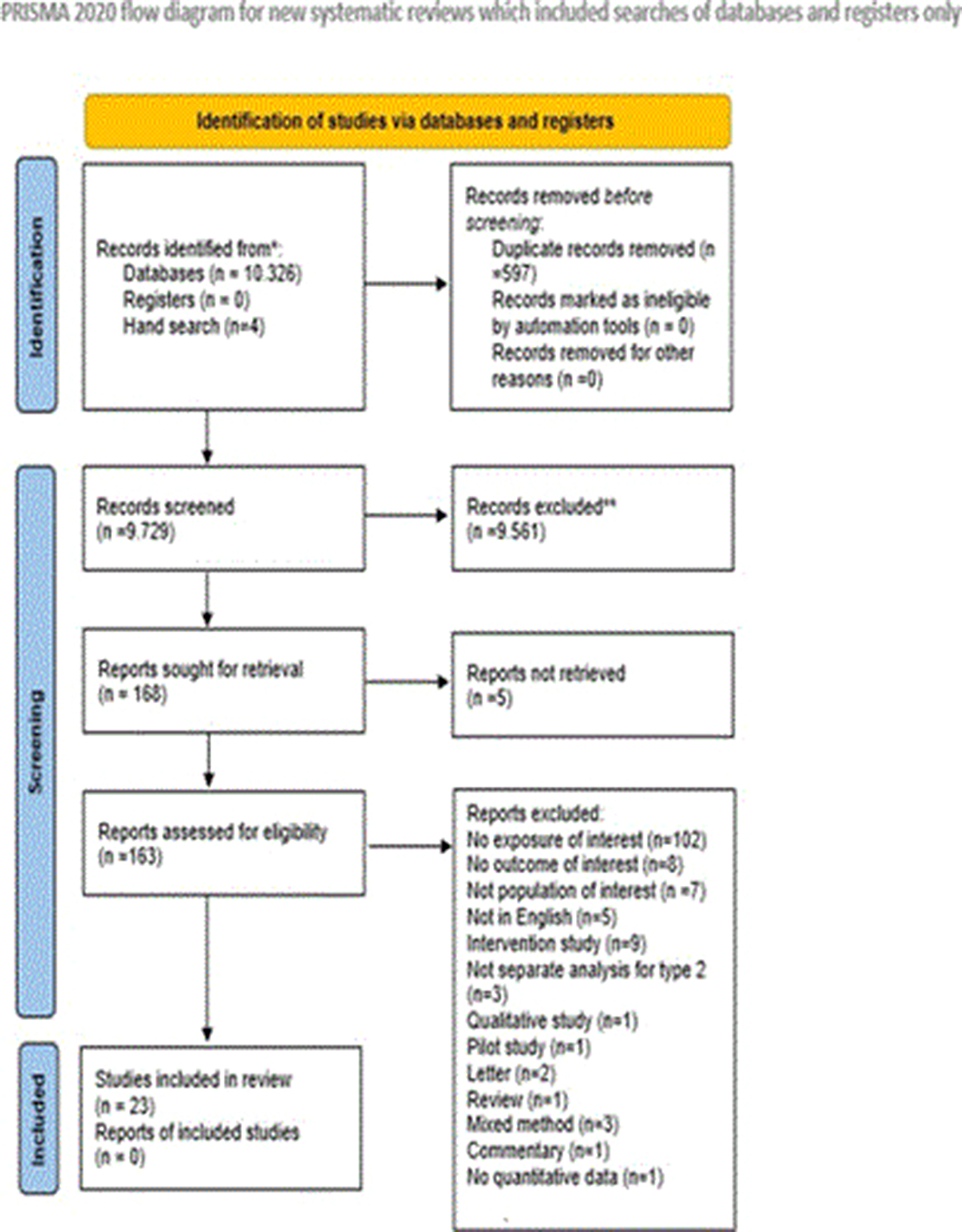
We conducted a thorough search in PsycINFO, CINAHL, and PubMed/Medline for peer-reviewed articles from inception to January 9, 2023. Following PRISMA guidelines, two reviewers independently screened, extracted data, and assessed bias. We used random-effects meta-analysis for pooling estimates
Results
We identified 23 studies meeting our inclusion criteria. Openness, conscientiousness, and agreeableness were linked to better foot care compliance (OR = 2.53, 95% CI = 1.49-4.28; OR = 1.84, 95% CI = 1.10-3.08; and OR = 2.07, 95% CI = 1.23-3.48, respectively). Openness was also associated with improved overall self-care behaviors (OR = 2.00, 95% CI = 1.17-3.41), while conscientiousness reduced smoking likelihood (OR = 0.96, 95% CI = 0.93-0.99), and agreeableness enhanced medication adherence (OR = 1.68, 95% CI = 1.34-2.31). However, extraversion and neuroticism were linked to lower medication adherence (OR = 0.77, 95% CI = 0.61-0.96 and OR = 0.51, 95% CI = 0.40-0.65, respectively). Neuroticism also negatively affected overall self-care behaviors (OR = 0.67, 95% CI: 0.55-0.81).
Image:
Conclusions
Personality traits should be considered when addressing self-care in T2DM patients.
