To save content items to your account,
please confirm that you agree to abide by our usage policies.
If this is the first time you use this feature, you will be asked to authorise Cambridge Core to connect with your account.
Find out more about saving content to .
To save content items to your Kindle, first ensure no-reply@cambridge.org
is added to your Approved Personal Document E-mail List under your Personal Document Settings
on the Manage Your Content and Devices page of your Amazon account. Then enter the ‘name’ part
of your Kindle email address below.
Find out more about saving to your Kindle.
Note you can select to save to either the @free.kindle.com or @kindle.com variations.
‘@free.kindle.com’ emails are free but can only be saved to your device when it is connected to wi-fi.
‘@kindle.com’ emails can be delivered even when you are not connected to wi-fi, but note that service fees apply.
The burden of mental health difficulties is a global problem and preventing them from childhood is paramount. Children living in challenged and underserved settings can suffer various harmful lifelong consequences including alcohol and substance abuse, low self-esteem, health issues, poor school performance, self-harm and suicide. This study aims to assess the feasibility, acceptability and efficacy of the culturally adapted Strong Families program in improving child behaviour and family functioning in families living in a challenged setting i.e. Gilgit-Baltistan (GB), Pakistan.
Methods
This is a two-arm, multisite feasibility randomised controlled trial with 90 families (n = 45 in intervention, and n = 45 in waitlist group) including a female primary caregiver (mostly mother) and at least one of their children between the age of 8–15 years in three districts of GB. There will be three raters’ blind assessments: at baseline, week 2, and 6 weeks after Strong Families Program sessions.
Results
Strong Families Program is a brief evidence-based prevention programme designed to improve parenting skills, child well-being and family mental health. The primary outcome measures include the feasibility of Strong Families, as determined by families' recruitment, attendance rates, and program completeness (mean number of sessions attended, attrition rates). Additionally, purposefully selected participants, including up to 5 caregivers from each study site, researchers, and facilitators delivering the intervention, will be interviewed. Descriptive statistics will be used to analyse primary and secondary outcomes. The process evaluation will be conducted in terms of program context, reach, fidelity, dose delivered and received, implementation, and recruitment.
Conclusion
The findings from this feasibility trial hold the potential to carry out the large multicentre trial of clinical and cost-effectiveness and scale-up across Pakistan and other similar settings to meaningfully impact child behaviour and family dynamics in culturally diverse contexts.
Crisis Resolution Home Treatment Team (CRHT) provides short-term treatment for psychiatric patients in the place of residence, dealing with mental health crises, risks, deterioration, and preventing hospital admissions. This team works round the clock, seven days a week. This study aimed to analyze the clinical outcomes of the service provided by the CRHT in Wolverhampton.
Methods
In a retrospective, observational, explorative study design, data was collected from the electronic medical records of 100 (54 female and 46 male) consecutive patients who were treated under the general adult (age range 18–65 years) CRHT from 1st December 2022. We collected outcome variables such as symptomatic improvement, change in risk status, days of treatment under CRHT, and discharge destination.
Results
In the sample, 76% had one psychiatric diagnosis, and co-morbidities were present in 20%, with 4% of patients having no syndromal diagnoses. The most common primary diagnosis was personality disorder (24%), followed by psychotic disorders (22%), anxiety disorders 21%, and depression (20%). Overall risk status of red changed from 87% at admission to 17%, at discharge; risk to self from 43% to 17% (p < 0.01), risk to others from 11% to 1% (p < 0.01), respectively. The mean length under care of CRHT was highest with anxiety disorder (27.7 ± 18.2 days), followed by personality disorders 23.7 ± 17.9 days. Age and number of days under CRHT were negatively correlated, suggesting younger age was linked to higher number of days (p < 0.05). Most (71%) patients showed an improvement in their mental health, 15% deteriorated and got admitted to the psychiatric hospital, 9% did not engage and 5% were considered not suitable for care under CRHT for various reasons such as having no fixed abode. Most (80%) patients were discharged back to the community following the CRHT period.
Conclusion
Despite the limitation of subjective clinical assessments, the results suggested that the CRHT was effective in considerable proportions of patients with symptomatic improvement and a decrease in risk level, with a small proportion being admitted to a psychiatric ward. There is a need for objective evaluation of risk and symptomatic change using validated instruments and assessing patient experiences about the services.
This service improvement project seeks to empower individuals diagnosed with Functional Neurological Disorders (FND) by delivering comprehensive information, facilitating informed choices about their care, and encouraging an active role in managing their health.
Methods
Information was gathered relating the concerns and expectations of FND patients upon receiving a diagnosis or attending the neuropsychiatric clinic at a regional neuroscience centre. The identification of a patient information leaflet as a valuable resource became apparent. Consequently, a meticulously designed leaflet was developed to educate patients about their condition, providing useful tips and resources. The content of the leaflets underwent a thorough series of reviews, incorporating input from various professionals within the multidisciplinary team, with additional consideration given to feedback from service users. To assess the impact of this intervention, feedback is required from both clinicians and end-users.
Results
The patient information leaflet contains information designed to enlighten patients about their condition, incorporating psychoeducational content on self-help strategies and available treatment modalities. It also highlights support resources available to them. The leaflet can be conveniently stored in the neurology and neuropsychiatric clinic areas for easy clinician access and distribution to relevant patients. Additionally, it is available in PDF format, enabling clinicians to print it in satellite clinics, and medical secretaries can email it to patients along with clinic letters as directed by the clinicians. Initial feedback from patients and clinicians has been overwhelmingly positive, with many considering it an essential intervention.
Conclusion
This service improvement, realized through a relatively modest intervention, can lead to a substantial impact on patient care and satisfaction. Providing patients with pertinent information is crucial for fostering informed decision-making and empowering them to take an active role in their care. Especially for conditions historically stigmatized and misunderstood, it is imperative to disseminate up-to-date information, establishing a reliable and endorsed source to dispel stigma for both patients and their families.
To describe neutropenic fever management practices among healthcare institutions.
Design:
Survey.
Participants:
Members of the Society for Healthcare Epidemiology of America Research Network (SRN) representing healthcare institutions within the United States.
Methods:
An electronic survey was distributed to SRN representatives, with questions pertaining to demographics, antimicrobial prophylaxis, supportive care, and neutropenic fever management. The survey was distributed from fall 2022 through spring 2023.
Results:
40 complete responses were recorded (54.8% response rate), with respondent institutions accounting for approximately 15.7% of 2021 US hematologic malignancy hospitalizations and 14.9% of 2020 US bone marrow transplantations. Most entities have institutional guidelines for neutropenic fever management (35, 87.5%) and prophylaxis (31, 77.5%), and first-line treatment included IV antipseudomonal antibiotics (35, 87.5% cephalosporin; 5, 12.5% penicillin; 0, 0% carbapenem).
We observed significant heterogeneity in treatment course decisions, with roughly half (18, 45.0%) of respondents continuing antibiotics until neutrophil recovery, while the remainder having criteria for de-escalation prior to neutrophil recovery. Respondents were more willing to de-escalate prior to neutrophil recovery in patients with identified clinical (27, 67.5% with pneumonia) or microbiological (30, 75.0% with bacteremia) sources after dedicated treatment courses.
Conclusions:
We found substantial variation in the practice of de-escalation of empiric antibiotics relative to neutrophil recovery, highlighting a need for more robust evidence for and adoption of this practice. No respondents use carbapenems as first-line therapy, comparing favorably to prior survey studies conducted in other countries.
This audit aims to address the critical link between antipsychotics and impulsive behaviors, particularly pathological gambling, by emphasizing the importance of assessing patients' gambling history before initiating antipsychotic treatment. The focus is on patients under the care of the Bolton Early Intervention in Psychosis (EIT) service, with the aim of meeting the standard set by NICE guidelines, ensuring that 100% of patients started on antipsychotics are asked about their previous gambling history.
Methods
Data was collected from prescription and shared care protocol lists for patients prescribed antipsychotics in the last six months. The PARIS progress notes and clinical correspondence were then searched to determine if patients had been asked about gambling.
Results
The audit revealed a significant gap in the practice, with minimal adherence to NICE guidelines regarding assessing gambling history before prescribing antipsychotics. Out of 35 patients, only one was asked about gambling history.
Conclusion
The recommendations for improvement include incorporating a gambling prompt into the medical review proforma, educating the team about the importance of this assessment, and adding the Problem Gambling Severity Index to the initial review by EIT.
This review aims to evaluate the lasting advantages of cognitive behavioral therapy (CBT) in alleviating anxiety and depression and improving overall health outcomes post-CABG.
Methods
A comprehensive search across databases including Science Direct, PsycINFO, PubMed, Google Scholar, VHL, Cochrane, and Scopus was conducted up to October 2023. The study adhered to the Preferred Reporting Items for Systematic Reviews and Meta-Analyses (PRISMA) statement and Cochrane guidelines. Inclusion criteria involved randomized controlled trials reporting on CBT or CBT-based interventions tailored for CABG patients and control groups had usual care, with anxiety and depression symptoms, as well as quality of life, as primary outcomes. Outcome variations were analyzed through standard deviation, while efficacy was measured via confidence intervals. Evaluation of the intervention process included examining feasibility, adherence, acceptability, inclusion rates, safety, and tolerability.
Results
Three randomized controlled trials including a pilot study in America and Denmark, encompassing a total of 286 patients, were reported in this review. The participants' pooled mean age was 63.19 years (intervention) and 63.9 years (control), the male-to-female ratio was approximately 2:1 [males n = 174 (intervention n = 101; control = 73) while females n = 91 (intervention n = 60; control n = 31)], and cardiac as well as non-cardiac comorbidities including psychiatric diagnosis have been reported. The array of therapies ranged from education on anxiety and depression management skills to a combination of CBT and supportive stress management (SSM), and psychoeducational interventions paired with physical therapy. Results indicated that both CBT and SSM led to improvements in anxiety and depression symptoms, accompanied by reduced hospital stays, decreased hopelessness, lower scores in dysmorphic mood and irritability, lowered perceived cognitive impairment and stress, and increased satisfaction with therapy. The cognitive behavioral therapy demonstrated commendable feasibility, acceptability, safety, and efficacy, with some concerns raised about potential issues of low adherence.
Conclusion
This systematic review emphasizes the positive impact of CBT on depression, anxiety, and quality of life in individuals post-CABG surgery. Future studies should adopt standardized CBT protocols, comprehensively evaluating CBT's influence on overall patient prognosis, considering cardiovascular outcomes across diverse ethnic groups, exploring cost-effectiveness, and specific patient cohorts that could benefit the most from CBT interventions.
To assess whether patients admitted to the forensic secure rehabilitation ward are transferred with their physical health notes.
Most patients admitted to secure rehabilitation do not have an open GP record due to last registration with primary care having been many years previous as a result of a lengthy prison/hospital stay. Additionally, patients may be referred from an out of area prison or hospital. A comprehensive psychiatric history paperwork is obtained at referral. This audit was to assess how many patients currently on the rehabilitation ward arrived with complete physical health notes. We defined a complete set of physical health notes to mean:
1. Records from medical consultations linked to physical health during time in prison or psychiatric hospital.
2. Any physical health history prior to current incarceration/admission episode from primary and secondary care.
3. Complete prescription of physical health related medications including allergies, doses, regime, and indication.
Methods
Retrospective review of patient electronic records sent by discharging institution when the patient was transferred to the rehabilitation ward.
Data collected: List of documentation of patient's physical health records around transfer time. Identification of the contents of the records provided by the transferring ward.
We then compared the information available to our criteria for complete physical health notes.
Participants: All current residents of the male secure rehabilitation ward (n = 12) were included.
Results
7 out of the 12 patients included were transferred to the secure ward with notes that fulfilled the criteria as set by audit team.
Two patients were transferred with only the prescription of current medications. There was however, a brief physical health summary in care coordination notes sent earlier.
One patient was transferred with the prescription and a brief list of their past medical history.
The remaining 2 patients were transferred without any formal physical health documentation prior to transfer, however, they were transferred from an adjacent ward and therefore, all records were already on the electronic records. There was no formal verbal or written physical health handover.
Conclusion
It is important for our ward to ensure we have comprehensive and complete physical health summary for each patient on admission.
A proforma will be used at preadmission meetings from February 2024 to request specific information from discharging wards. We will re-audit in February 2025 to assess improvement in records requested and obtained.
This paper critically examines Confucian proposals for social welfare espoused by contemporary Confucian moral and political theorists, who promote a familialist, residual welfare state in which welfare provision should be the family's primary responsibility and public assistance be a last resort only available to the poor without family support. By investigating the situation in South Korea, a country whose welfare system bears a striking resemblance to the Confucian ideal, I argue that the Confucian scheme is inherently flawed. It considers poverty to be a personal failure, idealizes the family as a single unity of common interest free from power hierarchies, and lacks knowledge about social reproduction. Their proposal in actuality humiliates and excludes disadvantaged and marginalized people from social protection, abdicates the state's responsibility for the well-being of citizens, and colludes with capitalism in free riding on women's unpaid labor.
Adults with Down syndrome (DS) face significant health inequalities and are at increased risk of numerous health concerns. Despite the need, there is a lack of high-quality randomised trial evidence and clinical interventions for people with DS are largely based on consensus guidelines or clinician preferences. As life-expectancy of those with DS increases, the research gap continues to widen.
There is a perception that randomised controlled trials (RCTs) involving people with DS may be hard to carry out due to difficulties in recruitment and retention of participants. However, there is no scientific literature exploring this topic. This systematic review aimed to assess planned vs actual recruitment and retention in RCTs involving adults with DS, and to summarise reported facilitators and barriers to participation of adults with DS in relevant trials.
Methods
The MEDLINE, PsycINFO, EMBASE databases were searched systematically to retrieve all RCTs involving adults with DS aged 16 years or older published from 01.11.1961 to 15.12.2023. Ongoing RCTs were identified from trial registries and searches were supplemented by review of reference lists. Data extraction is ongoing but seeks to elicit details of trial design; planned and achieved recruitment sample size; planned and achieved retention rate, and any specific recruitment or retention strategies described. Risk of bias analysis was not relevant to the research question and so not performed. The review was prospectively registered on Prospero (CRD42023447126).
Results
The database searches retrieved 1,825 results. Post deduplication, 1,518 articles underwent title and abstract screening, of which 82 full texts were reviewed. 53 papers were included in the final analysis, reflecting 47 RCTs involving 1,772 individuals. Commonly studied interventions included exercise programmes for physical fitness and pharmaceuticals that may augment neuropsychological function. Studies typically reported small sample sizes at the point of randomisation (mean = 38.5, SD = 49.6), with over half reporting a sample size of n < 50. A significant number of studies reported difficulty recruiting and retaining participants (detailed data will be available in the poster). Of the minority of articles that reported power calculations, several reported failure to meet target sample size.
Conclusion
Initial results point to a paucity of high-quality, large-scale RCTs involving adults with DS and challenges related to recruitment of participants. The results may aid development of strategies that allow clinical trial teams to overcome challenges in recruitment and retention in RCTs, and may eventually contribute to the improved health and wellbeing of adults with DS.
Ornithine transcarbamylase (OTC) is an enzyme of the urea cycle catalyzing the condensation of carbamyl phosphate and ornithine to form citrulline. OTC deficiency leads to elevated serum ammonia and presents as different neurological or psychiatric symptoms. OTC deficiency is an X-linked inborn error of metabolism and most cases occur in neonatal period with severe presentation. Lesser known is the late-onset form that remains latent from infancy and only presents with intriguing symptoms mimicking psychiatric disease in adulthood.
Methods
Case report.
Results
We describe a case of adult-onset OTC deficiency in a 40-year-old man with borderline intellectual functioning and a psychotic episode following a protein rich meal. The case was first diagnosed as undifferentiated schizophrenia, until the genetic study was carried out.
Conclusion
Awareness of the adult onset ornithine transcarbamylase deficiency being a rare but possible differential diagnosis in a patient with acute psychiatric symptoms with hyperammonemia. Organic causes such as cerebral, metabolic, toxic causes of psychosis should be actively sought especially when encountering cases of acute psychosis.
To compare the funding, courses and delivery modalities of parenting training delivered across London borough councils, metropolitan district councils, and county councils in England.
Methods
Freedom of Information requests were piloted on 5 local authorities. Following optimisation, requests were sent out to 74 local authorities across England requesting information on funding for parenting training programmes (26 London Borough Councils, 16 County Councils, and 29 Metropolitan Borough Councils). 26/32 London Boroughs, 16/21 County Councils, and 29/36 Metropolitan Boroughs were sent requests. No follow-up emails were sent chasing responses; however, clarification was provided where necessary. Data were analysed on Excel to observe patterns and disparities.
Results
We received responses from 74 local authorities, and 50 were usable. The mean amount of funding spent across local authorities was £881,254 (standard deviation 1,627,921). There were 18 parenting programmes used, the most common was Triple-P. The average number of parents supported by parenting programmes per local authority was 949 (standard deviation 1410). Local authorities reported spending an average of £27,430 (standard deviation 41005) on digital parenting programmes. The mean number of parenting staff was 36 (standard deviation 59).
Conclusion
We found wide disparities in spending, staffing, and programme choices representing a fragmented landscape of parenting training provision. Several local authorities could not separate spending on parenting training, and parental engagement was not reported consistently. We recommend more consistent reporting of parental initiation, engagement, and completion of training programmes to ensure equitable access and provision of parenting training nationwide.
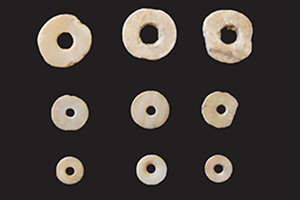
Small, disc-shaped shell beads are recorded as mortuary offerings in many Neolithic and Bronze Age burials in Southeast Asia. Yet the provenance of these artefacts is often obscure, as production processes involve the removal of diagnostic morphological features, negating taxonomic classification. Here, the authors report on the combined isotopic and morphological analysis of a subset of shell beads from the site of Ban Non Wat in north-east Thailand. In addition to identifying freshwater sources for nearly all the beads, the results suggest the presence of multiple shell production centres—each with access to distinct aqueous environments—and widespread exchange in the Bronze Age.
People with severe and persistent mental illness (SPMI) present unique challenges in mental healthcare due to the enduring nature and complexity of their conditions. The study focuses on evaluating the clinical effectiveness and cost implications of a multidisciplinary community psychosocial rehabilitation team catering to individuals with SPMI in Nova Scotia, Canada. The investigation seeks to contribute valuable evidence to the limited literature on community psychosocial rehabilitation in the Canadian context.
Methods
The study adopts a retrospective approach, analyzing data from patients referred to community rehabilitation between 2016 and 2017. The assessment centers on the year before and after patient engagement with the community rehabilitation team. Clinical effectiveness is evaluated through measures of inpatient service use (admissions, length of stay) and emergency department (ED) visits. The Canadian billing system of Medical Service Insurance (MSI) is employed to examine the cost of acute service utilization.
Results
Results demonstrate a statistically significant reduction in mean admission rates and length of stay in the post-rehabilitation year compared with the pre-rehabilitation period. A substantial percentage of patients experienced no inpatient admissions or ED visits in the post-rehabilitation year. The analysis reveals a significant net reduction in hospital days, translating into substantial cost savings. The findings highlight the potential economic benefits of community rehabilitation in the context of SPMI.
Conclusion
The study suggests that community rehabilitation contributes positively to the clinical outcomes of individuals with SPMI, showcasing reduced inpatient service use and associated costs. The findings underscore the importance of further research into community psychosocial rehabilitation in the Canadian setting and emphasize the economic implications essential for demonstrating the efficiency of mental healthcare services.
Recent studies have focussed on detecting white matter abnormalities in subjects who transition to psychosis (UHR-T). Research suggests that fractional anisotropy (FA), may be decreased in UHR-T. However, global and regional findings have been inconsistent. By objectively combining data in a meta-analysis, we have investigated white matter alterations associated with transition, by comparing FA in UHR-T with subjects that do not transition (UHR-NT) and healthy volunteers.
Methods
The meta-analysis was registered on PROSPERO (ID: CRD42021265348) and followed Preferred Reporting Items for Systematic Reviews and Meta-Analyses PRISMA guidance. A systematic database search of PUBMED and EMBASE identified reports, which were screened by 2 independent researchers (CN and DD) for inclusion, from inception to 20 July 2021. Discrepancies were decided on consensus with a third researcher (KM). Reference lists of eligible studies were also screened. Authors of screened reports were contacted to provide parametric maps. Coordinate-based meta-analysis was conducted using Seed-based d-Mapping software to combine parametric map and coordinate data from reports, using a random-effects model. Quality and risk of bias analysis were conducted using the Newcastle-Ottowa Scale. Heterogeneity and sensitivity analyses were also conducted.
Results
The search strategy identified 889 potential studies, from which 6 met eligibility criteria. A total of 71 UHR-T, 142 UHR-NT and 148 healthy volunteers were included. Weighted-mean decreases in FA were observed in UHR-T compared with: UHR-NT (d = −0.99; p < 0.0001; 95% CI −1.43 to −0.55); and healthy volunteers (d = −0.91; p = 0.04; 95% CI −1.78 to −0.05). The level of heterogeneity for the former was not significant. For UHR-T, regional FA decreases were observed in areas including the left genu of the corpus callosum (Z-score = −1.76, 204 voxels, p < 0.0001) compared with UHR-NT, while FA increases were most observed in the white matter region adjacent to the left postcentral gyrus (Z-score = 1.64, voxels = 16, p < 0.0001). These findings persisted despite sensitivity analyses.
Conclusion
The findings suggest that white matter alterations, specifically in left frontotemporal tracts, are associated with an increased risk of transition to psychosis. The neurobiological implications of these findings, and their contribution to UHR-T prediction efforts, are explored, as are avenues for further research.
The use of Clozapine treatment requires rigorous and mandatory monitoring due to the side effects profile of Clozapine. Certain clinical situations may pose a dilemma for clinicians such as concomitant use of clozapine during myelosuppressive chemotherapy. There is limited evidence-based data regarding Clozapine and chemotherapy. We report on a case of a clozapine-stabilized, Schizophrenia patient with Mild ID who was diagnosed with High Grade B-cell Non-Hodgkin's Lymphoma (NHL) requiring chemotherapy. The challenges of this complex case are detailed in this paper.
Methods
A 56-year old man with a diagnosis of Mild ID, Schizophrenia and OCD. The patient has been taking Clozapine since 2001 daily dose of 600-400 mg for the past 20 years. Unfortunately, he was diagnosed with High Grade NHL in 2023. The decision was reached to continue Clozapine while undergoing chemotherapy sessions with frequent blood monitoring. Towards the end of his chemotherapy his bloods showed dangerously low (Clozapine red alert) requiring stopping Clozapine. The patient started showing signs of relapse in his mental state and subsequently commenced on Olanzapine. He continued to show signs of relapse and didn't recover to his previous baseline; the treatment plan is adding another antipsychotic or considering re challenging Clozapine.
Results
This report contributes to a very limited literature on the concurrent use of clozapine with chemotherapy and the use of Clozapine “outside license”. The main treatment options facing clinician is stopping or continuing clozapine during chemotherapy. The dilemma of taking the path of withdrawing a medication on which a patient is stabilized may compromise psychiatric stability, yet there is a valid argument that such inconvenience would present more favourable outcome than facing the serious haematological risks of neutropenia. There is a need for robust and close liaison between psychiatrists, oncologist, and haematologist on the various clinical considerations.
Conclusion
In summary, both clozapine and chemotherapy are known to cause neutropenia and agranulocytosis. The clinical decision to continue clozapine during chemotherapy could be challenging. Clinicians should be aware that psychotic decompensation in such patients would inevitably increase morbidity and perhaps mortality due to nonadherence to all proposed treatment, including chemotherapy. In the absence of guidelines and given the nature of treatment-resistant symptoms, clinicians should work in a multidisciplinary approach and carefully weigh the risks and benefits of continuing clozapine during chemotherapy.
It was identified that at Warwick Medical School (WMS) there was no provision for in-person, student-led Justice, Equity, Diversity, and Inclusion (J, E, D&I) training for both staff and students. A novel approach using case-based studies and group discussions was developed through a student-staff collaboration with the aim of participants gaining a greater understanding of the impact of various institutional practices, from the perspective of students with first-hand experience of the subject matter. The training aimed to promote a greater understanding of intersectionality, and how institutional practices can disproportionately disadvantage students depending on their identity, experience, and background. Participants were encouraged to reflect upon the cumulative effects of systemic disadvantages in higher and medical education. The subsequent impact upon academic attainment, mental health and wellbeing was a further focus.
Methods
Around 350 students and staff from across WMS attended the training sessions over 6 months. These sessions were led by a team of student facilitators who possessed subject expertise in topics related to J, E, D&I, in addition to representing the communities that were discussed in terms of inclusion. The content was delivered in the form of case-based scenarios and small and wider group discussions. Content was based on discussions surrounding racism, classism, ableism, homophobia, sexism, Islamophobia, and transphobia. Discussion was encouraged and facilitated to promote reflection on personal practices and acknowledgement of where future efforts to improve practice should be directed.
Results
Results indicate statistically significant shifts in participant knowledge and confidence levels in pre-post survey data, with qualitative feedback emphasising the strength of the student-led format. Faculty and students commented on the benefit of student-lead case-based teaching and student facilitator reflections highlight personal growth and the challenges of navigating power dynamics.
Conclusion
Overall, this project illustrates the efficacy of a student-led change initiative in fostering inclusivity and positive change within educational environments and provides an original model to explore for future partnership-working across the medical school. The student-led approach facilitated mutual learning between staff and students, bringing greater focus to how student attainment and wellbeing can be impacted by institutional practices.
Doctors completing on-call shifts at sites across a mental health trust identified a need to improve aspects of on-call work. This quality improvement project (QIP) aimed to improve response to trainee concerns arising from on-call work and support to junior doctors on-call.
Methods
A previous QIP cycle identified trainee concerns regarding on-call processes. In our first QIP cycle, surveys were sent to all consultants and SpRs working on non-residential on-call rotas, and Foundation, GP and Core Psychiatry trainees (on residential on-call rotas) in the Trust, regarding perceptions of on-call processes, senior support and on-call issues. A monthly, online forum was introduced in August 2023 to improve on-call feedback and communication. Trainees, consultants and SpRs from 2 localities were invited, along with representatives from the medical staffing team, medical education team and medical management. After 4 forums, participants who had attended an on-call forum were sent a further feedback survey collecting quantitative and qualitative data. Subsequently, forum frequency and scheduling were amended, advertisement improved, and the forum was expanded to include on-call doctors across the whole Trust.
Results
First cycle data revealed consultant support for a regular meeting with trainees and senior colleagues to bring issues from on-calls for discussion (56% felt that an on-call forum would be helpful, 33% felt it might be helpful). Mean forum attendance was 14, with attendance from all grades. Feedback data from trainees (5 responses) was that most found the forum useful (80%); 80% felt listened to; all felt able to raise concerns, and all wanted the forums to continue. Qualitative feedback included: ‘we started a new QI project from the forum and many on-call guidelines became more defined.’ Consultant feedback (4 responses) was that most found the forums useful (75%); 100% gained a better understanding of trainee concerns; 100% thought forums should continue, although 50% thought the frequency should be reduced. Most consultants and trainees did not feel it would be useful to discuss clinical cases in the forums. Consultant qualitative feedback reported that the forum was helpful to understand trainee concerns, but there should be wider attendance.
Conclusion
Establishing an on-call forum was a valuable intervention for both consultants and trainees working on an on-call rota and has led to a further quality improvement project. Respondents felt that clinical supervision offered sufficient space to discuss clinical cases. Increasing trainee and consultant engagement with the forum is the next phase of this project.
Mental health professionals are very likely to experience a patient death at least once in their careers. The Royal College of Psychiatrists published a framework for supporting mental health staff following the death of a patient by suicide. It states that ‘how the news about a patient's suicide is imparted influences the emotional impact of the death and is therefore very important'. We sought to explore how healthcare professionals are informed about patient deaths within Birmingham and Solihull Mental Health NHS Foundation Trust.
Methods
A 25-question survey was devised to explore how staff have been informed about patient deaths and the impact it had on them. This was emailed to all grades of doctors, nurses and allied healthcare professionals within the trust and results were collected over 11 days.
Results
83 healthcare professionals completed the survey.72 respondents had experienced a patient death within the trust. Of 72, 48.6% of respondents felt they had not been informed about their most recent patient death in a sensitive manner. There was wide variability in the method by which staff were first informed. 27.8% of respondents first learned of the patient's death via an email from the trust lawyers, patient safety team or another party. Of these 20, 17 felt they had not been informed in a sensitive manner. 63.9% (n = 46) reported that they had not been signposted to any support. Qualitative data suggested that the way in which people were informed had a wide-ranging impact. Many respondents felt shocked and upset. With hindsight, people would have appreciated being informed face to face and being given time to reflect. Of the total 83 responses, 82% (n = 68) felt that there should be a specific policy about how staff are informed about patient deaths.
Conclusion
Results from this survey demonstrate a large scope for improvement in the way that staff are informed of patient deaths. Using these results, we will generate change ideas for a quality improvement project which aims to inform staff more sensitively about patient deaths. Feedback suggested implementation of a new protocol to guide team managers and consultants on how to inform staff; it may help to standardise the process and the support provided. Patient deaths have a significant impact on the mental health of staff; communicating this matter compassionately may help to alleviate immediate feelings of distress and mediate the long-term impact on staff wellbeing and satisfaction.
Acutely ill patients on PICU are likely to be on High dose antipsychotic treatment (HDAT), which poses a risk to their physical health. Current guidelines require that appropriate criteria be met before prescription, and close physical health monitoring after prescription of HDAT. This audit aims to assess practices regarding prescription of HDAT to patients on PICU, Mill View Hospital, Hove according to standard guidelines.
Methods
Ten of the 38 patients admitted to PICU at Mill View Hospital between January and June 2023 were on HDAT and thus were eligible for this audit. The revised prescribing observatory for mental health topic 1h 3e audit tool was used to collect data regarding the patients. Data was collected from the clinical records including electronic, paper notes and uploaded drug charts and forms.
Results
The age range was between 21–56 with an average age of 35. Eight of the 10 patients were white British, 2 were of another ethnic group or ethnicity unknown. All the 10 patients had clinical reasons for HDAT prescription clearly documented at the start of the treatment which ranged from cross titration of antipsychotics to treatment resistance to standard treatments.
Of the 10 patients on HDAT, 6 of them had documented clinical review in the 3 months, 1 had documented clinical review in last 3 to 6 months, 3 had no clearly documented review of clinical response in the last year.
Only 7 out of 10 had their temperature, pulse, blood pressure, body mass index and electrocardiogram (ECG) clearly documented. Seven of the 10 patients had their full blood count, urea and electrolytes, liver function tests, blood glucose, plasma lipid tests done and clearly documented in last year. Eight of the 10 patients had their serum prolactin checked while none of the patients had their creatinine phosphokinase checked and clearly documented in the last year. Only 2 of the patients had clearly documented examination of extrapyramidal side effects (EPSE) in the last one year.
Conclusion
This audit demonstrates that although clinical reasons for HDAT prescription were documented for all patients, current standard guidelines for HDAT prescription regarding regular review and physical health monitoring were either not being met, or not clearly documented.
The 2016 Junior Doctor’s contract offers guidance as to the rest periods needed during non-resident on-calls (NROCs). The Rotherham, Doncaster and South Humber (RDaSH) NHS Foundation Trust currently works on a NROC trainee rota. NROC work undertaken is monitored via a log form, returned by the trainee after their shift. A retrospective audit was completed with only a 28% return rate of log forms. Though anecdotal evidence suggested inadequate rest and high workloads during on-calls, due to low engagement in monitoring formal data was lacking. Therefore, a trainee-led prospective audit was designed to formally monitor on-call workload over a period of 4 weeks.
The main aim of this project was to review the average amount of hours worked during an NROC shift and compare achieved rest periods against agreed standards (derived from 2016 contract). These standards indicate that 90% of shifts should achieve 8 hours rest in 24 hours and 5 hours continuous rest between 22:00–07:00. In order to accomplish this we first aimed to increase the return of completed on-call log forms to 75%.
Methods
Work was predominantly concentrated around increasing return rate of the log forms including: running teaching sessions, regional promotion, and sending daily reminder emails to return the forms. These forms were then reviewed and analysed.
Results
Across the 4 week audit period, the return rate of log forms was 95%, compared with the previous return rate of 28%. Average hours worked across all three localities exceeded the expected hours by RDaSH. When compared with the standards outlined, 1 in 3 shifts in Rotherham, 1 in 5 in Doncaster and 1 in 4 in South Humber did not achieve contractual rest periods. Out of these, not reaching 5 hours continuous rest was the most common reason for not meeting contractual rest periods.
Conclusion
RDaSH worked collaboratively with trainees to generate a number of interventions to mitigate the breaches in rest periods including: creation of a new clinical role to filter calls, reviewing the suitability of the NROC rota and increasing pay to reflect the increased workload. There is currently work underway to redesign the rota.
This audit highlights the importance of prioritising regular reviews of NROC work to ensure the safety of both staff and patients through achieving adequate rest periods.