To save content items to your account,
please confirm that you agree to abide by our usage policies.
If this is the first time you use this feature, you will be asked to authorise Cambridge Core to connect with your account.
Find out more about saving content to .
To save content items to your Kindle, first ensure no-reply@cambridge.org
is added to your Approved Personal Document E-mail List under your Personal Document Settings
on the Manage Your Content and Devices page of your Amazon account. Then enter the ‘name’ part
of your Kindle email address below.
Find out more about saving to your Kindle.
Note you can select to save to either the @free.kindle.com or @kindle.com variations.
‘@free.kindle.com’ emails are free but can only be saved to your device when it is connected to wi-fi.
‘@kindle.com’ emails can be delivered even when you are not connected to wi-fi, but note that service fees apply.
Pre-eclampsia is a serious complication of pregnancy, and maternal nutritional factors may play protective roles or exacerbate risk. The tendency to focus on single nutrients as a risk factor obscures the complexity of possible interactions, which may be important given the complex nature of pre-eclampsia. An evidence review was conducted to compile definite, probable, possible and indirect nutritional determinants of pre-eclampsia to map a nutritional conceptual framework for pre-eclampsia prevention. Determinants of pre-eclampsia were first compiled through an initial consultation with experts. Second, an expanded literature review was conducted to confirm associations, elicit additional indicators and evaluate evidence. The strength of association was evaluated as definite relative risk (RR) < 0·40 or ≥3·00, probable RR 0·40–0·69 or 1·50–2·99, possible RR 0·70–0·89 or 1·10–1·49 or not discernible RR 0·90–1·09. The quality of evidence was evaluated using Grading of Recommendations, Assessment, Development and Evaluation. Twenty-five nutritional factors were reported in two umbrella reviews and twenty-two meta-analyses. Of these, fourteen were significantly associated with pre-eclampsia incidence. Higher serum Fe emerged as a definite nutritional risk factors for pre-eclampsia incidence across populations, while low serum Zn was a risk factor in Asia and Africa. Maternal vitamin D deficiency was a probable risk factor and Ca and/or vitamin D supplementation were probable protective nutritional factors. Healthy maternal dietary patterns were possibly associated with lower risk of developing pre-eclampsia. Potential indirect pathways of maternal nutritional factors and pre-eclampsia may exist through obesity, maternal anaemia and gestational diabetes mellitus. Research gaps remain on the influence of household capacities and socio-cultural, economic and political contexts, as well as interactions with medical conditions.
Mineral consumption has been suggested to have an impact on gastric cancer (GC) prevention. However, the protective effect of potassium against gastric carcinogenesis remains inconclusive. The causal link between inflammation and cancer is well established. Notably, potassium intake and potassium channels may play certain roles in regulating the production of TNF-α (TNF-α). We aimed to determine whether dietary potassium intake is related to the risk of GC. We further observed whether this association was modified by TNF-α rs1800629. We designed a case–control study comprising 377 GC cases and 756 controls. Information on dietary potassium intake was collected using a semiquantitative food frequency questionnaire. Genotyping was performed by the Affymetrix Axiom Exom 319 Array platform. Unconditional logistic regression models were used to assess associations. A significantly reduced GC risk was found for those who consumed higher dietary potassium levels (OR = 0·63, 95 % CI = 0·45, 0·89, P for trend = 0·009). In the dominant model, we observed a non-significant association between TNF-α rs1800629 and GC risk (OR = 1·01, 95 % CI = 0·68, 1·49). In females, those who were homozygous for the major allele (G) of rs1800629 with a higher intake of dietary potassium exhibited a decreased risk of GC (OR = 0·40, 95 % CI = 0·20, 0·78, P interaction = 0·041). This finding emphasises the beneficial effect of potassium intake on GC prevention. However, this association could be modified by TNF-α rs1800629 genotypes. A greater protective effect was exhibited for females with GG homozygotes and high potassium intake.
Phytoestrogens may have potential effects on hormone-related cancers (HRC) and cancer biomarkers, but the findings have been inconsistent so far. Participants from the National Health and Nutrition Examination Survey 1999–2010 with information on the levels of urinary phytoestrogens, serum cancer biomarkers and cancer history were included. Sampling-weighted logistic regression models examined the association between urinary phytoestrogens concentrations (creatinine-standardised and log-transformed) and HRC, followed by stratified analyses by race/ethnicity, age and menopausal status for different gender. Correlation analyses between phytoestrogens and cancer biomarkers were performed. Of the total 8844 participants, there were 373 with HRC. We observed total isoflavone and enterodiol excretion were positively associated with HRC, especially in non-Hispanic white female subpopulations (Ptrend < 0·05). Similar association also existed in the total isoflavones and enterodiol levels with breast cancer. Whereas the highest concentration of total isoflavones was significantly linked to a reduced prevalence of HRC (OR = 0·40, 95 % CI: 0·19, 0·84) in white males and of prostate cancer (OR = 0·40, 95 % CI: 0·18, 0·86). Among twenty-four participants with HRC, urinary equol concentration was positively correlated with CA15.3. Also, an inverse correlation of total prostate-specific antigens (PSA) and positive correlation of the PSA ratio with urinary enterolactone were detected in thirteen prostate cancer patients. Our findings indicated that higher concentrations of total isoflavones and enterodiol were positively associated with HRC. Urinary certain phytoestrogen excretion may affect serum cancer biomarker levels in cancer patients. But further prospective studies are needed to provide stronger evidence.
To examine energy drink consumption among adolescents in the UK and associations with deprivation and dietary inequalities.
Design:
Quantitative dietary and demographic data from the National Diet and Nutrition Survey (NDNS) repeated cross-sectional survey were analysed using logistic regression models. Qualitative data from semi-structured interviews were analysed using inductive thematic analysis.
Setting:
UK.
Participants:
Quantitative data: nationally representative sample of 2587 adolescents aged 11–18 years. Qualitative data: 20 parents, 9 teachers and 28 adolescents from Hampshire, UK.
Results:
NDNS data showed adolescents’ consumption of energy drinks was associated with poorer dietary quality (OR 0·46 per sd; 95 % CI (0·37, 0·58); P < 0·001). Adolescents from more deprived areas and lower income households were more likely to consume energy drinks than those in more affluent areas and households (OR 1·40; 95 % CI (1·16, 1·69); P < 0·001; OR 0·98 per £1000; 95 % CI (0·96, 0·99); P < 0·001, respectively). Between 2008 and 2016, energy drink consumption among adolescents living in the most deprived areas increased, but decreased among those living in the most affluent neighbourhoods (P = 0·04). Qualitative data identified three themes. First, many adolescents drink energy drinks because of their friends and because the unbranded drinks are cheap. Second, energy drink consumption clusters with other unhealthy eating behaviours and adolescents do not know why energy drinks are unhealthy. Third, adolescents believe voluntary bans in retail outlets and schools do not work.
Conclusions:
This study supports the introduction of age-dependent legal restrictions on the sale of energy drinks which may help curb existing socio-economic disparities in adolescents’ energy drink intake.
Childhood obesity prevention is critical to reducing the health and economic burden currently experienced by the Australian economy. System science has emerged as an approach to manage the complexity of childhood obesity and the ever-changing risk factors, resources and priorities of government and funders. Anecdotally, our experience suggests that inflexibility of traditional research methods and dense academic terminology created issues with those working in prevention practice. Therefore, this paper provides a refined description of research-specific terminology of scale-up, fidelity, adaptation and context, drawing from community-based system dynamics and our experience in designing, implementing and evaluating non-linear, community-led system approaches to childhood obesity prevention.
Design:
We acknowledge the importance of using a practice lens, rather than purely a research design lens, and provide a narrative on our experience and perspectives on scale-up, fidelity, context and adaptation through a practice lens.
Setting:
Communities.
Participants:
Practice-based researcher experience and perspectives.
Results:
Practice-based researchers highlighted the key finding that community should be placed at the centre of the intervention logic. This allowed communities to self-organise with regard to stakeholder involvement, capacity, boundary identification, and co-creation of actions implemented to address childhood obesity will ensure scale-up, fidelity, context and adaptation are embedded.
Conclusions:
We need to measure beyond primary anthropometric outcomes and focus on evaluating more about implementation, process and sustainability. We need to learn more from practitioners on the ground and use an implementation science lens to further understand how actions work. This is where solutions to sustained childhood obesity prevention will be found.
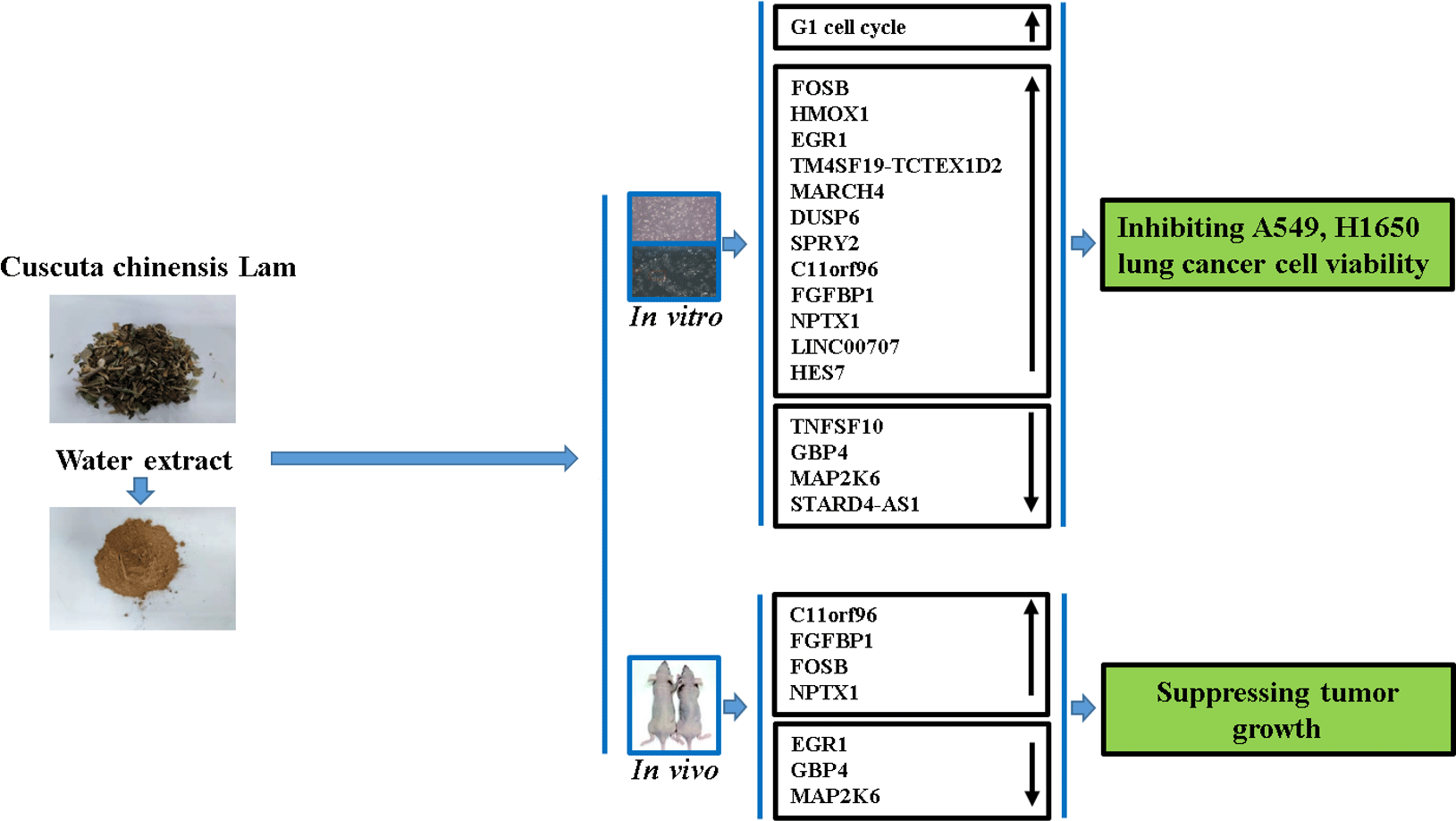
Cuscuta chinensis Lam. is a traditional medicinal herb used to treat female sterility and male reproductive system disorders. However, the anti-lung cancer properties of Cuscuta chinensis Lam. and possible molecular mechanisms have yet to be explored. Thus, the study’s main purpose was to evaluate in vitro and in vivo anti-lung cancer properties of C. chinensis water extract (CLW) in human lung adenocarcinomas and the underlying molecular mechanism involved. Our results demonstrated that CLW caused a significant inhibition of cell viability and induced G1 cycle arrest in lung cancer cells. Furthermore, RNA-seq transcriptome analysis revealed 602 common genes with a significant expression in A549 and H1650 cells under CLW treatment. Functional enrichment analysis suggested that these common genes regulated by CLW mainly involve lung cancer cell proliferation, metastases and apoptosis processes. In addition, forty-six common genes (> 2-fold change) regulated by CLW in A549 and H1650 cells were selected for further validation. In vitro quantitative real-time PCR results confirmed that twelve genes were up-regulated, and four genes were down-regulated in A549 and H1650 cells. The in vivo experiment demonstrated CLW could significantly decrease tumour volume and tumour weight of mice compared with the control group. Moreover, in vivo quantitative real-time PCR results revealed that C11orf96, FGFBP1, FOSB and NPTX1 genes were up-regulated and EGR1, GBP4 and MAP2K6 genes were down-regulated in tumour tissues compared with the control group. These data strongly suggest that CLW could be developed as an efficacious drug for lung cancer treatment.
Patients with cirrhosis experience worse health-related quality of life (HRQoL), and attempts are warranted further exploration of modifiable factors to improve HRQoL. Data on the impact of malnutrition risk on HRQoL among cirrhosis are limited; thus, we aimed to strengthen understanding by clarifying the relationship between nutritional status and low HRQoL in patients with decompensated cirrhosis. Consecutive inpatients with cirrhosis attending our department within a tertiary hospital were studied. Generic health profiles and malnutrition risk were evaluated by the EuroQol-5D (EQ-5D) and Royal Free Hospital-Nutritional Prioritizing Tool (RFH-NPT) score, respectively. Multiple linear regression analysis was used to determine association of malnutrition risk with low HRQoL. In this cohort of 364 patients with median age of 64 years and 49·5 % male, 55·5 % of the study population reported impairment pertinent to HRQoL in at least one dimension in terms of the EQ-5D. Moreover, malnutrition risk (RFH-NPT score: β coefficient = −0·114, P = 0·038) was proved to be independently associated with poor HRQoL in multiple analysis, after adjustment for significant variables like age, BMI and markers of decompensation. Notably, we found that health dimensions representing physical function (i.e. mobility, self-care and usual activities) are substantially affected, while malnourished patients reported less frequencies of complaints in other domain such as anxiety/depression. In conclusion, the risk of malnutrition assessed by the RFH-NPT score is independently associated with low HRQoL. It is operational to improve HRQoL by identifying patients at high malnutrition risk and providing timely nutrition treatment.
To review research on the influence of parent-related factors on children’s dairy products consumption.
Design:
A search of electronic databases and a narrative synthesis of the literature were conducted. English-language articles were included if they reported data relating to parental influences on children’s consumption of dairy products and if statistical significance was reported.
Setting:
Studies were carried out in the USA (n 8) and in a range of countries across Europe (n 12) and Asia (n 5).
Participants:
The subjects of this research were children aged between 2 and 12 years of age, from a range of geographical locations.
Results:
Twenty-five studies met the inclusion criteria. The studies examined children’s dairy products consumption in relation to parental socio-economic status (education level and income) (n 12), home availability (n 2), home food environment (n 3), parental dairy products consumption (n 4), parent feeding practices (n 3), parents’ beliefs and attitudes (n 3) and parental nutrition knowledge (n 3). Results on the association between socio-economic status and children’s dairy products consumption varied; however, studies reporting a significant association generally observed a positive relationship. Fifteen studies reported children’s total dairy products intake as an outcome measure, with the remaining studies reporting intake of milk or other dairy products as individual foods.
Conclusions:
This review identified literature exploring a range of parental factors in relation to children’s dairy products intake. However, there were limited numbers of studies published within each category of modifiable factors. Further research on the parent-related determinants of dairy products consumption in children is required in order to identify potential intervention targets in this age group.
The unsettling worldwide prevalence of obesity and obesity-related illnesses seems to be well-understood. What seems to be lacking, however, is a strategy of how best to fix the issue. Meagre nutrition content in medical school curricula may contribute to limited primary care physician (PCP) knowledge of the role nutrition has in health ailments and the understanding of a registered dietitian nutritionist (RDN) scope of practice. In USA, RDN are health care practitioners specialised in nutrition and who are experts in treating obesity and obesity-related illnesses. An increased RDN involvement in patient care has been shown to promote improvements in nutrition-related clinical outcomes. Therefore, enhanced collaboration between PCP and RDN has the potential to ameliorate the obesity epidemic. Tactics to promote collaboration may include enhancing nutrition education in medical school and providing nutrition-focussed continuing education for practicing physicians. The seriousness of the obesity epidemic underscores the need for interprofessional collaboration between PCP and allied health professionals who are uniquely trained to address obesity and obesity-related illnesses.
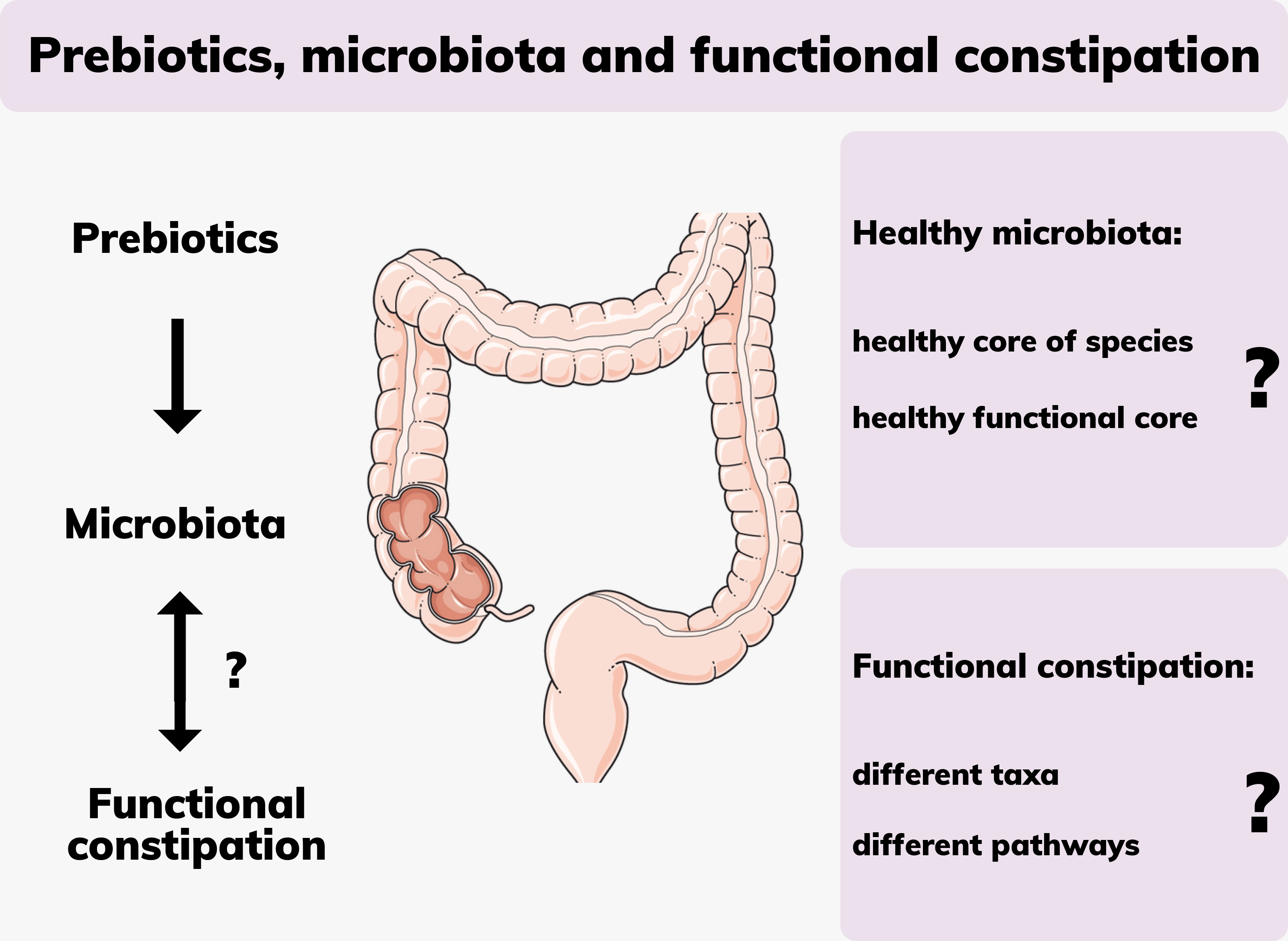
Functional constipation is a significant health issue impacting the lives of an estimated 14 % of the global population. Non-pharmaceutical treatment advice for cases with no underlying medical conditions focuses on exercise, hydration and an increase in dietary fibre intake. An alteration in the composition of the gut microbiota is thought to play a role in constipation. Prebiotics are non-digestible food ingredients that selectively stimulate the growth of a limited number of bacteria in the colon with a benefit for host health. Various types of dietary fibre, though not all, can act as a prebiotic. Short-chain fatty acids produced by these microbes play a critical role as signalling molecules in a range of metabolic and physiological processes including laxation, although details are unclear. Prebiotics have a history of safe use in the food industry spanning several decades and are increasingly used as supplements to alleviate constipation. Most scientific research on the effects of prebiotics and gut microbiota has focussed on inflammatory bowel disease rather than functional constipation. Very few clinical studies evaluated the efficacy of prebiotics in the management of constipation and their effect on the microbiota, with highly variable designs and conflicting results. Despite this, broad health claims are made by manufacturers of prebiotic supplements. This narrative review provides an overview of the literature on the interaction of prebiotics with the gut microbiota and their potential clinical role in the alleviation of functional constipation.
Dietary oils and fats contain different fatty acid compositions that are associated with cardiometabolic disease risk. Despite their influence on disease outcomes, the types of dietary oils and fats predominately used in Australian households remain unknown. The aim of this study was to investigate the use of dietary oils and fats in cooking and food preparation in Australia. Adults living in Australia completed a cross-sectional online survey outlining their current household oil and fat use from July to December 2021. The survey was disseminated via social media platforms and included questions about the types of dietary oils and fats used for different cooking methods and the perceived motivators for choosing the main household oil. A total of 1248 participants responded to the survey. Participants were mostly female (91·6 %) aged between 25 and 44 years (56·7 %). The majority of participants (84·5 %) reported using some form of olive oil as their main source of oil for cooking and food preparation. Almost two-thirds of the sample (65·4 %) reported using extra virgin olive oil (EVOO), mainly in raw food preparation (71·5 %) or savoury baking and roasting (58 %). Fewer households reported using rice bran oil (4·6 %), canola oil (4·3 %) and vegetable oil (1·8 %). Almost half of all participants (49·6 %) identified perceived health benefits as the primary motivating factor for their main choice of oil, followed by sensory preference (46·7 %), versatility (10·2 %) and convenience (8·8 %). Australian adults frequently use olive oil, specifically EVOO, as the main oil for cooking and food preparation in the household.
The choice of terms used to describe ‘foods to limit’ (FTL) in food-based dietary guidelines (FBDG) can impact public understanding, policy translation and research applicability. The choice of terms in FBDG has been influenced by available science, values, beliefs and historical events. This study aimed to analyse the terms used and definitions given to FTL in FBDG around the world, including changes over time and regional differences.
Design:
A review of terms used to describe FTL and their definitions in all current and past FBDG for adults was conducted, using a search strategy informed by the FAO FBDG website. Data from 148 guidelines (96 countries) were extracted into a pre-defined table and terms were organised by the categories ‘nutrient-based’, ‘food examples’ or ‘processing-related’.
Setting:
National FBDG from all world regions.
Participants:
None.
Results:
Nutrient-based terms (e.g. high-fat foods) were the most frequently used type of term in both current and past dietary guidelines (91 %, 85 %, respectively). However, food examples (e.g. cakes) and processing-related terms (e.g. ultra-processed foods) have increased in use over the past 20 years and are now often used in conjunction with nutrient-based terms. Regional differences were only observed for processing-related terms.
Conclusion:
Diverse, and often poorly defined, terms are used to describe FTL in FBDG. Policymakers should ensure that FTL terms have clear definitions and can be integrated with other disciplines and understood by consumers. This may facilitate the inclusion of the most contemporary and potentially impactful terminology in nutrition research and policies.
This study aimed to investigate the prevalence and correlates of food insufficiency and its association with mental disorders and adverse childhood experiences (ACE) in Singapore.
Design:
This analysis utilised data from the Singapore Mental Health Study (SMHS 2016).
Setting:
SMHS 2016 was a population-based, psychiatric epidemiological study conducted among Singapore residents.
Participants:
Interviews were conducted with 6126 respondents. Respondents were included if they were aged 18 years and above, Singapore citizens or permanent residents and able to speak in English, Chinese or Malay.
Results:
The prevalence of food insufficiency was 2·0 % (95 % CI (1·6, 2·5)) among adult Singapore residents. Relative to respondents who did not endorse any ACE, those with ACE (OR: 2·9, 95 % CI (1·2, 6·6)) had higher odds of food insufficiency. In addition, there were significant associations between lifetime mental disorders and food insufficiency. Bipolar disorder (OR: 2·7, 95 % CI (1·2, 6·0)), generalised anxiety disorder (OR: 4·5, 95 % CI (1·5, 13·5)) and suicidal behaviour (OR: 2·37, 95 % CI (1·04, 5·41)) were shown to be significantly associated with higher odds of food insufficiency.
Conclusions:
The prevalence of food insufficiency is low in Singapore. However, this study identifies a vulnerable group of food-insufficient adults that is significantly associated with mental disorders, including suicidality. Government-funded food assistance programmes and multi-agency efforts to deal with the social determinants of food insufficiency, such as income sufficiency and early detection and intervention of mental distress, are key to ensuring a sustainable and equitable food system.
Metabolic dysfunction and excess accumulation of adipose tissue are detrimental side effects from breast cancer treatment. Diet and physical activity are important treatments for metabolic abnormalities, yet patient compliance can be challenging during chemotherapy treatment. Time-restricted eating (TRE) is a feasible dietary pattern where eating is restricted to 8 h/d with water-only fasting for the remaining 16 h. The purpose of this study is to evaluate the effect of a multimodal intervention consisting of TRE, healthy eating, and reduced sedentary time during chemotherapy treatment for early-stage (I–III) breast cancer on accumulation of visceral fat (primary outcome), other fat deposition locations, metabolic syndrome and cardiovascular disease risk (secondary outcomes) compared with usual care. The study will be a two-site, two-arm, parallel-group superiority randomised control trial enrolling 130 women scheduled for chemotherapy for early-stage breast cancer. The intervention will be delivered by telephone, including 30–60-minute calls with a registered dietitian who will provide instructions on TRE, education and counselling on healthy eating, and goal setting for reducing sedentary time. The comparison group will receive usual cancer and supportive care including a single group-based nutrition class and healthy eating and physical activity guidelines. MRI, blood draws and assessment of blood pressure will be performed at baseline, after chemotherapy (primary end point), and 2-year follow-up. If our intervention is successful in attenuating the effect of chemotherapy on visceral fat accumulation and cardiometabolic dysfunction, it has the potential to reduce risk of cardiometabolic disease and related mortality among breast cancer survivors.
We aimed to validate a method for assessing trans-fatty acid (TFA) intake in the Japanese population using the FFQ developed in the 1990s from a prospective study that was based on the Japan Public Health Center-based Prospective Cohort Study. For FFQ validation, we included 565 participants (Cohort I: n 215, Cohort II: n 350) aged 40–69 years. We used a 28-d dietary record (DR) over 1 year and two FFQ administered before and after DR assessment. We calculated total TFA intake, TFA from industrial oils (i-TFA) and TFA from ruminants (r-TFA) considering a database of measurements obtained mainly from Japan. Spearman’s rank correlation coefficients (CC) were computed for validity and reproducibility. Energy adjustments were applied using two methods considering the TFA measurement: density method for TFA % of total energy and residual method for TFA g/d. The total TFA intake (% of the total energy intake) was 0·08–0·76 % (median, 0·27–0·37 %) in DR of both cohorts and was 0·00–1·13 % (median, 0·30–0·40 %) in FFQ. The i-TFA accounted for approximately 50 % of the total TFA intake in DR and approximately 40 % in FFQ. For total TFA (% of the total energy intake), CC were 0·54–0·69, and weighted κ coefficients were 0·88–0·92 for both cohorts. The de-attenuated CC was 0·46–0·62 for i-TFA (g/d) and 0·57–0·68 for r-TFA (g/d). Our study showed that the validity and reproducibility of TFA intake estimation using the FFQ were reasonable, suggesting its suitability among the Japanese population with low-TFA intake.
Nutrients are an essential part of building and maintaining optimal health. Certain nutrient exposure has been shown to be associated with many important health outcomes, although there is variability among studies. Despite the scientific efforts of many, it is unclear why some well-hypothesised nutrients lack sufficient evidence for clear association with health outcomes. One potential reason for conflicting results is that certain subgroups of patients benefit or are harmed more by adequate or inadequate exposure to certain nutrients. These subgroup-specific effects have historically not been studied, or if they are, it is often in a one-off type of approach where the investigator believes that a subgroup effect could exist based on limited previous data. In the era of big data, improvements can be made in efforts to generate new hypotheses for subgroups of patients and recommendations for precision nutrition can be made. In the present paper, we present a strategy for exploring subgroup-specific effects in nutrient-related studies. This data-driven method can be useful in secondarily exploring which subgroups are harmed/helped most by inadequate/adequate nutrient exposure and could suggest target groups for future clinical trials to test the identified hypotheses. We then present an example study utilizing the National Health and Nutrition Examination Survey (NHANES) data from the years 2001–2006. In this example, a limited selection of nutrients is protective in subgroups of participants with diabetes on their self-reported number of poor mental health days.
This study aimed to (1) evaluate the prevalence and predictors of perceived depression, anxiety, stress (DAS) levels and emotional eating behaviours and (2) determine the correlations between DAS levels and emotional eating behaviours during the pandemic.
Design:
An online cross-sectional study included questions about demographic and anthropometric characteristics, dietary habits, Emotional Appetite Questionnaire (EMAQ) and Depression Anxiety Stress Scales. The snowball sampling method was used.
Setting:
Türkiye.
Participants:
The study population was 2002 adults aged ≥18 years.
Result:
The mean age was 27·1 ± 9·52 years (72·1 % females and 27·9 % males). The prevalence of moderate to severe DAS was reported as 27·8 %, 30·5 % and 30·7 %, respectively. Skipping meals (OR = 1·32, 95 % CI (1·14, 1·49)) was associated with depression. Weight gain (OR = 1·43, 95 % CI (1·19, 1·66); OR = 1·30, 95 % CI (1·14, 1·49); OR = 1·39, 95 % CI (1·14, 1·64)), weight loss (OR = 1·45, 95 % CI (1·20, 1·70); OR = 1·37, 95 % CI (1·11, 1·62); OR = 1·46, 95 % CI (1·20, 1·72)), exercising at least 150 min/week (OR = 0·64, 95 % CI (0·46, 0·83); OR = 0·73, 95 % CI (0·55, 0·92); OR = 0·83, 95 % CI (0·63, 1·02)), and maintaining an adequate and balanced diet (OR = 0·52, 95 % CI (0·33, 0·71); OR = 0·53, 95 % CI (0·34, 0·73); OR = 0·63, 95 % CI (-0·15, 0·35)) were associated with DAS, respectively. BMI (r = 0·169, P < 0·001), weight (r = 0·152, P < 0·001), number of snacks (r = 0·102, P = 0·011), depression (r = 0·060, P = 0·007), anxiety (r = 0·061, P = 0·006) and stress (r = 0·073, P = 0·001) levels were positively correlated with EMAQ-negative scores.
Conclusion:
Approximately one out of every three participants reported moderate to severe DAS levels. Emotional eating was significantly correlated with perceived DAS. The predictors obtained in the study suggest that a healthy diet and lifestyle behaviours are part of psychological well-being and emotional eating.
Research identifies that multinational corporations, including The Coca-Cola Company (‘Coca-Cola’), seek to influence public health research and policy through scientific events, such as academic and professional conferences. This study aims to understand how different forms of funding and sponsorship impact the relationship between Coca-Cola, academic institutions, public health organisations, academics and researchers.
Design:
The study was conducted using Freedom of Information (FOI) requests and systematic website searches.
Setting:
Data were collected by twenty-two FOI requests to institutions in the USA and UK, resulting in the disclosure of 11 488 pages, including emails and attachments relating to 239 events between 2009 and 2018. We used the Wayback Machine to review historical website data to evaluate evidence from 151 available official conference websites.
Participants:
N/A
Results:
Documents suggest that Coca-Cola provides direct financial support to institutions and organisations hosting events in exchange for benefits, including influence over proceedings. Coca-Cola also provided direct financial support to speakers and researchers, sometimes conditional on media interviews. Also, indirect financial support passed through Coca-Cola-financed non-profits. Often, such financial support was not readily identifiable, and third-party involvement further concealed Coca-Cola funding.
Conclusion:
Coca-Cola exerts direct influence on academic institutions and organisations that convene major public health conferences and events. These events offer Coca-Cola a vehicle for its messaging and amplifying viewpoints favourable to Coca-Cola’s interests. Such corporate-sponsored events should be viewed as instruments of industry marketing. Stronger rules and safeguards are needed to prevent hidden industry influence, such as complete disclosure of all corporate contributions for public health conferences and their speakers.