To save content items to your account,
please confirm that you agree to abide by our usage policies.
If this is the first time you use this feature, you will be asked to authorise Cambridge Core to connect with your account.
Find out more about saving content to .
To save content items to your Kindle, first ensure no-reply@cambridge.org
is added to your Approved Personal Document E-mail List under your Personal Document Settings
on the Manage Your Content and Devices page of your Amazon account. Then enter the ‘name’ part
of your Kindle email address below.
Find out more about saving to your Kindle.
Note you can select to save to either the @free.kindle.com or @kindle.com variations.
‘@free.kindle.com’ emails are free but can only be saved to your device when it is connected to wi-fi.
‘@kindle.com’ emails can be delivered even when you are not connected to wi-fi, but note that service fees apply.
Taxonomic and evolutionary species (T-species and E-species) can be viewed as distinct ontologically. Conventional taxonomic species are cognitive concepts, refined by biological theory, which tessellate the living world into comprehensible but imperfectly delimited units to provide an overview of biodiversity – the public domain status quo species system. A single named taxonomic species may consist of multiple species taxon concepts, each of which is objectified by the specimen sets used – Simpson's hypodigms. The resulting compound species taxon may thus be vague. Evolutionary species are predicted from evolutionary theory, and serve as models for investigating evolutionary processes. They are tools for biologists to probe deeper into biological reality and generate hypotheses of patterns that lie beyond the confines of human cognition. Cryptic species of result from the feedback to taxonomy of discoveries in evolutionary biology and may differ from species taxa in data, analysis method, or species criterion. Their recognition as taxonomic species requires social convention among biologists, especially systematists and they should be objectified as published taxon concepts using protocols including description, diagnosis, hypodigm and a correct name. The public domain taxon system would benefit if species taxon concepts werebased on a system of online databases
When samples from a single taxonomic species are resolved as monophyletic, or coalescent, in a phylogenetic analysis of DNA sequences, this is often the basis for “cryptic” or otherwise overlooked plant species. Here, we examine ecological evolutionary reasons behind genetic patterns within plant species.. We suggest that coalescence or monophyly of conspecific genetic samples occurs more commonly in animal than plant clades, which implies that plant species are more likely to have some combination of larger effective population sizes from a population or genomic perspective, inhabit less dispersal-limited habitats or niches, or have evolutionary younger ages. For woody plant species, we suspect that dry environments are more dispersal limited than wetter environments. We give examples that suggest coalescence of conspecific plant samples likely occurs more often among genetic samples taken from isolated populations that are phylogenetically niche conserved to the succulent biome. This is in comparison to those taken from isolated plant populations that are niche conserved to tropical wet forests. However, these suggested patterns will be context dependent. Recency of evolution, large effective population sizes, or polyploid genomes could work against detecting coalescent patterns of conspecific genetic samples in plant taxa that are niche conserved to the succulent biome.
Species are fundamental units used to describe and interpret nature. Molecular delimitation methods have shown that many species cannot be diagnosed using morphological traits. We suggest that cryptic species represent an opportunity to progress Linnean taxonomy,. We examine what can be learned from sympatric cryptic species pairs that occupy the same habitat. Their sympatry is possible under two conditions, 1) reproductive isolation, 2) the effects of interspecific competition on population growth must be neutralised. Understanding the mechanisms that maintain species differences and integrating this understanding into taxonomy will help to delineate species boundaries. We first examine the mechanisms of cryptic species origin. Then we review some well-documented cases of reproductive isolation between cryptic species, focusing on prezygotic isolation mechanisms mediated by premating recognition and communication. We follow with examples of co-occurring cryptic species, focusing on mechanisms of coexistence and ecological niche differentiation. Both mate recognition and niche differentiation are grounded in the sensory worlds that animals experience. Sensory ecology provides tools to explore hitherto hidden diversity and so identify, misunderstood and unprotected in this time of rapid anthropogenic global change. We argue that the field of sensory ecology has a potential for improving taxonomy
Three important properties associated with a classification of any group of organisms are diagnosability, monophyly and resolution. In this chapter we explore the interrelationships between these three properties in the context of cryptic taxa, here defined as a clade with no obvious diagnostic morphological support. We present the view that the number of nodes on a phylogenetic tree of all flowering plants that have morphological diagnostic support is less than five percent; as such, cryptic nodes are much more common than non-cryptic nodes. Because of this, we suggest that the phrase ‘cryptic nodes’ is a preferable description as opposed to cryptic taxa because taxa in the sense of traditional classifications are generally diagnostic. By reference to a global taxonomic study of the genus Ipomoea, we discuss the role of diagnosability at various scales including major infrageneric clade, genus and species. We demonstrate that the level of diagnosability for Ipomoea is relatively low, therefore making cryptic nodes the rule and not the exception. We provide several examples of such cryptic nodes, detail how we discovered them and place them in a wider conceptual framework of diagnosability in angiosperms.
To evaluate the culinary content of key messages contained in food-based dietary guidelines (FBDG) available at the global online repository of the FAO of the UN.
Design:
Document analysis was conducted in August 2021 with data extraction of key messages explicitly related to cooking present in FBDG. Data were analysed inductively using thematic analysis.
Setting:
The FAO’s global repository of FBDG.
Participants:
Not applicable.
Results:
Just over half (n 39; 53·4 %) of the seventy-three FBDG analysed included at least one key message about cooking. The Latin American and Caribbean FBDG presented the greatest amount and variety of content about cooking in the key messages, whereas the Near East and North America placed less emphasis on cooking. We identified three themes: (i) healthy food preparation (n 35; 61·4 % of the fifty-seven culinary key messages identified); (ii) food hygiene (n 14; 24·6 %) and (iii) the promotion of culinary practices (n 7; 12·3 %). Albania’s key message covered two themes (food hygiene and healthy food preparation) (n 1; 1·8 %).
Conclusion:
FBDG are official documents that express recommendations for a healthy diet. As most of these recommendations throughout the world include foods that must be cooked prior to consumption, culinary content should gain more visibility and be presented more broadly in these official documents.
Our grasp of biodiversity is fine-tuned through revisionary taxonomy. If species exist in nature and can be discovered with available techniques, revisions should converge on broadly shared interpretations of species.Here species are recognised using integrative assessment, focussing on whether there is corroboration between evidence from coalescents in the COI gene and evidence from morphological divergences. Retrospective analysis of progress between 2011‒2019 in global analyses of bumblebees in two contrasting groups examines convergence on stable solutions within each group as samples were accumulated.Results show that convergence was slow to be achieved because of initial under-representation of rare species despite directed sampling to increase evenness.Filtering out short sequences with ambiguous data had limited value for improving convergence. Filtering to retain only unique alleles was more successful in reducing the over-sampling effects that can promote acceptance of false cryptic species.In addition, results for discriminating polytypic and cryptic species when using UAF are better supported by patterns in genetic divergence with geographical distance . Consequently, the UAF approach was better able to clarify the distinction for long-problematic cases of cryptic bumblebee species. In summary, these results show that reliable taxonomic revision may be difficult to achieve quickly.
Limited data exist regarding the role of meat consumption in early-stage colorectal carcinogenesis. We examined associations of red and processed meat intake with screen-detected colorectal lesions in immunochemical fecal occult blood test (FIT)-positive participants, enrolled in the Norwegian CRCbiome study during 2017–2021, aged 55–77 years. Absolute and energy-adjusted intakes of red and processed meat (combined and individually) were assessed using a validated, semi-quantitative FFQ. Associations between meat intake and screen-detected colorectal lesions were examined using multinomial logistic regression analyses with adjustment for key covariates. Of 1162 participants, 319 presented with advanced colorectal lesions at colonoscopy. High v. low energy-adjusted intakes of red and processed meat combined, as well as red meat alone, were borderline to significantly positively associated with advanced colorectal lesions (OR of 1·24 (95 % CI 0·98, 1·57) and 1·34 (95 % CI 1·07, 1·69), respectively). A significant dose–response relationship was also observed for absolute intake levels (OR of 1·32 (95 % CI 1·09, 1·60) per 100 g/d increase in red and processed meat). For processed meat, no association was observed between energy-adjusted intakes and advanced colorectal lesions. A significant positive association was, however, observed for participants with absolute intake levels ≥ 100 v. < 50 g/d (OR of 1·19 (95 % CI 1·09, 1·31)). In summary, high intakes of red and processed meat were associated with presence of advanced colorectal lesions at colonoscopy in FIT-positive participants. The study demonstrates a potential role of dietary data to improve the performance of FIT-based screening.
Obesity, excess adipose tissue accumulation that may impair health, is a major global healthcare challenge that increases the risk of several life-limiting diseases, reduces quality of life and leads to premature mortality. Weight loss improves or leads to the resolution of obesity-related diseases. Lifestyle interventions are the cornerstone for all weight management programmes and lead to health benefits. However, for the majority of people with severe obesity, lifestyle interventions and currently available anti-obesity medications lead to insufficient weight loss to improve their health. For these patients the only effective treatment option is bariatric surgery, which whilst highly effective, is difficult to access and not suitable for everyone, leaving a ‘treatment gap’ between lifestyle interventions and bariatric surgery. Unfortunately, the history of development of drugs to treat obesity has been marred by poor efficacy and safety issues. This is now set to change as a result of scientific advancements, which have increased the understanding of the role that gut hormones play in regulating energy and glucose homoeostasis. This has led to the development of effective, safe drugs based on gut hormones that target the body's own appetite regulating systems that herald a new era of treatments for people living with obesity.
Despite significant economic growth over the past decades, poor nutritional status in India is a serious concern. The social transformation led by growth in income influences both the composition of food and the quality of diet consumed. Against this backdrop of changing lifestyles and the rise in obesity and non-communicable diseases, in this study, we examined changes in diet quality and the critical socio-economic correlates of this quality from 1983 to 2012 using three rounds of nationally representative surveys providing information on food consumption for more than 100 000 households in each round. We constructed diet quality indices at the household level using deficient and excess intake of macro and micronutrients compared with the recommended daily allowances (RDA) for different age-sex groups of the Indian population. We found that in relation to the RDA, fat consumption increased over time while protein and energy consumption decreased. The average diet quality index improved in the rural sector while it deteriorated in the urban sector. Caste and religion are significant correlates of the diet quality index. The deficiency index of nutrients decreased for poor households as they get richer; however, it increased with affluence level for the non-poor. It is suggested that the Indian Government may play a more proactive role in implementing coherent national policies in trade, food and agriculture to protect public health by promoting the demand for a healthy diet.
Major depressive disorder (MDD) is regarded as an inflammatory disorder. Gut microbiota dysbiosis, observed in both MDD and obesity, leads to endotoxemia and inflammatory status, eventually exacerbating depressive symptoms. Manipulation of gut microbiota by prebiotics might help alleviate depression. The present study aimed to investigate the effects of inulin supplementation on psychological outcomes and biomarkers of gut permeability, endotoxemia, inflammation, and brain-derived neurotrophic factor (BDNF) in women with obesity and depression on a calorie-restricted diet. In a double-blind randomised clinical trial, forty-five women with obesity and MDD were allocated to receive 10 g/d of either inulin or maltodextrin for 8 weeks; all the patients followed a healthy calorie restricted diet as well. Anthropometric measures, dietary intakes, depression, and serum levels of zonulin, lipopolysaccharide (LPS), inflammatory biomarkers (TNF-α, IL-10, monocyte chemoattractant protein-1, toll-like receptor-4 and high-sensitivity C-reactive protein), and BDNF were assessed at baseline and end of the study. Weight and Hamilton Depression Rating Scale (HDRS) scores decreased in both groups; between-group differences were non-significant by the end of study (P = 0·333 for body weight and P = 0·500 for HDRS). No between-group differences were observed for the other psychological outcomes and serum biomarkers (P > 0·05). In this short-term study, prebiotic supplementation had no significant beneficial effects on depressive symptoms, gut permeability, or inflammatory biomarkers in women with obesity and depression.
To examine the association between food security and feeding practices in Latinx parents of pre-school-aged children and examine possible effect modification by parental self-efficacy.
Design:
Cross-sectional assessment using the US Department of Agriculture screener for food insecurity as the exposure and sub-scales of the Comprehensive Feeding Practices Questionnaire as the outcome with the General Self-Efficacy Scale as an effect modifier. Non-parametric descriptive statistics were used to compare groups based on food security status.
Setting:
Two Latinx communities with low-socioeconomic status in Texas in 2017 and in Oregon in 2018–2019.
Participants:
Latinx parents of preschool aged children, English and Spanish speaking. Dyads were excluded if they had moderate-severe developmental disabilities, a seizure disorder with a restrictive diet or taking medications known to influence typical growth.
Results:
Of the 168 families in Oregon, 65 (38 %) reported food insecurity, and 10 (21 %) of the 48 families in Texas reported food insecurity. Food security was associated with greater parental monitoring practices in both the Texas and Oregon samples. We observed no differences in creating a healthy home food environment by food security status in either sample. Parental general self-efficacy showed evidence of effect modification in Oregon - only parents with lower self-efficacy showed a significant association between food security and feeding practices.
Conclusions:
Latinx parents of preschool children experience high levels of food insecurity, which are associated with maladaptive parental feeding practices. Greater parental general self-efficacy moderates this association and could buffer the effects of food insecurity on children’s health.
Some consider potatoes to be unhealthy vegetables that may contribute to adverse cardiometabolic health outcomes. We evaluated the association between potato consumption (including fried and non-fried types) and three key cardiometabolic outcomes among middle-aged and older adults in the Framingham Offspring Study. We included 2523 subjects ≥30 years of age with available dietary data from 3-d food records. Cox-proportional hazards models were used to estimate hazard ratios (HRs) and 95 % confidence intervals (CIs) for hypertension, type 2 diabetes or impaired fasting glucose (T2DM/IFG), and elevated triglycerides, adjusting for anthropometric, demographic and lifestyle factors. In the present study, 36 % of potatoes consumed were baked, 28 % fried, 14 % mashed, 9 % boiled and the rest cooked in other ways. Overall, higher total potato intake (≥4 v. <1 cup-equivalents/week) was not associated with risks of T2DM/IFG (HR 0⋅97, 95 % CI 0⋅81, 1⋅15), hypertension (HR 0⋅95; 95 % CI 0⋅80, 1⋅12) or elevated triglycerides (HR 0⋅99, 95 % CI 0⋅86, 1⋅13). Stratified analyses were used to evaluate effect modification by physical activity levels and red meat consumption, and in those analyses, there were no adverse effects of potato intake. However, when combined with higher levels of physical activity, greater consumption of fried potatoes was associated with a 24 % lower risk (95 % CI 0⋅60, 0⋅96) of T2DM/IFG, and in combination with lower red meat consumption, higher fried potato intake was associated with a 26 % lower risk (95 % CI 0⋅56, 0⋅99) of elevated triglycerides. In this prospective cohort, there was no adverse association between fried or non-fried potato consumption and risks of T2DM/IFG, hypertension or elevated triglycerides.
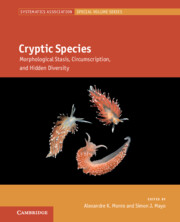
Cryptic species are organisms which look identical, but which represent distinct evolutionary lineages. They are an emerging trend in organismal biology across all groups, from flatworms, insects, amphibians, primates, to vascular plants. This book critically evaluates the phenomenon of cryptic species and demonstrates how they can play a valuable role in improving our understanding of evolution, in particular of morphological stasis. It also explores how the recognition of cryptic species is intrinsically linked to the so-called 'species problem', the lack of a unifying species concept in biology, and suggests alternative approaches. Bringing together a range of perspectives from practicing taxonomists, the book presents case studies of cryptic species across a range of animal and plant groups. It will be an invaluable text for all biologists interested in species and their delimitation, definition, and purpose, including undergraduate and graduate students and researchers.
Many dietary guidelines recommend restricting the consumption of processed red meat (PRM) in favour of healthier foods such as fish, to reduce the risk of chronic conditions such as hypertension and diabetes. The objective of this study was to estimate the potential effect of replacing PRM for fatty fish, lean fish, red meat, eggs, pulses, or vegetables, on the risk of incident hypertension and diabetes. This was a prospective study of women in the E3N cohort study. Cases of diabetes and hypertension were based on self-report, specific questionnaires, and drug reimbursements. In the main analysis, information on regular dietary intake was assessed with a single food history questionaire, and food substitutions were modelled using cox proportional hazard models. 95 % confidence intervals were generated via bootstrapping. 71 081 women free of diabetes and 45 771 women free of hypertension were followed for an average of 18·7 and 18·3 years, respectively. 2681 incident cases of diabetes and 12 327 incident cases of hypertension were identified. Relative to PRM, fatty fish was associated with a 15 % lower risk of diabetes (HR = 0·85, 95 CI (0·73, 0·97)) and hypertension (HR = 0 85 (0·79, 0·91)). Between 3 and 10 % lower risk of hypertension or diabetes was also observed when comparing PRM with vegetables, unprocessed red meat or pulses. Relative to PRM, alternative protein sources such as fatty fish, unprocessed red meat, vegetables or pulses was associated with a lower risk of hypertension and diabetes.
The childhood years represent a period of increased nutrient requirements during which a balanced diet is important to ensure optimal growth and development. The aim of this study was to examine food and nutrient intakes and compliance with recommendations in school-aged children in Ireland and to examine changes over time. Analyses were based on two National Children’s Food Surveys; NCFS (2003–2004) (n 594) and NCFS II (2017–2018) (n 600) which estimated food and nutrient intakes in nationally representative samples of children (5–12 years) using weighed food records (NCFS: 7-d; NCFS II: 4-d). This study found that nutrient intakes among school-aged children in Ireland are generally in compliance with recommendations; however, this population group have higher intakes of saturated fat, free sugars and salt, and lower intakes of dietary fibre than recommended. Furthermore, significant proportions have inadequate intakes of vitamin D, Ca, Fe and folate. Some of the key dietary changes that have occurred since the NCFS (2003–2004) include decreased intakes of sugar-sweetened beverages, fruit juice, milk and potatoes, and increased intakes of wholemeal/brown bread, high-fibre ready-to-eat breakfast cereals, porridge, pasta and whole fruit. Future strategies to address the nutrient gaps identified among this population group could include the continued promotion of healthy food choices (including education around ‘healthy’ lifestyles and food marketing restrictions), improvements of the food supply through reformulation (fat, sugar, salt, dietary fibre), food fortification for micronutrients of concern (voluntary or mandatory) and/or nutritional supplement recommendations (for nutrients unlikely to be sufficient from food intake alone).
The association between dietary Cu intake and mortality risk remains uncertain. We aimed to investigate the relationship of dietary Cu intake with all-cause mortality among Chinese adults. A total of 17 310 participants from the China Health and Nutrition Survey, a national ongoing open cohort of Chinese participants, were included in the analysis. Dietary intake was measured by three consecutive 24-h dietary recalls in combination with a weighing inventory over the same 3 d. The average intakes of the 3-d dietary macronutrients and micronutrients were calculated. The study outcome was all-cause mortality. During a median follow-up of 9·0 years, 1324 (7·6 %) participants died. After adjusting for sex, age, BMI, ever alcohol drinking, ever smoking, education levels, occupations, urban or rural residents, systolic blood pressure, diastolic blood pressure and the intakes of fat, protein and carbohydrate, the association between dietary Cu intake and all-cause mortality followed a J-shape (Pfor nonlinearity = 0·047). When dietary Cu intake was assessed as quartiles, compared with those in the first quartile (<1·60 mg/d), the adjusted hazard ratios for all-cause mortality were 0·87 (95 % CI (0·71, 1·07)), 0·98 (95 % CI (0·79, 1·21)) and 1·49 (95 % CI (1·19, 1·86)), respectively, in participants in the second (1·60–<1·83 mg/d), third (1·83–<2·09 mg/d) and fourth (≥2·09 mg/d) quartiles. A series of subgroup analyses and sensitivity analyses showed similar results. Overall, our findings emphasised the importance of maintaining optimal dietary Cu intake levels for prevention of premature death.
Various body indicators are used to predict health risks. However, controversies still exist regarding the best indicators to predict CVD. Using a large number of measurements, our aim was to assess their associations with blood pressure (BP) and to identify the most relevant parameters to be used in health surveillance studies. The population included 589 students (67·2 % women) aged 20–25 years from Constantine (Algeria). Sixteen parameters were considered, including crude body measurements, ratios and body fat indicators based on bioelectrical impedance analysis (BIA). We used multi-adjusted linear regression models to assess the associations between body measurements and BP. According to WHO definitions, underweight, overweight-without obesity, obesity and hypertension (HT) were identified in 6·1, 18·0, 2·4 and 5·1 % of the subjects, respectively. Prevalence of HT was higher in men than in women (11·9 % v. 1·8 %; P < 0·001). In the whole sample, almost all indicators were positively associated with systolic and diastolic BP. The suprailiac skinfold had the strongest associations with systolic (β = 3·498; P < 0·001) and diastolic (β = 2·436; P < 0·001) BP, and as a whole, arm circumferences and weight were also good candidates. The currently used BMI, waist-to-hip, waist-to-height ratio and BIA indictors also predicted BP, but they did not seem to be better determinants of BP than crude anthropometric measurements. This study showed that overweight and HT were already found in the present population of young Algerian adults. Most body indicators were highly associated with BP, but simple anthropometric measurements appeared to be particularly useful to predict BP.
Type 2 diabetes mellitus (T2DM) is characterised by chronic hyperglycaemia. Despite the efficacy of conventional pharmacotherapy, some individuals do not reach glycaemic goals and require adjuvant therapies. Taurine, a semi-essential amino acid, decreases blood glucose and cholesterol levels in rodents and humans. However, glycated hemoglobin (HbA1c) has not been evaluated in randomised controlled trials after taurine treatment for more than 12 weeks. This study aims to evaluate the effect of taurine administration on glycaemic, lipid, inflammatory, anthropometric and dietary parameters in individuals with T2DM. A randomised, double-blind, placebo-controlled clinical trial will be conducted at the Clinical Research Center of a tertiary public hospital. Participants with T2DM (n 94) will be recruited and randomised to receive 3 g of taurine or placebo, twice/day, orally, for 12 weeks. Blood samples will be collected before and after 12 weeks of treatment, when HbA1c, fasting glucose, insulin, albuminuria, creatinine, total cholesterol and fractions, triglycerides, C-reactive protein, TNF-α, IL 1, 4, 5, 6, 10 and 13 will be evaluated. Anthropometric parameters and 24-hour food recall will also be evaluated. The study will evaluate the effect of taurine treatment on biochemical and anthropometric parameters in individuals with T2DM. These results will guide the decision-making to indicate taurine treatment as an adjunct in individuals with T2DM who have not reached their glycaemic goal.