To save content items to your account,
please confirm that you agree to abide by our usage policies.
If this is the first time you use this feature, you will be asked to authorise Cambridge Core to connect with your account.
Find out more about saving content to .
To save content items to your Kindle, first ensure no-reply@cambridge.org
is added to your Approved Personal Document E-mail List under your Personal Document Settings
on the Manage Your Content and Devices page of your Amazon account. Then enter the ‘name’ part
of your Kindle email address below.
Find out more about saving to your Kindle.
Note you can select to save to either the @free.kindle.com or @kindle.com variations.
‘@free.kindle.com’ emails are free but can only be saved to your device when it is connected to wi-fi.
‘@kindle.com’ emails can be delivered even when you are not connected to wi-fi, but note that service fees apply.
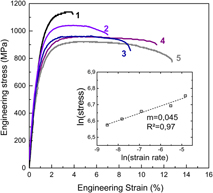
A supersaturated single-phase Cu–26 at.% Co alloy was produced by high-pressure torsion deformation, leading to a nanocrystalline microstructure with a grain size smaller than 100 nm. The nonequilibrium solid solution decomposed during subsequent isothermal annealing. In situ high-energy X-ray diffraction was used to map changes linked to the separating phases, and the development of a nanoscale Cu–Co composite structure was observed. To gain further information about the relationship of the microstructure and the mechanical properties after phase separation, uniaxial tensile tests were conducted on as-deformed and isothermally annealed samples. Based on the in situ diffraction data, different isothermal annealing temperatures were chosen. Miniaturized tensile specimens with a round cross section were tested, and an image-based data evaluation method enabled the evaluation of true stress–strain curves and strain hardening behavior. The main results are as follows: all microstructural states showed high strength and ductility, which was achieved by a combination of strain-hardening and strain-rate hardening.
Recent discoveries of multicomponent concentrated solid-solution alloys hold promise for enhanced properties—such as enhanced mechanical properties, radiation tolerance, high temperature strength, corrosion resistance and some novel functional properties, provide a new strategy for alloy design using extreme disorder. Yet, deep understanding of these intriguing properties is complicated by the very effects of disorder that make them interesting. All the desirable properties of these alloys ultimately originate from the disorder-induced properties of underlying electronic structure, lattice dynamics, and thermodynamics. Therefore, understanding the disorder-induced fundamental physical properties is prerequisite for the science-based design of this class of alloys for practical applications. Here, we elucidate the role of extreme (maximal) substitutional disorder plays in the fundamental physics of disordered alloys and review the recently developed theoretical methodologies in modeling the basic physical properties, particularly electronic structure, magnetism, electrical transport, and lattice vibrations in multicomponent concentrated solid-solution alloys.
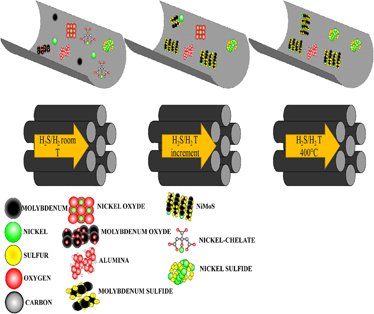
Molybdenum sulfide hydrotreating catalysts promoted with nickel over tridimensional mesoporous silica (KIT-6 post synthesis modified with alumina) were prepared with three different chelating agents. Citric acid and EDTA (ethylenediaminetetraacetic acid) were used as typical chelates and the new suggestion, polyacrylic acid as a polymeric agent. The catalysts were synthesized by the incipient wetness impregnation method, and two different activation methods were applied to determine the correlation between the chelating agent and activation conditions. The beneficial use of chelating agents was evaluated in their performance on HDS (hydrodesulfurization) of DBT (dibenzothiophene). To determine the properties of catalysts, nitrogen physisorption, X-ray diffraction, HRTEM (high-resolution transmission electron microscopy), and TGA (thermogravimetric analysis) were used. The beneficial effect of chelating Ni during impregnation to avoid NiSx formation and thus promoting NiMoS arrangement was clearly observed in the catalytic HDS performance, and the TGA analysis of Ni-chelate complexes also confirms this theory. The catalyst with the best performance in the HDS reaction of DBT was the synthesized with citric acid and a slow rate temperature sulfidation.
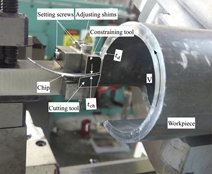
Large strain extrusion machining (LSEM) emerges as an innovative severe plastic deformation method of fabricating ultrafine grained materials. However, substantial heat generated during LSEM would sacrifice the mechanical properties of materials. Cryogenic temperature (CT) LSEM is put forward to overcome this shortcoming. The Al 7075 was processed by cryogenic and room temperature (RT) LSEM to investigate their comparative effects on mechanical and microstructural properties. Results indicate that the chip morphology of CT LSEM is featured with better integrity. Grains are refined to less than 200 nm by CT LSEM. A more complicated microstructure with high dislocation density is observed in the CT LSEM specimens. The hardness of cryogenic and RT LSEM specimens increases with the compression ratio and reaches the highest values of 187HV and 170HV, respectively. Dislocation strengthening is the main contributor, accounting for the higher hardness of CT LSEM specimens.
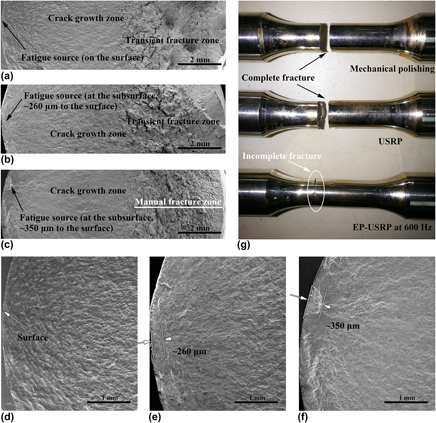
The evolution of fatigue performance and surface mechanical properties of AISI 304 stainless steel induced by the electropulsing-assisted ultrasonic surface rolling process (EP-USRP) was systematically investigated by integrating instrumented indentation, scanning electron microscopy with electron backscatter diffraction, and transmission electron microscopy. The results indicate that higher hardness, greater strength, finer ultra-refined grains, and higher residual compressive stress are formed within the strengthened layer compared with the original ultrasonic surface rolling process (USRP). EP-USRP with the optimized experimental parameters can produce a higher average rotating bending fatigue strength for AISI 304 stainless steel than USRP. Anomalously and noteworthily, all fatigue specimens treated by EP-USRP showed an incomplete fracture, revealing a higher reservation of safety in practical engineering applications. The further modified structure strengthening and stress strengthening induced by EP-USRP are likely the primary intrinsic reasons for the observed phenomena. Furthermore, the influence mechanism of EP-USRP was discussed scrupulously.
The crystal structure of bretylium tosylate has been solved and refined using synchrotron X-ray powder diffraction data, and optimized using density functional techniques. Bretylium tosylate crystallizes in space group C2/c (#15) with a = 32.6238(4), b = 12.40353(14), c = 9.93864(12) Å, β = 101.4676(10), V = 3941.39(5) Å3, and Z = 8. The sample exhibited visible decomposition in the X-ray beam. The unusual displacement ellipsoid of the Br atom probably indicates that the decomposition in the beam involves the Br atom. The crystal structure can be viewed as layered parallel to the bc plane. The layers are double, the center consisting of the cation/anion polar interactions and the outer surface of the double layers consists of hydrocarbon interactions. In the absence of normal hydrogen bond donors, the only hydrogen bonds in the bretylium tosylate structure are C–H…O hydrogen bonds. The powder pattern has been submitted to ICDD® for inclusion in the Powder Diffraction File™.
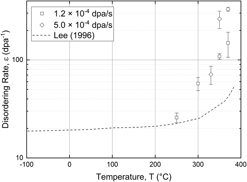
Atomic mixing by replacement collision sequences and other cascade effects is well known to create chemical disorder in irradiated alloys. Most studies of irradiation-induced disordering have focused on ex situ analysis of irradiated samples; however, fast in situ techniques are necessary to measure disordering at elevated temperatures without significant interference from concurrent re-ordering processes. In the present work, we use in situ electron diffraction with high speed data collection to measure the initial change in the long-range order parameter S with ion dose ϕ during 500 keV Ne+ irradiation of Cu3Au foils. The data reveal an unexpected and dramatic increase in the disordering rate as the critical order–disorder transition temperature TC is approached. Molecular dynamics simulations show that this increase is not due to temperature-dependent cascade mixing. We attribute the enhanced disordering, instead, to coupling between point defect fluxes and the chemical state of order.
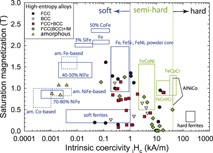
While most papers on high-entropy alloys (HEAs) focus on the microstructure and mechanical properties for structural materials applications, there has been growing interest in developing high-entropy functional materials. The objective of this paper is to provide a brief, timely review on select functional properties of HEAs, including soft magnetic, magnetocaloric, physical, thermoelectric, superconducting, and hydrogen storage. Comparisons of functional properties between HEAs and conventional low- and medium-entropy materials are provided, and examples are illustrated using computational modeling and tuning the composition of existing functional materials through substitutional or interstitial mixing. Extending the concept of high configurational entropy to a wide range of materials such as intermetallics, ceramics, and semiconductors through the isostructural design approach is discussed. Perspectives are offered in designing future high-performance functional materials utilizing the high-entropy concepts and high-throughput predictive computational modeling.
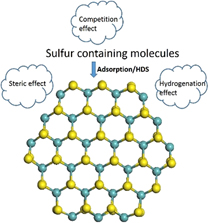
Combining density functional theory calculations and temperature programmed desorption (TPD) experiments, the adsorption behavior of various sulfur containing compounds, including C2H5SH, CH3SCH3, tetrahydrothiophene, thiophene, benzothiophene, dibenzothiophene, and their derivatives on the coordinately unsaturated sites of Mo27Sx model nanoparticles, are studied systematically. Sulfur molecules with aromaticity prefer flat adsorption than perpendicular adsorption. The adsorption of nonaromatic molecules is stronger than the perpendicular adsorption of aromatic molecules, but weaker than the flat adsorption of them. With gradual hydrogenation (HYD), the binding affinity in the perpendicular adsorption modes increases, while in flat adsorption modes it increases first, then decreases. Significant steric effects on the adsorption of dimethyldibenzothiophene were revealed in perpendicular adsorption modes. The steric effect, besides weakening adsorption, could also activate the S–C bonds through a compensation effect. Finally, by comparing the theoretical adsorption energies with the TPD results, we suggest that HYD and direct-desulfurization path may happen simultaneously, but on different active sites.
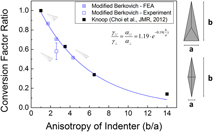
We suggest a new method to evaluate stress directionality, the ratio of principal stresses, using nanoindentation by introducing a modified Berkovich indenter that is extended in one direction from the Berkovich indenter. In a nonequibiaxial stress state, the indentation load-depth curves are shifted differently as the extended axis of the indenter is placed in accordance with each principal direction. The indentation load-difference is proportional to each principal stress and the slopes are defined by the normal and parallel conversion factors whose ratio is constant at 0.58. The suggested method was verified by indentation tests using five nonequibiaxial stressed specimens. The evaluated stress directionality results show agreement with the applied reference values within ±20%. Furthermore, we calculated the conversion factor ratios for other modified Berkovich indenters extended to different degrees through finite element analysis and confirmed that the conversion factor ratio was inversely proportional to the extension of the modified Berkovich indenter.
A new trimetallic compound with formula (NH4)H2Co2O(OH)(MoO4)1.6(WO4)0.4•H2O and lamellar structure was prepared by hydrothermal synthesis. The solid was characterized using X-ray diffraction (XRD), thermogravimetric (TGA) and differential thermal (DTA) analyses, Fourier-transform infrared spectroscopy (FT–IR), laser Raman spectroscopy (LRS), and atomic absorption spectroscopy (AA). Crystallographic studies showed that the solid crystallizes with hexagonal symmetry in space group R-3 m with a = 6.0807 and c = 21.7591 Å.
The crystal structures of Ca1.5Mn0.5V2O7 (I) and Ca1.5Cd0.5V2O7 (II) synthesized by the citrate method and by a conventional solid-state reaction, respectively, were determined using X-ray powder diffraction data. It was found that the compound I has a monoclinic crystal structure a = 4.88563(9) Å, b = 11.21279(22) Å, c = 5.69643(11 Å), β = 96.376(7)°, V = 310.132(10) Å3 (space group P21/c), Z = 2). Compound I has a narrow homogeneity region Ca1.5±0.1Mn0.5±0.1V2O7. The vanadate Ca1.5Cd0.5V2O7 crystallizes in the triclinic system with the parameters a = 6.66139(6) Å, b = 6.93019(7) Å, c = 7.02211(6) Å, α = 85.4404(9)°, β = 63.7505(7)°, γ = 82.5515(10)° и V = 288.201(5) Å3 (space group P$\bar 1$, Z = 2). It is one of the formulations of the primary solid solution, formed as a result of the substitution of part of the calcium cations for cadmium cations in Ca2V2O7.
The crystal structure of the partially ordered vacancy compound Cu2In14/3□4/3Se8, belonging to the system I3-III7-□2-VI12, was analyzed using X-ray powder diffraction data. Several structural models were derived from the structure of the selenium-rich phase β-Cu0.39In1.2Se2 by permuting the cations in the available Wyckoff positions. The refinement of the best model by the Rietveld method in the tetragonal space group P$\overline 4 $ 2c (No 112), with unit-cell parameters a = 5.7487(3) Å, c = 11.5106(6) Å, V = 380.40(3) Å3, led to Rp = 9.0%, Rwp = 9.9%, Rexp = 7.2%, S = 1.4 for 134 independent reflections. This model has the following Wyckoff site atomic distribution: Cu in 2e (0,0,0); In in 2b (½,0,¼), 2d (0,½,¼), and 2f (½,½,0);□ in 2f (½,½,0); Se in 8n (x,y,z).
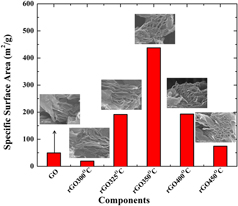
Nanohybrids containing graphene and bismuth ferrite have been actively employed as efficient photo-catalysts these days owing to the low rate of charge carrier's (e−–h+) recombination, moderate surface area with a suitable range of band-gaps. We have synthesized nanohybrids of graphene oxide (GO) and doped BiFeO3 using a co-precipitation method and the doping elements were lanthanum and manganese, hence called BLFMO/GO nanohybrids. The surface area of BLFMO [La = 15% increased from 6.8 m2/g (for pure) to 62.68 m2/g (in nanohybrid)]. Also, the bandgap of the BLFMO/GO nanohybrid reduced significantly up to 1.75 eV. The resulting BLFMO/GO nanohybrid represents significantly higher catalytic activity (96% in 30 min) than the pure BiFeO3 (30% in 30 min).