To save content items to your account,
please confirm that you agree to abide by our usage policies.
If this is the first time you use this feature, you will be asked to authorise Cambridge Core to connect with your account.
Find out more about saving content to .
To save content items to your Kindle, first ensure no-reply@cambridge.org
is added to your Approved Personal Document E-mail List under your Personal Document Settings
on the Manage Your Content and Devices page of your Amazon account. Then enter the ‘name’ part
of your Kindle email address below.
Find out more about saving to your Kindle.
Note you can select to save to either the @free.kindle.com or @kindle.com variations.
‘@free.kindle.com’ emails are free but can only be saved to your device when it is connected to wi-fi.
‘@kindle.com’ emails can be delivered even when you are not connected to wi-fi, but note that service fees apply.
The present work aims to understand the effect of zinc and rare-earth element addition (i.e., 2 wt% Gd, 2 wt% Dy, and 2 wt% of Gd and Nd individually) on the microstructure evolution, mechanical properties, in vitro corrosion behavior, and cytotoxicity of Mg for biomedical application. The microstructure results indicate that the Mg–Zn–Gd alloy consists of the lamellar long period stacking ordered phase. The electrochemical and immersion corrosion behavior were studied in Hanks balanced salt solution. Enhanced corrosion resistance with reduced hydrogen evolution volume and magnesium (Mg2+) ion release were estimated for the Mg–Zn–Gd alloy as compared to the other two alloy systems. At the early stage of corrosion, formation of the oxide film inhibited the corrosion propagation. However, at the later stages, the breaking of the oxide film leads to shallow pitting mode of corrosion. The ultimate tensile strength of Mg–Zn–Gd–Nd is better than the other two alloys due to the uniform distribution of the Mg12Nd precipitate phase. The moderate strength in the Mg–Zn–Gd alloy is due to the low volume fraction of the secondary phase. The MTT (methylthiazoldiphenyl-tetrazolium bromide) assay study was carried out to understand the cell cytotoxicity on the alloy surfaces. Studies revealed that all three alloys had significant cellular adherence and no adverse effect on cells.
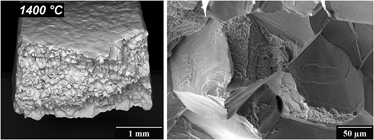
A homogeneous HfNbTaTiZr high-entropy alloy was successfully processed via powder metallurgy route. For the initial powder feedstock material fabrication, the electrode induction-melting gas atomization procedure was used, resulting in a spherical powder morphology and dual bcc phase composition distinguishable within the individual particles. Spark plasma sintering was then used for the powder compaction at sintering temperatures ranging from 800 to 1600 °C. By the characterization of the compact microstructures, lattice defects (microscopic porosity and vacancy-like misfit defects), and mechanical properties (hardness and three-point bending strength), the sintering conditions were optimized to obtain a fully dense, homogeneous, single-phase bcc material. It was found that such properties are achieved when sintering at 80 MPa pressure for 2 min at temperatures above 1200 °C, where the single bcc phase structure exhibited ductile behavior with considerable flexural strength and ductility at ambient temperature. Positron annihilation spectroscopy was used to characterize the evolution of atomic and mesoscale defects during optimization of the sintering process.
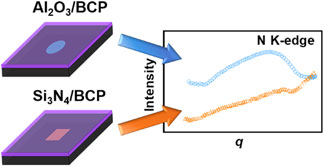
Resonant soft x-ray scattering (RSoXS) leverages chemical specificity to characterize thin films but is limited near the nitrogen edge. The challenge is that commercially available x-ray transparent substrates are composed of Si3N4 and thereby absorb incident x-rays and generate incoherent fluorescence. To overcome this challenge, we designed and fabricated Al2O3 free-standing films for use as RSoXS windows. Al2O3 films offer higher x-ray transmittance and minimal fluorescence near the nitrogen edge. As an example, Al2O3 windows allow for nitrogen RSoXS of conjugated block copolymer thin films that reveal domain spacings, which are not apparent with commercially available Si3N4 substrates.
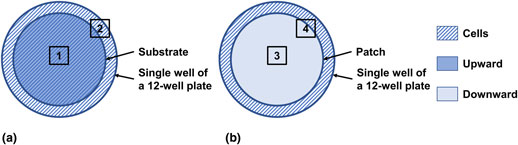
One-dimensional zinc oxide (ZnO) nanostructure arrays show unique semiconducting, piezoelectric, and wetting properties, and how they interact with cells is critical for their biomedical applications. In this work, we prepare ZnO nanorod arrays (ZnO NRAs) and study their interactions with neonatal rat cardiomyocytes either as a substrate or patch. We find that ZnO NRAs can (1) inhibit cell adhesion and spreading as a substrate and (2) selectively kill underneath cells as a patch. We further identify surface nanomorphology as the dominant factor responsible for the inhibitory effect. These discoveries suggest potential application of ZnO NRAs as a cell inhibitory biointerface.
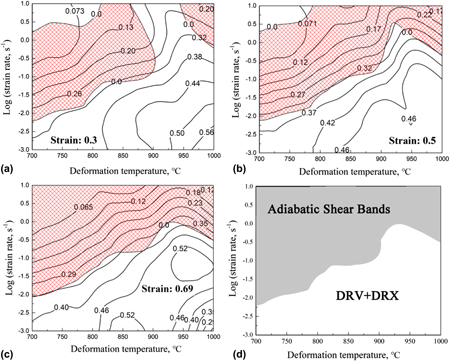
The hot deformation behavior of Ti–6Al–4V alloy with starting fully lamellar microstructure was investigated by conducting isothermal hot compression tests at the temperature of 700–1000 °C and strain rate of 0.001–10 s−1. The deformation activation energy is calculated to be 342 kJ/mol at temperatures from 750 to 850 °C, whereas the higher apparent activation energy of 610 kJ/mol is obtained at a high temperature regime of 900–1000 °C. The relationship between the dynamic softening behavior and deformation parameters was analyzed by power dissipation efficiency η, which shows an increasing trend as the deformation temperature increases and strain rate decreases, respectively. Processing maps were constructed. The instability flow is dominated by the presence of adiabatic shear bands, and the dynamic softening is mainly caused by a combination effect of dynamic recrystallization and dynamic recovery. Moreover, straining is found to have a positive effect on lowering the phase transformation temperature.
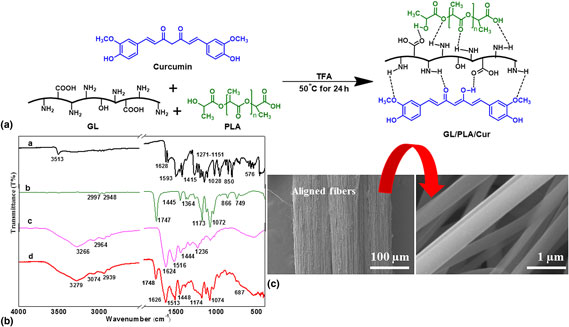
The aim of current study is to fabricate implantable curcumin embedded gelatin/polylactic acid/curcumin (GL/PLA/Cur) aligned fiber scaffolds by forcespinning®, which might have a potential application in drug delivery and cancer therapy. Fourier Transform Infrared Spectroscopy reveals the hydrogen bonding interactions between GL, PLA, and curcumin. In vitro curcumin drug release from GL/PLA/Cur fiber scaffolds is investigated and sustained release is observed over 15 days. Further, cell viability assay reveals that GL/PLA/Cur aligned fibers show excellent growth of human fibroblast cells. These results strongly suggest that the curcumin bearing GL/PLA/Cur composite fibers may show the potential application in cancer therapy, drug delivery, and wound dressing.
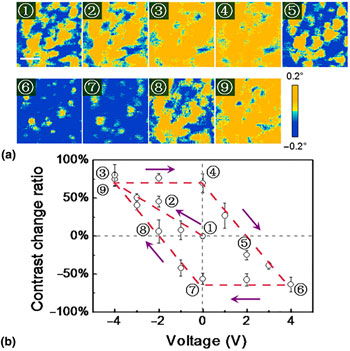
Nanoscale magnetization modulation by electric field enables the construction of low-power spintronic devices for information storage applications and, etc. Electric field-induced ion migration can introduce desired changes in the material's stoichiometry, defect profile, and lattice structure, which in turn provides a versatile and convenient means to modify the materials’ chemical-physical properties at the nanoscale and in situ. In this review, we provide a brief overview on the recent study on nanoscale magnetization modulation driven by electric field-induced migration of ionic species either within the switching material or from external sources. The formation of magnetic conductive filaments that exhibit magnetoresistance behaviors in resistive switching memory via foreign metal ion migration and redox activities is also discussed. Combining the magnetoresistance and quantized conductance switching of the magnetic nanopoint contact structure may provide a future high-performance device for non-von Neumann computing architectures.
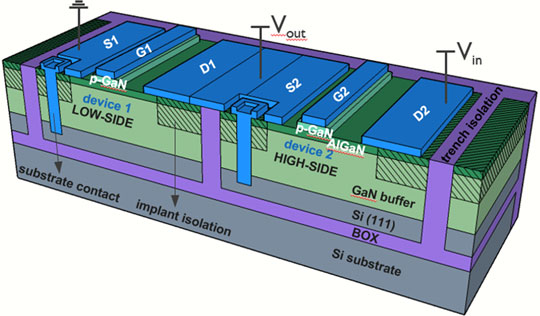
In this paper new materials and substrate approaches are discussed which have potential to provide (Al)GaN buffers with a better crystal quality, higher critical electrical field, or thickness and have the potential to offer co-integration of GaN switches at different reference potentials, while maintaining lower wafer bow and maintaining complementary metal–oxide semiconductor (CMOS) compatibility. Engineered silicon substrates, silicon on insulator (SOI) and coefficient of thermal expansion (CTE)-matched substrates have been investigated and benchmarked with respect to each other. SOI and CTE-matched offer benefits for scaling to higher voltage, while a trench isolation process combined with an oxide interlayer substrate allows co-integration of GaN components in a GaN-integrated circuit (IC).
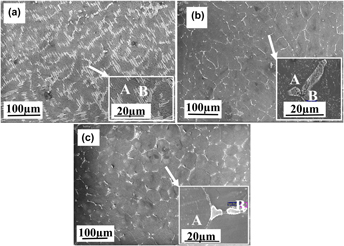
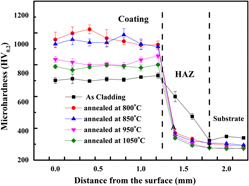
To improve the high-temperature properties of tool steel, a microstructure-dense and crack-free Fe5Cr5Co5SiTiNbMoW high-entropy alloy (HEA) coating was successfully fabricated by laser cladding. And its microstructure and hardness evolution after various annealing temperatures of 800 °C, 850 °C, 950 °C, and 1050 °C for 4 h were carefully investigated by OM, scanning electron microscope, energy dispersion spectrum, X-ray diffraction, and microhardness tester, respectively. The experimental results show that the HEAcoating was mainly composed of body-centered cubic and (Nb, Ti)C plus few Laves phase. The high-temperature annealing processing has little influence on the phase composition. The dendrites and matrix are decomposed with the annealing temperature increasing. While annealing at 950 °C, a eutectic microstructure appeared in the coating. Moreover, the thickness of the diffusion layer of HEA coating increased with the increasing of annealing temperatures. Surprisingly, the HEA coating after annealing at 850 °C possessed ultra-high average hardness, about 1050 HV0.2, huge improvement compared with as-cladding HEA coating (∼780 HV0.2). Therefore, it might reveal that the HEA coating exhibits excellent annealing strengthening ability.
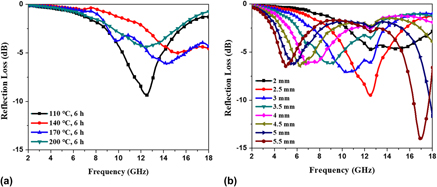
A low-temperature synthesis method for Mn3O4/graphene is described in this research. Adjusting the reaction time and temperature allows control over the phase and morphology of the synthesized manganese oxide, and therefore the microwave absorbing properties. X-ray diffraction, Raman spectroscopy, transmission electron microscopy, and vector network analysis are used to characterize the phase, morphology, and electromagnetic properties. The results reveal that long reaction time can increase the particle size and high temperature can destroy the initial structure of graphene both of which have negative impact on the microwave absorbing properties. The Mn3O4–graphene composite synthesized in 140 °C for 4 h shows a maximum reflection loss (RL) reaching −20 dB at 14.4 GHz with absorber thickness of 2 mm, as well as an effective absorption bandwidth of more than 5 dB corresponding to RL below −10 dB.
Efficiency potential of crystalline Si solar cells is analyzed by considering external radiative efficiency (ERE), voltage, and fill factor losses. Crystalline Si solar cells have an efficiency potential of more than 28.5% by realizing ERE of 20% from about 5% and normalized resistance of less than 0.05 from around 0.1. Nonradiative recombination losses in single-crystalline and multicrystalline Si solar cells are also discussed. Especially, nonrecombination and resistance losses in multicrystalline Si solar cells are shown to be higher than those of single-crystalline cells. Importance of further improvement of minority-carrier lifetime in crystalline Si solar cells is suggested for further improvement of crystalline Si solar cells. High efficiency of more than 28.5% will be realized by realizing high minority-carrier lifetime of more than 30 ms. Key issues for those ends are reduction in carbon concentration of less than 1 × 1014 cm−3, oxygen precipitated and dislocations even in single-crystalline Si solar cells, and reduction in dislocation density of less than 3 × 103 cm−2 in multicrystalline Si solar cells.
Solution-processed metal oxide electronics on flexible substrates can enable applications from military to health care. Due to limited thermal budgets and mismatched coefficients of thermal expansion between oxides and substrates, achieving good performance in solution-processed oxide films remains a challenge. Additionally, the use of traditional photolithographic processes is incompatible with low-cost, high-throughput roll-to-roll processing. Here, we demonstrate solution-deposited oxide thin film transistors (TFTs) on a shape memory polymer substrate, which offers unique control of final device shape and modulus. The key enabling step is the exposure of the precursor film to UV-ozone through a shadow mask to perform patterning and photochemical conversion simultaneously. These TFTs exhibit mobility up to 160 cm2/(V s), subthreshold swing as low as 110 mV/dec, and threshold voltage between −2 and 0 V, while maintaining compatibility with a flexible form factor at processing temperatures below 250 °C.
Dynamic-mode cantilever sensors are used in many different applications but especially in materials research to study properties of novel (nano)materials. Decreasing sample sizes require an increase in sensitivity of the analysis tools. For cantilever-based methods that is achieved through a reduction in cantilever dimensions. However, the increase in sensitivity has to be balanced with the detectability as also for a small cantilever a reliable detection of its oscillatory state has to be ensured. A recently introduced co-resonant measurement principle for cantilever sensors addresses this challenge by coupling and eigenfrequency matching of a micro- and a nanocantilever. Here, the sensor concept is reviewed with focus on the application in materials research by the instructive example of an iron-filled carbon nanotube, giving insight into the features and benefits of the sensor concept and demonstrating the reliable derivation of magnetic sample properties.
Environment can impact the wear behavior of metals and alloys substantially. The tribological properties of Al0.6CoCrFeNi high-entropy alloys (HEAs) were investigated in ambient air, deionized water, simulated acid rain, and simulated seawater conditions at frequencies of 2–5 Hz. The as-cast alloy was composed of simple face-centered cubic and body-centered cubic phases. The wear rate of the as-cast HEA in the ambient air condition was significantly higher than that in the liquid environment. The wear resistance in seawater was superior to that in ambient air, deionized water, and acid rain. Both the friction coefficient and wear rate in seawater were the lowest due to the formation of oxidation film, lubrication, and corrosion action in solution. The dominant wear mechanism in the ambient air condition and deionized water was abrasive wear, delamination wear, and oxidative wear. By contrast, the wear mechanism in acid rain and seawater was mainly corrosion wear, adhesive wear, abrasive wear, and oxidative wear.
Poly(3,4-ethylenedioxythiophene) (PEDOT) is synthesized through a micellar dispersion that allows incorporation of biomolecules into this conductive polymer layer. A PEDOT:κ-carrageenan (κC) system was obtained by electrodeposition and it was compared with a standard PEDOT:sodium dodecyl sulfate electrode coat. The electrochemical behavior and the oxidation level after 1000 cycles were studied through cyclic voltammetry and μRaman spectroscopy. The oxidation ratio in the PEDOT increased while electrochemical activity decreased in both cases. Moreover, the PEDOT:κC system allowed the immobilization of the acetylcholinesterase enzyme, which retained its activity. The unique combination of properties is a key feature in the bioelectronics field.
Single-phase concentrated solid solution alloys (SP-CSAs) are newly emerging advanced structural materials, which are defined as multiprincipal element solid solutions. SP-CSAs with more than four components in equimolar or near-equimolar ratios are also referred to as high-entropy alloys due to their high configurational entropy. SP-CSAs are potential structural materials in advanced nuclear energy systems due to their attractive mechanical properties. Therefore many investigations have been carried out to study the irradiation-induced structural damage and defect behavior in SP-CSAs. This paper reviews recent experimental results on the irradiation responses of various SP-CSAs, focusing on the accumulation of irradiation-induced structural damage, void swelling resistance, and solute segregation behavior. In addition, the characteristic defect behavior in SP-CSAs derived from ab initio and molecular dynamics simulations, as well as the challenges in the applications of SP-CSAs for the nuclear energy systems are briefly discussed.
The crystal structure of lubiprostone has been refined using synchrotron X-ray powder diffraction data, and optimized using density functional techniques. Lubiprostone crystallizes in space group P1 (#1) with a = 9.02025(2), b = 10.72121(2), c = 12.32817(4) Å, α = 78.5566(2), β = 69.6858(2), γ = 77.3292(2)°, V = 1081.069(3) Å3, and Z = 2. The two independent molecules occur in an extended conformation, aligned approximately along the c-axis. The hydrophobic side chains are adjacent to each other, resulting in layers parallel to the ac plane. The two carboxylic acid groups form an eight-membered ring, resulting in dimers of the two independent molecules. Each hydroxyl group acts as a hydrogen bond donor to the ketone of the fused ring system. The powder pattern is included in the Powder Diffraction File™ as entry 00-066-1622.