To save content items to your account,
please confirm that you agree to abide by our usage policies.
If this is the first time you use this feature, you will be asked to authorise Cambridge Core to connect with your account.
Find out more about saving content to .
To save content items to your Kindle, first ensure no-reply@cambridge.org
is added to your Approved Personal Document E-mail List under your Personal Document Settings
on the Manage Your Content and Devices page of your Amazon account. Then enter the ‘name’ part
of your Kindle email address below.
Find out more about saving to your Kindle.
Note you can select to save to either the @free.kindle.com or @kindle.com variations.
‘@free.kindle.com’ emails are free but can only be saved to your device when it is connected to wi-fi.
‘@kindle.com’ emails can be delivered even when you are not connected to wi-fi, but note that service fees apply.
We here design and fabricate a new kind of copper matrix composites, where titanium carbide nanoparticles are in situ incorporated into and embedded within the copper matrix, by virtue of laser powder-bed-fusion (L-PBF) process. We made a multiscale examination on the microstructures of the additively manufactured samples, unraveling that there are many unusual microstructural features, including grain refinement, the existence of high-density dislocations, and supersaturation of titanium solute atoms in the as-printed metal matrix composites. These unique microstructural features are mainly interpreted by the intense thermal history and the rapid solidification nature of the L-PBF process. The resultant composites then integrate the most important four strengthening mechanisms in metals: grain boundary strengthening, dislocation strengthening, solid solution strengthening, and second-phase strengthening, rendering this new kind of copper matrix composites a remarkably high yield strength (~490 MPa) and large uniform elongation (~12%), surpassing many high-performance copper matrix composites and copper alloys.
In this study, uniaxial tensile loading simulations were performed on several single crystalline copper nanoporous (NP) structures with varying relative density (RD) via molecular dynamics simulations. From the results, two distinctive deformation patterns were observed: structures with a low RD went through coarsening, and structures with a high RD did not. During coarsening, dislocations are nucleated because of the high surface stress induced by the thin ligaments. These dislocations drive the merging of ligaments as well as nodes and lead to an increase in the differences between the size of nodes and ligaments. The disproportional nodes and ligaments result in a lowered strength. In addition, larger nodes provide more favorable circumstances for the formation of sessile dislocations, which hinder the movement of other propagating Shockley partials and result in strain hardening. Subsequently, lower RD structures offer anomalously high strain-hardening potential, whereas high RD structures show better strength but poor deformability. These results help us in better understanding the plastic behavior of NP structures as a function of their RD.
This work demonstrated the possibility to integrate electrochemical molecularly imprinted polymers (e-MIPs) on microelectrodes to detect organic pollutants. e-MIPs are a cross-linked polymer with specific target binding cavities with a redox tracer inside. e-MIPs were obtained by precipitation copolymerization of ferrocenylmethyl methacrylate as a functional monomer and a redox tracer with ethylene glycol dimethacrylate as a cross-linker and bisphenol A as a target molecule. FTIR and elemental analysis confirmed the presence of ferrocene inside the polymers. Nitrogen adsorption/desorption experiments and binding isotherms demonstrated the presence of binding cavities inside the e-MIP. The electrochemical properties of the e-MIP were characterized in organic/aqueous media before their patterned on microelectrode.
The new edition of this popular textbook provides a fundamental approach to phase transformations and thermodynamics of materials. Explanations are emphasised at the level of atoms and electrons, and it comprehensively covers the classical topics from classical metallurgy to nanoscience and magnetic phase transitions. The book has three parts, covering the fundamentals of phase transformations, the origins of the Gibbs free energy, and the major phase transformations in materials science. A fourth part on advanced topics is available online. Much of the content from the first edition has been expanded, notably precipitation transformations in solids, heterogeneous nucleation, and energy, entropy and pressure. Three new chapters have been added to cover interactions within microstructures, surfaces, and solidification. Containing over 170 end-of-chapter problems, it is a valuable companion for graduate students and researchers in materials science, engineering, and applied physics.
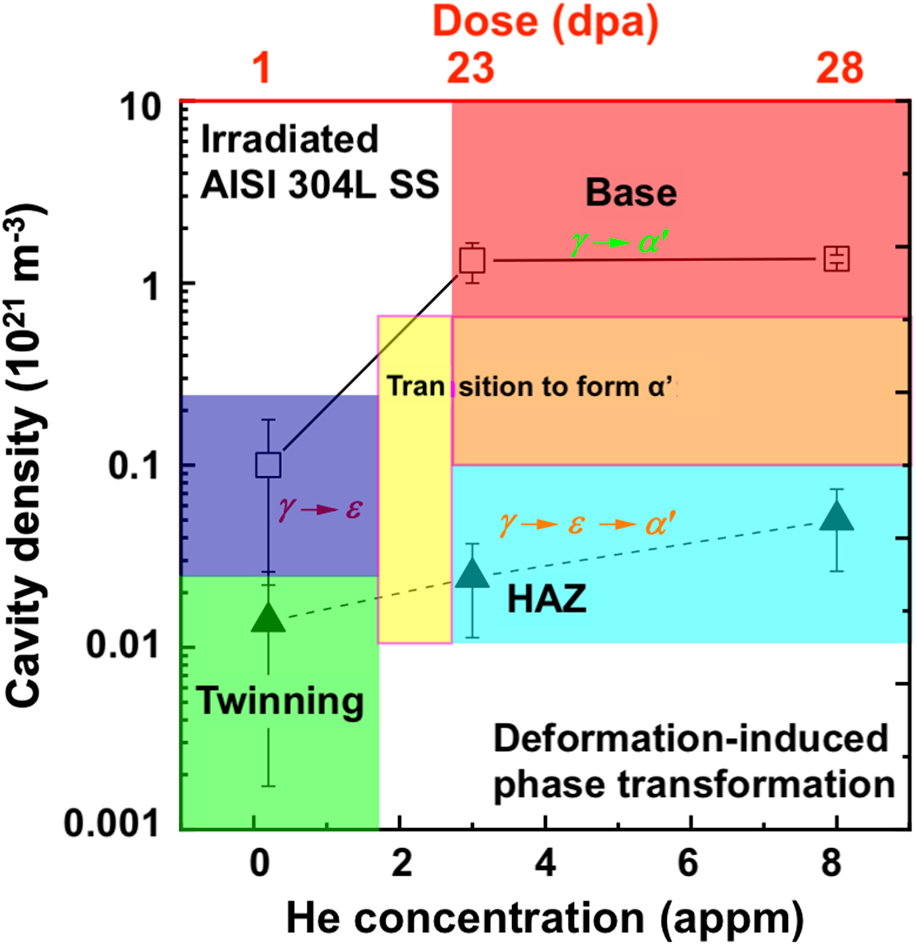
Localized deformation, including that by the deformation-induced shearing martensitic phase transformation, is responsible for hardening and embrittlement in irradiated face-centered cubic alloys. These localized deformation processes can have profound consequences on the mechanical integrity of common structural metals used in extreme radiation environments such as nuclear reactors. This article aims to review and understand exactly how irradiation affects the martensitic phase transformation in face-centered cubic alloys, with an emphasis on austenitic stainless steel, given its ubiquity in the archival literature. The influence of irradiation on stacking fault energy and subsequent implications on the phase transformation are discussed. Mechanisms by which irradiation-induced microstructures enhance the phase transformation are also described, including the surface energy contribution of irradiation-induced cavities (i.e., voids and bubbles) toward the critical martensite nucleation energy, and partial dislocation–cavity interactions. A deformation mechanism map illustrates how irradiation-induced cavities can modulate the martensitic transformation pathway.
One challenge impeding the analysis of terabyte scale X-ray scattering data from the Linac Coherent Light Source (LCLS) is determining the number of clusters required for the execution of traditional clustering algorithms. Here, we demonstrate that the previous work using bi-cross validation to determine the number of singular vectors directly maps to the spectral clustering problem of estimating both the number of clusters and hyperparameter values. Applying this method to LCLS X-ray scattering data enables the identification of dropped shots without manually setting boundaries on detector fluence and provides a path toward identifying rare and anomalous events.
Previous work on aesthetic experience suggests that aesthetic judgments are self-referential. The self-reference effect (SRE) is the tendency for individuals to show improved memory for items that are judged in relation to themselves. The current study sought to understand if the SRE exists for aesthetic judgments of music. Participants heard musical excerpts (classical, jazz, and electronic) and rated either a) how much they liked the music (Self condition), b) how much a close relative or friend would like the music (Other condition), or c) the genre of the music (Genre condition). After a retention interval, participants completed a recognition memory task for the musical excerpts. Participants did not show improved memory for musical excerpts encoded in the Self condition. These results extend the concept of the SRE into the domain of aesthetic judgments, but do not provide support for a memory advantage when making aesthetic judgments in relation to the self.
Thermal barrier coating is a high-temperature protective technology widely used in industrial gas turbines. However, the failure of coating peeling because of the generation of thermally grown oxide (TGO) at the interface during service hinders its further application. In this study, Raman spectroscopy and wedge indentation are used to determine the TGO residual stress and the interface energy release rate, respectively. The effect of TGO on the interfacial fracture toughness during the growth process was discussed. Raman spectroscopy test results show that the residual stress of TGO is about 0.5 GPa. Wedge indentation test results illustrate that high-temperature heat treatment could accelerate the interface degradation of thermal barrier coatings. Stress analysis and test research demonstrate that the microcracks induced by compressive stress of TGO will propagate with increasing heating time, ending with failure of barrier coatings.
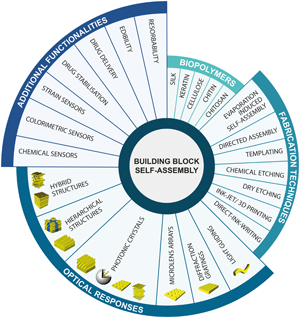
Natural systems displaying optical properties have for long been an inspiration for new classes of optical constructs. Using the same families of materials employed by Nature in combination with their directed assembly allows access to n-dimensions of control to, ultimately, generate optical systems with multiple coexisting functions. This review provides an overview of lab-made optical systems made of protein and polysaccharide-derived materials found in naturally occurring optical systems. Recent advances in optical biomimicry and bioinspired, polyfunctional optical structures are presented, addressing attributes such as sensing, edible devices, biologically activity, and resorbable optical formats.
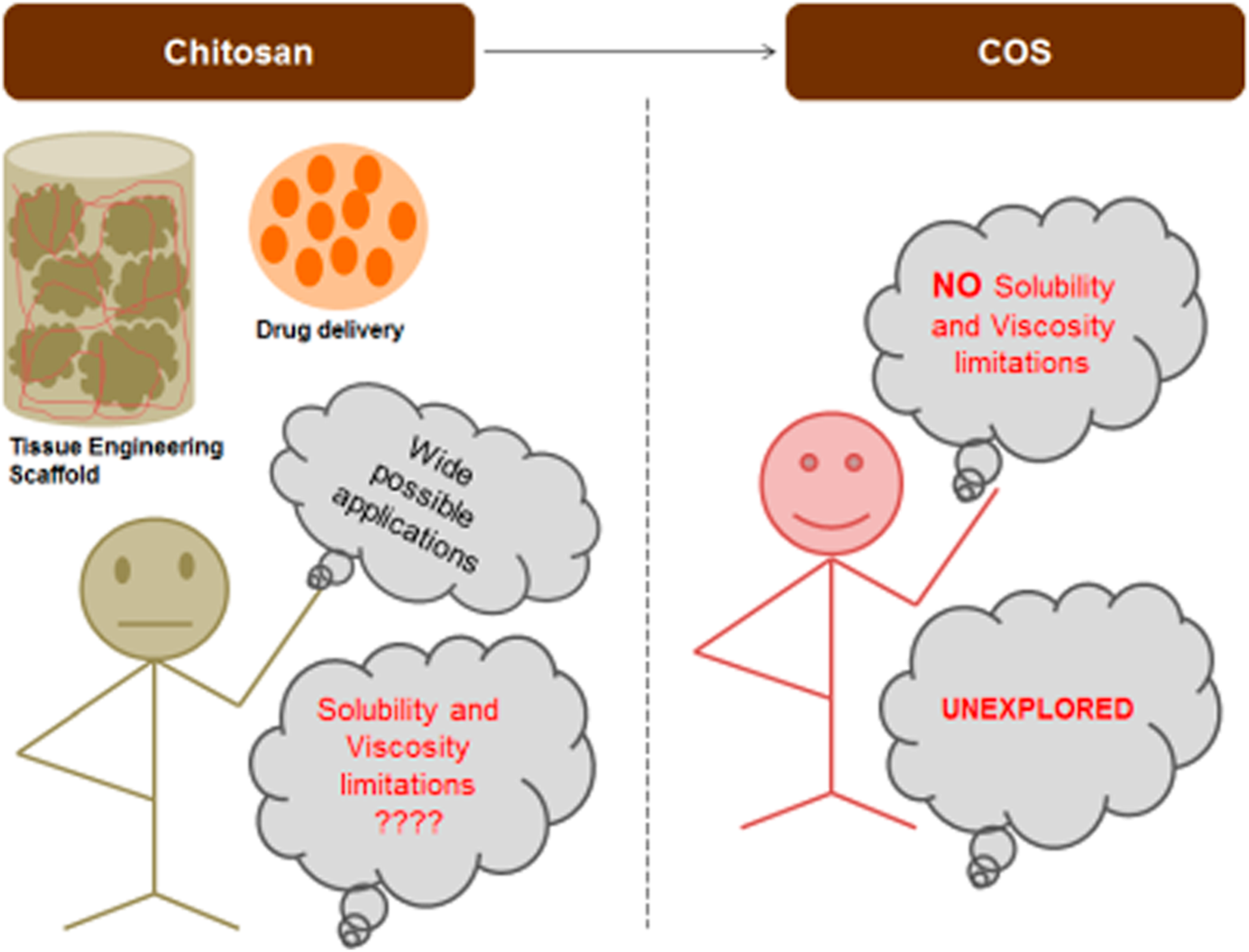
Chitosan is one of the most versatile biopolymers available with established properties such as antimicrobial, antitumor, anti-inflammatory, mucoadhesive, and more. It has been in biomedical research for long, but still the bench-to-bedside translation is hampered because of viscosity and solubility issues. The only commercial application of chitosan has been in hemostatic dressings. Chitosan oligosaccharide (COS), on the other hand, is highly promising in a similar research area where chitosan's limitations come into the way. COS is highly soluble in water, and its viscosity is very less than that of the parent chitosan. Although COS retains properties very similar to those of chitosan, there has been minuscule volume of research on this water-soluble chitosan. COS has been successfully used as a drug delivery vehicle in various research. COS has also shown to have osteogenic ability. It has been used as a coating on experimental orthopedic implants because of its antibacterial properties. As of now, COS is not a much-explored biopolymer, although it could be an important biopolymer for its capacity in biomedical research. This article reviews various properties and reports of COS relevant for biomedical applications.
In this article, Al75Cu25 (at.%) ribbons were dealloyed by HCl, H2C2O4, H3PO4, and NaOH solutions, respectively, to prepare nanoporous copper (NPC). The dealloying behavior is varied with dealloying solutions, allowing modulating the microstructure and porosity of the NPC. Al75Cu25 ribbons are fully dealloyed in HCl, H2C2O4, and NaOH solutions, whereas they are partially dealloyed in H3PO4 solution. Except the NPC prepared in the NaOH solution, no obvious cracks are traced in other samples. The surface diffusivity (Ds) of Cu atoms along the alloy/solution interfaces is varied with solutions, producing the NPC with different microstructure. NPC with higher specific surface area can be obtained by dealloying the Al75Cu25 ribbons in the HCl solution. Compared with the dealloying in H2C2O4, H3PO4, and NaOH solutions, the dealloying in 10 wt% HCl solution for 25 min at 90 ± 1 °C facilitates the best NPC in this work.
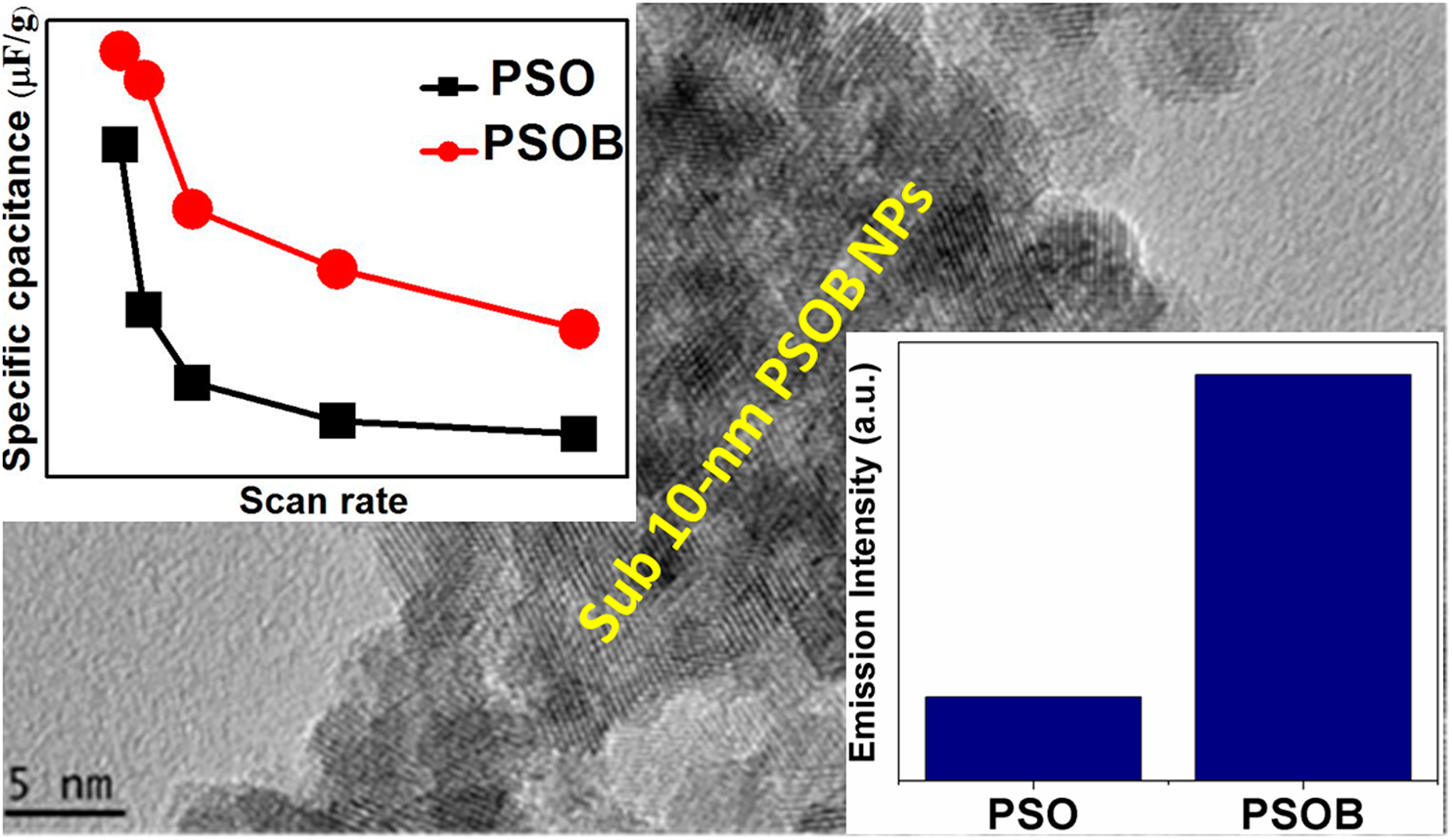
Materials that show superior light-emitting and catalytic properties are in high demand among the scientific community owing to their applications in the areas of optoelectronics and (opto)electrocatalysis. In this work, we have synthesized sub-10-nm Pr2Sn2O7 (PSO) and Pr2Sn2O7:Bi3+ (PSOB) nanoparticles (NPs) and investigated their optical and electrochemical properties. On ultraviolet irradiation, PSO NPs display blue emission because of the presence of oxygen vacancies. Interestingly, PSOB NPs have higher blue emission intensity than undoped PSO NPs owing to the increase in oxygen vacancy defect density induced by Bi3+ doping. Moreover, PSOB NPs display higher efficiency in terms of current density than PSO NPs as a catalyst toward the oxygen evolution reaction (OER). The kinetic OER models of PSO and PSOB NPs are quite different as displayed by their different Tafel slopes. Interestingly and as another advantage, the PSOB sample is more conducting with low impedance value than the PSO counterpart. With all these advantages due to high oxygen vacancies induced by Bi3+ doping, PSOB NPs have a great potential to be used as blue phosphors, charge storage devices, and capacitors.
In this work, filament based on ɛ-polycaprolactone (PCL) and containing the bioactive ceramics nanohydroxyapatite (nHap) and Laponite® (Lap) was prepared by the extrusion process. To obtain the material, a mass ratio of 89:10:1 (PCL:nHap:Lap) was used, and structural and morphological characterization was realized. In addition, cytotoxicity (using Allium cepa bulbs) and viability tests on L929 cells also were performed. The results showed that filament (diameter of 1.79 ± 0.17 mm) presented a good dispersion of nHap and Lap into polymeric matrices. Fourier transform infrared spectroscopy identified typical bands at 1720, 1091, and 1045 cm−1 addressed to PCL and nHAp, In addition, Lap was identified through dispersive energy system and X-ray diffraction analyses. All filaments did not exhibit cytotoxic effects.
The study investigated novel wear and corrosion resistance of stainless steel and 316 stainless steel samples which were successfully prepared by laser melting deposition. Phase composition, microstructure, microhardness, wear resistance, and electrochemical corrosion resistance were studied. The experimental results showed that novel stainless steel was mainly composed of α-Fe and a few carbide phase (Cr, Fe)7C3. The microhardness of novel stainless steel was about 2.7 times greater than 316 stainless steel. Meanwhile, the specific wear rate of novel stainless steel and 316 stainless steel was 2.63 × 10⁻⁵ mm3/N m and 1.63 × 10⁻⁴ mm3/N m, respectively. The wear volume of 316 stainless steel was 6.19 times greater than novel stainless steel. The corrosion current and the corrosion potential of novel stainless steel and 316 stainless steel were 1.02 × 10⁻⁷ A/cm2 and 1.5 × 10⁻⁷ A/cm2, and −138.8 mV, −135.9 mV, respectively, in 3.5 wt% NaCl solution. Therefore, both microhardness and wear resistance of novel stainless steel were greatly improved, with high corrosion resistance.
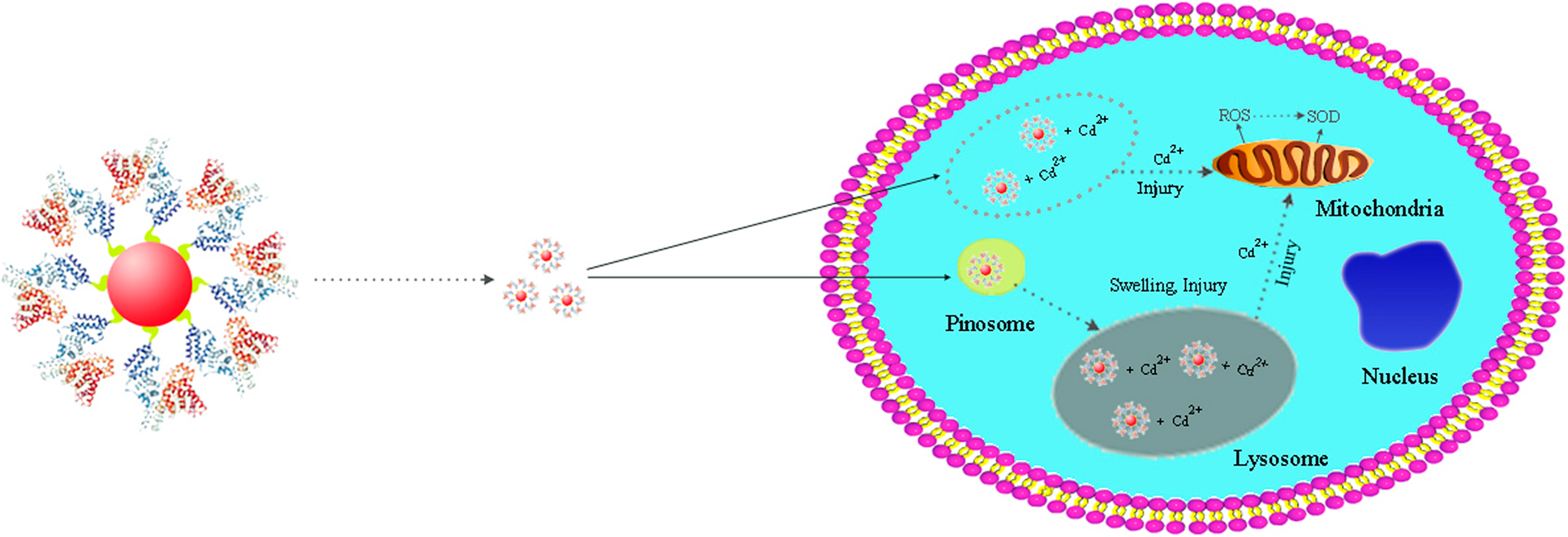
Fluorescent quantum dots (QDs) modified with polyethylene glycol (PEG) and albumin bovine serum (BSA) have profound application in the detection and treatment of hepatocellular carcinoma (HCC) cells. In the present study, the effects and mechanism of PEG and BSA modification on the cytotoxicity of QDs have been explored. It was found that the diameter of the as-prepared QDs, PEG@QDs, BSA@QDs is 3–5 nm, 4–5 nm, and 4–6 nm, respectively. With increase of the treatment time from 0 to 24 h, the HCC cell viability treated with QDs, PEG@QDs, and BSA@QDs obviously decreases, showing a certain time-dependent manner. When the concentration of several nanomaterials is increased from 10 to 90 nM, the cell viability decreases accordingly, exhibiting a certain concentration-dependent manner. Under the same concentration change conditions, the reactive oxygen species contents of cells treated by QDs, PEG@QDs, and BSA@QDs also rise from 7.9 × 10³, 6.7 × 10³, and 4.7 × 10³ to 13.2 × 10³, 14.3 × 10³, and 12.3 × 10³, respectively. In these processes, superoxide dismutase does not play a major role. This study provides strong foundation and useful guidance for QD applications in the diagnosis and treatment of HCC.
As a producer of certified reference materials (CRMs), NIST faces high demand for Standard Reference Materials (SRMs). The demand is exacerbated by widespread misuse of CRMs. When should one use CRMs? When should one not use CRMs? Must labs always use NIST SRMs? How can labs demonstrate analytical capabilities for their accreditation scopes? Why so many questions? Standards developers, laboratory accreditors, and laboratory staff must be able to understand these topics with respect to quality systems in compliance with ISO/IEC 17025. They must calibrate and validate test methods and document traceability to the International System of Units (SI). Many people working in laboratory accreditation and under the umbrella of a quality system do not fully understand what these things are, let alone the language of chemical metrology. On average, they have little training in analytical chemistry, elemental analysis, and reference material development. It is hoped this paper will impress upon the reader the need for understanding how CRMs can be best used in the laboratory. This paper provides a brief background on the above problems and then looks at some of the support and reference information provided by NIST to metals and mining industries labs, commercial CRM producers, and accrediting bodies. The concepts and guidance apply broadly to chemical metrology and fundamental analytical chemistry. The paper includes examples (some from X-ray fluorescence spectrometry) to illustrate concepts.
The present article reports on a comprehensive atomic-scale investigation on S-series precipitates in 2024 aluminum alloy. Cs-corrected high-angle annular dark-field scanning transmission electron microscopy is applied to reveal the fine atomic-scale structure of precipitates at early ageing state. Geometrics phase analysis is used for elucidating the induced strain field from precipitates. The precipitate sequence of S-series precipitates in 2024 Al alloy is identified as follows: super saturated solid solutions (s.s.s.s.) → clusters (GPB zone) → S′ phase → S phase. The interfaces between precipitates acting as precursor of S′ phase are well characterized. One typical characteristic of S-series phase precipitates is the coexistence of clusters and subsequent metastable phases. Transformation of metastable phases is characterized. Corresponding hardness structure relationship is revealed, and S′ phase is considered as the key strengthening structure in S-series precipitates in 2024 Al alloys.
Tungsten (W) alloy is of difficulty in processing for conventional way because of its high melting point. Here, W alloy sample with the addition of 3 wt% Ta was prepared by selective laser melting. The influence of volumetric energy density (VED) on the surface morphology and the relative density was discussed, and microstructure, phase composition, and microhardness were investigated. The results show that a smooth surface and high relative density (95.79%) can be obtained under optimal VED. The W–Ta substitutional solid solution formed because of the replacement of Ta atom. There are strip and block fine grains in the W–3Ta sample with no significant texture. In addition, subgrain structure with a size of around 1 μm formed inside the strip grain, owing to the large thermal gradient and extremely fast cooling rate. Finally, the W–3Ta alloy shows higher microhardness than that obtained by traditional methods.
Particulate matter (PM) specimens from a traffic site were sampled on Teflon filters using a low volume sampler. The sampling campaign ran over a one-year period with sampling frequency of twice a week for both PM2.5 and PM10. X-ray diffraction (XRD) methods, which are not commonly used in PM analysis, have been utilized successfully to identify crystalline phases present, including secondary pollutants. XRD data confirmed results obtained by X-ray fluorescence, positive matrix factorization modeling, and scanning electron microscopy. PM2.5 consisted mainly of secondary sulfates, like Mascagnite [(NH4)2SO4], Koktaite [(NH4)2Ca(SO4)2·H2O], and Gypsum [CaSO4·2H2O]. For PM10, it was found that the major phases are mostly originating from natural sources, such as dust storms and sea salts, in addition to secondary compounds, such as sodium nitrate. The main phases identified were Calcite, Quartz, Gypsum, Halite, and Palygorskite.