To save content items to your account,
please confirm that you agree to abide by our usage policies.
If this is the first time you use this feature, you will be asked to authorise Cambridge Core to connect with your account.
Find out more about saving content to .
To save content items to your Kindle, first ensure no-reply@cambridge.org
is added to your Approved Personal Document E-mail List under your Personal Document Settings
on the Manage Your Content and Devices page of your Amazon account. Then enter the ‘name’ part
of your Kindle email address below.
Find out more about saving to your Kindle.
Note you can select to save to either the @free.kindle.com or @kindle.com variations.
‘@free.kindle.com’ emails are free but can only be saved to your device when it is connected to wi-fi.
‘@kindle.com’ emails can be delivered even when you are not connected to wi-fi, but note that service fees apply.
Involuntary admission rates differ between gender across various countries. In several European Union countries, men are more frequently involuntarily admitted, while an opposite trend, associating women with involuntary care, has been observed in countries like Switzerland, Brazil, and China.
Objectives
Considering the contradictory evidence about gender and involuntary care in the literature, we aim to analyze the gender patterns of involuntary care in Centro Hospitalar Médio Tejo’s Psychiatric Acute Unit, exploring the gender differences in diagnosis among involuntary patients.
Methods
We stored and analyzed the data using Microsoft Excel and IBM SPSS Statistics. We studied psychiatry admissions at Centro Hospitalar Médio Tejo, Portugal over 2 years. The Acute Psychiatric Unit, located within a general hospital, has 24 beds, and offers acute mental healthcare services to adults aged 18 and above, serving a coverage area of approximately 251,000 residents. As part of our data collection process for all admissions to the Acute Psychiatry Unit, we recorded information such as gender, age, diagnosis at discharge, treatment type (voluntary or involuntary), and length of stay.
Results
From January 1, 2021, to December 31, 2022, there were 686 psychiatry admissions at Centro Hospitalar Médio Tejo, of which 125 (18,2%) were involuntary. The admission rates were approximately 136.6 per 100,000 people annually, with 24.9 being involuntary admissions per 100,000 people annually. In our analysis of involuntary admissions, women had a lower rate of such admissions, making up 6.4%, while men had a higher rate at 11.8%. No other gender identity was mentioned. Schizophrenia-related disorders were the primary cause for involuntary admissions for both genders, with 67.9% for men and 50% for women. Mood disorders were the second most common reason for involuntary admission, accounting for around 40.9% of cases for women and a significantly lower 16% for men. Involuntarily hospitalized patients exhibited longer lengths of stay independently of the gender. Men hospitalized involuntarily tended to be younger, whereas for women, involuntary hospitalizations were associated with older ages.
Conclusions
In conclusion, our study reveals gender differences in psychiatric involuntary admissions, with more men being involuntarily admitted than women. Schizophrenia group disorders were the most common diagnoses among male and female involuntary patients. Furthermore, all hospitalized women exhibited a higher prevalence of mood disorders, a trend that was more pronounced among those admitted involuntarily. These gender trends match the overall patterns seen in the epidemiology of schizophrenia and mood disorders. Additionally, women with schizophrenia generally exhibit better social functioning than men, which may explain the lower needs of involuntary hospitalization.
Firstly, we will speak on the violence against women from a Russian perspective. The selected reports from regional psychiatric services and police department reports of domestic violence cases will be presented.
Objectives
Secondly, we will draw upon our work developing and providing a new educational program, «Women victims of domestic violence: Detection, clinic, help,» mainly based on teaching several modules, WPA International Curriculum for Mental Healthcare Providers on Violence Against Women.
Methods
In this present paper, we examine evidence-based practice from the starting points of research as illumination and psychiatry as a discipline with hermeneutic potential, to consider relationships between research and practice and the opportunities available within the current research agenda for psychiatrists and clinical psychologists working in clinical settings.
Results
We contend that the quality of women’s mental health services will only improve when they can acknowledge the considerable impact that intimate partner violence and sexual violence, as well as social inequalities, especially those based on gender, have on women’s mental health. We do not underestimate the difficulty of providing practical help to women whose mental health has been profoundly affected by the violence, damage that is often further compounded by years of mistreatment and revictimization in services.
Conclusions
The paper provides commentaries and reflections on the steps that must be taken to create opportunities to foster dialogue, discussing and exchanging ideas on a diverse range of topics relevant to the advancement of the program in the broader context.
Kambó, also known as the “frog medicine,” is a traditional Amazonian medicine derived from the secretions of the Phyllomedusa bicolor tree frog. It has gained global attention for its purported therapeutic properties, including its use in addressing mental health issues. However, the psychiatric effects of kambó remain poorly understood, particularly concerning manic symptoms or psychosis.
Objectives
The primary objective of this review is to comprehensively analyze and evaluate the available literature regarding the connection between kambó use and psychosis or manic symptoms. Specifically, this review seeks to determine the prevalence of psychosis among kambó users, identify potential risk factors for the development of psychosis or manic symptoms in this context, explore the mechanisms underlying any observed psychiatric effects, and provide insights into the clinical implications of kambó use.
Methods
A case report of a 34-year-old man with chronic delusional disorder who presented to the emergency department with manic symptoms coinciding in time with the use of Kambó.
Results
The findings of this bibliographical review suggest that there is limited empirical evidence to establish a direct link between kambó use and psychosis. Most available studies are anecdotal or based on qualitative reports, making it challenging to draw definitive conclusions. While some case reports and interviews suggest that kambó use may be associated with transient psychotic-like symptoms, including visual and auditory hallucinations, more rigorous research is needed to confirm and characterize these effects. Several case reports and qualitative studies suggest that individuals who have undergone kambó ceremonies may experience transient manic-like symptoms, such as elevated mood, increased energy, and impulsivity. However, these reports lack systematic assessment and standardized measurement of manic symptoms. Mechanisms underlying these effects remain speculative, with some researchers proposing altered neurotransmitter systems as a potential explanation.
Conclusions
In conclusion, this review underscores the scarcity of scientific literature on the potential association between kambó use and psychosis or maniac symptoms. Although anecdotal reports and qualitative studies suggest a link, there is a notable lack of robust empirical research to support or refute this claim. Future research should focus on conducting controlled studies to elucidate the psychiatric effects of kambó, including its potential to induce psychosis and maniac symptoms, while also considering cultural and individual factors that may influence outcomes. Such research would contribute to a more comprehensive understanding of kambó’s psychopharmacological profile and its implications for mental health.
Early life experiences may have an impact on hypothalamic–pituitary–adrenal (HPA) axis functioning in eating disorders (EDs). Parental bonding is defined as the parental contribution of care and control to parent–child relationships. We evaluated whether perceived care and protection of parental bonding in childhood and adolescence were associated with HPA axis functioning in adult patients with EDs. The activity of the HPA axis was assessed by measuring the salivary cortisol awakening response (CAR).
Objectives
We evaluated whether parental care and control in childhood and adolescence were associated with HPA axis functioning in adults with EDs. On the basis of literature data on healthy participants, we hypothesized that people with high levels of parental care would show a reduced CAR compared to people with low levels of parental care.
Methods
We admitted patients according to the following inclusion criteria: (a) female sex, (b) age > 18 years, (c) current diagnosis of AN or BN according to DSM-5 criteria, (d) absence of severe physical disorders, (e) no history of endocrine disorders, psychoactive substance use, schizophrenia or other psychoses, bipolar disorders or head trauma. Participants completed the Italian version of the Parental Bonding Instrument (PBI). To measure the CAR, participants were instructed to collect saliva samples at awakening and 15, 30, and 60 min after awakening.
Results
64 women with EDs participated in the study: 37 with AN and 27 with BN. 28 participants reported low levels of both maternal and paternal care while 12 participants reported high levels of care from both parents; 31 participants reported high levels of both maternal and paternal control, while 12 participants reported low levels of control from both parents. When maternal care was entered as between factor in the analysis, the repeated measures 3-way ANOVA showed a significant time effect (F3, 180 = 2.81, p < 0.05) and a significant maternal care X time interaction (F3, 180 = 2.99, p < 0.05), while, when paternal care was entered as between factor, the repeated measures 3-way ANOVA did not show significant effects for time and no significant paternal care X time interaction.
Conclusions
Our results show an association of perceived maternal care with the time pattern of CAR in female patients with ED, while perceived parental control was not associated with any CAR feature in EDs. Maternal control, paternal care and paternal control were not associated with any difference in the CAR.
Suicidal behaviors are frequently observed among patients with substance use disorder, including suicidal ideation (SI) (1). Alcohol use disorder (AUD) is one of the most prevalent addictions and may be related to suicidal behaviors (2,3). However, the association between AUD and SI requires a deeper analysis which includes several clinical features observed among AUD patients.
Objectives
To analyze the clinical characteristics and features associated with lifetime SI among patients who had AUD.
Methods
This is a cross-sectional study performed in an outpatient center for addiction treatment in patients seeking for treatment who met the criteria for AUD between 01/01/2010 and 12/31/2021. Patients were evaluated with an ad-hoc questionnaire and the European Addiction Severity Index (EuropASI), SI was evaluated using the item for SI in EuropASI.
Results
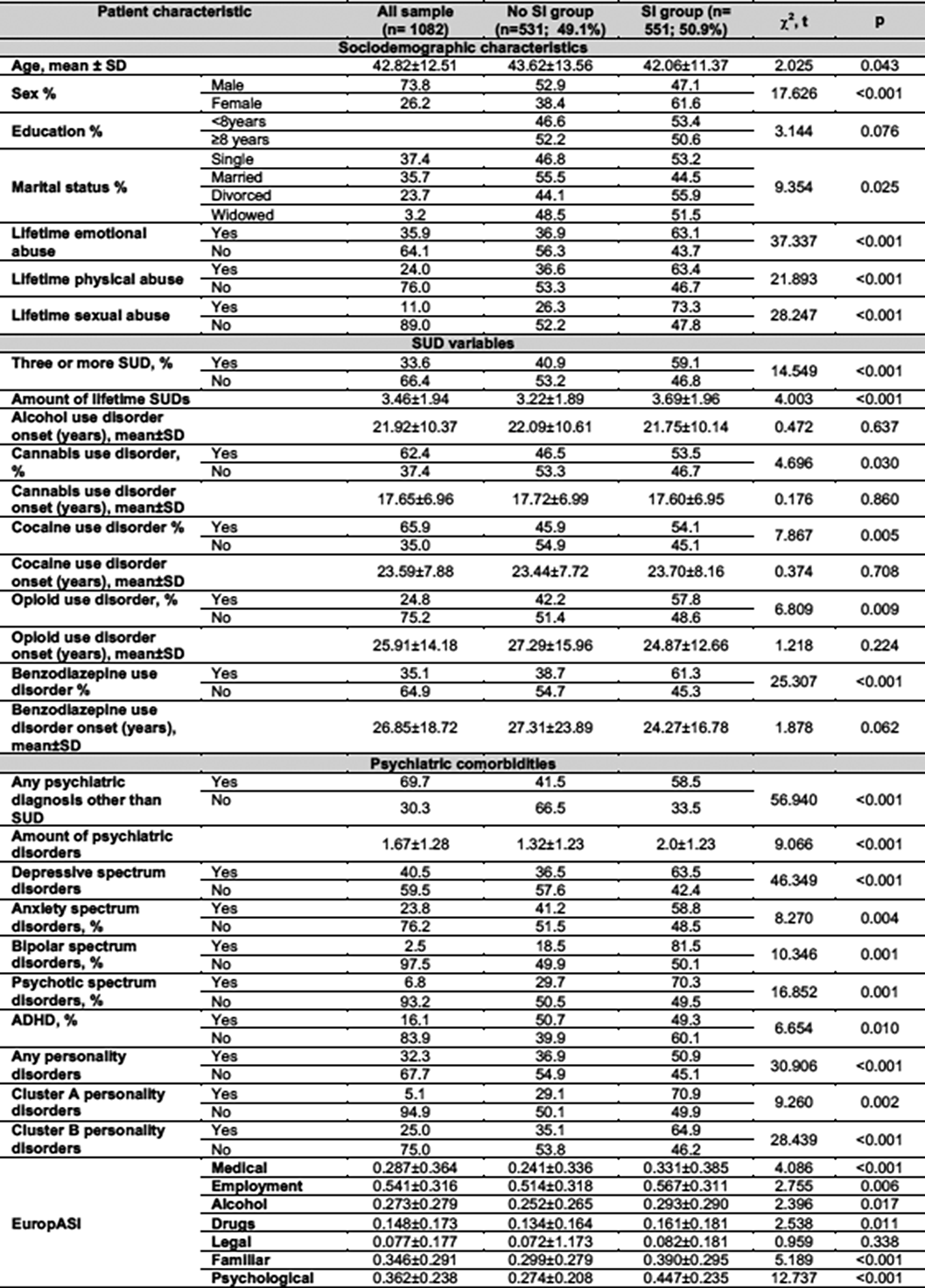
From a potential sample of n=3729 patients, only n=1082 (73.8% males; mean age 42.82±12.51) met inclusion criteria and had data for the current analysis. Lifetime SI was present in 50.9% of the AUD patients. Several clinical features were related to SI, including: sex differences, any type of lifetime abuse, polyconsumption, benzodiazepine use disorder, any psychiatric diagnosis aside from SUD, and higher addiction severity according to the EuropASI.
Image:
Conclusions
SI among AUD patients is related to several clinical features which indicate a higher addiction severity, more polyconsumption, and a higher prevalence of psychiatric comorbidities. These findings may contribute to the understanding of suicidal behaviors in AUD patients but it is required further investigations, including longitudinal studies.
REFERENCES
1 Rodríguez-Cintas L, et al. Factors associated with lifetime suicidal ideation and suicide attempts in outpatients with substance use disorders. Psychiatry Res. 2018;262:440-445. doi:10.1016/j.psychres.2017.09.021
2. MacKillop J, et al. Hazardous drinking and alcohol use disorders. Nat Rev Dis Primers. 2022;8(1):80. doi:10.1038/s41572-022-00406-1
3.Darvishi N, et al. Alcohol-related risk of suicidal ideation, suicide attempt, and completed suicide: a meta-analysis [published correction appears in PLoS One. 2020;15(10):e0241874]. PLoS One. 2015;10(5):e0126870. doi:10.1371/journal.pone.0126870
Hospital readmissions in psychosis are a critical concern, with medication choice playing a vital role. Oral antipsychotics, though common, rely on patient adherence and can lead to relapses if not followed. Long-acting injectable atypical antipsychotics (LAIAs) provide an alternative, ensuring consistent medication release and reducing relapse risk due to missed doses. Studies indicate that LAIAs result in fewer readmissions due to improved adherence. Tailoring treatment to individual needs is essential. Medication choice significantly influences hospital readmission prevention in psychosis. LAIAs, which could offer greater adherence to treatment and symptom control, present a promising option. Individualized treatment decisions are a priority for long-term recovery.
Objectives
This study aimed to compare the hospital readmission rates within two years post-discharge among two groups of patients diagnosed with schizophrenia and other psychotic disorders who received either oral antipsychotic treatment or LAIAs.
Methods
We collected sociodemographic and hospitalization data from 155 patients, 90 receiving oral antipsychotics and 65 receiving LAIAs, following their discharge from a psychiatric unit.
Results
There were 90 patients in the oral treatment group, and 65 in the LAIA group, with 67.6% receiving paliperidone and 26.1% receiving aripiprazole. There were no significant differences in age or gender between the two groups. However, patients in the LAIA group had longer stays in the hospital (M=14.7; SD=10.2 vs M=11.1; SD=6.4; t(153)=2.67; p<.01) and a higher number of prior admissions (M=3.2; SD=3.7 vs M=1.3; SD=3.5; t(153)=2.41; p<.01) compared to the oral antipsychotic group. Additionally, a higher percentage of patients in the LAIA group were diagnosed with schizophrenia (60%) compared to the oral antipsychotic group (24%) (X2(1, N = 155)= 20.4, p<.01). After two years, readmission rates were 66.6% for the oral antipsychotic group and 61.5% for the LAIA group (X2(1, N = 155)= 8.5, p > .05). However, the time to readmission was shorter for patients on oral antipsychotics (M=172.4; SD=162.0) compared to those on LAIAs (M=326.2; SD=211.4; t(153)=3.05; p<.01). Notably, 86.6% of patients on oral antipsychotics were readmitted within the first year, while only 52% of those on LAIAs experienced readmission during the same period (X2(1, N = 155)= 8.5, p = .001).
Conclusions
Long-acting injectable antipsychotics (LAIAs) appear to reduce hospital readmissions, with a more pronounced effect in the first few months post-discharge. However, after two years, the readmission rates between LAIAs and oral antipsychotics become comparable. This data suggests that while LAIAs may reduce early readmissions, their long-term effectiveness is on par with oral antipsychotics.
Allocating a kidney transplant to a non-compliant recipient could present a triple damage: to the donor (and family of a deceased donor), for the recipient (who will experience rejection) and for another potential recipient on the waiting list (who missed the chance for the transplant). Having in mind that kidney transplantation (TX) is the best choice of renal replacement therapy, a thorough individual endeavor to predict the outcome of a TX in a non-compliant candidate is necessary to avoid a worse option. Non-compliance could origin from maladaptation, psychological limitations or a psychiatric condition.
Objectives
Here we present a 46 years old male patient on chronic hemodialysis (HD) for 4 years due to end stage diabetic kidney disease. He is extremely non-adherent to HD related recommendations, occasionally skipping the sessions, gaining up to 10 kg weight overload between the sessions and avoided visiting psychiatrist, so far. Our objectives were to explore the presence and severity of non-compliance as ethical dilemma for kidney transplantation.
Methods
Reviewing the patient’s medical data.
Results
Unlike to non-obedience to dietary and behavioral medical advice, this patient is very much adherent to pharmacological medication. Staying on HD he is constantly on the edge of vital danger, risking pulmonary edema or hyperkalemia related cardiac events. The most important compliance in a kidney transplant patient is adherence to immunosuppressive therapy. In this particular patient we could predict adherence to immunosuppressive medication after a TX and getting rid of volume overload and hyperkalemia once restoring kidney transplant function.
Conclusions
Pretransplant non-compliance in kidney transplant candidate is not always an obstacle for kidney TX. In some cases, as in the one here described, a TX is better option than staying on HD, avoiding the previously described triple ethical damage - to the donor, the recipient and patients waiting on list, while we could predict a good outcome of the TX. Including psychiatrist into the work up and management should not be skipped.
An early and comprehensive neurobiological characterization of severe mental disorders could elucidate mechanistic pathways, aid the development of novel therapeutics, and therefore enable timely and targeted intervention in at-risk youth and young adults. Therefore, we present an unsupervised transdiagnostic machine learning approach to investigate shared and distinct patterns of early-stage depressive and psychotic disorders on multiple clinical and neurobiological levels.
Objectives
To derive multi-level neurobiological and clinical signatures of early-stage affective and psychotic disorders in adolescents and young adults.
Methods
From the multicenter prospective European PRONIA cohort, we acquired data from 678 individuals (51% female) comprising young, minimally medicated in- and outpatients with clinical high-risk (CHR) states for psychosis, with recent-onset depression (ROD) or psychosis (ROP), and healthy control (HC) individuals. Within repeated nested cross-validation frameworks, we employed Sparse Partial Least Squares Analysis to detect associations between blood markers and grey matter volume (GMV), followed by support vector machine prediction of these signatures using biographical, clinical, neurocognitive, proteomic, and functional data.
Results
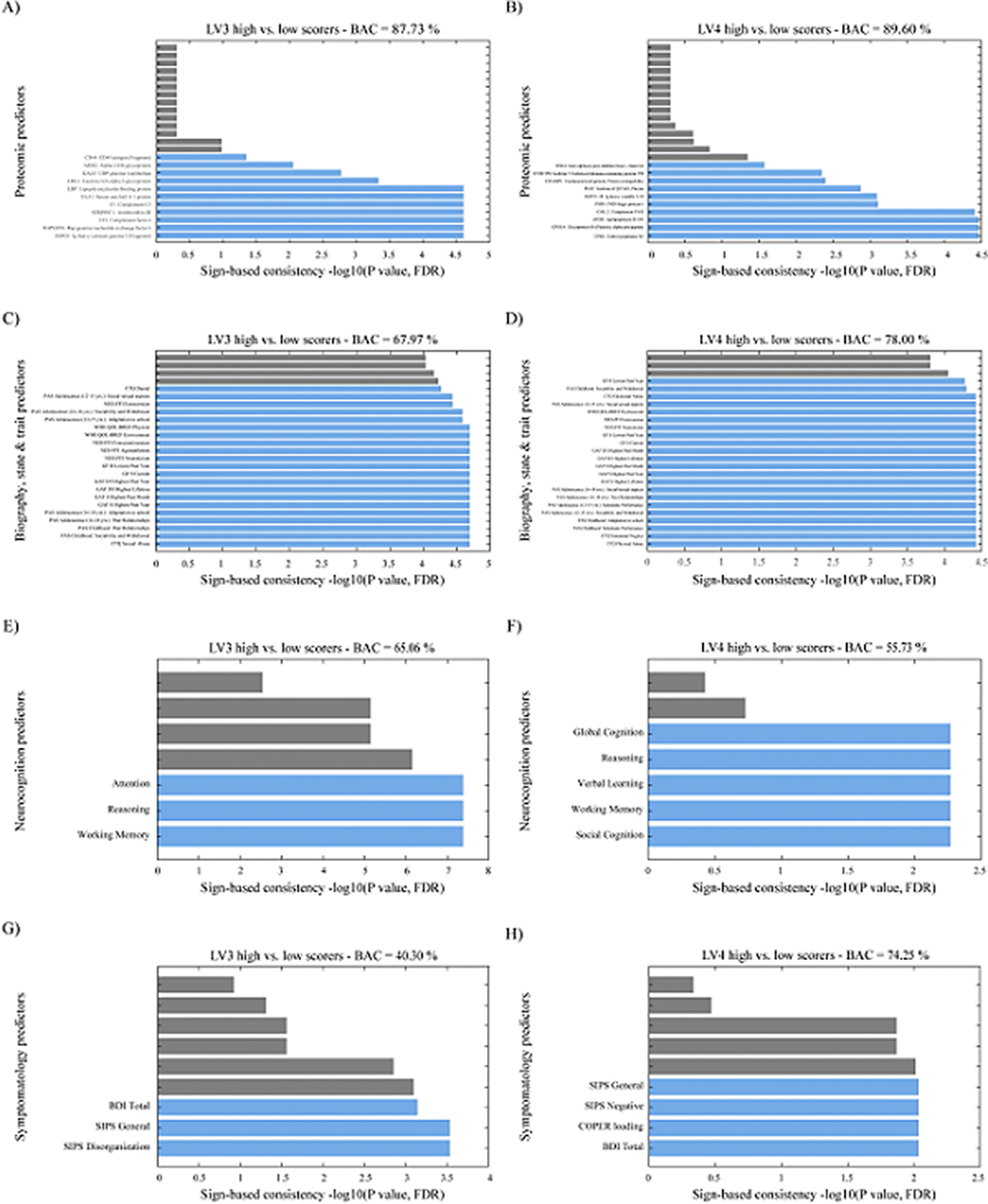
Our results demonstrated a psychosis staging signature separating ROP from CHR individuals via GMV patterns in the cortico-thalamo-cerebellar circuitry with a blood marker set of elevated of IL-6, TNF-α and CRP (ρ = 0.272; P = 0.002). A depression signature separated ROD from HC individuals via altered GMV in the limbic system with a blood marker set of elevated IL-1ß, IL-2, IL-4, S100B and BDNF (ρ = 0.186; P = 0.021). Only the psychosis staging signature showed a distinct proteomic enrichment regarding innate immune response, abnormal neutrophil function, cellular senescence, and anti-inflammatory drugs (Balanced Accuracy (BAC) = 87.73%; Area Under the Curve (AUC) = 0.94). Childhood trauma differentially predicted psychosis and depression signatures, while past level of functioning, personality and quality of life was predictive of both signatures (BAC = 67.19-78.00%; AUC = 0.71-0.83).
Image:
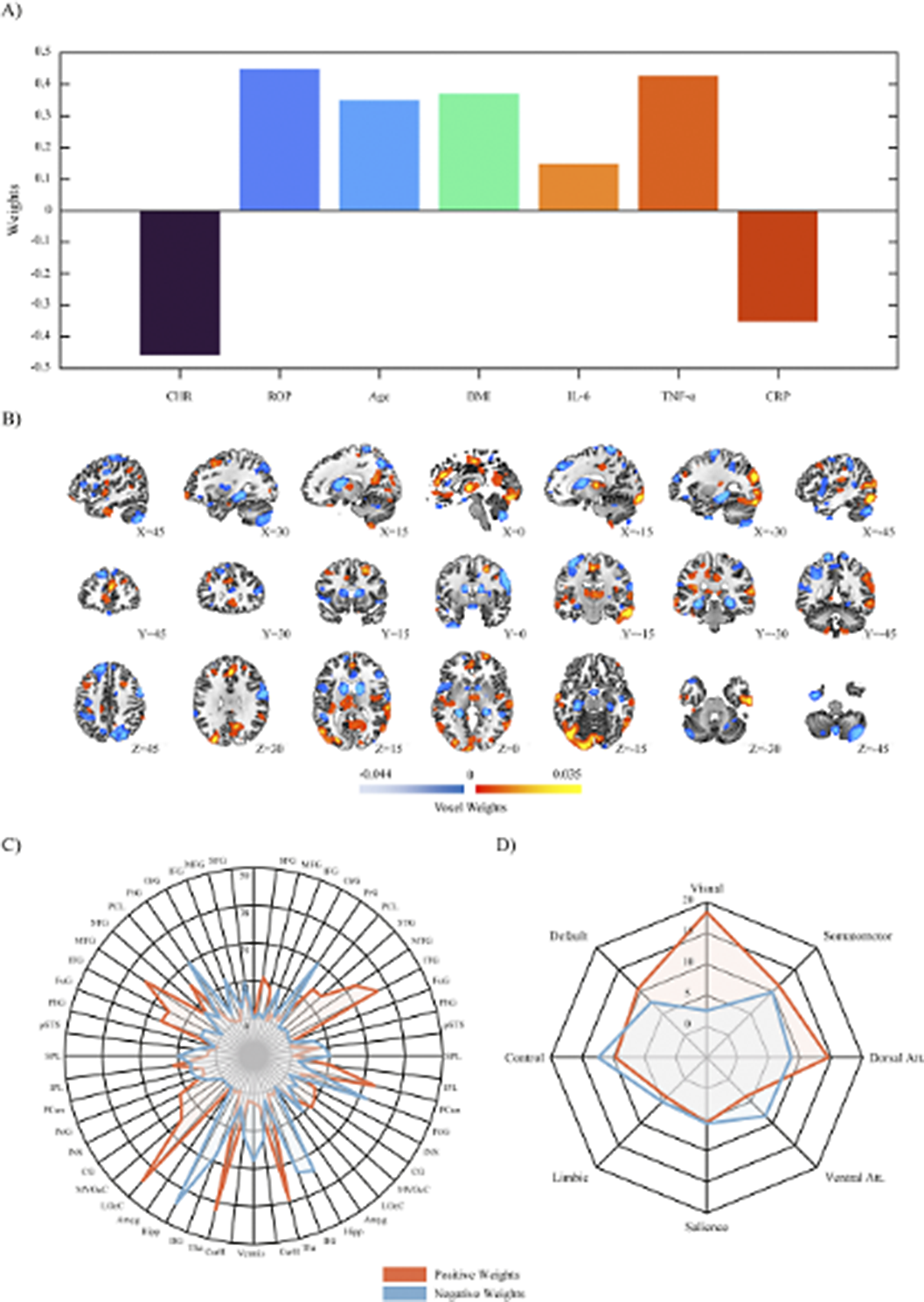
Image 2:
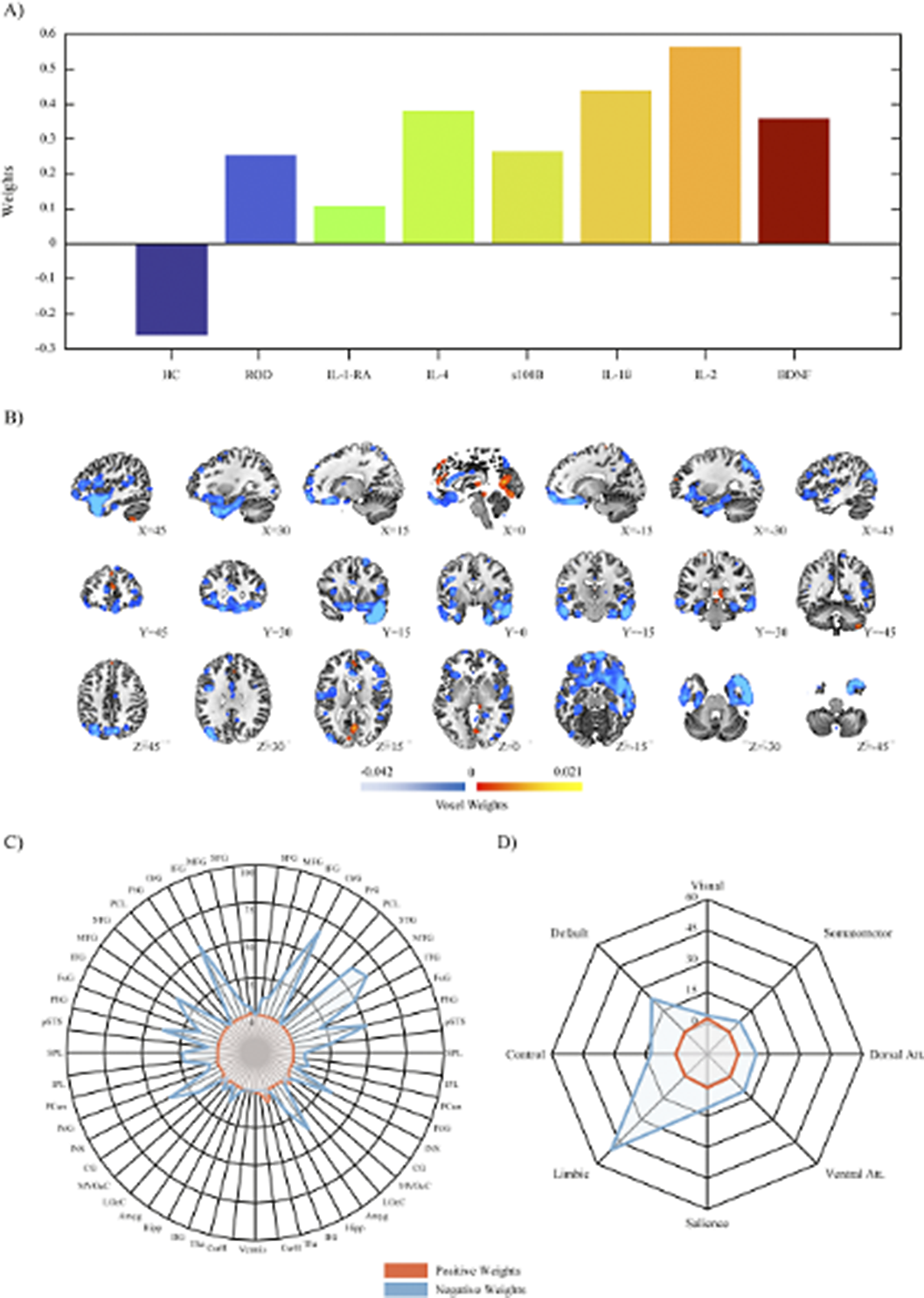
Image 3:
Conclusions
Psychosis and depression exhibit distinct multi-level signatures evident in early disease stages. Enhanced insight into these signatures could help delineate individual trajectories and potentially new mechanisms for pharmacological treatment.
Neighborhood socioeconomic status seems to be related to functioning in patients with first episode of psychosis
(FEP).
Objectives
The present study aimed to assess if neighborhood vulnerability and risk of social exclusion could predict functional outcomes in people with FEP after controlling for other key variables identified in previous literature.
Methods
A total of 137 patients with FEP (DSM-IV-TR criteria) and 90 controls comprised the study sample from February 2013 to May 2019. Functioning was assessed with the WHO Disability Assessment Schedule. Neighborhood vulnerability was measured using a multidimensional socioeconomic deprivation index; data for the index were collected by the Madrid City Council and based on the participant’s home address. Multilevel mixed-effects regression analyses were conducted to estimate the effects of neighborhood vulnerability on functioning.
Results
Our results show that FEP patients could be more vulnerable to the effects of neighborhood-level characteristics than healthy controls (B = 1,570.173; z = 3.91; Pc .001). In addition, our findings suggest that higher neighborhood vulnerability is related to greater functional disability in people with FEP, after controlling for other relevant confounders (B = 1,230.332; 2=2.59; P=.010). based on the participant’s home address. Multilevel mixed-effects regression analyses were conducted to estimate the effects of neighborhood vulnerability on functioning.
Results
Our results show that FEP patients could be more vulnerable to the effects of neighborhood-level characteristics than healthy controls (B = 1,570.173; z = 3.91; Pc 001). In addition, our findings suggest that higher neighborhood vulnerability is related to greater functional disability in people with FEP, after controlling for other relevant confounders (B = 1,280.332; z=2.59; P= 010).
Conclusions
These results highlight the importance of incorporating contextual factors into assessment of patients with FEP, since psychosocial difficulties observed In these patients could be partially related to the quality of neighborhood social-related resources.
The process of recovery of mental reactions in children after acute traumatic brain injury is determined by complex methods with an interdisciplinary approach. Studies of emotional, communicative and behavioral reactions are based on an assessment by a psychiatrist and a teacher-defectologist.
Objectives
to study mental reactions and identify predictors of positive recovery of consciousness after acute brain injury in children in early rehabilitation.
Methods
psychiatric and pedagogical examinations; also - neuroimaging data and others.
Results
Three groups of children were identified, depending on the different severity of emotional, communicative and behavioral indicators:
Group 1 (11%): The level of consciousness is minimal positive. Reactions: stable gaze fixation; emotional reaction to sound (smile) and the face of an adult; short-term tracking of the gaze of the object; the ability to touch an object and hold it; sits himself.
Group 2 (33%): The level of consciousness is minimal positive / negative, with an advantage of positive. Reactions: unstable gaze fixation; emotional reaction and involuntary movements to sound; reflex seizure of an object; sits with support.
Group 3 (56%): The level of consciousness is minimal negative. Reactions: no emotional reactions, low motor and sensorimotor activity.
Conclusions
predictors of emotional-communicative and behavioral indicators of recovery of the level of consciousness were identified: sensory and motor, cognitive and socially-oriented (orienting reactions to the voice and face of an adult, tracking the gaze of an object, sensory and motor activity, etc.). These predictors are the basis for choosing a rehabilitation program with interdisciplinary support and a treatment strategy.
Ethnicity and migration have an impact on illness models and consequently how, when and where people seek and obtain care. Early Intervention Psychosis (EIP) teams attend high rates of migrant and ethnic diverse populations but the study of ethnic differences in pathways to obtain and maintain care is still scarce . The most consistent findings are that minorities are less involved with primary services, have a higher risk of being treated in a coercive way and are at higher risk of early disengagement. Despite the increasing migration rates there has been very little investigation in Spain.
Objectives
To investigate ethno-racial differences in pathways to obtain care, adherence and engagement during their first year of follow-up of subjects who start treatment at EIP of Reus, Catalonia, Spain
Methods
Participants
This is an observational 12 months follow-up retrospective study including all consecutively subjects with First Episode of Psychosis (FEP) referred to the EIP from January 2015 to January 2019. Visible ethno-racial status was self-reported being grouped as belonging to minority ethno-racial group if they were coded “any other than White regardless of country of origin”. ‘White’ was the majority group
Study variables:
At program entry:
Source of referral
At 12- months:
Adherence to the service:
Admissions to in-patient unit
Disengagement
Results
184 FEP subjects (mean age 22.8 years and 66.1% of males) were included. Nearly 31% belonged to a minority ethno-racial group being the Maghrebi (60.4%) followed by the Latin-American (20.1%) the most frequent minority groups. The 81.2% of the minority group were first-generation migrants and 7.5% second generation migrants. The 52.2 % were referred from community services, 18.5% from emergency unit and 29.3% from inpatient unit. At follow up 64.5%, were highly adherent to EIP (> 75% of attended appointments), 16.7% required hospitalization and 11% disengaged. Multivariate analysis showed that the minority group was 2.19 times more likely to be low adherent [(95% CI 0.78-3.17; p=0.03], 2.89 times more likely to be hospitalised [(95% CI 1.20-6.98); p=0.01], and 4 times more likely to disengage from the EIP [(95% CI 1.35-11.90); p= 0.01] during follow-up than the majority group. No group differences were found in pathways to obtain care or in causes of disengagement.
Conclusions
In agreement with previous studies from other countries we found high rates of ethno-racial diversity in the EIP of Reus. In addition, we also found inequalities in the use of services, being minorities more likely to disengage, to be low adherent to the program and at greater risk of hospitalization. On contrary to other studies we did not find significant differences between groups in the source of referral to EIP
Osteoporosis (OP) prevalence is on the rise as a result of an ageing population and lifestyle factors such as inactivity. Previous research has reported OP in individuals with depressive symptoms. Furthermore, OP has been shown to be a risk factor for anxiety.
Objectives
In this study, we aimed to describe anxiety and depression symptoms among osteoporotic women in a university hospital in Tunisia.
Methods
A cross-sectional study was conducted between January and June 2023 in a university hospital in Tunisia. Women with postmenopausal OP in the rheumatology department were interviewed. A hospital anxiety and depressive scale was used to describe anxiety and depression symptoms among patients. It consists of seven items for depression (HADS-D) and seven items for anxiety (HADS-A). For each component a score ≤ 7 indicated the absence of symptomatology.
Results
Seventy-two women diagnosed with post-menopausal OP participated in the study. The mean age was 72.5 (±1.08). The median duration of menopause was 23 years (IIQ= [10.5-28.5]). All patients were receiving bisphosphonates. Fifty-eight women (80.5%) were identified with depressive symptoms. The median depression score was 17.5 (IIQ= [9-19]). Physical activity was significantly and inversely associated with the presence of depressive symptoms (r= -6.36; p=10-3). Those who were overweight or even obese had significantly more depressive symptoms than those who were not overweight (94%, 57%, p= 0.001).
The median score of anxiety was 16 (IIQ= [9-17]). Sixty-three patients (87.5%) were identified with anxiety symptoms. Physical activity was significantly and inversely associated with the presence of anxiety symptoms (r= -4.89; p=10-3). Women who had bone fractures were significantly more anxious than those without a history of bone fractures (100%, 63%, p<10-3). Patients who were overweight were significantly more anxious than those with normal weight (96%, 57%, p<10-3).
Conclusions
Physical activity and obesity were associated with depression and anxiety among osteoporotic patients. These data are consistent with previous findings That’s why, promoting physical activity and weight loss is essential to preventing mental disorders among osteoporotic women.
Sodium oxybate (SMO) has shown efficacy in the treatment of alcohol withdrawal syndrome (AWS) and in the maintenance of abstinence in alcohol dependent (AD) patients in a series of pilot randomized controlled trials. SMO is marketed in these indications in Italy and Austria since 1991 and 1999, respectively. To expand access to SMO for the treatment of AD in other EU countries and since regulatory standards have evolved, a clinical development and research project in accordance with regulatory guidelines has been initiated in the maintenance of abstinence to further support the already available data. Phase 2 and 3 studies in AD patients were conducted. Results of this development program showed efficacy of SMO in the maintenance of abstinence in AD patients. Since heterogeneity of SMO treatment effect between studies was identified, various analyses explored the potential moderators of SMO efficacy. SMO efficacy was larger in high-severity AD population and with longer treatment duration. SMO was well tolerated both in regular clinical use and in clinical trials.
Disclosure of Interest
J. Guiraud Shareolder of: Vergio, Employee of: Vergio
Sleep disturbances and suicidal behaviors are common among patients with type II bipolar disorder ( BDII), but the relationship between the two is unclear. Investigating this connection is important to identify interventions that can improve the quality of life and reduce the risk of suicide in this population.
Objectives
Our study’s objective is to examine the association between sleep disorders and suicidal behavior in patients with type II bipolar disorder (BDII).
Methods
In order to comprehensively investigate the association between sleep disturbances and suicidal behaviors among individuals diagnosed with type II bipolar disorder (TBII), we conducted a cross-sectional, descriptive, and analytical study over a duration of one month, specifically from the 1st to the 31st of October 2022. Our research was conducted within the follow-up unit of the mental health department at Nabeul Hospital, Tunisia, with the aim of capturing a diverse range of participants representative of the population of interest.
To ensure the integrity and accuracy of our findings, we meticulously selected participants who met specific eligibility criteria. This included individuals aged between 18 and 60 years, who had a confirmed diagnosis of type II bipolar disorder according to the criteria outlined in the Diagnostic and Statistical Manual of Mental Disorders (DSM V). Furthermore, we sought to include participants who were psychiatrically stable, meaning they had not required hospitalization in the six months preceding the study.
The Pittsburgh Sleep Quality Index (PSQI) was used to evaluate the participants’ sleep quality over a one-month period, while the Suicidal Behavior Questionnaire-Revised (SBQ-R) was used to assess suicidal behavior.The data was gathered through a questionnaire that prioritized ethical concerns, including obtaining informed consent from participants and maintaining confidentiality and anonymity throughout the study.
Results
In this study, we enrolled 40 male patients with a mean age of 36 ± 13.2 years and evaluated their sleep quality and suicidal behaviors. The results showed that the participants had a mean PSQI score of 7.28 ± 3.35, indicating that the overall sleep quality was not optimal. Specifically, 65% of the participants had poor sleep quality (> 5), and 45% reported poor sleep(PSQI ≥ 8) . The mean SBQ-R score was 10.3 ± 3.6, indicating a moderate level of suicidal behavior. Interestingly, we found a statistically significant correlation between PSQI and SBQ-R subscales, particularly with regard to suicidal thoughts (p=0.003) and suicide attempts (p=0.002).
Conclusions
Our study found a strong link between sleep problems and suicidal behavior in people with type II bipolar disorder. This highlights the need to address sleep issues to reduce suicide risk in these patients.
Exercise can be considered a feasible and efficient add-on treatment in schizophrenia. However, there remain two major challenges with regard to feasibility and efficiency: First, drop-out rates during exercise programs appear to be relatively high, ranging between 30 to 80 percent. Second, only between 30 and 50 percent of patients clinically respond to exercise interventions. Hence, we aimed to identify factors that predict adherence and response to exercise programs in people with schizophrenia. Based on data from 180 patients with schizophrenia enrolled in the Enhancing Schizophrenia Prevention and Recovery through Innovative Treatments (ESPRIT) C3 study, we examined clinical baseline characteristics that may predict study completion and number of attended trainings (adherence), as well es clinically relevant improvements in symptomatology and functioning (response). We found that only levels of functioning at baseline, but not symptom severity, cognitive functioning, or physical health, predicted adherence. Further, we provide preliminary evidence suggesting that patients with higher cognitive abilities and higher education who performed regular exercise already prior to the study participation were more likely to respond. To conclude, our findings indicate that exercise is particularly helpful for a subgroup of patients characterized by higher levels of functioning, higher cognitive abilities and education, and more pronounced affinity to exercise. Future studies should additionally include environmental, genetic, and neural data to predict adherence and response to exercise.
The incidence of eating disorders is increasing in Hungary and Central-Eastern Europe. The number of complex/severe cases is also increasing. Accordingly, several new unmet needs of the users and their relatives appear in the clinical care.
Objectives
As a possible response to these unmet needs, we have introduced a multifaceted care model for eating disorders. To facilitate easily accessible yet effective care close to home, a support programme with an online guided self-help tool and regular consultations with first responder psychiatrists or clinical psychologists has been introduced. For non (or partial) responders, a multi-faceted modular treatment programme has been developed with an individualised combination of different therapeutic approaches, including family therapy, dialectical behaviour therapy (DBT) specific to binge eating disorder and bulimia, CBT and the use of virtual reality as an adjunct treatment. The most severe cases are referred for (also multifaceted) inpatient treatment. In terms of research, we want to focus on the key issues for rapid, cost-effective treatment. Firstly, we want to develop an individual profiling system at the start of therapy to assess which individual combination of modules can produce a rapid therapeutic response. Secondly, we want to identify the active gamechanger elements of therapy that are associated with the greatest change in symptoms.
- in DBT groups: Eating Disorder Examination Questionnarie (EDE-Q), Three Factor Eating Questionnaire-R21, Rosenberg Self-Esteem Scale, Patient Health Questionnaire-(PHQ-9), Cognitive Emotion Regulation Questionnaire (CERQ)
- in individual therapies: Mini International Neuropsychiatric Interview (MINI) and Structured Clinical Interview for DSM 5- Alternative Model for Personality Disorders (SCIP-5-AMPD), EDI-I., Mentalization Questionnaire (MZQ), Dissociation Questionnaire (DIS-Q), Symptom Checklist-90 (SCL-90), (PHQ-9), Childhood Trauma Questionnaire (CTQ) and Young Parenting Inventory (YPI).
Results
Patient recruitment and therapies are currently underway, the first preliminary results are expected in the spring period.
Conclusions
In order to provide individualized care more effectively, it is important to identify the factors that determine which therapeutic modalities work best for the patient.
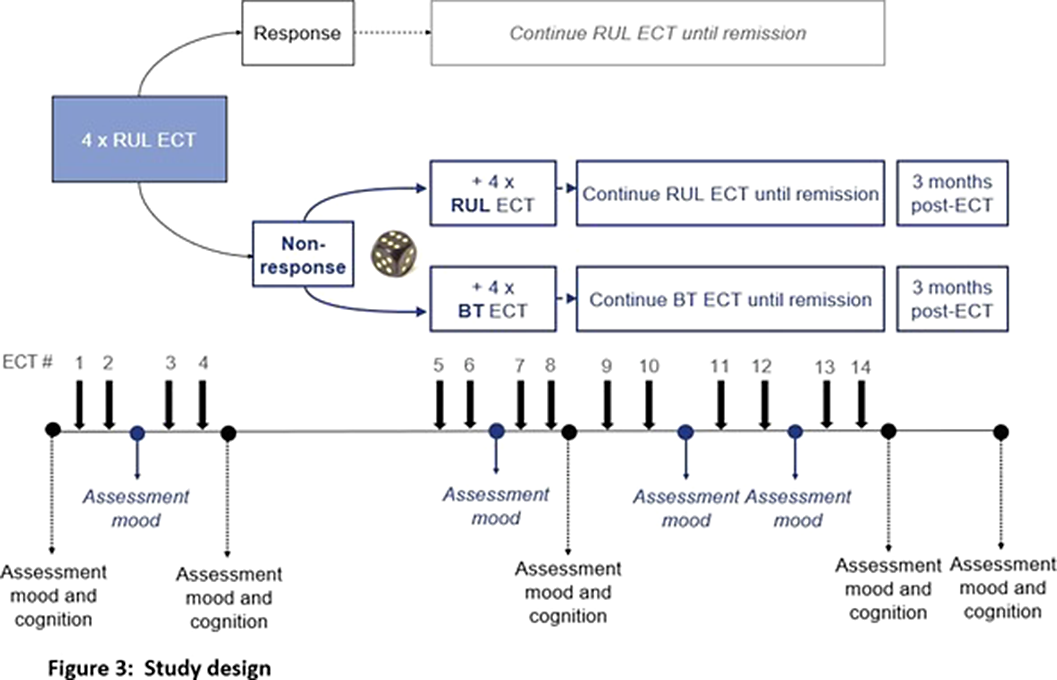
Electroconvulsive therapy (ECT) is an evidence-based treatment for difficult-to-treat depression, in which an electrical stimulus is applied via right unilateral (RUL) (Fig 1) or bitemporal (BT) electrodes (Fig 2). Current guidelines recommend to start ECT with RUL placement, except for cases where rapid response is needed. BT ECT has the reputation of exerting a stronger and faster antidepressive effect, but is associated with more pronounced cognitive side effects, as compared to RUL ECT. Recent studies, however, suggest comparable outcomes. In patients responding to ECT, most of the improvement in depressive symptom severity is witnessed early in the treatment course. In case of non-response, it is common practice to switch from RUL to BT electrode placement, although scientific evidence is lacking. As an answer to this research gap, the ChaT-trial was designed: a randomized controlled trial (RCT) to address which treatment strategy (either continue RUL ECT or switch to BT ECT) speeds up recovery with the least impact on cognitive function, in case of early non-response after 4 ECT sessions.
Objectives
1) To compare the antidepressant efficacy and cognitive effects of continuing RUL ECT vs switching to BT ECT.
2) To assess group and subject-specific trajectories of depressive symptom severity and neurocognitive performance during the acute ECT course and up to 3 months post-treatment.
Methods
This multi-center double-blind RCT includes adult patients with a uni- or bipolar depression. In case of non-response (<50% decrease of IDS-CR score (Inventory of Depressive Symptomatology-Clinician Rated)) after 4 sessions of brief-pulse high-dose RUL ECT, patients are randomized to either continue RUL ECT, or switch to brief-pulse moderate dose BT ECT until remission. Depressive symptoms are assessed by IDS-CR, Psychotic Depression Assessment Scale (PDAS) and CORE assessment of psychomotor change. An extensive neuropsychological test battery is used to assess different domains of cognitive functioning, e.g., autobiographical memory using the Colombia University- Autobiographical Memory Interview Short- Form (CU-AMI-SF)(Fig 3).
Results
Our hypotheses are: (1) continuing RUL ECT is non-inferior to switching to BT ECT in terms of depressive symptom severity, and (2) continuing RUL ECT is superior to switching to BT ECT in terms of cognitive side effects.
Image:
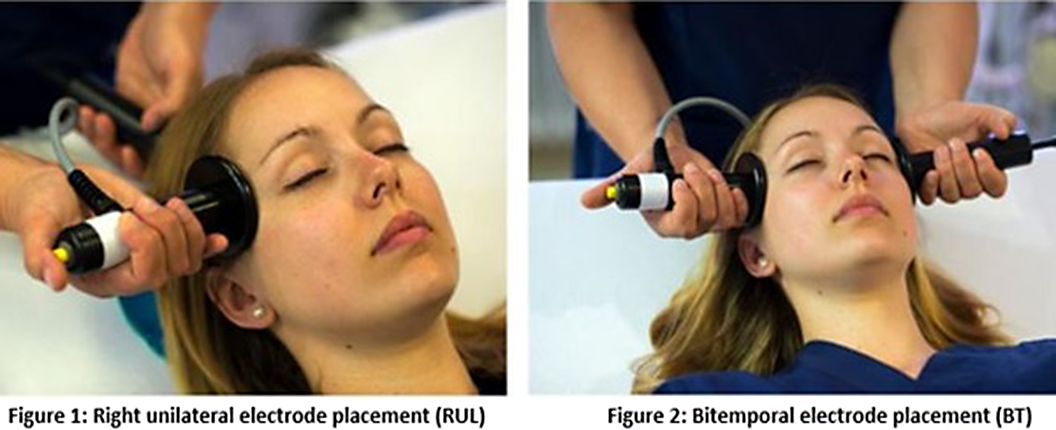
Image 2:
Conclusions
The ChaT-trial is the first RCT comparing antidepressant efficacy and cognitive effects of continuing RUL ECT with switching to BT ECT in case of early non-response during an acute ECT-course. The results may optimize clinical decision making, speeding up recovery, while minimizing cognitive side effects.
Anhedonia (loss of ability of experience pleasure) is a transdiagnostic symptom which is presented as a prominent complain in several psychiatric disorders, such as depressive disorders, schizophrenia, bipolar disorder, addictive disorders, certain personality disorders etc. Specific instruments for assessment of anhedonia have been published in the international literature but their Hungarian versions are not available so far, however, the prevalence of affective disorders and suicide are also high in Hungary. The Snaith-Hamilton Pleasure Scale (SHAPS) is an instrument developed in 1995 (Snaith et al. Br J Psychiatry1995;167:99-103) which purposley has been constructed with items that can be easily translated into other languages.
Objectives
The aim of our study was to translate the 14 items into Hungarian and analyse its reability and sensitivity in a Hungarian sample consists of patinets and control persons. Further aim was to explore the differences of anhedonia profiles among diagnostic categories and subgroup of major disorders.
Methods
We recruited 170 subjects (101 controls and 59 patients; 78 men and 82 women; mean age=37,9±6,1y) into our study. Among the patients there were 27 subjects with major depressive disorer (MDD), 10 subjects with bipolar disorder (BD), 9 patients with schizophrenia (SCZ), 6 patients with addictive disorder (AD) and 7 patients with anxiety disorder (ANX)±. We created two major subgorups from the dfferent diagnostic categories: affective and psychotic subgroups to compare the anhedonic profiles. Differences of mean values between case and control, men and women and subgroups were analysed by t-tests and diganostic categories by ANOVA tests performing in SPSS 20.0 software.
Results
Among the MDD, the BD, the SCZ, the AD and the ANX groups, patients with MDD produced the highest score (6.9±3.5; 3.9±2.4; 5.9±3.9; 2.8±2.7;2.3±1.8, respectively), while controls prohibited 1.6±1.3. The case group scored significantly higher on the SHAPS than the control group (5.3± 3.6 vs. 1.6±1.3; p=0.0001). The means of SHAPS did not differ significantly between the affective subgroup and the psychotic subgroup (6.0±3.7 vs. 4.8±3.2; p=0.24). Among the subgroup of women, the age was significantly associated with the SHAPS score (p=0,04), however, this association has been not detected in men.
Conclusions
The Hungarian version of the SHAPS detected marked difference between cases and controls with good reliability and sensitivity. The instrument can be useful in daily clinical routin becuase subjects could fill it easily and quickly. In case of patients with pronounced anhedonia, treatments with spcifically targeting anhedonia can be preferred (e.g. rTMS as it was demonstrated in our earlier publications, see Lazary et al. Sci Rep 2021,11:8867; Elemery et al. Front Psychiatry 2022, 13:806731). This study was supported by the grant EFOP 5.6.2.
Impairments in energy metabolism, glutamate neurotransmitter and antioxidant systems contribute substantially in development of schizophrenia spectrum disorders, especially in late-onset psychosis (LOP).
Objectives
Revealing subgroups of patients with LOP by determining activity of platelet enzymes of energy, glutamate, and glutathione metabolism.
Methods
62 women of 52-89 years old were studied, with late onset schizophrenia spectrum disorders (F20.0, F25, F22.0, F06.2 by ICD-10). PANSS with its subscales was used to assess the severity of psychotic symptoms. Scores by PANSS and activity levels of platelet cytochrome c-oxidase (COX), glutamate dehydrogenase (GDH), glutathione reductase (GR) and glutathione-S-transferase (GST) were evaluated twice: before and on the 28-th day of antipsychotic treatment. Activities of COX, GDH, GR, and GST were measured in 37 women of 50-84 years old comprising the control group.
Results
Clustering of patients by the enzymatic activities resulted in 2 clusters (C1 and C2) significantly different by COX and GST (p<0.001). In C1 (n=40), as compared with control, reduced level of GDH activity before and after treatment (p=0.049 and p=0.032, respectively) and a reduced level of GR activity before treatment (p=0.026) were revealed. In C2 (n=22), as compared with the control, COX activity was increased before and after treatment (p=0.0001), GDH activity was decreased before and after treatment (p=0.0002 and p=0.0001, respectively), and GST activity was decreased before and after treatment (p=0.029 and p=0.0029, respectively). GR activity was not significantly changed in both clusters. Significant correlations were found between enzymatic activities and scores by psychometric scales: in C1, GR activity positively correlated with the score reduction (delta) by PANSS-Pos (R=0.45, p=0.004), by PANSS-Psy (R=0.44, p=0.005), and by PANSS (R=0.47, p=0.002), and GST activity – with the score reduction by PANSS-Psy (R=0.315, p=0.048). In C2 (n=22), GDH activity negatively correlated with the score reduction by PANSS-Pos (R=-0.41, p=0.050) and by PANSS (R=-0.49, p=0.021).
Conclusions
The different correlations revealed in two separated clusters between enzymatic activity levels and clinical measures characterizing the antipsychotic treatment efficacy will allow us to approach differentiated predicting the effectiveness of pharmacotherapy using the biochemical parameters.
The negative impact of adverse childhood experiences (ACEs) on mental health has been well documented. While most of the evidence comes from samples of adolescents and young adults, few studies have investigated whether ACEs contribute to poorer mental health among older adults. In particular, depressive symptoms are common in old age, and they display heterogeneous patterns of development across individuals. Therefore, it is important to examine if ACEs are predictive of distinct trajectories of depressive symptoms among older adults.
Objectives
Using longitudinal data from the English Longitudinal Study of Ageing (ELSA), we aimed to examine if ACEs could differentiate between distinct trajectories of depressive symptoms over eight years in community-dwelling older adults.
Methods
Participants from ELSA aged 60 or above who reported no psychiatric diagnoses and completed the items of ACEs at baseline (wave 3) were included in the current study. Nine items of ACEs were subject to a principal component analysis to identify the underlying subtypes. Data of depressive symptoms from waves 3 to 7 (2-year apart), assessed with the 8-item Centre for Epidemiological Studies Depression Scale, were extracted for modelling the distinct trajectories using latent class growth analysis. The trajectories were predicted by subtypes of ACEs using multinomial logistic regression, adjusting for childhood socioeconomic status, sex, age and ethnicity.
Results
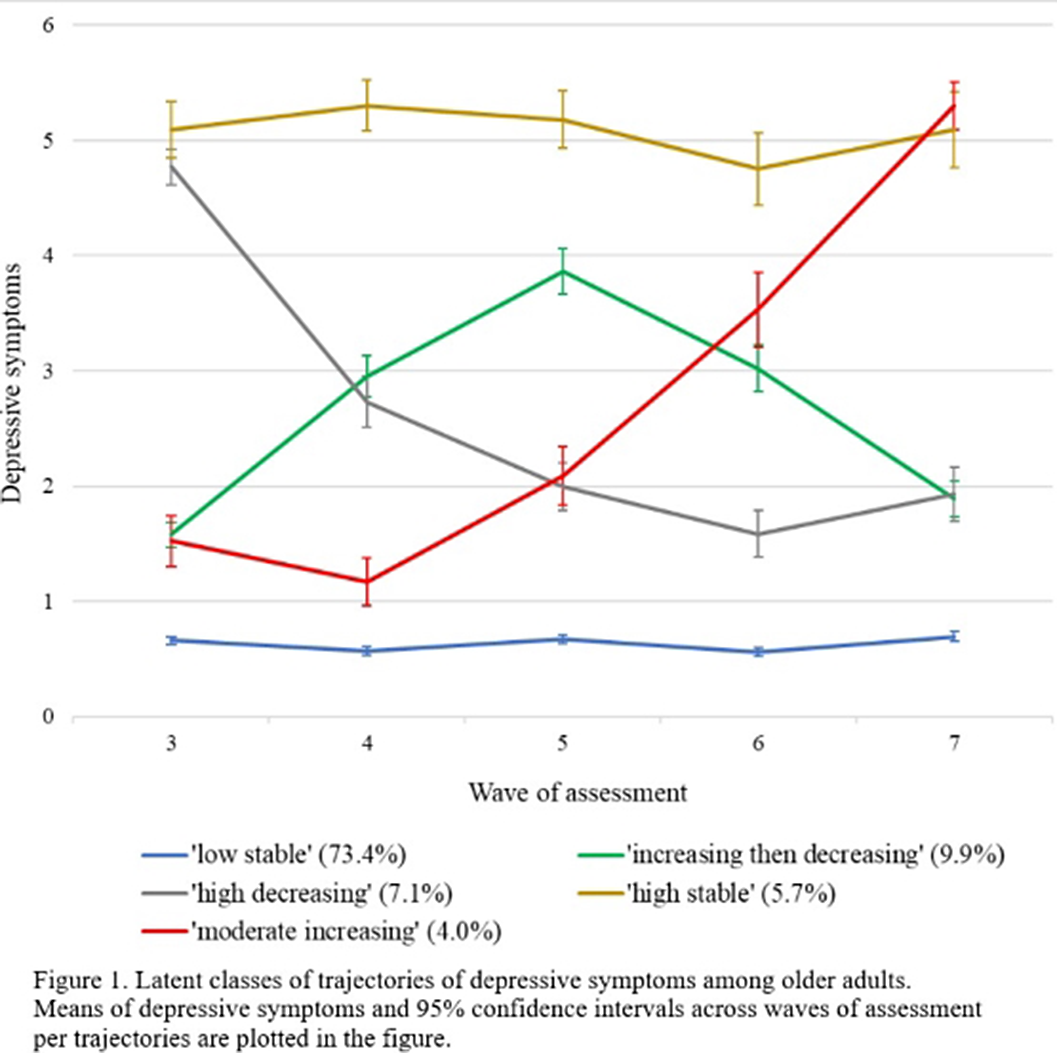
The final sample consisted of 4057 participants (54.4% female, mean age= 71.34 (SD= 8.14)). We identified five trajectories of depressive symptoms (Figure 1): ‘low stable’ (73.4%), ‘increasing then decreasing’ (9.9%), ‘high decreasing’ (7.1%), ‘high stable’ (5.7%) and ‘moderate increasing’ (4.0%). Four subtypes of ACEs (i.e., sexual abuse, separation from natural parents, family dysfunction and physical assault) were evident. Compared to the ‘low stable’ group, higher levels of family dysfunction were reported in the ‘increasing then decreasing’ (aOR = 1.35, 95% CI [1.10 - 1.66], p = .012), ‘high stable’ (aOR = 1.59, 95% CI [1.30 - 1.96], p < .001) and ‘moderate increasing’ (aOR = 1.55, 95% CI [1.18 - 2.04], p = .011) groups. The ‘high stable’ group also reported a higher level of separation from natural parents than the ‘low stable’ group (aOR = 1.34, 95% CI [1.04 - 1.72], p = .047). Sexual abuse and physical assault did not predict any group differences.
Image:
Conclusions
Distinct trajectories of depressive symptoms among older adults were predicted by family dysfunction in childhood. Our findings suggested that the negative impact of ACEs on mental health may extend beyond adolescence and young adulthood into the old age.
