To save content items to your account,
please confirm that you agree to abide by our usage policies.
If this is the first time you use this feature, you will be asked to authorise Cambridge Core to connect with your account.
Find out more about saving content to .
To save content items to your Kindle, first ensure no-reply@cambridge.org
is added to your Approved Personal Document E-mail List under your Personal Document Settings
on the Manage Your Content and Devices page of your Amazon account. Then enter the ‘name’ part
of your Kindle email address below.
Find out more about saving to your Kindle.
Note you can select to save to either the @free.kindle.com or @kindle.com variations.
‘@free.kindle.com’ emails are free but can only be saved to your device when it is connected to wi-fi.
‘@kindle.com’ emails can be delivered even when you are not connected to wi-fi, but note that service fees apply.
Energy security has become a central concern for all the countries in the Asian region and the search for sufficient sources of energy to fuel economic growth has drastically influenced relations among the South Asian countries as well as their respective relations with their neighbours China, Myanmar, Iran, and Afghanistan. The recent nuclear deal between India and the US is also indicative of how energy and power politics are linked and how these new inter-linkages underlie relations between states. This book aims to give a South Asian perspective on the geopolitics of energy, with a central focus on India. The chapters address show India's global and regional foreign policy making has changed in light of India's search for energy and how this is affecting the relationship on a global level between India and the US, as well as on a regional level between India and the other Asian countries. The book also offers views from Pakistan and Bangladesh, as well as how this shifting reality is affecting relations between India and Southeast Asia.
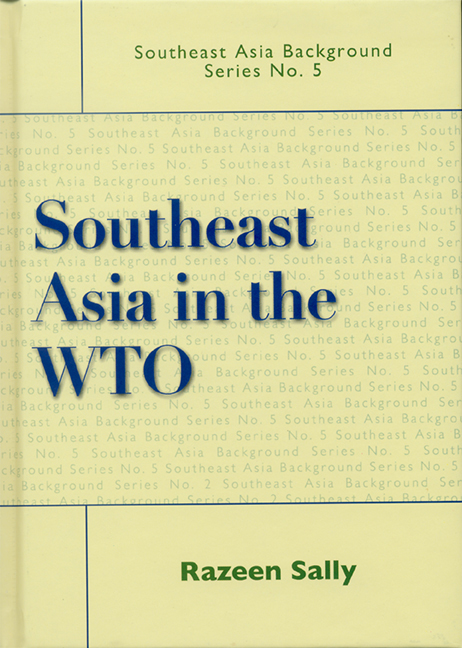
In this large-scale ISEAS study, Razeen Sally looks at Southeast Asia in the World Trade Organization, against the background of national trade policy trends post-Asian crisis, sluggish ASEAN economic integration, and the recent high-speed proliferation of bilateral and regional trade negotiations. ASEAN co-operation in the WTO has broken down, with little prospect of revival. Nevertheless, Sally argues forcefully that Southeast Asia needs a liberal, rules-based multilateral trading system; and that the WTO needs active Southeast Asian participation. ASEAN countries should forge multiple coalitions, revolving around the United States and China, to restore workability and purpose to a lame, crisis-ravaged WTO. This would provide headwind for what matters most: unilateral (national) trade-and-investment liberalization and pro-competitive regulatory reforms to revive and enhance policy competitiveness in the region.
This book examines the growing interdependence between ASEAN and Korea and the political and economic realities governing the relationship. Leading experts from ASEAN and Korea discuss the emerging issues in areas of domestic and regional security environments, non-traditional security, regional trade arrangements, Korean relations with the new ASEAN member states, and the prospects of community-building with special reference to the roles of Korea and ASEAN. It also provides a serious and thought-provoking evaluation of future ASEAN-Korea relations in light of the growing trend towards East Asian regionalism.
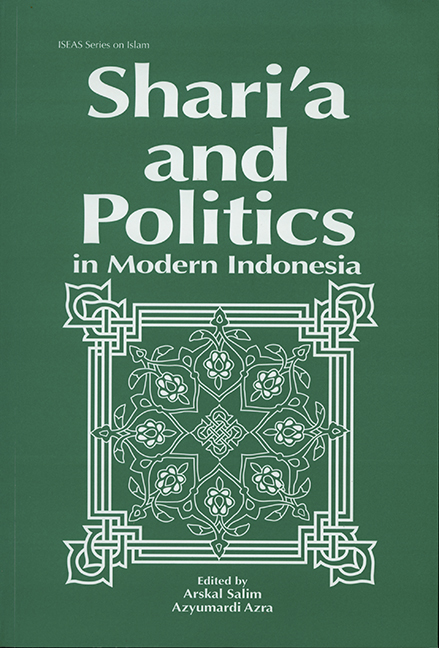
After the fall of President Soeharto, there have been heightened attempts by certain groups of Muslims to have shari'a (Islamic law) implemented by the state. Even though this burning issue is not new, it has further divided Indonesian Muslims. The introduction of Islamic law would also affect the future of multi-cultural and multi-religious Indonesia. So far, however, the introduction of shari'a nationwide has been opposed by the majority of Indonesian Muslims. This book gives an overview of shari'a from post-Independence in 1945 to the most recent developments in Indonesia at the start of the new millennium.
In 1999, Indonesia embarked on a reform of regional governance that brings self-governance to rural districts and municipalities, i.e., the administrative and democratic capacity needed to apply basic services like healthcare, national legislation and environment policies. This edited volume is the first book, which not only deals with the 1999 legislation but also shows how the deficiencies and contradictions of this legislation reduced implementation between 2001 and 2004 to a try-out. The book also discusses the adaptations that were the focus of the debate on the revision of the 1999 legislation that resulted in the 2004 update legislation and the amendment of the 1945 Constitution. Anthropological case studies of five provinces complement and deepen the findings of the more general survey reports.
Credit and debt are practical concerns of all times and places. They are also increasingly important topics in economic history and the social sciences, from Marcel Mauss and the anthropology of the gift to the urgent quest for understanding of today's global credit crunch. This volume brings together eight essays on credit and debt in the history of Indonesia, where for centuries debt and debt bondage played central roles in the organization of society, and where efforts to combat 'usury' and free peasants from indebtedness were central to the ethical and nationalist movements of the late colonial period. Topics range from the inscriptions of ninth-century Java to the first global financial crisis in 1930, and from Islamic laws against the charging of interest to the role of Chinese temples and Dutch church charities as credit providers. The history of credit and debt in Indonesia is examined from a wide variety of perspectives - legal, institutional, and cultural as well as economic. Attention is paid to parallels and contrasts with more recent developments, including the Asian financial crisis of 1997 and Indonesia's rise to fame as a pioneer of the current global microfinance revolution.
Southeast and East Asian countries are undergoing varying stages of population ageing. The social, economic and political implications of population ageing will be enormous, and because of the fast speed of ageing in the region, the countries cannot afford the luxury of time for the gradual evolution of social and structural support systems and networks for the older population. The essays in this volume critically examine national ageing policies and programmes, the sustainability of existing pension systems, housing and living arrangements, inter-generational transfer, and aspects of quality of life of the elderly population. While the findings show that most Southeast Asian countries have started to formulate and implement national ageing policies, they also indicate that the existing policies are by and large inadequate and underdeveloped in serving the needs of the older population and indeed much more must be done to prepare for the future.
Southeast Asian Affairs, of which there are now twenty-five in the series, is a review of significant developments and trends in the region, with particular emphasis on ASEAN countries. The publication aims primarily at giving the enquiring reader a broad grasp of current regional affairs. Readable and easily understood analyses are made of major political, economic, social, and strategic developments within Southeast Asia.The contributions can be divided into two broad categories. There are those which review and comment upon major developments during 1997 in individual Southeast Asian countries and in the region generally. Then there are the articles of more specialized current interest which deal with topical problems of concern in the individual Southeast Asian countries or the region as a whole. Specialists on Southeast Asian matters, the contributors to this volume represent a broad spectrum of interests including economics, history, political science, international relations, law, demography, and sociology. Although the subject matter is extensive in range, most of the articles in this volume relate in various ways either to the changing circumstances of international politics or to economic developments in the region.This volume contains twenty articles, dealing with such major themes as international conflict and co-operation, political stability, and economic growth and developments.
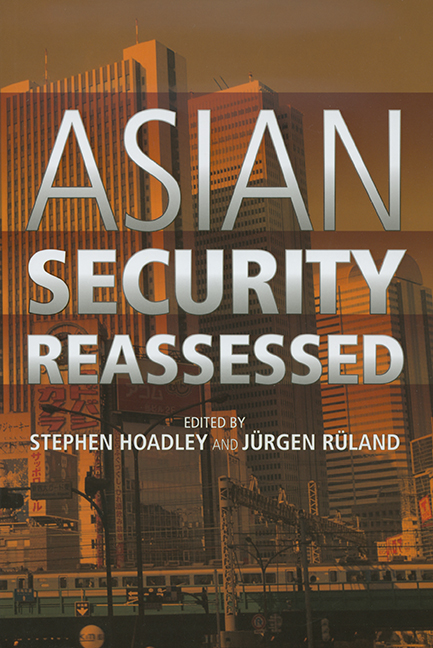
This book traces changes in the concept of security in Asia from realist to cooperative, comprehensive, and human security approaches, and assesses a number of policy alternatives to management of both old and new security threats. It surveys not only orthodox security threats such as tensions between regional powers or armed ethnic antagonists but also new sources of anxiety such as resource scarcity, economic instability, irregular migration, community fragmentation, and international terrorism. Security policies of major powers such as China, Japan, and the United States, and the moderating roles of regional organizations such as ASEAN, ARF, SCO, and KEDO are evaluated in historical and contemporary perspectives. Contributors proffer policy-relevant insights where appropriate. The book concludes that traditional security approaches remain valid but need to be adapted to the new challenges, and offers suggestions for incorporating fresh Asian security perceptions into the agendas of policy-makers, analysts, and scholars.
The region's most powerful organization, ASEAN, is being challenged to ensure security and encourage democracy while simultaneously reinventing itself as a model of Asian regionalism.Should ASEAN's leaders defend a member country's citizens against state predation for the sake of justice - and risk splitting ASEAN itself? Or should regional leaders privilege state security over human security for the sake of order - and risk being known as a dictators' club? Should ASEAN isolate or tolerate the junta in Myanmar? Is democracy a requisite to security, or is it the other way around? How can democratization become a regional project without fi rst transforming the Association into a "peoplecentered" organization? But how can ASEAN reinvent itself along such lines if its member states are not already democratic?How will its new Charter affect ASEAN's ability to make these hard choices? How is regionalism being challenged by transnational crime, infectious disease, and other border-jumping threats to human security in Southeast Asia? Why have regional leaders failed to stop the perennial regional "haze" from brush fi res in democratic Indonesia? Does democracy help or hinder nuclear energy security in the region?In this timely book - the second of a three-book series focused on Asian regionalism - ten analysts from six countries address these and other pressing questions that Southeast Asia faces in the twenty-first century.
There are a number of excellent studies by eminent Myanmar economists as well as scholars from abroad covering different post-war periods and/or various aspects of development in Myanmar. What this book does is to bring them altogether, as it were, under one roof by recasting bits and pieces of their work according to the author's own understanding. In doing so, a holistic approach was adopted in order to have a well-rounded account of developments over the past fifty years or more. In addition, an attempt has also been made to present the major developments at different periods of time between 1948 and 2000 in a simple, but not over simplified, reader-friendly format so as to reach as wide an audience as possible. It is the author's ardent wish that not only students and policy-makers, but Myanmar people in all walks of life will read the book, discuss it, and work together for a better future.
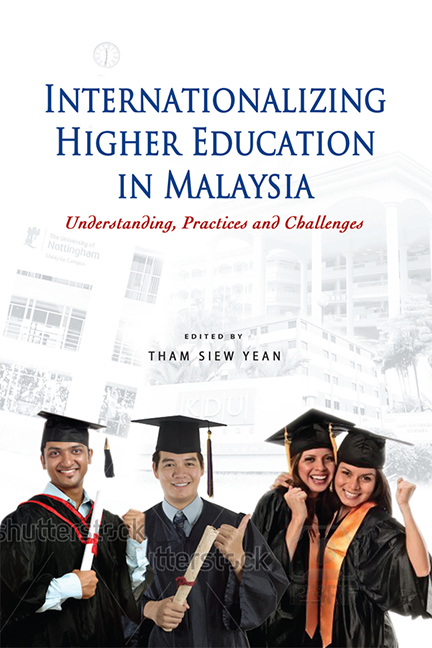
This book examines the understanding, practices and challenges that Malaysia's higher education institutions face in their efforts to internationalize higher education at their respective institutions. This issue is of great importance to academics, policy-makers and students in institutions of higher learning in Malaysia, given the country's aspiration to become a hub for higher education. Malaysia is considered to be one of the success stories in the developing world in its efforts to internationalize its higher education. In the last decade or so, Malaysia has evolved into an emerging contender for international students, based on its transnational programmes and relative cost advantages. Increasing inflows of international students have changed Malaysia's position in the global arena from a sending to a receiving country as well. The findings in this book show that providers and students alike agree that internationalization is here to stay and that there are huge challenges ahead, while managing internationalization remains a prerogative for both institutions and the country. The lessons garnered from Malaysia's experience will also assist other developing countries that are embarking on the same internationalization journey.
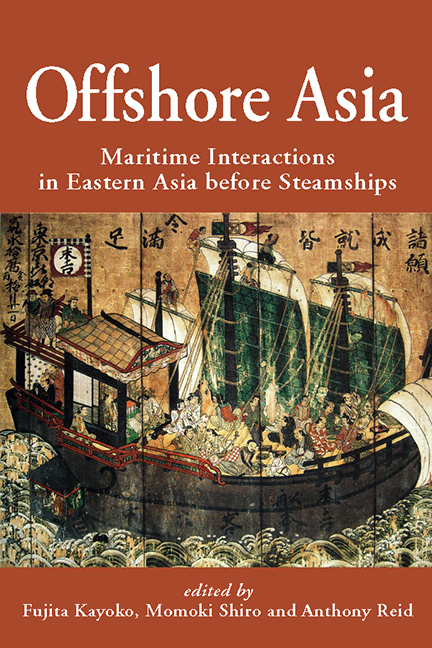
This exemplary work of international collaboration takes a comparative approach to the histories of Northeast and Southeast Asia, with contributions from scholars from Japan, Korea and the English speaking academic world. The new scholarship represented by this volume demonstrates that the vast and growing commercial interactions between the countries of eastern Asia have long historical roots. The so-called 'opening' to Western trade in the mid-nineteenth century, which is typically seen as the beginning of this process, is shown to be rather the reversal of a relatively temporary phase of state consolidation in the long eighteenth century.
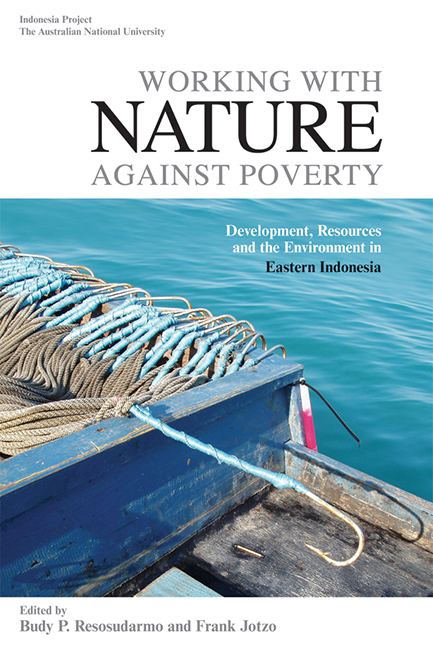
With its low incomes, lagging social indicators and widespread poverty, eastern Indonesia epitomizes the problems of development in Indonesia. The challenge is to advance the economy. But this means more intensive use of natural resources, placing pressure on the region's unique ecosystems. This book explores the trade-offs and synergies between development, social concerns and the environment in Papua, Maluku and East Nusa Tenggara. It is written by leading scholars and experts on the region. They investigate the dilemmas of fishing in eastern Indonesia's seas, the strategies and challenges for mining and forestry, and the efforts to tackle biodiversity conservation and climate change. The book lays out the challenges for development, public administration and public health in Papua. It maps Maluku's road to recovery from conflict. And it examines ways to alleviate poverty in the desperately poor province of East Nusa Tenggara. The book provides an overview of the economy of each of these provinces, making it an essential resource for anyone interested in the challenges of development and environment in eastern Indonesia.
This book provides a detailed understanding of the energy situation in ASEAN and analyses the key aspects of the energy strategies and policies of the member countries in broader regional and international perspectives. It presents a regional comparative analysis of the energy demand pattern, the prospects for regional oil and gas production, the future of the regional refining sector, and various policies adopted to overcome the problems created by energy crises in the region. The challenges of the energy sector in the ASEAN countries — Indonesia, Malaysia, Philippines, Singapore, and Thailand — are then examined in greater detail.
This book traces the beginning of the process of nation-formation, the struggle for independence, the hopeful beginning of the new nation-state of Indonesia only to be followed by hard and difficult ways to remain true to the ideals of independence. In the process Indonesia with its sprawling archipelago and its multi-ethnic and multi-religious nation has to undergo various types of crisis and internal conflicts, but the ideals that have been nurtured since the beginning when a new nation began to be visualized remain intact. Some changes in the interpretation may have taken place and some deviations here and there can be noticed but the literal meaning of the ideals continues to be the guiding light. In short this is a history of a nation in the continuing effort to retain the ideals of its existence.
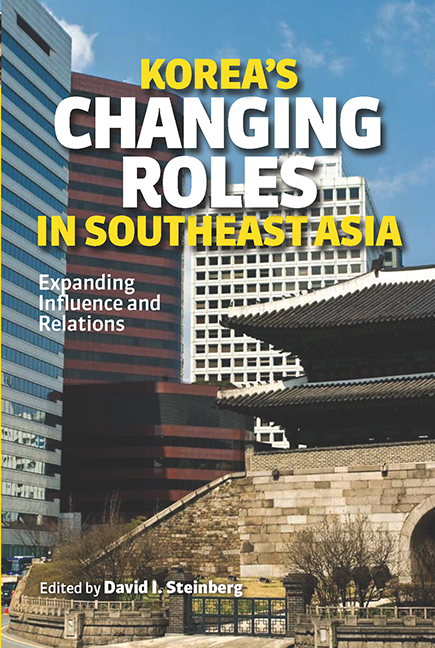
The Republic of Korea's global expansion has been mirrored by its interest and presence in Southeast Asia. From trade, investment, aid, tourism, to the cultural "Korean wave", its various roles have blossomed and its influence has grown. The ASEAN region has not only affected Korean foreign policy, but also many aspects of Korean life, from the migration of Southeast Asian industrial workers to marriages and the curricula of academic institutions. This volume explores various aspects of these new relationships and their importance to all concerned parties. It brings together a group of specialists who have documented the growing interlocking roles between Korea and ASEAN and its constituent states in detail. These developments have profound implications for relations in the East and Southeast Asian regions, and for the world as a whole.
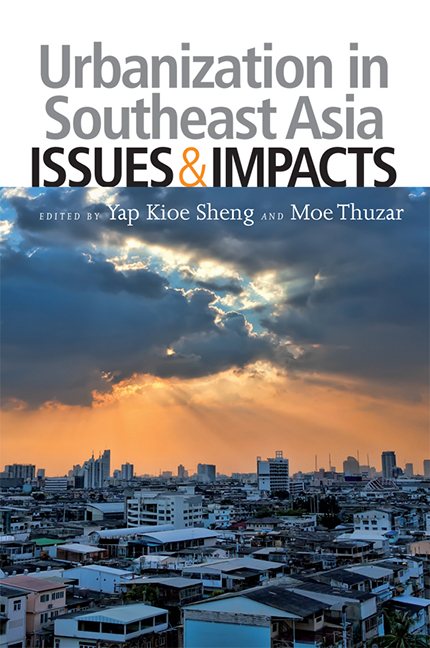
Urbanization occurs in tandem with development. Countries in Southeast Asia need to build - individually and collectively - the capacity of their cities and towns to promote economic growth and development, to make urban development more sustainable, to mitigate and adapt to climate change, and to ensure that all groups in society share in the development. This book is a result of a series of regional discussions by experts and practitioners involved in the urban development and planning of their countries. It highlights urbanization issues that have implications for regional - including ASEAN - cooperation, and provides practical recommendations for policymakers. It is a first step towards assisting governments in the region to take advantage of existing collaborative partnerships to address the urban transformation that Southeast Asia is experiencing today."Urbanization in Southeast Asia: Issues and Impacts is a landmark study on the increasingly urbanized condition of Southeast Asia. It is important because it presents a powerful argument for the role of regional action in developing policy and practical responses to the challenges of urbanization. Thus it offers important lessons for other parts of the world. This study, written by expert authors from within the region, outlines the challenges of urban sustainability, liveability and economic growth that Southeast Asia faces in the 21st century. Thus it provides a valuable roadmap for all concerned with the future of urbanization in Southeast Asia."—Professor Terry McGee, Professor Emeritus, University of British Columbia, Vancouver, B.C., Canada
Launched in 1992, Regional Outlook is an annual publication of the Institute of Southeast Asian Studies, published every January. Designed for the busy executive, professional, diplomat, journalist, or interested observer, Regional Outlook aims to provide a succinct analysis of current political and economic trends shaping the region, and the outlook for the forthcoming two years. This forward-looking book contains focused political commentaries and economic forecasts on all ten countries in the Association of Southeast Asian Nations (ASEAN), as well as a select number of topical pieces of significance to the region.
This study underlines the importance of the literary context and places it on par with structural literary analysis. It traces the socio-political changes in Malaysia from the days of British colonialism with its restrictive Malay educational policy and the role played by Malay teachers and journalists, to the present period.