To save content items to your account,
please confirm that you agree to abide by our usage policies.
If this is the first time you use this feature, you will be asked to authorise Cambridge Core to connect with your account.
Find out more about saving content to .
To save content items to your Kindle, first ensure no-reply@cambridge.org
is added to your Approved Personal Document E-mail List under your Personal Document Settings
on the Manage Your Content and Devices page of your Amazon account. Then enter the ‘name’ part
of your Kindle email address below.
Find out more about saving to your Kindle.
Note you can select to save to either the @free.kindle.com or @kindle.com variations.
‘@free.kindle.com’ emails are free but can only be saved to your device when it is connected to wi-fi.
‘@kindle.com’ emails can be delivered even when you are not connected to wi-fi, but note that service fees apply.
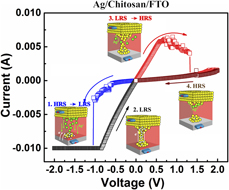
Chitosan has attracted significant attention in the past decade because of its potential applications in water engineering, the food and nutrition technology, the textile and paper industries, and drug delivery. Recently, a particularly interesting application of chitosan has been proposed in transparent flexible electronic devices, including memristors and transistors. In this work, the resistive switching (RS) effect of chitosan thin films in a capacitor-like structure with Ag and Al as alternative top electrodes was studied. Both the devices showed a bistable RS effect under an external electric field with a high endurance of 102. The electrical conduction and RS mechanisms of chitosan-based devices were investigated. The trap-controlled space charge–limited current was responsible for electrical transport at the low-resistance state of both devices, while direct tunneling and Schottky emission at the high-resistance state were related to Ag/chitosan/fluorine-doped tin oxide (FTO) and Al/chitosan/FTO, respectively. The RS mechanism of the Ag/chitosan/FTO device was attributed to the formation and dissociation of Ag filaments through the dielectric layer, whereas the change in the barrier height at the Al and chitosan interface under an external electric field could control the RS mechanism of the Al/chitosan/FTO device.
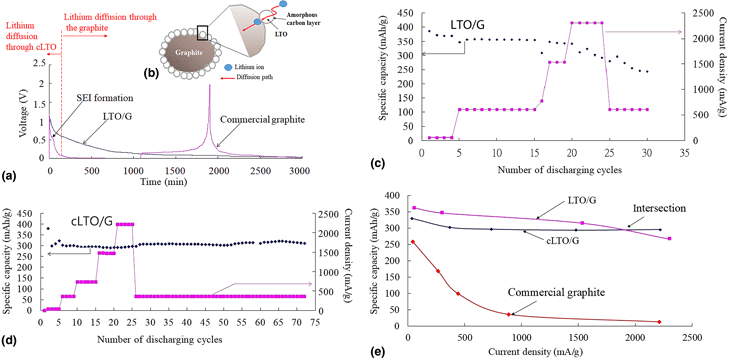
This research utilizes anatase TiO2 incorporated with lithium salt via a simple wet physical method to surface-modified the commercial graphite to form the lithium titanate/graphite composite coated with an amorphous carbon layer on its surface (the double core–shell structure) to enhance its surface conductivity. This double core–shell structure provides a stable specific capacity about 280 mAh/g under the high current density, 2.25 A/g with 15% capacity retention decay. Its intercalation potential is below 1 V that is much lower than that of 1.55 V, the intercalation potential of spinel Li4Ti5O12, to make higher power and energy density for a full cell.
We fabricated a van der Waals heterostructure of WS2–ReSe2 and studied its charge-transfer properties. Monolayers of WS2 and ReSe2 were obtained by mechanical exfoliation and chemical vapor deposition, respectively. The heterostructure sample was fabricated by transferring the WS2 monolayer on top of ReSe2 by a dry transfer process. Photoluminescence quenching was observed in the heterostructure, indicating efficient interlayer charge transfer. Transient absorption measurements show that holes can efficiently transfer from WS2 to ReSe2 on an ultrafast timescale. Meanwhile, electron transfer from ReSe2 to WS2 was also observed. The charge-transfer properties show that monolayers of ReSe2 and WS2 form a type-II band alignment, instead of type-I as predicted by theory. The type-II alignment is further confirmed by the observation of extended photocarrier lifetimes in the heterostructure. These results provide useful information for developing van der Waals heterostructure involving ReSe2 for novel electronic and optoelectronic applications and introduce ReSe2 to the family of two-dimensional materials to construct van der Waals heterostructures.
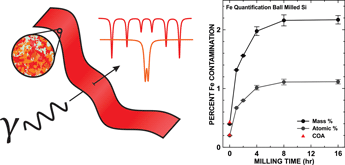
Quantitative Fe content determination of powders by Mössbauer spectroscopy is described. In this method, powder samples and internal standard are combined homogeneously in a plastic film ensuring a thin absorber. This method was verified by quantifying the Fe content of a series of samples and independently confirming by inductively coupled plasma optical emission spectroscopic analysis. Additionally, for the first time, Fe contamination in ball-milled Si as a function of milling time was quantified. It was found that Fe contamination increased with time but surprisingly became steady state at 1.12 ± 0.04 at.% Fe after grain size reduction.
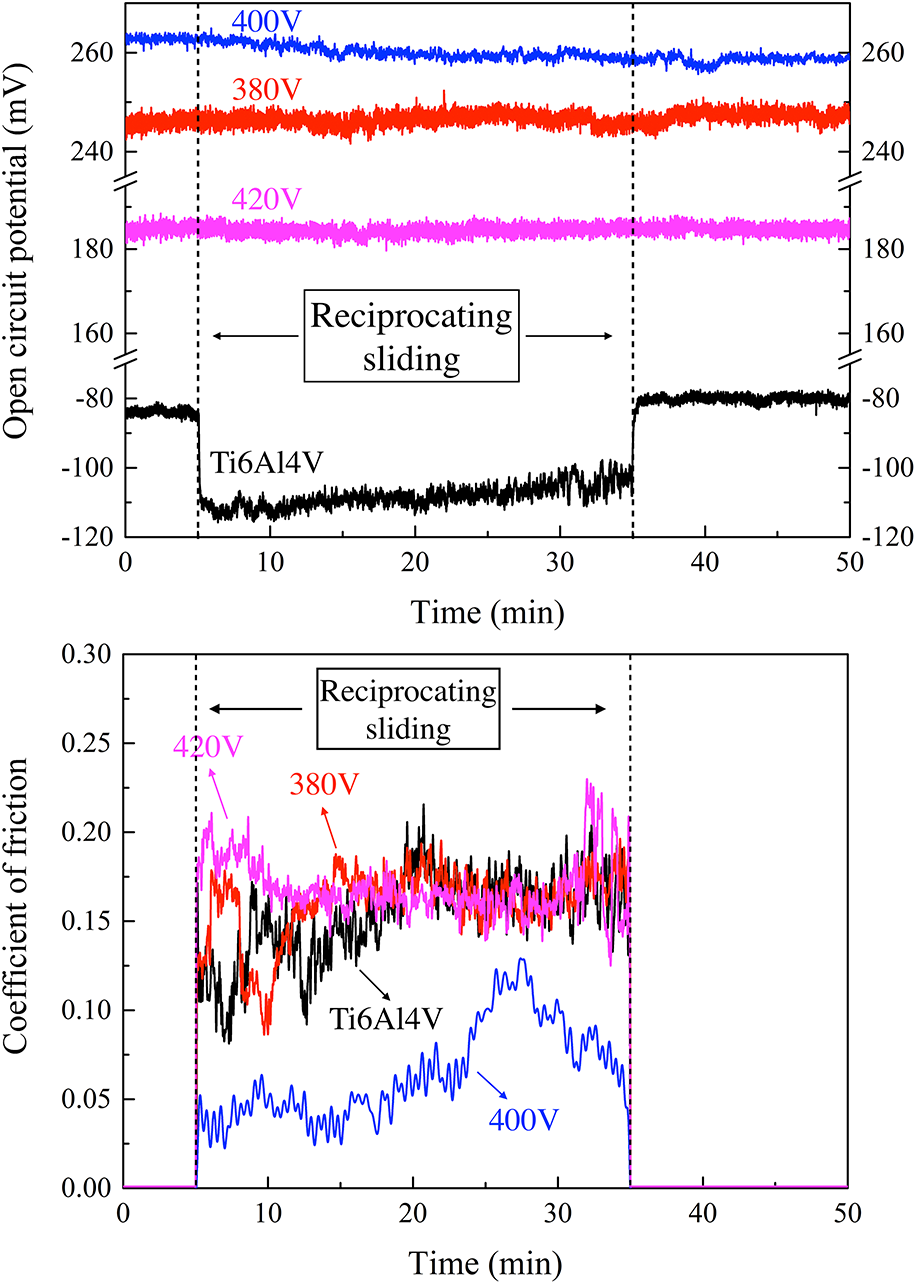
In this study, coatings containing Ca and P elements on Ti6Al4V alloy were fabricated by micro-arc oxidation at different applied voltages. Subsequently, evaluation of the phase structure, morphology, element composition, corrosion mechanism, and tribocorrosion behavior of these coatings was performed. The results showed that the coatings consisted of rutile TiO2 and anatase TiO2. The ratio of rutile/anatase, surface roughness, and hardness increase with the increase of applied voltage. Electrochemical impedance spectroscopy results indicated the corrosion resistance of coatings in simulated body fluid of 400 V > 380 V > 420 V. The open circuit potential of sample 400 V declined during the tribocorrosion test. Sample 420 V possessed the highest wear volume after the tribocorrosion process. The tribocorrosion mechanism of samples 380 and 420 V was mainly confirmed as the wear effect, and the decline of corrosion resistance due to the micro-cracks formed during the abrasive wear of the coating accounts for the tribocorrosion mechanism of sample 400 V.
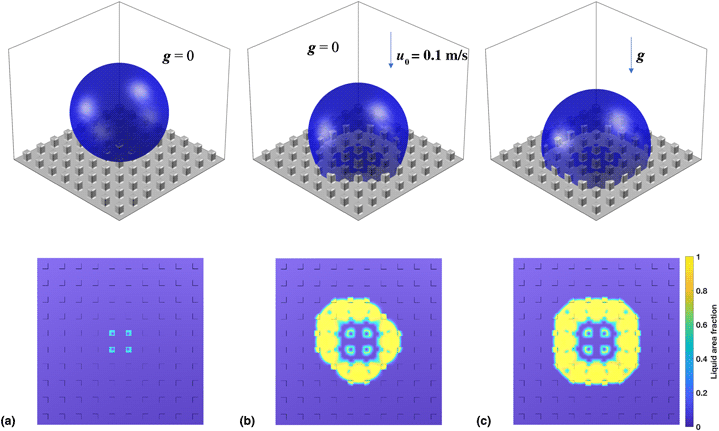
When the Cassie–Baxter and Wenzel states coexist for a liquid droplet on a micropatterned surface, the Cassie-to-Wenzel transition takes place if the energy barrier is overcome. Although multiple metastable states coexist due to the micropattern, this paper presents a simple Cassie-to-Wenzel transition of a 2 µL water droplet on a particular micropillared surface: When the droplet is gently deposited above the surface, it equalizes to the Cassie state at zero gravity; however, it transitions to the Wenzel state at the terrestrial gravity, in which the gravitational potential energy overcomes the energy barrier between the Cassie and Wenzel states.
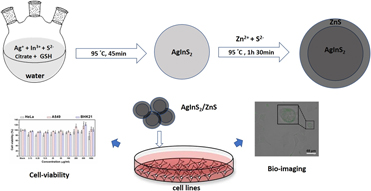
Chalcopyrite quantum dots (QDs) have emerged as a safe alternative to cadmium-based QDs for bio-applications. However, the research on AgInS2 chalcopyrite QDs has not been widely explored in terms of their toxicity. Herein, we report a synthesis of biocompatible AgInS2/ZnS QDs via a greener approach. The emission intensity of the as-synthesized AgInS2 core QDs was enhanced 2-fold after the ZnS shell growth. X-ray diffraction revealed the tetragonal crystal structure of QDs, and high-resolution transmission electron microscope images show that the QDs are spherical in shape and crystalline in nature. Cell viability assays conducted on different cell lines, such as HeLa, A549, and BHK-21 cells, indicated that AgInS2/ZnS QDs are least toxic at a QD concentration range of 100 µg/mL. The fluorescent microscope analysis of A549 cells incubated with AgInS2/ZnS QDs shows that the QDs were accumulated in the cell membranes. The as-synthesized AgInS2/ZnS QDs are less toxic and eco-friendly, and can be used for biolabeling.
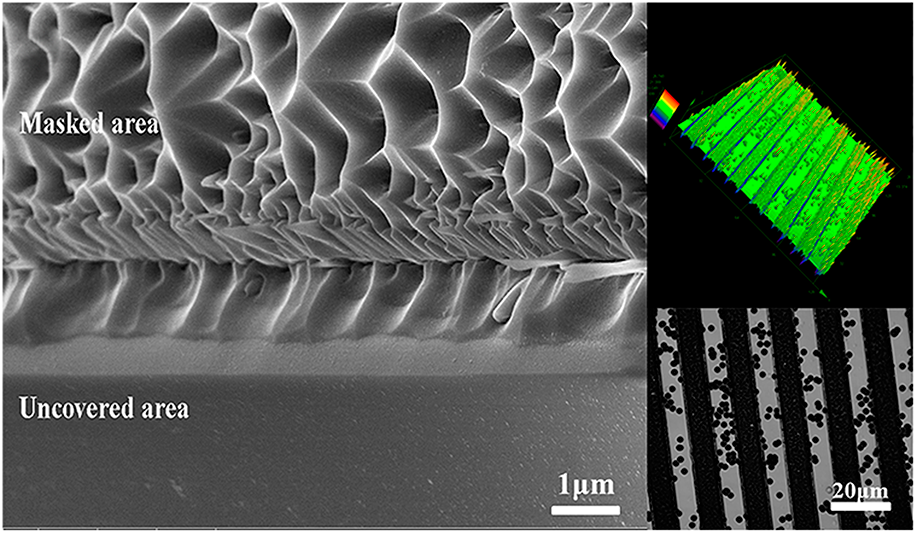
The synergetic effects of surface smoothing exhibited during the inductively coupled plasma reactive ion etching (ICP-RIE) of free-standing polycrystalline diamonds (PCDs) were investigated. Changing the assistive gas types generated variable surface oxidation states and chemical environments that resulted in different etching rates and surface morphologies. The main reaction bond mechanism (C–O) during ICP-RIE and the ratio of C–O–C/O–C=O associated with the existence of a uniform smooth surface with root mean square (RMS) roughness of 2.36 nm were observed. An optimal process for PCD smoothing at high etching rate (4.6 μm/min) was achieved as follows: 10% gas additions of CHF3 in O2 plasma at radio frequency power of 400 W. The further etched ultra-smooth surface with RMS roughness <0.5 nm at etching rate of 0.23 μm/min that being produced by transferring this optimum recipe on single crystal diamonds with surface patterns confirmed the effectiveness of the fast smoothing approach and its feasibility for diamond surface patterning.
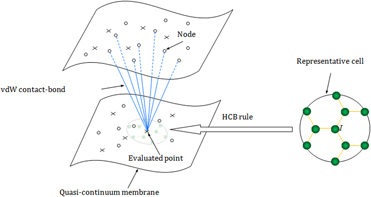
In order to develop an efficient and accurate quasi-continuum approach for contact problems of low-dimensional nanoscale carbon materials, a van der Waals contact-bond model is proposed in this study. This method can involve the important information of nano- and micro-structures, such as the bonded carbon atom interactions and the long-range van der Waals effect, which is usually homogenized and neglected in continuum methods. The degree of freedom of the atomic systems can be reduced dramatically; therefore, the model is beneficial for rapid simulations and large-scale computations of carbon nano-components. The so-called higher-order Cauchy–Born rule is used to establish the geometrically consistent constitutive model, and a meshless local Petrov–Galerkin-based computational framework is constructed for the mechanical responses of carbon nanoscale systems. The stiffness matrix is derived analytically, and the incremental governing equation is solved with the Newton–Raphson iteration method. Consequently, this method is much faster than order-N2 approaches such as molecular dynamic simulation.
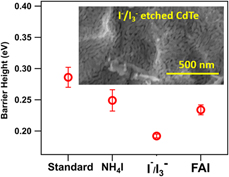
Cadmium telluride (CdTe) is one of the leading photovoltaic technologies with a market share of around 5%. However, there still exist challenges to fabricate a rear contact for efficient transport of photogenerated holes. Here, etching effects of various iodine compounds including elemental iodine (I2), ammonium iodide (NH4I), mixture of elemental iodine and NH4I (I−/I3− etching), and formamidinium iodide were investigated. The treated CdTe surfaces were investigated using Raman spectroscopy, X-ray diffraction (XRD), scanning electron microscopy, and energy-dispersive X-ray spectroscopy. The CdTe devices were completed with or without treatments and tested under simulated AM1.5G solar spectrum to find photoconversion efficiency (PCE). Based on Raman spectra, XRD patterns, and surface morphology, it was shown that treatment with iodine compounds produced Te-rich surface on CdTe films, and temperature-dependent current–voltage characteristics showed reduced back barrier heights, which are essential for the formation of ohmic contact and reduce contact resistance. Based on current–voltage characteristics, the treatment enhanced open-circuit voltage (VOC) up to 841 mV, fill factor (FF) up to 78.2%, and PCE up to 14.0% compared with standard untreated CdTe devices (VOC ∼ 814 mV, FF ∼ 74%, and PCE ∼ 12.7%) with copper/gold back contact.
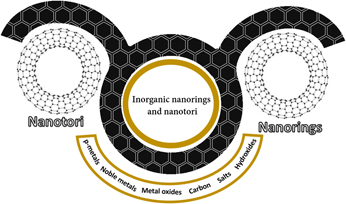
Toroidal (ring-like) structures are common in organic chemistry, but at the nanoscale level, the inorganic nanorings and nanotori are limited and represented mainly by carbon, several p- and noble metals (Ag, Au, Al, and Au/Co/Au), metal and nonmetal oxides (ZnO, MoO2, Fe2O3, and SiO2), hydroxides (Co(OH)2), and salts (PbI2 and metal selenides), and some combinations of carbon nanotori with fullerenes and carbon chains, as well as doped nanorings, are known. The nanotori are closely related to ball-type nanostructures as nano-onions, nanoballs, and nanospheres. Despite their relative low existence, they possess several useful properties and respective applications as isolators, sensors, optoelectronics, as traps for atoms and ions, and counterparts in lubricants, thus causing a certain interest in their development. The properties of nanotori have been studied mainly by DFT calculations. Several nanorings possess stabilities up to 3000 K before unfolding, multiresonant properties and magneto–optical activity, paramagnetism, and ferromagnetism. The carbon nanorings are studied considerably better, being compared with other compounds. This review summarizes the state of the art of all available inorganic toroidal nanostructures, believing that a considerable higher number of inorganic systems might be prepared in this form, taking into account their unusual properties.
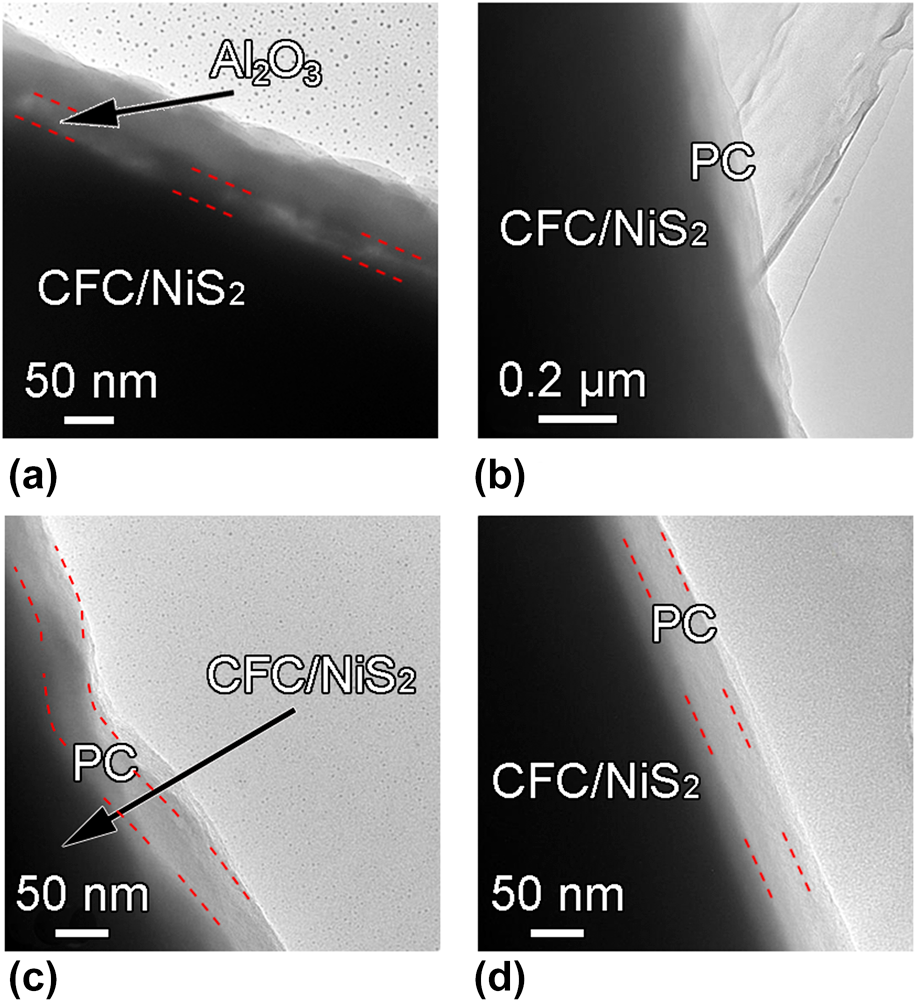
To solve the poor cyclability of faradic supercapacitors (SCs), the authors reported a unique porous carbon (PC) coating with “gap shell” structure on carbon fiber cloth (CFC)/NiS2 materials. This gap shell PC coating was fabricated by combining atomic layer deposition (ALD) Al2O3 and molecular layer deposition alucone, followed by carbonization and etching. The as-prepared CFC/NiS2/PC composites were directly used as binder-free electrodes for SCs. Benefited from its novel nanostructure, the CFC/NiS2/PC electrode shows a large specific capacitance of 1034.6 F/g at 1 A/g and considerable rate capability of 67% capacitance, retaining ratio within 1–20 A/g. The cyclability of the CFC/NiS2/PC electrode is enhanced by 50% relative to the mere CFC/NiS2 after 2000 cycles, which is attributed to the gap and electrically conductive PC coating. Hence, this work provides a promising approach to design gap shell layer for improved cyclability of faradic SCs and other practical applications in energy storage electronics.
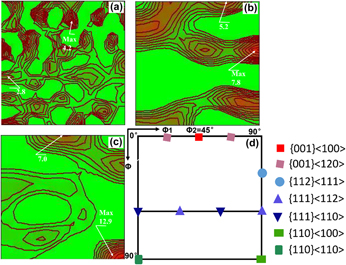
Fe–6.5 Si–0.05 B alloy was used in the study to investigate the texture evolution and magnetic property of the ferromagnetic crystal under an axial high magnetic field during bulk solidification. Optical microscopy (OM) and X-ray diffraction (XRD) were applied to analyze the microstructures and texture evolution of the alloy solidified under different magnetic field intensities. The result shows that with an increase in the magnetic field intensity from 0 to 2 T, the texture gradually changes from random orientation to {100} 〈120〉, eventually becoming a mixture of cube and Goss texture. The alloys treated at 1 and 2 T showed magnetic anisotropic behavior, while the alloy treated at 0 T showed magnetic isotropic behavior. The change in magnetic property comes from the evolution of α-Fe crystal orientation. Furthermore, a method for controlling the crystallization process and crystallographic orientation by adjusting the magnetic field intensity was proposed.
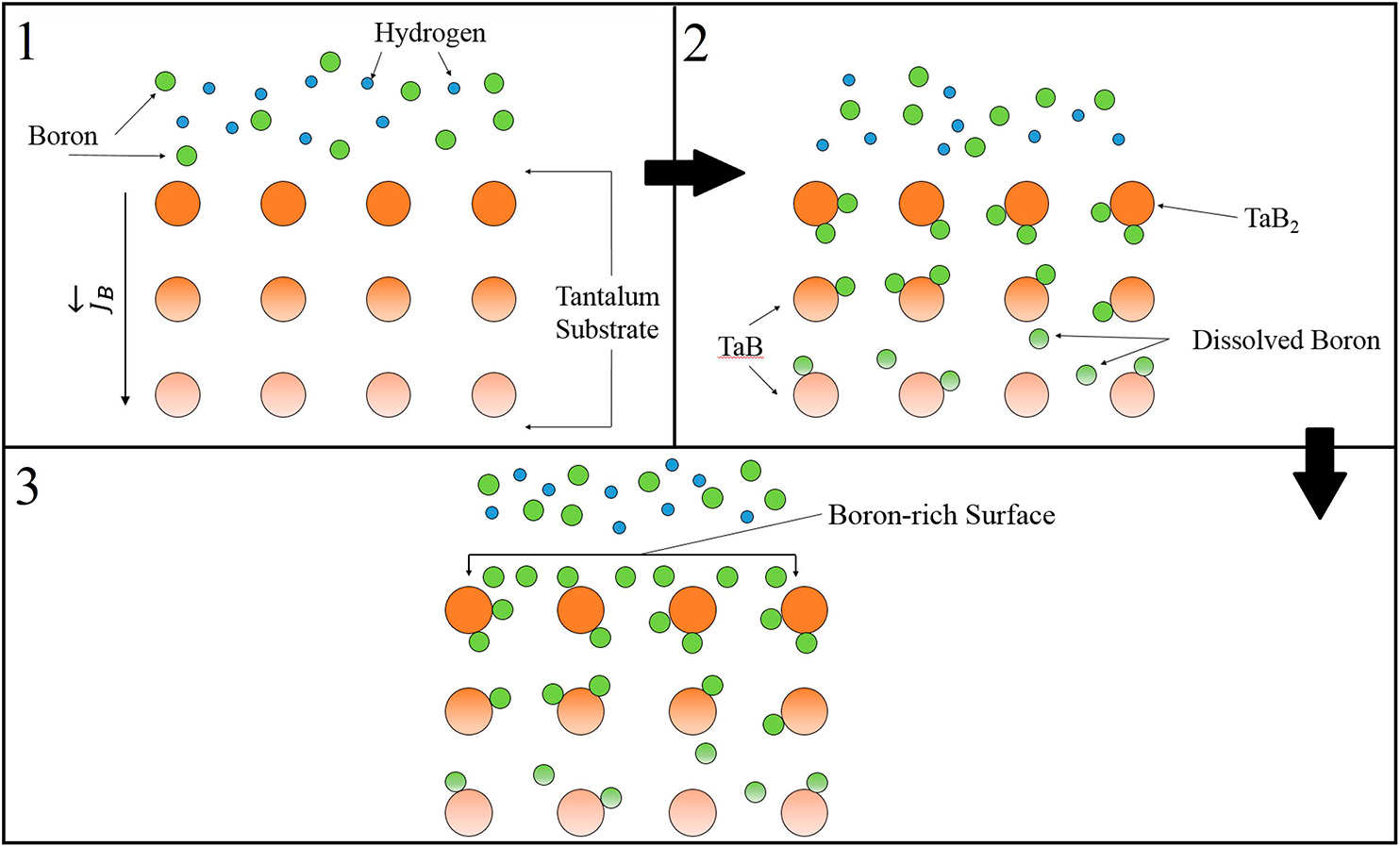
Microwave plasma chemical vapor deposition (MPCVD) was used to diffuse boron into tantalum using plasma initiated from a feedgas mixture containing hydrogen and diborane. The role of substrate temperature and substrate bias in influencing surface chemical structure and hardness was investigated. X-ray diffraction shows that increased temperature results in increased TaB2 formation (relative to TaB) along with increased strain in the tantalum body-centered cubic lattice. Once the strained tantalum becomes locally supersaturated with boron, TaB and TaB2 precipitate. Additional boron remains in a solid solution within the tantalum. The combination of precipitation and solid solution hardening along with boron-induced lattice strain may help explain the 40 GPa average hardness measured by nanoindentation. Application of negative substrate bias did not further increase the hardness, possibly due to etching from increased ion bombardment. These results show that MPCVD is a viable method for synthesis of superhard borides based on plasma-assisted diffusion.
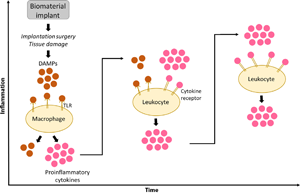
Inflammation is facilitated largely by macrophages and other white blood cells, which recognize and respond to evolutionarily conserved damage-associated molecular patterns that are released upon tissue injury and cell stress. Damage-associated molecular patterns are known to bind Toll-like receptors (TLRs) and initiate inflammatory responses through MyD88-dependent NF-κB signaling. Biomaterial implantation activates the innate immune system, resulting in a chronic inflammatory response known as a foreign body reaction (FBR). In this review, the authors discuss the current understanding of damage-initiated TLR signaling in the FBR and the significance of this response in the success of implanted devices.
In recent years, there has been a significant thrust toward the development of novel implant alloys based on β-Ti with low Young’s modulus to prevent stress shielding. In this study, porous Ti–Nb–Ta–Zr alloys with porosity of <55% and macro-pore size of 100–400 μm for biomedical applications were successfully fabricated by a space-holder method. The microstructure and compressive behavior were studied. The results show that the micro-pore size of porous Ti–Nb–Ta–Zr alloys decreases with an increase in the amount of the process control agent (PCA), which has no obvious effect on the porosity and the macro-pore size formed by the space holder. Porous Ti–Nb–Ta–Zr alloys fail mainly because of the cleavage and ductile fracture with some dimples in compression. The compressive modulus increases from 0.6 to 6.5 GPa with the increase in the PCA and decrease of the space holder. The influence mechanism has been analyzed by the finite element calculation and the Gibson–Ashby model.
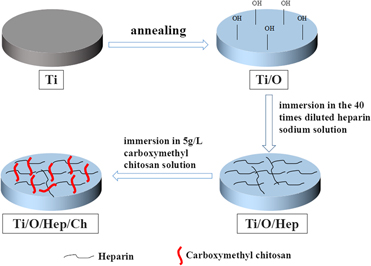
Titanium (Ti) has been extensively used in medical devices owing to their low density, high strength, excellent corrosion resistance, and biocompatibility. However, thrombus formation and bacterial infections are still challenges for their application in specific clinical cases. Hence, we have developed a simple, efficient, and stable strategy that endow Ti with anticoagulant and antibacterial properties through chemical bonding and electrostatic bonding. A large number of hydroxyl groups were produced on the surface of Ti by annealing at 500 °C. Then, heparin was immobilized on annealed surface with chemical bonding and chitosan was captured in an electrostatically bound manner by simply soaking in solution. The results indicated that the surface-functionalized Ti exhibited excellent anticoagulant properties by a reduction in platelet adhesion and prolonged blood clotting time. Furthermore, the modified Ti also showed antibacterial properties against both Escherichia coli (E. coli) and Staphylococcus aureus (S. aureus).
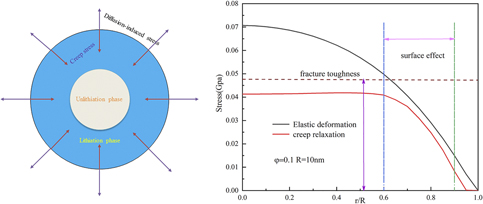
Mechanical fracture of electrodes will occur during lithiation caused by large volume changes, which leads to the capacity loss of the lithium-ion battery. Herein, we present a new analytical model to investigate the effect of creep deformation on stress relaxation and fracture of the lithiated tin (Sn) electrode under the galvanostatic and potentiostatic operation. Interestingly, it is found that the presence of creep can improve fracture resistance and toughness of the Sn electrode. In addition, the surface effect has the capacity to weaken the creep deformation effectively. And the different size of the Sn electrode shows different effects for creep deformation. This conclusion explains the difference in charging conditions, and the mechanism of stress change inside the electrode is also different. Deeply, the base on our model, the stress strength factor, and critical size of the electrode have been evaluated under galvanostatic and potentiostatic operation with creep deformation effects. Finally, the safety area during lithiation is established to determine the critical size of the Sn electrode. And the presence of creep deformation may significantly increase critical dimensions of the electrode. These results will provide a valuable basis to design the durable electrodes.