To save content items to your account,
please confirm that you agree to abide by our usage policies.
If this is the first time you use this feature, you will be asked to authorise Cambridge Core to connect with your account.
Find out more about saving content to .
To save content items to your Kindle, first ensure no-reply@cambridge.org
is added to your Approved Personal Document E-mail List under your Personal Document Settings
on the Manage Your Content and Devices page of your Amazon account. Then enter the ‘name’ part
of your Kindle email address below.
Find out more about saving to your Kindle.
Note you can select to save to either the @free.kindle.com or @kindle.com variations.
‘@free.kindle.com’ emails are free but can only be saved to your device when it is connected to wi-fi.
‘@kindle.com’ emails can be delivered even when you are not connected to wi-fi, but note that service fees apply.
In this paper, grandite core with Grs64±1Adr36±1Sps2 composition was crystallographically studied. This core represents zone A of the macroscopically visible five A–E zones of the optically anisotropic Grs58–64Adr36–42Sps2 grandite. The applied procedure includes the detailed analysis of the powder diffraction patterns, and the Rietveld refinements of the crystal structures in a series of 18 space groups and two mixtures, which were followed by the comparative analysis of the R-values, site occupancy factors, and the bond lengths and angles. Synthesis of all of the presented results allows us to undoubtedly conclude that studied grandite is not cubic, neither as monophase nor as multiple phases in a mixture. Namely, it was established that structural dissymmetrization occurred and that it crystallized in the disordered rhombohedral $R\bar{3}c$ or orthorhombic Fddd space groups, whereby the first one is more probable. Beside the established lower symmetry of the studied grandite, which could be treated as the primary cause, the residual strain is also not excluded as the second possible cause for its slight optical anisotropy.
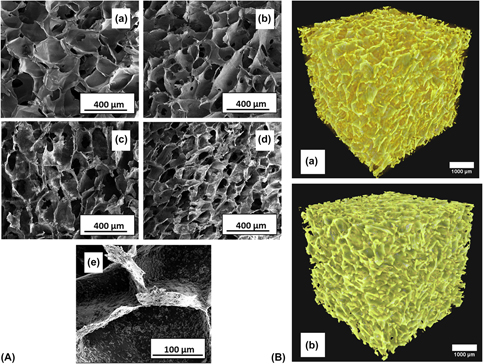
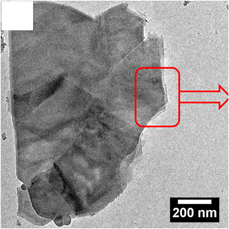
Bioactive glass–ceramic powder reinforced alginate scaffold has been successfully prepared and characterized for bone tissue engineering application. Glass-ceramic (GC) particles were synthesized through a sol–gel process. Alginate scaffolds containing different weight percentages of GC were fabricated through a freeze-drying technique. The composite scaffolds were characterized for phase analysis through X-ray powder diffraction and microstructure analysis through field emission scanning electron microscopy. The swelling behavior, degradation behavior, bioactivity, cell adhesion, and osteogenic potential of the fabricated scaffolds were evaluated. Microstructural analysis showed a highly porous behavior of the scaffold having a macroporous pore size. The composite scaffolds showed good bioactivity where GC induces apatite formation. The compressive strength of the scaffold was enhanced with GC addition due to the reinforcement of the alginate matrix. In vitro cell studies revealed that the composite scaffolds promoted cell adhesion, proliferation, and osteogenesis. Fabricated scaffolds are a promising biomaterial candidate for bone substitution because of their attractive properties.
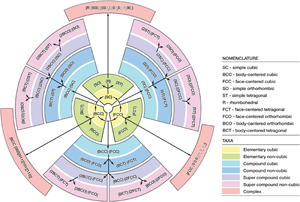
Periodic lattice materials have been studied extensively in numerous science and engineering fields. Despite the vast knowledge that has emerged, the activities have been stove-piped within individual research communities, often in isolation from those in related fields. To bring this work into a holistic framework, the present article considers the elements needed to integrate the study of lattice materials into the processing–structure–properties paradigm that underpins materials science as an academic discipline. The emphasis is on concepts of structure involving topology, morphology, and defects of lattice materials, with illustrations of structure–property relations in the context of lattice strength.
Amorphous carbon, germanium oxide, and 2-dimensional transition metal dichalcogenides grown by atomic layer deposition (ALD) are considered as promising materials for advanced nanoscale device fabrication processes and electronic devices, owing to their extraordinary characteristics. Deposition of these materials using ALD can overcome the limitations of current deposition techniques, including poor step coverage and wafer-scale uniformity, and uncontrollable stoichiometry. Despite these advantages, there has been a lack of research into these materials due to the absence of suitable precursors or optimized processes. In this review, we focus on these nonconventional materials, which have rarely been studied using ALD. The latest research progress and future outlook on these materials grown by ALD will be highlighted, with a particular focus on the applications of future nanoscale device fabrication processes and new concepts in device fabrication which could lead to a paradigm shift in electronics.
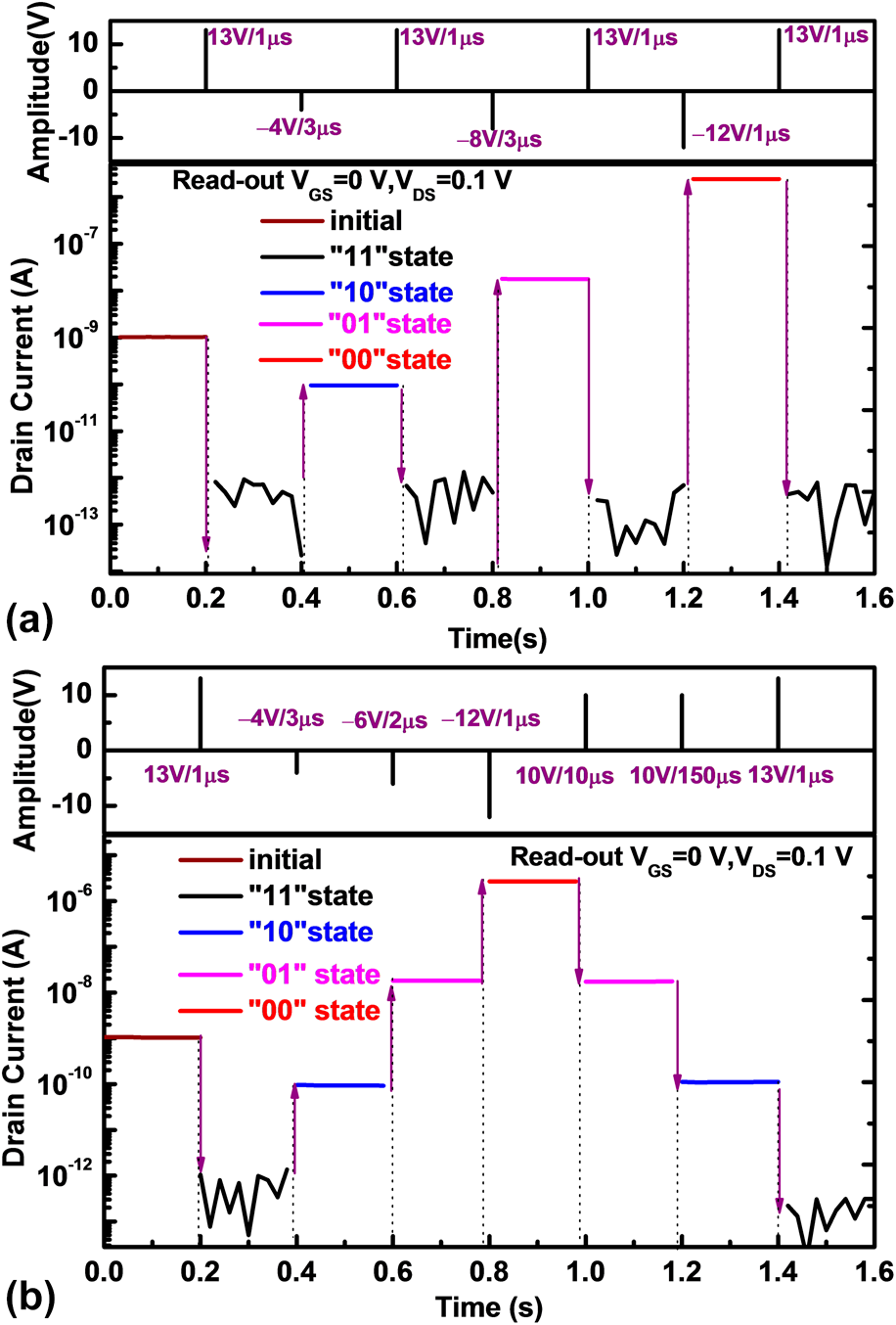
A multilevel nonvolatile memory based on an amorphous indium–gallium–zinc oxide thin-film transistor is successfully demonstrated by using an atomic layer–deposited ZnO film as a charge trapping layer. The memory device shows a much higher erasing efficiency at a negative bias, i.e., after erasing at −13 V for 1 μs, the threshold voltage shift is as large as −7.4 V. In the case of 13 V/1 μs programming (P) and −12 V/1 μs erasing (E), the device demonstrates an ON/OFF readout drain current (IDS) ratio of ∼103 after 105 s, and a large and stable ON/OFF IDS ratio of ∼106 till 104 of P/E cycles. Furthermore, multilevel memory characteristics are also demonstrated on the device, showing an IDS ratio of >102 for 4 different states. Additionally, the device also successfully demonstrates typical synaptic behaviors, such as excitatory and inhibitory postsynaptic current with different memory times at different memory states.
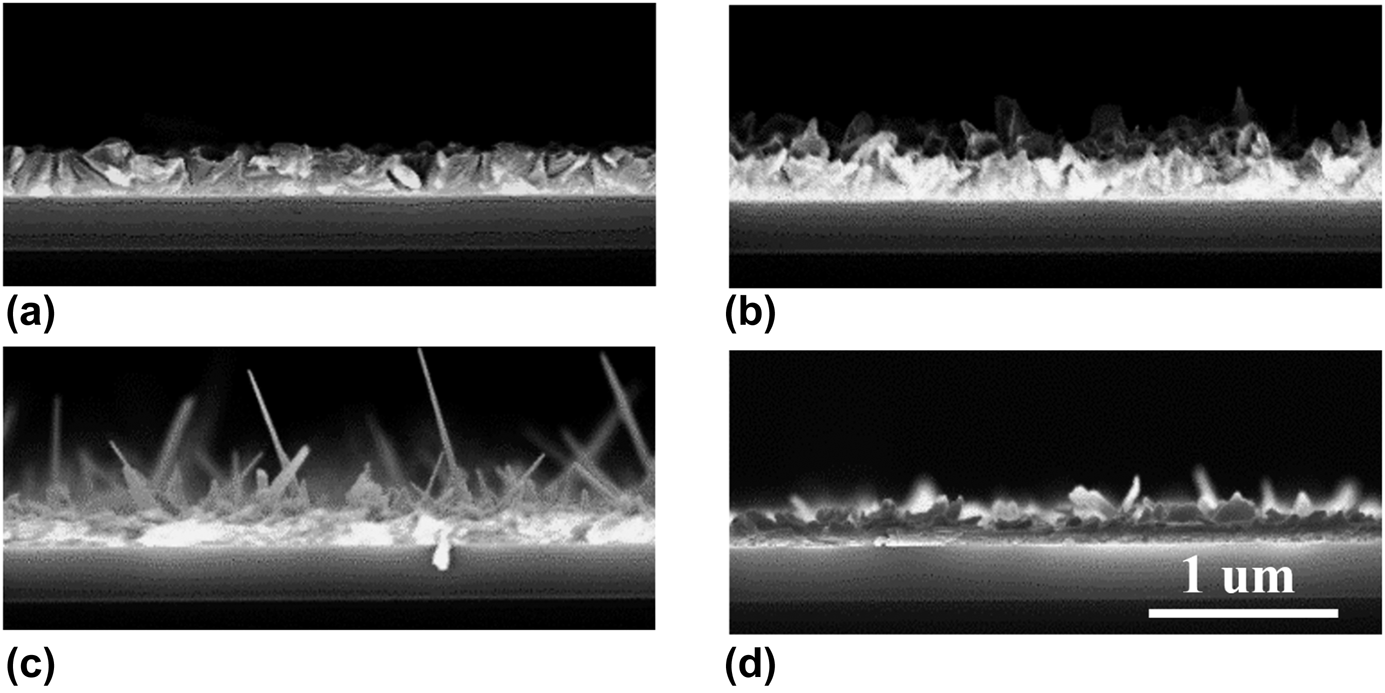
We deposit films of tin–calcium sulfide by atomic layer deposition (ALD) and demonstrate the metastability of this material. Rough and spiky films are obtained by using Sn and Ca precursors with different ligands, whereas compact and smooth films are obtained when the two metal sources share the same ligands. Compositional and quartz crystal microbalance results indicate that part of the underlaying SnS film is replaced and/or removed during the CaS ALD cycle during the ternary film deposition, possibly via a temperature-dependent cation exchange mechanism. The crystal structure transforms from orthorhombic to cubic as the calcium content increases. Furthermore, resistivity increases with calcium content in the alloy films, whereas optical band gap only depends weakly on Ca content. After annealing at 400 °C in an H2S environment, the cubic alloy film undergoes a phase transition into the orthorhombic phase and its resistivity also decreases. Both phenomena could be explained by phase separation of the metastable alloy.
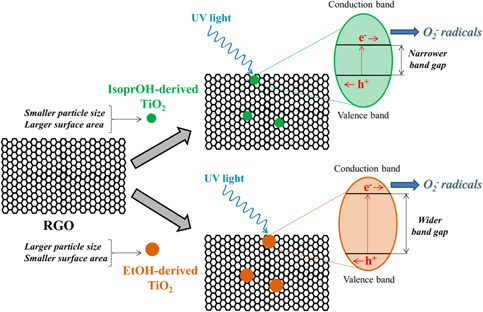
There is no agreement regarding which solvent is more suitable to obtain sol–gel–derived titania (TiO2) samples with an enhanced photocatalytic behavior. Furthermore, the solvent effect on the preparation of TiO2-RGO (reduced graphene oxide) nanocomposites has not been published yet and could be an attractive experimental strategy to modulate structure and properties. On the basis of these observations, TiO2-RGO nanocomposites were fabricated in this study. It was evaluated for the influence of using either isopropyl (IsoprOH) or ethyl (EtOH) alcohol on the textural and photocatalytic properties of the prepared materials. The use of IsoprOH led to samples with smaller crystallite size, narrower apparent band gap, smaller isoelectric point, larger adsorption capacity, and higher photocatalytic activity. In addition, the incorporation of RGO into TiO2 greatly improved the adsorption capacity and photocatalytic activity of the latter. However, the optimal loading of RGO to prepare composites with enhanced photocatalytic activities was 1 wt%. This finding can be related to the stacking of RGO sheets when concentrations above 1 wt% are used, which could prevent UV light to reach the TiO2 particles and also decrease the photocatalytic capacity of the composites. Moreover, materials with RGO concentration above 1 wt% could exhibit a highly negatively charged surface, which may decrease the separation of the generated electron–hole pairs and lead to faster recombination rates of charge carriers.
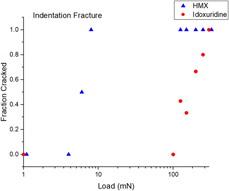
Measuring the elastic and plastic properties with nanoindentation is predicated on the indentation not fracturing the material. In this study, an unloading curve analysis is used to identify indentation-induced fracture in brittle molecular organic crystals to define conditions, where properties measurements are accurate, and for calculating the toughness. Single crystals of cyclotetramethylene tetranitramine (HMX) and idoxuridine were indented from 1 to 300 mN with indenter probes of varying acuity to identify fracture initiation loads. Idoxuridine displayed no fracture up to and at 100 mN, with fracture occurrence then seen at an increasing rate until every indentation made induced fracture at 300 mN. HMX displayed no fracture up to and at 4 mN, with fracture then occurring at an increasing rate until every sample fractured at 8 mN. The toughness of HMX and idoxuridine is ≈0.28 ≈ 0.4–0.5 MPa/m1/2, respectively.
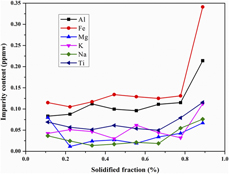
Solar-grade multicrystalline silicon ingots as raw material for solar cells were obtained from upgraded metallurgical silicon by directional solidification in an axial magnetic field. The influence of preparation technology on the microstructural characteristics of silicon ingots was investigated. Governing equations were used to simulate the silicon fluid flow and thermal fields during directional solidification. The results show that appropriately increasing melt temperature and/or decreasing pulling-down rate can be conductive to the growth of a coarse columnar grain. Meanwhile, the axial magnetic field promotes the formation of low-energy ∑3 twin boundaries and reduces the dislocations and impurities, where the total concentration of major metal impurities is with a mean of 0.459 ppmw in the range of 1/9 to 8/9 of height along the growth direction. It is shown from the simulation results that suppressing silicon melt flow in both radial and azimuthal directions and reducing the growth rate in the edge regions contribute to the formation of a flat solid–liquid interface, which is more consistent with the experimental results. Moreover, the formation mechanism of the twins and removal mechanism of the impurities were discussed.
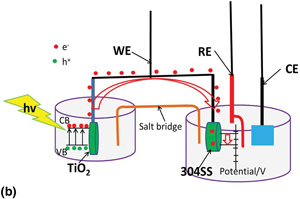
This paper proposes to improve the corrosion resistance of stainless steel using the photocathodic protection (PCP) method with CdS/PbS/titanium dioxide (TiO2) as the photoanode material. Cadmium sulfide (CdS)/lead sulfide (PbS) quantum dot (QD) heterostructure layered on TiO2 enhanced the photoelectrochemical performance and improved the PCP of 304 stainless steel. The photoanode film can protect 304 stainless steel for a period of upto 3 months against corrosion. This work demonstrates that CdS/PbS/TiO2 tandem heterostructure is a promising durable and stable photoanode, which can protect stainless steel in both dark and illuminated conditions.
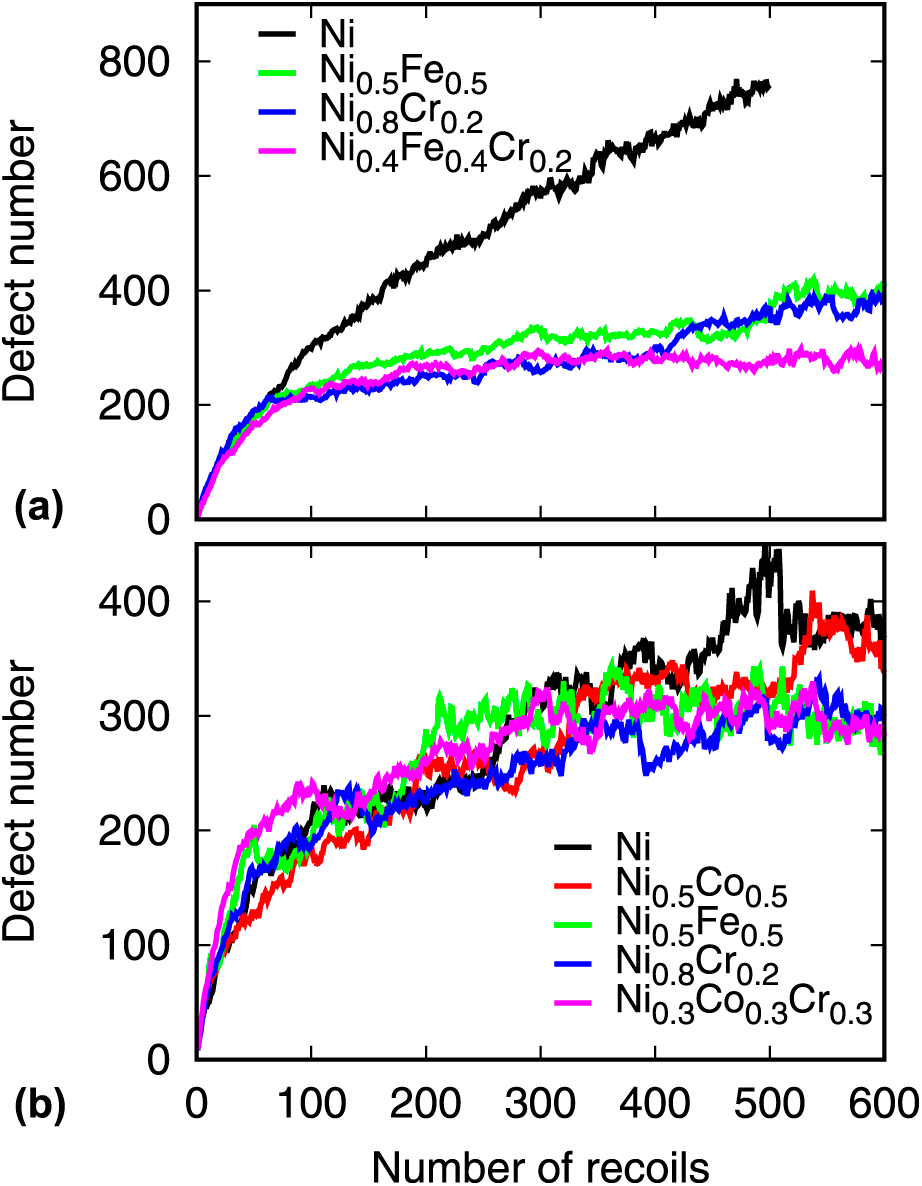
Concentrated solid-solution alloys (CSAs) demonstrate excellent mechanical properties and promising irradiation resistance depending on their compositions. Existing experimental and simulation results indicate that their heterogeneous structures induced by the random arrangement of different elements are one of the most important reasons responsible for their outstanding properties. Nevertheless, the details of this heterogeneity remain unclear. Specifically, which properties induced by heterogeneity are most relevant to their irradiation response? In this work, we scrutinize the role of heterogeneity in CSAs played in damage evolution in different aspects through atomistic simulations, including lattice misfit, thermodynamic mixing, point defect energetics, point defect diffusion, and dislocation properties. Our results reveal that structural parameters, such as lattice misfit and enthalpy of mixing, are generally not suitable to assess their irradiation response under cascade conditions. Instead, atomic-level defect properties are the keys to understand defect evolution in CSAs. Therefore, tuning chemical disorder to tailor defect properties is a possible way to further improve the irradiation performance of CSAs.
A scalable preparation of in situ N-doped disordered carbon nanosheets from reduced melamine formaldehyde resin is demonstrated. For the first time, nanosheets prepared by such a process have been tested as anodes for lithium ion and sodium ion batteries. Li-ion battery half-cell delivers a reversible capacity of about 500 mA h/g at a specific current of 100 mA/g, and also a capacity of 250 mA h/g at a specific current of 500 mA/g is retained after 600 cycles. For Na-ion batteries, a reasonable capacity of about 150 mA h/g is recorded at a specific current of 50 mA/g, and a capacity of 120 mA h/g at a specific current of 250 mA/g is retained after 350 cycles. The sloppy low-voltage profile obtained for both the lithium ion and sodium ion cells corresponds to the nanosheet anodes, being soft carbon-like, thereby demonstrating superior cycling stability and safety by avoiding metal plating and dendrite formation.
Organic light-emitting diodes (OLEDs) have aroused great attention due to the advantages of high luminescent efficiency, fast response time, wide viewing angle, and the compatibility with the flexible electronics. Nevertheless, the organic luminescent materials are vulnerable to environment moisture/oxygen. Thus, how to protect the OLEDs from the ambient moisture/oxygen erosion is of great importance to ensure the stability and reliability. Thin film encapsulation (TFE) via atomic layer deposition (ALD) has emerged as a potential method to meet the encapsulation requirements of OLEDs due to its unique assets. In this review, the challenges of TFE, including pinholes, crystallization, cracks, and overheated, are introduced first. The ALD-based monolayer, composite structures, and hybrid laminates were developed to improve the barrier property, flexibility, and thermal conductivity. Besides, the ALD reactors and processes for TFE are also reviewed. Finally, the challenges remained and future development in the stabilization of OLEDs via ALD are also discussed.
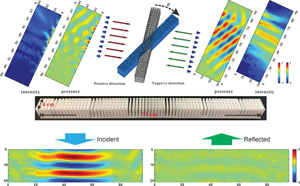
From being an unfavorable consequence to finding itself as the intended imaginary part of a non-Hermitian system, loss has truly emerged as more of a friend than a foe in the context of acoustic metasurfaces. With the promising features of sub-wavelength geometries and the rapid advances in manufacturing techniques that can enable their realization, loss becomes a central topic of discussion. Further, the capability of introducing and tailoring loss allows it to serve as a new degree of freedom in passive wavefront shaping devices. In this review, the authors look back at the recent progress in the field of lossy acoustic metasurfaces. The background behind loss in deep sub-wavelength geometries and the instinctive responses to treat them and exploit them are overviewed, followed by more recent works that embrace and tailor their behavior for unconventional applications. The forthcoming years for acoustic metasurfaces thus hold several promising avenues for exploration, with loss as the protagonist.
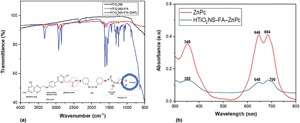
Glioblastoma (GBM) is one of the most aggressive types of cancer which currently does not have a cure. Its invasive nature and heterogeneity makes its complete surgical removal impossible. Hence, a targeted treatment is critically needed to effectively eradicate this cancer. In this work, the authors report the synthesis of hollow TiO2 nanospheres (HTiO2NS) and their functionalization with folic acid (FA) and zinc (II) tetranitrophthalocyanine (ZnPc) to achieve cell selectivity and light absorption in the visible range. In vitro cytotoxicity of the functionalized HTiO2NS against M059K cell line (Human GBM cancer cells) was tested. In vitro generation of reactive oxygen species by HTiO2NS–FA–ZnPc nanostructures under UV irradiation was detected by fluorescence probing. To identify HTiO2NS–FA–ZnPc cell localization, the nanoparticles were labeled with fluorescein isothiocyanate dye and visualized by fluorescence microscopy. Results illustrate that HTiO2NS–FA–ZnPc nanostructures have the potential to be used for targeted photodynamic therapy for the treatment of GBM cancer.