To save content items to your account,
please confirm that you agree to abide by our usage policies.
If this is the first time you use this feature, you will be asked to authorise Cambridge Core to connect with your account.
Find out more about saving content to .
To save content items to your Kindle, first ensure no-reply@cambridge.org
is added to your Approved Personal Document E-mail List under your Personal Document Settings
on the Manage Your Content and Devices page of your Amazon account. Then enter the ‘name’ part
of your Kindle email address below.
Find out more about saving to your Kindle.
Note you can select to save to either the @free.kindle.com or @kindle.com variations.
‘@free.kindle.com’ emails are free but can only be saved to your device when it is connected to wi-fi.
‘@kindle.com’ emails can be delivered even when you are not connected to wi-fi, but note that service fees apply.
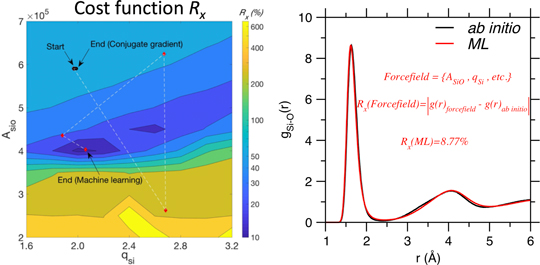
The development of reliable, yet computationally efficient interatomic forcefields is key to facilitate the modeling of glasses. However, the parameterization of novel forcefields is challenging as the high number of parameters renders traditional optimization methods inefficient or subject to bias. Here, we present a new parameterization method based on machine learning, which combines ab initio molecular dynamics simulations and Bayesian optimization. By taking the example of glassy silica, we show that our method yields a new interatomic forcefield that offers an unprecedented agreement with ab initio simulations. This method offers a new route to efficiently parameterize new interatomic forcefields for disordered solids in a non-biased fashion.
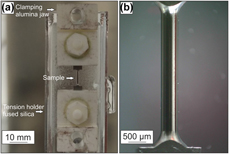
Bond coats are essential in gas turbine technology for oxidation protection. Freestanding MCrAlY (M = Ni, Co) bond coats were investigated with respect to their creep strength at elevated temperatures. Three types of MCrAlY, a Ni-based bond coat Amdry 386, a Co-based bond coat Amdry 9954 and Amdry 9954 + 2 wt% Al2O3 (ODS = oxide dispersion strengthened) produced by low pressure plasma spraying, were analyzed. The two phase microstructure of the bond coats consists of a fcc γ-Ni solid solution and a B2 β-NiAl phase. Constant load experiments were performed in a thermomechanical analyzer at temperatures between 900 and 950 °C. Microtensile test specimens with a diameter of 450 µm were produced by a high-precision grinding and polishing process. Creep rupture was mainly due to void nucleation along the β–γ interfaces and grain boundaries. The time to failure is larger in Ni-based Amdry 386 compared to that in Co-based Amdry 9954 due to a higher fraction of the high-strength β-NiAl phase at test temperatures. The addition of ODS-particles in the Co-based bond coat Amdry 9954 resulted in a better creep resistance but lower ductility in comparison to ODS-particle-free Amdry 9954.
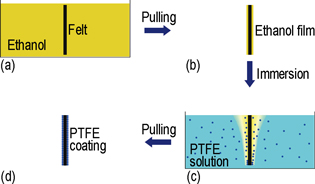
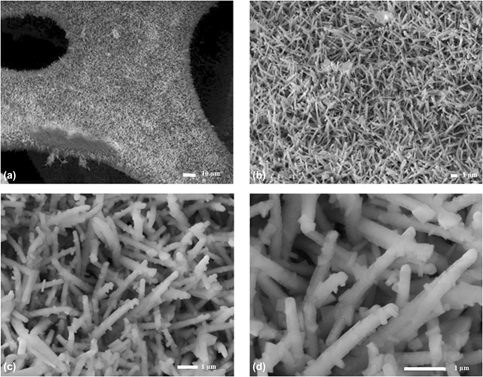
A facile and low-cost method based for tension gradient self-assembly was developed to prepare polytetrafluoroethylene (PTFE) nanofiber coatings on stainless-steel fiber felts. The PTFE particles were used as building blocks and the self-assembly process was analyzed thoroughly. After being sintered, the PTFE particles were transformed into PTFE nanofibers. The felts coated with the PTFE nanofibers exhibited superhydrophobicity and superoleophilicity, and could separate a series of oil–water mixtures with high efficiency and good reusability. The coated felts also presented excellent chemical and thermal stabilities. Over all, this approach could easily fabricate ultra-robust oil–water separation materials suitable for industrial applications.
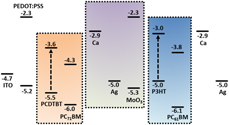
Tandem organic solar cells with two stacked cells were fabricated using semiconducting polymers and fullerene derivatives. A thin intermediate multilayer of calcium, silver, and molybdenum oxide connects the front and the back cells. Bulk heterojunction (BHJ) films of the low band gap (BG) polymer, poly[N-9″-heptadecanyl-2,7-carbazole-alt-5,5-(4′,7′-di-2-thienyl-2′,1′,3′-benzothiadiazole)] (PCDTBT), and [6,6]-phenyl C71-butyric acid methyl ester (PC71BM) are used for the front cell. As for the back cell of the tandem structure, the same PCDTBT:PC71BM BHJ (T1) or the high BG polymer poly(3-hexylthiophene) (P3HT) blended with [6,6]-phenyl-C61-butyric acid methyl ester (PC61BM) BHJ (T2) are used. The critical role of interlayer properties on the photovoltaic performance of devices are investigated. The observed open-circuit potential for the tandem cell approaches the sum of the potentials of the two respective subcells, demonstrating the potential for increasing the voltage of the solar cell using the tandem structure even with same or lower band gap polymer in the front.
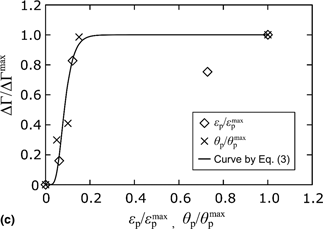
This study investigated the effect of plastic deformation on anodic dissolution in electrochemical migration (ECM) through the growth of deposits. The morphology of deposits synthesized by ECM was analyzed using scanning electron microscopy, where sponge-shaped deposits were observed on the cathode electrode. The mechanism of anodic dissolution was examined by experimentally measuring the variation in the mass of electrodes. The increase and saturation of anodic dissolution in ECM with plastic deformation were observed and were empirically formulated in terms of the change in activation energy. Thus, plastic deformation is proposed as a promising parameter that contributes to controlling ECM.
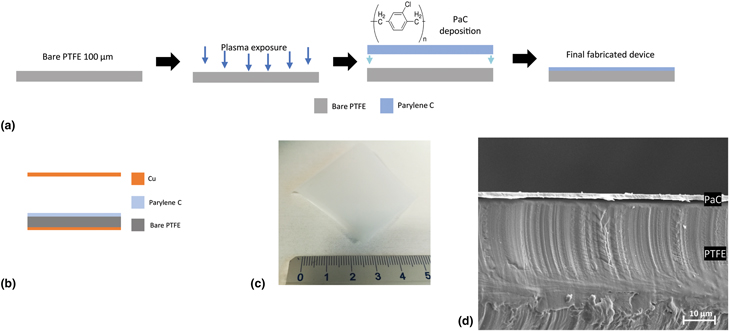
Powering autonomous electronic devices is a key challenge toward the development of smart sensor networks. In this work, a state-of-the-art triboelectric nanogenerator is devised to enhance the output performance with an effective surface charge density of 70.2 µC/m2, which is 140 times higher than the initial results. Thin film Parylene-C material is deposited to increase charge accumulation by allowing the acceptance of more charges and enhance output performance by a factor of 10. By considering the merit of simple fabrication, we believe the effective charge inclusion layer will be an ideal energy source for low-power portable electronics.
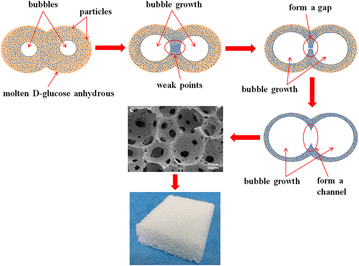
Cordierite foams were prepared by thermo-foaming of alumina–microsilica–talc powder dispersions in molten D-glucose anhydrous followed by reaction sintering at 1400 °C, which exhibited an interconnected cellular morphology and three-dimensional porous cell walls. The cordierite foam had a porosity of up to 96%, and its corresponding thermal conductivity was as low as 0.057 W/(m·K). The foam structures showed a great promise for gas filtration and gas catalytic support. The formation of interconnected cellular morphology, the variations of cell wall thickness, and cell size were explained from the perspective of viscosity and weak points in this paper. The linear shrinkage of cordierite foams having a density of 0.102–0.226 g/cm3 was in the range of 13.0–6.9%. And the compressive strength (0.05–0.28 MPa) was determined by the large cell size (1.1–1.3 mm), ultra-high porosity (91–96%), and characteristic of cordierite.
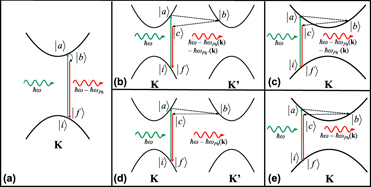
Raman spectroscopy is a fundamental tool for the characterization of two-dimensional materials. It provides insights into the electronic and vibrational properties of these materials and is particularly rich in features when the incident laser energy approaches the electronic energy transition of the material. Among these features, the double resonance Raman process provides important information on the electron, phonon, and electron–phonon properties. It was on the study of carbon-related materials that the double resonance bands sparkled showing their potential and, since then, have been deeply searched in the study of novel 2D materials. Here, the authors review the double resonance Raman process in 2D materials focusing on graphene and semiconducting MoS2 highlighting the origin of the bands mediated by the two-phonon and phonon–defect processes. The authors discuss the observed properties of the double resonance bands and compare the processes for graphene and MoS2 to find guiding principles for the appearance of double resonance bands. The authors also discuss the new findings of the intervalley scattering process in transition metal dichalcogenides. A brief discussion of the defect-induced bands in both materials is also presented.
The new double perovskite oxides Sr2Mn1−xNixTeO6 with x = 0.25, 0.5 and 0.75 have been synthesized in polycrystalline form by a conventional solid-state reactions process at 1180 °C, in the air. The structural and vibrational properties of these materials were studied by means XRPD, Raman, and IR spectroscopy. It has been proven that all the materials show typical double perovskite structures with a monoclinic symmetry, but with two different space group, P21/n for the compositions (x = 0.25 and 0.5), while the composition (x = 0.75) crystallizes in the space group I2/m. The lattice parameters obtained are in agreement with those of the two pure extremes Sr2MnTeO6 and Sr2NiTeO6. The monoclinic structural distortion involves long range ordering between Te6+ (in 2b site) and a random mixture (Mn2+/Ni2+) (in 2a site) for the two compositions (x = 0.25 and 0.5) that crystallize in P21/n. For the material (x = 0.75) with I2/m, similar distortion, ordering and mixing occur at the B and B’ double perovskite sites. It was observed that Vegard Law is satisfied, taking into account the cell parameters of both extremes. The effect of the partial substitution of Mn by Ni was also seen in Raman and IR data where a significant mode shift was observed with nickel content increase.
Variation of structural parameters of dimethylammonium manganese formate [(CH3)2NH2]Mn[(HCOO)3] upon substitution by the transition elements Zn, Co, and Ni is studied by powder X-ray diffraction (PXRD) technique. These metal–organic framework (MOF) crystals were grown by solvothermal method. The PXRD patterns of all MOFs exhibited rhombohedral structure. PXRD patterns of MOFs were analyzed using Rietveld refinement method. While the parent Mn-MOF and Mn0.9Zn0.1MOF are found to have similar structural parameters, Co and Ni substituted Mn-MOFs have smaller structural parameters than that of parent Mn-MOF. The reason for this variation in the lattice parameters is explained based on the Shannon ionic radii.
This work was undertaken in preparation for a survey to assess the exposure of carpenters to hazardous dust working in construction. Inhalable dust, in this industry, was expected to contain both crystalline mineral and amorphous phases (wood dust). The Rietveld method was applied to provide a simultaneous multicomponent analysis. To assess its performance, mixtures of aerosolised calcite, gypsum, quartz, kaolinite, and wood dust were collected onto quartz fibre filters (n = 41) using the Button inhalable sampler. Results obtained using Rietveld were compared with loaded mass and those from external standard calibrations. The measured content of a component in 14 samples was used as an internal standard by Rietveld to determine amorphous content (wood). The performance of the Rietveld and external standard methods was similar. The 95% confidence interval for the absolute differences between the two methods was 15%. Only one relative difference of more than 15% had a mass loading >0.5 mg. An approach for assessing the limits of detection with relative intensity ratios was applied and gave comparable values with the usual method using calibration coefficients from the external standard method. Rietveld is therefore a potentially useful multicomponent method for the measurement of dust aerosol to help better understand workers' exposures.
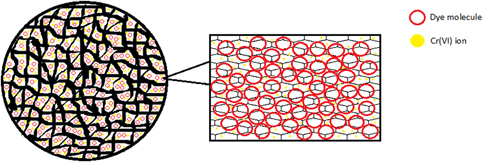
Nano/mesoporous carbon was prepared from pine wood sawdust via the pretreatment of acid and hydrothermal process, followed by potassium hydroxide (KOH) activation. This study proposed the enhancement of activated carbon (AC) adsorption capacity by utilizing the vacant sites and phenomena of opposite charge attraction via multilayer adsorption of Cr(VI) ions and dyes with positive and negative charges. On the first layer, the maximum adsorption capacities for Cr(VI) ions, methylene blue (MB) molecules, and acid red 18 (AR18) molecules onto AC were found to be 7.91 mg/g, 476.19 mg/g, and 434.78 mg/g, respectively. For multiple adsorption, after Cr(VI) ions uptake saturation, the sequential adsorption of MB and AR18 on the second layer, the maximum adsorption capacity, reached 322.58 mg/g and 333.33 mg/g. After MB and AR18 uptake saturation, the maximum Cr(VI) adsorption capacity reached 2.92 mg/g and 4.39 mg/g.
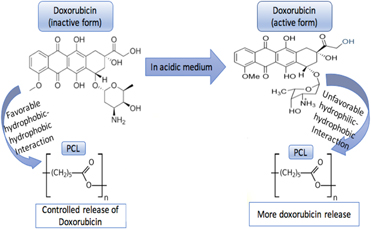
The objective of this study was to understand the effects of ceramic polymer composite and pH of the surrounding vicinity on the release kinetics of doxorubicin. Different concentrations of polymers with polycaprolactone (PCL), poly glycolic lactic acid (PLGA), and a blend of PCL–PLGA with hydroxyapatite (HA) were investigated for doxorubicin release at physiological pH of 7.4 and an acidic pH of 5.0 caused by immediate surgery. Burst release of 20% was observed from bare HA at pH 7.4 over a week, whereas all the polymer incorporated discs showed sustained release. The hydrophilic–hydrophobic and hydrophobic–hydrophobic interactions between the polymer and the drug altered by the surrounding pHs were found to be pivotal in controlling the release kinetics of drug. No cytotoxicity of the drug at a concentration of 50 μg per disc was observed at early time points when cultured with osteoblast cells; however, the same drug dosage inhibited osteosarcoma cell viability. This study mainly bases on the comprehension of the effects of chemistry, environment, and polymer–drug interactions, leading to a beneficial understanding towards the design of drug delivery devices.
Achieving high fracture toughness and maintaining high strength at the same time are main goals in materials science. In this work, scale-bridging fracture experiments on ultrafine-grained chromium (UFG, Cr) are performed at different length scales, starting from the macroscale over the microscale (in situ SEM) down to the nanoscale (in situ TEM). A quantitative assessment of the fracture toughness yields values of ∼3 MPa m1/2 in the frame of linear elastic fracture mechanics (LEFM) for the macrosamples. The in situ TEM tests reveal explicitly the occurrence of dislocation emission processes involved in energy dissipation and crack tip blunting serving as toughening mechanisms before intercrystalline fracture in UFG body-centered cubic (bcc) metals. In relation to coarse-grained Cr, in situ TEM tests, in this work, demonstrate the importance of strengthening grain boundaries as promising strategy in promoting further ductility and toughening in UFG bcc metals.
Novel NiMoO4-integrated electrode materials were successfully prepared by solvothermal method using Na2MoO4·2H2O and NiSO4·6H2O as main raw materials, water, and ethanol as solvents. The morphology, phase, and structure of the as-prepared materials were characterized by SEM, XRD, Raman, and FT-IR. The electrochemical properties of the materials in supercapacitors were investigated by cyclic voltammetry, constant current charge–discharge, and electrochemical impedance spectroscopy techniques. The effects of volume ratio of water to ethanol (W/E) in solvent on the properties of the product were studied. The results show that the pure phase monoclinic crystal NiMoO4 product can be obtained when the W/E is 2:1. The diameter and length are 0.1–0.3 µm and approximately 3 µm, respectively. As an active material for supercapacitor, the NiMoO4 nanorods material delivered a discharge specific capacitance of 672, 498, and 396 F/g at a current density of 4, 7, and 10 A/g, respectively. The discharge specific capacitance slightly decreased from 815 to 588 F/g with a retention of 72% after 1000 cycles at a current density of 1 A/g. With these superior capacitance properties, the novel NiMoO4 integrated electrode materials could be considered as promising material for supercapacitors.
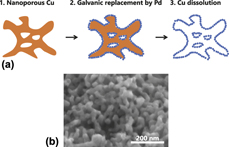
Nanoporous copper (NP-Cu), as a sacrificial support, was used for the synthesis of bimodal nanoporous palladium–copper (BNP-PdCu) for oxygen reduction reaction (ORR) electrodes in fuel cells. The catalytic performance of BNP-PdCu in ORR per electrochemical surface area was enhanced by the dissolution and removal of supporting NP-Cu, which indicates that the intrinsic catalytic properties of palladium are improved by the proposed synthesis strategy including galvanic replacement of copper with palladium, following copper dissolution. Cu remained on Pd surfaces even after dissolution of Cu. Additionally, significant local lattice contraction was observed at the ligament surface. First-principles calculations on the adsorbing oxygen species on Pd show that both lattice contraction and alloying with copper increase the binding energies of oxygen species to the Pd surface. The high ORR activity of the present BNP-PdCu is suggested to be mainly due to the Cu-ligand effect.
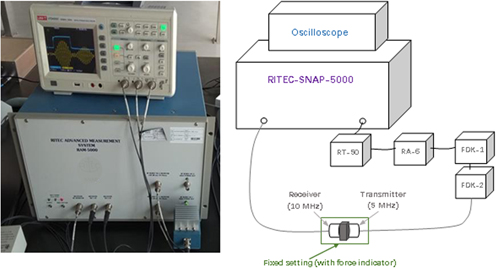
Residual strain often occurs in metal when it was subjected to the tension load, random vibration, or high impact. The mild steel was selected as the research object, and the feasibility of using nonlinear ultrasonic technique to characterize the residual strain was investigated in this paper. First, the mild steel specimens were stretched to several different kinds of stress, then the nonlinear effect as well as the microstrain of each sample was measured. The results indicate that the microstrain increases with increasing applied stress and reaches a maximum value of about 0.036% as the tensile stress increases to the elastic limit. Compared with the original specimen, the nonlinear parameter of tensile specimen gradually increased within the elastic limit. This result reveals that the variation of nonlinear parameter was related to microstrain in mild steel, because the microstructure observation demonstrated that the dislocation structure was basically unchanged within the elastic limit. This research indicates that the nonlinear ultrasonic method has the promising potential to characterize the microstrain in metals.
A novel and highly efficient Ag3VO4/C3N4/reduced TiO2 microsphere composite was obtained through a hydrothermal and depositional process. The microstructure, individual components with different proportions, and optical properties of the ternary nanocomposites were intensively studied. The prepared ternary composites exhibited superior photocatalytic performance of degradation of methylene blue compared with single component and S1 (C3N4/reduced TiO2) binary composites, demonstrating that the introduction of Ag3VO4 into g-C3N4/r-TiO2 can effectively improve the photocatalytic activity. Recycling experiments confirmed that the nanocomposites exhibited superior cycle performance. The enhanced capability could be attributed to a synergetic effect including the formation of heterojunction, large surface area, improved light absorption, matched energy band structure, and the improved separation efficiency of photogenerated charges coming from dual Z-scheme structure. Particularly, the introduction of Ag3VO4 makes the dual Z-scheme charge transfer pathway completed with improved separation efficiency and stronger redox ability of photogenerated electrons and holes. The work provides a promising method to develop a new dual Z-scheme photocatalytic system to remove environmental pollutant.
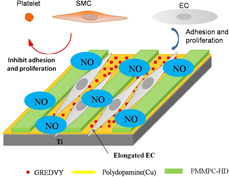
Surface modification with poly(2-methacryloyloxyethyl phosphorylcholine) (PMPC) is an effective method for improving hemocompatibility. Peptide GREDVY immobilized on Ti is of great benefit to endothelialization. Micropattern of PMPC and GREDVY can regulate cells distribution, behaviors, and nitric oxide (NO) release. Copper can be used as catalytic to release NO from a donor in vitro, which can inhibit platelets adhesion, activation, and aggregation. The Ti-PDA(Cu)-M/R(P) micropattern was fabricated with PMMPC-HD {PMMPC [monomer contain MPC and methacrylic acid (MA)] was cross-linked with hexamethylene diamine} and peptide Gly-Arg-Glu-Asp-Val-Tyr (GREDVY) using PDMS stamp, and it was characterized by SEM, FTIR, and XPS. The results demonstrated that the PMPC and peptide GREDVY were immobilized onto polydopamine successfully. Simultaneously, the copper existed in polydopamine was confirmed by XPS. The rate of NO release in vitro catalyzed by copper ions was 1.5–5.3 × 10⁻¹⁰ mol/(cm2 min). It will be beneficial to inhibiting platelets adhesion and proliferation of ECs.