To save content items to your account,
please confirm that you agree to abide by our usage policies.
If this is the first time you use this feature, you will be asked to authorise Cambridge Core to connect with your account.
Find out more about saving content to .
To save content items to your Kindle, first ensure no-reply@cambridge.org
is added to your Approved Personal Document E-mail List under your Personal Document Settings
on the Manage Your Content and Devices page of your Amazon account. Then enter the ‘name’ part
of your Kindle email address below.
Find out more about saving to your Kindle.
Note you can select to save to either the @free.kindle.com or @kindle.com variations.
‘@free.kindle.com’ emails are free but can only be saved to your device when it is connected to wi-fi.
‘@kindle.com’ emails can be delivered even when you are not connected to wi-fi, but note that service fees apply.
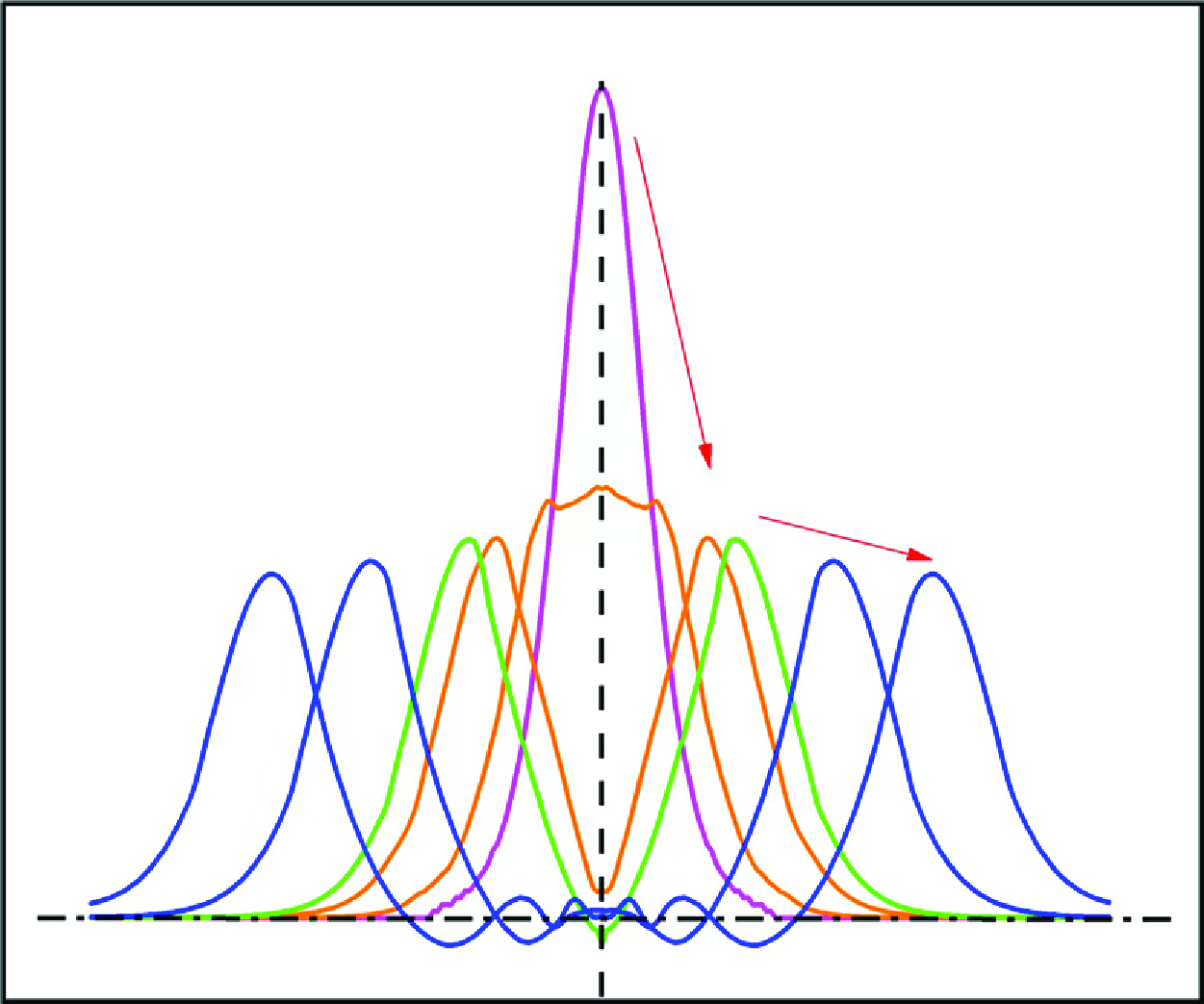
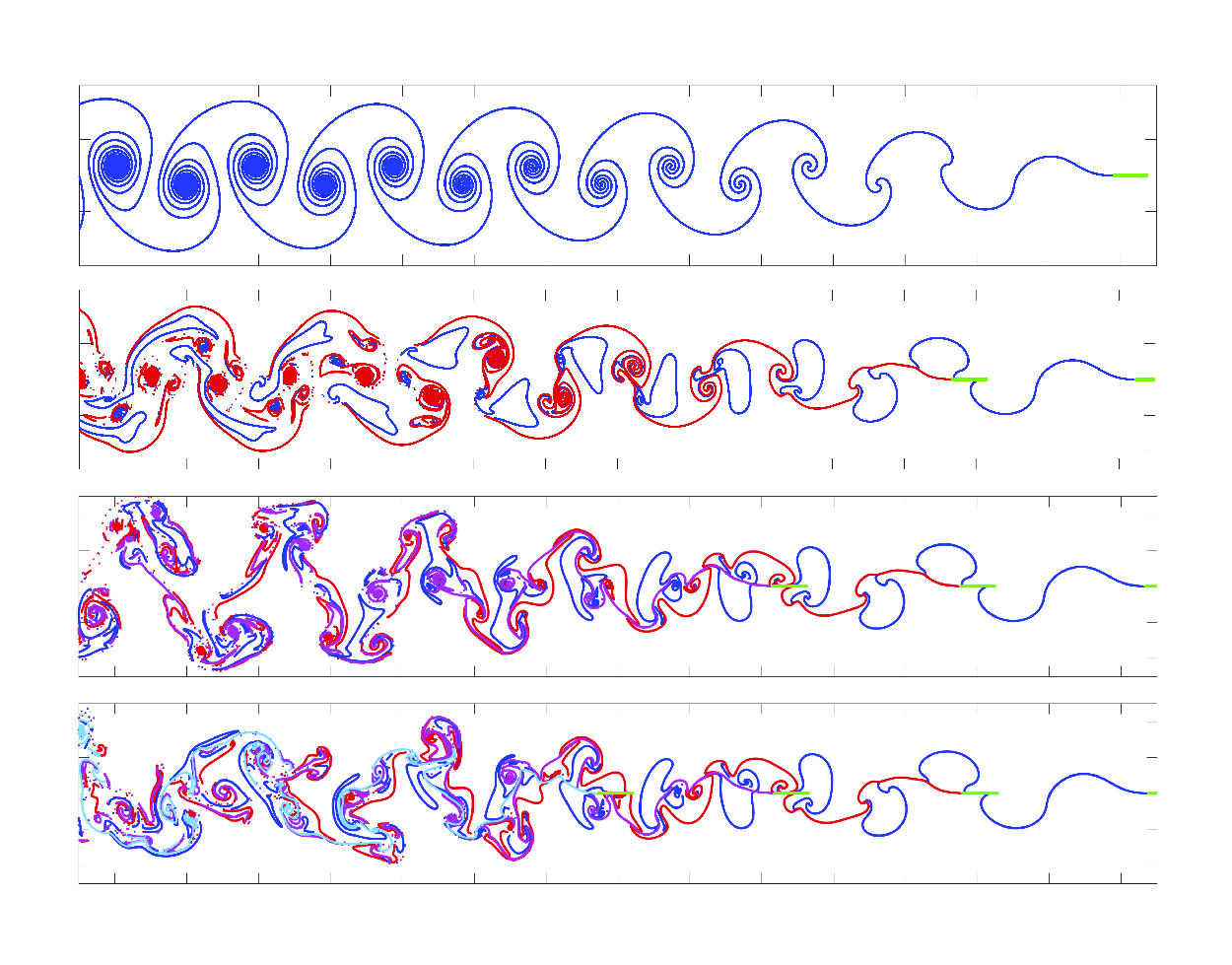
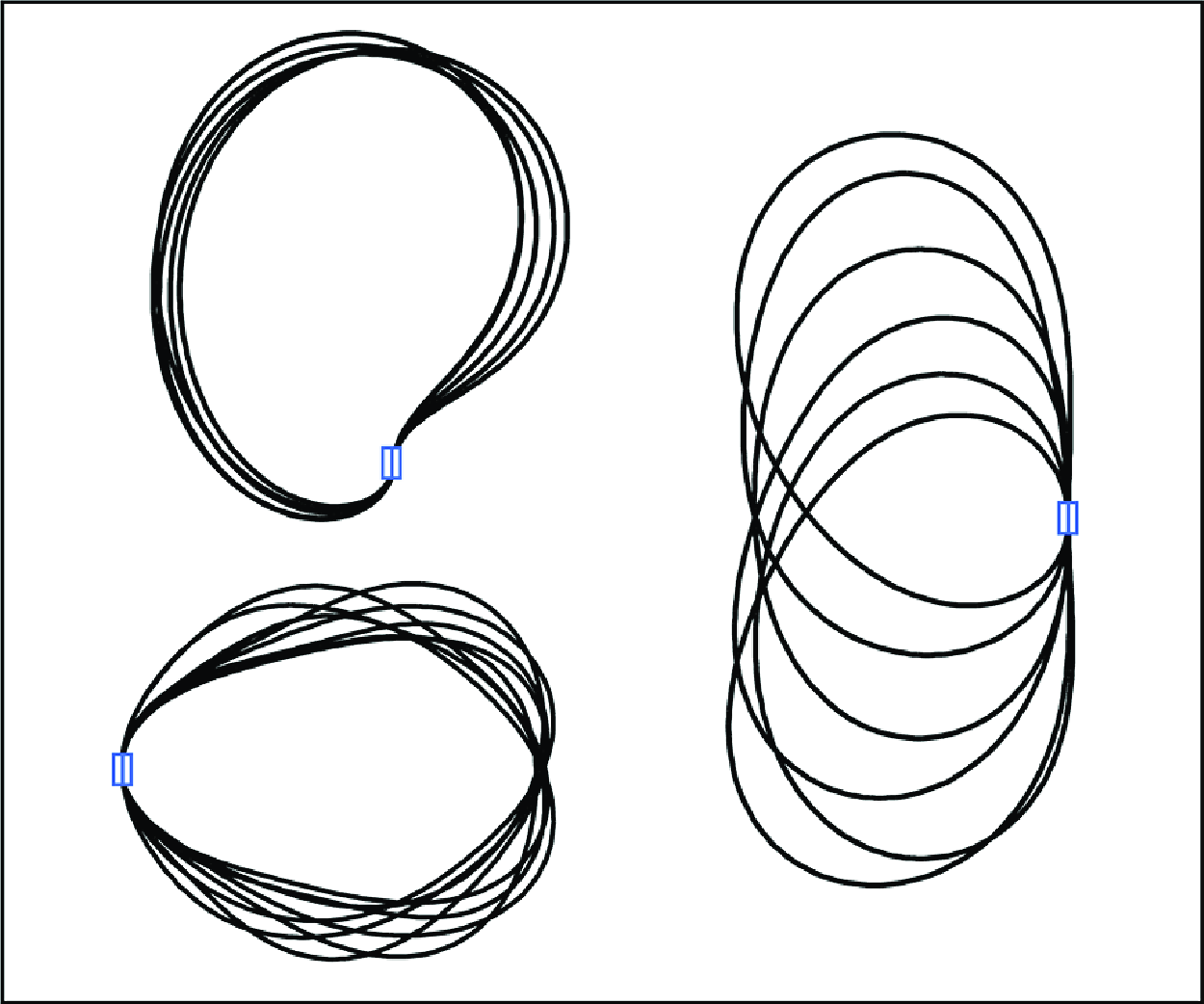
We study the response of a flexible prism with a square cross-section placed in cross-flow through a series of experiments conducted at increasing flow velocities. We show that as the reduced velocity (a dimensionless flow velocity that also depends on the natural frequency of the structure) is increased, the prism undergoes vortex-induced vibration (VIV) in its first mode, which then transitions to VIV in the second mode and then third mode. In these ranges, the shedding frequency is synchronised with the oscillation frequency, and the oscillations are mainly in the transverse (cross-flow – CF) direction. As we keep increasing the reduced velocity, we observe a linear increase in the amplitude of the torsional oscillations of the prism, resembling a torsional galloping. This increase in the torsional oscillations then causes an increase in the amplitudes of the CF and inline (IL) oscillations while the third structural mode is still excited in the CF direction. A transition to oscillations in the fourth structural mode is observed at higher reduced velocities, which reduces the CF and IL amplitudes, while the torsional oscillations reach a plateau. After this plateau is reached in the torsional oscillations, galloping is observed in the CF oscillations of the response, which results in large-amplitude oscillations in both the CF and IL directions. The CF galloping response at these higher reduced velocities is accompanied by a torsional VIV response and the shedding frequency is synchronised with the frequency of the torsional oscillations.
High-power laser systems require thin films with extremely low absorption. Ultra-low-absorption films are often fabricated via ion beam sputtering, which is costly and slow. This study analyzes the impact of doping titanium and annealing on the absorption characteristics of thin films, focusing on composition and structure. The results indicate that the primary factor influencing absorption is composition. Suppressing the presence of electrons or holes that do not form stable chemical bonds can significantly reduce absorption; for amorphous thin films, the structural influence on absorption is relatively minor. Thus, composition control is crucial for fabricating ultra-low-absorption films, while the deposition method is secondary. Ion beam-assisted electron-beam evaporation, which is relatively seldom used for fabricating low-absorption films, was employed to produce high-reflectivity films. After annealing, the absorption at 1064 nm reached 1.70 parts per million. This method offers a cost-effective and rapid approach for fabricating ultra-low-absorption films.
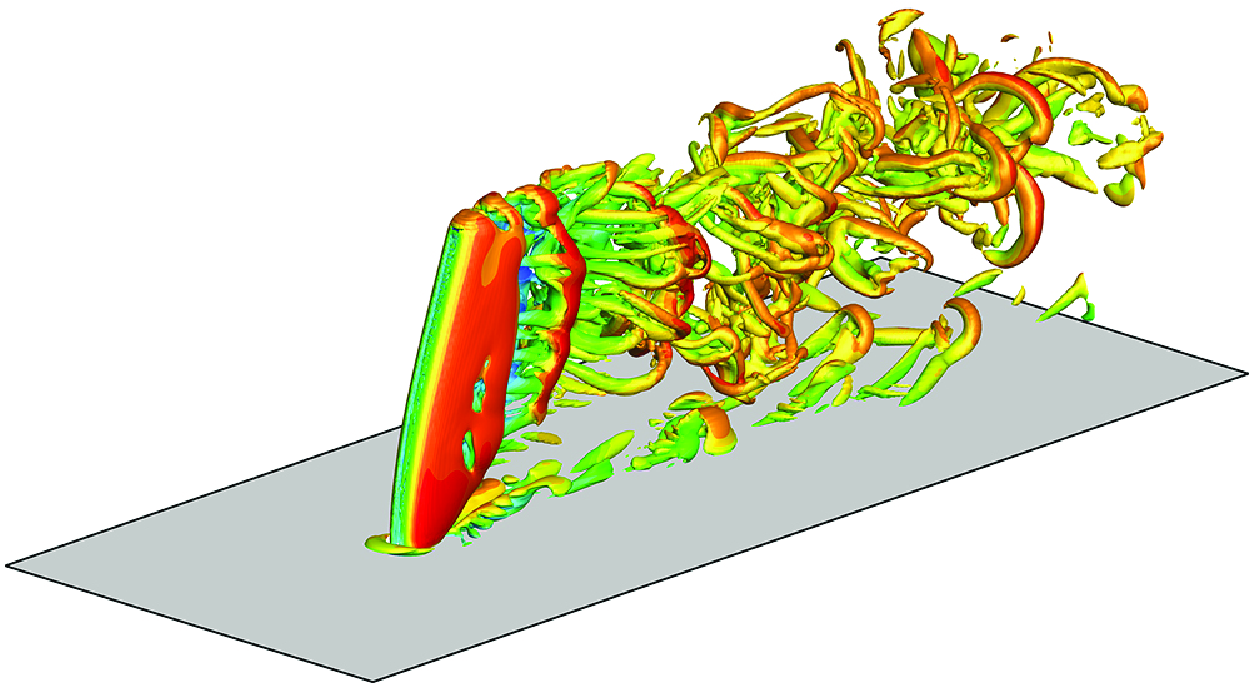
An adaptable estimation technique is presented to reconstruct time-evolving three dimensional (3-D) velocity fields from planar particle image velocimetry measurements. The methodology builds on the multi-time-delay estimation technique of Hosseini et al. (2015) by implementing the finite-impulse-response spectral proper orthogonal decomposition (FIR-SPOD) of Sieber et al. (2016). The candidate flow is the highly modulated turbulent near wake of a cantilevered square cylinder with a height-to-width ratio $h/d=4$, protruding a thin laminar boundary layer ($\delta /d=0.21$ with $\delta$ being the boundary layer thickness) at the Reynolds number $Re=10600$, based on d. The novelty of the estimation technique is in using the modal space obtained by FIR-SPOD to better isolate the spatio-temporal scales for correlating velocity and pressure modes. Using FIR-SPOD, irregular coherent contributions at frequencies centred at $f_{ac1}=(1\pm 0.05)f_s$ and $f_{ac2}=(1\pm 0.1)f_s$ (with $f_s$ the fundamental shedding frequency) could be separated, which was not possible using proper orthogonal decomposition. With the FIR-SPOD bases, the quality of the estimation improved significantly using only linear terms, and the correct phase relationships between pressure and velocity modes are retained, as is required for synchronizing coherent motions along the height of the obstacle. It is shown that a low-dimensional reconstruction of the flow field successfully captures the cycle-to-cycle variations of the dominant 3-D vortex shedding process, which give rise to vortex dislocation events. Thus, the present methodology shows promise in 3-D reconstruction of challenging turbulent flows, which exhibit non-periodic behaviour or contain multi-scale phenomena.
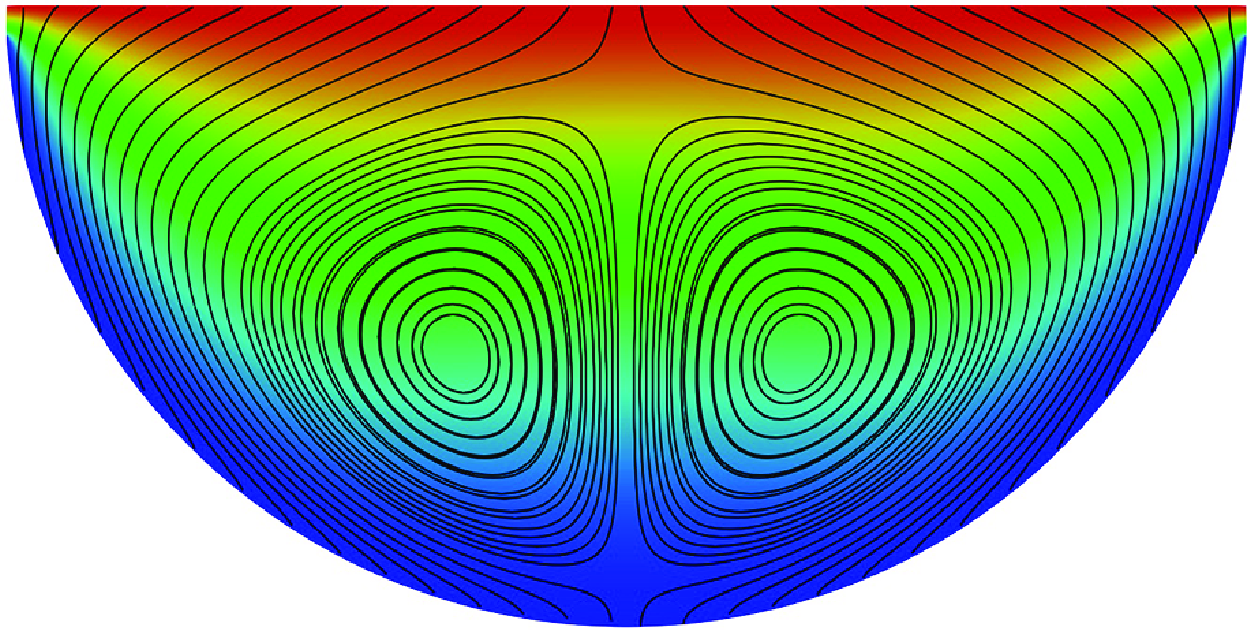
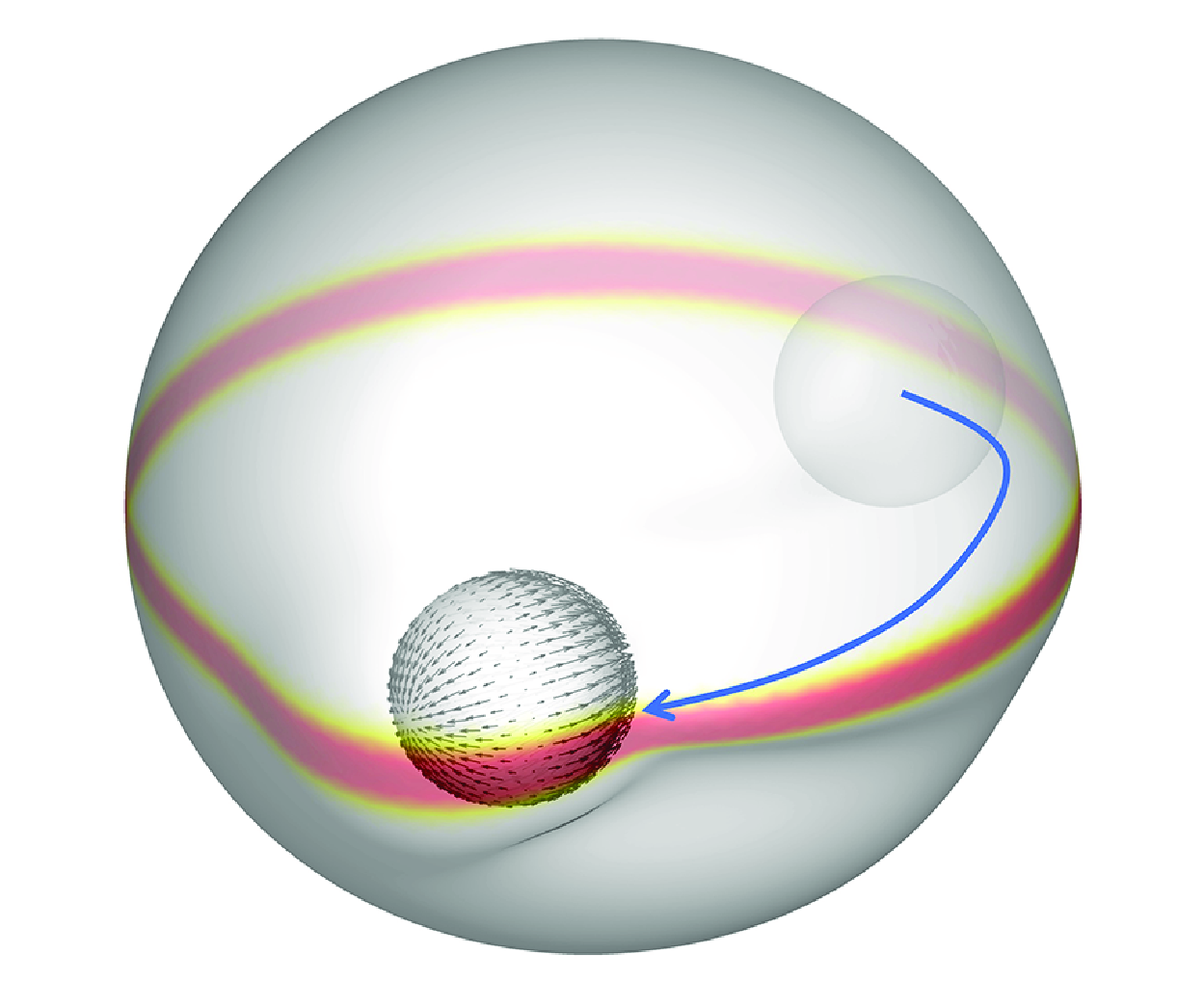
We investigate the sliding dynamics of a millimetre-sized particle trapped in a horizontal soap film. Once released, the particle moves toward the centre of the film in damped oscillations. We study experimentally and model the forces acting on the particle, and evidence the key role of the mass of the film on the shape of the film and particle dynamics. Not only is the gravitational distortion of the film measurable, it completely determines the force responsible for the motion of the particle – the catenoid-like deformation induced by the particle has negligible effect on the dynamics. Surprisingly, this is expected for all film sizes as long as the particle radius remains much smaller than the film width. We also measure the friction force, and show that ambient air and the film contribute almost equally to the friction. The theoretical model that we propose predicts exactly the friction coefficient as long as inertial effects can be neglected in air (for the smallest and slowest particles). The fit between theory and experiments sets an upper boundary $\eta _s \leqslant 10^{-8}$ Pa s m for the surface viscosity, in excellent agreement with recent interfacial microrheology measurements.
The demand for separating and analysing rare target cells is increasing dramatically for vital applications such as cancer treatment and cell-based therapies. However, there remains a grand challenge for high-throughput and label-free segregation of lesion cells with similar sizes. Cancer cells with different invasiveness usually manifest distinct deformability. In this work, we employ a hydrogel microparticle system with similar sizes but varied stiffness to mimic cancer cells and examine in situ their deformation and focusing under microfluidic flow. We first demonstrate the similar focusing behaviour of hydrogel microparticles and cancer cells in confined flow that is dominated by deformability-induced lateral migration. The deformation, orientation and focusing position of hydrogel microparticles in microfluidic flow under different Reynolds numbers are then systematically observed and measured using a high-speed camera. Linear correlations of the Taylor deformation and tilt angle of hydrogel microparticles with the capillary number are revealed, consistent with theoretical predictions. Detailed analysis of the dependence of particle focusing on the flow rate and particle stiffness enables us to identify a linear scaling between the equilibrium focusing position and the major axis of the deformed microparticles, which is uniquely determined by the capillary number. Our findings provide insights into the focusing and dynamics of soft beads, such as cells and hydrogel microparticles, under confined flow, and pave the way for applications including the separation and identification of circulating tumour cells, drug delivery and controlled drug release.
Low-inertia pulsatile flows in highly distensible viscoelastic vessels exist in many biological and engineering systems. However, many existing works focus on inertial pulsatile flows in vessels with small deformations. As such, here we study the dynamics of a viscoelastic tube at large deformation conveying low-Reynolds-number oscillatory flow using a fully coupled fluid–structure interaction computational model. We focus on a detailed study of the effect of wall (solid) viscosity and oscillation frequency on tube deformation, flow rate, phase shift and hysteresis, as well as the underlying flow physics. We find that the general behaviour is dominated by an elastic flow surge during inflation and a squeezing effect during deflation. When increasing the oscillation frequency, the maximum inlet flow rate increases and tube distention decreases, whereas increasing solid viscosity causes both to decrease. As the oscillation frequency approaches either $0$ (quasi-steady inflation cycle) or $\infty$ (steady flow), the behaviours of tubes with different solid viscosities converge. Our results suggest that deformation and flow rate are most affected in the intermediate range of solid viscosity and oscillation frequency. Phase shifts of deformation and flow rate with respect to the imposed pressure are analysed. We predict that the phase shifts vary throughout the oscillation; while the deformation always lags the imposed pressure, the flow rate may either lead or lag depending on the parameter values. As such, the flow rate shows hysteresis behaviour that traces either a clockwise or counterclockwise curve, or a mix of both, in the pressure–flow rate space. This directional change in hysteresis is fully characterised here in the appropriate parameter space. Furthermore, the hysteresis direction is shown to be predicted by the signs of the flow rate phase shifts at the crest and trough of the oscillation. A distinct change in the tube dynamics is also observed at high solid viscosity which leads to global or ‘whole-tube’ motion that is absent in purely elastic tubes.
We report pattern formation in an otherwise non-uniform and unsteady flow arising in high-speed liquid entrainment conditions on the outer wall of a wide rotating drum. We show that the coating flow in this rotary dragout undergoes axial modulations to form an array of roughly vertical thin liquid sheets which slowly drift from the middle of the drum towards its sidewalls. Thus, the number of sheets fluctuates in time such that the most probable rib spacing varies ever so slightly with the speed, and a little less weakly with the viscosity. We propose that these axial patterns are generated due to a primary instability driven by an adverse pressure gradient in the meniscus region of the rotary drag-out flow, similar to the directional Saffman–Taylor instability, as is wellknown for ribbing in film-splitting flows. Rib spacing based on this mechanistic model turns out to be proportional to the capillary length, wherein the scaling factor can be determined based on existing models for film entrainment at both low and large capillary numbers. In addition, we performed direct numerical simulations, which reproduce the experimental phenomenology and the associated wavelength. We further include two numerical cases wherein either the liquid density or the liquid surface tension is quadrupled while keeping all other parameters identical with experiments. The rib spacings of these cases are in agreement with the predictions of our model.
We present a chemo-dynamical study conducted with 2dF$+$AAOmega of $\sim 6\,000$Gaia DR3 non-variable candidate metal-poor stars that lie in the direction of the Galactic plane. Our spectral analysis reveals 15 new extremely metal-poor (EMP) stars, with the lowest metallicity at $\left[\text{Fe/H}\right] = -4.0 \pm 0.2$ dex. Two of the EMP stars are also carbon enhanced, with the largest enhancement of $\left[\text{C/Fe}\right] = 1.3 \pm 0.1$ occurring in a dwarf. Using our $\left[\text{C/Fe}\right]$ results, we demonstrate that the number of carbon-depleted stars decreases with lower metallicities, and the fraction of carbon-enhanced stars increases, in agreement with previous studies. Our dynamical analysis reveals that the fraction of prograde and retrograde disk stars, defined as $z_{\mathrm{max}} \lt 3$ kpc, with $J_{\phi}/J_{\mathrm{tot}} \gt 0.75$ and $J_{\phi}/J_{\mathrm{tot}} \lt -0.75$, respectively, changes as metallicities decrease. Disk stars on retrograde orbits make up $\sim 10$% of all the stars in our sample with metallicities below $-2.1$ dex. Interestingly, the portion of retrograde disk stars compared with the number of kinematically classified halo stars is approximately constant at $4.6$% for all metallicities below $-1.5$ dex. We also see that $J_{\phi}$ increases from $380 \pm 50$ to $1320 \pm 90$ km s$^{-1}$ kpc across metallicity range $-1.5$ to $-1.1$, consistent with the spin-up of the Galactic disk. Over the metallicity range $-3.0 \lt \left[\text{Fe/H}\right] \lt -2.0$, the slopes of the metallicity distribution functions for the prograde and retrograde disk stars are similar and comparable to that for the halo population. However, detailed chemical analyses based on high-resolution spectra are needed to distinguish the accreted versus in situ contributions. Finally, we show that our spectroscopic parameters reveal serious systematics in the metallicities published in recent studies that apply various machine learning techniques to Gaia XP spectra.
In this paper, we develop an analytical model to investigate the generation of instability waves triggered by the upstream acoustic forcing near the nozzle lip of a supersonic jet. This represents an important stage, i.e. the jet receptivity, of the screech feedback loop. The upstream acoustic forcing, resulting from the shock-instability interaction (SII), reaches the nozzle lip and excites new shear-layer instability waves. To obtain the newly excited instability wave, we first determine the scattered sound field due to the upstream forcing using the Wiener–Hopf technique, with the kernel function factored using asymptotic expansions and overlapping approximations. Subsequently, the unsteady Kutta condition is imposed at the nozzle lip, enabling the derivation of the dispersion relation for the newly excited instability wave. A linear transfer function between the upstream forcing and the newly excited instability wave is obtained. We calculate the amplitude and phase delay in this receptivity process and examine their variations against the frequency. The analytically obtained phase delay enables us to evaluate the phase condition for jet screech and predict the screech frequency accordingly. The results show improved agreement with the experimental data compared with classical models. It is hoped that this model may help in developing a full screech model.
When an oblate droplet translates through a viscous fluid under linear shear, it experiences a lateral lift force whose direction and magnitude are influenced by the Reynolds number, the droplet’s viscosity and its aspect ratio. Using a recently developed sharp interface method, we perform three-dimensional direct numerical simulations to explore the evolution of lift forces on oblate droplets across a broad range of these parameters. Our findings reveal that in the low-but-finite Reynolds number regime, the Saffman mechanism consistently governs the lift force. The lift increases with the droplet’s viscosity, aligning with the analytical solution derived by Legendre & Magnaudet (Phys. Fluids, vol. 9, 1997, p. 3572), and also rises with the droplet’s aspect ratio. We propose a semi-analytical correlation to predict this lift force. In the moderate- to high-Reynolds-number regime, distinct behaviours emerge: the $L\hbox{-}$ and $S\hbox{-}$mechanisms, arising from the vorticity contained in the upstream shear flow and the vorticity produced at the droplet surface, dominate for weakly and highly viscous droplets, respectively. Both mechanisms generate counter-rotating streamwise vortices of opposite signs, leading to observed lift reversals with increasing droplet viscosity. Detailed force decomposition based on vorticity moments indicates that in the $L\hbox{-}$mechanism-dominated regime for weakly to moderately viscous droplets, the streamwise vorticity-induced lift approximates the total lift. Conversely, in the $S\hbox{-}$mechanism-dominated regime, for moderately to highly viscous droplets, the streamwise vorticity-induced lift constitutes only a portion of the total lift, with the asymmetric advection of azimuthal vorticity at the droplet interface contributing additional positive lift to counterbalance the $S\hbox{-}$mechanism’s effects. These insights bridge the understanding between inviscid bubbles and rigid particles, enhancing our comprehension of the lift force experienced by droplets in different flow regimes.
Current and future surveys rely on machine learning classification to obtain large and complete samples of transients. Many of these algorithms are restricted by training samples that contain a limited number of spectroscopically confirmed events. Here, we present the first real-time application of Active Learning to optimise spectroscopic follow-up with the goal of improving training sets of early type Ia supernovae (SNe Ia) classifiers. Using a photometric classifier for early SN Ia, we apply an Active Learning strategy for follow-up optimisation using the real-time Fink broker processing of the ZTF public stream. We perform follow-up observations at the ANU 2.3m telescope in Australia and obtain 92 spectroscopic classified events that are incorporated in our training set. We show that our follow-up strategy yields a training set that, with 25% less spectra, improves classification metrics when compared to publicly reported spectra. Our strategy selects in average fainter events and, not only supernovae types, but also microlensing events and flaring stars which are usually not incorporated on training sets. Our results confirm the effectiveness of active learning strategies to construct optimal training samples for astronomical classifiers. With the Rubin Observatory LSST soon online, we propose improvements to obtain earlier candidates and optimise follow-up. This work paves the way to the deployment of real-time AL follow-up strategies in the era of large surveys.
This paper provides an overview of the current status of ultrafast and ultra-intense lasers with peak powers exceeding 100 TW and examines the research activities in high-energy-density physics within China. Currently, 10 high-intensity lasers with powers over 100 TW are operational, and about 10 additional lasers are being constructed at various institutes and universities. These facilities operate either independently or are combined with one another, thereby offering substantial support for both Chinese and international research and development efforts in high-energy-density physics.
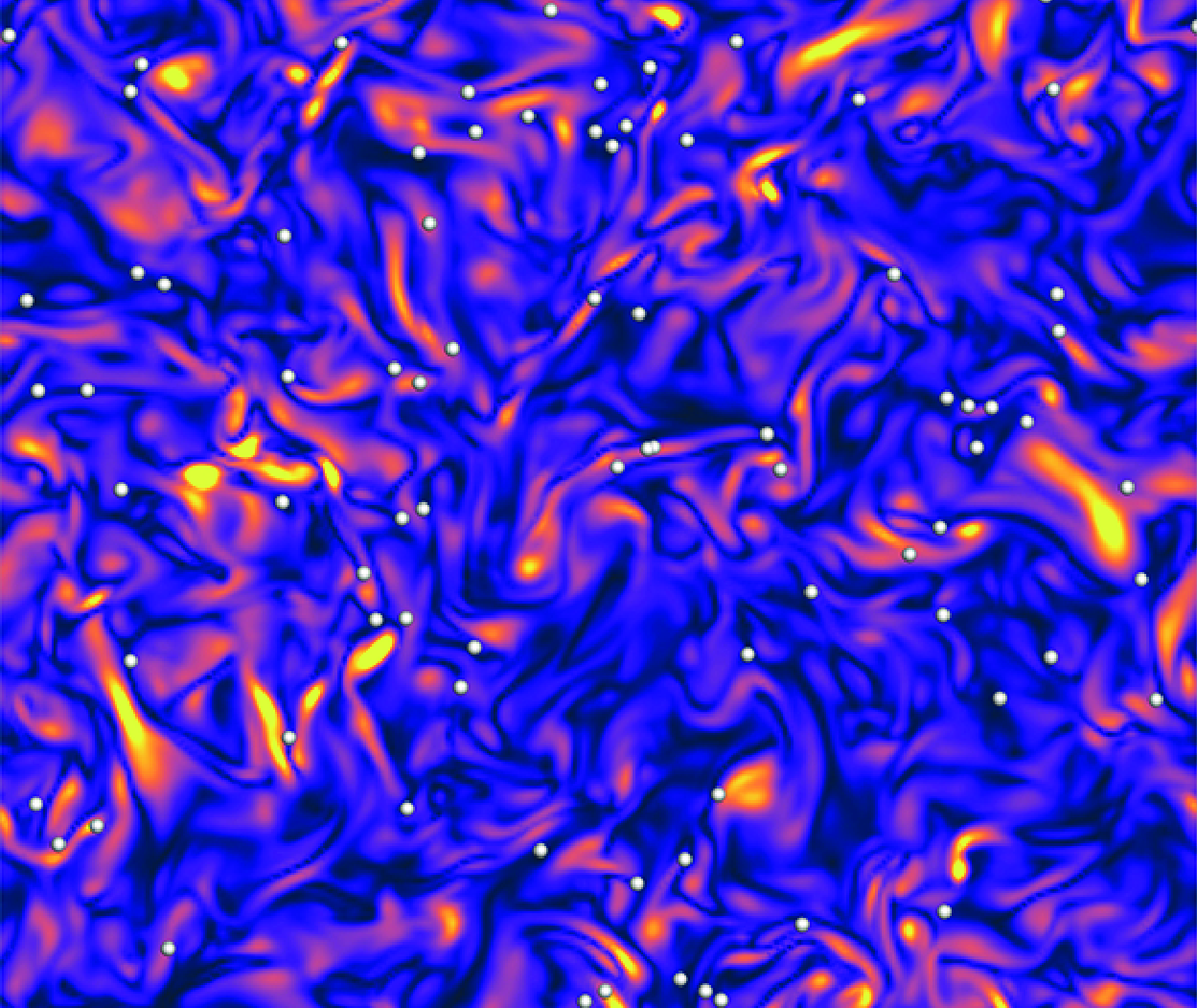
We investigate the fluid–solid interaction of suspensions of Kolmogorov-size spherical particles moving in homogeneous isotropic turbulence at a microscale Reynolds number of $Re_\lambda \approx 140$. Two volume fractions are considered, $10^{-5}$ and $10^{-3}$, and the solid-to-fluid density ratio is set to $5$ and $100$. We present a comparison between interface-resolved (PR-DNS) and one-way-coupled point-particle (PP-DNS) direct numerical simulations. We find that the modulated energy spectrum shows the classical $-5/3$ Kolmogorov scaling in the inertial range of scales and a $-4$ scaling at smaller scales, with the latter resulting from a balance between the energy injected by the particles and the viscous dissipation, in an otherwise smooth flow. An analysis of the small-scale flow topology shows that the particles mainly favour events with axial strain and vortex compression. The dynamics of the particles and their collective motion studied for PR-DNS are used to assess the validity of the PP-DNS. We find that the PP-DNS predicts fairly well both the Lagrangian and Eulerian statistics of the particle motion for the low-density case, while some discrepancies are observed for the high-density case. Also, the PP-DNS is found to underpredict the level of clustering of the suspension compared with the PR-DNS, with a larger difference for the high-density case.
Many problems in elastocapillary fluid mechanics involve the study of elastic structures interacting with thin fluid films in various configurations. In this work, we study the canonical problem of the steady-state configuration of a finite-length pinned and flexible elastic plate lying on the free surface of a thin film of viscous fluid. The film lies on a moving horizontal substrate that drives the flow. The competing effects of elasticity, viscosity, surface tension and fluid pressure are included in a mathematical model consisting of a third-order Landau–Levich equation for the height of the fluid film and a fifth-order Landau–Levich-like beam equation for the height of the plate coupled together by appropriate matching conditions at the downstream end of the plate. The properties of the model are explored numerically and asymptotically in appropriate limits. In particular, we demonstrate the occurrence of boundary-layer effects near the ends of the plate, which are expected to be a generic phenomenon for singularly perturbed elastocapillary problems.
This work presents visual morphological and dynamical classifications for 637 spatially resolved galaxies, most of which are at intermediate redshift ($z\sim0.3$), in the Middle-Ages Galaxy Properties with Integral field spectroscopy (MAGPI) Survey. For each galaxy, we obtain a minimum of 11 independent visual classifications by knowledgeable classifiers. We use an extension of the standard Dawid-Skene bayesian model introducing classifier-specific confidence parameters and galaxy-specific difficulty parameters to quantify classifier confidence and infer reliable statistical confidence estimates. Selecting sub-samples of 86 bright ($r\lt20$ mag) high-confidence ($\gt0.98$) morphological classifications at redshifts ($0.2 \le z \le0.4$), we confirm the full range of morphological types is represented in MAGPI as intended in the survey design. Similarly, with a sub-sample of 82 bright high-confidence stellar kinematic classifications, we find that the rotating and non-rotating galaxies seen at low redshift are already in place at intermediate redshifts. We do not find evidence that the kinematic morphology–density relation seen at $z\sim0$ is established at $z\sim0.3$. We suggest that galaxies without obvious stellar rotation are dynamically pre-processed sometime before $z\sim0.3$ within lower mass groups before joining denser environments.
This paper explores structure formation in two-dimensional magnetohydrodynamic (MHD) turbulence as a modulational instability (MI) of turbulent fluctuations. We focus on the early stages of structure formation and consider simple backgrounds that allow for a tractable model of the MI while retaining the full chain of modulational harmonics. This approach allows us to systematically examine the validity of popular closures such as the quasilinear approximation and other low-order truncations. We find that, although such simple closures can provide quantitatively accurate approximations of the MI growth rates in some regimes, they can fail to capture the modulational dynamics in adjacent regimes even qualitatively, falsely predicting MI when the system is actually stable. We find that this discrepancy is due to the excitation of propagating spectral waves (PSWs) which can ballistically transport energy along the modulational spectrum, unimpeded until dissipative scales, thereby breaking the feedback loops that would otherwise sustain MIs. The PSWs can be self-maintained as global modes with real frequencies and drain energy from the primary structure at a constant rate until the primary structure is depleted. To describe these waves within a reduced model, we propose an approximate spectral closure that captures them and MIs on the same footing. We also find that introducing corrections to ideal MHD, conservative or dissipative, can suppress PSWs and reinstate the accuracy of the quasilinear approximation. In this sense, ideal MHD is a ‘singular’ system that is particularly sensitive to the accuracy of the closure within mean-field models.
A combination of physics-based and data-driven post-processing techniques is proposed to extract acoustic-related shear-layer perturbation responses directly from spatio-temporally resolved schlieren video. The physics-based component uses momentum potential theory to extract the irrotational (acoustic and thermal) component from density gradients embedded in schlieren pixel intensities. For the unheated shear layer, the method filters acoustic structures and tones not evident in the raw data. The filtered data are then subjected to an efficient data-driven dynamic mode decomposition reduced-order model, which provides the forced acoustic perturbation response for broad parameter ranges. A shear layer comprising Mach 2.461 and 0.175 streams, corresponding to a convective Mach number 0.88 and containing shocks, is adopted for illustration. The overall perturbation response is first obtained using an impulse forcing in the wall-normal direction of the splitter plate, extending into subsonic and supersonic streams. Subsequently, impulse and harmonic forcings are independently applied in a pixel-by-pixel manner for a precise receptivity study. The acoustic response shows a convective wavepacket and acoustic burst from the splitter plate. The interaction with the shock and associated wave dispersion emits a second, slower, acoustic wave. Harmonic forcing indicates higher frequency-dependent sensitivity in the supersonic stream, with the most sensitive location near the outer boundary-layer region, which elicits an order of magnitude larger acoustic response compared with disturbances in the subsonic stream. Some receptive forcing regions do not generate significant acoustic waves, which may guide excitation with low noise impact.
The much-anticipated new edition of 'Learning the Art of Electronics' is here! It defines a hands-on course, inviting the reader to try out the many circuits that it describes. Several new labs (on amplifiers and automatic gain control) have been added to the analog part of the book, which also sees an expanded treatment of meters. Many labs now have online supplements. The digital sections have been rebuilt. An FPGA replaces the less-capable programmable logic devices, and a powerful ARM microcontroller replaces the 8051 previously used. The new microcontroller allows for more complex programming (in C) and more sophisticated applications, including a lunar lander, a voice recorder, and a lullaby jukebox. A new section explores using an Integrated Development Environment to compile, download, and debug programs. Substantial new lab exercises, and their associated teaching material, have been added, including a project reflecting this edition's greater emphasis on programmable logic. Online resources including online chapters, teaching materials and video demonstrations can be found at: https://LearningTheArtOfElectronics.com.
Optical fibers offer convenient access to a variety of nonlinear phenomena. However, due to their inversion symmetry, second-order nonlinear effects, such as second-harmonic generation (SHG), are challenging to achieve. Here, all-fiber in-core SHG with high beam quality is achieved in a random fiber laser (RFL). The fundamental wave (FW) is generated in the same RFL. The phase-matching condition is mainly achieved through an induced periodic electric field and the gain is enhanced through the passive spatiotemporal gain modulation and the extended fiber. The conversion needs no pretreatment and the average second-harmonic (SH) power reaches up to 10.06 mW, with a corresponding conversion efficiency greater than 0.04%. Moreover, a theoretical model is constructed to explain the mechanism and simulate the evolution of the SH and FW. Our work offers a simple method to generate higher brightness for in-fiber SHs, and may further provide new directions for research on all-fiber χ(2)-based nonlinear fiber optics and RFLs.