To save content items to your account,
please confirm that you agree to abide by our usage policies.
If this is the first time you use this feature, you will be asked to authorise Cambridge Core to connect with your account.
Find out more about saving content to .
To save content items to your Kindle, first ensure no-reply@cambridge.org
is added to your Approved Personal Document E-mail List under your Personal Document Settings
on the Manage Your Content and Devices page of your Amazon account. Then enter the ‘name’ part
of your Kindle email address below.
Find out more about saving to your Kindle.
Note you can select to save to either the @free.kindle.com or @kindle.com variations.
‘@free.kindle.com’ emails are free but can only be saved to your device when it is connected to wi-fi.
‘@kindle.com’ emails can be delivered even when you are not connected to wi-fi, but note that service fees apply.
This paper discusses the development of synthetic cohomology in Homotopy Type Theory (HoTT), as well as its computer formalisation. The objectives of this paper are (1) to generalise previous work on integral cohomology in HoTT by the current authors and Brunerie (2022) to cohomology with arbitrary coefficients and (2) to provide the mathematical details of, as well as extend, results underpinning the computer formalisation of cohomology rings by the current authors and Lamiaux (2023). With respect to objective (1), we provide new direct definitions of the cohomology group operations and of the cup product, which, just as in the previous work by the current authors and Brunerie (2022), enable significant simplifications of many earlier proofs in synthetic cohomology theory. In particular, the new definition of the cup product allows us to give the first complete formalisation of the axioms needed to turn the cohomology groups into a graded commutative ring. We also establish that this cohomology theory satisfies the HoTT formulation of the Eilenberg–Steenrod axioms for cohomology and study the classical Mayer–Vietoris and Gysin sequences. With respect to objective (2), we characterise the cohomology groups and rings of various spaces, including the spheres, torus, Klein bottle, real/complex projective planes, and infinite real projective space. All results have been formalised in Cubical Agda, and we obtain multiple new numbers, similar to the famous ‘Brunerie number’, which can be used as benchmarks for computational implementations of HoTT. Some of these numbers are infeasible to compute in Cubical Agda and hence provide new computational challenges and open problems which are much easier to define than the original Brunerie number.
We establish that if α > 1 and $n\geq3$ or if $\alpha\in (1-\epsilon_0, 1)$ with $n=2m\geq4$, then $v_{\alpha}\equiv0$. As an application, we present a new proof of the classical Beckner inequality.

Peloids are natural therapeutic muds or clays used in balneotherapy and other health treatments. The aim of this study is to prepare and qualify three artificial peloids by maturation for 360 days of some Tunisian smectitic clays with a naturally chlorinated sodic mineral water from a spring in Korbous, Tunisia. This was done to improve our understanding of the behaviour of these clays and the physicochemical changes that affect the clays during maturation, with the purpose of providing suitable raw materials as a solid phase for peloid preparation. The results showed that parameters such as mineralogy, geochemistry, granulometry, cation-exchange capacity, consistency parameters (Atterberg limits and plasticity index), specific surface area, cooling kinetics and pH are all affected by the geochemistry of the thermal water used during maturation. Mineralogical modifications mostly concern the clay minerals’ contents, particularly smectite, and subordinately the dissolution of gypsum and the neoformation of halite. The observed improvements to the plasticity index and cooling kinetics can be explained by the ability of water molecules, and especially cations, to diffuse into the clay particles. The main exchangeable cations are Na+ and Ca2+, along with Mg2+ and K+, which promote swelling and increase water retention and consequently retention of heat in thermal spa treatments. The chemical composition of the major elements is closely linked to the mineralogical compositions of the clays, and also to the chemical composition of the thermal water used in their maturation. The safety profiles of the peloids obtained at different maturation times were evaluated, particularly regarding their content of potentially toxic elements such as arsenic.
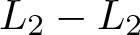
In this article, we prove the local-in-time existence of regular solutions to dissipative Aw–Rascle system with the offset equal to gradient of some increasing and regular function of density. It is a mixed degenerate parabolic-hyperbolic hydrodynamic model, and we extend the techniques previously developed for compressible Navier–Stokes equations to show the well-posedness of the system in the $L_2-L_2$ setting. We also discuss relevant existence results for offset involving singular or non-local functions of density.
Background: Tuberous Sclerosis Complex (TSC) is a multisystemic neurocutaneous disorder in which hamartomas confer significant medical risks, including mortality, by disruption of local tissues. However, only recently have multiple studies assessed specific aetiologies of mortality in TSC. Methods: A literature review of all available studies examining mortality in TSC was conducted until December 15, 2024. Results: We identified 13 studies reporting 411 deaths from 6735 individuals with TSC. Crude mortality per 100 individuals ranged from 1.4-13.8 over average intervals of 11-45 years. Mortality risk ranged from 3.0-4.9 (mean 4.3) versus the general population. Mean life expectancy was 66.2 years compared to 81.8 in the general population. In seven studies that reported specific aetiologies of mortality, 6/7 (85%) had renal (commonly renal failure or angiomyolipoma hemorrhage) or brain disease (most frequently sudden unexpected death in epilepsy or brain tumours) as the most common cause of mortality. Intellectual delay conferred increased mortality risk. Lymphangioleiomyomatosis conferred significant risk of mortality in adult women and cardiac rhabdomyomas were the dominant cause of neonatal mortality. Conclusions: Mortality in TSC is elevated compared to the general population, with brain and renal disease most frequently culpable. Future studies should assess the impact of disease modifying therapies on mortality in TSC.
Background: Inuit children have been observed to have high rates of macrocephaly, which leads to burdensome travel for medical evaluation, often with no pathology identified. Given reports that WHO growth charts may not reflect all populations, we compared head circumference (HC) measurements in a cohort of Inuit children with the WHO charts. Methods: We extracted HC data from a retrospective cohort study where, with Inuit partnership, we reviewed medical records of Inuit children, born between 2010-2013, and residing in Nunavut. We excluded children with preterm birth, documented neurologic/genetic disease, and most congenital anomalies. We compared HC values with the 2007 WHO charts. Results: We analyzed records of 1960 Inuit children (8866 data points). Most data were from ages 0-36 months. At all age points, the cohort had statistically significantly larger HC than WHO medians. At age 12 months, median HC were 1.3 cm and 1.5 cm larger for male and female Inuit children. Using WHO growth curves, macrocephaly was overdiagnosed and microcephaly underdiagnosed. Conclusions: Our results support the observation that Inuit children from Nunavut have larger HCs, and use of the WHO charts may lead to overdiagnosis of macrocephaly and underdiagnosis of microcephaly. Population specific growth curves for Inuit children should be considered.
Background: Routine early postoperative CT (EPCT) in neurologically intact patients is unsupported but still common. Recent studies suggest 135 scans are needed to detect one clinically silent abnormality (Blumrich, 2021). This study assessed the rate and utility of EPCT, defined as a CT head scan within 24 hours of adult craniotomy. Methods: Retrospective review of adult craniotomy cases at the University of Alberta Hospital was conducted over a 10-month period. Data on EPCT rates, timing, adverse findings (complication or unfavourable outcome, e.g., bleeding, extensive pneumocephalus, edema, ischemia), as well as clinical data on neurologic deterioration (e.g., weakness, aphasia, visual impairment, decreased LOC), and repeat surgical interventions were extracted. Results: Of 405 patients (200 female, 54.6 ± 0.8 years, range: 19-89), 96.5% (391/405) underwent EPCT. Adverse EPCTs occurred in 9.2% (36/391), with neurologic deterioration in 7.7% (30/391) and repeat surgery in 2.8% (11/391). Adverse scans and neurologic deterioration were strongly correlated (X2=141.1, p=1.54e-32). Only 0.5% (2/405) of EPCT findings prompting surgery lacked prior neurologic deterioration. Conclusions: EPCT in the absence of neurologic deterioration has a low yield for surgical intervention and may be safely omitted.
Background: The combination of PARP inhibitor and immune checkpoint inhibitors have been proposed as a potentially synergistic combinatorial treatment in IDH mutant glioma, targeting dysregulated homologous recombination repair pathways. This study analyzed the cell-free DNA methylome of patients in a phase 2 trial using the PARP inhibitor Olaparib and the PD-1 inhibitor Durvalumab. Methods: Patients with recurrent high-grade IDH-mutant gliomas were enrolled in a phase II open-label study (NCT03991832). Serum was collected at baseline and monthly and cell-free methylated DNA immunoprecipitation and high-throughput sequencing (cfMeDIP-seq) was performed. Binomial GLMnet models were developed and model performance was assessed using validation set data. Results: 29 patients were enrolled between 2020–2023. Patients received olaparib 300mg twice daily and durvalumab 1500mg IV every 4 weeks. The overall response rate was 10% via RANO criteria. 144 plasma samples were profiled with cfMeDIP-seq along with 30 healthy controls. The enriched circulating tumour DNA methylome during response periods exhibited a highly specific signature, accurately discriminating response versus failure (AUC 0.98 ± 0.03). Additionally, samples that were taken while on treatment were able to be discriminated from samples off therapy (AUC 0.74 ± 0.11). Conclusions: The cell-free plasma DNA methylome exhibits highly specific signatures that enable accurate prediction of response to therapy.
Background: The use of Tenecteplase (TNK) in Extended Time Window (ETW) for Acute Ischemic Stroke (AIS) remains an ongoing debate. Methods: Systematic review of 3 Randomized controlled trials (RCTs)- TIMELESS, TRACE 3, CHABLIS-T II was conducted. Results: 1198 patients were enrolled: 603 received TNK, while 595 were controls. All 3 trials included patients with Internal Carotid and/ or Proximal Middle Cerebral Artery Occlusions; however, in TRACE 3, patients did not have access to endovascular thrombectomy. TIMELESS and CHABLIS-T II showed better recanalization in the TNK group but the median Modified Rankin Score was 3 at 90 days in both groups, demonstrating no benefit in clinical outcomes. Symptomatic Intracranial hemorrhage (sICH) was similar in the two groups. In TRACE 3, there was an improvement in functional outcomes at 90 days in the TNK group (33.0% vs. 24.2%), but the incidence of sICH was also higher (3.0% and 0.8%, respectively). Conclusions: Better recanalization rates are seen with TNK in ETW, but may not be associated with improved functional outcomes at 90 days compared to medical management. Incidence of sICH also remains largely favorable, except in TRACE 3, which showed a higher incidence in the TNK group. There remains a need for more RCTs in this population.
Background: Experimental and clinical evidence suggest that Parkinson’s disease (PD) manifests differently between females and males, yet women have been underrepresented in PD clinical research, leading to a limited understanding of the sex- and gender-specific aspects of the disease. Understanding the needs of women with PD (WwPD) is critical Methods: Patient-centered outcomes-based mixed methods study. Phase 1: Qualitative focus groups, patient-centered discussions, led by female interviewers. Phase 2: Nationwide survey via the Qualtrics platform, informed by focus group findings. We report the Phase 1 preliminary results Results: We conducted 5 focus groups with 22 cisgender women. Mean age 60.5 (range: 44 -81) and disease duration of 6.82 years. Two main themes emerged: (1) Mental Health: participants reported significant emotional distress, altered self-image, and impacts on family, social, and professional life. (2) Physical Health and Health care: While some were satisfied with care, those with young-onset PD experienced misdiagnosis, dismissal, and inadequate information. Sexual health, and the overlap between menopause and PD symptoms, were highlighted. Most participants emphasized the benefits of physical activity, nutrition, and social support. Conclusions: Findings highlight significant health challenges in women, underscoring the need for gender-specific care and tailored support to improve healthcare outcomes
The Jacobian of a very general complex algebraic curve of genus at least 3 contains an algebraic cycle called the Ceresa cycle that is homologically trivial but algebraically nontrivial. Zharkov defined in analogy the tropical Ceresa cycle of a metric graph and proved a similar result for very general tropical curves overlying the complete graph on four vertices. We extend this result by considering a related, ‘universal’ invariant of the underlying graph called the Ceresa period; we show that having trivial Ceresa period has a forbidden minor characterization that coincides with the graph being of hyperelliptic type.
A newborn with right atrial isomerism, single-ventricle physiology, supracardiac total anomalous pulmonary venous connection, and pulmonary atresia underwent vertical vein stenting, resulting in ductus arteriosus compression. Subsequent ductal stenting restored patency, preventing haemodynamic compromise and ensuring survival. This case highlights the risk of secondary ductal obstruction in vertical vein stenting and the importance of early recognition and intervention.
Background: Postoperative visual deterioration following endoscopic endonasal surgery for pituitary adenoma is very rare yet significant morbidity. Visual deficit can arise from iatrogenic injury, compression or ischemic insults. The specific predictors of visual decline and their correlation with the effectiveness of various interventions remain poorly understood. Methods: We retrospectively reviewed data from790 patients who underwent endoscopic endonasal surgery for pituitary adenoma between 2014-2024. We included all the patients who had New Postoperative visual deterioration. Demographic, preoperative, intraoperative, postoperative data were collected and analyzed. Results: Nine patients (1.13%) experienced early postoperative visual deterioration. None of the patient has intraoperative report of direct injury to the optic apparatus, ischemic etiology was seen in five patients. Four patients underwent early reoperation to explore and decompress the optic apparatus. Vision was restored to baseline after reoperation in all 4 compressive cases. In the ischemic group (n=5), three patients improved with supplemental oxygen and hypervolemic-hypertensive therapy (p=0.03). Conclusions: Prognosis and outcome of Postoperative visual deterioration depends on the underlying cause and the effectiveness of intervention. Compressive etiology has a favorable prognosis when identified and managed with reoperation and decompression. Ischemic etiology potentially treatable with supplemental oxygen hypervolemic-hypertensive and high mean arterial pressure in more than half of cases.
Early modern urban parliaments suffered an increasing monopolization of political power that hampered urban development. To combat power monopolization, some Swiss city-states reformed their election systems by randomly selecting political representatives from a pre-elected pool of candidates. We implement a difference-in-differences design and find that lottery-based election systems improved the equality of distribution of political seats within parliaments. Lottery-based elections also had positive effects on trade tax revenues, trade volumes, and infrastructure expenditures. We explain this finding by showing that lottery-based election systems fostered the election of merchants to top political positions.
Background: We summarize the efficacy and safety data for omaveloxolone in patients with Friedreich ataxia from the MOXIe clinical trial (NCT02255435, EudraCT2015-002762-23) and post hoc analyses. Methods: In MOXIe Part 2, patients aged 16-40 were randomized 1:1 to receive omaveloxolone 150 mg or placebo. The primary outcome was change in modified Friedreich Ataxia Rating Scale (mFARS) from baseline to Week 48—patients could roll over into an open-label extension (OLE). A post hoc propensity-matched analysis compared treated and untreated patients over 3 years. Results: Treatment with omaveloxolone significantly improved mFARS relative to placebo at Week 48, with a difference of -2.41 points for the full analysis set (n=82 [excluding severe pes cavus]; p=0.01) and -1.93 points for the all-randomized population (n=103 [including severe pes cavus]; p=0.03). Transient and reversible changes in aminotransferase levels were observed with omaveloxolone without other signs of liver injury. Headache, nausea, and fatigue were among the more common adverse drug reactions in omaveloxolone-treated patients. In a post hoc propensity-matched analysis, omaveloxolone-treated patients in the OLE progressed by 3 points at Year 3 versus 6.6 points in an untreated matched cohort. Conclusions: Patients who received omaveloxolone showed a significantly stabilized neurological function and slowing of FA progression, as measured by mFARS.
Background: Generalized myasthenia gravis (gMG) is a potentially life threatening chronic autoimmune disease that can impair patients’ ability to work effectively and increase reliance on public support benefits. A public economic framework was used to explore how treatment influences patients’ and caregivers’ economic activity, including tax revenues and public support in Canada. Methods: Natural history of gMG was simulated using a multi-state Markov cohort model. Health states were based on MG Activities of Daily Living (MG-ADL) total score in patients with AChR-Ab+ refractory gMG. Treatment, costs, and economic outcomes of patients taking efgartigimod were compared with alternative therapeutic options. Canadian public support benefits were based on official government sources. Results: Improved MG-ADL states predict higher workforce participation, lower rates of disability and less caregiving needs, resulting in higher tax revenues and less public support costs. Compared to alternative therapeutic options, efgartigimod is estimated to yield lifetime fiscal gains of $458,755 that exceed the incremental cost of $291,073, suggesting the Canadian government receives $1.6 for every $1.0 spent on efgartigimod for the treatment of gMG. Conclusions: Compared with alternative options, efgartigimod generated a positive fiscal return for the Canadian governments with additional savings from disease management, public benefits, and averted tax revenue losses.
Over the years, the number of parasitic helminth species discoveries has not ceased to increase and the popularisation of the use of molecular methods has contributed greatly to sustain the growth in knowledge. However, molecular approaches evolved rapidly in the last 20 years. I argue that the research community working on parasitic helminths has lagged behind in the application of molecular methods that examine multiple loci to study species diversity. In this paper, I review the recent historical trends in the molecular markers used to study trematode diversity. Except for the emergence of pioneer mitogenome studies, the use of markers has not changed in the past 10 years. It is still restricted to single locus or a combination of two, rarely three, mitochondrial and ribosomal loci. I identify past and current molecular approaches providing data on multiple loci across the genome which have found resistance in the trematode and the helminth parasitology fields over the last four decades. I discuss how the knowledge gained from the analysis of genome-wide markers would benefit research on parasite diversity today, in particular for cases of species complexes, cryptic (or nearly cryptic) species, recently diverged species, and species with a complex taxonomic history, or a history of suspected mitonuclear discordance as well as for taxa with wide geographical distributions or species with disjoint distributions. Furthermore, I argue that both, studies with classical markers and reduced-representation genome studies providing genome-wide markers should not walk different paths but feedback on each other to advance the field forward. I examine some challenges and make recommendations for obtaining high-throughput molecular data of parasitic helminths.
This study reports on a set of experiments designed to clarify the impact of the rotational transform on confinement quality at the TJ-II stellarator. For this purpose, the net plasma current is controlled using external coils, resulting in the modification of the rotational transform profile. Significant and systematic variations of the edge electron density gradients (up to $50\,\%{-}60\,\%$) and the plasma energy content ($20\,\%{-}30\,\%$) are achieved. The explanation of this behaviour relies on the placement of low-order rational surfaces in relation to the edge gradient region, which affect local turbulence fluctuation levels, facilitating the formation of zonal flows and concomitant transport barriers. This hypothesis is confirmed experimentally on the basis of a broad array of diagnostic measurements. Calculations based on a resistive magnetohydrodynamic turbulence model provide qualitative support for this hypothesis, clarifying the impact on confinement of specific rational surfaces and highlighting the complex nature of magnetically confined fusion plasmas.
Background: In intracerebral hemorrhage (ICH), hematoma expansion (HE) is a major predictor of mortality and morbidity. A rapid approach, including oral anticoagulant (OAC) reversal and blood pressure (BP) reduction, both <60 min from arrival, improves outcomes. We aimed to evaluate current time metrics in the management of anticoagulant-associated intracerebral hemorrhage (AAICH) and their impact on HE in a high-income setting. Methods: Consecutive AAICH patients presenting to a high-volume stroke center (2017-2023) were retrospectively identified. Clinical and imaging data were merged, with baseline and follow-up hematoma volumes quantified using 3D Slicer segmentation software. Results: Of 75 AAICH patients, 62 received antihypertensives and 52 OAC reversal, with median(IQR) times to BP control: 87.5 (61-207) minutes and median time to OAC reversal: 67.5 (49-96) minutes. Only 14 (23%) and 23 (44%) achieved treatment targets <60 minutes, respectively, and 7 (9%) patients achieving both targets. HE occurred in 27 of 48 patients with follow-up imaging. Median time to target BP was significantly longer in those with HE (186.5 (87-317) min) compared to those without HE (70 (56-104) min), p=0.01. Conclusions: Current management of AAICH remains heterogeneous, with considerable treatment delays regarding BP control and OAC reversal. These findings support the implementation of standardized protocols to optimize AAICH treatment.