To save content items to your account,
please confirm that you agree to abide by our usage policies.
If this is the first time you use this feature, you will be asked to authorise Cambridge Core to connect with your account.
Find out more about saving content to .
To save content items to your Kindle, first ensure no-reply@cambridge.org
is added to your Approved Personal Document E-mail List under your Personal Document Settings
on the Manage Your Content and Devices page of your Amazon account. Then enter the ‘name’ part
of your Kindle email address below.
Find out more about saving to your Kindle.
Note you can select to save to either the @free.kindle.com or @kindle.com variations.
‘@free.kindle.com’ emails are free but can only be saved to your device when it is connected to wi-fi.
‘@kindle.com’ emails can be delivered even when you are not connected to wi-fi, but note that service fees apply.
Constrained resources under universal health coverage (UHC) necessitate a balance between medication costs and essential health system requirements. Policymakers practice priority-setting, as either implicit or explicit rationing, embedded in evidence-informed decision-making processes to guide funding decisions. Health technology assessment (HTA) is a method that may assist explicit evidence-informed priority setting. South Africa developed an official HTA methods guide in 2022, however before this, commissioning and performing economic evaluations was not standardized.
Methods
We conducted a descriptive collective case study to explore the impact of economic analyses on the selection of, and access to, essential medicines in South Africa. Four cases were purposefully selected, and both official information and secondary data, including media reports, were reviewed. Data elements were extracted and organized in a matrix. Cases were reported narratively with a positivist epistemological approach, presenting the authors’ reflections.
Results
We found economic analyses that reflected methodologies described in the HTA guide: international reference pricing, cost-minimization, cost-effectiveness, cost-utility, and budget impact analyses. Economic analyses informing the ‘resource-use’ domain in the GRADE evidence-to-decision framework supported decision-making, influenced market-shaping with price reductions of interventions through benchmarking (fosfomycin, flucytosine), improved equitable access nationally (flucytosine), and prioritized a defined patient group in a justifiable and transparent manner (bortezomib).
Conclusion
A standardized HTA evaluation process guided by a nationally accepted framework is necessary for evidence-informed decision-making. Economic analyses (cost-effectiveness, affordability, and resource use) should be consistently included when making decisions on new interventions.
Edited by
Daniel Benoliel, University of Haifa, Israel,Peter K. Yu, Texas A & M University School of Law,Francis Gurry, World Intellectual Property Organization,Keun Lee, Seoul National University
In a prior study, one of the authors uncovered a striking degree of imbalance with respect to rates of copyright registrations between men and women. Although women made up roughly half of the population between 1978 and 2012, they authored only one third of all registered works. If the U.S. Copyright Office is to properly “promote the Progress of Science and useful Arts,” then we must seek to understand what may be contributing to lower rates of creative authorship and copyright registration by women. This chapter discusses several factors that may contribute to the historic inequality in rates of copyright authorship by men and women. Far from exhaustive, the chapter provides a snapshot of some of the structural and economic factors that may discourage authorship by women. Specifically, the authors consider whether the gender disparity in rates of authorship is reflective of gender dynamics in other intellectual property holdings, property ownership more generally, and gender disparity within various creative professions.
Edited by
Daniel Benoliel, University of Haifa, Israel,Peter K. Yu, Texas A & M University School of Law,Francis Gurry, World Intellectual Property Organization,Keun Lee, Seoul National University
This chapter explores the impact of intellectual property on increasing income and wealth inequality internationally and domestically, with a focus on law and legal methodology. It begins by setting the scene and background of international intellectual property protection. The chapter then examines the potential of taking into account considerations of income and wealth distribution in the process of interpreting intellectual property rules and explores the potential of the principle of equity. It turns to the overall balance of rights and obligations from an angle of fostering investment in innovation and proposes to recognize creative imitation in the overall equation. It also suggests recalibrating rules on the duration of patents, copyright, trademarks, and trade secret protection. The latter is not subject to limitation and time and may thus contribute to unjustified economic rents detrimental to human investment. This chapter suggests to introduce ceilings of protection and refer to the principle of unjust enrichment in conceptualizing these concerns.
The action for annulment is one of the main avenues to test the lawfulness of EU measures in light of EU fundamental rights. Through this procedure, the EU courts exercise their role of guardians of the Treaties by confirming or striking down EU measures. Accordingly, the action has both an ex post regulatory and a democratic control function, while ensuring the coherence of the EU legal order under a Kelsenian model of constitutional review. It is through procedure that EU fundamental rights exercise their influence in the action for annulment: both the parties to the litigation and the Court invoke procedural fundamental rights to delineate the process-based obligations imposed on EU institutions. In so doing, both the applicants and the EU courts shape fairness and the rule of law in the EU administrative space. The centrality of procedure in the judicial review of EU law is a direct reflection of the plethora of procedures that constellate the EU governance. Yet recent rule of law saga cases appear to signal a new direction towards more substantive pleas (and therefore contestation) of EU law.
Edited by
Daniel Benoliel, University of Haifa, Israel,Peter K. Yu, Texas A & M University School of Law,Francis Gurry, World Intellectual Property Organization,Keun Lee, Seoul National University
Theoretically, all inventions are equal under the law: they receive the same scope of protection for the same period, backed by the same remedies. In reality, such equality has been strongly compromised. Patents are concentrated in the hands of big companies and privileged individuals. Women and minorities – as well as firms they own – are less likely to file for patents and have their patents granted. Small companies are also less likely to file and receive patents than strong incumbents. This chapter argues that some changes in the patent system can trigger better accessibility, affordability, and equality. It builds on the author’s earlier proposal to replace the patent record with a decentralized database that would include more information about inventions from more sources and additional functions. Under the proposal, inventors would submit patent applications to a shared patent record instead of a central patent office. During the examination process and throughout the duration of the patent, industry and state actors would be able to update the record. For example, third parties could submit prior art, scientists could weigh in on obviousness, patentees could offer licenses, and courts could list outstanding cases that pertain to the patent.
This chapter introduces Review Bodies as accountability mechanisms for fundamental rights violations by the EU executive. As an umbrella concept, Review Bodies includes all actors except courts that, upon individual petition, independently review potential fundamental rights violations by EU actors. For the EU, these Review Bodies are the European Ombudsman, Boards of Appeal, and Fundamental Rights Officers. Albeit vested with weaker authority than courts, Review Bodies offer two crucial elements for comprehensive access to justice. First, Review Bodies are complementary to courts, meaning that they are often more accessible and more specialized. Second, Review Bodies focus less on individual issues of legality but on structural problems that produce repeated fundamental rights violations. In principle, this would place Review Bodies in a prime position to advance executive accountability in the EU. However, too often, Review Bodies are underfunded and lack the ‘teeth’ to discipline EU executive actors. Therefore, to improve access to justice and remedy structural problems engrained into the Union’s burgeoning executive power, authority and funding of Review Bodies should expand and other actors, especially courts, should team up with Review Bodies to effectuate their structure-focused expertise through the ‘teeth’ of judicial authority and public pressure.
National courts are central actors in the EU legal system. In a system of remedies against EU acts, they take on a filtering function. Comparatively few civil society actors – individuals, groups, or companies – have direct access to the EU courts. This chapter focuses on the autonomous role that national courts can and do take on in addressing alleged rights violations by the EU. The chapter explores how enterprising civil society actors seize on the ambiguities inherent in a multi-level jurisdiction with contested hierarchies. In focusing on such efforts, this chapter is less interested in doctrinal questions of how to resolve conflicts inherent in a pluralist legal order. Rather, it looks at the circumstances under which civil society litigants – individuals, groups, and companies – address a claim to a national court and where national courts have historically been open to such claims.
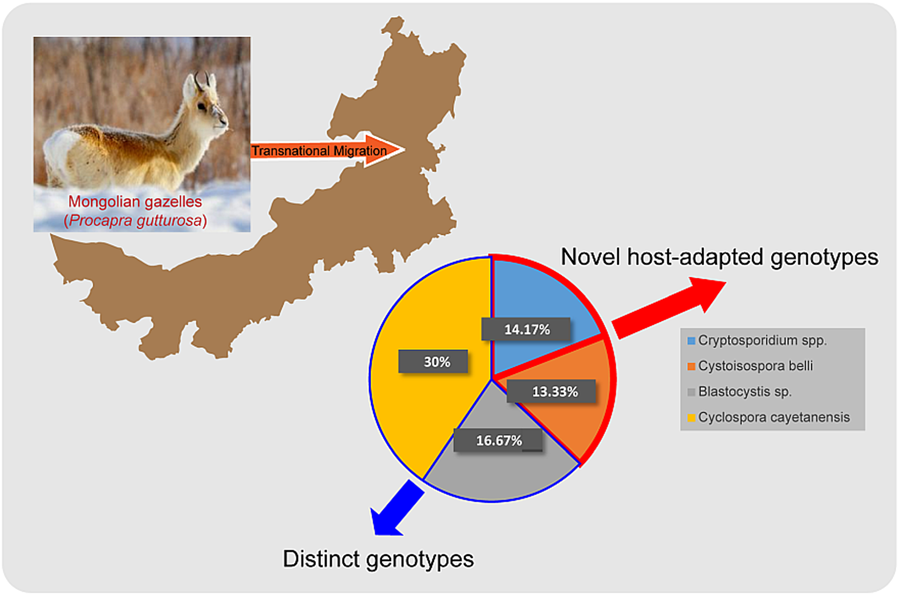
The migration of Mongolian gazelles (Procapra gutturosa) poses a potential risk of outbreak for zoonotic intestinal protozoan parasite infections. This study aims to investigate the infection status of zoonotic intestinal protozoan parasites in these migratory Mongolian gazelles. We collected 120 fecal samples from Mongolian gazelles during their migration from Mongolia to China in December 2023. These samples were analysed using amplification and sequencing of partial SSU rRNA genes to detect the 4 presence of zoonotic intestinal protozoan parasites and characterize their genotypes. Our analysis revealed the presence of several zoonotic intestinal protozoan parasites in the sampled Mongolian gazelles. Cryptosporidium spp. was detected in 14.17% (17/120) of the samples, followed by Cystoisospora belli in 13.33% (16/120), Blastocystis sp. in 16.67% (20/120) and Cyclospora cayetanensis in 30.00% (36/120). Moreover, we identified novel host-adapted genotypes of Cryptosporidium spp. and C. belli, as well as the presence of ST2 and ST13 Blastocystis sp. subtypes, while distinct genotypes were found in Blastocystis sp. and C. cayetanensis. This study revealed the status of 4 prevalent zoonotic intestinal protozoan parasite infections in Mongolian gazelles and provided crucial insights into their characteristics. The prevalence of these parasites in the population highlights the potential risk of cross-border transmission of infectious diseases associated with long-distance migration. Furthermore, the identification of novel genotypes contributes to our understanding of the genetic diversity and adaptation of these parasites. These findings can inform the development of protective measures to mitigate the impact of these infections on the health and survival of Mongolian gazelles.
In numerous applications, extracting a single rotation component (termed “planar rotation”) from a 3D rotation is of significant interest. In biomechanics, for example, the analysis of joint angles within anatomical planes offers better clinical interpretability than spatial rotations. Moreover, in parallel kinematics robotic machines, unwished rotations about an axis – termed “parasitic motions” – need to be excluded. However, due to the non-Abelian nature of spatial rotations, these components cannot be extracted by simple projections as in a vector space. Despite extensive discussion in the literature about the non-uniqueness and distortion of the results due to the nonlinearity of the SO(3) group, they continue to be used due to the absence of alternatives. This paper reviews the existing methods for planar-rotation extraction from 3D rotations, showing their similarities and differences as well as inconsistencies by mathematical analysis as well as two application cases, one of them from biomechanics (flexural knee angle in the sagittal plane). Moreover, a novel, simple, and efficient method based on a pseudo-projection of the Quaternion rotation vector is introduced, which circumvents the ambiguity and distortion problems of existing approaches. In this respect, a novel method for determining the orientation of a box from camera recordings based on a two-plane projection is also proposed, which yields more precise results than the existing Perspective 3-Point Problem from the literature. This paper focuses exclusively on the case of finite rotations, as infinitesimal rotations within a single plane are non-holonomic and, through integration, produce rotation components orthogonal to the plane.
Edited by
Daniel Benoliel, University of Haifa, Israel,Peter K. Yu, Texas A & M University School of Law,Francis Gurry, World Intellectual Property Organization,Keun Lee, Seoul National University
Without enhancing their innovation capabilities, latecomer countries will be subject to the middle-income trap, and global inequality will not be reduced. This chapter thus discusses the roles of diverse forms of intellectual property rights (IPR) in promoting innovation among latecomers. It argues, first, that utility model or petit patents can be a useful form of IPR for recognizing and encouraging innovation by latecomers in their earlier stage of development, and, secondly, that latecomer firms in sectors involving tacit knowledge can rely on trademarks, rather than regular patents, as the main forms of IPR in their innovation and growth pathways. This chapter further discusses the negative impacts of strong IPR protection in Northern economies on the exports by Southern or catch-up economies to Northern markets. As a means to overcome this barrier, the chapter discusses the role of leapfrogging strategy, where latecomers pursue different technological trajectories from those of incumbent countries.
To determine if implementing stewardship pharmacist-driven methicillin-resistant Staphylococcus aureus (MRSA) nasal surveillance increases use of the test and reduces the inappropriate use of vancomycin for MRSA coverage in patients with pneumonia.
Design:
Retrospective pre-/post-intervention study.
Setting:
Large teaching acute care hospital.
Participants:
Adult patients receiving vancomycin therapy for treatment of pneumonia.
Methods:
A stewardship pharmacist ran a report of admitted patients receiving vancomycin and reviewed the patients’ records. If the patient’s indication was pneumonia and a MRSA nasal swab had not been ordered, the pharmacist contacted the patient’s provider and requested an order for it. Upon receipt of a negative MRSA nasal swab result, the pharmacist recommended discontinuation of vancomycin if appropriate.
The control group was four weeks prior to the stewardship intervention, where there was no dedicated stewardship pharmacist reviewing MRSA swab utilization. The primary outcome was percentage of patients who had a MRSA swab ordered. Secondary outcomes included percentage of patients who had vancomycin appropriately de-escalated based on MRSA nasal swab results and length of vancomycin therapy.
Result:
Percentage of swabs ordered increased from 36.1% (22/61) to 83.7% (41/49) with pharmacist intervention (P < 0.0001). The rate of vancomycin de-escalation following a negative MRSA swab increased from 19.7% (12/61) to 61.2% (30/49) with pharmacist intervention (P < 0.0001).
Conclusion:
The results suggest implementing a pharmacist driven MRSA nasal surveillance program into practice could increase the number of MRSA nasal swabs ordered and promote timely de-escalation of vancomycin in patients with pneumonia.
The environmental conditions for the origin of life are still not well-constrained, but membrane-bound structures must have been key to the origin of life. Membranes composed of fatty acids are promising candidates due to their simplicity and plausible prevalence in prebiotic environments. To assess the stability of membranes composed of fatty acids with tail lengths ranging from 12 to 16 carbons at different temperatures and sodium chloride concentrations that may have existed on the early Earth, we conducted all-atom molecular dynamics (MD) simulations. In the absence of salt (freshwater), none of the fatty acids exhibited bilayer formation, whether below or above their chain melting temperature. However, elevating the salt concentration from 0.15 M (saline solution), 0.5 M (seawater), 1 M (seawater tide pools), 3 M (salty tide pools) and 5 M (Dead Sea) resulted in the formation of stable bilayers. The 16-carbon fatty acid required lower salt concentration, while shorter, 12-carbon chain necessitated higher salt levels. Increasing the salt concentration led to three main effects: (1) increased bilayer thickness, (2) reduced area per fatty acid and (3) elevated deuterium order parameter of the chains, resulting in more robust membranes. Our simulations indicated that the salt cations aggregated on the bilayer surfaces, effectively mitigating repulsive interactions among hydrophilic fatty acid head groups. These findings suggest that fatty acid bilayers are more likely present in ancient waters connected to saltwater reservoirs, or seawater tide pools with elevated salt concentrations.
Chapter 4 focuses on the early seventeenth century, when religious policy in the kingdom came to be in the hands of a determined new Audiencia president, an ambitious archbishop, and a radical group of Jesuits. With the support of a broad coalition of the kingdom’s leading settlers, these reformers took Christianisation in a new direction. The reformers focused on the promotion of the regular and frequent participation in a range of quotidian Catholic practices and institutions that their sixteenth-century predecessors had generally discouraged or withheld from Indigenous people, particularly private devotions, popular celebrations, confraternities, and public ceremony. This began in a handful of parishes entrusted to these Jesuit reformers, who had a very particular understanding of the role of ‘external’ manifestations of piety, and who used these sites as testing grounds for new approaches to Christianisation. These ultimately had the effect of affording Indigenous people space and opportunities to engage with Christianity in new – if, for the reformers, not always desirable – ways, laying the foundations for the reformation of the kingdom.
Edited by
Daniel Benoliel, University of Haifa, Israel,Peter K. Yu, Texas A & M University School of Law,Francis Gurry, World Intellectual Property Organization,Keun Lee, Seoul National University
Older age significantly increases risk for cognitive decline. A growing number of older adults (≥ 65 years) experience cognitive decline that compromises immediate and/or long-term health. Interventions to mitigate cognitive decline are greatly needed. Intermittent fasting aligned with innate circadian rhythms is associated with health benefits and improved circadian rhythms; here, we explore impacts on cognition and cardiometabolic outcomes.
Methods:
We conducted a single-group, pre-/post-pilot study to explore an 8-week prolonged nightly fasting intervention (14 h fasting/night) among adults 65+ years with self-reported memory decline. We explored changes in cognitive function, insomnia, and cardiometabolic risk factors. Intervention engagement/adherence were assessed. The intervention was delivered fully remotely; participants completed their fasting protocol at home and were not required to come into the lab.
Results:
In total, 20 individuals signed consent and 18 participants completed the study. Participants were mean age 69.7 years, non-Hispanic White (89%), predominantly female (95%), married (50%), and employed (65%). Paired t-tests indicated an increase in cognitive function (Memory and Attention Phone Screener) (p = 0.02) with a medium effect size (Cohen’s d = 0.58) and a decrease in insomnia (Insomnia Severity Index) (p = 0.04) with a medium effect size (Cohen’s d = 0.52). Changes in BMI or diet quality were not observed. Engagement (66%–77%) and adherence (70%–100%) were high.
Conclusion:
These pilot findings suggest that prolonged nightly fasting, targeted to align food intake with circadian rhythms, may improve cognitive function and sleep among older adults. Fully powered, randomized controlled trials to test the efficacy of this non-pharmacological, low cost-to-burden ratio intervention are needed.
Caregivers can play an important role in supporting and caring for people with progressive, life-threatening, or debilitating conditions. However, this supportive role can expose caregivers to various detrimental financial, physical, and psychosocial issues. When evaluating medical technologies for reimbursement decisions, health technology assessment (HTA) agencies typically focus on the treatment’s impact on patients and ignore or downplay the impact on caregivers. Including caregiver impacts within a wider societal perspective may better enable health systems to maximize health benefits from available resources. However, the lack of clear guidance or methodological recommendations from decision makers on the inclusion of caregiver impacts limits the number of HTA submissions that consider these effects. We outline a conceptual framework based on intensity and duration of caregiving to guide researchers, industry, and decision makers when developing policies for the inclusion of caregiver outcomes and justify their inclusion based on expected caregiver burden in identified circumstances.