To save content items to your account,
please confirm that you agree to abide by our usage policies.
If this is the first time you use this feature, you will be asked to authorise Cambridge Core to connect with your account.
Find out more about saving content to .
To save content items to your Kindle, first ensure no-reply@cambridge.org
is added to your Approved Personal Document E-mail List under your Personal Document Settings
on the Manage Your Content and Devices page of your Amazon account. Then enter the ‘name’ part
of your Kindle email address below.
Find out more about saving to your Kindle.
Note you can select to save to either the @free.kindle.com or @kindle.com variations.
‘@free.kindle.com’ emails are free but can only be saved to your device when it is connected to wi-fi.
‘@kindle.com’ emails can be delivered even when you are not connected to wi-fi, but note that service fees apply.
This paper describes how financial crises come about, and analyses in particular the circumstances that led to the crises of the 1930s and 1980s. It concludes with suggestions on how to enhance world economic stability.
This unique volume draws together a compelling collection of studies on the diverse and transformatory experiences of women as they encounter the forces of modernization altering the face of contemporary Borneo. The authors, all locally based scholars specializing in gender issues, shed much-needed light upon this hidden academic area. It presents the human and gendered face of development and discusses the pressing issue of urbanization and rural-urban migration in its many facets as experienced by women in this multicultural and fascinating region in Southeast Asia.
The focus will be on three different generations of Indonesian scholars and 'Ulama who have studied in Cairo, and in Al-Azhar in particular. Three different periods will be discussed: the colonial times when Islamic Reformism had a great impact and reactivated scholarship in the Middle East and the world of Southeast Asia; the immediate post-colonial period when Azharites played a paramount role in state functions; and the seventies and eighties when Islam was affirmed by the wealth of oil-producing countries in the Arab Gulf.
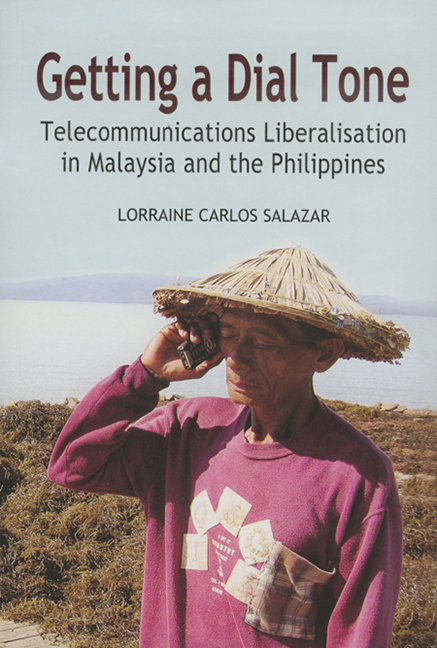
"Ninety-nine percent of Filipinos are waiting for a telephone and the other one percent for a dial tone..." - Lee Kuan Yew, November 1992. A decade after the above quote, far reaching reforms in the telecommunications sector has dramatically changed the situation in both the Philippines and Malaysia. By looking at the institutions and actors that drove these changes, this book examines state capacity, market reform, and rent-seeking in the two countries. In doing so, the study challenges conventional depictions of the Malaysian and Philippine states. It contends that despite the weakness of the Philippine state, reform occurred through a coalition that out-manoeuvred vested interests. In Malaysia, although considered a strong state, patronage and rent-seeking played key roles in policy adoption and implementation. The study also demonstrates how the nature of groups supporting reform shapes policy implementation and its outcomes. Finally, while liberalisation removes monopoly rent, this book shows that it can also create other types of rents.
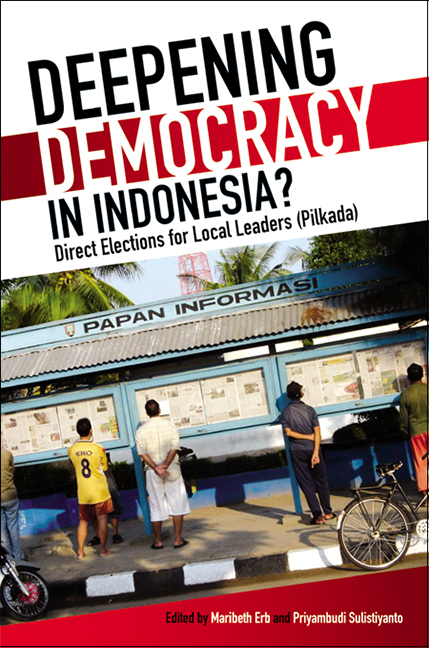
Since the fall of long-reigning President Soeharto, in 1998, Indonesia has been in an era of transition, away from an authoritarian regime, and on a "quest for democracy". This quest started with decentralization laws implemented in 2001, which gave greater autonomy to the regions, and continued with the direct elections for the national and local legislatures and the President in 2004. The latest development in this democratization process is the implementation of a system for the direct election of regional leaders, which began in 2005; the first round of elections across the nation for all governors, mayors and district heads was completed in 2008. Authors of the chapters in this volume, the result of a workshop in Singapore in 2006, present data from across the archipelago for these first direct elections for local leaders and give their assessment as to how far these elections have contributed to a "deepening democracy".
This book charts the progress of ASEAN-Japan relations from their difficult wartime legacy to postwar moves at diplomatic and economic rapprochement through successive governments.
A brief overview of some facts about multinational banking; tax evasion, global money, and capital market banking; welfare effects of international banking; and implications for public policy.
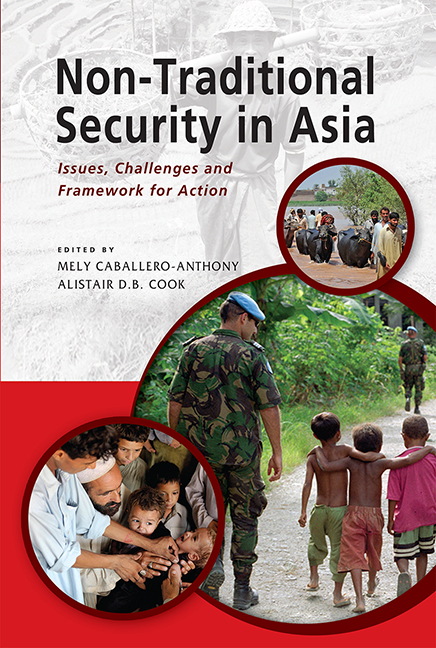
Non-Traditional Security in Asia examines the critical security challenges faced by states and societies in Asia including health, food, water, natural disasters, internal conflict, forced migration, energy, transnational crime, and cyber security. Through the development of a comprehensive analytical framework that establishes the key ingredients to policy evaluation, the editors draw on a wide variety of experts to collaborate in investigating these crucial issues. This inclusive framework ensures that all voices are heard including those oftentimes under-represented and marginalized in society to ensure that academic and policy debates are well informed about the often complex and nuanced nature of these non-traditional security challenges.Through an investigation into these specific non-traditional security threats, Non-Traditional Security in Asia documents and evaluates many of the most pressing challenges faced by Asia today. The authors analyse the ways in which particular issues are addressed by the many stakeholders involved in the policy-making process, both within governments and across societies. The question of how these challenges are addressed across and between the different levels of global governance highlights the strengths and weakness that are directly attributable to policy successes and failures. It is through this layered and comprehensive approach, together with an evaluation of the role of stakeholders, which binds together the chapter contributions to this collection. The book undertakes an issue-specific chapter study of how Asian states and societies address these non-traditional security concerns from environmental adaptation and mitigation measures to conflict resolution. For each issue area, it identifies and explains the concerns of various policy communities, identifying the motivations behind some of the key decisions made to affect change or stabilize the status quo. Essentially it questions not only what a security issue is but also for whom the issue is important and the interaction this has with policy outcomes. With a focus on regional and global institutions as well as national and local ones, this collection illustrates the variety of stakeholders involved in non-traditional security concerns, and reflects on their relative importance in the decision-making process. Through a systematic evaluation of these non-traditional security issues by employing a comprehensive analytical framework, critical appreciation of the dynamics of the policy-making process surrounding issues of crucial national, regional and international significance in Asia are made. As a result of sharing these insights, the contributors provide the tools as well as a selection of issue-specific stakeholders to illuminate the key but complex characteristics of non-traditional security in Asia.
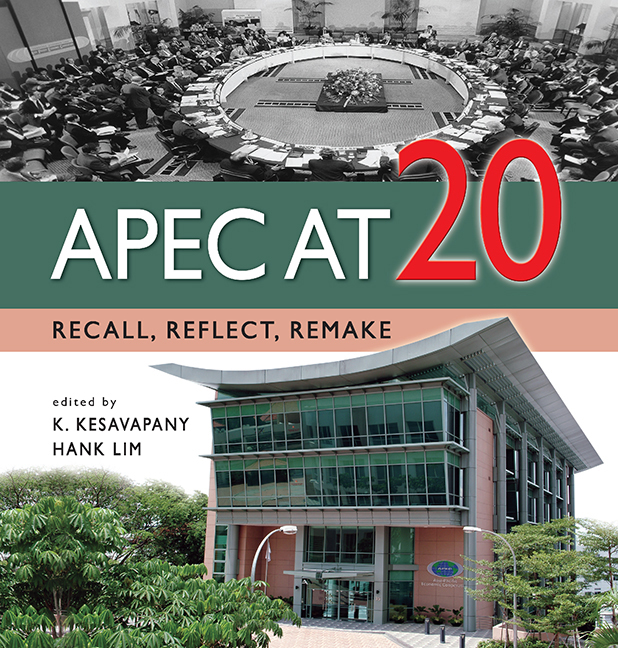
Spanning 20 years of history, the achievements of APEC may seem uneventful in the eyes of some observers. Yet careful deliberation will point to APEC's many remarkable high points as well as some of the challenges. The foundations of APEC were set in place about 40 years ago based on the achievements of the Association of Southeast Asian Nations (ASEAN) and the Pacific Economic Cooperation Council (PECC). One of the cornerstones of APEC's vision is to achieve a free and open trade area among its member economies. This vision is anchored in the Bogor Goals that remain the centrepiece of the APEC process. The Bogor Goals represent a cause for celebration as well as angst. Celebration because the region has moved towards achieving a much more liberalized environment of trading and investment since 1989, angst because the deadlines for achieving the goals have not yet been fully realized. Today, APEC embraces many of the world's dynamic developed and developing economies that are better poised to meet the new challenges of this century. For those seeking to get a quick sweep of APEC, this book recalls, reflects and provides enough food for thought on the possible remake of APEC. The chapters are carefully written by experts who have been directly involved in the APEC process one way or another. The invaluable insights serve to place the whole APEC process in a balanced perspective, yet with candid deliberations.
This book is written in an easily understood style. It explains the background of the origin of ASEAN (Association of Southeast Asian Nations) of which there are 10 member-countries. The author looks at the progress made, as well as the problems that the association faces.
This occasional paper focuses on international shipping in Southeast Asia, reviewing fleet ownership and control in ASEAN and examining the extent of public and private sector ownership in the ASEAN fleets.
This timely report by two specialists on Asia-Pacific affairs at the Institute of Southeast Asian Studies (ISEAS) in Singapore surveys the history of links between Australia-New Zealand and ASEAN, assesses the current state of relations between the two regions, and recommends ways to strengthen ties. With the leaders of ANZ and Southeast Asia to meet at the ASEAN summit in Laos on 30 November 2004, for the first time since 1977, ISEAS commissioned the report to find out whether there was a firm basis for reinvigorating the ANZ-Southeast Asia relationship and, if so, to make proposals that might interest policy-makers.This report finds that despite past differences and periodic setbacks, the relationship between ANZ and Southeast Asia has become increasingly solid and multi-faceted, as successive Australian, New Zealand and Southeast Asian governments have taken steps since the early 1970s to facilitate mutual ties and interaction in a wide range of areas. What is most striking is that in recent years much of the real substance in the relationship between ANZ and Southeast Asia has developed without the direct assistance or guidance of governments as private business, education and travel have mushroomed. From being largely government-fostered in the 1970s, the links between the two regions have become more broadly based and oriented towards closer contacts between people. This is the "soft power" of the new relationship between ANZ and Southeast Asia.
The rapid pace of economic development in Southeast Asia has involved a changing and often volatile relationship between traditional structures and values, and new structures associated with state and administrative power. In this volume, a variety of original perspectives is offered on crucial subjects, including region, the bureaucracy, the state and non-governmental organizations.
The detailed results of the computation of population projections for Singapore by sex and for time-intervals of five years from 1980 to 2070. Two plausible future courses of population trends are put forward.
Southeast Asian Affairs 2007 provides an informed and readable analysis of the events and developments in the region in 2006. In the regional section of this volume, the first two articles provide the political and economic overview of Southeast Asia, while the third and fourth examine the character of political development in the region. Eleven country reviews as well as five special theme articles follow, delving into domestic political, economic, security, and social developments during 2006 and their implications for countries in the region and beyond.
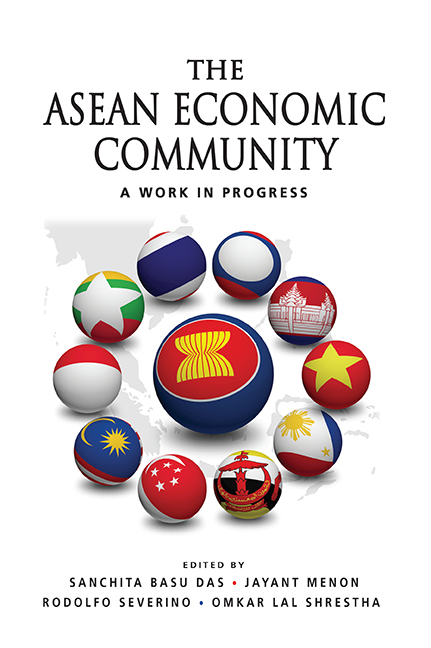
This is an important and timely volume: important because ASEAN is an increasingly significant and influential regional and global actor; and timely because, as the 2015 ASEAN Economic Community target approaches, what is needed is a sympathetic yet arms-length survey of the issues and challenges. ASEAN will miss some of the targets laid out in its AEC Blueprint, but the reader is left in no doubt that the ASEAN spirit is alive and well. The editors include a distinguished former Secretary General of ASEAN and the leading academic analyst of ASEAN economic cooperation. They and their co-editors are to be congratulated for soliciting contributions from an outstanding and diverse group of authors, and then adding their highly authoritative commentary and analysis. A must read for anybody seriously interested in ASEAN.
"In 1511, a Portuguese expedition under the command of Afonso de Albuquerque arrived on the shores of Malacca, taking control of the prosperous Malayan port-city after a swift military campaign. Portugal, a peripheral but then technologically advanced country in southwestern Europe since the latter fifteenth century, had been in the process of establishing solid outposts all along Asia’s litoral in order to participate in the most active and profitable maritime trading routes of the day. As it turned out, the Portuguese presence and influence in the Malayan Peninsula and elsewhere in continental and insular Asia expanded far beyond the sphere of commerce and extended over time well into the twenty-first century.Five hundred years later, a conference held in Singapore brought together a large group of scholars from widely different national, academic and disciplinary contexts, to analyse and discuss the intricate consequences of Portuguese interactions in Asia over the longue dure. The result of these discussions is a stimulating set of case studies that, as a rule, combine original archival and/or field research with innovative historiographical perspectives. Luso-Asian communities, real and imagined, and Luso-Asian heritage, material and symbolic, are studied with depth and insight. The range of thematic, chronological and geographic areas covered in these proceeding is truly remarkable, showing not only the extraordinary relevance of revisiting Luso-Asian interactions in the longer term, but also the surprising dynamism within an area of studies which seemed on the verge of exhaustion. After all, archives from all over the world, from Rio de Janeiro to London, from Lisbon to Rome, and from Goa to Macao, might still hold some secrets on the subject of Luso-Asian relations, when duly explored by resourceful scholars.”—Rui M. LoureiroCentro de Historia de Alem-Mar, Lisbon“This two-volume set pulls together several interdisciplinary studies historicizing Portuguese ‘legacies’ across Asia over a period of approximately five centuries (ca. 1511-2011). It is especially recommended to readers interested in the broader aspects of the early European presence in Asia, and specifically on questions of politics, colonial administration, commerce, societal interaction, integration, identity, hybridity, religion and language.”—Associate Professor Peter BorschbergDepartment of History, National University of Singapore
Thailand is a society in political, economic and social transition. Change is happening to varying degrees -- at the national level and at the regional level where there are contrasting issues. Changes are positive, some are negative. This book looks at the various aspects of change as it impacts on business and the lives of the people.
Musical Worlds in Yogyakarta is an ethnographic account of a vibrant Indonesian city during the turbulent early post-Soeharto years. The book examines musical performance in public contexts ranging from the street and neighbourhood through to commercial venues and state environments such as Yogyakarta's regional parliament, its military institutions, universities and the Sultan's palace. It focuses on the musical tastes and practices of street workers, artists, students and others. From street-corner jam sessions to large-scale concerts, a range of genres emerge that cohere around notions of campursari (“mixed essences”) and jalanan (“of the street”). Musical worlds addresses themes of social identity and power, counterpoising Pierre Bourdieu's theories on class, gender and nation with the author's alternative perspectives of inter-group social capital, physicality and grounded cosmopolitanism. The author argues that Yogyakarta is exemplary of how everyday people make use of music to negotiate issues of power and at the same time promote peace and intergroup appreciation in culturally diverse inner-city settings.
This volume honours, and reflects on, the life and work of the Australian Indonesianist, Charles A. Coppel. His interests -- reflected in this volume -- are broad, ranging from history, politics, legal issues, and violence against the Chinese, through to culture and religion. The chapters in the volume, contributed by scholars from Australia, Indonesia, Europe, and Singapore, also all reflect a theme, inspired by Charles Coppel's expression, 'remembering, distorting, forgetting', by which he drew attention to misrepresentations of the Chinese, seeking to locate the realities behind the myths that form the basis for the racism and xenophobia the Chinese have often experienced in Indonesia.