To save content items to your account,
please confirm that you agree to abide by our usage policies.
If this is the first time you use this feature, you will be asked to authorise Cambridge Core to connect with your account.
Find out more about saving content to .
To save content items to your Kindle, first ensure no-reply@cambridge.org
is added to your Approved Personal Document E-mail List under your Personal Document Settings
on the Manage Your Content and Devices page of your Amazon account. Then enter the ‘name’ part
of your Kindle email address below.
Find out more about saving to your Kindle.
Note you can select to save to either the @free.kindle.com or @kindle.com variations.
‘@free.kindle.com’ emails are free but can only be saved to your device when it is connected to wi-fi.
‘@kindle.com’ emails can be delivered even when you are not connected to wi-fi, but note that service fees apply.
The idea that plants would be efficient, frugal or optimised echoes the recurrent semantics of ‘blueprint’ and ‘program’ in molecular genetics. However, when analysing plants with quantitative approaches and systems thinking, we instead find that plants are the results of stochastic processes with many inefficiencies, incoherence or delays fuelling their robustness. If one had to highlight the main value of quantitative biology, this could be it: plants are robust systems because they are not efficient. Such systemic insights extend to the way we conduct plant research and opens plant science publication to a much broader framework.
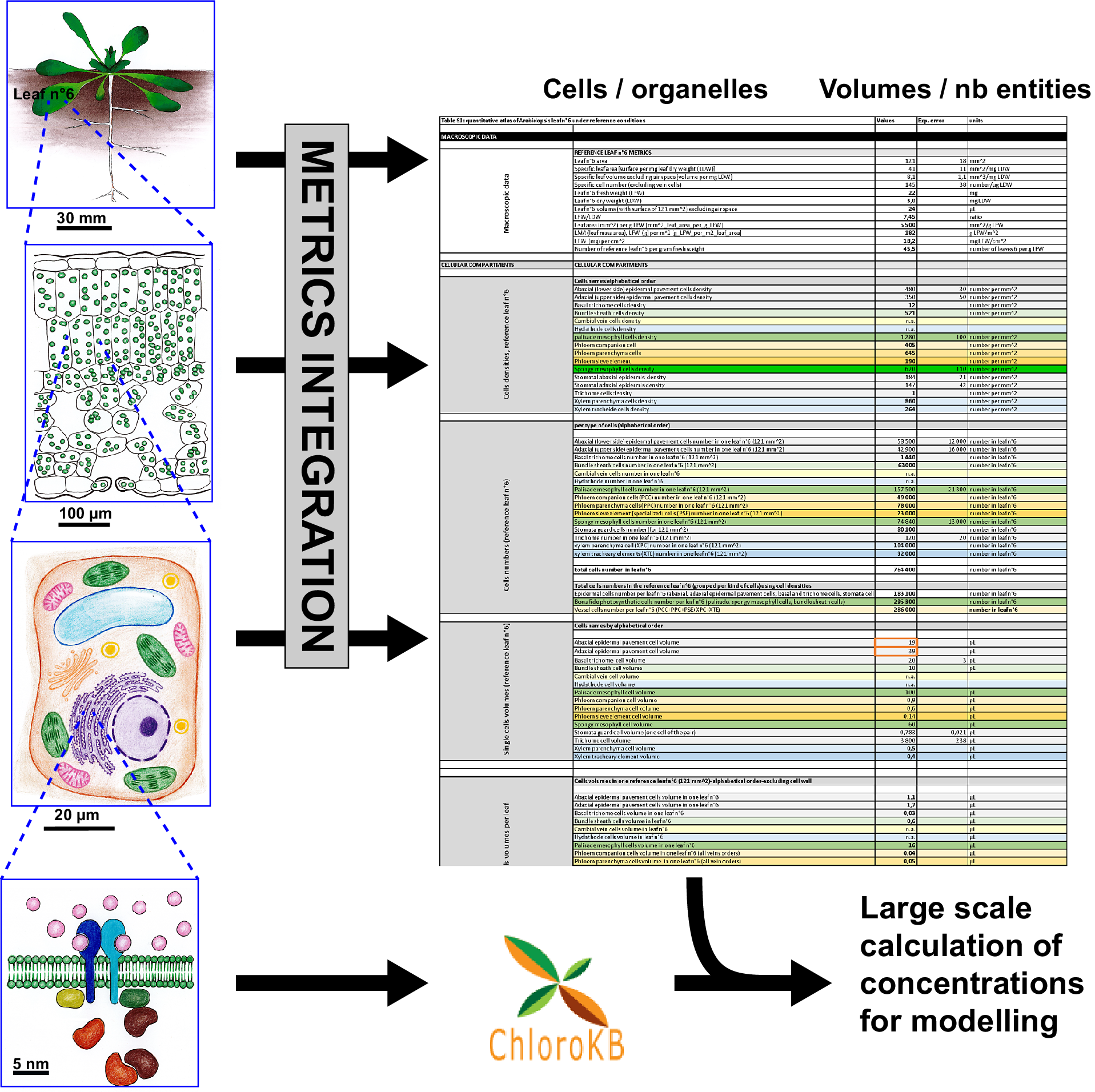
Quantitative analyses and models are required to connect a plant’s cellular organisation with its metabolism. However, quantitative data are often scattered over multiple studies, and finding such data and converting them into useful information is time-consuming. Consequently, there is a need to centralise the available data and to highlight the remaining knowledge gaps. Here, we present a step-by-step approach to manually extract quantitative data from various information sources, and to unify the data format. First, data from Arabidopsis leaf were collated, checked for consistency and correctness and curated by cross-checking sources. Second, quantitative data were combined by applying calculation rules. They were then integrated into a unique comprehensive, referenced, modifiable and reusable data compendium representing an Arabidopsis reference leaf. This atlas contains the metrics of the 15 cell types found in leaves at the cellular and subcellular levels.
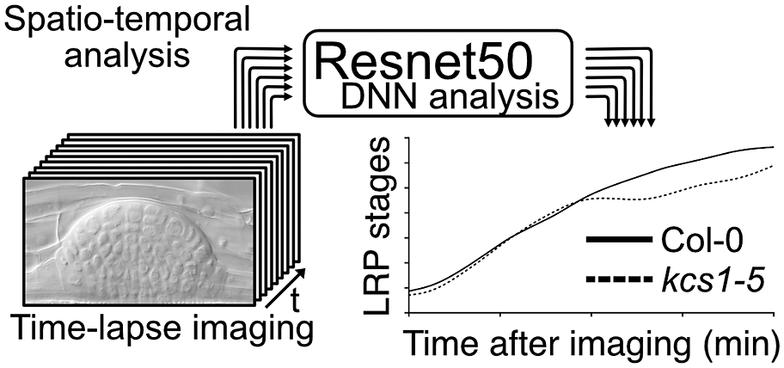
During lateral root (LR) development, morphological alteration of the developing single LR primordium occurs continuously. Precise observation of this continuous alteration is important for understanding the mechanism involved in single LR development. Recently, we reported that very long-chain fatty acids are important signalling molecules that regulate LR development. In the study, we developed an efficient method to quantify the transition of single LR developmental stages using time-lapse imaging followed by a deep neural network (DNN) analysis. In this ‘insight’ paper, we discuss our DNN method and the importance of time-lapse imaging in studies on plant development. Integrating DNN analysis and imaging is a powerful technique for the quantification of the timing of the transition of organ morphology; it can become an important method to elucidate spatiotemporal molecular mechanisms in plant development.
Building on the success of the first edition and featuring contributions from leading experts in the field, this expanded and thoroughly revised second edition provides an indispensable guide to the freshwater and terrestrial algae of the British Isles. It is an up-to-date account of and identification tool for more than 2400 algal species (excluding diatoms), highlighting their wider distribution around the world. Detailed descriptions are fully illustrated with clear line drawings and photographs including 190 full-page plates, eight of which are full colour. In addition, user-friendly keys enable the accurate identification of specimens to the level of genus and species. This edition includes expanded information on ecology and the implications of recent molecular research, along with coverage of 200 extra species. The accompanying online material provides a colour photo catalogue, highly illustrated articles and video clips, making this the comprehensive reference tool for both researchers and professionals in the field.
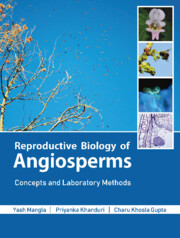
Reproductive Biology of Angiosperms: Concepts and Laboratory Methods will cater to the needs of undergraduate and graduate students pursuing core and elective courses in life sciences, botany, and plant sciences. The book is designed according to the syllabi followed in major Indian universities. It provides the latest and detailed description of structures and processes involved in reproduction in higher plants. The inclusion of colour photographs and illustrations will be an effective visual aid to help readers. Interesting and significant findings of the latest research taking place in the field of reproductive biology are also provided in boxes. At the end of each chapter, the methodology of hands-on exercises is presented for the implementation and practice of theoretical concepts.
Most plants are adapted to their environments through generations of exposure to all elements. The adaptation process involves the best possible response to fluctuations in the environment based on the genetic and epigenetic make-up of the organism. Many plant species have the capacity to acclimate or adapt to certain stresses, allowing them to respond more efficiently, with fewer resources diverted from growth and development. However, plants can also acquire protection against stress across generations. Such a response is known as an intergenerational response to stress; typically, plants lose most of the tolerance in the subsequent generation when propagated without stress. Occasionally, the protection lasts for more than one generation after stress exposure and such a response is called transgenerational. In this review, we will summarize what is known about inter- and transgenerational responses to stress, focus on phenotypic and epigenetic events, their mechanisms and ecological and evolutionary meaning.
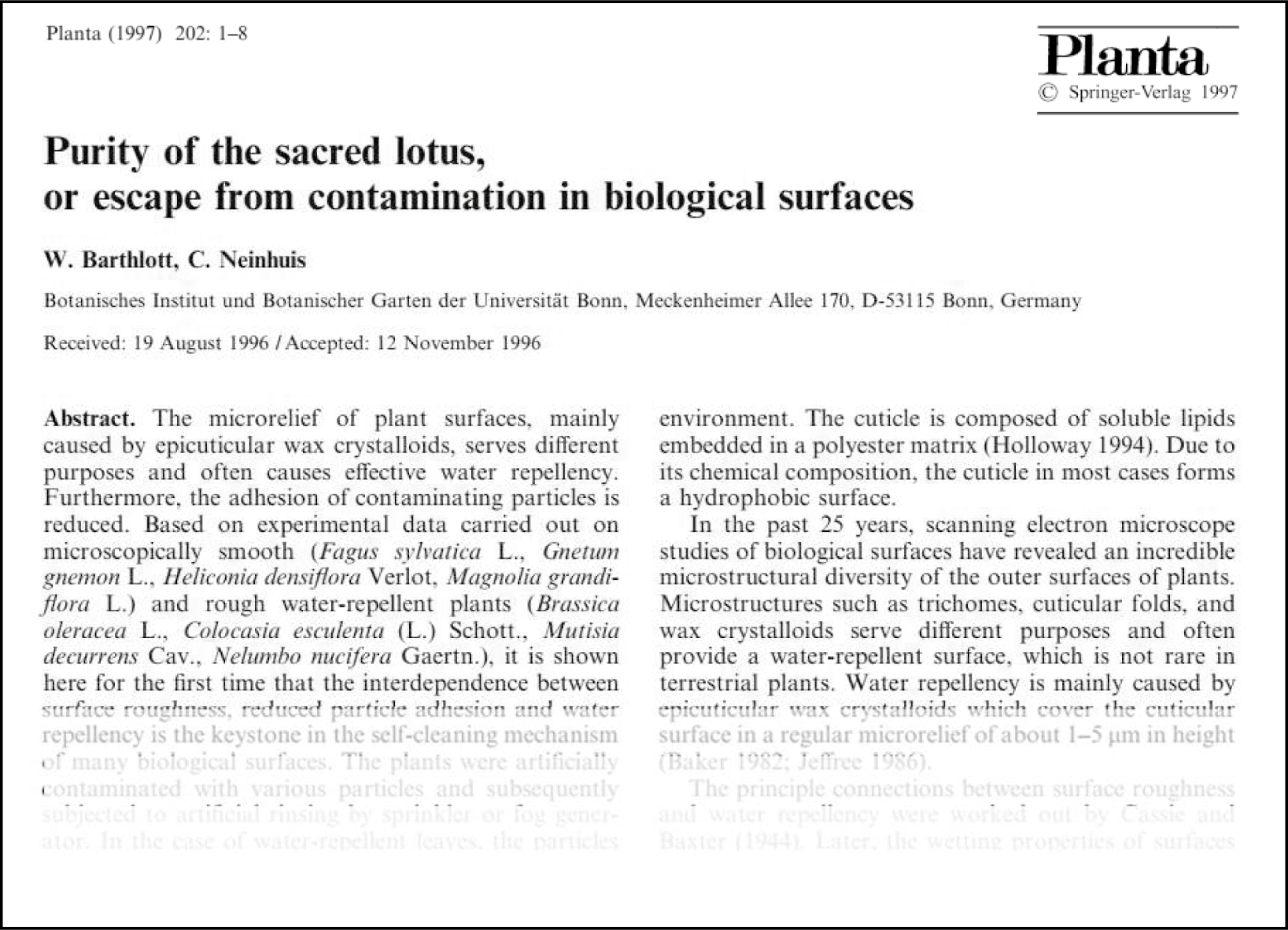
In 1997, Barthlott and Neinhuis published a groundbreaking article entitled "Purity of the sacred lotus, or escape from contamination in biological surfaces" that caused a true paradigm shift in surface science. In this article, they explained the water-repellent and self-cleaning properties of plants, attributing the superhydrophobicity to nano- and micrometric wax textures on the surface of the leaves. This became known as the "Lotus Effect". In the late 1980s, Barthlott already demonstrated the microtexture of plant surfaces and its effect on wetting. However, this knowledge remained confined to botany until the 1997 article popularized it. The dissemination of this knowledge to the materials science community led to the development of countless synthetic superhydrophobic surfaces and a better understanding of wetting mechanisms. The story of this discovery and its consequences demonstrates the relevance of atypical approaches and emphasizes the urgency of respecting biodiversity.
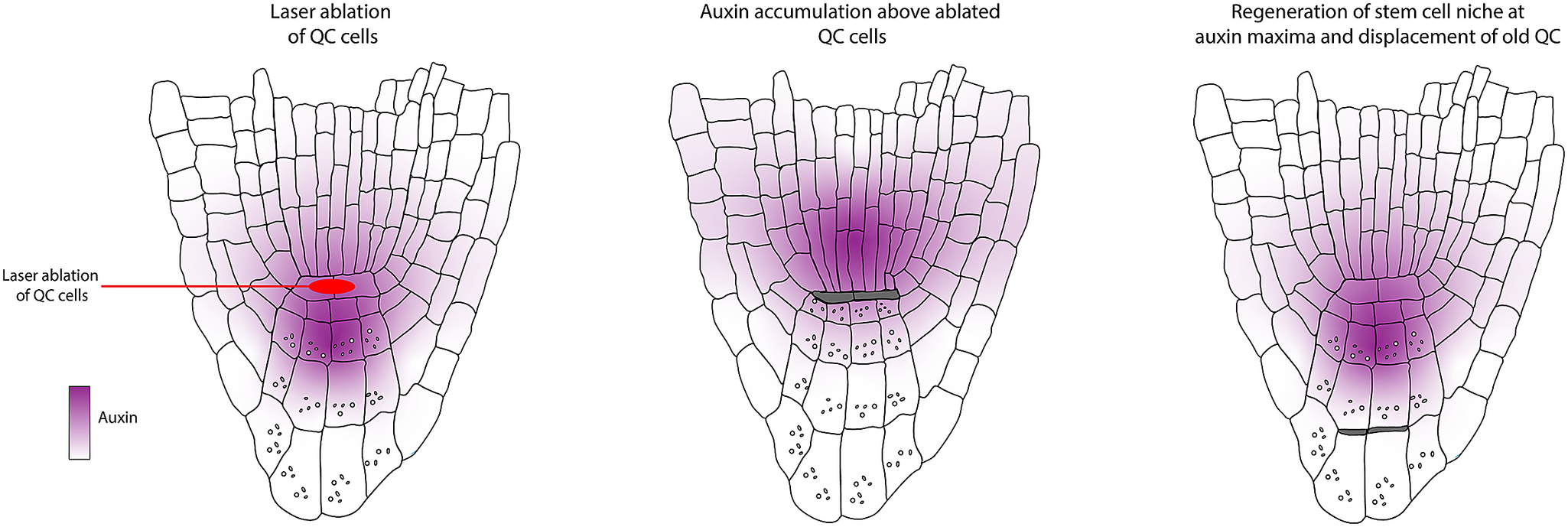
In the Arabidopsis root, growth is sustained by the meristem. Signalling from organiser cells, also termed the quiescent centre (QC), is essential for the maintenance and replenishment of the stem cells. Here, we highlight three publications from the founder of the concept of the stem cell niche in Arabidopsis and a pioneer in unravelling regulatory modules governing stem cell specification and maintenance, as well as tissue patterning in the root meristem: Ben Scheres. His research has tremendously impacted the plant field. We have selected three publications from the Scheres legacy, which can be considered a breakthrough in the field of plant developmental biology. van den Berg et al. (1995) and van den Berg et al. (1997) uncovered that positional information-directed patterning. Sabatini et al. (1999), discovered that auxin maxima determine tissue patterning and polarity. We describe how simple but elegant experimental designs have provided the foundation of our current understanding of the functioning of the root meristem.
The 1991 review paper by Coen and Meyerowitz on the control of floral organ development set out the evidence available at that time, which led to the now famous ABC model of floral organ identity control. The authors summarised the genetic and molecular analyses that had been carried out in a relatively short time by several laboratories, mainly in Arabidopsis thaliana and Antirrhinum majus. The work was a successful example of how systematic genetic and molecular analysis can decipher the mechanism that controls a developmental process in plants. The ABC model is a combinatorial model in which each floral whorl acquires its identity through a unique combination of floral homeotic gene activities. The review also highlights the similarities in the regulation of floral organ identity between evolutionarily distant plant species, emphasising the general relevance of the model and paving the way for comprehensive studies of the evolution of floral diversity.
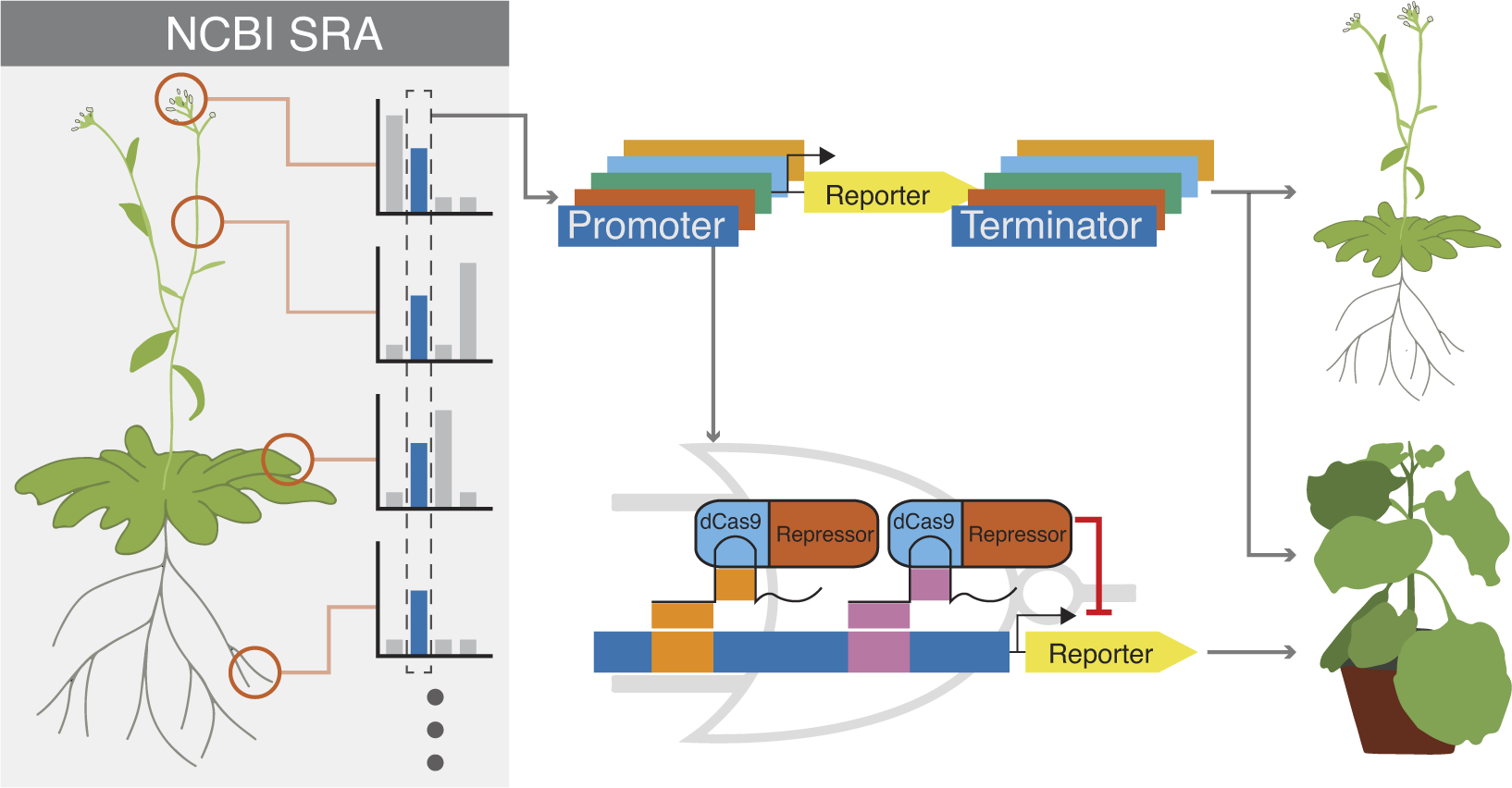
To support the increasingly complex circuits needed for plant synthetic biology applications, additional constitutive promoters are essential. Reusing promoter parts can lead to difficulty in cloning, increased heterogeneity between transformants, transgene silencing and trait instability. We have developed a pipeline to identify genes that have stable expression across a wide range of Arabidopsis tissues at different developmental stages and have identified a number of promoters that are well expressed in both transient (Nicotiana benthamiana) and stable (Arabidopsis) transformation assays. We have also introduced two genome-orthogonal gRNA target sites in a subset of the screened promoters, converting them into NOR logic gates. The work here establishes a pipeline to screen for additional constitutive promoters and can form the basis of constructing more complex information processing circuits in the future.
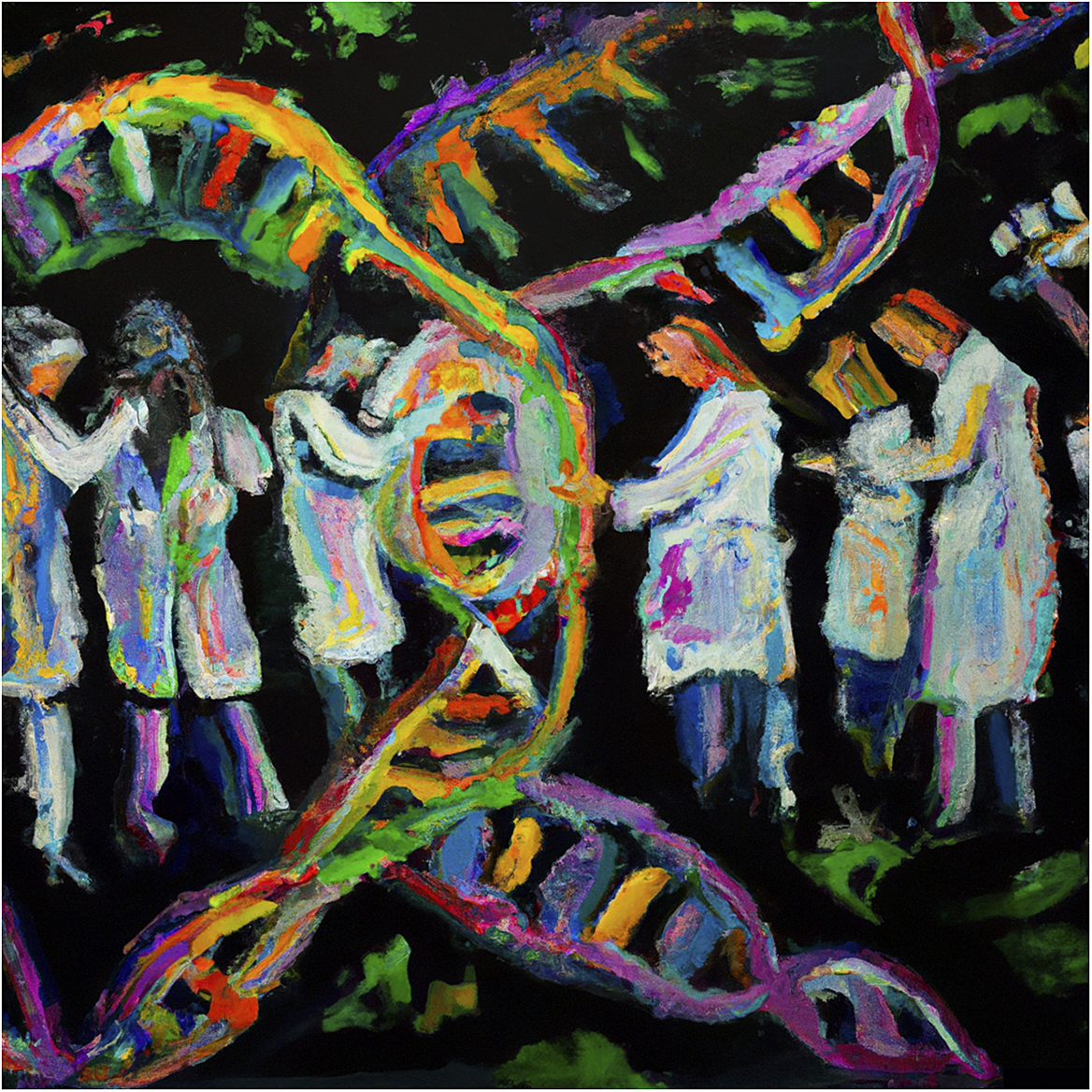
How to get a metre of DNA into a tiny space while preserving its functional characteristics? This question seems easy to pose, but the answer is far from being trivial. Facing this riddle, salvation came from technical improvements in microscopy and in situ hybridisation techniques applied to cytogenetics. Here, we would like to look into the past at one of these pure cytogenetics articles that makes a breakthrough in addressing this question in plant science. Our choice fell on the work published two decades ago by Fransz et al. (2002). Besides the elegant manner in which DNA probes were organised to bring into light the out-looping arrangement of interphase chromosomes in Arabidopsis thaliana nuclei, this article perfectly illustrates that painting is not reserved to the fine art. As for whether emotional expression prioritised by artists can sometimes hide behind scientific empirical evidence, there is only a small step to make to the general case.
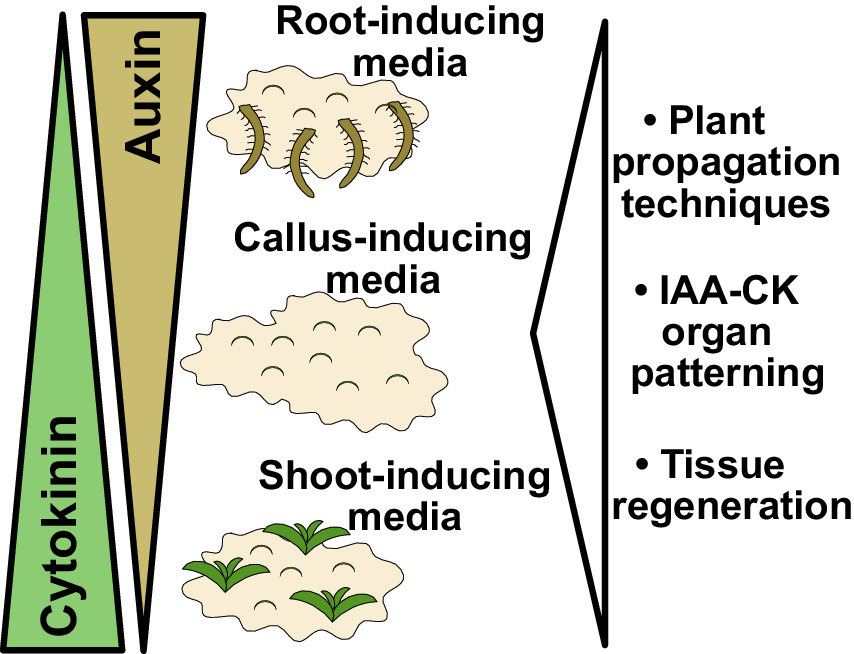
In 1957, Skoog and Miller published their seminal work on the effects of hormones upon plant growth. By varying the concentrations of auxin and cytokinin, they observed dramatic differences in shoot and root growth from tobacco stem cultures. Their finding that quantitative differences in hormone concentrations could dramatically alter the fate of developing organs provided a foundation for understanding organ formation and tissue regeneration. Their in vitro assays established plant propagation techniques that were critical for regenerating transgenic plants. Here, I discuss their original paper, what led to their findings and its impact on our understanding of hormone interactions, how plants regenerate and in vitro tissue culture techniques.
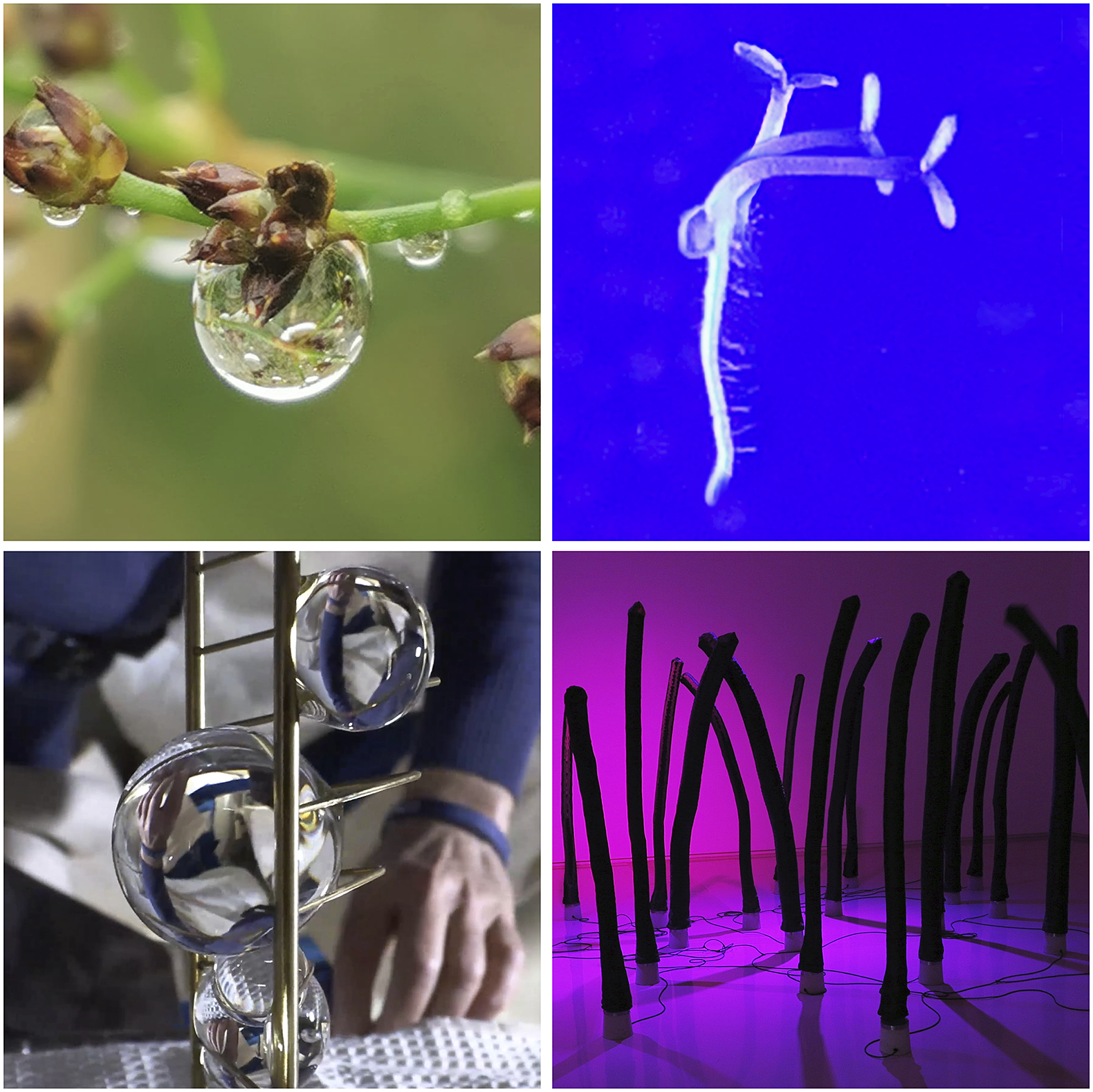
An increasing number of collaborative projects between artists and scientists raises the question regarding their value, particularly when considering the redirection of resources. Here we provide a personal account of our collaborative efforts, as an artist and a scientist. We propose that one of the most significant outcomes is something that cannot be planned for in advance: serendipitous events. Such events lead to fresh perspectives and imaginative ideas, the fairy dust underlying many great works of art and science. The unexpected nature of these desired outcomes requires from us a leap of faith on the one hand, and a deep trust in our ‘partner in crime’ on the other.
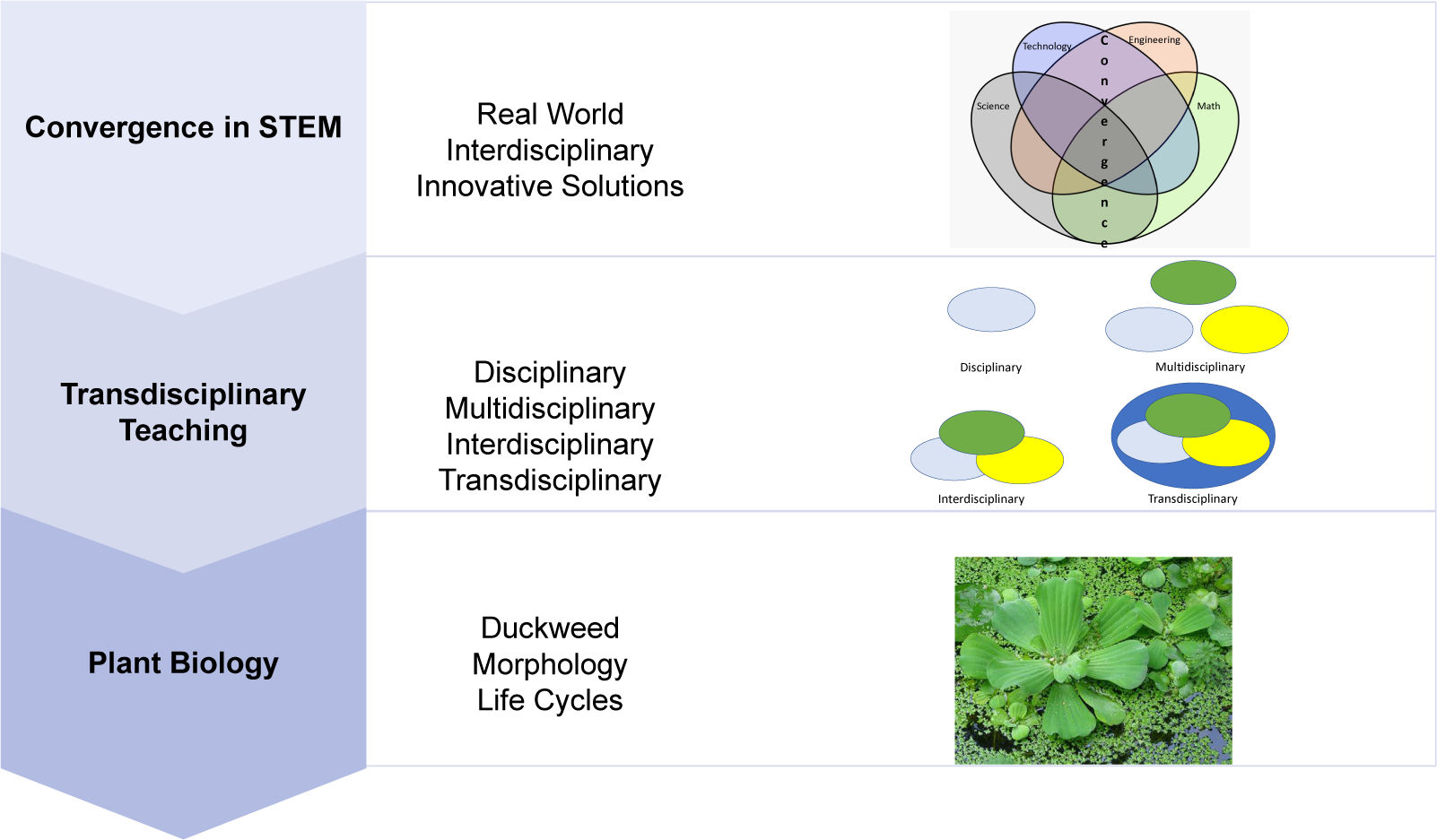
The United States National Science and Technology Council has made a call for improving STEM (Science, Technology, Engineering, and Mathematics) education at the convergence of science, technology, engineering, and mathematics. The National Science Foundation (NSF) views convergence as the merging of ideas, approaches, and technologies from widely diverse fields of knowledge to stimulate innovation and discovery. Teaching convergency requires moving to the transdisciplinary level of integration where there is deep integration of skills, disciplines, and knowledge to solve a challenging real-world problem. Here we present a summary on convergence and transdisciplinary teaching. We then provide examples of convergence and transdisciplinary teaching in plant biology, and conclude by discussing limitations to contemporary conceptions of convergency and transdisciplinary STEM.
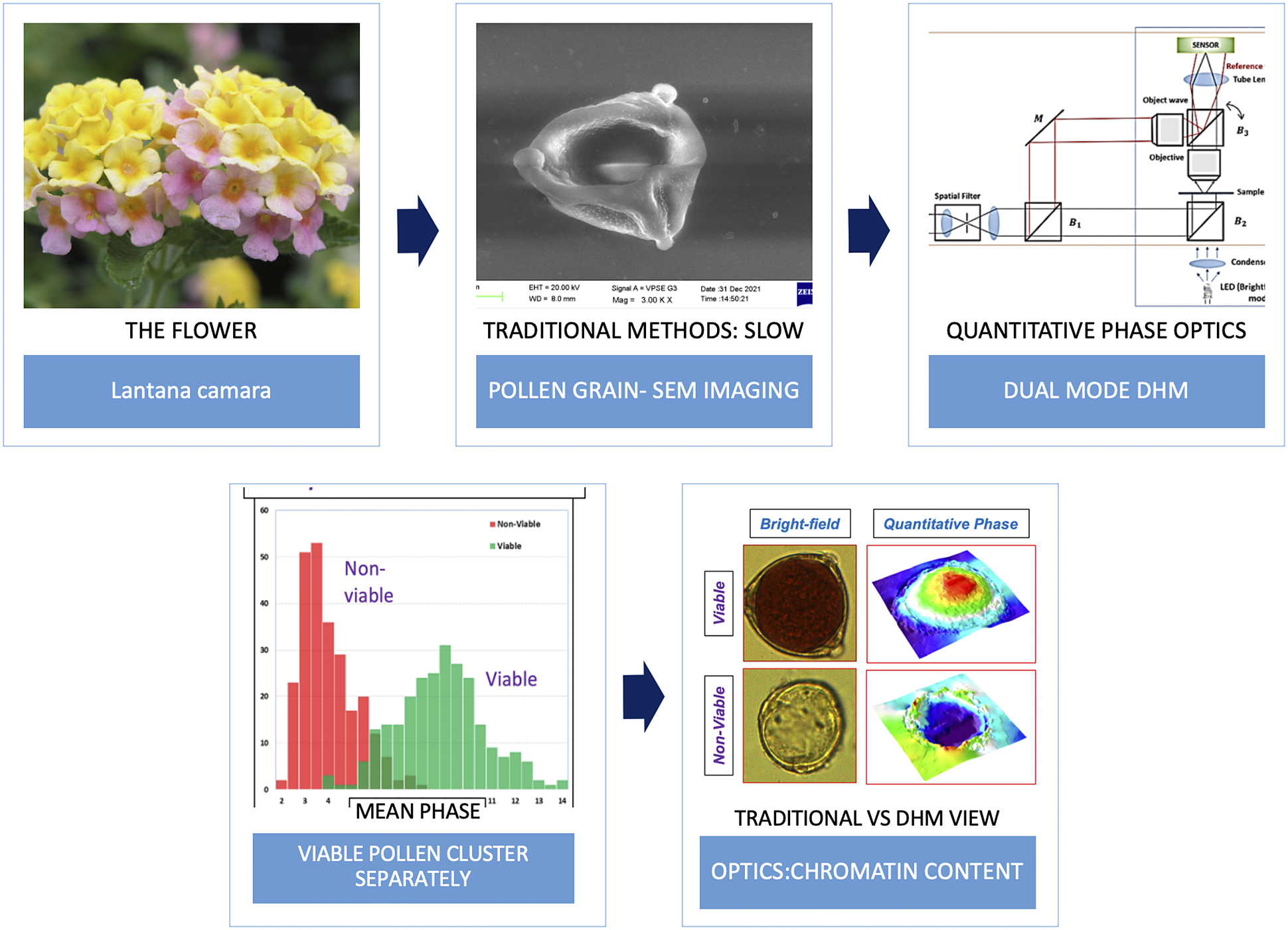
Pollen grains represent the male gametes of seed plants and their viability is critical for sexual reproduction in the plant life cycle. Palynology and viability studies have traditionally been used to address a range of botanical, ecological and geological questions, but recent work has revealed the importance of pollen viability in invasion biology as well. Here, we report an efficient visual method for assessing the viability of pollen using digital holographic microscopy (DHM). Imaging data reveal that quantitative phase information provided by the technique can be correlated with viability as indicated by the outcome of the colorimetric test. We successfully test this method on pollen grains of Lantana camara, a well-known alien invasive plant in the tropical world. Our results show that pollen viability may be assessed accurately without the usual staining procedure and suggest potential applications of the DHM methodology to a number of emerging areas in plant science.
Plants are complex systems made up of many interacting components, ranging from architectural elements such as branches and roots, to entities comprising cellular processes such as metabolic pathways and gene regulatory networks. The collective behaviour of these components, along with the plant’s response to the environment, give rise to the plant as a whole. Properties that result from these interactions and cannot be attributed to individual parts alone are called emergent properties, occurring at different time and spatial scales. Deepening our understanding of plant growth and development requires computational tools capable of handling a large number of interactions and a multiscale approach connecting properties across scales. There currently exist few methods able to integrate models across scales, or models capable of predicting new emergent plant properties. This perspective explores current approaches to modelling emergent behaviour in plants, with a focus on how current and future tools can handle multiscale plant systems.
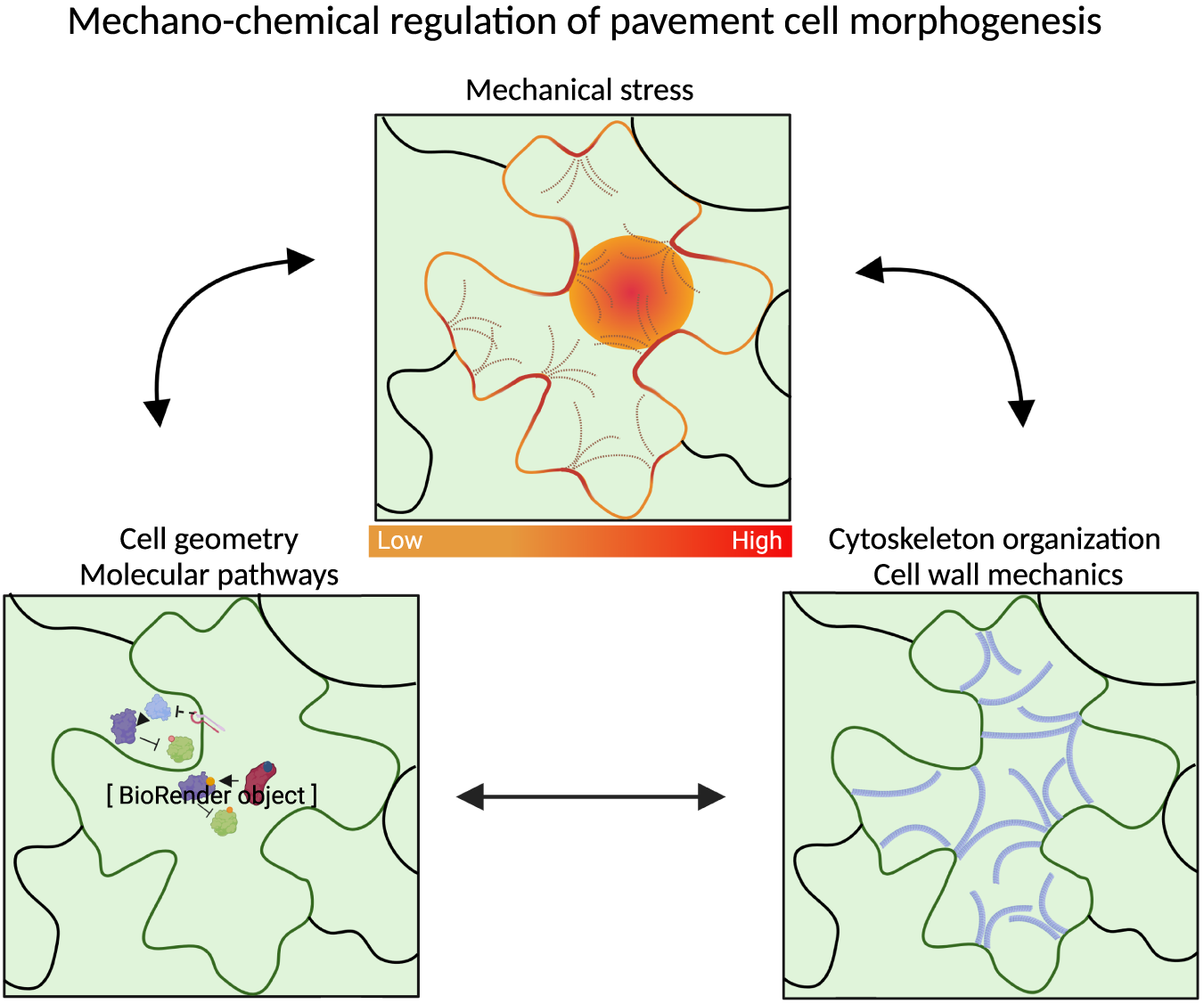
All plant cells are encased by walls, which provide structural support and control their morphology. How plant cells regulate the deposition of the wall to generate complex shapes is a topic of ongoing research. Scientists have identified several model systems, the epidermal pavement cells of cotyledons and leaves being an ideal platform to study the formation of complex cell shapes. These cells indeed grow alternating protrusions and indentations resulting in jigsaw puzzle cell shapes. How and why these cells adopt such shapes has shown to be a challenging problem to solve, notably because it involves the integration of molecular and mechanical regulation together with cytoskeletal dynamics and cell wall modifications. In this review, we highlight some recent progress focusing on how these processes may be integrated at the cellular level along with recent quantitative morphometric approaches.
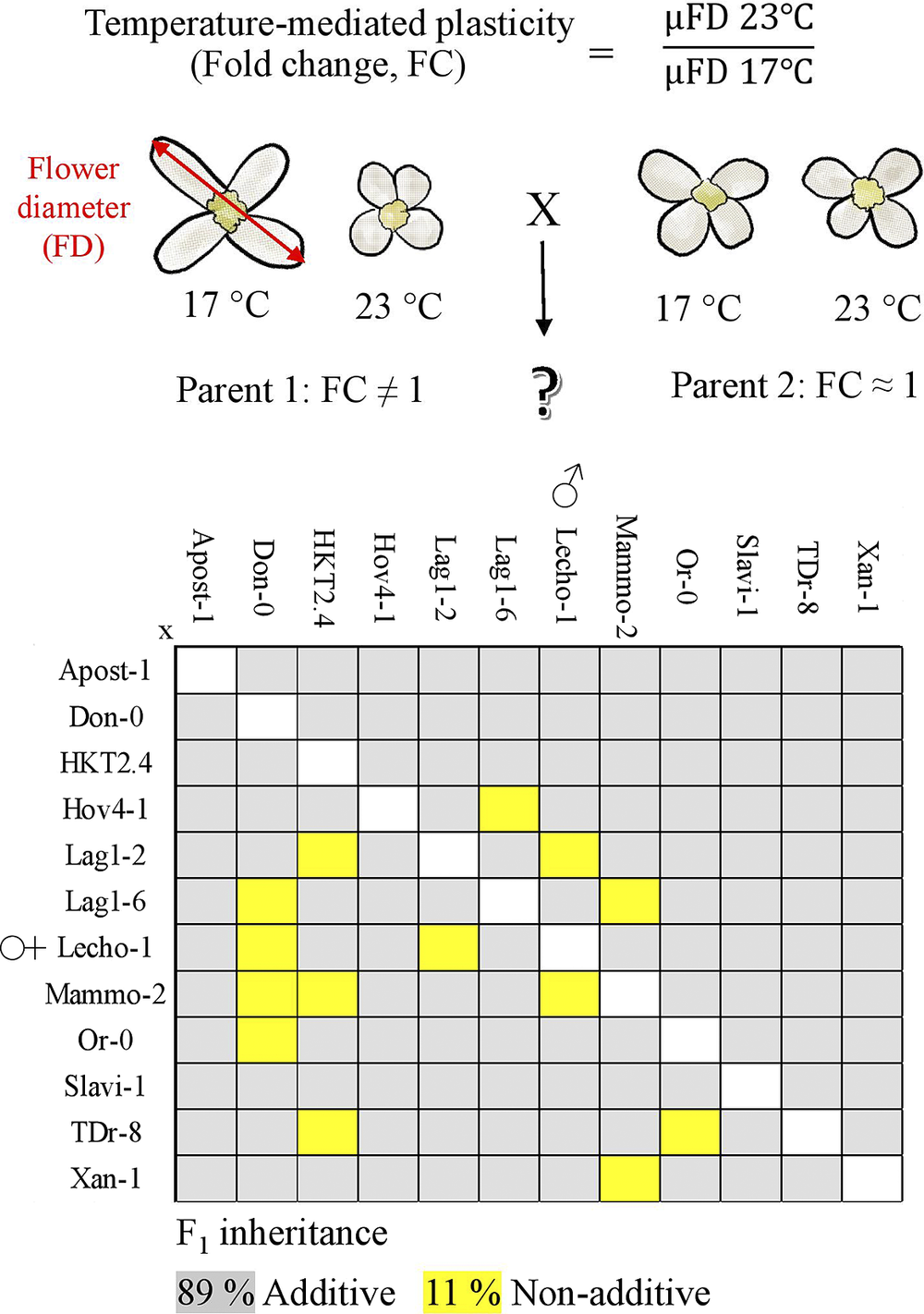
Phenotypic plasticity is a heritable trait that provides sessile organisms a strategy to rapidly mitigate negative effects of environmental change. Yet, we have little understanding of the mode of inheritance and genetic architecture of plasticity in different focal traits relevant to agricultural applications. This study builds on our recent discovery of genes controlling temperature-mediated flower size plasticity in Arabidopsis thaliana and focuses on dissecting the mode of inheritance and combining ability of plasticity in the context of plant breeding. We created a full diallel cross using 12 A. thaliana accessions displaying different temperature-mediated flower size plasticities, scored as the fold change between two temperatures. Griffing’s analysis of variance in flower size plasticity indicated that non-additive genetic action shapes this trait and pointed at challenges and opportunities when breeding for reduced plasticity. Our findings provide an outlook of flower size plasticity that is important for developing resilient crops for future climates.
The 1972 Meadows report, ‘the limits to growth’, predicted a global socio-economic tipping point during the twenty-first century. Now supported by 50 years of empirical evidence, this work is a tribute to systems thinking and an invitation to take the current environmental crisis for what it is: neither a transition nor a bifurcation, but an inversion. For instance, we used matter (e.g., fossil fuel) to save time; we will use time to preserve matter (e.g., bioeconomy). We were exploiting ecosystems to fuel production; production will feed ecosystems. We centralised to optimise; we will decentralise to support resilience. In plant science, this new context calls for new research on plant complexity (e.g., multiscale robustness and benefits of variability), also extending to new scientific approaches (e.g., participatory research, art and science). Taking this turn reverses many paradigms and becomes a new responsibility for plant scientists as the world becomes increasingly turbulent.
Abscisic acid (ABA) is a plant hormone well known to regulate abiotic stress responses. ABA is also recognised for its role in biotic defence, but there is currently a lack of consensus on whether it plays a positive or negative role. Here, we used supervised machine learning to analyse experimental observations on the defensive role of ABA to identify the most influential factors determining disease phenotypes. ABA concentration, plant age and pathogen lifestyle were identified as important modulators of defence behaviour in our computational predictions. We explored these predictions with new experiments in tomato, demonstrating that phenotypes after ABA treatment were indeed highly dependent on plant age and pathogen lifestyle. Integration of these new results into the statistical analysis refined the quantitative model of ABA influence, suggesting a framework for proposing and exploiting further research to make more progress on this complex question. Our approach provides a unifying road map to guide future studies involving the role of ABA in defence.