To save content items to your account,
please confirm that you agree to abide by our usage policies.
If this is the first time you use this feature, you will be asked to authorise Cambridge Core to connect with your account.
Find out more about saving content to .
To save content items to your Kindle, first ensure no-reply@cambridge.org
is added to your Approved Personal Document E-mail List under your Personal Document Settings
on the Manage Your Content and Devices page of your Amazon account. Then enter the ‘name’ part
of your Kindle email address below.
Find out more about saving to your Kindle.
Note you can select to save to either the @free.kindle.com or @kindle.com variations.
‘@free.kindle.com’ emails are free but can only be saved to your device when it is connected to wi-fi.
‘@kindle.com’ emails can be delivered even when you are not connected to wi-fi, but note that service fees apply.
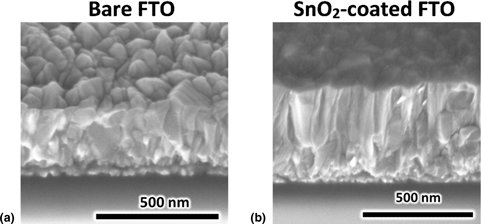
Among the commercially common transparent conducting oxides (TCOs) are fluorine-doped tin oxide (FTO) and indium-doped tin oxide (ITO), neither of which meets all criteria for the optimal TCO. Despite its superior chemical stability and being composed of abundant elements, FTO suffers from high surface roughness compared to ITO. Here, we introduce a path to substantially decrease the surface roughness of FTO, while preserving most of its original advantages, by depositing an SnO2 coating on top of the FTO layer using pulsed laser deposition. Such an enhancement may allow future use of FTO in devices that use now the more expensive, less stable ITO, which contains relatively rare indium.
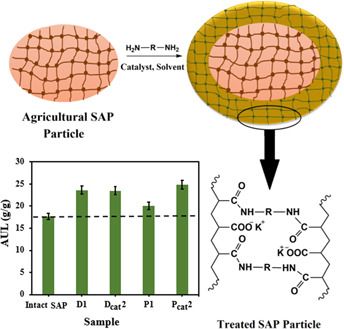
This research introduces a novel single-step approach to improve the absorbency under load (AUL) of agricultural superabsorbent polymers (SAPs) made of acrylamide. Crosslinked (acrylamide–potassium acrylate–acrylic acid) terpolymers were successfully prepared and modified via a transamidation (amide exchange) reaction. The surface of the polymer particles was treated using polyamine modifiers (i.e., diethylenetriamine and polyethyleneimine) in the presence or absence of AlCl3 as a catalyst. The modification reaction was confirmed via spectral, morphological, and rheological studies. The process variables including time and temperature, the modifier type and amount, and the catalyst concentration were found to affect the polymer swelling properties. The swelling capacity of the control and treated SAPs were determined in deionized water and saline. The AUL in saline, as a key swelling property of SAPs, was also determined. The AUL of the PEI-treated samples (19.82–24.8 g/g) was higher than those of the control (17.7 g/g) and the DETA-treated SAPs (18.3–23.5 g/g). In conclusion, the transamidation effectively improved the AUL of the terpolymer superabsorbents by about 25%.
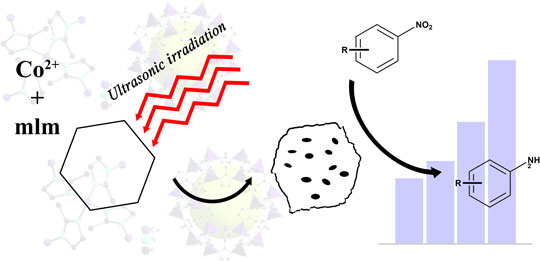
Effective modification of existing supported catalyst has attracted plenty of interests recently. Herein, we introduced ultrasonication to synthesize the palladium-loaded cobalt-based zeolitic imidazolate framework and compared its properties with those using the conventional method. Remarkably, the ultrasonicated frameworks possess 15.33% higher of Brunauer–Emmett–Teller (BET) surface area and 63.37% higher of t-plot external surface area, respectively, which lead up to 23% rise in the degradation of organic pollutants under optimized conditions. Characterizations clearly revealed the causality between ultrasonication, morphology, and catalytic performance compared with their non-ultrasonicated counterparts which further demonstrates a simple but useful method for the modification of supported catalysts.
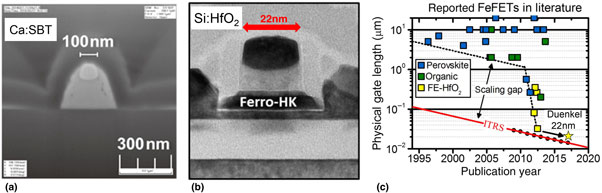
The ferroelectricity in fluorite-structure oxides such as hafnia and zirconia has attracted increasing interest since 2011. They have various advantages such as Si-based complementary metal oxide semiconductor-compatibility, matured deposition techniques, a low dielectric constant and the resulting decreased depolarization field, and stronger resistance to hydrogen annealing. However, the wake-up effect, imprint, and insufficient endurance are remaining reliability issues. Therefore, this paper reviews two major aspects: the advantages of fluorite-structure ferroelectrics for memory applications are reviewed from a material's point of view, and the critical issues of wake-up effect and insufficient endurance are examined, and potential solutions are subsequently discussed.
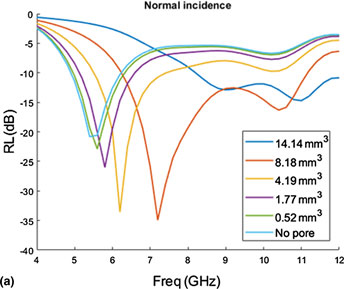
A model-guided design methodology for polymer composite electromagnetic (EM) interference shields is presented. The approach utilizes measurement of intrinsic complex EM parameters, predictive modeling of absorbing geometries in the COMSOL environment, and subsequent fabrication using 3D printing and compression molding. The viability of the first two steps in the approach was confirmed using a commercially available conductive nano-filled polymer composite filament, as well as a model system from the literature. Initial results suggest that the addition of periodically placed air-filled pores within the conductive polymer composite can lead to lower reflection loss and higher absorption bandwidths.
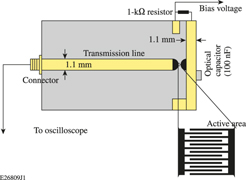
Aluminum gallium nitride (AlGaN) metal–semiconductor–metal photodetectors were successfully fabricated with different contact materials and structures and were tested with ultrafast lasers. The experimental results were compared with the finite element simulations based on APSYS and showed consistent trend with respect to the device I–V properties and response behaviors. Persistent photoconductivity (PPC) was observed for devices with both gold and aluminum contacts and various structures, and the decay time can be longer than 10 ms. The response time and responsivity were found to be affected by the bias voltage, operating temperature, and incident power. The mechanism behind the long decay time is analyzed from the perspective of the materials properties and factors influencing the decay time are examined. The nature of the metal–semiconductor contact is studied to help understand the PPC effect, and the contact showed ohmic-like behavior.
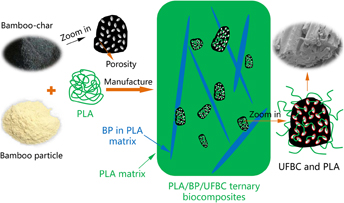
In this study, varying contents of ultrafine bamboo-char (UFBC) were introduced into PLA/bamboo particle (BP) biocomposites as new reinforcements to improve the mechanical, thermal, and morphological properties of the biocomposites. The new strategy was aiming to realize the synergistic effects of reinforcement and toughening of poly(lactic acid) (PLA) composites through a simple method without surface modification and other additives. The maximum tensile strength, modulus, and elongation at break of 45.20 MPa, 540.50 MPa, and 7.53% were reached at 5.0 wt% UFBC content, which were slightly lower than those of pure PLA. The maximum modulus of elasticity of the ternary biocomposites was 5316.1 MPa at 5.0 wt% UFBC content, which was approximately 2 times higher than the pure PLA. Impact strength reached a maximum value of 38.56 J/m when the UFBC content was 5 wt%, and improved by 376% compared with pure PLA of 7.88 J/m. Meanwhile, compared with the PLA/BP binary composite of 20.50 J/m, it improved 88%. A concrete-like microstructure system was achieved (i.e., cement, sand, and rebar corresponding to PLA, UFBC, and BP, respectively).
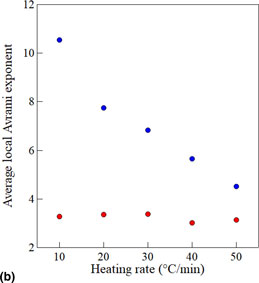
The crystallization mechanism and kinetics of Cr2Ge2Te6 (CrGT) films were investigated by differential scanning calorimetry. The average Avrami exponent (na) analysis indicated that CrGT exhibits a growth-dominant crystallization in the range of heating rate (β) of 10–50°C/min. In comparison, Ge2Sb2Te5 (GST) showed a nucleation-dominant crystallization. The na of CrGT was about 3, and was majorly independent of β. The na of GST decreased with an increasing β, which asymptotically approached a value of around 3. The kinetic constant of CrGT was evaluated to be almost the same with that of GST, indicating that CrGT undergoes fast crystallization.
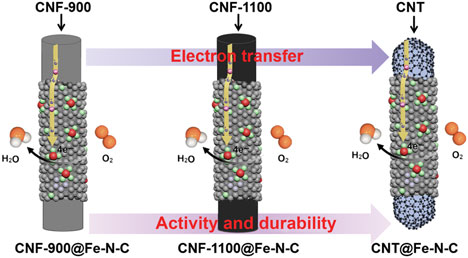
Owing to lack of a definitive correlation between carbon supports and catalytic activity of single-atom Fe-active sites, rational design and preparation of single-atom Fe catalysts have so far been elusive. Herein we designed and prepared one-dimensional core–shell nanostructured single-atom Fe catalysts, in which carbon nanofibers and carbon nanotubes with different crystallinities and electrical conductivities were used as supports to host single-atom Fe-active sites. It was found that the carbon supports with higher electrical conductivity accelerate charge transfer and enhance the oxygen reduction reaction (ORR) activity of single-atom Fe-active sites as well as the ORR durability of the final catalyst.
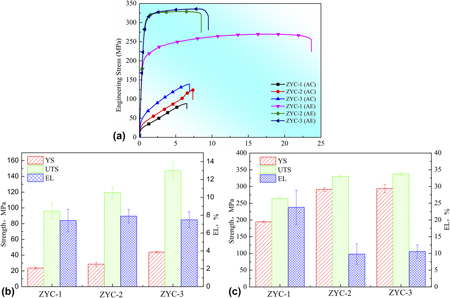
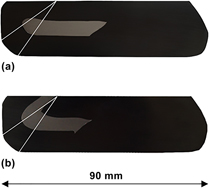
A commercially pure titanium (CP-Ti) of grade 1 as a hard-to-deform material was processed successfully by ECAP processing up to four passes at room temperature via the core–sheath method using a die with an internal channel angle of 90°. The simulation and analytical calculations demonstrated that imposed back pressure on the core was increased at each pass due to strain hardening of sheath metal (AISI 1015 steel) during deformation which prevented damage accumulation and crack initiation at a high number of passes. The scanning electron microscopy and transmission electron microscopy observations of ECAP-processed Ti revealed a severely deformed microstructure which consisted of a high dislocation density and an average grain size of ∼250 nm. Mechanical properties of four-pass ECAP-processed CP-Ti showed a substantial enhancement of ultimate tensile strength up to 890 MPa associated with a reasonable elongation to failure of 15.3%.
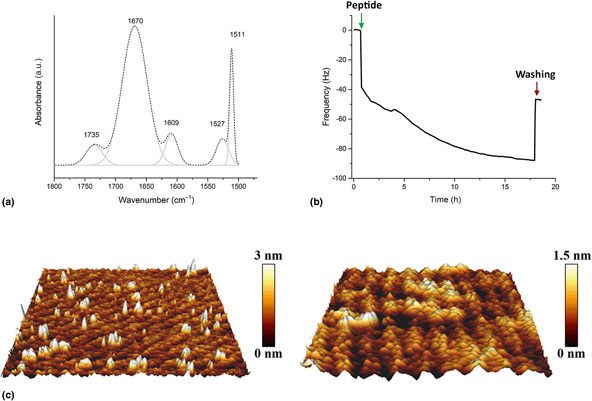
Biofilms can damage implants and are difficult to treat. Here, we assessed the performance of a tripeptide that self-assembles into an antifouling coating over a broad range of shear conditions that are relevant to biomedical applications. Adhesion assays were performed using a parallel plate flow chamber. The results show that the coating can reduce Escherichia coli adhesion up to 70% when compared with glass. At a shear rate of 15/s, typical for urinary catheters, the coating reduced the adhesion by more than 50%. These findings suggest critical features that should be considered when developing surfaces for biomedical purposes.
Two semiconductors (Cu2O and TiO2) were chosen for the photocatalytic reduction of bicarbonate to formate in order to perform a systematic study on the effect of six different hole (h+) scavengers. The six h+ scavengers selected for the study include glycerol, ethylene glycol, 2-propanol, sodium sulfite, triethanolamine, and ethylenediaminetetraacetic acid. Glycerol proved to be the most efficient h+ scavenger, and TiO2 in glycerol showed the highest quantum efficiency of 5.04 ± 0.3%. This finding bodes well as a sustainable one because glycerol is environmentally benign, a low-cost material, and is derived from plants, as opposed to petroleum sources like 2-propanol or ethylene glycol.
Porous TiAl3 intermetallics were synthesized by the thermal explosion (TE) reaction from TiH2–75 at.% Al elemental powders combining with carbamide as the space holder. The results showed that the space holder particles were removed completely by dissolving in water before sintering and the violent exothermic reaction occurred from the temperature of 672–1193 °C within a few seconds. After TE, TiAl3 was the dominant phase in sintered products and the open porosity of 60.8% was obtained without space holder, while the porosity considerably increased to 81.4% with the addition of 60 vol% carbamide particles. The pore-forming mechanism can be concluded as follows: the sphere large pores replicated from carbamide particles and the small pores generated by the TE reaction. Moreover, porous TiAl3 intermetallics possess the excellent oxidation resistance at 650 °C in air, which enabled them good candidate materials for improving the service life and the accuracy of filtration under special conditions.
This study compared the effect of gelatin- and chitosan-based scaffolds on osteoblast biomineralization. These scaffolds have been modified using methacrylate and laponite nanosilicates to improve their mechanical strength and support osteoblast function. Scaffold materials were prepared to have the same compressive strength (14–15 MPa) such that differences in cell response would be isolated to differences in biopolymer chemistry. The materials were tested for rheological properties to optimize the bio-ink for successful 3D printing using a robocast-assisted deposition system. Osteoblasts were cultured on the surface of 3D-printed methacrylated chitosan-laponite (MAC-Lp), methacrylated gelatin-laponite (MAG-Lp), MAC, and MAG scaffolds. MAC-Lp scaffolds showed increased cell viability, cell growth, and biomineral formation as compared to MAG-Lp scaffolds. FTIR results showed the presence of higher biomineral phosphate and extracellular matrix (ECM) collagen-like amide formation on MAC-Lp scaffolds as compared to MAG-Lp scaffolds. MAC-Lp scaffolds showed increased density of ECM-like tissue from SEM analysis, stained mineral nodules from Alizarin staining, and the existence of Ca–P species evident by X-ray absorbance near edge structure analysis. In conclusion, MAC-Lp scaffolds enhanced osteoblast growth and biomineral formation as compared to MAG-Lp scaffolds.
Polyurethane/cellulose composites were synthesized from castor-oil-derived polyols and isophorone diisocyanate using dibutyltin dilaurate (DBTDL) as the catalyst. Materials were obtained by adding 2% cellulose in the form of either microcrystals (20 μm) or nanocrystals obtained by acid hydrolysis. The aim was to assess the effects of filler particle size and the use of a catalyst on the physicochemical properties and biological response of these composites. The addition of the catalyst was found to be essential to prevent filler aggregations and to enhance the tensile strength and elongation at break. The cellulose particle size influenced the composite properties, as its nanocrystals heighten hydrogen bond interactions between the filler surface and polyurethane domains, improving resistance to hydrolytic degradation. All hybrids retained cell viability, and the addition of DBTDL did not impair their biocompatibility. The samples were prone to calcification, which suggests that they could find application in the development of bioactive materials.
Three photosensitizers containing zinc(II) porphyrin, ruthenium(II) dipyridine, and their combined porphyrin–polypyridyl metal complexes were used to modify TiO2 nanotubes that were obtained through the hydrothermal method to get inorganic–organic nanocomposite photocatalysts. The photosensitizer with distinctive structure can expand the photoresponse range of TiO2 toward the range of visible light, and the complexes with large conjugated π-electron systems are beneficial for improving the separation of photoelectrons from vacancies, effectively extending the life of excited electrons and thus enhancing the photocatalytic efficiency, thus establishing a favorable foundation for an efficient photocatalysis reaction. The photocatalytic reduction of CO2 aqueous solution into methanol was used to evaluate the photocatalytic effect of sensitized samples. All the photosensitized catalysts exhibited superior selectivity in liquid products during this process and methanol was the only liquid product in the system. The ZnPyP–RuBiPy sensitized TiO2 nanotubes showed the best photocatalytic effect. A possible mechanism for the photoreduction was also proposed in this paper.
We report the fabrication and testing of MnO2–carbon nanotube (NT) electrodes for supercapacitors (SCap) with high active mass (AM). Cetylpyridinium chloride surfactant was used as a capping agent for synthesis and a phase transfer agent for the liquid–liquid extraction. Water immiscible solvent, n-butanol, was used as a receiving and reducing medium for the synthesis of MnO2 from cetylpyridinium permanganate. Improved co-dispersion and nanoscale mixing of MnO2 and NT enabled the fabrication of advanced electrodes with mass loading of 42–61 mg/cm2, ratio of AM to current collector mass of 0.63–0.91, which showed the highest capacitance of 8.95 F/cm2.
There is an increasing interest in the generation of well-defined nanoparticles (NPs) not only because of their size-related particular properties, but also because they are promising building blocks for more complex materials in nanotechnology.
Here, we will shortly introduce the gas-phase synthesis technology that has evolved rapidly in the last years and allows the fabrication of complex NPs with controllable and tuneable chemical composition and structure while keeping very good control over the size distribution. We will also address some limitations of the technology (stability over time, production yield, etc.) and discuss possible solutions.
We have studied by electron microscopy and x-ray diffraction techniques the amorphous-to-crystalline phase transition which occurs during annealing of a highly Ge-rich and N-doped amorphous GeSbTe material. The crystallization onset occurs at 380 °C with the diffusion and segregation of Ge followed by the formation of Ge nanocrystals. The GeSbTe face-centered cubic (FCC) crystalline phase only appears at 400 °C. Phase separation occurs because the Ge concentration is well above what can be accommodated by the Ge2Sb2Te5 lattice. The possible formation of a two-phase material should be considered in order to simulate device characteristics and optimize material composition for electronic memory applications.