To save content items to your account,
please confirm that you agree to abide by our usage policies.
If this is the first time you use this feature, you will be asked to authorise Cambridge Core to connect with your account.
Find out more about saving content to .
To save content items to your Kindle, first ensure no-reply@cambridge.org
is added to your Approved Personal Document E-mail List under your Personal Document Settings
on the Manage Your Content and Devices page of your Amazon account. Then enter the ‘name’ part
of your Kindle email address below.
Find out more about saving to your Kindle.
Note you can select to save to either the @free.kindle.com or @kindle.com variations.
‘@free.kindle.com’ emails are free but can only be saved to your device when it is connected to wi-fi.
‘@kindle.com’ emails can be delivered even when you are not connected to wi-fi, but note that service fees apply.
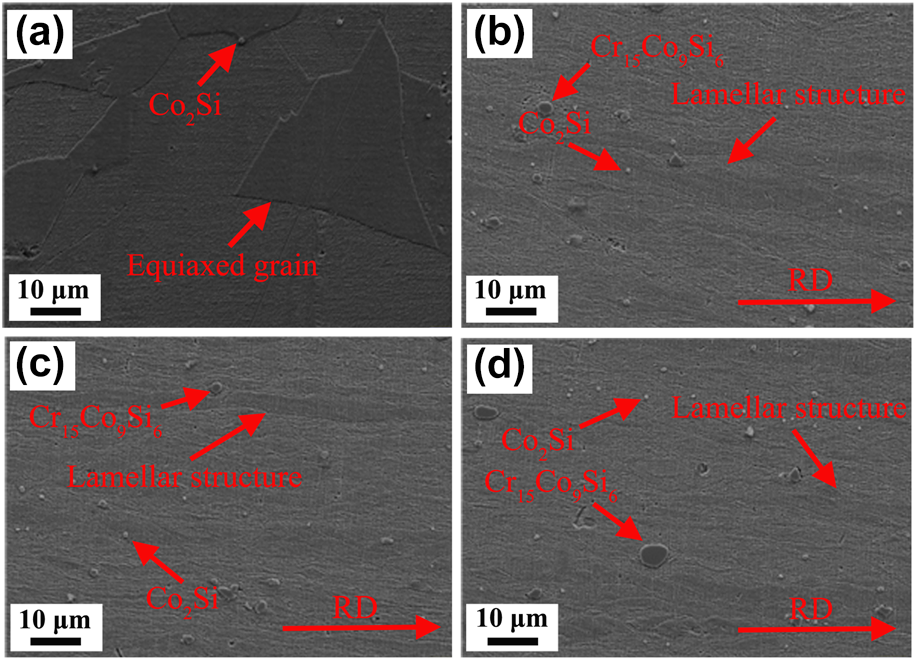
In this study, precipitate phase transformation behavior, microstructure, and properties of the Cu–1Cr–1Co–0.4Si (wt%) alloy were investigated. Precipitate phase transformation kinetic equations of the alloy under room temperature rolling (RTR) 90% deformation and aging at different temperatures (440–520 °C) were established. The alloy yielded excellent mechanical and electrical properties under RTR 90% deformation and aging at 440 °C for 1 h, and the corresponding hardness, yield strength (YS), ultimate tensile strength (UTS), elongation, and electrical conductivity were 181.6 HV, 573.6 MPa, 653.7 MPa, 7.3%, and 51.6% International Annealed Copper Standard, respectively. The precipitate phase transformation behavior determined the size and volume fraction of the precipitate phase fv, which played a key role in improving the YS. Impurity scattering caused by surplus Si atoms was mainly responsible for decreasing the electrical conductivity. Therefore, these results can provide a reliable theoretical guidance to prepare Cu–Cr–based alloys with high strength and high electrical conductivity.
The present work investigates the influence of sodium doping on structural, morphological, photoluminescence, linear, nonlinear (NL), and optical limiting (OL) parameters of NaxCd1−xS thin films (where x= 0.0, 0.5, 1.0, 2.5, and 5.0 wt%) deposited on glass substrates using spray pyrolysis route. X-ray diffraction and Raman analyses confirmed the hexagonal polycrystalline nature of films. Crystallite sizes were decreased from 30 to 17 nm with doping. Scanning electron microscopy (SEM) micrographs also confirmed the nanocrystalline spherical growth. Energy dispersive X-ray spectroscopy (EDS) and SEM mapping studies revealed the presence and homogeneous distribution of individual elements. Transmission of films is found to lie between 45 and 60%. Although the low doping caused the reduction of the effective band gap, higher doping caused a blue shift in band gap, with an associated reduction in crystallite sizes. The refractive index values are found within 1–2 in visible and their maximum values (in range 2.65–3.16) are observed at 2500 nm. Photoluminescence (PL) spectra showed broad emission peak at ∼520 ± 10 nm. Dielectric and NL analyses were also carried out. OL results were promising for the systematic gradual decrease of intensity from 100 to 72%, with doping for power regulating applications.
Laboratory X-ray powder diffraction was used to solve and refine the crystal structures of appended guest molecules within the pores of metal–organic frameworks (MOFs). Herein, we report the crystal structure of 1-propanethiol adsorbed in the pores of Co2(dobdc) (dobdc4– = 2,5-dioxido-1,4-benzenedicarboxylate, MOF-74). Soaking the activated MOF in neat 1-propanethiol resulted in the formation of 1-propanethiol–Co2(dobdc). The thiol appendant MOF maintained the crystal symmetry, with a rhombohedral space group R-3 and unit-cell parameters a = 25.9597(9) Å, c = 6.8623(5) Å, and V = 4005.0(4) Å3. As expected, the thiol sulfur formed a bond with the open cobalt metal site. The alkane chain was directed toward the center of the pore, participating in numerous van der Waals weak interactions with neighboring molecules. For the final Rietveld refinement, soft restrains were applied using bond distances obtained by periodic density functional theory (DFT) geometry optimization.
Relaxor ferroelectrics have drawn attention for possible applications in solid-state cooling and thermal energy harvesting, owing to their electrothermal energy conversion properties. Here, we have synthesized and characterized the structure–property correlations of a new Sn- and Nb-doped (Ba,Ca)TiO3 relaxor ferroelectric with large pyroelectric and electrocaloric effects over a broad temperature range. We observed two peaks for the temperature-dependent pyroelectric coefficient: (i) -(∂P/∂T) ∼ 563 μC/(m2 K) at T∼ 270 K and (ii) -(∂P/∂T) ∼ 1021 μC/(m2 K) at T∼ 320 K. In addition, a broad peak for electrocaloric temperature change is observed near 320 K with a relative cooling power of ∼17 J/kg. These properties could be correlated to structural changes observed using X-ray diffraction at two different temperature ranges in the material. Analysis of high-energy X-ray scattering and specific heat capacity data revealed a transition from the cubic to tetragonal phase near Tm∼ 320 K, whereas an additional increase in the tetragonality (c/a) of the polar phase is observed below Ts∼ 270 K.
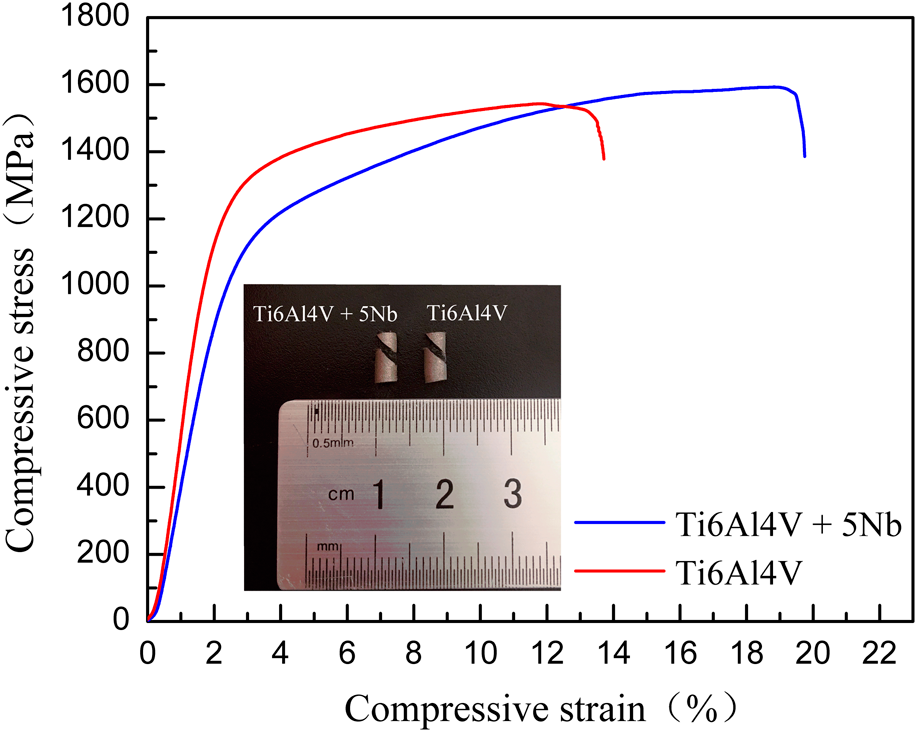
In this research, a novel titanium metallic composite, Ti6Al4V powder mixed with 5 at.% Nb powder, was fabricated by selective laser melting (SLM). The effect of Nb addition on their phase transformation, microstructure evolution, mechanical properties, and corrosion behavior were studied. Interestingly, the novel alloy shows a combination of superior plastic deformation (εp= 18.9 ± 1.8%) and high compressive strength (σc= 1593 ± 38 MPa), which is 60.2 and 3.2% higher than that of the SLM-processed Ti6Al4V alloy under optimum printing parameters, respectively. However, the yield strength of Ti6Al4V + 5Nb (973 ± 45 MPa) is lower than that of the Ti6Al4V alloy (1066 ± 12 MPa). The solidification mechanism changes from planar to cellular mode with Nb addition. The ultrafine microstructure β grains are observed, which show a columnar shape and cellular shape. More importantly, the volume fraction of the β phase is significantly increased from 3.7% to 20.4% because of the Nb addition. In addition, the Ti6Al4V + 5Nb alloy possesses better corrosion resistance than the Ti6Al4V alloy. The research highlights that the addition of Nb powder in Ti6Al4V processed by SLM can improve the mechanical properties and corrosion resistance of the material.
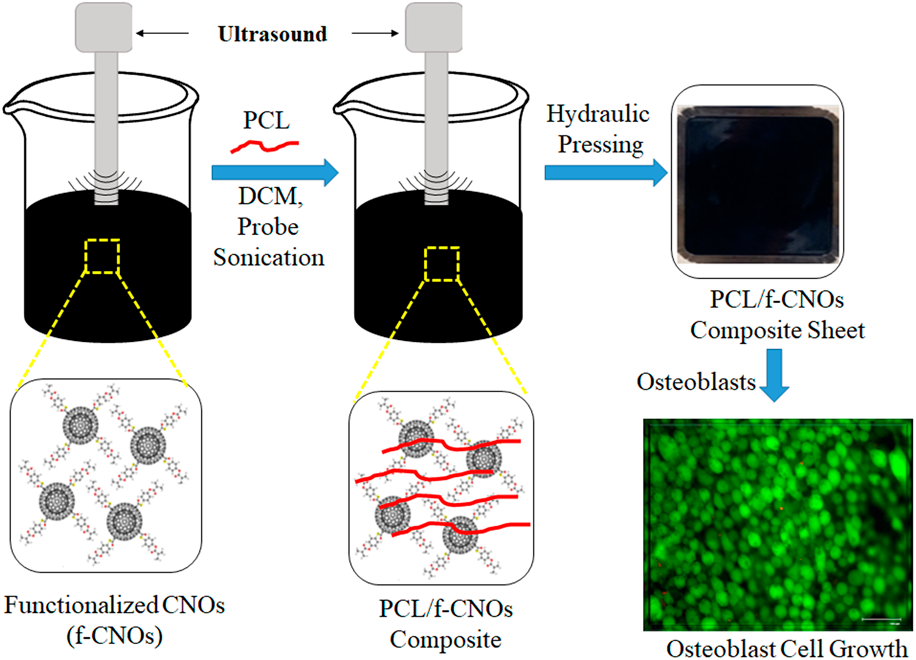
Poly 4-mercaptophenyl methacrylate-carbon nano-onions ((PMPMA-CNOs = f-CNOs) were reinforced with polycaprolactone (PCL) to produce PCL/f-CNO nanocomposites using probe sonication. The physicochemical properties of nanocomposites were systematically studied to analyze cell viability and proliferation. In vitro cytotoxicity of PCL/f-CNO nanocomposites was measured with osteoblast cells, and improved cell viability was observed. The cytotoxicity of f-CNOs to osteoblasts was dose-dependent, and PCL/f-CNO (0.5 wt%) nanocomposites showed more than 90% of viability as compared to pristine PCL. Similarly, PCL/f-CNO (0.5 wt%) nanocomposites showed substantial enhancement in mechanical properties. The yield strength, tensile strength, Young modulus, elastic modulus, and fracture toughness were also upgraded at high content of f-CNOs (0.5 wt%). The concentration of f-CNOs considerably influenced the strengthening of PCL/f-CNO nanocomposites, which shows its degree of colloidal dispersion stability and extent of polymer wrapping within the PCL matrix. Nevertheless, these nontoxic PCL/f-CNO nanocomposites can be used as promising biomaterials for orthopedic applications.
Here, we develop and characterize high thermal conductivity/high thermal shock-resistant bulk Ce-doped Al2O3 and propose it as a new phosphor converting capping layer for high-powered/high-brightness solid-state white lighting (SSWL). The bulk, dense Ce:Al2O3 ceramics have a 0.5 at.% Ce:Al concentration (significantly higher than the equilibrium solubility limit) and were produced using a simultaneous solid-state reactive current activated pressure-assisted densification (CAPAD) approach. Ce:Al2O3 exhibits a broadband emission from 400 to 600 nm, which encompasses the entire blue and green portions of the visible spectrum when pumped with ultraviolet (UV) light that is now commercially available in UV light–emitting devices and laser diodes (LD). These broadband phosphors can be used in the commonly used scheme of mixing with other UV-converting capping layers that emit red light to produce white light. Alternatively, they can be used in a novel composite down-converter approach that ensures improved thermal–mechanical properties of the converting phosphor capping layer. In this configuration, Ce:Al2O3 is used with proven phosphor conversion materials such as Ce:YAG as an active encapsulant or as a capping layer to produce SSWL with an improved bandwidth in the blue portion of the visible spectrum. To study the effect of crystallinity on the Ce photoluminescent (PL) emission, we synthesize Ce:YAG ceramics using high-pressure CAPAD at moderate temperatures to obtain varying crystallinity (amorphous through fully crystalline). We investigate the PL characteristics of Ce:Al2O3 and Ce:YAG from 295 to 4 K, revealing unique crystal field effects from the matrix on the Ce dopants. The unique PL properties in conjunction with the superior thermal–mechanical properties of Ce:Al2O3 can be used in high-powered/high-brightness–integrated devices based on high-efficiency UV-LD that do not suffer efficiency droop at high drive currents to pump the solid-state capping phosphors.
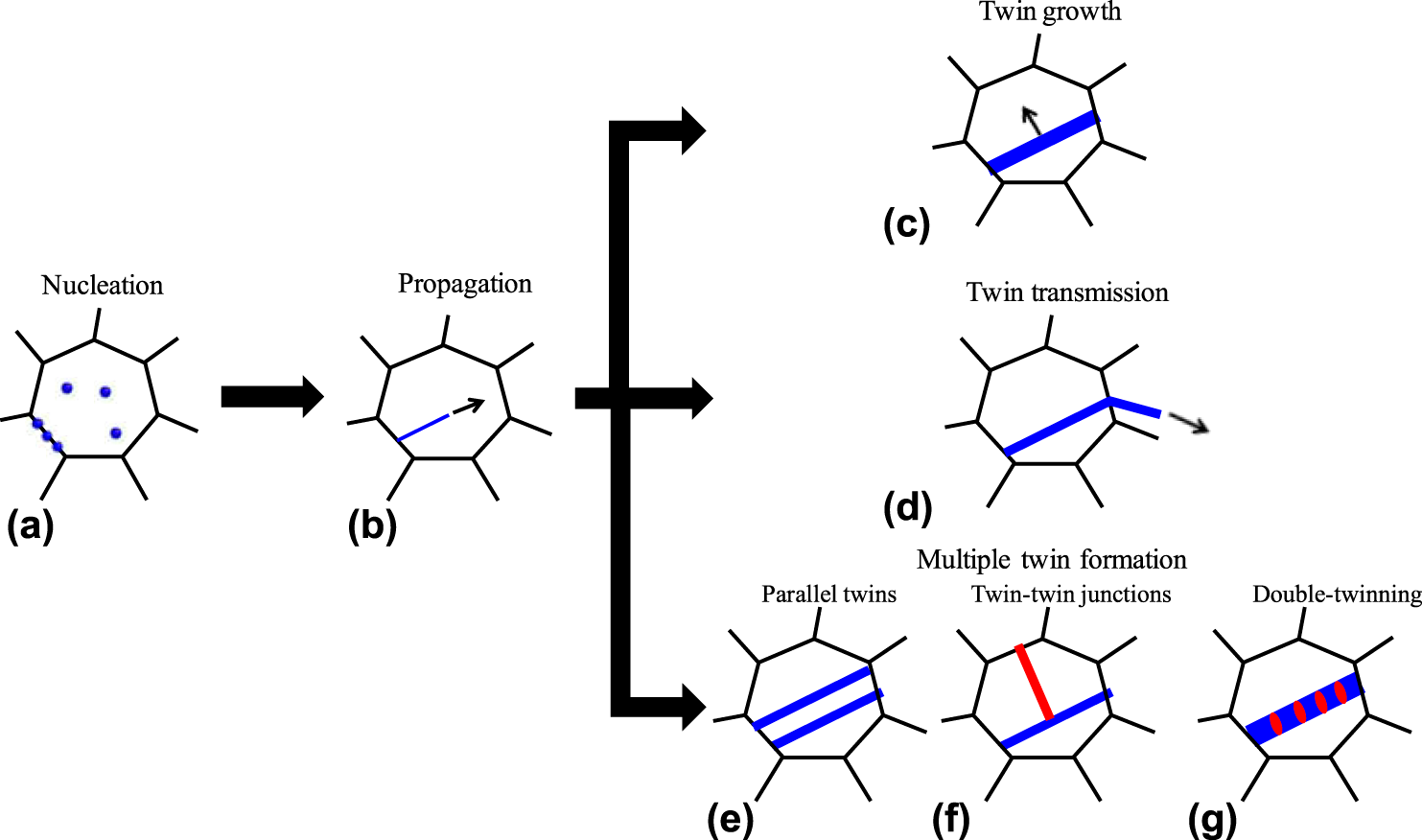
Deformation twinning is a prevalent plastic deformation mode in hexagonal close-packed (HCP) materials, such as magnesium, titanium, and zirconium, and their alloys. Experimental observations indicate that these twins occur heterogeneously across the polycrystalline microstructure during deformation. Morphological and crystallographic distribution of twins in a deformed microstructure, or the so-called twinning microstructure, significantly controls material deformation behavior, ductility, formability, and failure response. Understanding the development of the twinning microstructure at the grain scale can benefit design efforts to optimize microstructures of HCP materials for specific high-performance structural applications. This article reviews recent research efforts that aim to relate the polycrystalline microstructure with the development of its twinning microstructure through knowledge of local stress fields, specifically local stresses produced by twins and at twin/grain–boundary intersections on the formation and thickening of twins, twin transmission across grain boundaries, twin–twin junction formation, and secondary twinning.
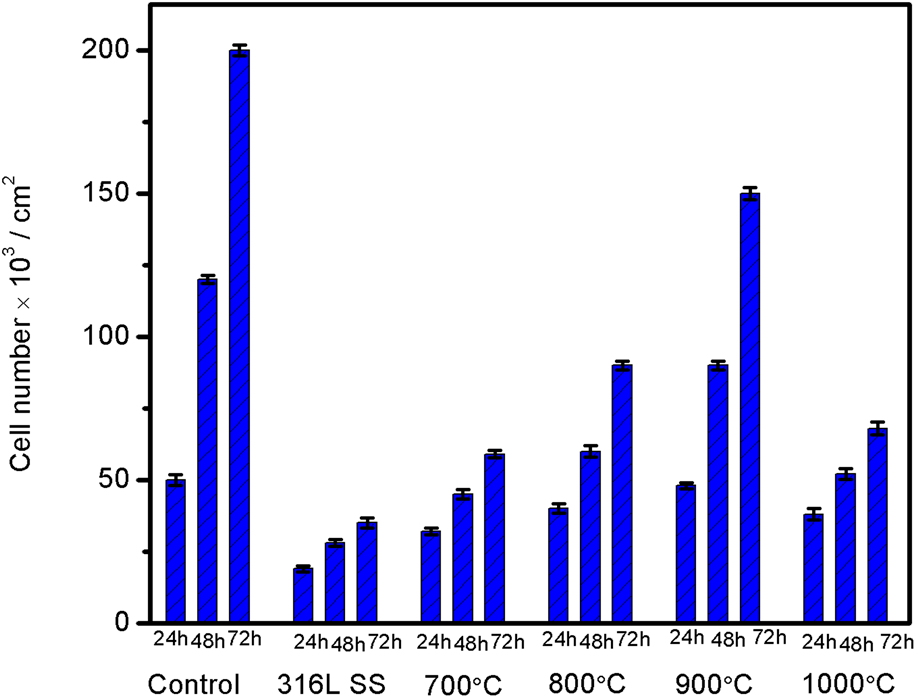
The present work is mainly accentuated to improve corrosion resistance performance, adhesion strength, biocompatibility, and cell proliferation of metallic implants. Novel nano triphasic bioceramic composite coating was achieved on 316L SS by the electrophoretic deposition process followed by vacuum sintering. The optimized potential for composite coating on 316L SS was found to be 30 V and 1 min. All the composite coated samples were sintered in a vacuum furnace at various sintering temperature starting from 700 °C to 1000 °C for 1 h. The coated samples were thoroughly characterized in terms of crystallinity, morphology, and surface roughness by XRD, FESEM with EDX, and profilometer studies, respectively. In addition, the coated samples were mechanically characterized using a tap adhesion and Vickers microhardness test. Corrosion performance of the coated sample was characterized by electrochemical studies in Hank's solution. The in vitro cytotoxicity studies for cell viability and cell proliferation was carried out using MC3T3-E1 osteoblast cells. These studies revealed an enhanced cell attachment and proliferation on the composite-coated sample than the uncoated sample, which controlled the discharge of metal ions from the metal surface into the biological system.
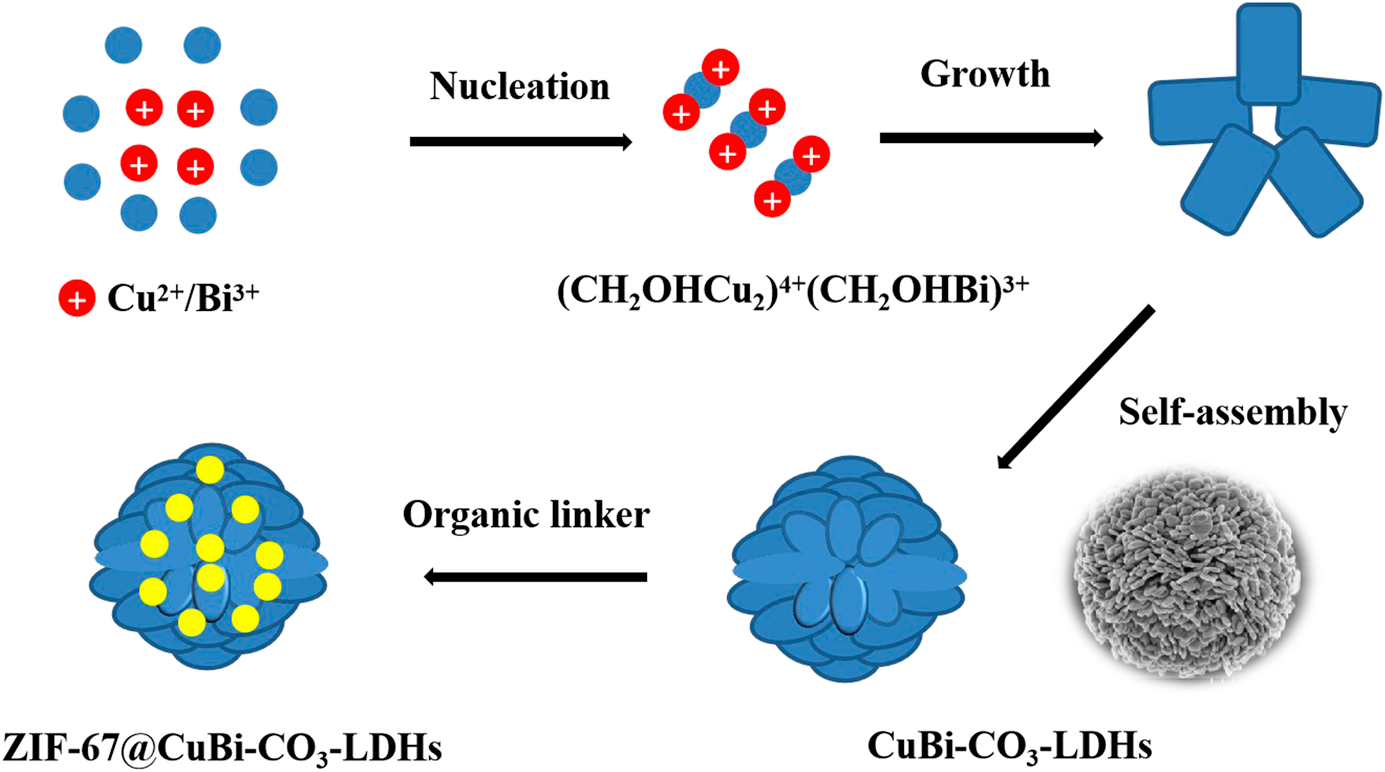
The safe and efficient capture of radioactive iodine is highly necessary, but still remains an ongoing challenge. Herein, because of its special layer structure, CuBi–CO3-layered double hydroxides (CuBi–CO3-LDHs) are used to serve as a generic platform, and 3D hierarchical flowerlike ZIF-67/CuBi–CO3-LDH composites are synthesized by a simple coprecipitation method. After immobilization, the flowerlike morphology of CuBi–CO3-LDHs can be completely preserved and proved by scanning electron microscope. Various affecting factors on adsorption performance are investigated, including adsorbent dose, initial concentration of iodine, and temperature. The experimental and modeling results manifest that iodine adsorption is accurately elucidated by pseudo-second-order model, and the equilibrium isotherm is accordant with the Freundlich model. Moreover, the regeneration experiment indicates that ZIF-67/CuBi–CO3-LDH composites possess good stability and reusability for the removal of iodine. The possible adsorption mechanisms of iodine on ZIF-67/CuBi–CO3-LDHs involve particular layer structure and the strong interaction between nitrogen of imidazole ring and iodine, which were investigated by X-ray diffraction, energy-dispersive X-ray, and X-ray photoelectron spectroscopy spectra. The good performance for the iodine adsorption indicates that ZIF-67/CuBi–CO3-LDHs may be identified as a promising adsorbent in the field of iodine capture.
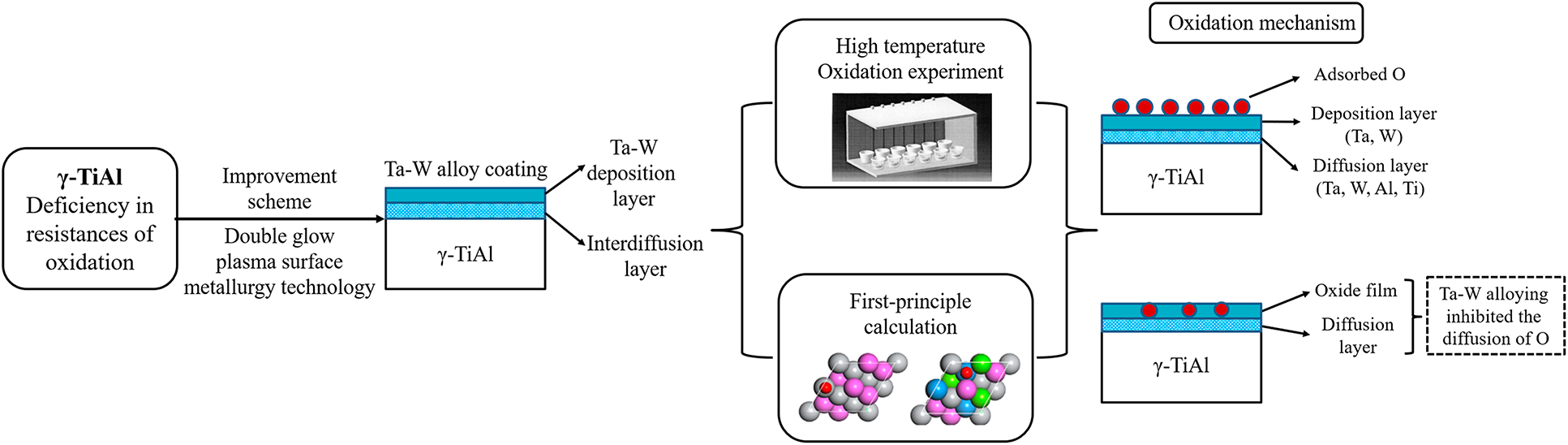
Ta–W co-alloying was realized by double glow plasma surface metallurgy technology, and their effects on high-temperature oxidation behavior of γ-TiAl were studied. Ta–W co-alloying coating was composed of a deposited layer and interdiffusion layer. The results of isothermal oxidation experiment indicated that a compact mixed oxide film of Ta and W was formed on the sample. The interdiffusion layer reduced the oxygen intrusion that improved the high-temperature oxidation resistance of γ-TiAl. The effects of Ta–W co-alloying on oxygen adsorption energy and electronic structure of γ-TiAl(111) were analyzed by first-principle calculation. The results showed that the optimal adsorption sites of O atoms changed from fcc-Al to hcp-Ti and hcp-Al, indicating that Ta–W co-alloying inhibited the diffusion of O. The electronic structure analysis of γ-TiAl(111) after Ta–W alloying indicated the affinity of Ti and O was inhibited, which resulted in decreased TiO2 in the oxide film.
Trimethoprim crystallizes in the triclinic space group P-1 (#2) with a = 10.5085(3), b = 10.5417(2), c = 8.05869(13) Å, α = 101.23371(21), β = 112.1787(3), γ = 112.6321(4)°, V = 743.729 Å3, and Z = 2. A reduced cell search in the Cambridge Structural Database yielded three previous structure determinations, using data collected at 100 K, 173 K, and room temperature. In this work, the sample was ordered from the United States Pharmacopeial Convention (USP) and analyzed as-received. The room temperature (295 K) crystal structure was refined using synchrotron (λ = 0.412826 Å) powder diffraction data and optimized using density functional theory techniques. We found similar hydrogen bonding patterns with the previous determinations. In addition, we identified two C–H⋯O hydrogen bonds, which also contribute to the crystal energy. When comparing the previously reported trimethoprim structure determinations, the unit cell length lattice parameters were found to contract at lower temperatures, particularly 100 K. All structures show reasonable agreement, with unit cell length differences ranging between 0.05 and 0.15 Å. The diffraction data for this study were collected on beamline 11-BM at the Advanced Photon Source, and the powder X-ray diffraction pattern of the compound has been submitted to ICDD® for inclusion in the Powder Diffraction File™ (PDF®).
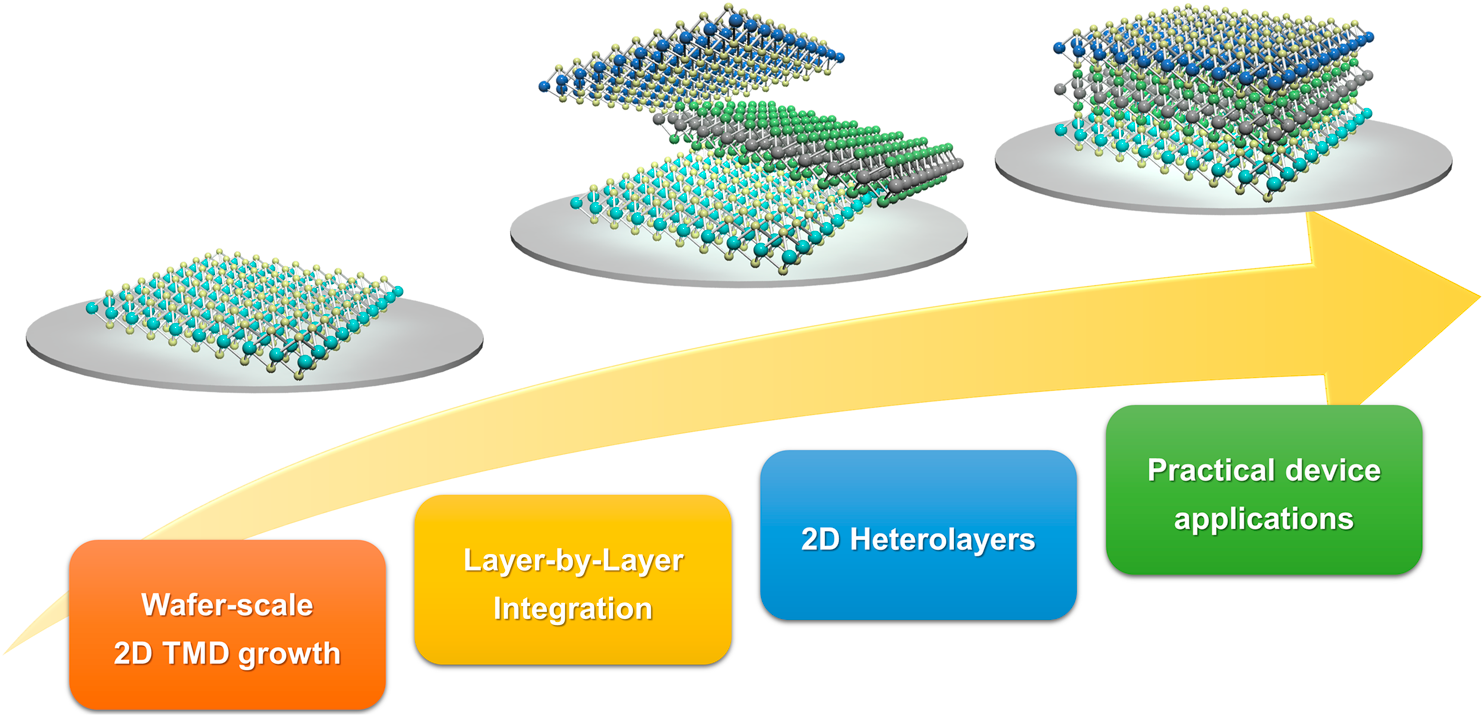
Modern electronics have been geared toward exploring novel electronic materials that can encompass a broad set of unusual functionalities absent in conventional platforms. In this regard, two-dimensional (2D) transition metal dichalcogenide (TMD) semiconductors are highly promising, owing to their large mechanical resilience coupled with superior transport properties and van der Waals (vdW) attraction-enabled relaxed assembly. Moreover, 2D TMD heterolayers based on chemically distinct constituent layers exhibit even more intriguing properties beyond their mono-component counterparts, which can materialize only when they are manufactured on a technologically practical wafer-scale. This mini-review provides a comprehensive overview of recent progress in exploring wafer-scale 2D TMD heterolayers of various kinds. It extensively surveys a variety of manufacturing strategies and discusses their scientific working principles, resulting 2D TMD heterolayers, their material properties, and device applications. Moreover, it offers extended discussion on remaining challenges and future outlooks toward further improving the material quality of 2D TMD heterolayers in both material and manufacturing aspects.
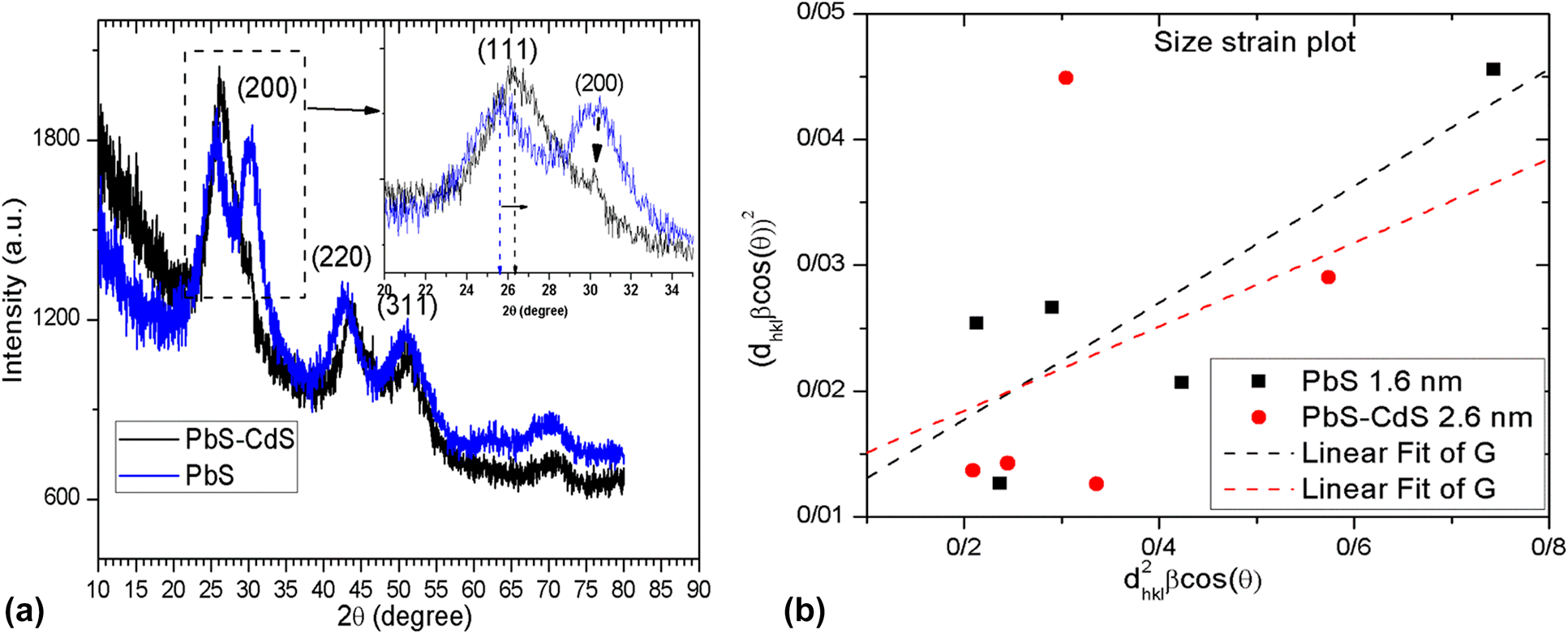
In this work, PbS and PbS/CdS core–shell quantum dots (QDs) were synthesized by a new photochemical approach. Prepared QDs were characterized by means of x-ray diffraction (XRD), field emission scanning electron microscopy (FESEM), energy dispersive x-ray analysis (EDAX), UV–Vis, and Z-scan analyses. Synthesized QDs were in a cubic phase with a spherical morphology, and the crystallite sizes are estimated using the strain–size method. A uniform shift of Bragg diffraction peaks and quenching (200) Bragg plane are interpreted as the growth of the CdS shell. Linear optical properties were investigated using Urbach analysis and Tauc formula. It was found that the density of states of QD conduction and valence bands are three dimensional. The estimated sizes of PbS QDs and PbS/CdS using exciton absorption peaks at room temperature are 1.8 and 2.7 nm, respectively, which are in good agreement with the strain–size plot analysis. The growth of the CdS shell resulted in a considerable decrease in the nonlinearity refractive index and a significant increase in the nonlinear absorption.
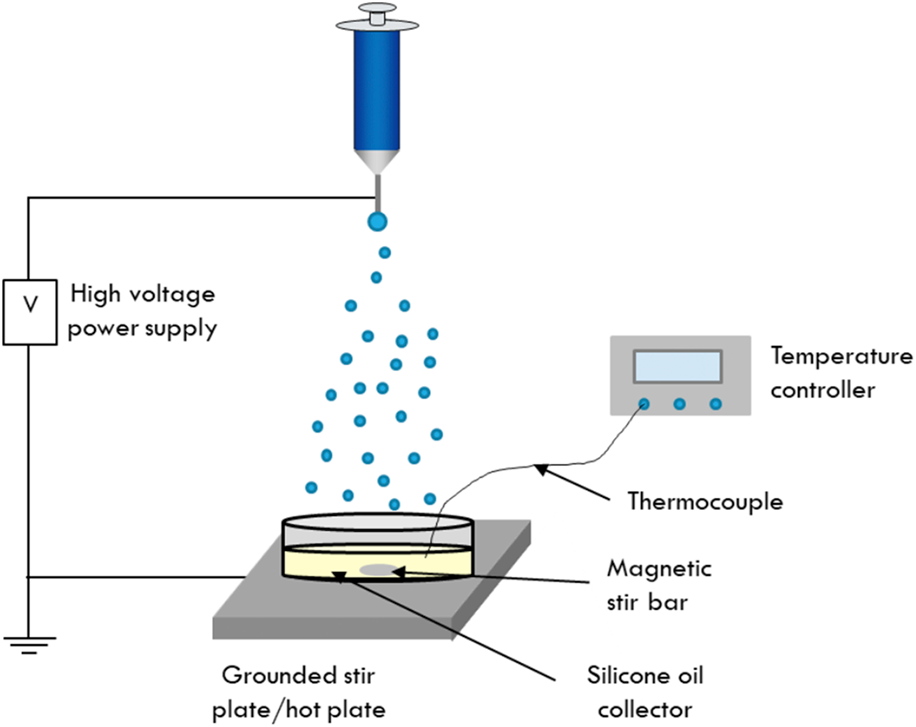
Methods that allow for high-throughput synthesis of magnetic nanoparticles are necessary to more feasibly fabricate materials for real-world applications. To accomplish this, in this article, we describe a versatile electrospray-based synthesis method for the synthesis of magnetic cobalt ferrite nanoparticles. This method has the potential to be readily scaled up using methods similar to those currently used in place for the large-scale electrospinning of fibers. To mitigate film formation as often seen with electrospraying ceramics onto a flat plate collector, we developed a method where the magnetic cobalt ferrite nanoparticles were electrosprayed into a silicone oil–based liquid collector. The as-sprayed particles were then crystalized by salt calcining with sodium chloride at 800 °C. The synthesized magnetic nanoparticles obtained using this method had an average particle diameter of 20.7 ± 11.5 nm. This liquid collection method for the synthesis of cobalt ferrite also presents a versatile platform for the synthesis of a wide range of functional nanomaterials and nanocomposites.
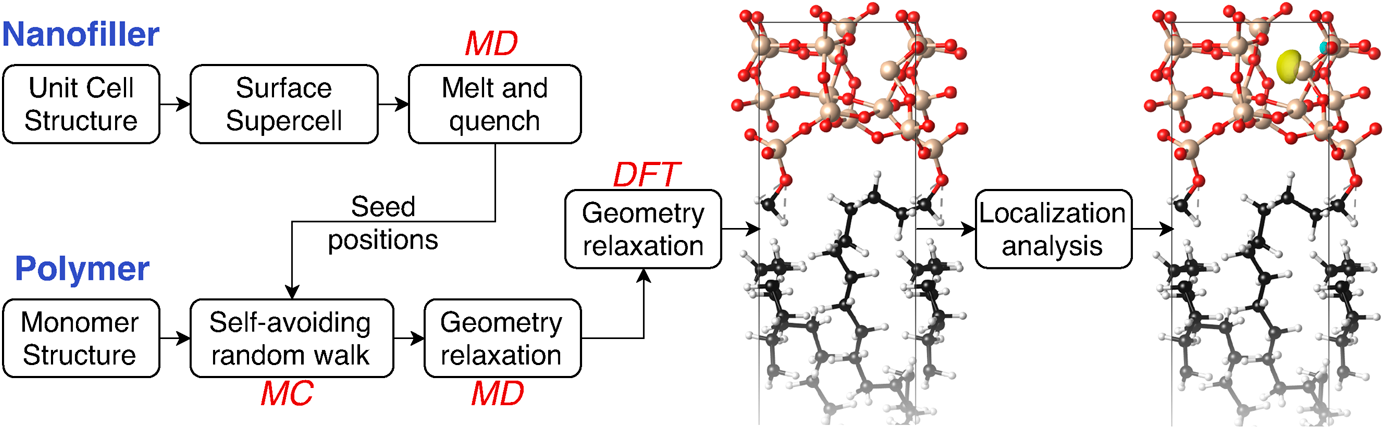
Ab initio design of polymer nanocomposite materials for high breakdown strength requires prediction of localized trap states at the polymer–filler interface. Systematic first-principles calculations of realistic interfaces can be challenging, particularly for amorphous polymers and fillers that necessitate the calculation of ensembles of large unit cells with hundreds of atoms. We present a computational approach for automatically generating reasonable structures for amorphous polymer–filler interfaces, combining classical molecular dynamics and Monte Carlo simulations. We identify trap states by analyzing the localization of electronic eigenstates calculated using density functional theory on ensembles of interface structures, clearly distinguishing shallow trap states from delocalized band-edge states. Applying this approach to silica–polyethylene interfaces as an initial example, we find under-coordination and distorted coordination structures at amorphous silica surfaces contribute a combination of deep and shallow traps at these interfaces, whereas polyethylene does not generate localized interfacial states.
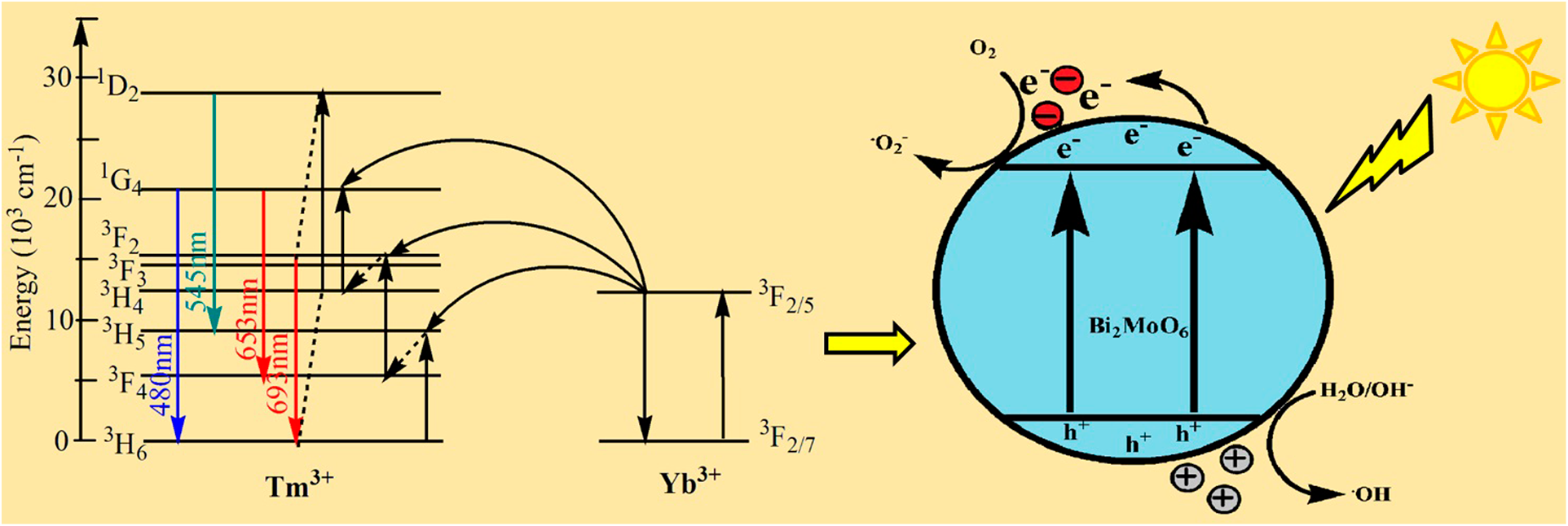
A novel photocatalyst Tm3+/Yb3+–co-doped bismuth molybdate (Bi2MoO6) were synthesized via the hydrothermal method. The samples were characterized through X-ray diffraction, field emission scanning electron microscopy, transmission electron microscopy, X-ray photoelectron spectroscopy (XPS), UV-vis diffuse reflectance spectra, and photoluminescence. XPS characterization confirmed the doped rare earth elements. Analysis of the optical properties explained the up-conversion process and its effect on the photocatalytic performance. The as-synthesized samples were employed to decompose Rhodamine B to value its photocatalytic activities under visible light irradiation. The doped samples showed an enhanced photocatalytic activity compared with the bare Bi2MoO6. When the ratio of Tm3+ and Yb3+ was 0.5:5, the degradation efficiency was the highest of 96.1% within 25 min, which was higher than that (74.9%) of pure Bi2MoO6. Moreover, the photocatalytic mechanism of improving the photocatalytic properties was discussed. Besides, the sample showed a super stability in photocatalytic activity. A novel catalyst for industrial pollutant degradation was proposed.
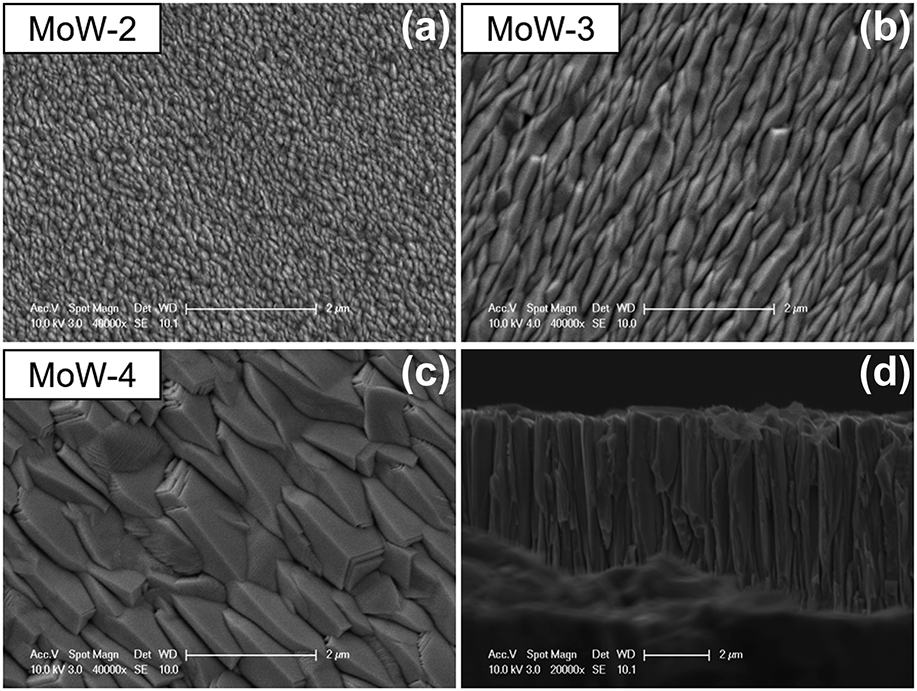
This article reports findings when using a molybdenum–tungsten (MoW) interlayer for diamond thin film deposition on steel substrates. The main focus was on the postdeposition stress within the diamond films and its impact on the coating's tribological properties. The effect of MoW interlayer thickness and the effect of chemical vapor deposition (CVD) process temperature have been investigated. Nanocrystalline diamond films were deposited on steel substrates with MoW interlayers (thickness of 1.1, 4.5, and 8.3 μm) at two different deposition temperatures (650 and 875 °C). It was found that when depositing good quality diamond films on steel substrates, increasing interlayer thickness and decreasing CVD process temperature have to be jointly considered to obtain the optimal result. The diamond-coated steel substrates with the 8.3 μm interlayer deposited at the lower CVD processing temperature exhibited the least residual stress combined with excellent mechanical properties.