Refine search
Actions for selected content:
106129 results in Materials Science

Hot deformation behavior of a new tailored cobalt-based superalloy for turbine discs
-
- Journal:
- Journal of Materials Research / Volume 35 / Issue 6 / 30 March 2020
- Published online by Cambridge University Press:
- 22 January 2020, pp. 633-643
- Print publication:
- 30 March 2020
-
- Article
- Export citation
Crystal structure of pantoprazole sodium sesquihydrate Form I, C16H14F2N3O4SNa(H2O)1.5
-
- Journal:
- Powder Diffraction / Volume 35 / Issue 1 / March 2020
- Published online by Cambridge University Press:
- 20 January 2020, pp. 53-60
-
- Article
- Export citation
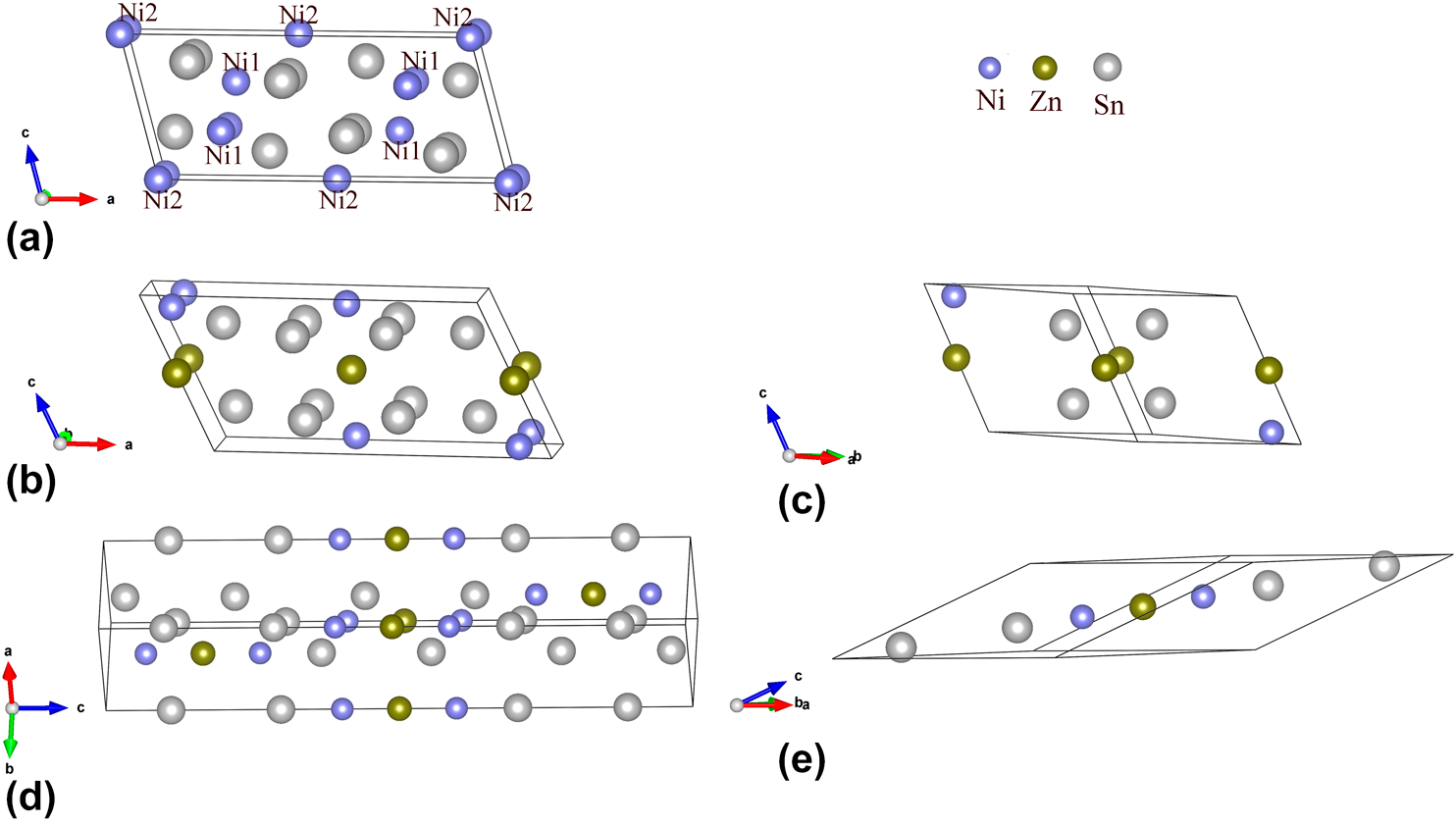
Exploring the structural, mechanical, thermodynamic, and electronic properties of (Ni0.66, Zn0.33)3Sn4 ternary intermetallic compounds by the first-principles study
-
- Journal:
- Journal of Materials Research / Volume 35 / Issue 3 / 14 February 2020
- Published online by Cambridge University Press:
- 20 January 2020, pp. 263-271
- Print publication:
- 14 February 2020
-
- Article
- Export citation
-
Using the first-principles calculation combined with the structure searching method, the ternary intermetallic compound (IMC) (Ni0.66, Zn0.33)3Sn4 with $R\bar 3m$ space group is predicted. The energetic, dynamic, thermal, and mechanical stabilities of the (Ni0.66, Zn0.33)3Sn4 IMC are confirmed. The mechanical, thermodynamic, and electronic characteristics at different pressures from 0 to 20 Gpa for the (Ni0.66, Zn0.33)3Sn4 IMC are also investigated. The results show that the (Ni0.66, Zn0.33)3Sn4 IMC possesses a ductile trait within 20 Gpa and that pressurization can increase its elastic modulus, hardness, anisotropy, Debye temperature, and minimum thermal conductivity. At a given pressure, the thermal expansion coefficient α increases significantly below 200 K, and then its increase rate approaches a linear mode as the temperature increases. Compared with the case of 0 GPa, the shapes of the total density of states and partial density of states for the (Ni0.66, Zn0.33)3Sn4 IMC change slightly at pressure 20 Gpa, implying that its structure is still stable under pressure 20 GPa.

Crystal structure of cloxacillin sodium monohydrate, C19H17CIN3O5SNa(H2O) — ERRATUM
-
- Journal:
- Powder Diffraction / Volume 35 / Issue 1 / March 2020
- Published online by Cambridge University Press:
- 20 January 2020, p. 79
-
- Article
-
- You have access
- HTML
- Export citation
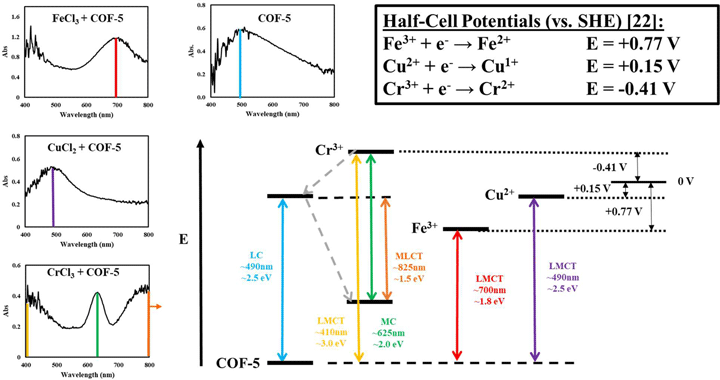
Electronic charge transfer properties of COF-5 solutions and films with intercalated metal ions
-
- Journal:
- MRS Communications / Volume 10 / Issue 1 / March 2020
- Published online by Cambridge University Press:
- 20 January 2020, pp. 91-97
- Print publication:
- March 2020
-
- Article
- Export citation
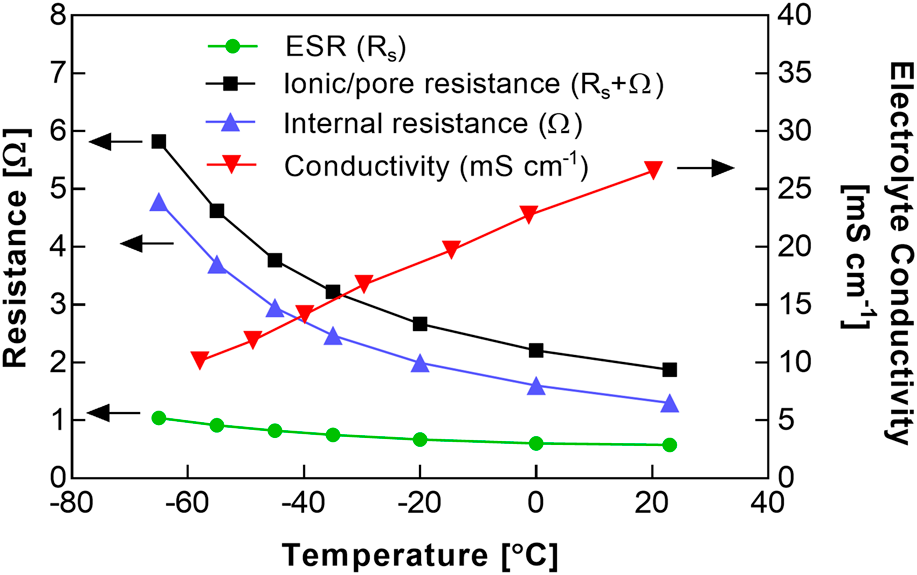
Low-temperature performance of electrochemical capacitors using acetonitrile/methyl formate electrolytes and activated carbon fabric electrodes
-
- Journal:
- Journal of Materials Research / Volume 35 / Issue 2 / 28 January 2020
- Published online by Cambridge University Press:
- 20 January 2020, pp. 113-121
- Print publication:
- 28 January 2020
-
- Article
- Export citation
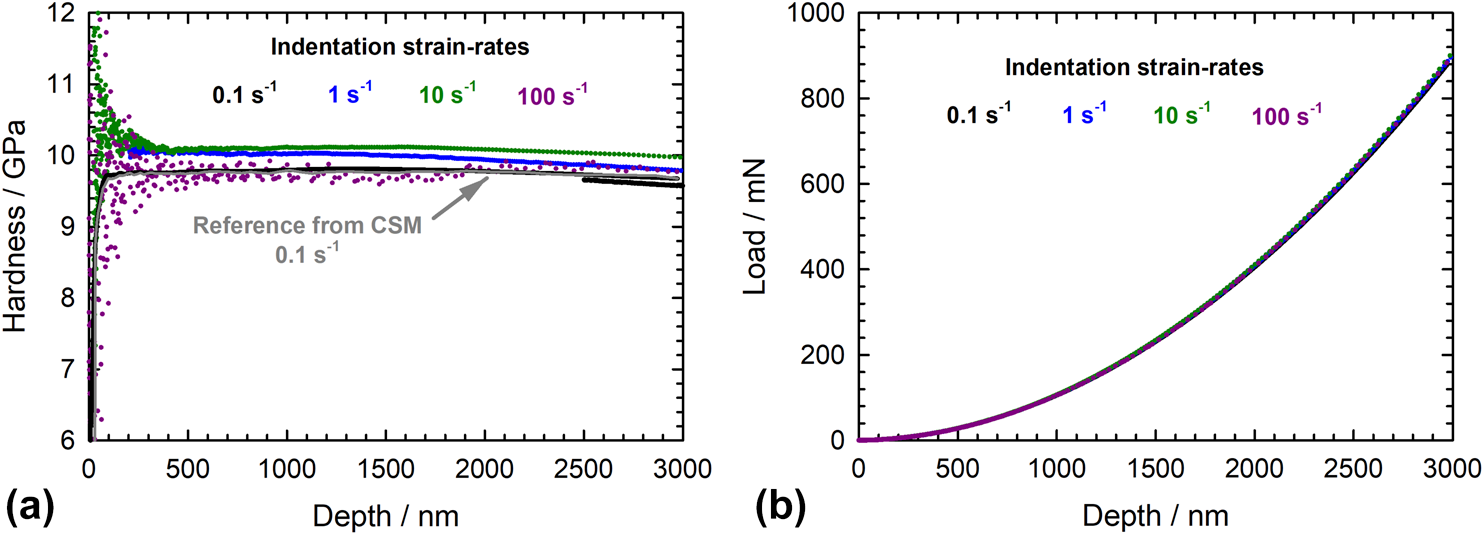
Extending the range of constant strain rate nanoindentation testing
-
- Journal:
- Journal of Materials Research / Volume 35 / Issue 4 / 28 February 2020
- Published online by Cambridge University Press:
- 20 January 2020, pp. 343-352
- Print publication:
- 28 February 2020
-
- Article
-
- You have access
- Open access
- HTML
- Export citation
Crystal structure of ipratropium bromide monohydrate, C20H30NO3Br(H2O)
-
- Journal:
- Powder Diffraction / Volume 35 / Issue 1 / March 2020
- Published online by Cambridge University Press:
- 20 January 2020, pp. 61-66
-
- Article
- Export citation
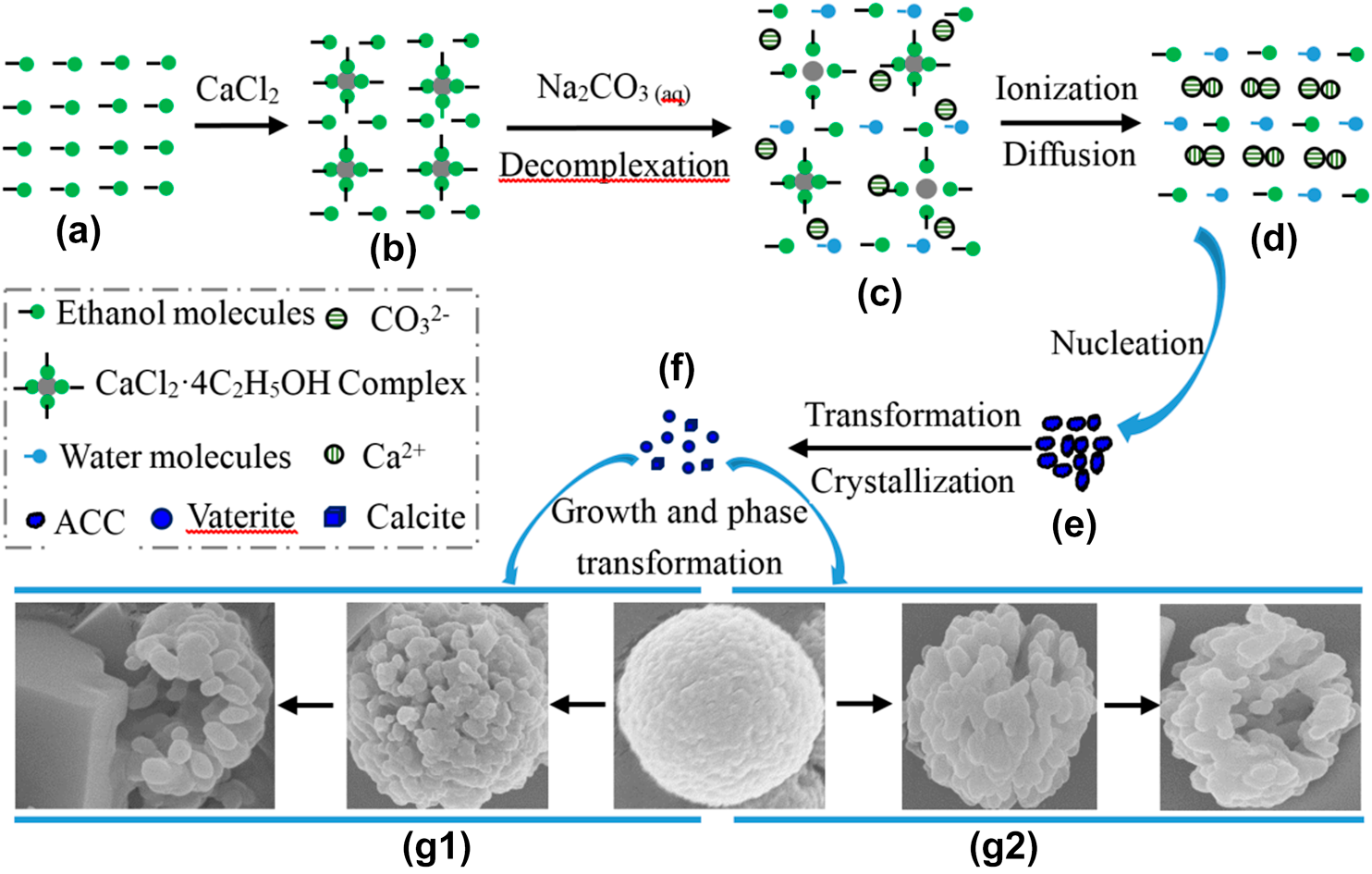
The advantage of alcohol–calcium method on the formation and the stability of vaterite against ethanol–water binary solvent method
-
- Journal:
- Journal of Materials Research / Volume 35 / Issue 3 / 14 February 2020
- Published online by Cambridge University Press:
- 17 January 2020, pp. 289-298
- Print publication:
- 14 February 2020
-
- Article
- Export citation
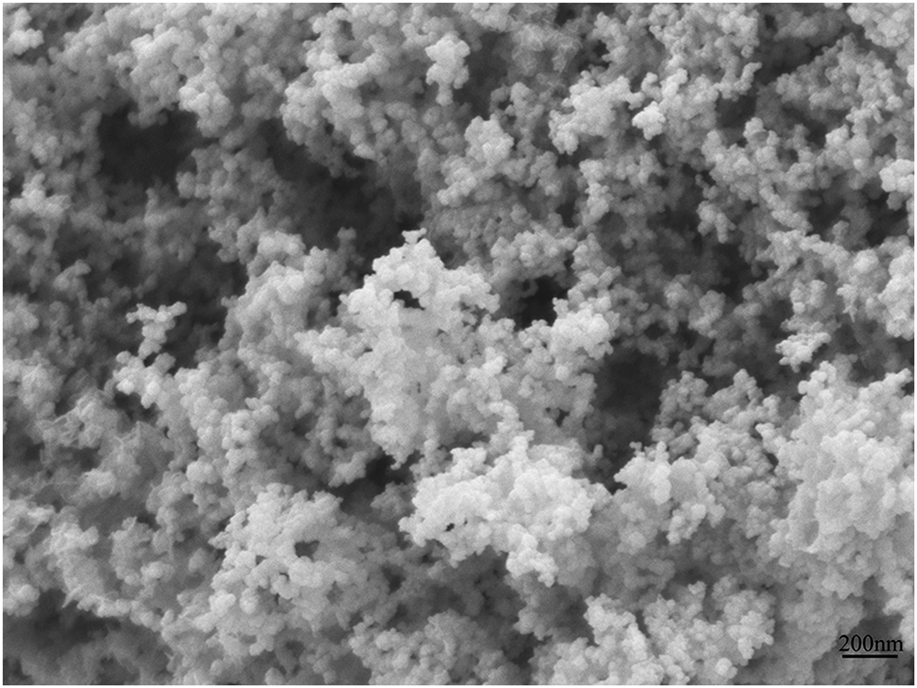
Fabrication of amorphous Co–Cr–B and catalytic sodium borohydride hydrolysis for hydrogen generation
-
- Journal:
- Journal of Materials Research / Volume 35 / Issue 3 / 14 February 2020
- Published online by Cambridge University Press:
- 17 January 2020, pp. 281-288
- Print publication:
- 14 February 2020
-
- Article
- Export citation
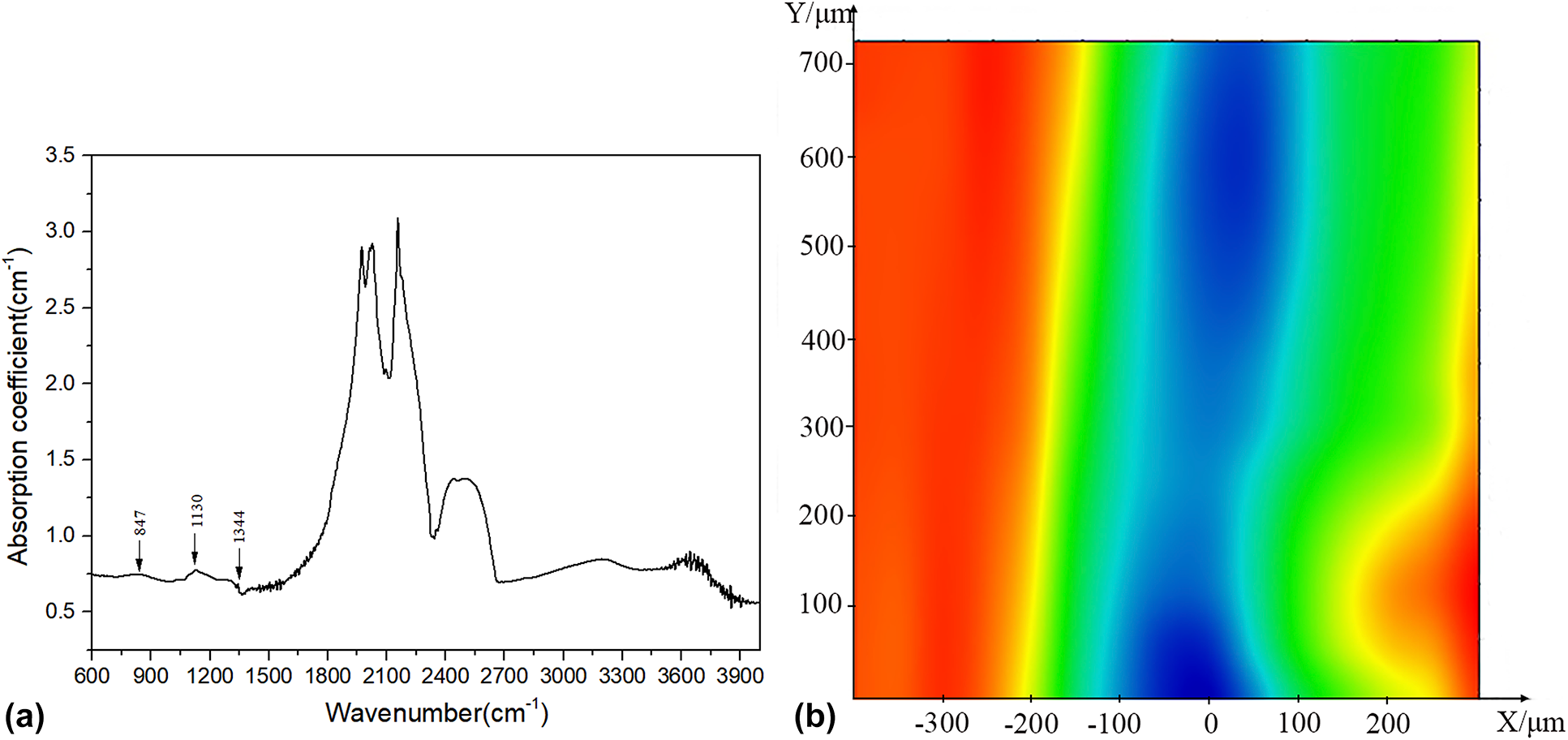
Effect of LPHT annealing on interface characteristics between HPHT Ib diamond substrates and homoepitaxial CVD diamond layers
-
- Journal:
- Journal of Materials Research / Volume 35 / Issue 5 / 16 March 2020
- Published online by Cambridge University Press:
- 17 January 2020, pp. 527-536
- Print publication:
- 16 March 2020
-
- Article
- Export citation
-
To study the interface characteristics between substrates and homoepitaxially grown single crystalline diamond layers, the high-pressure/high-temperature Ib diamond seeds with homoepitaxial diamond layers were annealed by low-pressure/high-temperature treatment in a hydrogen environment. The stress evolution and related impurity transformation near the interface were characterized by Raman spectroscopy, photoluminescence, and micro-infrared spectroscopy before and after annealing. It is found that the stress is the smallest in a 100 μm wide zone near the interface, accompanying with the similar change in substitutional nitrogen (Ns) concentration. After annealing at 1050 °C, 1250 °C, and 1450 °C, the local compressive stress is released gradually with temperature change. It is decreased by 1.03 GPa in maximum after annealing at 1450 °C. The concentration of nitrogen–vacancy (NV) complexes in the chemical vapor deposition (CVD) layer is dramatically reduced at 1450 °C. The value of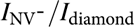 ${{I_{{\rm{NV}}^ \hbox- } } \mathord{\left/ {\vphantom {{I_{{\rm{NV}}^ - } } {I_{{\rm{diamond}}} }}} \right. \kern-\nulldelimiterspace} {I_{{\rm{diamond}}} }}$ decreases much more than ${{I_{{\rm{NV}}^0 } } \mathord{\left/ {\vphantom {{I_{{\rm{NV}}^0 } } {I_{{\rm{diamond}}} }}} \right. \kern-\nulldelimiterspace} {I_{{\rm{diamond}}} }}$ in the CVD layer, which is due to the lower stability of NV− compared with NV0 at high temperature.
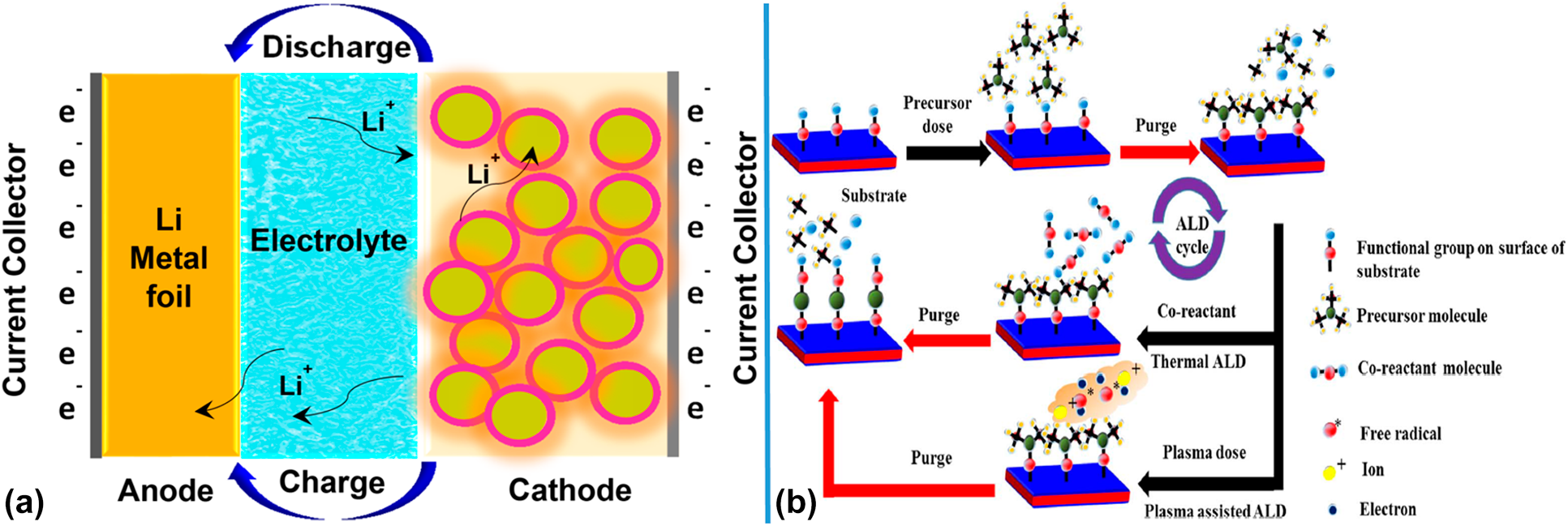
Controllable atomic layer deposition coatings to boost the performance of LiMnxCoyNi1−x−yO2 in lithium-ion batteries: A review
-
- Journal:
- Journal of Materials Research / Volume 35 / Issue 7 / 14 April 2020
- Published online by Cambridge University Press:
- 17 January 2020, pp. 762-774
- Print publication:
- 14 April 2020
-
- Article
-
- You have access
- HTML
- Export citation
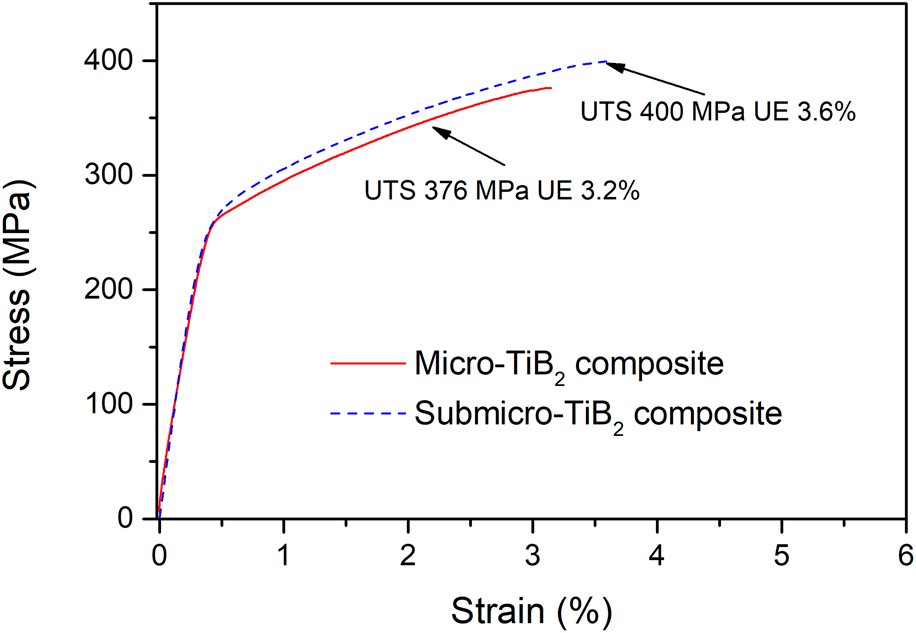
Effect of ceramic particle size on densification behavior, microstructure formation, and performance of TiB2-reinforced Al-based composites prepared by selective laser melting
-
- Journal:
- Journal of Materials Research / Volume 35 / Issue 6 / 30 March 2020
- Published online by Cambridge University Press:
- 17 January 2020, pp. 559-570
- Print publication:
- 30 March 2020
-
- Article
- Export citation
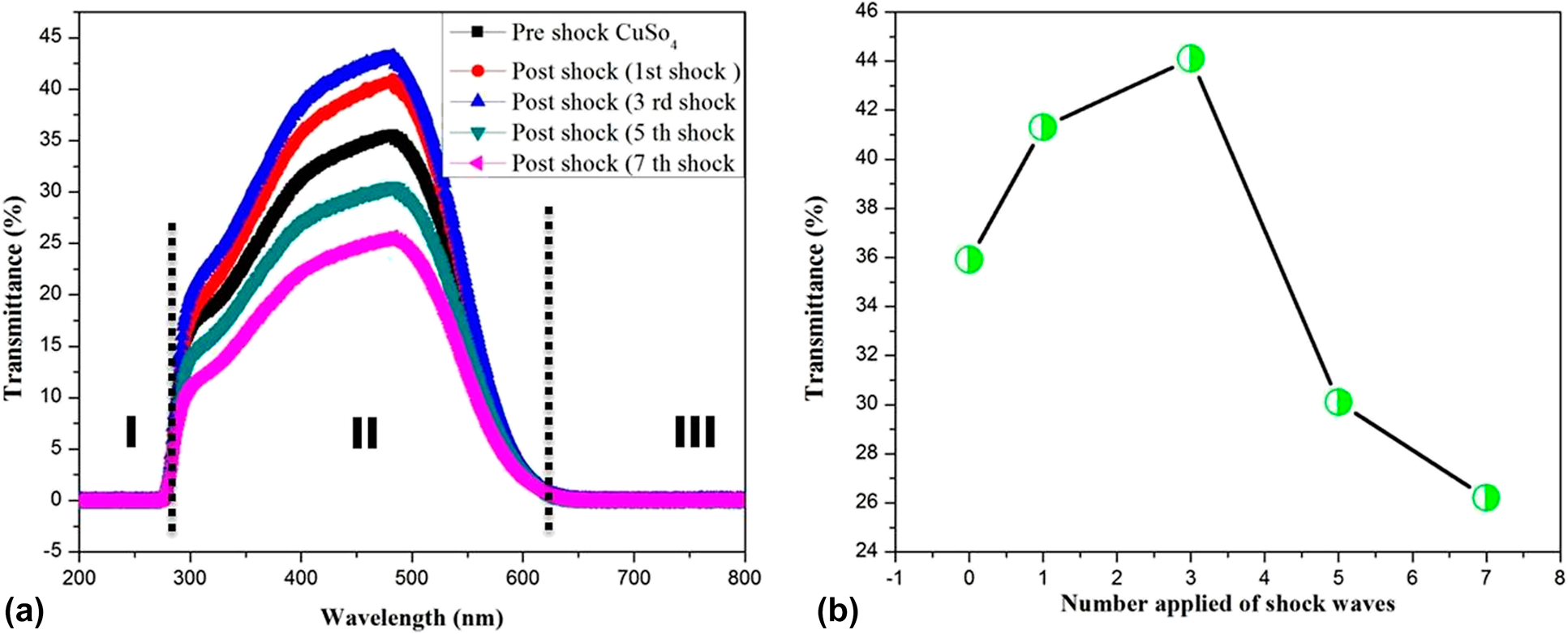
Enhancement of the optical properties of copper sulfate crystal by the influence of shock waves
-
- Journal:
- Journal of Materials Research / Volume 35 / Issue 4 / 28 February 2020
- Published online by Cambridge University Press:
- 17 January 2020, pp. 391-400
- Print publication:
- 28 February 2020
-
- Article
- Export citation

Atomistic kinetic Monte Carlo—Embedded atom method simulation on growth and morphology of Cu–Zn–Sn precursor of Cu2ZnSnS4 solar cells
-
- Journal:
- Journal of Materials Research / Volume 35 / Issue 3 / 14 February 2020
- Published online by Cambridge University Press:
- 17 January 2020, pp. 252-262
- Print publication:
- 14 February 2020
-
- Article
- Export citation
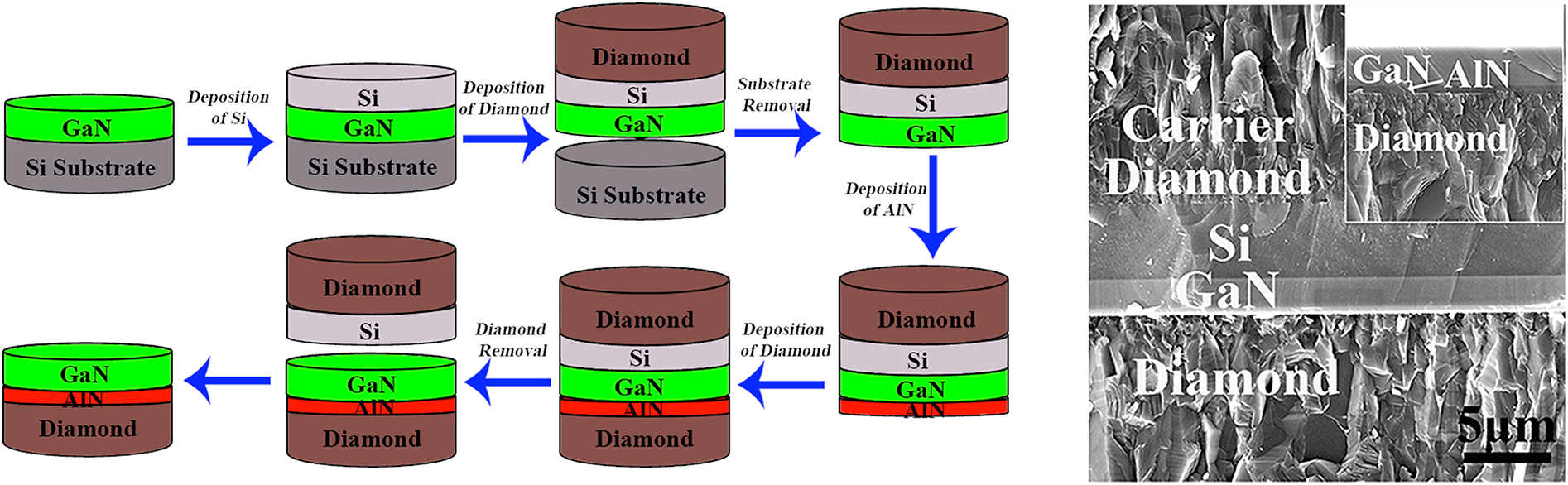
Enhancement of diamond seeding on aluminum nitride dielectric by electrostatic adsorption for GaN-on-diamond preparation
-
- Journal:
- Journal of Materials Research / Volume 35 / Issue 5 / 16 March 2020
- Published online by Cambridge University Press:
- 17 January 2020, pp. 508-515
- Print publication:
- 16 March 2020
-
- Article
- Export citation
Crystal structures of two polymorphs of alclometasone dipropionate, C28H37ClO7
-
- Journal:
- Powder Diffraction / Volume 35 / Issue 1 / March 2020
- Published online by Cambridge University Press:
- 15 January 2020, pp. 45-52
-
- Article
- Export citation
JMR volume 35 issue 1 Cover and Back matter
-
- Journal:
- Journal of Materials Research / Volume 35 / Issue 1 / 14 January 2020
- Published online by Cambridge University Press:
- 14 January 2020, pp. b1-b3
- Print publication:
- 14 January 2020
-
- Article
-
- You have access
- Export citation
Effects of nanoporous Au on ATP synthase
-
- Journal:
- MRS Communications / Volume 10 / Issue 1 / March 2020
- Published online by Cambridge University Press:
- 14 January 2020, pp. 173-178
- Print publication:
- March 2020
-
- Article
- Export citation
Announcement
-
- Journal:
- Journal of Materials Research / Volume 35 / Issue 1 / 14 January 2020
- Published online by Cambridge University Press:
- 14 January 2020, p. 1
- Print publication:
- 14 January 2020
-
- Article
-
- You have access
- HTML
- Export citation
