We partner with a secure submission system to handle manuscript submissions.
Please note:
You will need an account for the submission system, which is separate to your Cambridge Core account. For login and submission support, please visit the
submission and support pages.
Please review this journal's author instructions, particularly the
preparing your materials
page, before submitting your manuscript.
Click Proceed to submission system to continue to our partner's website.
To save this undefined to your undefined account, please select one or more formats and confirm that you agree to abide by our usage policies. If this is the first time you used this feature, you will be asked to authorise Cambridge Core to connect with your undefined account.
Find out more about saving content to .
To send this article to your Kindle, first ensure no-reply@cambridge.org is added to your Approved Personal Document E-mail List under your Personal Document Settings on the Manage Your Content and Devices page of your Amazon account. Then enter the ‘name’ part of your Kindle email address below. Find out more about sending to your Kindle.
Find out more about saving to your Kindle.
Note you can select to save to either the @free.kindle.com or @kindle.com variations. ‘@free.kindle.com’ emails are free but can only be saved to your device when it is connected to wi-fi. ‘@kindle.com’ emails can be delivered even when you are not connected to wi-fi, but note that service fees apply.
This study explores early domestic life at the historic Yoruba site of Orile-Owu. Excavations and ethnography reveal insights into diet and food processing, medicinal practices and the daily routines of occupants during the mid-fifteenth to mid-seventeenth centuries AD.
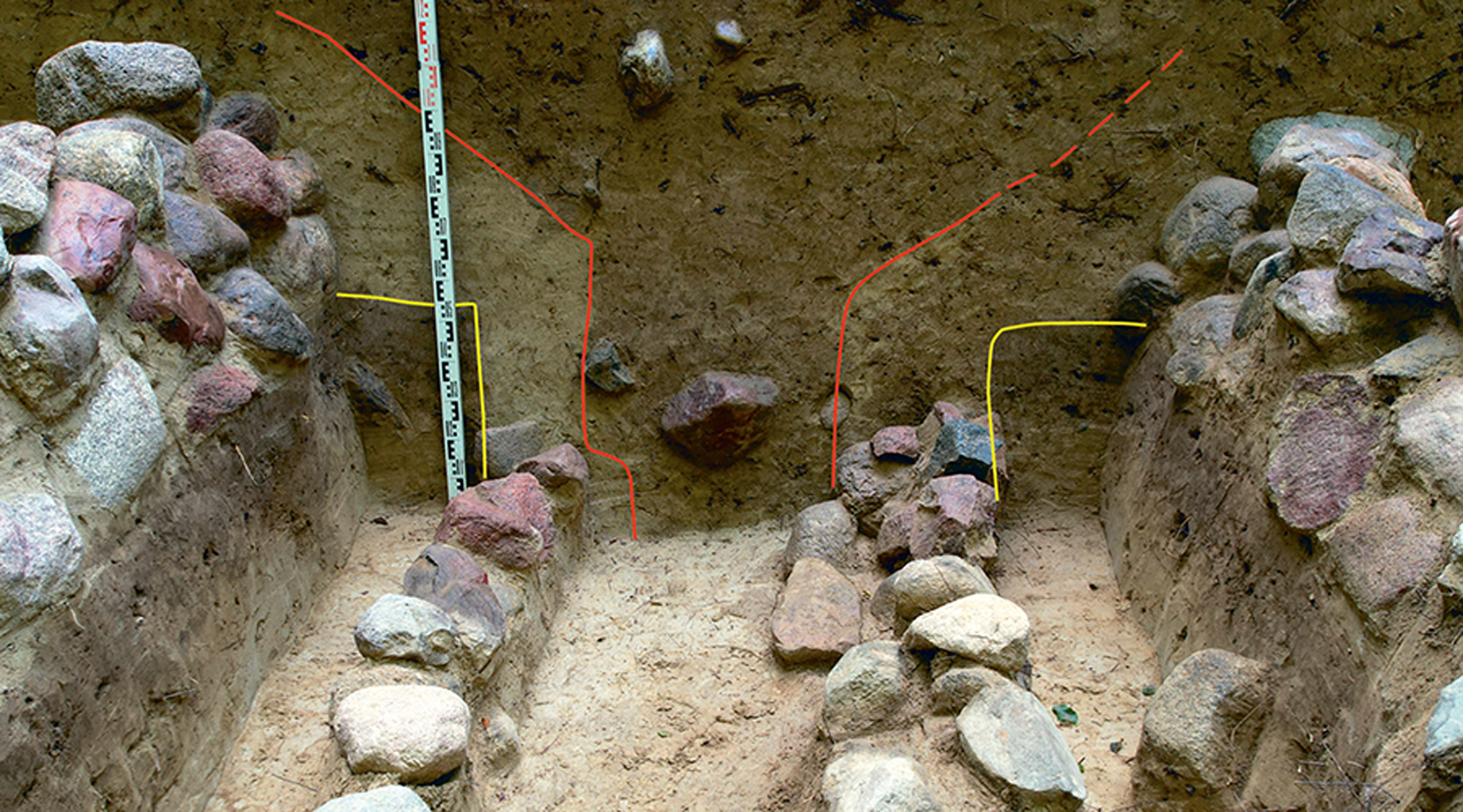
In 2022, a project was initiated to investigate the cemetery at Nowy Chorów, northern Poland, with Orzeszkowo-type (rectangular) burial mounds. During the excavations, both inhumation and cremation graves were uncovered, along with elements of elite grave goods and evidence of the reopening of the graves.
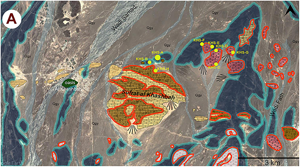
Recent investigations in north-west Arabia have revealed that many major oases in the region were enclosed by a network of monumental walls. Confirmation of four newly identified walled oases demonstrates that this Walled Oases Complex had a substantial impact on long-term socioeconomic development in the region.
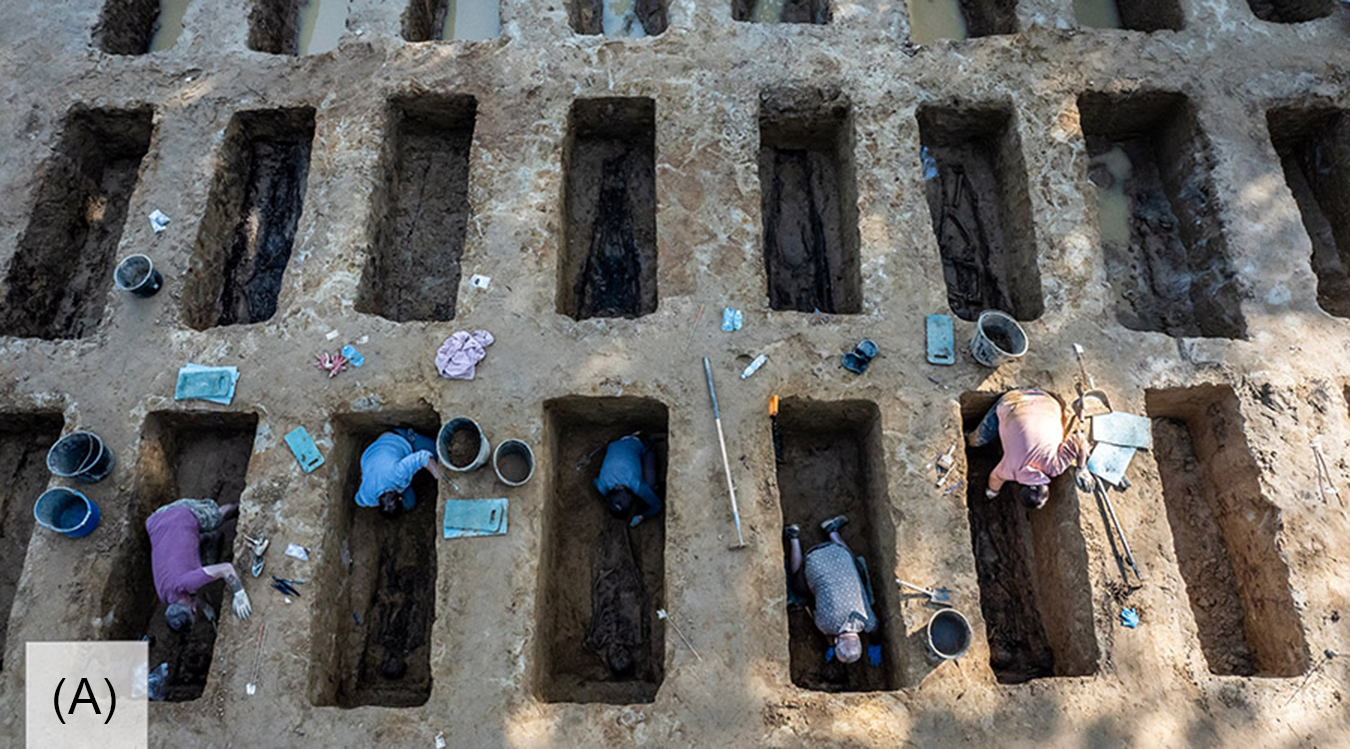
‘Lamsdorf/Łambinowice: an archaeology of memory’ is an interdisciplinary project that uses archaeological research methods and tools to locate unknown and unmarked graves of prisoners of war (PoW) and civilians related to the functioning of the German camp Stalag VIII B (344) Lamsdorf in the years 1939–1945.
Since 2015, four non-invasive campaigns have surveyed the San José Galleon shipwreck in the Colombian Caribbean, providing valuable insights into the age and provenance of artefacts found on the seabed. Numismatic, archaeological and historical approaches have been employed to analyse a collection of gold coins recorded within this underwater context.
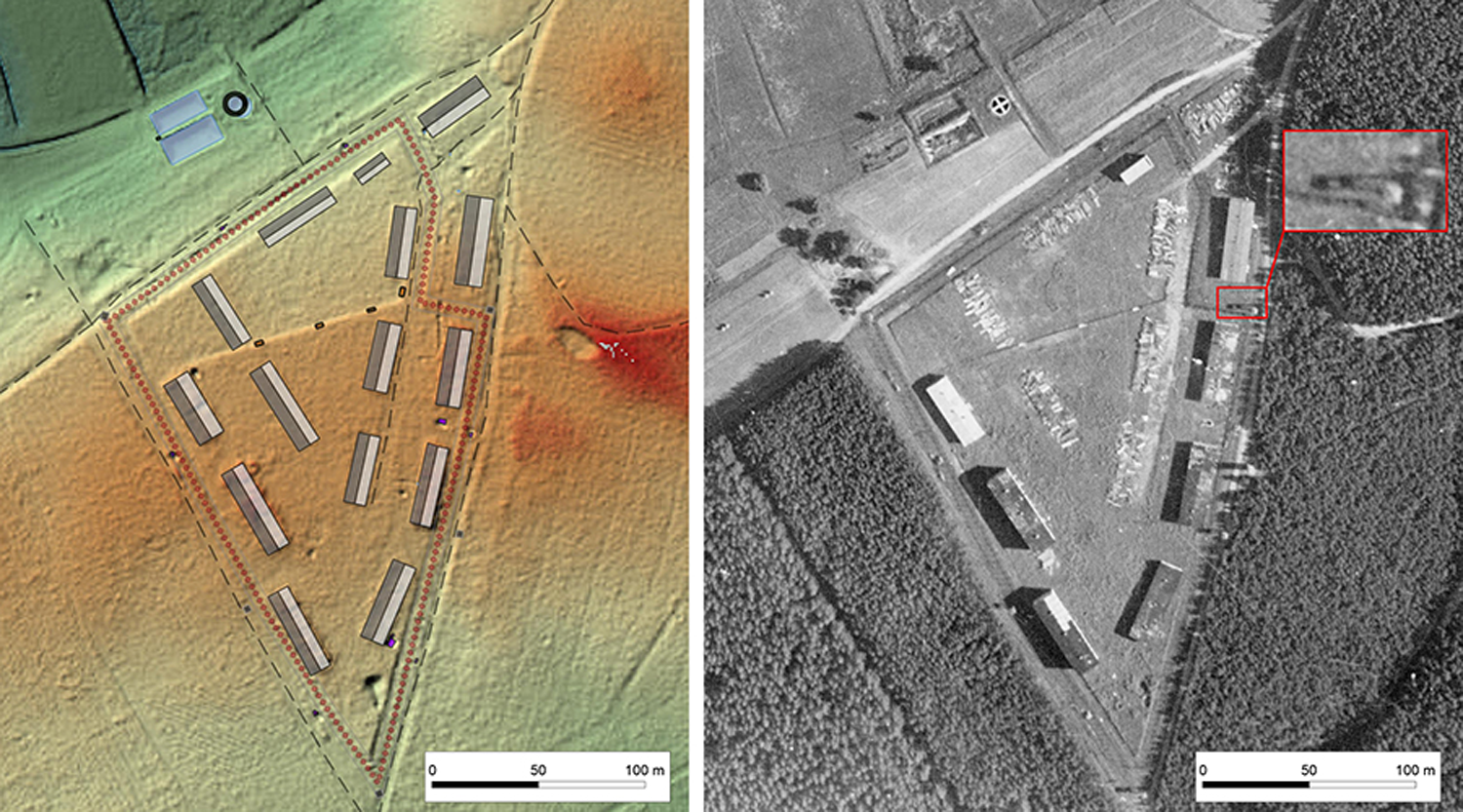
This study uses archival photos and data from lidar, geophysical surveys and excavations to help uncover the physical realities of two Second World War Nazi sub-camps, Czyżówek (AL Halbau) and Karczmarka (AL Kittlitztreben), in the Gross-Rosen network, now in south-west Poland.
Ancient stone monuments may have marked the locations of key ritual activities for pastoralist communities. This project is the first to employ multi-method geophysical survey to identify additional features of construction and use at the Chalcolithic-period Rajajil Columns site in northern Saudi Arabia.
The early medieval stronghold of Grzybowo, Wielkopolska, was a large complex, comprising two strongholds and an extensive outer settlement, with numerous elite movable monuments. Excavations suggest that this was an important site for the ruling dynasty, with analogies for this form of central stronghold found in Ruthenia and Bohemia.
Analysis of use-wear and chemical composition of five early Bronze Age halberds from Muszkowo reveals that they were crafted over several casting events and meticulously finished, then subjected to use before their final deposition.
Somló Hill (Veszprém County, Hungary) is a prominent Late Bronze Age and Early Iron Age hilltop settlement. Six new hoards present the unparalleled opportunity to study hoarding traditions and depositional practices, and to evaluate the changing roles and functions of the hilltop site.
Emerging from a shift in the relationship between archaeology and museums, the ‘Making the Museum’ project investigates the makers of the archaeological and ethnographic collections of the Pitt Rivers Museum in Oxford, positioning archaeological theory and method as essential tools for uncovering the ‘hidden histories’ of these makers.
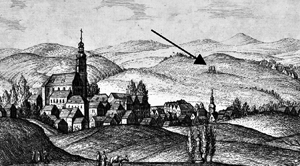
Historic sites of lawful execution are now largely consigned to archival records, including hand-drawn maps. Using these records to identify potential locations, this project deploys non-invasive geophysical surveys and targeted excavation to uncover execution sites and historic gallows in Silesia.
A total of 2848 denarii from the Nietulisko Małe Hoard, one of the largest hoards of Roman coins found in Poland, were digitised and documented using reflectance transformation imaging, highlighting the potential for this technology in numismatic research.
Since 1994, the French Archaeological Mission at the Eastern Desert has excavated more than 20 sites in Egypt, focusing on Roman forts and Ptolemaic mining sites. Rich in natural resources, the region was heavily exploited in the Hellenistic Period (332–30 BC). Recent excavations at Ghozza reveal the harsh reality of mining.
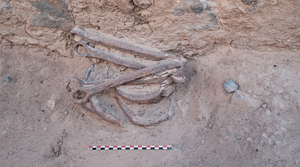
Analysis of the particulate and chemical composition of a red pigment discovered in grave 155 (burial 2) at Chervony Mayak in the Kherson Region of Ukraine identified the substance as cinnabar. This is the first definitive identification of this mineral in a Late Scythian context.
Searching for the Neolithic along the Vardar-Morava River corridor revealed several new sites in a previously underexplored region. Multidisciplinary investigations at Svinjarička Čuka identified Neolithic and Bronze Age occupation. Highlights presented here demonstrate the potential of this new key site for enriching our understanding of the prehistory of the Balkans.
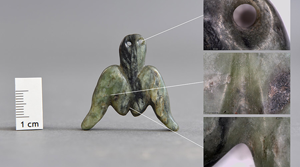
A newly discovered Neolithic site at Al-Khashbah KHS-A (Oman) reveals local adaptations to climate change in the Holocene. Results from radiocarbon dating show repeated occupations over 1000 years and key artefacts indicate coastal connections. KHS-A served as a short-term camp, enhancing our understanding of Neolithic lifeways in Arabia.
Extraordinary finds from the Store Frigård cremation cemetery on the Danish island of Bornholm suggest that the society that used the site played a key role in supra-regional contacts and in the distribution of goods and people across the Baltic Sea between the Continent and Southern Scandinavia during the Iron Age.
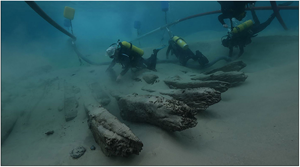
The North Caesarea 1 shipwreck, briefly explored in the 1980s, is one of the few hulls of the Hellenistic and early Imperial periods excavated in the Eastern Mediterranean. This investigation relies on the meticulous re-examination of primary excavation data to help answer some questions regarding this hull that probably belonged to a large vessel.
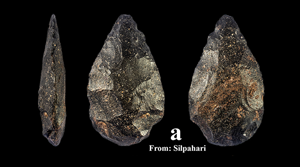
Eight Acheulean sites are located in an under-researched ecological setting within the hilly terrain of the Upper Son Valley, India. A total of 1348 Acheulean artefacts have been identified across these sites, primarily preserved in high-energy depositional contexts, providing insights into the Pleistocene environment of hominin occupation and available lithic technology.