To save content items to your account,
please confirm that you agree to abide by our usage policies.
If this is the first time you use this feature, you will be asked to authorise Cambridge Core to connect with your account.
Find out more about saving content to .
To save content items to your Kindle, first ensure no-reply@cambridge.org
is added to your Approved Personal Document E-mail List under your Personal Document Settings
on the Manage Your Content and Devices page of your Amazon account. Then enter the ‘name’ part
of your Kindle email address below.
Find out more about saving to your Kindle.
Note you can select to save to either the @free.kindle.com or @kindle.com variations.
‘@free.kindle.com’ emails are free but can only be saved to your device when it is connected to wi-fi.
‘@kindle.com’ emails can be delivered even when you are not connected to wi-fi, but note that service fees apply.
Virtual reality (VR) is a technology that allows to interact with recreated digital environments and situations with enhanced realism. VR has shown good acceptability and promise in different mental health conditions. No systematic review has evaluated the use of VR in Bipolar Disorder (BD). This PRISMA-compliant systematic review searched PubMed and Web of Science databases (PROSPERO: CRD42023467737) to identify studies conducted in individuals with BD in which VR was used. Results were systematically synthesized around four categories (cognitive and functional evaluation, clinical assessment, response to VR and safety/acceptability). Eleven studies were included (267 individuals, mean age = 36.6 years, 60.7% females). Six studies using VR to carry out a cognitive evaluation detected impairments in neuropsychological performance and delayed reaction times. VR was used to assess emotional regulation. No differences in well-being between VR-based and physical calm rooms were found. A VR-based stress management program reduced subjective stress, depression, and anxiety levels. VR-based cognitive remediation improved cognition, depressive symptoms, and emotional awareness. 48.7% of the individuals with BD considered VR-based cognitive remediation ‘excellent’, whereas 28.2% considered it ‘great’. 87.2% of individuals did not report any side effects. 81.8% of studies received a global quality rating of moderate. Emerging data point towards a promising use of VR in BD as an acceptable assessment/intervention tool. However, multiple unstudied domains as comorbidity, relapse and prodromal symptoms should be investigated. Research on children and adolescents is also recommended. Further research and replication of findings are required to disentangle which VR-interventions for which populations and outcomes are effective.
Physics-informed neural networks (PINNs) and their variants have been very popular in recent years as algorithms for the numerical simulation of both forward and inverse problems for partial differential equations. This article aims to provide a comprehensive review of currently available results on the numerical analysis of PINNs and related models that constitute the backbone of physics-informed machine learning. We provide a unified framework in which analysis of the various components of the error incurred by PINNs in approximating PDEs can be effectively carried out. We present a detailed review of available results on approximation, generalization and training errors and their behaviour with respect to the type of the PDE and the dimension of the underlying domain. In particular, we elucidate the role of the regularity of the solutions and their stability to perturbations in the error analysis. Numerical results are also presented to illustrate the theory. We identify training errors as a key bottleneck which can adversely affect the overall performance of various models in physics-informed machine learning.
Beta-lactam therapeutic drug monitoring has been growing in prevalence in the acute care hospital setting. Expansion of its use to outpatient parenteral antimicrobial therapy requires careful consideration of potential logistical and therapeutic barriers.
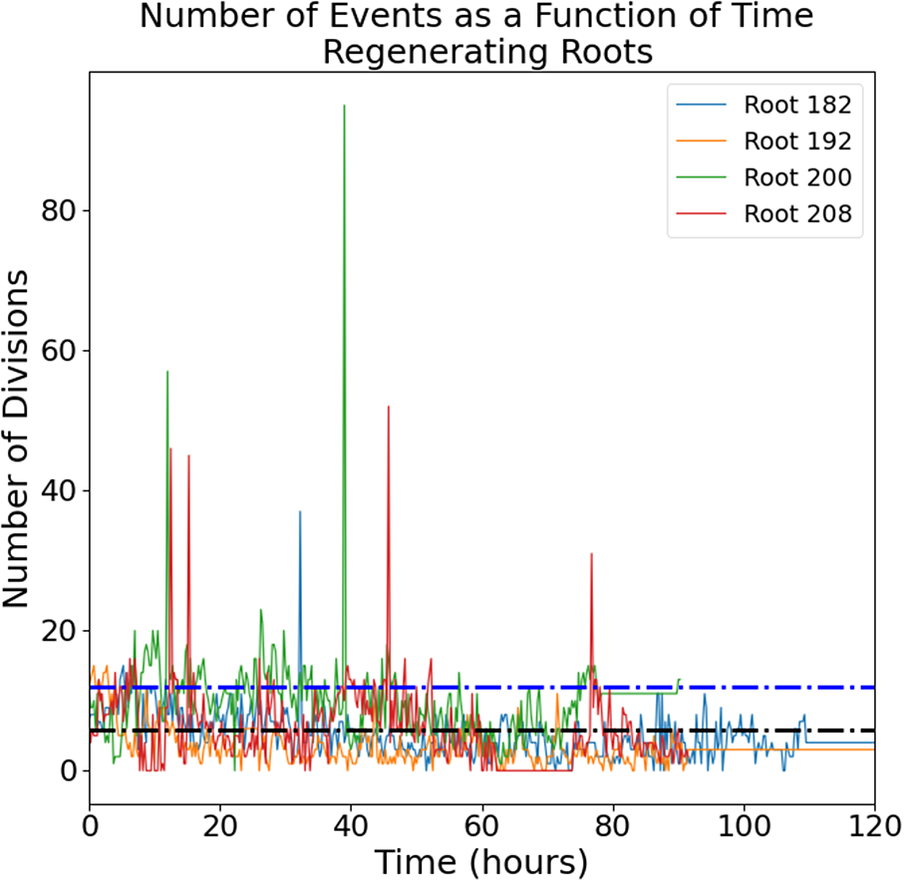
In this work, we present a quantitative comparison of the cell division dynamics between populations of intact and regenerating root tips in the plant model system Arabidopsis thaliana. To achieve the required temporal resolution and to sustain it for the duration of the regeneration process, we adopted a live imaging system based on light-sheet fluorescence microscopy, previously developed in the laboratory. We offer a straightforward quantitative analysis of the temporal and spatial patterns of cell division events showing a statistically significant difference in the frequency of mitotic events and spatial separation of mitotic event clusters between intact and regenerating roots.
Rare diseases (RD)-related policies have received significant attention due to the pressing medical requirements associated with these medical conditions and the substantial impact and treatments they may have on healthcare budgets. Nevertheless, policymakers frequently encounter difficulties in managing issues concerning resource allocation and prioritization within this population. Realizing the need to address such problems, this study was conducted to develop a framework based on the multicriteria decision analysis to improve RD reimbursement prioritization in Malaysia.
Methods
Primarily, a scoping review was performed to identify the methods and criteria used for the reimbursement of RD treatment, followed by strategic stakeholder engagement and a deliberative process on determining the best approach for the framework, including criteria identification, elicitation of weights, and a pilot assessment using the framework.
Results
The findings reflected the priorities and perspectives of the stakeholders, which identified eight key criteria and their associated weights, namely effectiveness (19.6 percent), disease severity (15.6 percent), safety (14.2 percent), access to treatment (12.6 percent), economic consideration (12.2 percent), type of therapeutic treatment (11.5 percent), availability of alternatives (8.3 percent), and population group (6 percent).
Conclusions
In summary, the developed framework was well-accepted by the Rare Disease Committee, which will be applied as part of the committee deliberation for transparent and equitable decision making on fund allocation and reimbursement of orphan and RD treatment in Malaysia.
This is a survey of the theory of adaptive finite element methods (AFEMs), which are fundamental to modern computational science and engineering but whose mathematical assessment is a formidable challenge. We present a self-contained and up-to-date discussion of AFEMs for linear second-order elliptic PDEs and dimension d > 1, with emphasis on foundational issues. After a brief review of functional analysis and basic finite element theory, including piecewise polynomial approximation in graded meshes, we present the core material for coercive problems. We start with a novel a posteriori error analysis applicable to rough data, which delivers estimators fully equivalent to the solution error. They are used in the design and study of three AFEMs depending on the structure of data. We prove linear convergence of these algorithms and rate-optimality provided the solution and data belong to suitable approximation classes. We also address the relation between approximation and regularity classes. We finally extend this theory to discontinuous Galerkin methods as prototypes of non-conforming AFEMs, and beyond coercive problems to inf-sup stable AFEMs.
Much research has focused on executive function (EF) impairments in psychopathy, a severe personality disorder characterized by a lack of empathy, antisocial behavior, and a disregard for social norms and moral values. However, it is still unclear to what extent EF deficits are present across psychopathy factors and, more importantly, which EF domains are impaired. The current meta-analysis answers these questions by synthesizing the results of 50 studies involving 5,694 participants from 12 different countries. Using multilevel random-effects models, we pooled effect sizes (Cohen's d) for five different EF domains: overall EF, inhibition, planning, shifting, and working memory. Moreover, differences between psychopathy factors were evaluated. Our analyses revealed small deficits in overall EF, inhibition, and planning performance. However, a closer inspection of psychopathy factors indicated that EF deficits were specific to lifestyle/antisocial traits, such as disinhibition. Conversely, interpersonal/affective traits, such as boldness, showed no deficits and in some cases even improved EF performance. These findings suggest that EF deficits are not a key feature of psychopathy per se, but rather are related to antisociality and disinhibitory traits. Potential brain correlates of these findings as well as implications for future research and treatment are discussed.
Questions of ‘how best to acquire data’ are essential to modelling and prediction in the natural and social sciences, engineering applications, and beyond. Optimal experimental design (OED) formalizes these questions and creates computational methods to answer them. This article presents a systematic survey of modern OED, from its foundations in classical design theory to current research involving OED for complex models. We begin by reviewing criteria used to formulate an OED problem and thus to encode the goal of performing an experiment. We emphasize the flexibility of the Bayesian and decision-theoretic approach, which encompasses information-based criteria that are well-suited to nonlinear and non-Gaussian statistical models. We then discuss methods for estimating or bounding the values of these design criteria; this endeavour can be quite challenging due to strong nonlinearities, high parameter dimension, large per-sample costs, or settings where the model is implicit. A complementary set of computational issues involves optimization methods used to find a design; we discuss such methods in the discrete (combinatorial) setting of observation selection and in settings where an exact design can be continuously parametrized. Finally we present emerging methods for sequential OED that build non-myopic design policies, rather than explicit designs; these methods naturally adapt to the outcomes of past experiments in proposing new experiments, while seeking coordination among all experiments to be performed. Throughout, we highlight important open questions and challenges.
This overview is devoted to splitting methods, a class of numerical integrators intended for differential equations that can be subdivided into different problems easier to solve than the original system. Closely connected with this class of integrators are composition methods, in which one or several low-order schemes are composed to construct higher-order numerical approximations to the exact solution. We analyse in detail the order conditions that have to be satisfied by these classes of methods to achieve a given order, and provide some insight about their qualitative properties in connection with geometric numerical integration and the treatment of highly oscillatory problems. Since splitting methods have received considerable attention in the realm of partial differential equations, we also cover this subject in the present survey, with special attention to parabolic equations and their problems. An exhaustive list of methods of different orders is collected and tested on simple examples. Finally, some applications of splitting methods in different areas, ranging from celestial mechanics to statistics, are also provided.
Different aspects of social relationships (e.g., social network size or loneliness) have been associated with dementia risk, while their overlap and potentially underlying pathways remain largely unexplored. This study therefore aimed to (1) discriminate between different facets of social relationships by means of factor analysis, (2) examine their associations with dementia risk, and (3) assess mediation by depressive symptoms.
Methods
Thirty-six items from questionnaires on social relationships administered in Wave 2 (2004/2005) of the English Longitudinal Study of Ageing (n = 7536) were used for exploratory and confirmatory factor analysis. Factors were then used as predictors in Cox proportional hazard models with dementia until Wave 9 as outcome, adjusted for demographics and cardiovascular risk factors. Structural equation modeling tested mediation by depressive symptoms through effect decomposition.
Results
Factor analyses identified six social factors. Across a median follow-up time of 11.8 years (IQR = 5.9–13.9 years), 501 people developed dementia. Higher factor scores for frequency and quality of contact with children (HR = 0.88; p = 0.021) and more frequent social activity engagement (HR = 0.84; p < 0.001) were associated with lower dementia risk. Likewise, higher factor scores for loneliness (HR = 1.13; p = 0.011) and negative experiences of social support (HR = 1.10; p = 0.047) were associated with higher dementia risk. Mediation analyses showed a significant partial effect mediation by depressive symptoms for all four factors. Additional analyses provided little evidence for reverse causation.
Conclusions
Frequency and quality of social contacts, social activity engagement, and feelings of loneliness are associated with dementia risk and might be suitable targets for dementia prevention programs, partly by lowering depressive symptoms.
Este artículo teoriza las relaciones entre la ciudadanía y el Estado ecuatoriano durante el primer año y medio de la pandemia COVID-19. Basado en una metodología cualitativa de entrevistas, las perspectivas de los participantes revelan relaciones contradictorias con el gobierno características de los estados de seguridad neoliberales, pero también de patrones (pos)coloniales persistentes de exclusión racista y clasista: por un lado, un sentido de abandono del Estado, particularmente en salud pública y educación; y por otro lado, la fuerza represiva del Estado en su uso de medidas militares y policiales y de estados de excepción. Proponemos el término estado disperso para referirnos a estas tendencias opuestas de simultánea ausencia y presencia estatal. Argumentamos que las respuestas ciudadanas a la ausencia estatal incluyen cierta aceptación del retorno de las funciones educativas y sanitarias a comunidades, hogares e individuos, provocando de todas maneras nuevas formas de adaptación y creatividad cultural. En cuanto a la presencia represiva del Estado, los participantes expresaron apoyo considerable hacia medidas estatales autoritarias, frecuentemente justificadas por discursos esencialistas sobre el carácter de la ciudadanía nacional.
The success of popular webcomics (comics produced and read entirely digitally) is the greatest revolution in the comics medium of the last two decades. Webcomics exploit a socio-technical convergence between digital platforms and participatory cultures, enabling global authors to work together with global audiences to transcend established print comics structures. After defining digital comics, webcomics and webtoons, this Element presents a case study of Korean platform WEBTOON, which achieved 100 billion global page views in 2019. The study analyses data from their website, including views, subscriptions and likes, to quantify and assess whether WEBTOON's commercial and critical success is connected to its inclusion of a wider range of genres and of a more diverse author base than mainstream English-language print comics. In so doing, it performs the first Book Historical study of webcomics and webtoons. This title is also available as Open Access on Cambridge Core.
This Element outlines the origins and evolution of an international award-winning development intervention, index-based livestock insurance (IBLI), which scaled from a small pilot project in Kenya to a design that underpins drought risk management products and policies across Africa. General insights are provided on i) the economics of poverty, risk management, and drylands development; ii) the evolving use of modern remote sensing and data science tools in development; iii) the science of scaling; and iv) the value and challenges of integrating research with operational implementation to tackle development and humanitarian challenges in some of the world's poorest regions. This title is also available as Open Access on Cambridge Core.
This article sought to explore how older people maintained their health and managed chronic conditions during the 2019-2020 Black Summer bushfires, floods, and COVID-19 pandemic in Australia. This knowledge is important in the context of intersecting public health and environmental hazards.
Methods
Qualitative, semi-structured interviews were undertaken with 19 community-dwelling older people living in South Eastern New South Wales, a region significantly impacted by the successive disasters.
Results
Three themes summarized participants’ experiences. Participants described disruption to daily activities and social networks, delayed treatment and disruption to health services, and the exacerbation of health issues and emergence of new health challenges as challenges to managing health and self-care. Strategies for staying healthy were described as drawing on connections and relationships and maintaining a sense of normalcy. Finally, the compounding nature of disasters highlighted the impact of successive events.
Conclusions
Understanding older people’s experiences of self-care during disasters is critical for developing interventions that are better targeted to their needs. This study highlights the importance of social connectedness, habit, and routine in health and well-being. Results should inform policymaking and guide interventions in health care for older people.
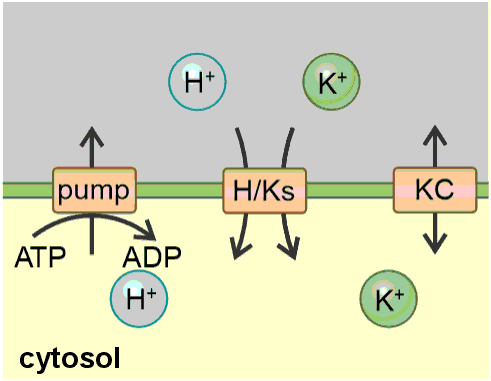
Ion homeostasis is a crucial process in plants that is closely linked to the efficiency of nutrient uptake, stress tolerance and overall plant growth and development. Nevertheless, our understanding of the fundamental processes of ion homeostasis is still incomplete and highly fragmented. Especially at the mechanistic level, we are still in the process of dissecting physiological systems to analyse the different parts in isolation. However, modelling approaches have shown that it is not individual transporters but rather transporter networks (homeostats) that control membrane transport and associated homeostatic processes in plant cells. To facilitate access to such theoretical approaches, the modelling of the potassium homeostat is explained here in detail to serve as a blueprint for other homeostats. The unbiased approach provided strong arguments for the abundant existence of electroneutral H+/K+ antiporters in plants.
Drylands provide multiple essential services to human society, and dryland vegetation is one of the foundations of these services. There is a paradox, however, in the vegetation productivity–precipitation relationship in drylands. Although water is the most limiting resource in these systems, a strong relationship between precipitation and productivity does not always occur. Such a paradox affects our understanding of dryland vegetation dynamics and hinders our capacity to predict dryland vegetation responses under future climates. In this perspective, we examine the possible causes of the dryland precipitation–productivity paradox. We argue that the underlying reasons depend on the location and scale of the study. Sometimes multiple factors may interact, resulting in a less significant relationship between vegetation growth and water availability. This means that when we observe a poor correlation between vegetation growth and water availability, there are potentially missing sources of water input or a lack of consideration of other important processes. The paradox could also be related to the inaccurate measurement of vegetation productivity and water availability indicators. Incorporating these complexities into predictive models will help us better understand the complex relationship between water availability and dryland ecosystem processes and improve our ability to predict how these ecosystems will respond to the multiple facets of climate change.
A partition calculation method (PCM) for calculating the diffraction efficiency of multilayer Fresnel zone plate with high aspect ratio is proposed. In contrast to the traditional theory, PCM designs and evaluates Fresnel zone plate (FZP) considering material pairs, all zone widths, thicknesses and X-ray energy more completely. The results obtained through PCM are validated by comparing them with the complex amplitude superposition theory and coupled wave theory numerical results. The PCM satisfies the requirements of the theoretical investigation of FZP with small outermost zone width (drN) and large thickness (t). Combining proper numerical analysis with the experimental conditions will present a great potential to break through the imaging performance of X-ray microscopy.
This prospective study aimed to assess couples’ psychological status during the perinatal period to identify those at risk for postpartum depression.
Methods
Conducted at Lyon University Hospital from March to July 2022, the study enrolled pregnant women without progressive psychiatric disorders or obstetric risk factors, and their partners. Participants completed the Edinburgh Postnatal Depression Scale (EPDS) at three points: during the 9th month of pregnancy, immediate postpartum, and 6–8 weeks after delivery. A score ≥10 on the EPDS indicated depression risk. A score ≥10 on the EPDS indicate depression risk. The primary endpoint was EPDS scores throughout the perinatal period.
Results
Ninety-five couples participated; 96% of patients and 68% of partners completed pre-delivery questionnaires, 81% and 71% during maternity stay, and 64% and 46% postpartum, respectively. Overall, 15% of patients and 1% of partners had EPDS scores >10 in the postpartum period. Psychiatric history and emergency cesarean sections were associated with higher immediate postpartum EPDS scores in patients [Beta 3.7 points, 95% CI 0.91; 6.4 and Beta 5.2 points, 2.2; 8.1, respectively]. Episiotomy was associated with higher EPDS scores in partners. No significant association between the different factors studied and the EPDS score was found at 6–8 weeks postpartum in patients nor their partners.
Conclusions
While specific risk factors for persistent perinatal depression in couples were not identified, a notable proportion of patients exhibited high EPDS scores. Screening all couples during prepartum and postpartum periods is crucial, regardless of identified risk factors.