To save content items to your account,
please confirm that you agree to abide by our usage policies.
If this is the first time you use this feature, you will be asked to authorise Cambridge Core to connect with your account.
Find out more about saving content to .
To save content items to your Kindle, first ensure no-reply@cambridge.org
is added to your Approved Personal Document E-mail List under your Personal Document Settings
on the Manage Your Content and Devices page of your Amazon account. Then enter the ‘name’ part
of your Kindle email address below.
Find out more about saving to your Kindle.
Note you can select to save to either the @free.kindle.com or @kindle.com variations.
‘@free.kindle.com’ emails are free but can only be saved to your device when it is connected to wi-fi.
‘@kindle.com’ emails can be delivered even when you are not connected to wi-fi, but note that service fees apply.
Hyperhidrosis, the excessive and uncontrollable sweating, is a well-documented side effect of various medications. Among these, bupropion, a commonly prescribed antidepressant and smoking cessation aid, has been associated with the development of severe hyperhidrosis in a subset of patients. This clinical report aims to shed light on a compelling case of severe hyperhidrosis induced by bupropion use and the subsequent treatment strategies employed
The patient under discussion is a 42-year-old female with a history of recurrent major depressive disorder and a previous favorable response to selective serotonin reuptake inhibitors (SSRIs). Due to side effect concerns and a desire to quit smoking, she was transitioned to bupropion, a norepinephrine-dopamine reuptake inhibitor (NDRI), at a standard therapeutic dose of 150 mg daily.
Approximately four weeks after initiating bupropion therapy, the patient began experiencing debilitating symptoms of excessive sweating, particularly affecting her palms, soles, and axillae. The profuse sweating episodes occurred throughout the day and night, significantly impairing her quality of life, social interactions, and occupational functioning. No previous history of hyperhidrosis was reported, and physical examinations revealed no underlying medical conditions or dermatological issues.
Objectives
To aknowledge the importance of recognizing and addressing medication-induced side effects within the realm of psychiatry and an early implementation of patient-centered treatment.
Methods
Clinical case report and a brief literature review.
Results
The treatment of hyperhidrosis secondary to bupropion use presents a challenging clinical scenario that requires a delicate balance between managing the distressing side effect and ensuring the continued efficacy of psychiatric therapy. Given the rarity of severe hyperhidrosis as a side effect of bupropion, there is a limited body of evidence guiding treatment strategies. Gradual withdrawal in the dose of bupropion was initiated, with careful monitoring of depressive symptoms to prevent relapse, switching to Duloxetine 90mg daily, with adecuate efectiveness.In this particular case, the combination of medication adjustment and psychological support led to a significant reduction in hyperhidrosis symptoms. The patient reported improved social interactions, enhanced self-esteem, and restored occupational functioning. Importantly, her depressive symptoms remained well-managed, underscoring the success of the treatment strategy.
Conclusions
This clinical report highlights the importance of a patient-centered approach when addressing rare medication-induced side effects within the field of psychiatry. Bupropion withdrawal and regular follow-up showed effective in the treatment of the simptoms. Future research may provide additional insights and treatment options for cases like this, further enhancing patient care and outcomes.
Psychiatric care is unique in its scope and complexity, as it involves the assessment and treatment of a wide variety of pathologies and, as these patients seek treatment, it is imperative to understand who accompanies them in clinical consultations and how the presence of these companions influences the treatment path. The dynamics between psychiatric patients and their companions in consultation, is extremely important as it can have significant implications for the effectiveness of treatment and the well-being of the patient.. Therefore, the presence of companions can take different forms, varying according to the diagnosis and needs of each person.
Objectives
Thus, the authors intend, through carrying out a research study, to fill a critical gap in the understanding of presence of companions in psychiatric consultations, exploring the diversity of companions and their profiles in relation to patients psychiatric patients with specific diagnoses. Furthermore, they intend to understand how their presence impacts the process of adherence to the treatment.
Methods
To achieve this, they defined a two-year follow-up period, where they examined in detail the composition of companions in psychiatric consultations, including who they are, their relationship with the patient and how this relationship varies according to different psychiatric diagnoses.
Results
The presence of companions in psychiatric consultations is expected to prove to be a significant facet in the field of mental health, providing valuable insights into the dynamics of consultations and the treatment of patients with different psychiatric diagnoses. In this study we highlight how the presence of companions varied in relation to psychiatric diagnoses and how this influenced the process therapeutic. One of the main results was the identification of the different types of companions who were present at the consultations psychiatric disorders, reflecting the diversity of available social support and highlighting the importance of understanding the available support networks. A notable variation in the presence of companions in relation to psychiatric diagnoses was also observed, emphasizing the variations monitoring needs according to the nature of psychiatric disorders, suggesting the need for management strategies personalized treatment. This study also highlighted the influence of the presence of companions on doctor-patient communication and on adherence to treatment, in which the presence of family members often facilitated communication, allowing for a better understanding comprehensive history of the patient.
Conclusions
In conclusion, this study contributes to a more holistic understanding of mental health care provision, highlighting the importance to consider not only the patient, but also the support context in which they are inserted

Since December 2019, the coronavirus pandemic has led to the deaths of almost 4.37 million people worldwide and 21,905 people in Tunisia. Containment measures, stress due to fear of infection by the virus and death are likely to be traumatic events, particularly in adolescents, and may lead to the development of symptoms of post-traumatic stress disorder (PTSD).
Objectives
To determine the prevalence of PTSD in a population of adolescents during the COVID-19 pandemic and to identify the factors associated with it.
Methods
This study was a cross-sectional among a representative sample of students enrolled in secondary schools, in the region of Hamma- Gabes. We used a pre-established information sheet comprising 27 questions exploring sociodemographic and family data and specific data relating to the COVID-19 pandemic. The Arabic version of The Child PTSD Symptom Scale (CPSS) was used to screen for PTSD symptoms.
Results
326 adolescents were collected which the mean age was 16.6 years (14 to 18 years). The family environment was conflictual in 11.9% of cases. Among the adolescents, 5.5% had a history of somatic pathology. A history of psychiatric pathology was noted in 0.6%, dominated by depression. Personal infection by Covid-19 was noted in 4% of adolescents. A family member was affected in 27.3% of cases. Adolescents were exposed to the death of a close relative in 22.4% of cases. PTSD was diagnosed (according to the CPSS) in 37.4% of cases, with mild severity in 6.5%, moderate in 0.6%, moderately severe in 8%, severe in 5.2% and extremely severe in 17.2%. The analytical study showed that PTSD was correlated with a conflictual family environment (p=0.017), personal infection by COVID (P=0.003), infection of a close relative by COVID (P<0.001) and the death of a close relative by COVID (p<0.001).
Conclusions
According to our study, the frequency of post-traumatic stress disorder among adolescents during the COVID-19 pandemic was high, underlining the need to screen at-risk populations for populations for early intervention.
The issue of screen time usage among children has become a contentious topic for parents in contemporary society. While electronic devices offer undeniable benefits, their inappropriate use can lead to substantial mental and physical health challenges for children. Parents are tasked with the responsibility of equipping themselves and their children with the knowledge and skills necessary for mindful electronic device use.
Objectives
This study aims to assess the awareness levels of mothers regarding their children’s screen time usage and to promote mindful screen usage. It also aims to understand the reasons behind parents’ decisions to allow their children access to electronic devices.
Methods
An adapted short online screen-time questionnaire (Vizcaino et al 2019), was distributed through online Google forms, primarily to mothers residing in India. The questionnaire comprised of ten questions encompassing topics related to the child’s background, mothers’ awareness and patterns of screen-time usage.
Results
213 mothers with children aged one year to 17 years responded. 157 mothers (73.7%) were in employment (104 were working in an office, 32 were working from home and 18 were freelancing). 121 mothers had >one child. Majority of the mothers (n=170, 79.81%), believed that children should have <one hour screen-time. However, they also admitted that majority of their children spent >one hour per day screen-time. The usage was more during weekends (>one hour=161, 75.58%) than weekdays (>one hour = 145, 68%)(p=0.021). Weekend screen-time was more in children whose mothers were employed (p=0.006). There is a significant increase in weekday (p=0.044) and weekend (p=0.006) screen-time usage as the child’s age increased. Children predominantly watched television, followed by mobile phones and tablets. Except for 29 children, the rest enjoyed interacting with other people (54 with everyone, 73 with only family members and 57 only for some time). The primary context in which children engaged with electronic devices was while they were being fed/ meals-time (n = 114,54%) or when the mothers were busy with household chores (n = 85,40%).
Conclusions
Despite maternal awareness about healthy screen-time, majority of the children were allowed to use higher screen-time. Efficient strategies should be imparted to parents to change the current practices of using digital-media as pacifier or distractor to mindful screen-time including usage for educational purposes.
Disclosure of Interest
H. Atturu Consultant of: Advisor to CognitiveBotics, AI based software., S. Gujju: None Declared
Hematological diseases represent a diverse disease group ranging from benign to life-threatening conditions, with hematological malignancies being a major cause of mortality in the population worldwide. Although most hematological diseases require ongoing medical care making these conditions even more difficult for patients to endure. Since these diseases can pose many challenges by causing symptoms and limitations in various aspects of daily life, health-related quality of life (HRQoL) is a crucial aspect of their healthcare. Different dimensions of health-related quality of life are influenced by several psychological factors, including illness perception, stigmatization, and optimism: a more positive illness perception, along with optimism and reduced stigmatization, can contribute to a better HRQoL among hematology patients.
Objectives
Since hematological diseases often cause serious life changes, the current study aimed to explore the direct and indirect effects of illness perception on health-related quality of life among hematology patients in Hungary, including stigmatization and optimism as possible contributors.
Methods
In this cross-sectional study, 96 hematology patients (mean age = 56.45 years; SD = 15.55 years; 43.8% female) completed a self-administered survey including the following instruments: EORTC Quality of Life Scale, Brief Illness Perception Questionnaire, Stigma Scale for Chronic Illness, Revised Life Orientation Test.
Results
By creating two pathway models, illness perception had significant indirect effects on physical functioning (β = -.205, p < .05) through role and cognitive functioning while emotional functioning had significant indirect effects on social functioning (β = .369, p < .01) through illness perception and stigmatization, both effects moderated by optimism. After controlling for other factors, both illness perception and emotional functioning directly influenced physical and social functioning, respectively.
Conclusions
Our study supports previous research on the direct and indirect effects of illness perception on HRQoL. Based on our data, more optimistic illness perceptions and greater emotional functioning improve hematology patients’ health-related quality of life by facilitating an unbiased understanding of the disease. Optimism serves as a potential moderating mechanism by positively altering indirect effects. Healthcare professionals need to optimize patients’ illness perception to improve physical and social functioning.
Disclosure of Interest
H. Kiss Grant / Research support from: This work was supported by the New National Excellence Program of the Ministry for Culture and Innovation from the source of the National Research, Development and Innovation Fund, #ÚNKP-22-4-SZTE-301., V. Müller: None Declared, K. Dani: None Declared, B. Pikó: None Declared
Studies conducted up to date on the subject of deprivation of sleep (DS) primarily focused either on its impact on certain cognitive abilities or mood-enhancing effects in patients with depression. A notable body of evidence suggests that both might be related to alterations in neurotrophin synthesis induced by DS. However, the role of NTs as an interface between DS, mood, and cognitive functions is unclear.
Objectives
The study aimed to investigate associations between cognitive abilities measured by Trail Making Test (TMT) and Stroop Color and Wort Test (ST), serum protein concentrations of brain-derived neurotrophic factor (BDNF), glial cell line-derived neurotrophic factor (GDNF), neurotrophin-3 (NT3), neurotrophin-4 (NT4) as well as the expression of their respective genes after a night of sleep deprivation.
Methods
Each participant (n=76) underwent a 24-hour DS under the control of actigraphy. Venous blood collection, TMT, and ST were carried out in the morning after DS. Mood was evaluated twice, after DS and in the preceding evening; based on the alleviation of depression symptoms participants were divided into respondents (RE; n=47) and non-respondents (NR; n=29). Serum protein concentration was determined using ELISA kits. Gene expression was evaluated by quantitative real-time polymerase chain reaction with gene-specific probes (reference gene: β-actin). Relative expression was calculated using the Livak formula. TMT is a neuropsychological instrument; Part 1 is thought to evaluate mostly attention, whereas Part 2 executive functions. ST is a 2-part test applied in the assessment of response inhibition and complex attention.
Results
In RE, cognitive abilities were not associated with expression levels of any of the studied proteins or mRNA (all p>0.05). In NR, BDNF and GDNF mRNA expressions negatively correlated with TMT Part 1 (p=0.017, p=0.048, respectively); scores obtained in TMT Part 2 bore a similar relation to BDNF, GDNF, and NT4 mRNA (p=0.034, p=0.041, p=0.026, respectively). In this group, expression of all BDNF, GDNF, NT3, NT4 mRNA correlated negatively with both parts of ST (p<0.001, p=0.009, p=0.042, p=0.009 for Part 1; p<0.001, p=0.003, p=0.031, p=0.014 for Part 2, respectively).
Conclusions
Those results suggest that alterations in the synthesis of NTs might be an element of the molecular milieu characterizing different types of DS response. Negative correlations between test scores and NT mRNA expressions could imply that the reduction of the production of NT proforms might protect against the decline of cognitive functions in the aftermath of DS. Projects using a larger battery of tests as well as analyzing immature forms of NTs would be desirable in order to further investigate mechanisms underlying DS response.
Emotional competencies, according to Bisquerra Alzina & Escoda (2007), refer to “knowledge, skills and attitudes necessary to understand, express and appropriately regulate emotional phenomena” (p. 22) in the management of emotions with oneself and with the other.
Objectives
Measure the emotional competencies Empathy, Emotional Expression and Emotional Regulation in health professionals in healthcare centers.
Methods
Quantitative descriptive. The Inventory of Emotional Competencies for Adults (Mikulic, Crespi, Radusky, 2015) was applied to 30 participants (doctor, psychologist, nurse, dentist).
Results
The grouped measurements show skills at a medium and high level.Table 1.
Measurement of empathy capacity, emotional regulation capacity and emotional expression capacity
Frequency
Porcent
Empathy
Medium
27
90,0
High
3
10,0
Emotional Regulation
Medium
15
50,0
High
15
50,0
Emotional Expression
Medium
26
86,7
High
4
13,3
Total
30
100,0
The emotional reaction of congruence with the emotional state of the other, empathy, shows a medium level (Table 1), a result consistent with the study by Ruiz González (2019), in the Colombian population, where a medium level of empathy is observed in doctors.
In the strategy for management, support, increase and suppression of the current affective state to self-soothe and find a state of relaxation, it is at an average value between medium and high (table 1.)
In the ability to start and maintain conversations, express one’s own thoughts and feelings clearly, both in verbal and non-verbal communication, and demonstrate to others that they have been well understood, the level is mostly medium (table 1.)
Conclusions
The levels of emotional competencies evaluated are mostly in the middle in the assessment by dimensions, empathy registered a lower level in contrast to other dimensions.Taking into consideration professional practice, response to organic and mental human vulnerability, it is a field for promoting the well-being of the health professional.
Numerous countries, notably within Europe, have sanctioned the practice of euthanasia. Extant legal frameworks meticulously define the extent, essence, and application of euthanasia, encompassing divergent characterizations, explications of entitlements, procedural modalities, and provisions for access. Nonetheless, the precise function of psychiatrists within these legislative contours remains conspicuously nebulous.
Objectives
The present inquiry undertakes a comprehensive evaluative review of the euthanasia phenomenon vis-à-vis the intricate tapestry of European legislative paradigms, with an emphasis on elucidating the multifaceted involvement of psychiatry within this evolving landscape.
Methods
A nuanced narrative review is undertaken, encapsulating the contemporary state-of-affairs, fundamental conceptual architectures, the tenets of the Spanish Organic Law 03/2021, and the pharmaceutic armamentarium deployed in the orchestration of euthanasic practices. Additionally, the methodological blueprint employed within a prominent tertiary healthcare institution situated in Madrid is meticulously expounded.
Results
To date, euthanasia has garnered legal imprimatur across diverse jurisdictions including, but not limited to, the Netherlands, Belgium, Colombia, Canada, Spain, and New Zealand. The ambit of assisted death and its application to the domain of mental infirmities is meticulously deconstructed. Within the overarching realm of foundational concepts, a rigorous delineation is rendered between euthanasia, medical succor in the throes of mortality, assisted self-termination, facilitated demise, provision of mortal release, judicious calibration of therapeutic enterprise, and the contours of palliative sedation. Distinction between the principal executor and the advisory consultant is rendered salient. The rubric of conscientious objection emerges as an inviolable entitlement of healthcare practitioners enmeshed in the provisionary matrix.
The enduring incumbency of the psychiatrist as a pivotal appraiser of cognitive and volitional faculties holds firm. The conspicuous influence of psychopathological constellations upon the contours of euthanasia eligibility precipitates cogent deliberation.
Conclusions
As the frontiers of euthanasia expand to encompass an augmented array of legal jurisdictions, this study underscores the increasingly intricate role inhabited by psychiatrists in the matrix of evaluative assessments. The proclivity of mental maladies to exert a substantial gravitational pull upon determinations of eligibility for euthanasia accentuates the exigency for refined explication of roles and responsibilities within this evolving sphere, a clarion call resonant not only within the precincts of psychiatry but reverberating across the broader firmament of medical praxis.
Archival aerial photographs are a unique but underused and potentially game-changing source to study twentieth-century environmental and climate change dynamics. While satellite imagery with comparable high resolution appeared only in the early twenty-first century, archival aerial imagery with native sub-1-meter resolution became ubiquitous in the 1940s. Archival aerial photography therefore quadruples the time depth of high-resolution analysis to eighty years, allowing for a more reliable identification of structural trends. Moreover, the greater time-depth brings into focus the Great Acceleration that started in the 1940s, and virtually in real time. The article uses a human manual analysis of a sample from two time series (1943 and 1971) of archival photographs of the Oshikango area of Namibia (see Figure 1) to demonstrate how aerial photography complements conventional datasets. Namibia was one of the first places in colonial Africa where what subsequently became the standard protocol for “aerial mapping” was used and for which the imagery and the “flight plans” have survived. The standard protocol makes the imagery compatible with any archival aerial photography from the 1940s to 1990s and the flight plans contain key information to identify, interpret, and combine the individual photographs into orthomosaics. Although the use of manual analysis of aerial photography is not new, unlocking the full explanatory potential of high-resolution mass data requires machine reading and analysis. Current machine reading methods, however, are based on the pixel method, which identifies such features as farms, water holes, and trees only as low-resolution pixel aggregates. In contrast, the object method of machine analysis, combined with Geographical Information Systems (GIS) technology to unlock the sub-1-meter native resolution of historical aerial photography, renders visible individual trees and other features, including their precise location and size, allowing for the dimensions of trees and other features to be measured between different time series of images. The interrelationships between different features in the environment can thus be assessed more precisely in space and over time, for example comparing tree growth and surface water sources. A major challenge is that the object method used for high resolution geospatial imagery cannot be easily applied to monochromatic archival aerial photography because it has been designed for analyzing multispectral satellite imagery. As discussed in the article, using the manual sample as a training data set for an experimental machine-learning protocol demonstrates proof of concept for automatically extracting such features as farms, water holes and trees as individual objects from archival aerial photography. This increases the time depth of available high-resolution land use, environmental, and climate data from 2000 back to the 1940s and provides a base line for the Great Acceleration and brings the massive changes from the 1940s through the 1990s in focus as captured in aerial photography.
Campylobacter spp. are leading bacterial gastroenteritis pathogens. Infections are largely underreported, and the burden of outbreaks may be underestimated. Current strategies of testing as few as one isolate per sample can affect attribution of cases to epidemiologically important sources with high Campylobacter diversity, such as chicken meat. Multiple culture method combinations were utilized to recover and sequence Campylobacter from 45 retail chicken samples purchased across Norwich, UK, selecting up to 48 isolates per sample. Simulations based on resampling were used to assess the impact of Campylobacter sequence type (ST) diversity on outbreak detection. Campylobacter was recovered from 39 samples (87%), although only one sample was positive through all broth, temperature, and plate combinations. Three species were identified (Campylobacter jejuni, Campylobacter coli, and Campylobacter lari), and 33% of samples contained two species. Positive samples contained 1–8 STs. Simulation revealed that up to 87 isolates per sample would be required to detect 95% of the observed ST diversity, and 26 isolates would be required for the average probability of detecting a random theoretical outbreak ST to reach 95%. An optimized culture approach and selecting multiple isolates per sample are essential for more complete Campylobacter recovery to support outbreak investigation and source attribution.
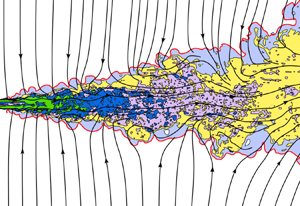
A theory of incompressible turbulent plane jets (TPJs) is proposed by advancing an improved boundary layer approximation over the limiting classical – retaining more terms in the momentum balance equations. A pressure deficit inside the jet (with respect to the ambient) must exist due to transverse turbulence (Miller & Comings, J. Fluid Mech., vol. 3, 1957, pp. 1–16; Hussain & Clarke, Phys. Fluids, vol. 20, 1977, pp. 1416–1426). Contrary to the universally accepted invariance of the total momentum flux $J_T(x)$ (non-dimensionalized by its inlet value) as a function of the streamwise distance $x$, we prove that $J_T(x) >1$ – a condition that all TPJs must satisfy; surprisingly, prior theories and most experiments do not satisfy this condition. This motivated us to apply Lie symmetry analysis with translational and dilatational transformations of the modified equations (incorporating $J_T>1$), which yields scaling laws for key jet measures: the mean streamwise and transverse velocities $U(x,y)$ and $V(x,y)$, the turbulence intensities, the Reynolds shear stress $-\rho \,\overline {u'v'}(x,y)$, the mean pressure $P(x,y)$, etc. Experiments satisfying $J_T(x)>1$ validate our predictions for all jet measures, including, among others, the profiles of $U$, $V$ and $-\rho \,\overline {u'v'}$. We further predict $U \sim x^{-0.24}$, $V \sim x^{-0.45}$, $-\rho \,\overline {u'v'}\sim x^{-0.69}$, the mass flux $Q_m \sim x^{0.55}$, and $J_T$ increases to approximately 1.5. Contrary to the classical linear jet spread, we find sublinear spread, with the jet half-width growing like $b(x)\sim x^{0.79}$, indicating a narrower jet. Our predictions differ notably from most results reported in the literature. These contradictions demand revisiting jet studies involving carefully designed facilities and boundary conditions, and highly resolved simulations.
In 2021, Alberta held Senate nominee elections for the fifth time in the province's history. Conducted concurrently with municipal elections and multiple referenda/plebiscites, the Senate race had a much lower participation rate than any of the other votes held that day. The purpose of this research note is to identify patterns of ballot roll-off—the phenomenon whereby electors cast a ballot for one race but not another—in the Senate election. Using data from a three-wave survey of Calgarians, the note describes the attitudes of electors toward the Senate election, revealing that electors viewed it as less important than any of the other votes contested that day. It also considers the role of partisan and geographic identities in shaping participation rates. Survey data reveal that both types of identities are associated with roll-off in the Senate election but not any of the other votes with which it was held concurrently.
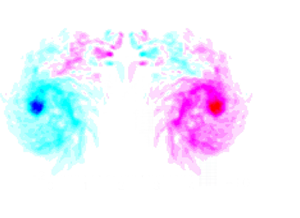
A high-resolution simulation of a thermal vortex ring is analysed from the point of view of the vortex dynamics. A power-spectrum analysis of vortex-ring sections suggests that the simulated flows are overall ‘two dimensional’ in the large-scale limit, being dominated by axisymmetric components, but with a substantial contribution from the non-axisymmetric component at small scales. Contribution of the non-axisymmetric components is negligible in budgets of volume integrals of the vorticity and potential vorticity as well as the impulse (moments of the vorticity weighted by $s^n$ with $n=-1$, 0, 1, where $s$ is the distance from the vertical axis of the vortex ring). A concise description of the dynamics is obtained as a function of geometrical factors together with these three integral variables. Analysis shows that the geometrical factors are fairly close to constant with time, and thus, a redundant closed description of the system is obtained in the similarity regime after spin up of the vortex ring. This redundancy leads to a constraint on the geometrical factors, which is reasonably satisfied by the simulation. A closed description is also obtained over the initial spin-up period of the vortex ring by adding a phenomenologically derived prognostic equation for the source for the volume integral of the potential vorticity (with $n=-1$). Analysis of the budget supports this description.
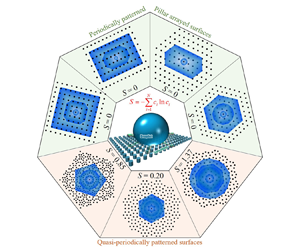
Microstructured surfaces with pillar arrays are widely used to control the wetting morphology and spreading dynamics of droplets. In both simulations and experiments, it is shown that fabricating the surface with various microstructures is a very effective method for achieving the desired symmetry of the moving contact line. However, the method for characterizing miscellaneous pillar-arrayed microstructured surfaces is still insufficient. This paper presents the configurational entropy to characterize the microstructured surfaces with pillar arrays. By calculating the configurational entropy of pillar-arrayed microstructured surfaces, the relationship between the configurational entropy and the wetting morphology of droplets is obtained. For pillar-arrayed microstructured surfaces with the configurational entropy S > 0, the droplet wetting morphology may be much more complex than those with S = 0. The relationship is found to be consistent with the previous results. Furthermore, the wetting dynamics has been analysed. This study may be useful to understand the mechanism of droplet wetting on pillar-arrayed microstructured surfaces and provide insights for the design and manufacture of microstructured surfaces.
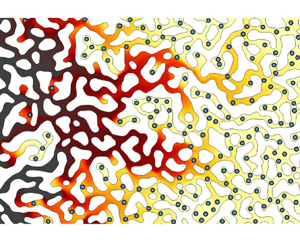
It is known that the dispersion of colloidal particles in porous media is determined by medium structure, pore-scale flow variability and diffusion. However, much less is known about how diffusiophoresis, that is, the motion of colloidal particles along salt gradients, impacts large-scale particle dispersion in porous media. To shed light on this question, we perform detailed pore-scale simulations of fluid flow, solute transport and diffusiophoretic particle transport in a two-dimensional hyper-uniform porous medium. Particles and solute are initially uniformly distributed throughout the medium. The medium is flushed at constant flow rate, and particle breakthrough curves are recorded at the outlet to assess the macroscopic effects of diffusiophoresis. Particle breakthrough curves show non-Fickian behaviour manifested by strong tailing that is controlled by the diffusiophoretic mobility. Although diffusiophoresis is a short-time, microscopic phenomenon owing to the fast attenuation of salt gradients, it governs macroscopic colloid dispersion through the partitioning of particles into transmitting and dead-end pores. We quantify these behaviours by an upscaled analytical model that describes both the retention and release of colloids in dead-end pores and the observed long-time tailings. Our results suggest that diffusiophoresis is an efficient tool to control particle dispersion and filtration through porous media.
Surveillance of SARS-CoV-2 through reported positive RT-PCR tests is biased due to non-random testing. Prevalence estimation in population-based samples corrects for this bias. Within this context, the pooled testing design offers many advantages, but several challenges remain with regards to the analysis of such data. We developed a Bayesian model aimed at estimating the prevalence of infection from repeated pooled testing data while (i) correcting for test sensitivity; (ii) propagating the uncertainty in test sensitivity; and (iii) including correlation over time and space. We validated the model in simulated scenarios, showing that the model is reliable when the sample size is at least 500, the pool size below 20, and the true prevalence below 5%. We applied the model to 1.49 million pooled tests collected in Switzerland in 2021–2022 in schools, care centres, and workplaces. We identified similar dynamics in all three settings, with prevalence peaking at 4–5% during winter 2022. We also identified differences across regions. Prevalence estimates in schools were correlated with reported cases, hospitalizations, and deaths (coefficient 0.84 to 0.90). We conclude that in many practical situations, the pooled test design is a reliable and affordable alternative for the surveillance of SARS-CoV-2 and other viruses.
Convolutional autoencoders are used to deconstruct the changing dynamics of two-dimensional Kolmogorov flow as $Re$ is increased from weakly chaotic flow at $Re=40$ to a chaotic state dominated by a domain-filling vortex pair at $Re=400$. ‘Latent Fourier analysis’ (Page et al., Phys. Rev. Fluids6, 2021, p. 034402) reveals a detached class of bursting dynamics at $Re=40$ which merge with the low-dissipation dynamics as $Re$ is increased to $100$ and provides an efficient representation within which to find unstable periodic orbits (UPOs) using recurrent flow analysis. Focusing on initial guesses with energy in higher latent Fourier wavenumbers allows a significant number of high-dissipation-rate UPOs associated with the bursting events to be found for the first time. At $Re=400$, the UPOs discovered at lower $Re$ move away from the attractor, and an entirely different embedding structure is formed within the network devoid of small-scale vortices. Here latent Fourier projections identify an associated ‘large-scale’ UPO which we believe to be a finite-$Re$ continuation of a solution to the Euler equations.
This study replicated and extended Narayan and colleagues’ (2018) original benevolent childhood experiences (BCEs) study. We examined associations between adverse and positive childhood experiences and mental health problems in a second sample of low-income, ethnically diverse pregnant individuals (replication). We also examined effects of childhood experiences on perinatal mental health problems while accounting for contemporaneous support and stress (extension). Participants were 175 pregnant individuals (M = 28.07 years, SD = 5.68, range = 18–40; 38.9% White, 25.7% Latina, 16.6% Black, 12.0% biracial/multiracial, 6.8% other) who completed standardized instruments on BCEs, childhood maltreatment and exposure to family dysfunction, sociodemographic stress, and perinatal depression and post-traumatic stress disorder (PTSD) symptoms. They completed the Five-Minute Speech Sample at pregnancy and postpartum to assess social support from the other biological parent. Higher family dysfunction predicted higher prenatal depression symptoms, while higher BCEs and prenatal social support predicted lower prenatal PTSD symptoms. Prenatal depression and prenatal PTSD symptoms were the most robust predictors of postnatal depression and PTSD symptoms, respectively, although higher postnatal social support also predicted lower postnatal PTSD symptoms. Findings replicated many patterns found in the original BCEs study and indicated that contemporaneous experiences are also associated with perinatal mental health problems.
Studies on climate variables and food pathogens are either pathogen- or region-specific, necessitating a consolidated view on the subject. This study aims to systematically review all studies on the association of ambient temperature and precipitation on the incidence of gastroenteritis and bacteraemia from Salmonella, Shigella, Campylobacter, Vibrio, and Listeria species. PubMed, Ovid MEDLINE, Scopus, and Web of Science databases were searched up to 9 March 2023. We screened 3,204 articles for eligibility and included 83 studies in the review and three in the meta-analysis. Except for one study on Campylobacter, all showed a positive association between temperature and Salmonella, Shigella, Vibrio sp., and Campylobacter gastroenteritis. Similarly, most of the included studies showed that precipitation was positively associated with these conditions. These positive associations were found regardless of the effect measure chosen. The pooled incidence rate ratio (IRR) for the three studies that included bacteraemia from Campylobacter and Salmonella sp. was 1.05 (95 per cent confidence interval (95% CI): 1.03, 1.06) for extreme temperature and 1.09 (95% CI: 0.99, 1.19) for extreme precipitation. If current climate trends continue, our findings suggest these pathogens would increase patient morbidity, the need for hospitalization, and prolonged antibiotic courses.