To save content items to your account,
please confirm that you agree to abide by our usage policies.
If this is the first time you use this feature, you will be asked to authorise Cambridge Core to connect with your account.
Find out more about saving content to .
To save content items to your Kindle, first ensure no-reply@cambridge.org
is added to your Approved Personal Document E-mail List under your Personal Document Settings
on the Manage Your Content and Devices page of your Amazon account. Then enter the ‘name’ part
of your Kindle email address below.
Find out more about saving to your Kindle.
Note you can select to save to either the @free.kindle.com or @kindle.com variations.
‘@free.kindle.com’ emails are free but can only be saved to your device when it is connected to wi-fi.
‘@kindle.com’ emails can be delivered even when you are not connected to wi-fi, but note that service fees apply.
Soybean aphids (Aphis glycines) (Hemiptera: Aphididae) pose a serious threat to global soybean production, necessitating sustainable control strategies. This study investigated silica nanoparticles (SiNPs) as an eco-friendly alternative, hypothesising they would suppress aphid populations while enhancing plant growth. Soybean plants were foliar-sprayed with SiNPs (0–1 mmol/L), and aphids were assessed across six assays: fecundity, survival, feeding preference, weight gain, olfactory response, and plant morphometrics. SiNPs significantly reduced aphid nymphal production and population growth at all concentrations but did not affect survival, weight gain, or host-seeking behaviour. Plant responses were mixed: leaf width increased at higher SiNPs doses, but plant height decreased, with no effects on leaf length, root/shoot biomass, or root length. These findings suggest that SiNPs could disrupt aphid reproduction without triggering behavioural avoidance. The absence of biomass reduction indicates potential for crop compatibility. This laboratory study reveals a novel, reproduction-targeted mode of action for SiNPs, highlighting its potential as a candidate for future development in sustainable IPM strategies. Further field-scale validation is required to confirm these effects under real-world conditions.
The use of nanoparticles in the composition of drilling fluids can improve some of their properties (e.g. thermal, mechanical, electrical and rheological) due to their small size and high surface area, which can diminish the loss of fluid to the formation, thereby increasing thermal conductivity, reducing friction and improving well stability. In this work, we investigated the rheological and static filtration properties and the thermal performance of non-aqueous drilling fluids with organo-palygorskite-containing hydrophobic alumina (Al2O3) and amphiphilic strontium nickelate (SrNiO3) nanoparticles in varying concentrations. The results indicate that the fluids with nanoparticles had greater plastic viscosity and lower filtrate volumes. With regard to thermal performance, the fluids with nanoparticles absorbed more heat when subjected to higher temperatures. However, this excess energy was more easily released upon cooling. This study demonstrates the affinity of nanoparticles with the solvent phase of a drilling fluid and how this interaction affects their properties, with a particular emphasis on amphiphilic nanoparticles, which have been shown to have better performance in non-aqueous fluids with organo-palygorskite.
Bimetallic Pt nanoparticles play a critical role in various applications, including catalysis, chemical production, fuel cells, and biosensing. In this study, we start with Au@Pt core–shell structure and investigate the evolution of these nanoparticles at elevated temperatures. Our in-situ X-ray diffraction study at elevated temperatures concluded that the onset of Au–Pt alloying occurs between 500 and 600 °C. At higher temperatures, the nanoparticles gradually approached the state of a solid solution, but the composition across the nanoparticles was not uniform even at 1,000 °C. Our results suggest that the alloyed nanoparticles at high temperatures are dominated by one solid solution but contain distinct regions with slightly different compositions.
The environmental effects of nanoparticles have attracted widespread attention. The removal and recycling of nanoparticles are crucial for both environmental protection and resource reuse. However, current removal and recycling methods are not yet mature, and there is a need to explore inexpensive materials for the efficient removal and recycling of nanoparticles. This study investigates the effects of pyrite species, thermal modification temperature, pH and ionic strength on the adsorption of gold nanoparticles (AuNPs) by pyrite. The experimental results demonstrate that the adsorption rate of artificially thermally modified pyrite is slightly faster than that of naturally thermally modified pyrite. However, the concentration of Fe ions dissolved from the artificially thermally modified pyrite is higher. Natural pyrite, when thermally modified at 400°C and 500°C, adsorbs 100% of AuNPs within 10 min. The lower the acidity of the system, the faster the adsorption rate. Conversely, an increase in ionic strength decreases the adsorption rate. Artificially thermally modified pyrite primarily adsorbs AuNPs through electrostatic gravitational attraction, which is supplemented by a significant amount of chemisorption. After four recycling cycles, the adsorption and desorption rates of AuNPs using artificially thermally modified pyrite were 92.1% and 94.2%, respectively, indicating excellent adsorption and recovery performance. The results of this study provide a new method for the recycling of nanoparticles and an experimental basis for the further application of thermally modified pyrite in environmental treatments.
Iron (Fe) minerals play a crucial role in biogeochemical cycles due to their ubiquity in nature, high adsorption capacity and redox activity towards many other elements. Mixed-valent Fe minerals are unique since they contain Fe(II) and Fe(III). For example, magnetite (Fe(II)Fe(III)2O4) nanoparticles (MNPs) can affect the availability and mobility of nutrients and contaminants. This is due to the high surface area to volume ratio and the presence of Fe(II) and Fe(III), allowing redox transformation of (in‑)organic contaminants. Recent studies have shown that magnetite can serve as an electron source and sink for Fe(II)-oxidizing and Fe(III)-reducing microorganisms, storing and releasing electrons; thus, it functions as a biogeobattery. However, the ability of MNPs to act as biogeobatteries over consecutive redox cycles and the consequences for mineral integrity and identity remain unknown. Here, we show MNPs working as biogeobatteries in two consecutive redox cycles over 41 days. MNPs were first oxidized by the autotrophic nitrate-reducing Fe(II)-oxidizing culture KS and subsequently reduced by the Fe(III)-reducing Geobacter sulfurreducens. In addition to reduced magnetite, we identified the Fe(II) mineral vivianite after reductions, suggesting partial reductive dissolution of MNPs and re-crystallization of Fe2+ with phosphate from the growth medium. Measurements of the Fe(II)/Fe(III) ratio revealed microbial oxidation and reduction for both the first redox cycle (oxidation: 0.29±0.014, reduction: 0.75±0.023) and the second redox cycle (oxidation: 0.30±0.015, reduction: 1.64±0.10). Relative changes in magnetic susceptibility (∆κ in %) revealed greater changes for the second oxidation (–8.7±1.99%) than the first (–3.9±0.19%) but more minor changes for the second reduction (+14.29±0.39%) compared to the first (+25.42±1.31%). Our results suggest that MNPs served as biogeobatteries but became less stable over time, which has significant consequences for associated contaminants, nutrients and bioavailability for Fe-metabolizing microorganisms.
Soil aggregates consist of sand, silt, and clay size particles. Many of the clay size particles in soils are clay minerals, which actively influence soil behavior. The properties of clay minerals may change significantly as soil particle size decreases to the nanoscale; however, little information is available about these properties for the Ultisols in China. In the present study, the clay mineral components and structural characteristics of four particle-size fractions (i.e., <2000, 450–2000, 100–450, and 25–100 nm) of two Ultisol samples (Ult-1 and Ult-2) were investigated using elemental analysis, X-ray diffraction, Fouriertransform infrared spectroscopy, and thermal analysis. The molar SiO2 to Al2O3 ratios were lower in the nanoscale particle-size fraction (25–100 nm) than in the 450–2000 and <2000 nm fractions. This indicates greater desilicification and allitization of the smaller Ultisol particles. Furthermore, the Fe oxide and Al oxide contents increased and reached a maximum level in the 25–100 nm fraction of the two Ultisols. Goethite was mainly found in the 100–450 nm and 25–100 nm fractions. The dominant clay minerals in the Ultisol 25–100 nm fraction were kaolinite and illite with a small amount of a hydroxy-interlayered mineral in Ult-1 and gibbsite in Ult-2. The kaolinite crystallinity decreased as particle size decreased. The low crystallinity of the kaolinite in the A horizon 25–100 nm fraction was attributed to a reduction in the thickness of coherent scattering domains, as well as to decreases in OH groups and the dimensions of octahedral AlO6 sheets. A determination of the chemical and mineralogic properties of the different size fractions of the Ultisols is important to understand the desilicification and Al and Fe oxide enrichment mechanisms during soil formation. The significance of these results can help to reveal the nanoscale transformations of clay minerals. Analysis of clay mineral compositions in nanoparticles can provide the additional data needed to understand the adsorption and mobility of nutrients and pollutants.
One of the parameters that describe particle-particle collision is a coefficient of restitution. This can be simply defined as a ratio of the post-collisional and pre-collisional relative velocity. This chapter is devoted to this topic. As it is straightforward to measure this parameter experimentally, different practical techniques have been used by the researchers, and they are depicted here. Factors such as material properties and pre-collisional conditions are discussed, and it is shown how they influence the value of the coefficient of restitution. It is worth noting that the coefficient of restitution can also be found theoretically by exploiting the relationships previously discussed in the book, especially in Chapter 3. This is described in detail in this chapter. The chapter therefore returns to the previously considered mathematical models. Finally, the chapter concludes with two additional sections focusing on special cases: collisions of granules and nanoparticles., respectively. These particular types of particles have unique features that greatly influence the collision process and restitution coefficient.
One of the prominent peculiarities of nanoparticles (NPs) is their ability to cross biological barriers. Therefore, the development of NPs with different properties has great therapeutic potential in the area of reproduction because the association of drugs, hormones and other compounds with NPs represents an alternative for delivering substances directly at a specific site and for treatment of reproductive problems. Additionally, lipid-based NPs can be taken up by the tissues of patients with ovarian failure, deep endometriosis, testicular dysfunctions, etc., opening up new perspectives for the treatment of these diseases. The development of nanomaterials with specific size, shape, ligand density and charge certainly will contribute to the next generation of therapies to solve fertility problems in humans. Therefore, this review discusses the potential of NPs to treat reproductive disorders, as well as to regulate the levels of the associated hormones. The possible limitations of the clinical use of NPs are also highlighted.
Metallic nanoparticles from different natural sources exhibit superior therapeutic options as compared to the conventional methods. Selaginella species have attracted special attention of researchers worldwide due to the presence of bioactive molecules such as flavonoids, biflavonoids, triterpenes, steroids, saponins, tannins and other secondary metabolites that exhibit antimicrobial, antiplasmodial, anticancer and anti-inflammatory activities. Environment friendly green synthesised silver nanoparticles from Selaginella species provide viable, safe and efficient treatment against different fungal pathogens.
Objective
This systematic review aims to summarise the literature pertaining to superior antifungal ability of green synthesised silver nanoparticles using plant extracts of Selaginella spp. in comparison to both aqueous and ethanolic raw plant extracts by electronically collecting articles from databases.
Methods
The recommendations of the Preferred Reporting Items for Systematic Reviews and Meta-Analysis were taken into consideration while preparing this review. The titles and abstracts of the collected data were stored in Endnote20 based on the inclusion and exclusion criteria. The search strategy included literature from established sources like PubMed, Google Scholar and Retrieval System Online using subject descriptors.
Results
The search yielded 60 articles with unique hits. After removal of duplications, 46 articles were identified, 40 were assessed and only seven articles were chosen and included in this review based on our eligibility criteria.
Conclusion
The physicochemical and preliminary phytochemical investigations of Selaginella suggest higher drug potency of nanoparticles synthesised from plant extract against different diseases as compared to aqueous and ethanolic plant extracts. The study holds great promise as the synthesis of nanoparticles involves low energy consumption, minimal technology and least toxic effects.
The current study aimed to investigate biofortification of maize grown under different irrigation intervals, i.e. 15, 20 and 25 days (hereinafter referred to as IR15, IR20 and IR25, respectively), using foliar application treatments (silicon (Si), zinc (Zn), silver nanoparticles (AgNPs), Si + Zn, Si + AgNPs, Zn + AgNPs and Si + Zn + AgNPs) in two growing seasons, 2020 and 2021. A split-plot design with four replications was used, where irrigation intervals and foliar treatments were assigned in main plots and subplots, respectively. IR15 received a total of 7925 m3/ha irrigation water divided over seven irrigations, while IR20 received 5690 m3/ha divided over five irrigations and IR25 received 4564 m3/ha divided over four irrigations. The highest yield and grain quality were observed in plants irrigated at 15-day intervals. Spraying the canopy with Si, Zn and AgNPs, either individually or in combination, reduced the negative impact of water stress caused by longer irrigation intervals on plant growth, yield, yield components and grain protein content. In IR15 + AgNPs + Zn, most of the studied parameters, except for proline content, showed a high positive impact, especially on 100-kernel weight (KW). In contrast, IR25 + Si + AgNPs + Zn showed the highest positive effects on proline and protein contents but a negative impact on the harvest index. Collectively, IR15 + Si + AgNPs + Zn resulted in the highest values of all studied parameters, followed by IR15 + Si + AgNPs and IR15 + Si + Zn. In conclusion, our results suggest that an irrigation interval of 15 days combined with application of Si, Zn and AgNPs has the potential to improve yield and quality of maize under water deficit stress.
Energy quantization in nanoscale materials is manifested in a “blue-shift” of the emission spectrum of nanoparticles of decreasing size. The phenomenon is known as the “quantum size effect,” namely, the increasing gaps between energy levels for a spatially confined particle. The effect is demonstrated by solving the one-dimensional Schrödinger equation for the “particle in a box” model. The confining potential translates into boundary conditions, which result in energy quantization, where the corresponding standing wave solutions demonstrate remarkable differences from the classical description. Different energy levels are obtained by changing boundary conditions to periodic, for a “particle on a ring,” where the phenomenon energy level degeneracy is introduced. Extending the discussion to multidimensional “boxes” enables one to analyze the energy spectrum and the density of states nanostructures including quantum dots, wires, and wells, with references to the devices based on a two-dimensional electron gas, and to quantized conductance through point contacts.
In the absence of government safety regulation in the field of nanotechnology, ISO standards are being used as the basis for establishing technical and management guidelines at an international level. There are more than 50 current ISO standards on nanotechnology. Some of these relate to the working environment and occupational risk management. In Latin America, entities that are members of ISO are enunciating national versions of the international standards. In this article, this context is analysed critically, starting from the Mexican standard on occupational risk management in the working environment. Even though risk management standards may guarantee better and safer working conditions, in the field of nanotechnology, they simultaneously unlock detrimental implications for workers and society. Reliance on such private and voluntary forms of industry self-regulation is identified as a by-product of global neoliberalism.
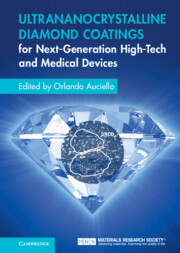
A comprehensive guide to the science of a transformational ultrananocrystalline-diamond (UNCDTM) thin film technology enabling a new generation of high-tech and external and implantable medical devices. Edited and co-authored by a co-originator and pioneer in the field, it describes the synthesis and material properties of UNCDTM coatings and multifunctional oxide/nitride thin films and nanoparticles, and how these technologies can be integrated into the development of implantable and external medical devices and treatments of human biological conditions. Bringing together contributions from experts around the world, it covers a range of clinical applications, including ocular implants, glaucoma treatment devices, implantable prostheses, scaffolds for stem cell growth and differentiation, Li-ion batteries for defibrillators and pacemakers, and drug delivery and sensor devices. Technology transfer and regulatory issues are also covered. This is essential reading for researchers, engineers and practitioners in the field of high-tech and medical device technologies across materials science and biomedical engineering.
The oral delivery of compounds associated with diet or medication have an impact on the gut microbiota balance, which in turn, influences the physiologic process. Several reports have shown significant advances in clarifying the impact, interactions and outcomes of oral intake of nanoparticles and the human gut. These interactions may affect the bioavailability of the delivered compounds. In addition, there is a considerable breakthrough in the development of antimicrobial nanoparticles for intestinal pathogenic bacteria. Several in vitro fermentation and in vivo models have been developed throughout the years and were used to test these systems. The methodologies and studies carried out so far on the modulation of human and animal gut microbiome by oral delivery nanosized materials were reviewed. Overall, the available in vitro studies mimic the real physiological events enabling to select the best production conditions of nanoparticulate systems in a preliminary stage of research. On the other hand, animal studies can be used to access the dosage effect, safety and correlation between haematological, biochemical and symptoms, with gut microbiota groups and metabolites.
Preferential removal of W relative to other trace elements from zoned, W–Sn–U–Pb-bearing hematite coupled with disturbance of U–Pb isotope systematics is attributed to pseudomorphic replacement via coupled dissolution reprecipitation reaction (CDRR). This hematite has been studied down to the nanoscale to understand the mechanisms leading to compositional and U/Pb isotope heterogeneity at the grain scale. High-Angle Annular Dark Field Scanning Transmission Electron Microscopy (HAADF STEM) imaging of foils extracted in situ from three locations across the W-rich to W-depleted domains show lattice-scale defects and crystal structure modifications adjacent to twin planes. Secondary sets of twins and associated splays are common, but wider (up to ~100 nm) inclusion trails occur only at the boundary between the W-rich and W-depleted domains. STEM energy-dispersive X-ray mapping reveals W- and Pb-enrichment along 2–3 nm-wide features defining the twin planes; W-bearing nanoparticles occur along the splays. Tungsten and Pb are both present, albeit at low concentrations, within Na–K–Cl-bearing inclusions along the trails. HAADF STEM imaging of hematite reveals modifications relative to ideal crystal structure. A two-fold hematite superstructure (a = b = c = 10.85 Å; α = β = γ = 55.28°) involving oxygen vacancies was constructed and assessed by STEM simulations with a good match to data. This model can account for significant W release during interaction with fluids percolating through twin planes and secondary structures as CDRR progresses from the zoned domain, otherwise apparently undisturbed at the micrometre scale. Lead remobilisation is confirmed here at the nanoscale and is responsible for a disturbance of U/Pb ratios in hematite affected by CDRR. Twin planes can provide pathways for fluid percolation and metal entrapment during post-crystallisation overprinting. The presence of complex twinning can therefore predict potential disturbances of isotope systems in hematite that will affect its performance as a robust geochronometer.
Drug resistance to helminth parasites is one of the most serious problems to threaten the livestock industry. The problem also poses a major threat to public health. Therefore, novel and safe agents should urgently be investigated to control parasitic infections. The current study was conducted to evaluate the possible antiparasitic effects of zinc oxide nanoparticles (ZnO-NPs) on one of the most prevalent gastrointestinal nematodes, Teladorsagia circumcincta. The worms were incubated with various concentrations of ZnO-NPs: 1, 4, 8, 12 and 16 ppm for 24 hours. Mobility and mortality of the parasites were recorded at four-hour intervals. At the endpoint, several biomarkers of oxidative/nitrosative stress, including superoxide dismutase, glutathione peroxidase and catalase, as well as lipid peroxidation, protein carbonylation, total antioxidant status, nitric oxide contents and DNA damage, were measured in the homogenized samples. ZnO-NPs showed significant anthelminthic effects, depending on time and concentration. Furthermore, the nanoparticle induced severe oxidative/nitrosative stress and DNA damage. ZnO-NPs could be considered as a novel and potent anthelminthic agent.
This paper is devoted to the study of formation mechanism of metal solid solutions during the thermolysis of single-source precursors in Co–Pt systems with a wide range of superstructural ordering. It is shown that the thermal decomposition of [Pt(NH3)4][Co(C2O4)2(H2O)2]·2H2O salt in helium is critically different from that under hydrogen atmospheres. Thermal degradation under the helium atmosphere is followed by a gradual reduction of platinum and cobalt, and at each thermolysis temperature only one phase is present. At 380 °C an equiatomic Co0.50Pt0.50 solid solution is formed (a = 3.749 (4) Å, Fm−3m space group, V/Z = 13.17 Å3, crystallite size: 5–7 nm). When the precursor is decomposed under a hydrogen atmosphere, the process proceeds mainly through the simultaneous reduction of the platinum and cobalt atoms, and at each temperature section two metal phases are present. The formation of the close to equiatomic Co0.50Pt0.50 solid solution (a = 3.782 (4) Å, Fm−3m space group, V/Z = 13.52 Å3, crystallite size: 7–9 nm) occurs at 450 °C. The calculations of crystallite sizes are confirmed by transmission electron microscopy data.
The recent observation of spectacular photocatalytic activity enhancements generated tremendous interest in the synthesis, properties, and potential applications of black titania. Most black titania are core–shell structures consisting of a perfect crystalline core surrounded by a defective surface shell. Because the properties are attributed to the defective shell, it is particularly important, but very challenging, to obtain atomic structure information of the core, the shell, and the core–shell relationship on a single particle level. While the role of various synthesis approaches for producing black titania with different properties has been extensively reviewed, this review focuses on understanding the structure–functionality relationship in black titania on a single particle level. We start by introducing the crystal and electronic band structure of different TiO2 phases, followed by the discussion of particle size effects, the origin of lattice distortions, and phase control by synthesis, and concluding with the discussion of crystalline order formation and evolution creating the defective shell.
We report the first synthesis of highly homogenous Ce-doped YAG/ZnO core/shell nanoparticles (YAG:Ce/ZnO CSN) based on the hydrolysis/condensation of Zn(OAc)2 on the surface of YAG:Ce nanoparticles (NPs). Results show that YAG:Ce NPs of about 100 nm diameter are homogenously surrounded by a multilayer of highly crystallized ZnO nanocrystals (ZnO NCs) of 10–15 nm diameter with a core/shell structure. The as-prepared nanostructures have been used in the photocatalytic degradation of sulfathiazole (STZ), which is a molecule widely used as antibiotic, under UV-vis and visible light. The effect of YAG:Ce/ZnO weight ratio and YAG:Ce particle size on the photocatalytic efficiency of YAG:Ce/ZnO core/shell structures has been studied. The YAG:Ce/ZnO weight ratio of 1/1 was found to yield the optimal photocatalytic activity. Results also showed that YAG:Ce/ZnO CSN with 100 nm core size exhibited much higher photocatalytic activity compared to YAG:Ce/ZnO CSN with micro-sized YAG;Ce core. The recyclability of YAG:Ce/ZnO CSN photocatalyst was also demonstrated over at least 10 photocatalytic degradation cycles.
For thixoforming, it is necessary to have a good microstructure of fine, uniform, and globular grains in a semisolid range. In this study, the nano-Al2O3(Al2O3np)/Al7075 composites with a high solid fraction were fabricated by specially made Al2O3np containing Mg powders and semisolid ultrasonic vibration (SSUV) process. The influence of SSUV technology on primary α-Al grain and second phase in the composites was investigated. Microstructural studies revealed that a good semisolid slurry with an average grain size of 73 μm, a shape factor of 0.84, and a solid fraction of 0.715 could be obtained. Also, it could be shown that SSUV affected largely the size and type of the second phase as well as growth and nucleation of the primary α-Al grain. TEM analysis revealed that there are well-defined crystallographic orientation relationships between the second phases and α-Al, suggesting enhanced heterogeneous nucleation in Al7075 alloys. Moreover, mechanisms involved in the development of microstructure were discussed.