To save content items to your account,
please confirm that you agree to abide by our usage policies.
If this is the first time you use this feature, you will be asked to authorise Cambridge Core to connect with your account.
Find out more about saving content to .
To save content items to your Kindle, first ensure no-reply@cambridge.org
is added to your Approved Personal Document E-mail List under your Personal Document Settings
on the Manage Your Content and Devices page of your Amazon account. Then enter the ‘name’ part
of your Kindle email address below.
Find out more about saving to your Kindle.
Note you can select to save to either the @free.kindle.com or @kindle.com variations.
‘@free.kindle.com’ emails are free but can only be saved to your device when it is connected to wi-fi.
‘@kindle.com’ emails can be delivered even when you are not connected to wi-fi, but note that service fees apply.
In this work, we present a solvothermal method to prepare bismuth (Bi)-doped CuGaS2 chalcopyrite nanocrystals ink and apply it to an all-solution-processed approach for the preparation of films with a thickness of approximately 730 nm and with enhanced optical properties and lower band gap energy than the undoped semiconductor films. The low-cost deposition method is comprised by spray deposition of the chalcogenide nanocrystals ink onto the molybdenum substrates, producing microcrystalline films with grains larger than 400 nm originated from coalescence of Bi-doped nanocrystals. Bi-doped CuGaS2 microcrystalline films are a good candidate to be applied as an absorber layer in thin-film solar cells.
Perovskite materials are sensitive to environmental conditions. Here we report the synthesis and characterization of a hydrophobic alkylammonium lead(II) iodide perovskite with enhanced stability in water. Water stability was achieved by growing a shell of 4-[(N-3-butyne)carboxyamido]anilinium lead(II) iodide over methylammonium lead(II) iodide. As a proof of concept, the water-splitting reaction was performed using our new material coated on TiO2, and a 7-fold increase in applied bias photon-to-current efficiency was observed as compared with standard p25-TiO2. Such simple and versatile chemical modification to induce high water stability is useful toward exploring new applications for the perovskite materials.
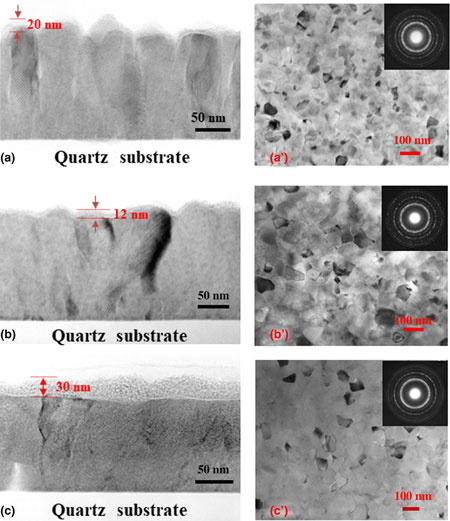
The Bi4Te3 films with well-ordered orientation and microstructure were successfully prepared on SiO2 substrate by a vacuum thermal evaporation deposition technique for the first time. We discussed the effects of evaporation temperature and substrate temperature on the phase and its well-ordered growth of Bi4Te3 films. The formation of Bi4Te3 phase is owing to the differences of the saturated vapor pressure. The thermoelectric transport properties of the Bi4Te3 films were investigated and the (00l)-oriented nanopillars array film has a better electrical transport performance, whose value of PF is 0.032 mWm−1 K−2 at 339 K, approaching twice that of the non-oriented ordinary film. The enhanced electrical properties of Bi4Te3 films could be achieved via the high-crystallinity well-controlled (00l)-oriented nanopillars array.
Metal–air batteries promise higher energy densities than state-of-the-art Li-ion batteries and have, therefore, received significant research attention lately. The most distinguishing feature of this technology is that it takes advantage of reversible conversion reactions of O2 or other air components (such as N2 or CO2) at the cathode. To promote these reactions, catalysts are often needed. A large number of materials have been studied for this purpose. In the present paper, we discuss the roles played by catalysts in metal–air battery systems. In particular, we choose to focus the discussions on the Li–O2 batteries as they are most intensely studied in the literature. Within this context, catalysts are often shown effective to facilitate the oxygen (O2) reduction reactions and/or O2 evolution reactions. The overall cell performance as measured by the round-trip efficiencies and charge/discharge rates can be significantly improved by the incorporation of catalysts. However, the presence of catalysts is also found to complicate the chemical reactions as they often exhibit activities toward parasitic chemical reactions such as electrolyte and electrode decompositions. The issue is especially acute in aprotic Li–O2 batteries, where organic electrolytes and reactive O2 species are mixed. In addition to heterogeneous catalysts, we also discuss the roles played by homogeneous catalysts as redox mediators, which are effective to promote redox reactions that are critical to energy storage applications.
Millions of micro electro mechanical system sensors are fabricated each year using an ultra-clean process that allows for a vacuum-encapsulated cavity. These devices have a multi-layer structure that contains hidden layers with highly doped silicon, which makes common imaging techniques ineffective. Thus, examining device features post-fabrication, and testing, is a significant challenge. Here, we use a combination of micro- and nano-scale x-ray computed tomography to study device features and assess failure mechanisms in such devices without destroying the ultra-clean cavity. This provides a unique opportunity to examine surfaces and trace failure mechanisms to specific steps in the fabrication process.
We report fabrication of 200 mm silicon (Si)-wafer mold structure for polydimethylsiloxane (PDMS) microfluidic devices to demonstrate a real-time fluorescence imaging of single DNA molecules. Conventional photolithography with deep reactive ion etching process allows us to build a “mesa”-type Si mold with a nanoscallop sidewall geometry aiding PDMS residue-free process. By optimizing fluorescence microscopy with the fabricated PDMS chamber, we obtain a protocol to visualize the motions of single DNA molecules. This integrative PDMS-based single-molecule imaging system can, in principle, be used as a platform to study biochemical reactions occurring in proteins, nucleotides, and vesicles.
Ag deposition-based multicolor electrochromic (EC) device we reported can switch various optical states among transparent, black, silver, cyan, magenta, and yellow by only using electrochemical deposition of Ag. However, the EC device had poor color retention property under open-circuit state because of dissolution of deposited Ag metal by Cu2+ ions, which is essential because it acts as redox material at counter electrode. Here, we introduced an anion exchange membrane to separate Cu2+ from the Ag deposit. The improved device achieved longer retention time of colored state. It is effective to maintain the coloring state without electric power for practical application.
We present classical potential molecular dynamics simulations of nanoporous gold (np-Au) impacted by a spherical indenter. The atomic structure was generated using a phase field model as a template. In agreement with previous experiments, we observe densification in the region under the indenter. The hardness values obtained from our simulations exhibit a transition from an initially perfect-plastic plateau to hardening behavior in the later stages of indentation. This transition occurs when the relative density beneath the indenter exceeds ∼0.9. Hardness values obtained from the nanoindentation simulations reach 0.6 GPa, due to the densification of the material under the indenter. Elevated dislocation densities are observed in the densified region. The mechanism of pore collapse in the densified layer under the indenter is seen to switch from uniaxial to triaxial, consistent with a change in deformation mechanism from one based on shearing of individual ligaments in np-Au to one involving dislocation-mediated plasticity around voids in a Au single crystal undergoing uniaxial compression.
Coupling oxidation type semiconductors is a feasible strategy to improve the photocatalytic activity of reduction type g-C3N4 photocatalysts. In this work, Bi2O3 was used as an oxidation type semiconductor to construct direct Z-scheme Bi2O3/g-C3N4 photocatalysts by a one-step calcination method. The obtained Bi2O3/g-C3N4 composites exhibited excellent photocatalytic activity and stability toward methylene blue degradation under visible light irradiation. The composite with 1% weight content of Bi2O3 to g-C3N4 exhibited the highest photocatalytic activity with an apparent rate constant of 0.063 min−1, which was 3.0 and 3.7 times higher than that of pure Bi2O3 and g-C3N4, respectively. The enhanced photocatalytic activity of the Bi2O3/g-C3N4 composite was mainly attributed to the improved charge separation efficiency and stronger redox ability. This work gave a new insight in developing g-C3N4-based Z-scheme heterojunction photocatalysts with enhanced photocatalytic activity.
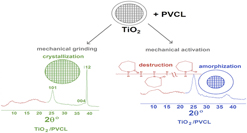
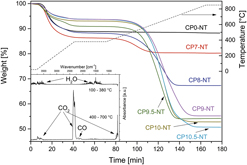
Nanocomposites based on the poly(N-vinylcaprolactam) (PVCL) fabricated from PVCL solutions at different drying temperatures (PVCL25 at 25 °C, PVCL40 at 40 °C) and titanium oxides(IV) nanoparticles (TNPs) were produced for the first time by dry mixing and grinding and mechanical milling in a planetary ball mill using different PVCL:TNP ratios. New effects in initial PVCL (hydration) and TNP [decomposition of η-phase; appearance of hydrated titanium dioxide (HTD)] samples, as well as in PVCL [(de)hydration, disordering of the heterocycles] and TNP (amorphization, dehydration of η-phase, partial crystallization of Hombifine N with anatase), involved as components in PVCL/TNP nanocomposites, were found. The different role of each type of treatments and its conditions in the specific of the effects observed was shown. Only high-frequency mechanical milling leads to the appearance of HTD and the complete disappearance of the second peak of PVCL (disordering of the heterocycles) in PVCL/TNP nanocomposites.
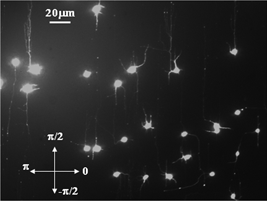
Geometrical features are known to be very important in neuronal growth and the formation of neuronal networks. We present an experimental and theoretical investigation of axonal growth and dynamics for neurons cultured on patterned polydimethylsiloxane surfaces. We utilize fluorescence microscopy to image the axonal dynamics and show that these substrates impart a strong directional bias to neuronal growth. We model axonal dynamics using a general stochastic model and use this framework to extract key dynamical parameters. These results provide novel insight into how geometrical cues influence neuronal growth and represent important advances toward bioengineering neuronal growth platforms.
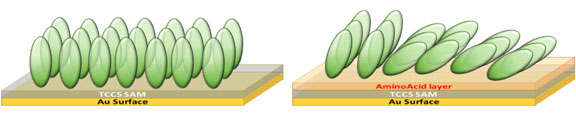
Properly driving protein interactions with solid surfaces play a very important role in many natural processes, stimulating a great interest for the design of new biomaterials and medical devices. Despite the progress in this field, many further upgrades have to be achieved to better exploit the protein driving, in terms of control of amounts and conformation of the adsorbing proteins. In this paper, new biocompatible amino acid–calix[4]crown-5 bilayers were built as nano-templating surfaces, hosting a controlled number of anchoring sites, able to immobilize proteins in well-defined quantity, and the evaluated footprint data support the idea of oriented protein on analyzed substrates. The efficiency of the setup was tested for the particular case of antibacterial lysozyme adsorption on biocompatible surfaces.
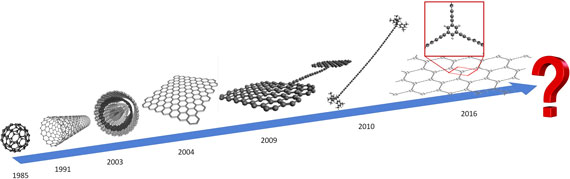
Besides graphite and diamond, the solid allotropes of carbon in sp2 and sp3 hybridization, the possible existence of a third allotrope based on the sp-carbon linear chain, the carbyne, has stimulated researchers for a long time. The advent of fullerenes, nanotubes, and graphene has opened new opportunities and nurtured the interest in novel carbon allotropes, including linear structures. The efforts made in this direction produced a number of interesting sp-hybridized carbon molecules and nanostructures in the form of carbon-atom wires. Here we discuss some of the new perspectives opened by the recent advancements in the research on sp-carbon systems.
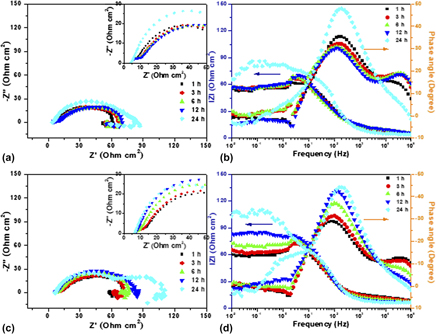
Magnesium (Mg)-based alloys have been emerging as innovative orthopedic materials due to their light weight and excellent biocompatibility. However, their too rapid degradation and subsequent loss of mechanical integrity before the bone tissue regeneration limits their applications. The presented study introduces in situ cross-linked gelatine (GEL) as a biomimetic coating onto Mg–9Al–1Zn-based alloys by carbodiimide chemistry and dip-coating. The bulk and surface morphology, chemistry, and bioactivity, as well as the corrosion behavior of uncoated and coated alloys were investigated in simulated body fluid (SBF) solution via in vitro testing and using various analytical techniques. The results revealed that the GEL coating mitigates the corrosion (from ∼2.08 to ∼1.19 mm/year) by forming a protective interface layer between the alloy surface and SBF solution, generating a bio-safer alkaline pH environment (pH ≈ 8.3), which minimizes the material resorption. GEL presence also stimulates the mineralization with calcium phosphate compounds, being patterned by its orientation and random coil conformation.
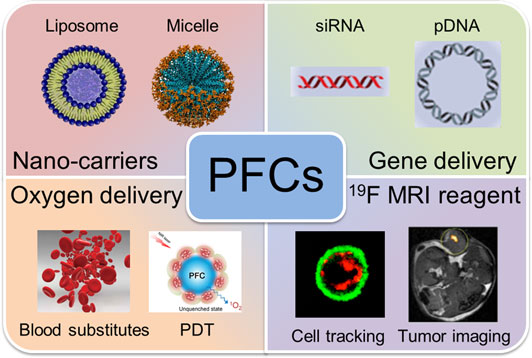
Nanotechnology has been considered as a promising strategy for diagnosis and treatment of various diseases. However, the stability and circulation times of the conventional nano-carriers, such as liposomes and micelles, are still unsatisfied. Perfluorocarbons (PFCs) are biologic inert synthetic materials, which are highly hydrophobic and have a tendency to self-aggregation. Additionally, PFCs themselves can act as 19F magnetic resonance imaging agents and oxygen carriers. Thus, the construction of the fluorinated carriers will not only improve the stability of the carriers, but also endow them with additional functions. Here we review the recent advances of PFC-based nanosystems for diagnosis and treatment of diseases.