To save content items to your account,
please confirm that you agree to abide by our usage policies.
If this is the first time you use this feature, you will be asked to authorise Cambridge Core to connect with your account.
Find out more about saving content to .
To save content items to your Kindle, first ensure no-reply@cambridge.org
is added to your Approved Personal Document E-mail List under your Personal Document Settings
on the Manage Your Content and Devices page of your Amazon account. Then enter the ‘name’ part
of your Kindle email address below.
Find out more about saving to your Kindle.
Note you can select to save to either the @free.kindle.com or @kindle.com variations.
‘@free.kindle.com’ emails are free but can only be saved to your device when it is connected to wi-fi.
‘@kindle.com’ emails can be delivered even when you are not connected to wi-fi, but note that service fees apply.
Biomagnetic field sensors based on AlN/FeCoSiB magnetoelectric (ME) composites desire a resonant frequency that can be precisely tuned to match the biomagnetic signal of interest. A tunable mechanical resonant frequency is achieved when ME composites are integrated onto shape memory alloy (SMA) thin films. Here, high-quality c-axis growth of AlN is obtained on (111) Pt seed layers on both amorphous and crystallized TiNiCu SMA thin films on Si substrates. These composites show large piezoelectric coefficients as high as d33,f= 6.4 pm/V ± 0.2 pm/V. Annealing the AlN/Pt/Ta/amorphous TiNiCu/Si composites to 700 °C to crystallize TiNiCu promoted interdiffusion of Ti into the Ta/Pt layers, leading to an enhanced conductivity in AlN. Depositing AlN onto already crystalline TiNiCu films with low surface roughness resulted in the best piezoelectric films and hence is found to be a more desirable processing route for ME composite applications.
In a recent study, mid-latitude ionospheric parameters were compared with solar activity; it was suggested that the relationship between these, earlier assumed stable, might be changing with time (Lastovicka, 2019). Here, the information is extended to higher latitude (69.6°N, 19.2E) and further back in time. For the ionospheric F-region (viz. the critical frequency, FoF2) the same behaviour is seen with a change-point around 1996. For the ionospheric E-region (viz. the critical frequency, foE), change-points are less obvious than in the mid-latitude study, presumably owing to the observation site lying under the auroral oval.
Surface modification of titanium and titanium alloys is a common method to improve anchoring of bone tissue and implants in hard tissue engineering applications. In the current work, a combination of chemical and physical methods (anodization and physical vapor deposition) was used to roughen the titanium surface and deposit iron (Fe) on the surface of titanium at different thicknesses. The optimized thickness of 100 Å was selected for mechanical and biological characterization. We found that anodization increases the surface roughness of Ti from 21 ± 0 to 229 ± 9 nm, whereas Fe deposition does not change it significantly. Our results also showed that surface modification of Ti by anodization increases the proliferation of osteosarcoma cells at both time points, whereas Fe-deposited samples showed the lowest cellular activity. These results suggest that Fe-deposited Ti implants may be suitable candidates for patients with osteosarcoma, as the proliferation of malignant cells decreases in the presence of Fe.
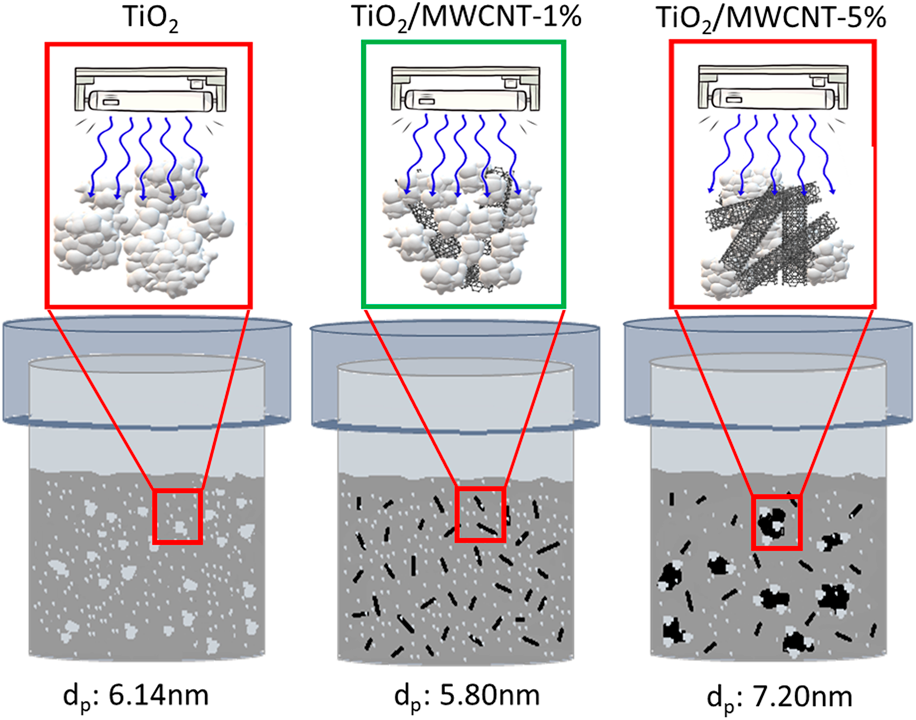
Nanosized, well-dispersed titania particles were synthesized via a hydrothermal method using multiwalled carbon nanotubes (MWCNTs) as structural modifiers during the nucleation process to decrease aggregation. Synthesized TiO2/MWCNT composites containing different amounts of MWCNTs were characterized using N2 physisorption, XRD, spectroscopic techniques (Raman, UV-visible, and X-ray photoelectron), and electron microscopy to illuminate the morphology, crystal structure, and surface chemistry of the composites. Photocatalytic performance was evaluated by measuring the degradation of acetaldehyde in a batch reactor under UV illumination. Average rate constants decrease in the following order: TiO2/MWCNT-1% > TiO2 > TiO2/MWCNT-5%. Addition of MWCNTs beyond the optimum loading ratio of 1:100 (MWCNT:TiO2) diminishes the effectiveness of the photocatalyst and the synergistic effect between MWCNTs and TiO2. The primary mechanism for photocatalytic activity enhancement in TiO2/MWCNT-1% is thought to be due to increased porosity, hydroxyl enrichment on the surface, and high dispersion of TiO2 particles.
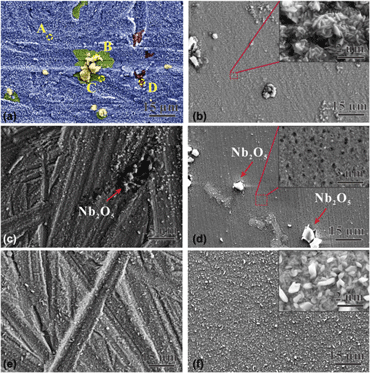
The oxidation behavior of the selective laser melting (SLM)–fabricated Inconel 718 was investigated through isothermal oxidation testing at 650 °C for 500 h and compared with that of the as-cast and as-forged specimens at the same testing conditions. The effect of microstructure and surface roughness on the oxidation behavior of the SLM-fabricated, as-cast, and as-forged Inconel 718 specimens was examined. The result shows that Inconel 718 fabricated by SLM with the unique layer structure exhibited a better resistance to the 500 h oxidation at 650 °C compared with as-cast and as-forged 718 with coarse dendritic structure and uniform equiaxed grain microstructure, respectively. The influence of the surface roughness on the long-time oxidation resistance of SLM specimens is not pronounced compared with that of as-cast and as-forged specimens. The tiny dendrites instead of grain boundaries are a major influencing factor for the oxidation process of SLM specimens. The surface roughness has more evident influence on the oxidation resistance of as-forged specimens than that of the as-cast ones subjected to the 500 h oxidation at 650 °C.
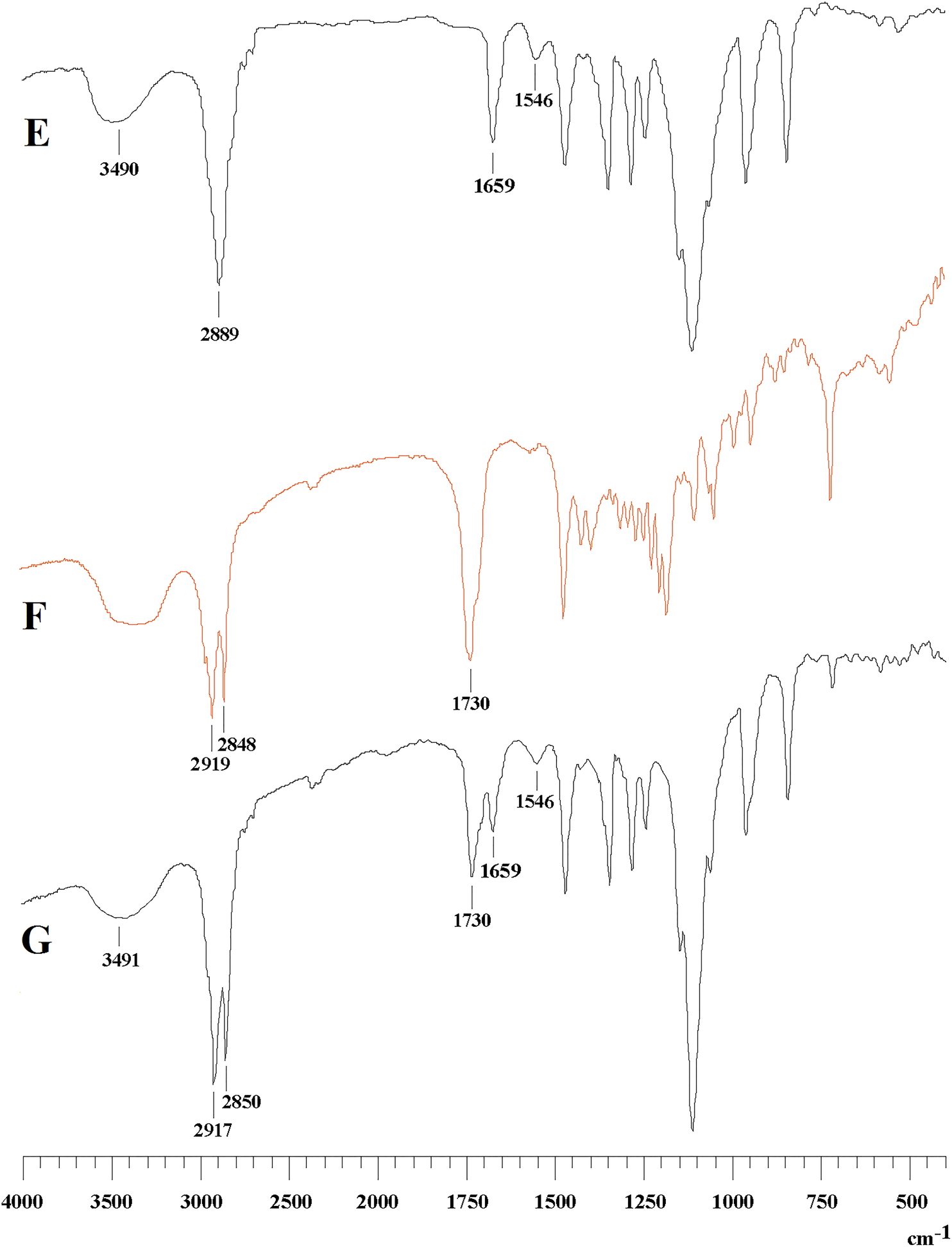
The purpose of this study was to construct a glycyrrhetinic acid (GA)-mediated, breakable, intracellular, nanoscale drug-delivery carrier via amide and esterification reactions. The structures were identified by Fourier-transformed infrared (FTIR) and 1H-nuclear magnetic resonance (1H-NMR) spectrophotometry. The compatibility and safety of the carrier were evaluated using hemolysis and cytotoxicity tests. The GA-copolymer micelle was prepared using the solvent evaporation method. FTIR and 1H-NMR detection demonstrated the successful construction of the polymer. No hemolysis occurred in any concentration of polymer within 3 h, and the hemolysis rate was less than 5%. 3-(4,5-dimethyl-thiazol-2-yl)-2,5-diphenyl-tetrazolium bromide (MTT) experimental results showed that the novel polymer reduced the cell survival rate and had significant cytotoxic effects. The blank nanoparticles were liquid with light blue opalescence. Transmission electron microscopy revealed that the empty micelles were uniform spheres, with an average size of 62 nm and a zeta potential of −13 mV. The novel GA-mediated polymeric carrier material developed here has the potential to effectively kill human SMMC-7721 cancer cells within 3 days when the dose is above 500 ug/mL.
The role of negative substrate bias voltage in influencing the microstructural evolution, along with the mechanical and scratch behavior of magnetron sputtered Ni–Zr alloyed thin films, has been investigated. The films have been deposited on a Si(100) substrate by direct current (DC) magnetron co-sputtering of high-purity elemental Ni and Zr targets, using an optimized target power in an argon atmosphere at room temperature by altering the negative substrate bias voltage (0 to −80 V). The increase in negative substrate bias voltages leads to an increase in Zr content of the investigated films. The characterization techniques such as grazing incidence X-ray diffraction and high-resolution transmission electron microscopy studies confirm that an increase in the negative substrate bias voltage leads to an increase in the volume fractions of amorphous phase and Ni3Zr, but a decrease in the deposition rate, surface roughness, and average grain sizes. Hardness and Young's modulus obtained by nanoindentation, along with the coefficient of friction obtained from nano-scratch experiments, appear to be related to the relative volume fractions of both nanocrystalline and the amorphous phase. Furthermore, increase in Ni3Zr volume fraction with decrease in grain size within the crystalline part of the film, with increase in substrate bias used during deposition may have contributed to both increase in both hardness and scratch resistance.
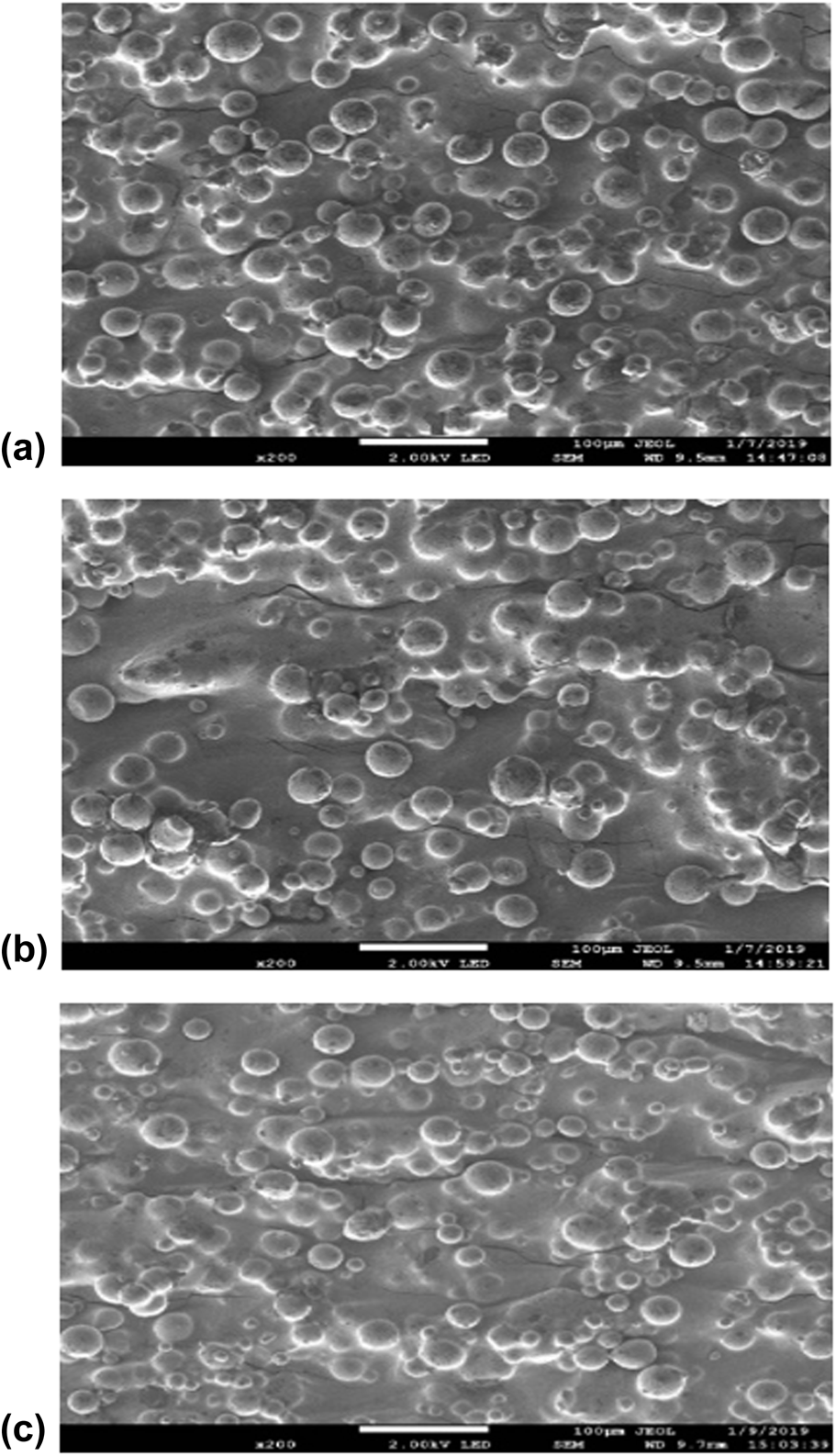
Selective laser melting (SLM) is a state-of-the-art technology in the additive manufacturing field. This study focuses on the influence of scanning speed on the fabrication of Ti6Al4V samples produced by SLM. This article contributes to the effect of SLM scanning speed parameters on micropores, surface morphology, and roughness. The detailed characterizations for the parts produced by the SLM process are evaluated. An SLM scanning speed of 695, 775, or 853 mm/s was selected. The findings show that a high quality of surface morphology and microstructure is obtained at a scanning speed of 775 mm/s. In addition, the maximum surface roughness values for both upper and side surfaces are approximately 0.460 µm and 0.592 µm, respectively. Furthermore, surface defect characteristics regarding the speed mechanism parameter for the SLM system are also discussed, and the challenges to the part quality, and potential for numerous industries (e.g., aerospace, automotive, and biomedical), creating microstructures, are observed.
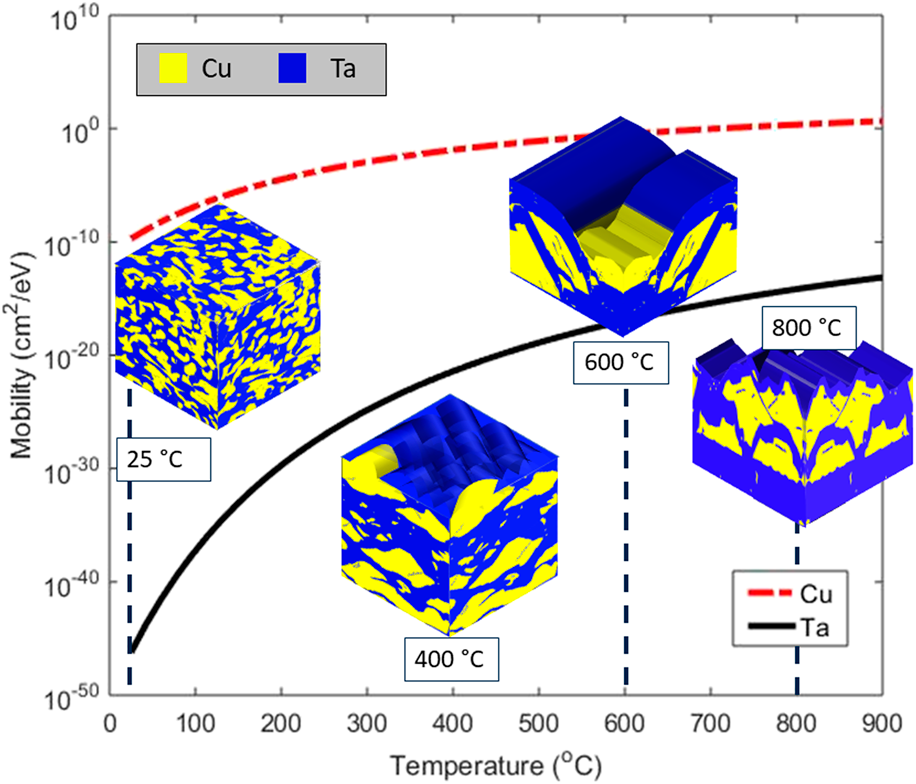
Elevated temperature co-sputtering of immiscible elements results in a variety of self-organized morphologies due to phase separation. Cu–Ta is used as a model system to understand the evolution of phase-separated microstructural morphologies by co-sputtering thin films with nominal 50–50 at.% composition at four temperatures: 25, 400, 600, and 800 °C. Scanning/transmission electron microscopy of the film cross sections showed the microstructure morphology varied from nanocrystalline Cu–Ta at 25 °C to a wavy ribbon-like structure at 400 °C, to Cu-rich agglomerates surrounded by Ta-rich veins at 600 and 800 °C. In the agglomerate-vein morphology, microstructural features were present on two length scales, from a few nanometers to a few tens of nanometers, thus making the structures hierarchical. On the nanoscale, the Cu-rich agglomerates contained Ta precipitates, whereas the Ta-rich veins had embedded Cu nanocrystals. The various microstructures can be attributed to the highly disparate constituent element interdiffusion at the deposition temperatures with the Cu having orders of magnitude higher mobility than Ta at the deposition temperatures. This study of processing–microstructure relationship will be useful in guiding the design of hierarchical multiphase microstructures in binary or multicomponent thin films with tailored mechanical properties.
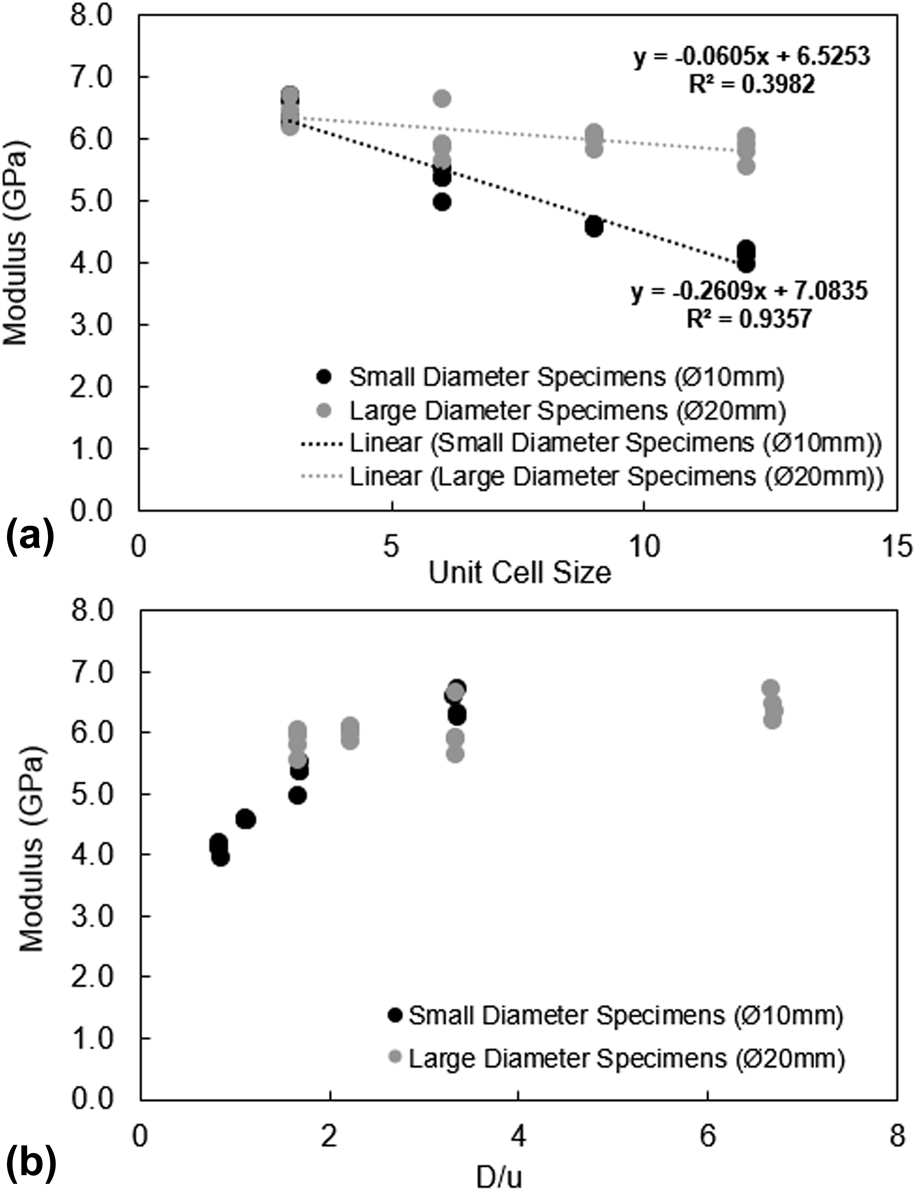
The adoption of selective laser melting (SLM) for fabrication of porous titanium has resulted in many new investigations into the complex design parameters associated with porous architecture of high spatial resolution. The development of meta-materials has included research into the effects of unit cell architecture (strut versus sheet), porosity, pore size, and other factors on the performance of metallic scaffolds. The current study examined the interactive effects of varying the gyroid sheet unit cell size and overall specimen size on the compressive behavior of Ti–6Al–4V ELI porous scaffolds manufactured via SLM. The increasing unit cell size relative to specimen geometry was found to decrease the compressive strength and stiffness of the overall structure and shift the material fracture mode. The understanding of the relationship between unit cell size and specimen geometry can be used to optimize mechanical properties of implants with constrained volumes and pore/wall size requirements to optimize properties of porous titanium implants for strength and osseointegration.
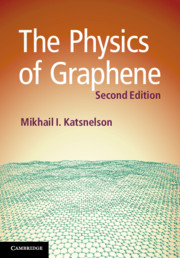
Leading graphene research theorist Mikhail I. Katsnelson systematically presents the basic concepts of graphene physics in this fully revised second edition. The author illustrates and explains basic concepts such as Berry phase, scaling, Zitterbewegung, Kubo, Landauer and Mori formalisms in quantum kinetics, chirality, plasmons, commensurate-incommensurate transitions and many others. Open issues and unsolved problems introduce the reader to the latest developments in the field. New achievements and topics presented include the basic concepts of Van der Waals heterostructures, many-body physics of graphene, electronic optics of Dirac electrons, hydrodynamics of electron liquid and the mechanical properties of one atom-thick membranes. Building on an undergraduate-level knowledge of quantum and statistical physics and solid-state theory, this is an important graduate textbook for students in nanoscience, nanotechnology and condensed matter. For physicists and material scientists working in related areas, this is an excellent introduction to the fast-growing field of graphene science.
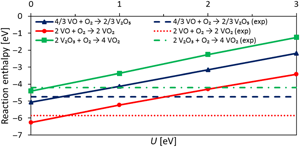
The generalized gradient approximation (GGA) often fails to correctly describe the electronic structure and thermochemistry of transition metal oxides and is commonly improved using an inexpensive correction term with a scaling parameter U. The authors tune U to reproduce experimental vanadium oxide redox energetics with a localized basis and a GGA functional. The value for U is found to be significantly lower than what is generally reported with plane-wave bases, with the uncorrected GGA results being already in reasonable agreement with experiments. This computational set-up is used to calculate interstitial and substitutional insertion energies of main group metals in vanadium pentoxide and interstitial doping is found to be thermodynamically favored.
Engineering of thermoelectric materials requires an understanding of thermal conduction by lattice and electronic degrees of freedom. Filled skutterudites denote a large family of materials suitable for thermoelectric applications where reduced lattice thermal conduction attributed to localized low-frequency vibrations (rattling) of filler cations inside large cages of the structure. In this work, a multi-wavelength method of exploiting x-ray dynamical diffraction in single crystals of CeFe4P12 is presented and applied to resolve the atomic amplitudes of vibrations. The results suggest that the vibrational dynamics of the whole filler-cage system is the actual active mechanism behind the optimization of thermoelectric properties.
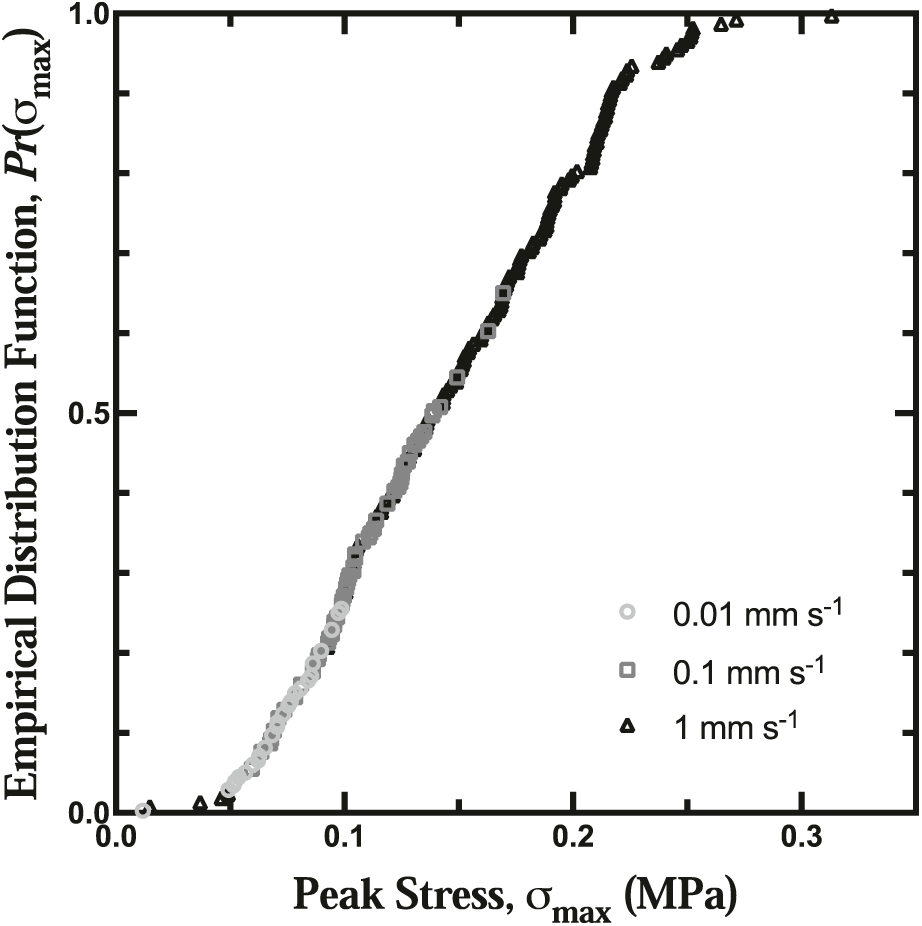
Hydrogels have gained recent attention for biomedical applications because of their large water content, which imparts biocompatibility. However, their mechanical properties can be limiting. There has been significant recent interest in the strength and fracture toughness of hydrogel materials in addition to their stiffness and time-dependent behavior. Hydrogels can fail in a brittle manner, although they are extremely compliant. In this work, the failure and fracture of hydrogels are examined using a compression test of spherical hydrogel particles. Spheres of commercially available polyacrylamide–potassium polyacrylate were hydrated and tested to failure in compression as a function of loading rate. The spheres exhibited little relaxation when compressed to small fixed displacements. The distributions of strength values obtained were examined in a particle fracture framework previously used for brittle ceramics. There was loading rate dependence apparent in the measured peak force and calculated peak strength values, but the data fell on a single empirical distribution function of strength for the hydrogels regardless of loading rate. Strength values for these hydrogels were mostly in the range of 0.05–0.3 MPa, illustrating the challenges using hydrogels for mechanically demanding applications such as tissue engineering.
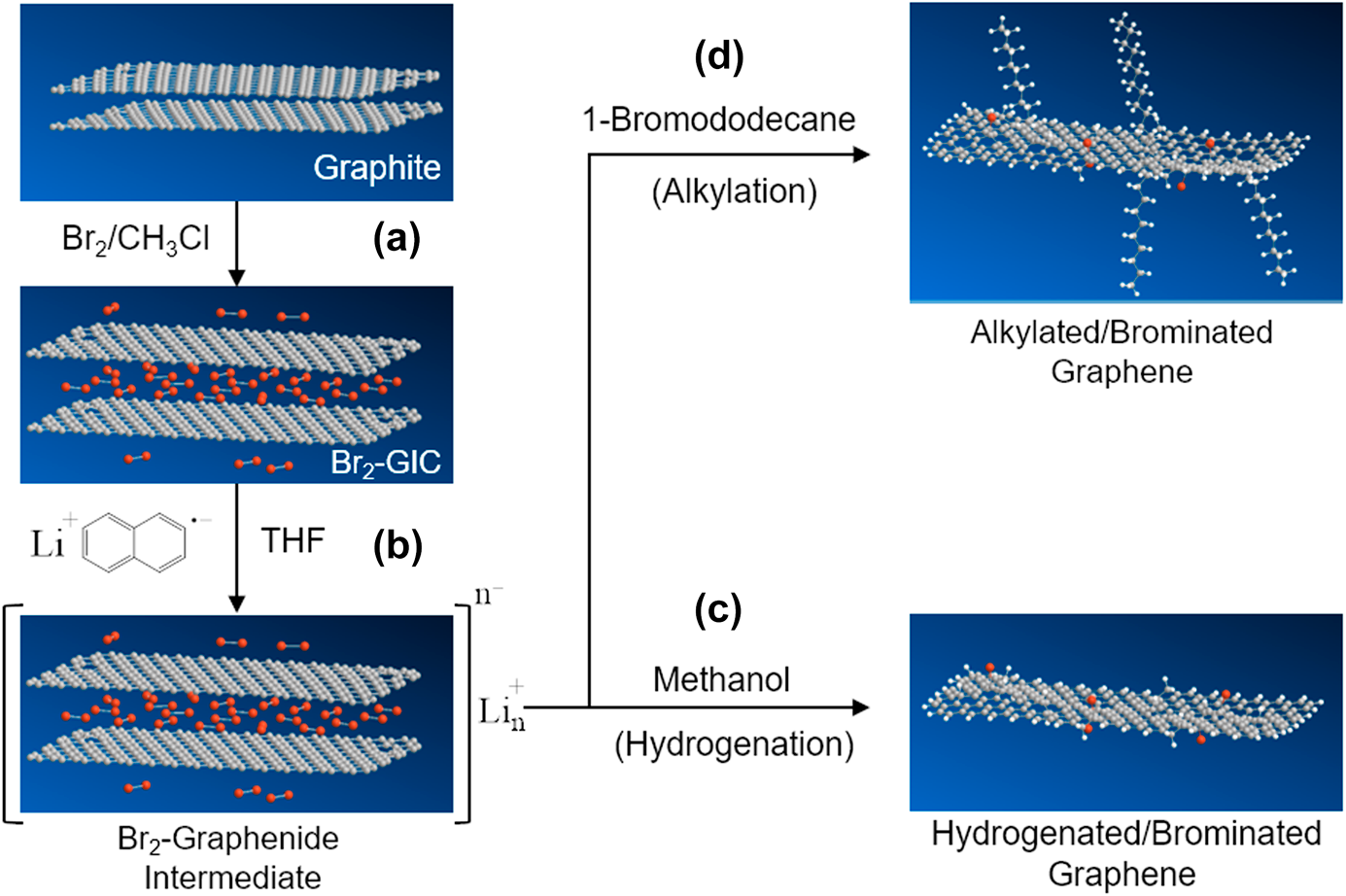
Developing easy and effective surface functionalization approaches has required to facilitate the processability of graphene while seeking novel application areas. Herein, an in situ single-step reductive covalent bromination of graphene has been reported for the first time. Highly brominated graphene flakes (>3% Br) were prepared by only subjecting the bromine-intercalated graphite flakes to a reduction reaction with reactive lithium naphthalide. The bromine-functionalized graphene was characterized by X-ray photoelectron spectroscopy and thermogravimetric analysis. Results revealed that Br2 molecules acted as both an intercalating agent for the graphite and a reactant for the surface functionalization of the graphene. After brominating, the remaining negative charges on the reduced graphene surface were further used for the dual surface functionalization of graphene with a long-chain alkyl group (~1% dodecyl group addition). The functionalized graphenes were also characterized by Fourier transform infrared and Raman spectroscopy.
The nitrogen-decorated CeO2/reduced graphene oxide nanocomposite (CeO2/N-rGO) was one-step synthesized by a facile hydrothermal technique and applied as counter electrode materials for dye-sensitized solar cells (DSSCs). For comparison, CeO2/rGO and rGO were also synthesized by adjusting corresponding reactants. It was found that the as-synthesized CeO2/N-rGO shows better electrocatalytic activity for triiodide/iodide reduction than that of pure rGO and CeO2/rGO, and a synergistic effect of nitrogen and CeO2 on the rGO sheets was observed. The photoelectric conversion efficiency of DSSCs based on CeO2/N-rGO counter electrode was 3.20%, which is higher than that of CeO2/rGO (2.45%) and rGO counter electrode (1.37%). Furthermore, the synergistic effect of nitrogen and CeO2 on the rGO sheets was also discussed in detail with different CeO2 amount levels. It is believed that this one-step synthetic method is a potential way to synthesize low-cost and efficient rGO-based multiple composited counter electrode materials to replace more expensive Pt.
Some interesting properties such as superelasticity, shape memory effect, kink resistance, good biocompatibility, biomechanical properties, and corrosion resistance made nitinol a popular biomaterial as stent and orthopedic implants. But surface modification is needed to control nickel leaching from its surface, making safe for human body. The aim of this study was to modify the nitinol surface by the silanization technique and electrophoretically deposited hydroxyapatite coating, and to conduct a detailed in vitro and in vivo investigation. Detailed in vitro investigation involved MTT assay with the human osteoblastic cells (MG63 cell) over a period of 5 days and confocal image study. In case of in vivo study, histological study, fluorochrome labeling study, and Micro-Ct study were conducted. The overall in vitro and in vivo results indicate that silanized nitinol samples are showing slightly better level of performance, but both the surface-modified samples are suitable as the potential bio-implant for orthopedic purpose.
A flexible surface-enhanced Raman scattering (SERS) substrate was prepared by vacuum evaporation of silver on the surface of woven nylon fabrics. SERS properties of the Ag-coated nylon fabrics varied as the thickness of silver coatings changed, relative to the morphologies and distribution of silver nanoparticles (NPs) on fiber. The SERS enhancement performance of Ag-coated nylon fabrics was evaluated by collecting Raman signals of different concentrations of p-aminothiophenol (PATP). The results suggested that the nylon fabrics coated with 10 nm thickness Ag NPs coatings possessed high SERS activity and its detection concentration for PATP is as low as 10−9 M. Furthermore, sensitive SERS signals with excellent reproducibility (Relative standard deviation = 8.25%) and stability (30 days) have been demonstrated. In addition, the SERS nylon fabrics have been applied to rapidly detect thiram pesticides on cucumber, which indicated a great potential for trace analysis.
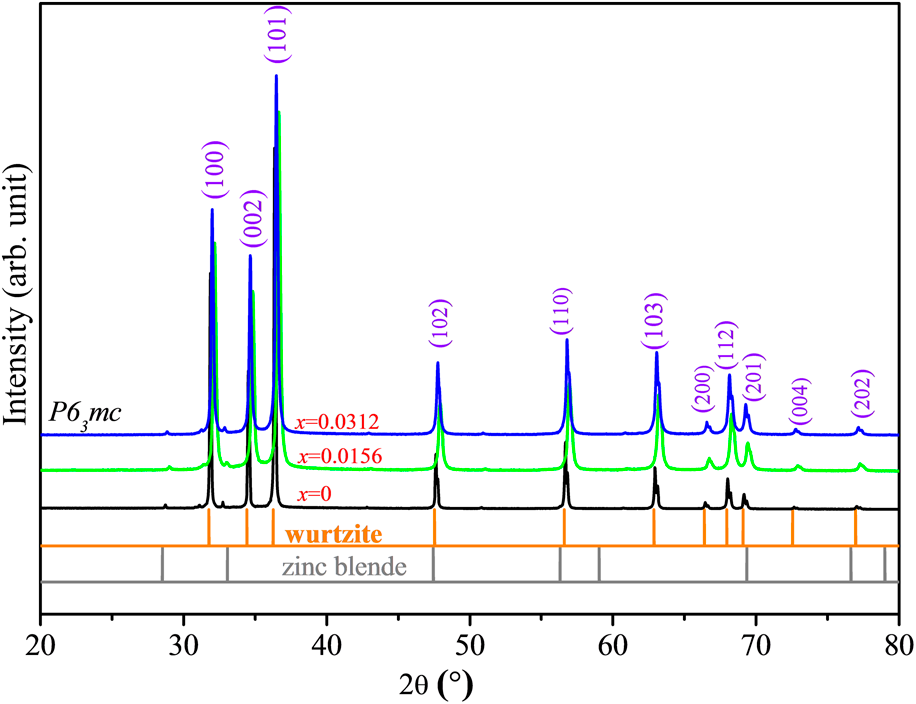
Zn1−xGax/2Fex/2O (x= 0, 0.0156, 0.0312) represents the polycrystalline hexagonal (wurtzite) phase with a space group P63mc synthesized using the sol–gel technique. A comparative study and investigation of structural, optical, and photo-sensing properties of these samples were performed. Structural and vibrational studies show enhancement in the crystallinity of the codoped samples. Optical band gap increases from ∼3.21 to 3.24 eV with substitution because of the improved crystallinity. The photoluminescence properties show modification from yellowish green for x= 0 to a more distinct green for x= 0.0156. The intensity of the luminescence decreases with doping, indicating an overall reduction of defects in the band gap helping the material to become more transparent to visible light. Photocurrent and photosensitivity are modified with the illumination wavelength (290, 450, 540 and 640 nm) with codoping. Sensitivity toward visible lights reduced with codoping. On the other hand, it is more sensitive to ultraviolet light. It indicates the material becomes more transparent for visible light and may be used as photostable device.
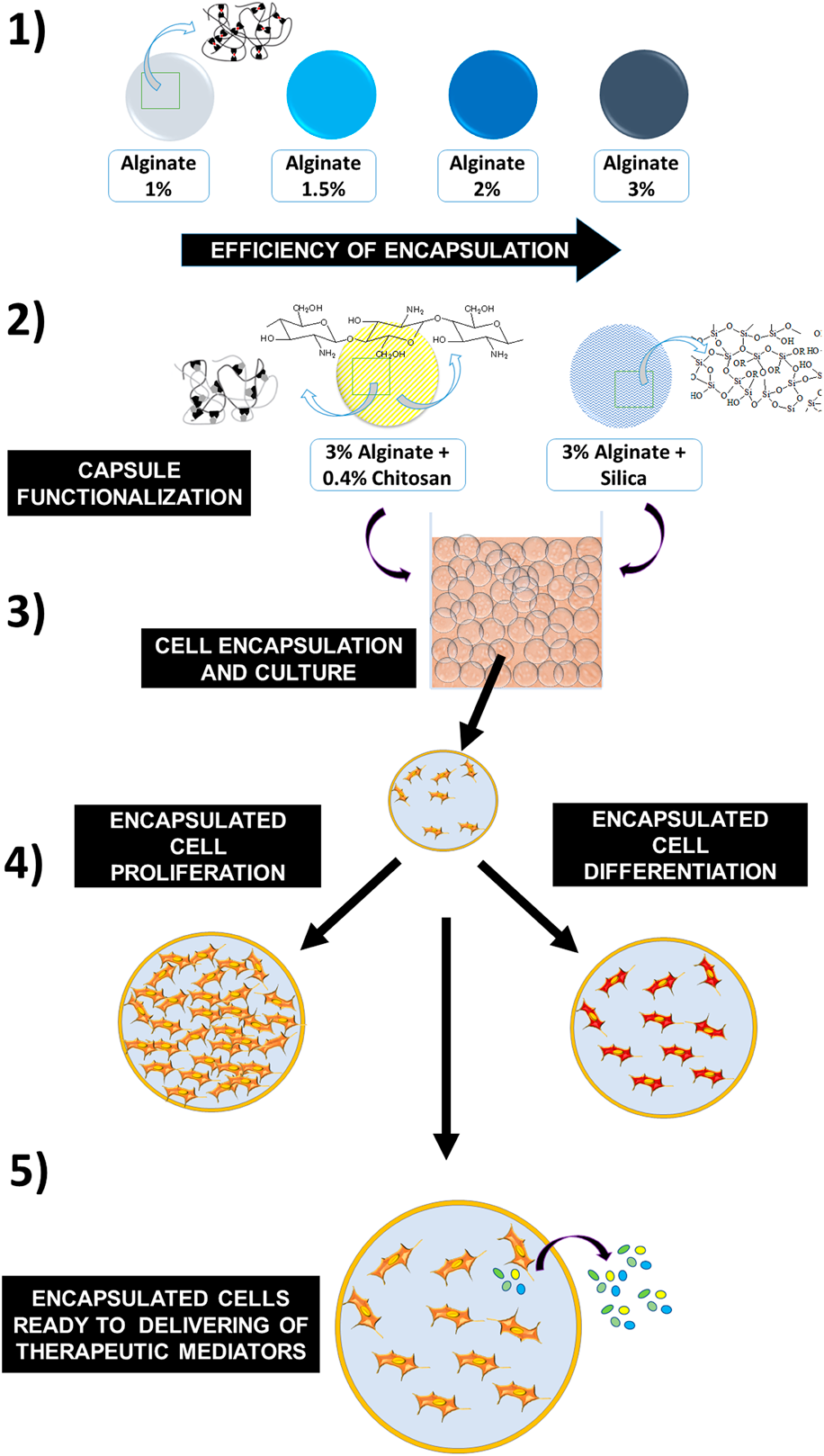
Microencapsulation of functioning cells for transplantation therapies is particularly promising, but the cells must retain their proper physiology and viability after being encapsulated. K-562 cells are multipotential and exhibit erythroid, megakaryocytic, or granulocytic properties that can be exploited by using an array of physiologically differentiating factors. The potential for cell differentiation makes it attractive the use of K-562 cells as functional model to the assessment of the effects of encapsulation on cell viability and physiology. Thus, alginate and hybrid alginate matrices were produced by extrusion technique for K-562 cell encapsulation. The produced systems were composed of bare alginate (1–3 wt%) and alginate in combination with chitosan or silica. The resulting materials were characterized by dynamic laser scattering, zeta potential measurements, small-angle X-ray scattering, and Fourier transform infrared spectroscopy. To assess viability, the encapsulated cells were subjected to the Trypan blue exclusion technique and NAD(P)H-dependent oxidoreductase (MTT) assays; hemin-induced erythroid differentiation capacity was also evaluated. The encapsulated alginate-based systems were shown to be monomodal and bimodal, depending on the nature of the capsule, with mean sizes in the range between 414 and 4.129 nm. Encapsulated cells exhibited viability ratios compatible with their use for prolonged cell cultures. Erythroid differentiation occurred in the range between 39 and 44%. The present results allow the consideration of the viability of therapeutic cells encapsulated in both bare alginate and in hybrid matrices.