To save content items to your account,
please confirm that you agree to abide by our usage policies.
If this is the first time you use this feature, you will be asked to authorise Cambridge Core to connect with your account.
Find out more about saving content to .
To save content items to your Kindle, first ensure no-reply@cambridge.org
is added to your Approved Personal Document E-mail List under your Personal Document Settings
on the Manage Your Content and Devices page of your Amazon account. Then enter the ‘name’ part
of your Kindle email address below.
Find out more about saving to your Kindle.
Note you can select to save to either the @free.kindle.com or @kindle.com variations.
‘@free.kindle.com’ emails are free but can only be saved to your device when it is connected to wi-fi.
‘@kindle.com’ emails can be delivered even when you are not connected to wi-fi, but note that service fees apply.
In the Caribbean Sea, orcas (Orcinus orca, also known as killer whales) are present throughout the year. The most recent review confirmed seven strandings of the species in the Caribbean Sea in the period May 1851 to January 2023, all of which were single strandings and only one of which occurred in Venezuela. In this publication we document the circumstances of the successful rescue, by local fishers and authorities, of seven orcas that stranded in August 2023 on the coast of the State of Sucre, north-eastern Venezuela. Worldwide, this is only the second mass stranding of the species within the tropics (23.5°N to 23.5°S). We also documented the presence of a probable whalesucker (Remora australis) on a juvenile orca. The present case represents the first mass stranding event of orcas in Venezuela and the Caribbean Sea and only the second in a tropical location worldwide.
Artificial intelligence (AI) has the potential to enhance clinical decision-making, including in infectious diseases. By improving antimicrobial resistance prediction and optimizing antibiotic prescriptions, these technologies may support treatment strategies and address critical gaps in healthcare. This study evaluates the effectiveness of AI in guiding appropriate antibiotic prescriptions for infectious diseases through a systematic literature review.
Methods:
We conducted a systematic review of studies evaluating AI (machine learning or large language models) used for guidance on prescribing appropriate antibiotics in infectious disease cases. Searches were performed in PubMed, CINAHL, Embase, Scopus, Web of Science, and Google Scholar for articles published up to October 25, 2024. Inclusion criteria focused on studies assessing the performance of AI in clinical practice, with outcomes related to antimicrobial management and decision-making.
Results:
Seventeen studies used machine learning as part of clinical decision support systems (CDSS). They improved prediction of antimicrobial resistance and optimized antimicrobial use. Six studies focused on large language models to guide antimicrobial therapy; they had higher prescribing error rates, patient safety risks, and needed precise prompts to ensure accurate responses.
Conclusions:
AI, particularly machine learning integrated into CDSS, holds promise in enhancing clinical decision-making and improving antimicrobial management. However, large language models currently lack the reliability required for complex clinical applications. The indispensable role of infectious disease specialists remains critical for ensuring accurate, personalized, and safe treatment strategies. Rigorous validation and regular updates are essential before the successful integration of AI into clinical practice.
This study aimed to examine health care workers’ (HCWs) perceptions of hospital disaster planning and preparedness within the context of building resilient health care systems. It also evaluated HCWs’ involvement in the planning process.
Methods
Thirteen HCWs from 2 Queensland hospitals participated in in-depth, semi-structured interviews. These interviews were audio-recorded with participant consent and transcribed verbatim. Transcripts, recordings, and participant details were coded for confidentiality. Thematic analysis was used to identify essential patterns in the data and make sense of them.
Results
HCWs’ perspectives on disaster planning underscored the importance of comprehensive planning, business continuity, proactive approaches emphasizing anticipation and risk mitigation, and implementation of established plans through training, resource management, and operational readiness. HCWs’ participation in planning ranged from high engagement through collaboration and continuous improvement to moderate or lower levels focusing on regulatory compliance and resource allocation.
Conclusions
This study highlights HCWs’ views regarding disaster planning and preparedness for building resilient health care systems. HCWs emphasised comprehensive planning and proactive preparedness, aligning with global priorities for disaster risk reduction. They stress the importance of education, training, operational readiness, and continuous improvement. This study underlines the vital role of HCWs’ participation in disaster planning and the need for comprehensive training initiatives.
Inflammation and oxidative stress contribute to the progression of chronic diseases, and the volume of research in this area is rapidly expanding. Various dietary indices have been developed to determine the overall inflammatory or oxidative stress potential of a diet; however, few have been validated in cardiometabolic disease populations. This review aimed to explore the association between dietary indices and biomarkers of inflammation and oxidative stress in adults with cardiometabolic conditions. Four databases were systematically searched for literature in any language (Embase, CINAHL, CENTRAL and MEDLINE) with 12,286 deduplicated records identified. Seventeen studies of adults with metabolic syndrome, cardiovascular disease, type 2 diabetes, non-alcoholic fatty liver disease or chronic kidney disease were included. Fourteen studies were observational studies, one study was a clinical trial, and one was a randomised controlled trial. Four dietary indices were reported on with most studies (n 11) reporting on the dietary inflammatory index. The most reported biomarker was C-reactive protein. The findings were narratively synthesised. Results were inconclusive due to the heterogeneity of dietary indices and their use, disease states and biomarkers reported. Only one study reporting on the dietary inflammatory index assessed all 45 parameters. Observational studies, particularly retrospective designs (n 7), are subject to recall and selection biases, potentially presenting overestimated results. Further research is required to determine the relationship between dietary indices and biomarkers of inflammation and oxidative stress in cardiometabolic disease populations. Future research should be prospective, utilise rigorous research methods, assess the full range of index parameters, and examine biomarkers the tool was developed for.
Leishmaniasis, classified as a neglected tropical disease, exerts its impact on millions globally. Its clinical spectrum encompasses diverse forms, from benign self-resolving skin lesions (cutaneous leishmaniasis) to life-threatening visceral infections (visceral leishmaniasis or kala-azar). This review aims to comprehensively explore the spectrum of the disease as an outcome of often-overlooked parasite variants. Additionally, it addresses the emerging challenges faced in the pursuit towards disease elimination. The evolving landscape of leishmaniasis demands the development of molecular surveillance tools to detect the heterogeneous parasite strains that contribute to the emergence of new endemic foci. Such surveillance poses formidable challenges to current elimination strategies. As the disease landscape continues to evolve, understanding the molecular intricacies of causative parasite strains becomes paramount. This knowledge not only aids the understanding of the basis of emerging/shifting endemic areas but also facilitates the search for and the design of targeted interventions. In this context, this review will navigate through the dynamic terrain of leishmaniasis, the various causative species of Leishmania parasites emphasising the urgency for the development of robust surveillance mechanisms and innovative approaches to confront the evolving challenges in our quest for global disease elimination.
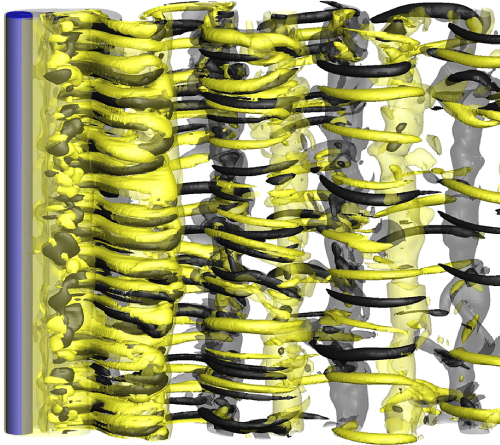
We provide a fundamentally new perspective on subcritical turbulence in plasmas, based on coherent structures, which are obtained and characterised via direct numerical solution. The domains where these coherent states exist appear to be closely connected to the those where related turbulent states can exist, so there may be a deep connection between the stability of these coherent structures and the domain where sustained turbulence is possible. In contrast to previous descriptions of turbulence in terms of a stochastic collection of linear waves, we present a fundamentally nonlinear representation based on more general classes of translating oscillatory nonlinear solutions. In turbulent tokamak plasmas, the transport can often be completely suppressed by introducing a background shear flow, whose amplitude is an important control parameter. As this parameter is decreased below a critical value, radially localised structures appear, becoming larger and more complex, in both gyrokinetic simulations and a simpler fluid model of the plasma. For the fluid model, we directly solve for a particular class of nonlinear solutions, relative periodic orbits, and determine their stability, thus explaining why these isolated structures appear in initial-value simulations. The increase of complexity as the flow shear is reduced is explained by a series of Hopf bifurcations of these nonlinear solutions, which we quantify via stability analysis. In gyrokinetic simulations, we are able to indirectly determine the underlying relative periodic orbits by imposing symmetry conditions on the simulations.
In this paper, we establish suitable characterisations for a pair of functions $(W(x),H(x))$ on a bounded, connected domain $\Omega \subset \mathbb{R}^n$ in order to have the following Hardy inequality:
where d(x) is a suitable quasi-norm (gauge), $|\xi|^2_A = \langle A(x)\xi, \xi \rangle$ for $\xi \in \mathbb{R}^n$ and A(x) is an n × n symmetric, uniformly positive definite matrix defined on a bounded domain $\Omega \subset \mathbb{R}^n$. We also give its Lp analogue. As a consequence, we present examples for a standard Laplacian on $\mathbb{R}^n$, Baouendi–Grushin operator, and sub-Laplacians on the Heisenberg group, the Engel group and the Cartan group. Those kind of characterisations for a pair of functions $(W(x),H(x))$ are obtained also for the Rellich inequality. These results answer the open problems of Ghoussoub-Moradifam [16].
This article analyzes the main investigative and legal challenges addressed by the Acknowledgment Chamber of the Colombian Special Jurisdiction for Peace (SJP) in Case 07 on recruitment and use of children in the armed conflict. First, it presents a general background on the mandate of the SJP as a special system of justice – the outcome of the 2016 Final Peace Agreement reached between the Colombian government and the former FARC-EP guerrilla group. Second, it outlines how the investigative methodology used in Case 07 addressed challenges related to understanding child recruitment as a complex criminal phenomenon, the identification of those bearing the greatest responsibility, and the approach to the broad scale and scope of the victimization. Finally, the article addresses the main challenges faced by the Chamber in the legal qualification of the criminal patterns identified, and how it resolved three key issues: the determination of the age threshold under which child recruitment constitutes a war crime, the definitions of the international humanitarian law status of protections of individuals within an armed group, and the classification of different forms of gender-based violence as war crimes.
Genome editing has recently evolved from a theoretical concept to a powerful and versatile set of tools. The discovery and implementation of CRISPR-Cas9 technology have propelled the field further into a new era. This RNA-guided system allows for specific modification of target genes, offering high accuracy and efficiency. Encouraging results are being announced in clinical trials employed in conditions like sickle cell disease (SCD) and transfusion-dependent beta-thalassaemia (TDT). The path finally led the way to the recent FDA approval of the first gene therapy drug utilising the CRISPR/Cas9 system to edit autologous CD34+ haematopoietic stem cells in SCD patients (Casgevy). Ongoing research explores the potential of CRISPR technology for cancer therapies, HIV treatment and other complex diseases. Despite its remarkable potential, CRISPR technology faces challenges such as off-target effects, suboptimal delivery systems, long-term safety concerns, scalability, ethical dilemmas and potential repercussions of genetic alterations, particularly in the case of germline editing. Here, we examine the transformative role of CRISPR technologies, including base editing and prime editing approaches, in modifying the genetic and epigenetic codes in the human genome and provide a comprehensive focus, particularly on relevant clinical applications, to unlock the full potential and challenges of gene editing.
Health-related quality of life (HRQoL) in the context of COVID-19 is not fully understood. We assessed HRQoL using Patient-Reported Outcomes Measurement Information System® measures among 559 former COVID-19 patients and 298 non-infected individuals. HRQoL was captured once up to 2 years after the initial test. Additionally, we described associations of characteristics with impaired HRQoL. Overall, HRQoL scores were inferior among former patients. A meaningful group difference of at least three T-score points was discernible until 12 months after testing for fatigue (3.1), sleep disturbance (3.5), and dyspnoea (3.7). Cognitive function demonstrated such difference even at >18 months post-infection (3.3). Following dichotomization, pronounced differences in impaired HRQoL were observed in physical (19.2% of former patients, 7.3% of non-infected) and cognitive function (37.6% of former patients, 16.5% of non-infected). Domains most commonly affected among former patients were depression (34.9%), fatigue (37.4%), and cognitive function. Factors that associated with HRQoL impairments among former patients included age (OR ≤2.1), lower education (OR ≤5.3), and COVID-19-related hospitalization (OR ≤4.7), among others. These data underline the need for continued attention of the scientific community to further investigate potential long-term health limitations after COVID-19 to ultimately establish adequate screening and management options for those affected.
Landau damping is one of the cornerstones of plasma physics. Based on the initial-value approach adopted by Landau in his original derivation of Landau damping, we examine the solutions of the linear Vlasov–Poisson system for different equilibrium distribution functions $f_0(v)$, going beyond the traditional focus on the root with largest imaginary part and investigating the full set of roots that the dispersion relation of the system generally admits. Specifically, we provide analytical insights into the number and the structure of the roots for entire and meromorphic functions $f_0(v)$, such as Maxwellian and $\kappa$ distributions, we discuss the potential issues related to the redefinition of $\partial{f}_0/\partial{v}$ as a complex variable function and we show how different sigmoids affect the root structure associated with non-meromorphic cut-off distribution functions. Finally, based on the comparison of the several root structures considered, we wonder if the multiple roots might hint at a deeper understanding of the Landau damping phenomenon.
Wild pedagogies invites educators to engage with more-than-humans as co-teachers and co-researchers. In collaborating with city grass, this paper blends rhizomatic thinking, literary ecocriticism, and the rewilding of pedagogy within severely constrained circumstances. Citing cognitive, emotional, and physical benefits of engaging with free and flourishing nature, this research asks: How can the severe constraints of particular sociopolitical circumstances and disciplines, such as postsecondary literature courses, be creatively encountered to support engagement with flourishing more-than-human kin? It also asks: What would grass do? This paper walks readers through many barriers faced by city college humanities courses and suggests practical, creative work-arounds that, while focused on college literature classes, can be adapted to educators in diverse disciplines and contexts. Because we need playful thinking to think creatively — even on the brink of catastrophes — this paper is written as a choose-your-own adventure game. Educators will be invited to consider the institutional, geographic, academic, political, personal, and social barriers impacting their pedagogical choices. Ecologically concerned educators need pragmatic, creative, and compassionate support to envision how wild pedagogies pathways can be applied to their course loads. Here, these explorations are designed to be experiential and experimental, open-ended, and ultimately mutually liberating.
The purpose of this study was to establish a machine-learning model that predicts heart dose in left-sided breast cancer patients treated with volumetric modulated arc therapy (VMAT). As radiotherapy (RT) poses an increased risk of cardiac toxicity, the model employs anatomical features to predict heart dose, tackling a significant issue in the management of breast cancer. This retrospective analysis focused on 53 patients with left-sided breast cancer who received VMAT RT. Various partial arc VMAT techniques were assessed, including the 2P, 4P and 5P methods. Key anatomical parameters measured included mean heart distance (MHD), total heart volume (THV) within the treatment field, heart volume (HV) and planning target volume (PTV). Elastic Net regression models were created to forecast heart dose metrics associated with different VMAT techniques. The Elastic Net regression models successfully predicted heart dose metrics, with VMAT-4P achieving the best performance, reflected in the lowest root mean squared error (RMSE) of 0·9099 and a median absolute error (MEDAE) of 0·5760 for the mean dose. VMAT-5P was particularly effective in predicting V5Gy, with an RMSE of 4·8242 and a MEDAE of 2·1188, while VMAT-2P recorded the lowest MEDAE for V25Gy at 1·0053. The feature importance analysis highlighted MHD as the primary predictor, contributing 75%, followed by THV at 18%, HV at 4% and PTV at 3%. The findings of this study emphasise the critical need to consider patient-specific anatomical features and the effectiveness of VMAT techniques in the treatment planning for left-sided breast cancer. The predictive models established present a pathway for personalised treatment enhancement. Treatment planners are encouraged to assess a range of anatomical characteristics when choosing the optimal VMAT technique.
To investigate the environmental history of the Tisza River (Hungary), we applied 14C and OSL dating methods for five parallel, neighboring cores from the flood plain area (Jászság Basin). Four major sedimentary layers were identified: meadow soil on the top (S1); silty-clay (S2); clayey-silt (S3) section; and fine sand (S4). 14C and OSL data were integrated into a synthetic age-depth model using the BACON software package. Formation of the S1 layer (depth: 0–1.0 m) falls in the Holocene, up to 10 kyrs cal BP, with moderate sedimentation rate (100 yr/cm aAR). The S2 layer (1.0–8.0 m depth) represent the entire Last Glacial to Upper Pleniglacial period (19–27 kyrs cal BP), with a much faster sedimentation (20 yr/cm aAr). The S3 section (8.0–17.0 m) represents a longer period (27–45 kyrs cal BP) with similar sedimentation rate (19 yr/cm aAr) as S2. These clayey silt layers fall into the Late Pleistocene/Middle Pleniglacial period, a period of nearly 18 kyrs of sedimentation resulting ∼9 m thick sediment. Our study delivered some new and important details about the surface evolution of the investigated Tiszasüly area. A missing part of about 10 kyrs period (between 10–19 kyrs cal BP) was revealed in the investigated synthetic cores.
The change in direction of the wavevector and group velocity experienced by a wave refracted at the interface of an anisotropic medium in uniform linear motion are determined analytically. These transmission conditions, which are shown to be consistent with the generalised Snell’s law written in the laboratory frame, are then used to examine the effect of motion on waves incident on a magnetised plasma. For an incident wave in the plane perpendicular to the magnetic field the motion is observed to lead to non-negligible deviation of the low-frequency X-mode, as well as to non-symmetrical total reflection angles. These effects are shown to be further complicated when the magnetic field is in the plane formed by the incident wavevector and the medium’s velocity, as the anisotropy now competes with the motion-induced drag. Although obtained in simplified configurations, these results suggest that accounting for motion when modelling plasma wave trajectories could be important under certain conditions, calling for a more detailed quantification of the effect of motion in actual diagnostics and plasma control schemes.
Framed by biological and environmental education, this paper addresses eight questions posed in Wild Pedagogies: Touchstones for Re-Negotiating Education and the Environment in the Anthropocene. These questions ponder more-than-human methodologies, positionality of the natural world, embedded anthropocentricism and research implications for the natural world. Wild pedagogues aim to reclaim and reimagine an educational system toward intentional praxis less reliant on quantifiable learning outcomes, with a move toward active, ‘‘self-willed pedagogy’’ with an agential nature as co-teacher. This bold enterprise challenges dominant Western-colonial paradigms rooted in power and control over nature and learners. My responses explore Tim Ingold’s notion of a ‘‘modest, humble, and attentive’’ science, ecocentric place-based research, questions dissection and animal experimentation, and offers Goethean science and Indigenous philosophy as alternatives to rational-reductionist Newtonian science. Lab-based science is contrasted with natural history, and creative, contemplative practice are suggested as tools of the wild researcher. How can we transform science education through the lenses of deep ecology and philosophical posthumanism? This paper contributes to the ongoing dialogue of ecological and environmental education during the Anthropocene, especially in regard to the life sciences and the often-unquestioned use of nonhuman animals in science teaching and research.
Emerging evidence suggests a co-occurrence of attention-deficit hyperactivity disorder (ADHD) and immune response-related conditions. However, it is unclear whether there is a causal relationship between ADHD and immune response.
Methods
We investigated the associations between ADHD traits, common variant genetic liability to ADHD, and serum C-reactive protein (CRP) levels in childhood and adulthood, using data from the Avon Longitudinal Study of Parent and Children. Genetic correlation was estimated using linkage-disequilibrium score regression. Two-sample Mendelian randomization (MR) was conducted to test potential causal effects of ADHD genetic liability on serum CRP as an indicator of systemic inflammation, as well as the genetically proxied levels of specific plasma cytokines.
Results
There was little evidence to suggest association between ADHD and CRP in childhood and adulthood. ADHD genetic liability was associated with a higher serum CRP at ages 9 (β = 0.02, 95% confidence interval [CI] = 0, 0.03), 15 (β = 0.04; 95% CI = 0.02, 0.06), and 24 years (β = 0.03; 95% CI = 0.01, 0.05). There was evidence of genetic correlations between ADHD and CRP ($ {r}_g $ = 0.27; 95% CI = 0.19, 0.35). Evidence of a bidirectional effect of genetic liability to ADHD and CRP was found by two-sample MR (ADHD-CRP: βIVW= 0.04, 95% CI = 0.01, 0.07; CRP-ADHD: ORIVW = 1.09, 95% CI = 1.01, 1.17).
Conclusions
Further work is necessary to understand the biological pathways linking ADHD genetic liability and CRP and gain insights into understanding how they might contribute in the links between ADHD and later-life adverse physical and mental health outcomes.
Suicidality is a significant public health concern, with neuroimaging studies revealing abnormalities in the brains of suicidal individuals and post-mortem samples. However, the genetic architecture between suicidality and subcortical brain volumes remains poorly characterized. Using genome-wide association studies (GWAS), we investigated the genetic overlap between suicidality and subcortical brain volume. GWAS summary statistics for suicidal behaviours, including Suicide Attempts, Ever Self-Harmed, and Thoughts of Life Not Worth Living, from the UK Biobank, Suicide from the FinnGen Biobank, and data on seven subcortical brain volumes and Intracranial Volume from the ENIGMA2 study, were used to investigate the genetic correlation between phenotypes as well as potential genetic factors. A common genetic factor was identified, comprising two categories: Suicide Attempt, Ever Self-Harmed, and Thoughts of Life Not Worth Living from the UK Biobank, and Suicide from FinnGen, Intracranial Volume, and subcortical brain volumes. Cross-phenotype GWAS meta-analysis of each category at variant, gene and subnetwork levels unveils a list of significant variants (P-value <5 × 10⁻⁸), and potential hub genes (P-value <0.05) of consideration. Network, pathway, and Gene Ontology analyses of these joint categories highlighted enriched pathways and biological processes related to blood-brain barrier permeability suggesting that the presence and severity of suicidality are associated with an inflammatory signature detectable in both blood and brain tissues. This study underscores the role of brain and peripheral blood inflammation in suicide risk and holds promise for developing targeted interventions and personalized treatment strategies to reduce suicidality in at-risk populations.
This paper reconsiders long-standing debates in Canada about the relationship between language, race, and culture. Federal policies focused on official bilingualism (1969) and multiculturalism (1971) animated local movements of parents, students, and other community members demanding greater linguistic and racial inclusion in schools. This paper examines two instances of these grassroots politics, namely activism on behalf of heritage-language education and Black cultural-heritage programs, in Toronto, Ontario, between 1970 and 1987. Our analysis reveals key instances in which temporary forms of solidarity emerged between heritage-language and Black activism, as well as contradictory trajectories in this activism that undermined what Roseann Liu and Savannah Shange have theorized as “thick solidarity.” In this paper, we argue that absences of thick solidarity ultimately weakened efforts by heritage-language and Black activists alike to reorganize schools in ways that were more linguistically and racially just.