To save content items to your account,
please confirm that you agree to abide by our usage policies.
If this is the first time you use this feature, you will be asked to authorise Cambridge Core to connect with your account.
Find out more about saving content to .
To save content items to your Kindle, first ensure no-reply@cambridge.org
is added to your Approved Personal Document E-mail List under your Personal Document Settings
on the Manage Your Content and Devices page of your Amazon account. Then enter the ‘name’ part
of your Kindle email address below.
Find out more about saving to your Kindle.
Note you can select to save to either the @free.kindle.com or @kindle.com variations.
‘@free.kindle.com’ emails are free but can only be saved to your device when it is connected to wi-fi.
‘@kindle.com’ emails can be delivered even when you are not connected to wi-fi, but note that service fees apply.
Early childhood education and care (ECEC) is among the most important services for children and their parents as it promotes children’s development and enables mothers’ employment. Previous research has shown that there is an educational gradient as children of mothers with a low education level participate less in ECEC services, but less is known about the development of this inequality. This study, using EU-SILC survey data, focuses on the development of inequality in ECEC use of children under 3 years of age during 2004–2019, and on disparities between three categories of education levels among mothers. The results show that, together with increasing ECEC participation rates, overall inequality has increased in Europe. Inequality has increased between low- and other education levels, whereas in a few cases, a decrease has happened between medium- and high-educated mothers. It is important to pay attention to socioeconomic disparities with rising participation rates.
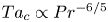
Quasi-Keplerian flow, a special regime of Taylor–Couette co-rotating flow, is of great astrophysical interest for studying angular momentum transport in accretion disks. The well-known magnetorotational instability (MRI) successfully explains the flow instability and generation of turbulence in certain accretion disks, but fails to account for these phenomena in protoplanetary disks where magnetic effects are negligible. Given the intrinsic decrease of the temperature in these disks, we examine the effect of radial thermal stratification on three-dimensional global disturbances in linearised quasi-Keplerian flows under radial gravitational acceleration mimicking stellar gravity. Our results show a thermo-hydrodynamic linear instability for both axisymmetric and non-axisymmetric modes across a broad parameter space of the thermally stratified quasi-Keplerian flow. Generally, a decreasing Richardson or Prandtl number stabilises the flow, while a reduced radius ratio destabilises it. This work also provides a quantitative characterisation of the instability. At low Prandtl numbers $Pr$, we observe a scaling relation of the linear critical Taylor number $Ta_c\propto Pr^{-6/5}$. Extrapolating the observed scaling to high $Ta$ and low $Pr$ may suggest the relevance of the instability to accretion disks. Moreover, even slight thermal stratification, characterised by a low Richardson number, can trigger the flow instability with a small axial wavelength. These findings are qualitatively consistent with the results from a traditional local stability analysis based on short wave approximations. Our study refines the thermally induced linearly unstable transition route in protoplanetary disks to explain angular momentum transport in dead zones where MRI is ineffective.
Major psychiatric disorders (MPDs) are delineated by distinct clinical features. However, overlapping symptoms and transdiagnostic effectiveness of medications have challenged the traditional diagnostic categorisation. We investigate if there are shared and illness-specific disruptions in the regional functional efficiency (RFE) of the brain across these disorders.
Methods
We included 364 participants (118 schizophrenia [SCZ], 80 bipolar disorder [BD], 91 major depressive disorder [MDD], and 75 healthy controls [HCs]). Resting-state fMRI was used to caclulate the RFE based on the static amplitude of low-frequency fluctuation, regional homogeneity, and degree centrality and corresponding dynamic measures indicating variability over time. We used principal component analysis to obtain static and dynamic RFE values. We conducted functional and genetic annotation and enrichment analysis based on abnormal RFE profiles.
Results
SCZ showed higher static RFE in the cortico-striatal regions and excessive variability in the cortico-limbic regions. SCZ and MDD shared lower static RFE with higher dynamic RFE in sensorimotor regions than BD and HCs. We observed association between static RFE abnormalities with reward and sensorimotor functions and dynamic RFE abnormalities with sensorimotor functions. Differential spatial expression of genes related to glutamatergic synapse and calcium/cAMP signaling was more likely in the regions with aberrant RFE.
Conclusions
SCZ shares more regions with disrupted functional integrity, especially in sensorimotor regions, with MDD rather than BD. The neural patterns of these transdiagnostic changes appear to be potentially driven by gene expression variations relating to glutamatergic synapses and calcium/cAMP signaling. The aberrant sensorimotor, cortico-striatal, and cortico-limbic integrity may collectively underlie neurobiological mechanisms of MPDs.
Evidence is scarce in terms of tracking the progress of implementation of mental healthcare plans and policies (MHPPs) in Europe, we aimed to map and analyze the content of MHPPs across the WHO European region.
We collected data from the WHO Mental Health Atlas 2011, 2017 and 2020 to map the development of MHPPs in the region. We contacted 53 key informants from each country in the European region to triangulate the data from WHO Mental Health Atlases and to obtain access to the national mental health plans and policies. We analyzed the content of MHPPs against the four major objectives of the WHO Comprehensive Mental Health Action Plan, and we also focused on the specificity and measurability of their targets.
The number and proportion of countries which have their own MHPPs has increased from 30 (52%) to 43 (91%) between 2011 and 2020. MHPPs are generally in line with the WHO policy, aiming to strengthen care in the community, expand mental health promotion and illness prevention activities, improve quality of care, increase intersectoral collaboration, build workforce and system capacity, and improve adherence to human rights. However, specific, and measurable targets as well as a description of concrete steps, responsibilities and funding sources are mostly missing. They often contain very little information systems, evidence and research, and mostly lack information on evaluating the implementation of MHPPs.
Progress has been made in terms of the development of MHPPs in the WHO Europe. However, MHPPs are often lacking operationalization and appropriate data collection for evaluation. This is then reflected in missing evaluation plans, which in turn leads to lessons not being learned. To enhance the potential for knowledge generation and demonstration of impact, MHPPs should be more specific and contain measurable targets with allocated responsibilities and funding as well as evaluation plans.
In addition to representing a main source of data in linguistic research, example sentences are a core vehicle for linguists in teaching a wide range of phenomena to our students. However, the content of these sentences often reflects the biases of the researchers who construct them: referents are typically given Anglocentric proper names like John and Mary, reflecting (at least implicitly) dominant white culture and conformity to heteronormative gender roles. To support linguists in shifting these practices, we present the Diverse Names Database, a database of 78 names from a variety of languages and cultures, confirmed with native speakers. We outline the goals for the project, introduce our process of developing and adjusting the design, and present some additional issues and reflections for consideration, such as how to use the database as one component of an affirming, anti-racist, and gender-equitable linguistics pedagogy. We aim to generate meta-level discussions about disciplinary conventions and canons, and to challenge the idea that underlying linguistic structures are, or should be, the only things of relevance when constructing example sentences. How we teach linguistics is part of how we practise it, and how we do both matters to the composition and direction of the field.
International development agendas increasingly push for access to healthcare for all through universal healthcare coverage. Health economic evaluations and health technology assessment (HTA) could provide evidence to support this but do not routinely incorporate consideration of equitable access.
Methods
We undertook an international scoping review of health economic evaluation and HTA guidelines to examine how well issues of healthcare access and equity are represented, evidence recommendations, and gaps in current guidance to support evidence generation in this area. Guidelines were sourced from guideline repositories and websites of international agencies and organizations providing best practice methods guidance. Articles providing methods guidance for the conduct of HTA, or health economic evaluation, were included, except where they were not available in English and a suitable translation could not be obtained.
Results
The search yielded forty-seven national, four international, and nine independent guidelines, along with eighty-six articles providing specific methods guidance. The inclusion of equity and access considerations in current guidance is extremely limited. Where they do feature, detail on specific methods for providing evidence on these issues is sparse.
Discussion
Economic evaluation could be a valuable tool to provide evidence for the best healthcare strategies that not only maximize health but also ensure equitable access to care for all. Such evidence would be invaluable in supporting progress towards universal healthcare coverage. Clear guidance is required to ensure evaluations provide evidence on the best strategies to support equitable access to healthcare, but such guidance rarely exists in current best practice and guidance documents.
Since the beginning of mass vaccination campaign for COVID-19 in Italy (December 2020) and following the rapidly increasing vaccine administration, sex differences have been emphasized. Nevertheless, incomplete and frequently incoherent sex-disaggregated data for COVID-19 vaccinations are currently available, and vaccines clinical studies generally do not include sex-specific analyses for safety and efficacy. We looked at sex variations in the COVID-19 vaccine’s effectiveness against infection and severe disease outcomes. We conducted a nationwide retrospective cohort study on Italian population, linking information on COVID-19 vaccine administrations obtained through the Italian National Vaccination Registry, with the COVID-19 integrated surveillance system, held by the Istituto Superiore di Sanità. The results showed that, in all age groups, vaccine effectiveness (VE) was higher in the time-interval ≤120 days post-vaccination. In terms of the sex difference in vaccination effectiveness, men and women were protected against serious illness by vaccination in a comparable way, while men were protected against infection to a somewhat greater extent than women. To fully understand the mechanisms underlying the sex difference in vaccine response and its consequences for vaccine effectiveness and development, further research is required. The sex-related analysis of vaccine response may contribute to adjust vaccination strategies, improving overall public health programmes.
The current conflictual dynamics underlying high-tech rivalry between China and the United States and the management of collateral damages by middle-power countries emanate from the clashes of techno-statecraft. Each country’s pursuit of technological superiority for its own prosperity, security, and prestige through deep and wide state intervention has aggravated the situation. Against this backdrop, our paper attempts to elucidate the dynamics of techno-statecraft of China, the United States, and South Korea. First, we examined the concept of techno-statecraft, which can be differentiated from that of economic statecraft, as an analytical framework of the paper. Second, we looked into China’s technological challenge as shaped by its techno-statecraft. Third, we traced the American threat perception of China’s technological rise and its techno-statecraft response. Fourth, the paper discussed the dilemmas Asian countries are currently facing and their choices through a case study of South Korea. Finally, it draws some theoretical, empirical, and policy implications.
A routine chemical procedure was developed at the Ede Hertelendi Laboratory of Environmental Studies (HEKAL), in Debrecen which can measure the dissolved organic radiocarbon content of groundwater as well as the inorganic and total fraction. The typical background of this non-purgeable dissolved organic radiocarbon preparation is 0.73 ± 0.14 percent modern carbon (pMC), using a carbon contamination correction on fossil dissolved material (potassium hydrogen phthalate) samples.
Psychotic-like experiences (PLEs), especially for persistent PLEs, are highly predictive of subsequent mental health problems. Hence, it is crucial to explore the psychopathological associations underlying the occurrence and persistence of PLEs. This study aimed to explore the above issues through a longitudinal dynamic network approach among PLEs and psychological and psychosocial factors.
Methods
A total of 3,358 college students completed two waves of online survey (from Oct 2021 to Oct 2022). Socio-demographic information was collected at baseline, and PLEs, depressive and anxiety symptoms, and adverse life events were assessed in both waves. Cross-lagged panel network analyses were used to establish networks among individuals with baseline PLEs as well as those without.
Results
At baseline, 455(13.5%) students were screened positive for PLEs. Distinct dynamic network structures were revealed among participants with baseline PLEs and those without. While ‘psychomotor disturbance’ had the strongest connection with PLEs in participants with baseline PLEs, ‘suicide/self-harm’ was most associated with PLEs in those without. Among all three subtypes of PLEs, bizarre experiences and persecutory ideation were the most affected nodes by other constructs in participants with baseline PLEs and those without, respectively. Additionally, wide interconnections within the PLEs construct existed only among participants without baseline PLEs.
Conclusions
The study provides time-variant associations between PLEs and depressive symptoms, anxiety symptoms, and adverse life events using network structures. These findings help to reveal the crucial markers of the occurrence and persistence of PLEs, and shed high light on future intervention aimed to prevent and relieve PLEs.
I survey my career in philosophy, which encompasses 44 years of teaching in Halifax, but begins in London, England with a thesis on self-deception. I describe a practice of using works of literature as a guide to conceptual analysis, and pause in Vienna to translate On Last Things (Weininger, 2001). A line of Wittgenstein's is the basis for reflections on the concept of a Last Judgement. I discuss in some detail a paper of mine for the Atlantic Region Philosophers’ Association in 2018, “One Last Thing,” which takes as its basis The Sense of an Ending, a novel by Julian Barnes. I conclude with some claims about Wittgenstein's relation to religion. I add an Appendix, in which I comment briefly on each of the other articles that make up this symposium.
By coupling long-range polymerase chain reaction, wastewater-based epidemiology, and pathogen sequencing, we show that adenovirus type 41 hexon-sequence lineages, described in children with hepatitis of unknown origin in the United States in 2021, were already circulating within the country in 2019. We also observed other lineages in the wastewater, whose complete genomes have yet to be documented from clinical samples.
Pests and diseases like citrus greening that threaten agricultural productivity also pose a risk to consumers. Reductions in food supply due to outbreaks and spread could increase food prices. We model U.S. household fruit demand using a Quadratic Almost Ideal Demand System and data from Circana’s 2020 and 2021 household panel. Price and income elasticity estimates reveal how household behavior might adjust with shocks to citrus and other fruit prices. Shocks to retail fruit prices can be from either citrus greening or other phenomena such as adverse weather. We also use compensating variation to estimate the impact that changes in fruit prices could have on consumer welfare.
ADHD symptoms are associated with emotional problems such as depressive and anxiety symptoms from early childhood to adulthood, with the association increasing with age. A shared aetiology and/or a causal relationship could explain their correlation. In the current study, we explore these explanations for the association between ADHD symptoms and emotional problems from childhood to adulthood.
Methods
Data were drawn from the Twins Early Development Study (TEDS), including 3675 identical and 7063 non-identical twin pairs. ADHD symptoms and emotional symptoms were reported by parents from childhood to adulthood. Self-report scales were included from early adolescence. Five direction of causation (DoC) twin models were fitted to distinguish whether associations were better explained by shared aetiology and/or causal relationships in early childhood, mid-childhood, early adolescence, late adolescence, and early adulthood. Follow-up analyses explored associations for the two subdomains of ADHD symptoms, hyperactivity-impulsivity and inattention, separately.
Results
The association between ADHD symptoms and emotional problems increased in magnitude from early childhood to adulthood. In the best-fitting models, positive genetic overlap played an important role in this association at all stages. A negative causal effect running from ADHD symptoms to emotional problems was also detected in early childhood and mid-childhood. When distinguishing ADHD subdomains, the apparent protective effect of ADHD symptoms on emotional problems in childhood was mostly driven by hyperactivity-impulsivity.
Conclusions
Genetic overlap plays an important role in the association between ADHD symptoms and emotional problems. Hyperactivity-impulsivity may protect children from emotional problems in childhood, but this protective effect diminishes after adolescence.
Individuals may experience health issues attributable to environmental pollution, sedentary lifestyles, and unhealthy dietary habits. In response, numerous non-pharmaceutical treatments and techniques have emerged, with therapy mud being one such approach. The primary aim of this research was to analyze the chemical and mineralogical compositions of peloids obtained from six salt lakes: Taigan (LI), Duruu (LII), Khadaasan (LIII), Ikhes (LIV), Tonkhil (LV), and Khulmaa (LVI) in the Gobi-Altai province of Mongolia. Sample analyses involved X-ray diffraction for mineralogical assessment and inductively coupled plasma-mass spectrometry (Agilent Technologies 7800 series in Canada) for determining the chemical composition of the solid phase. Among essential macro- and microelements, Mg, Cа, Na, K, Sr, Ga, Mo, and Se had been leached from peloid to artificial sweat. Sn (0.01 μg g–1) at LIV and LVI lakes and Cu (0.01 μg g–1) at LV lake transferred from peloids to sweat, but no mobility of these elements in other peloids was detected. Li (0.02–0.04 μg g–1) was adsorbed from the sweat to potential peloids in LV, LIV, LIII, and LI lakes, while As (0.04–0.09 μg g–1) leached from peloids to sweat in all lakes except for LII. Zn (0.01 μg g–1) and Cr (0.04 μg g–1) transferred from the sweat to peloids in all lakes. Macroelements (Na, K, Ca, and Mg) and microelements (Mo, Se), which are essential for the human body, leached from the peloid to sweat. However, the mobility of toxic elements was minimal. Among micro-elements, the transition of Sr occurred the most, which can be explained by the Sr content in the peloid.
The design of gas turbine combustors for optimal operation at different power ratings is a multifaceted engineering task, as it requires the consideration of several objectives that must be evaluated under different test conditions. We address this challenge by presenting a data-driven approach that uses multiple probabilistic surrogate models derived from Gaussian process regression to automatically select optimal combustor designs from a large parameter space, requiring only a few experimental data points. We present two strategies for surrogate model training that differ in terms of required experimental and computational efforts. Depending on the measurement time and cost for a target, one of the strategies may be preferred. We apply the methodology to train three surrogate models under operating conditions where the corresponding design objectives are critical: reduction of NOx emissions, prevention of lean flame extinction, and mitigation of thermoacoustic oscillations. Once trained, the models can be flexibly used for different forms of a posteriori design optimization, as we demonstrate in this study.
Existing research into the deindustrialization that afflicted northern England and Scotland during the twentieth century has focused predominantly on men’s experiences of unemployment and strikes. In contrast, this article examines the relationship between women’s employment and deindustrialization through the lens of three new towns in north-west England. Skelmersdale, Runcorn, and Central Lancashire were established during the 1960s and 1970s, partly with the aim of attracting employers and workers to a region experiencing industrial decline. Competing constructions of women’s work, both paid and unpaid, informed how the towns were planned, managed, and experienced. The new towns widened employment opportunities for female workers, but they did not significantly reshape gender roles because women remained responsible for housework and childcare while men were conceptualized as breadwinners. To explore this contradiction, the article analyses archival material produced by the development corporations that planned the new towns, alongside original oral history interviews conducted with women who lived and worked in them. It argues that even in situations of deindustrialization and rising male unemployment, women’s jobs did not displace men’s. Rather, the new towns represented a continuation of and a departure from existing patterns of employment, demonstrating that state-led urban development was fraught with gendered tensions.
Recruiting and retaining research participants is challenging because it often requires overcoming structural barriers and addressing how histories of mistrust and individuals’ lived experiences affect their research engagement. We describe a pilot workshop designed to educate clinical research professionals on using empathy skills to recognize and mitigate bias to improve recruitment and retention. In a post-workshop survey (22/31 participants completed), 94% agreed the workshop helped them practice perspective-taking, recognize implicit bias, and identify opportunities for empathy. Participants reported increased confidence in key recruitment and retention skills (p < 0.05). Future studies will evaluate whether this translates into improved recruitment.
What are the most challenging ethical dilemmas for politicians, and how do they handle them? The classical literature on ethical dilemmas in politics has mainly explored them as conflicts between ethical principles in high-stakes decisions. However, empirical evidence of the extent to which such dilemmas accurately reflect the experience of most politicians is scarce. Drawing on extensive in-depth interviews with Swedish parliamentarians, I show that their dilemmas stem mainly from powerlessness. Powerlessness in politics manifests itself in primarily two ways: relational powerlessness, which is driven by constraints like party and constituency loyalties, and inherent powerlessness due to formal and informal barriers like constitutional mandates and limited time and resources. This study contributes to the field of political ethics by anchoring political dilemmas in everyday democratic politics and by introducing powerlessness as a new central concept. In doing so, it supplements our understanding of ethical dilemmas in politics with insights from those confronting them.
School food has a major influence on children’s diet quality and has the potential to reduce diet inequalities and non-communicable disease risk. Funded by the UK Prevention Research Partnership, we have established a UK school food system network. The overarching aim was to build a community to work towards a more health-promoting food and nutrition system in UK schools. The network has brought together a team from a range of disciplines, while the inclusion of non-academic users and other stakeholders, such as pupils and parents, has allowed the co-development of research priorities and questions. This network has used a combination of workshops, working groups and pump-priming projects to explore the school food system, as well as creating a systems map of the UK school food system and conducting network analysis of the newly established network. Through understanding the current food system and building network expertise, we hope to advance research and policy around food in schools. Further funding has been achieved based on these findings, working in partnership with policymakers and schools, while a Nutrition Society Special Interest Group has been established to ensure maximum engagement and future sustainability of the network. This review will describe the key findings and progress to date based on the work of the network, as well as a summary of the current literature, identification of knowledge gaps and areas of debate, according to key elements of the school food system.