To save content items to your account,
please confirm that you agree to abide by our usage policies.
If this is the first time you use this feature, you will be asked to authorise Cambridge Core to connect with your account.
Find out more about saving content to .
To save content items to your Kindle, first ensure no-reply@cambridge.org
is added to your Approved Personal Document E-mail List under your Personal Document Settings
on the Manage Your Content and Devices page of your Amazon account. Then enter the ‘name’ part
of your Kindle email address below.
Find out more about saving to your Kindle.
Note you can select to save to either the @free.kindle.com or @kindle.com variations.
‘@free.kindle.com’ emails are free but can only be saved to your device when it is connected to wi-fi.
‘@kindle.com’ emails can be delivered even when you are not connected to wi-fi, but note that service fees apply.
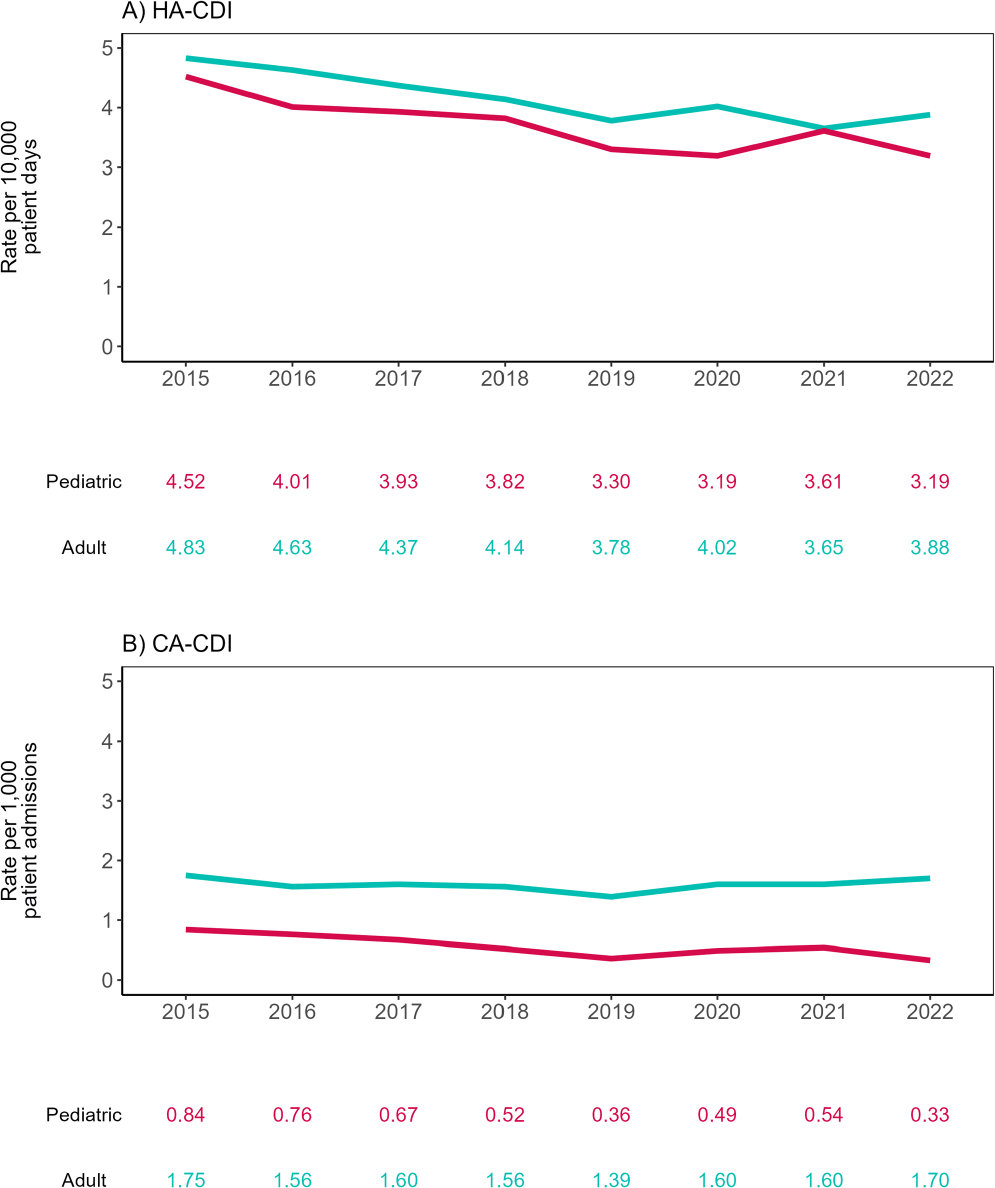
Background: The molecular and epidemiological landscape of C. difficile infection (CDI) has evolved markedly in the last decade; however, limited information is available contrasting differences between adult and pediatric populations. We describe a multicenter study evaluating healthcare-associated (HA) and community-associated (CA) adult and pediatric-CDI identified in the Canadian Nosocomial Infection Surveillance Program (CNISP) network from 2015 to 2022. Methods: Hospitalized patients with CDI were identified from up to 84 hospitals between 2015–2022 using standardized case definitions. Cases were confirmed by PCR, cultured, and further characterized using ribotyping and E-test. We used two-tailed tests for significance (p≤0.05). Results: Of 30,817 cases reported, 29,245 were adult cases [HA-CDI (73.2%), CA-CDI (26.8%)] and 1,572 were pediatric cases [HA-CDI (77.7%), CA-CDI (22.3%)]. From 2015 to 2022, HA-CDI rates decreased 19.7% (p=0.007) and 29.4% (p=0.004) in adult and pediatric populations, respectively (Figure 1). CA-CDI rates remained relatively stable in the adult population (p=0.797), while decreasing 60.7% in the pediatric population (p=0.013). Median ages of adult and pediatric patients were 70 (interquartile range (IQR), 58–80) and seven (IQR, 3–13) years, respectively. Thirty-day all-cause mortality was significantly higher among adult vs. Pediatric CDI patients (11.0% vs 1.4%, p < 0.0001). No significant differences in other severe outcomes were found. Ribotyping and susceptibility data were available for 4,620 samples: 3,558 adult (77.0%) and 1,062 pediatric (23.0%). The predominant adult and pediatric ribotypes (RT) were 106 (12.2/16.2%), 027 (11.4/3.2%), and 014 (8.8/8.2%). Overall, RT027 prevalence significantly decreased from 17.9% in 2015 to 3.2% in 2022 (p=0.003), while RT106 increased from 8.5% to 14.4%. Resistance rates among adult and pediatric isolates were similar for all antimicrobials tested except moxifloxacin (16.2% vs. 6.2%, p < 0.0001, respectively). Adult moxifloxacin resistance decreased from 30% to 6.3% from 2015 to 2022 (p=0.006). Adults with moxifloxacin-resistant CDI were older (median: 74 vs. 69 years, p < 0.001) and had higher thirty-day all-cause mortality (13% vs. 9.8%, p=0.041) and recurrence (10% vs. 5.7%, p < 0.001) compared to those with moxifloxacin non-resistant CDI, while these trends were not observed in pediatric patients. Among RT027 strains, moxifloxacin resistance decreased from 91.0% in 2015 to 7.1% in 2022. There was one metronidazole-resistant pediatric sample in 2018 and no resistance to vancomycin or tigecycline in either population. Conclusion: We have found differences in the epidemiological and molecular characteristics of adult and pediatric CDI, with higher thirty-day all-cause mortality among adults. Overall, RT106 has replaced RT027 as the predominant ribotype with a concomitant decrease in fluoroquinolone resistance.
Although influential models of public opinion hold that group sentiments play an important role in shaping political beliefs, they often assume that group attitudes stem from socialization and are thus exogenous to politics. We challenge this assumption, arguing that group attitudes may themselves be the consequence of political views. Across three survey experiments that each uses a unique social group–issue pair, we consistently demonstrate that attitudes toward groups are influenced by information about the groups' policy views. These findings persist even when accounting for potential partisan signaling. Altogether, these results show that group sentiments should not be regarded as wholly exogenous to policy concerns and suggest that the use of group-based heuristics can be consistent with instrumental models of public opinion.
Background: Infection prevention and control assessments in healthcare settings serve as a primary resource for obtaining data and providing recommendations based on safety, compliance, and quality assurance guidelines. In Puerto Rico (PR), surgical site infections are underreported in the Epi Info platform used by the Puerto Rico Department of Health (PRDOH), mainly due to the complexity of their identification. By focusing on evaluating Operating Rooms/Sterile Processing and Distribution (OR/SPD) units in acute care facilities (ACFs), our goal is to generate new data within the Healthcare-Associated Infection/Antibiotic Resistance (HAI/AR) Program, specifically related to patient management throughout preoperative, intraoperative, and postoperative phases, as well as reprocessing practices. Methods: Nineteen evaluations of ACFs' OR/SPDs were conducted from May through December 2023. Direct observations, file reviews, and personnel assessments were performed using an infection control assessment and response (ICAR) tool developed collaboratively by a team from an acute facility in PR and the HAI/AR Program staff. This ICAR Tool was customized based on guidelines from the certified Board for Sterile Processing and Distribution (CBSPD), the Association of periOperative Registered Nurses (AORN), and the Association for the Advancement of Medical Instrumentation (AAMI), among other regulatory agencies. The Division of Health Quality Promotion (DHQP) reviewed and approved the tool for use in these evaluations. Results: Key findings indicate that 32% of Sterile Processing Department (SPD) units restrict access to dedicated personnel with available manufacturer’s instructions, yet only 36% of SPD personnel are certified in CBSPD and packaging practices. Only 10% of facilities had a water treatment system for sterilization and Immediate Use Steam Sterilization (IUSS) policies. Notably, 84% of endoscopy areas require additional equipment for cultivating endoscopes, and no facility possessed a borescope for visually inspecting endoscope lumens. Tray inspection occurred in 21%, and only 31% of staff knew the Spaulding Classification and Class V Indicators. Conclusion: These data underscore the necessity of evaluating OR/SPD units in ACFs to provide updated recommendations and mitigate the incidence of surgical site infections (SSI). They offer insight into the structural and functional status of OR/SPD units in Puerto Rico, aligning reporting with OR/SPD practices to enhance patient care and minimize infection risks.
Background: Candida auris infection is associated with high morbidity and mortality. C. auris can persist in the healthcare environment and is associated with outbreaks. We compare screening strategies for C. auris in two high-risk patient populations. Methods: Our center is a tertiary, 865-bed hospital. In the context of known regional outbreaks of C. auris in post-acute care (PAC) facilities, we experienced extended clusters of apparent C. auris acquisition across several hospital units. Hospital acquisition was defined as new C. auris in clinical cultures in patients with no known history of C. auris colonization/infection. We performed point prevalence surveys (PPS) on affected units weekly until all tests were negative for two consecutive weeks. We also initiated admission screening for C. auris for patients admitted from PAC. All screening swabs were collected per CDC’s procedure. Tests were performed either by RT-PCR or Chromagar C. auris media, depending on availability. We compared the overall positivity rates of exposure PPS versus PAC admission screenings using Z-test for two proportions with statistical significance set at p < 0 .05 Results: From 2/2023-12/2023, a total of 533 tests on 367 unique patients were processed during PPS; 512 tests were negative and 21 were positive (3.9% positivity rate). Three additional samples were either unable to be processed or indeterminate. There were 68 patients who had repeat testing weekly for ≥2 weeks. Most remained negative, but 5 tested positive after variable amounts of negative-week intervals: 3 patients at week 2, 1 patient at week 4 and 1 patient at week 5. From 8/2023 to 12/2023, a total of 89 patients admitted from 35 different PAC facilities underwent admission screening for C. auris. Only three patients were positive (3.4%), each from a different facility. The difference in the positivity rates between PPS and PAC was not statistically significant (Z-score 0.25, p = 0.79). Discussion: Our C. auris screening strategies found similar positivity rates for patients admitted to the hospital from PACs compared to targeted PPS in the setting of apparent hospital acquisition events. These strategies may be considered as complementary. Facilities experiencing apparent acquisition events should consider screening high-risk admissions to identify and isolate colonized patients, particularly if standard infection prevention practices are being performed with high fidelity.
Background: Immediate use steam sterilization (IUSS) is a potential risk factor for surgical site infection (SSI). During a regulatory survey, it was discovered that IUSS rates for a 767-bed hospital exceeded what had been reported to Infection Prevention (IP) and surgery leaders (estimated at an average of 60 instances per month, with approximately 40 of those in orthopedic cases). A Quality Improvement (QI) project to reduce IUSS was implemented. Methods: The QI project started with the requirement of three signatures for every cycle of IUSS (surgery management, sterilization management, and IP). Additional trays were ordered to provide an ample supply for cases. Surgery personnel were no longer allowed to perform IUSS, and the number of sterilizers available for IUSS was reduced from 8 to 1. The project was fully implemented as of December 2019. To evaluate the impact, SSI rates for hip and knee prothesis were compared using chi square analysis (Epi Info, CDC); before QI project rates were measured from 2017-2019 and after QI project rates were measured for 2020-2022. No other changes were made that were anticipated to impact orthopedic SSI rates. Results: There were no instruments or implants processed by IUSS after December 2019. Prior to the project, there were 9 hip SSI (rate = 0.54 per 100 procedures) and 14 knee SSI (rate = 0.49 per 100 procedures). After the project, hip SSI decreased by 76% (2 SSI, rate = 0.13 per 100 procedures, p = < 0 .05) and knee SSI decreased by 18% (7 SSI, rate = 0.41 per 100 procedures, p=0.67). Conclusion: A multidisciplinary QI project was successful at drastically reducing the use of IUSS, and a correlating statistically significant decrease in hip SSI and clinically significant decrease in knee SSI was seen for 3 years after the project was completed.
Background: Among children who start antibiotics for suspected urinary tract infection (UTI) in emergency departments (EDs), 40-60% have negative urine cultures or other results inconsistent with UTI. Practices contributing to excess antibiotic exposure are not well understood. The goal of this study was to understand diagnostic and post-encounter follow-up processes in children who received antibiotics, in order to define targets for intervention. Methods: We identified encounters by children evaluated in two pediatric EDs, over 2 months in the first ED and 9 months in the second ED, to balance different visit volumes. Children 2 months-17 years old were included if they had a urinalysis (UA) and/or urine culture performed, were assigned a primary or secondary diagnosis code for UTI, and initiated antibiotics. Patients were excluded if they received antibiotics prior to the encounter, had prior urologic surgery or device placement, or were immunocompromised or pregnant. Data abstracted by chart review included demographics, documented symptoms, test results, and documented urine culture review and management. Possible UTI symptoms per pediatric criteria included fever, dysuria, urinary frequency, urgency, or hesitancy, suprapubic, abdominal or flank pain, foul smelling urine, or new urinary incontinence. In both EDs, nurses review urine cultures and document changes to treatment plans. Final urine culture results were considered inconsistent with UTI if there was 1) no growth or 2) only mixed growth reported with quantity < 1 00,000 colony forming units/ml. Results: Of 150 eligible children, 146 (97%) had at least one UTI symptom and 146 (97%) had abnormal UA Results: Urine cultures were not performed in 27 (18%) children. Of 123 encounters with urine cultures performed, 71 (58%) had results inconsistent with UTI. Though 67/71 cultures were marked as reviewed, 43/67 (64%) of the patients who could have stopped antibiotics per guideline recommendations did not have documented plans to stop. In those who had documented plans to stop antibiotics, nurses reached 20/23 (87%) caregivers by phone to communicate these recommendations. Conclusion: Many children suspected to have UTI at the time of ED evaluation do not meet criteria for UTI. We found that the most frequent departures from evidence-based practice recommendations were 1) not sending urine cultures, and 2) not stopping antibiotics when culture results did not support the suspected UTI diagnosis. Further investigation should explore barriers and facilitators to these evidence-based practices to develop population- and context-specific diagnostic stewardship strategies.
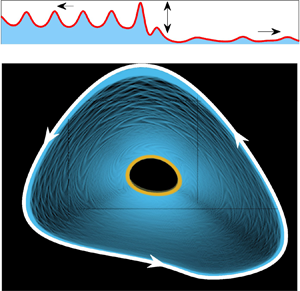
Two-dimensional free-surface flow over localised topography is examined, with the emphasis on the stability of hydraulic-fall solutions. A Gaussian topography profile is assumed with a positive or negative amplitude modelling a bump or a dip, respectively. Steady hydraulic-fall solutions to the full incompressible, irrotational Euler equations are computed, and their linear and nonlinear stability is analysed by computing eigenspectra of the pertinent linearised operator and by solving an initial value problem. The computations are carried out numerically using a specially developed computational framework based on the finite-element method. The Hamiltonian structure of the problem is demonstrated, and stability is determined by computing eigenspectra of the pertinent linearised operator. It is found that a hydraulic-fall flow over a bump is spectrally stable. The corresponding flow over a dip is found to be linearly unstable. In the latter case, time-dependent simulations show that ultimately, the flow settles into a time-periodic motion that corresponds to an invariant solution in an appropriately defined phase space. Physically, the solution consists of a localised large-amplitude wave that pulsates above the dip while simultaneously emitting nonlinear cnoidal waves in the upstream direction and multi-harmonic linear waves in the downstream direction.
Congenital heart disease is the most common birth defect in the United States, with many of the affected infants requiring surgical and/or interventional procedures within their first year of life. The parental impacts of a child’s diagnosis, subsequent hospitalization, and transition to home after discharge are numerous and burdensome, and many experience symptoms of traumatic stress along this trajectory. The purpose of this scoping review was to summarize current available literature related to the traumatic stress experienced by parents of children with heart disease to better understand the prevalence, related factors, and consequences. The Joanna Briggs Institute Scoping Review Framework was implemented to identify 31 relevant peer-reviewed articles published between 2000 and early 2024, including 25 quantitative studies, 3 qualitative studies, and 3 systematic reviews or meta-analyses. This scoping review provides an overview of parent traumatic stress for clinicians caring for children with heart disease at every stage of their clinical course.
Background: Hospital acquired infections (HAI) are of interest given their resultant morbidity, mortality, and hospital utilization. Among HAIs, central line associated bloodstream infections result in the highest rates of mortality and additional costs. While all central venous catheters (CVC) carry risk for BSI, long-term catheter use is at increased risk. One population that utilize CVCs for extended durations are those undergoing hemodialysis. While data are available characterizing BSI impacts on outpatient hemodialysis patients, little data exist describing inpatients. The purpose of this study was to characterize the demographics, outcomes, and economics associated with the development of hospital acquired BSI (HA-BSI) in patients undergoing hemodialysis through a CVC (HD-CVC). Methods: All admissions of adult patients in the Premier Healthcare Database with hospital stays including HD-CVC with discharge dates during 2020-2022 were retrospectively evaluated. BSIs were identified by ICD-10 codes and blood culture collection dates. A BSI was deemed hospital acquired if the blood culture date was ≥3 calendar days after admission. Descriptive analyses were undertaken for HA-BSI patients including: baseline demographics, clinical characteristics, and outcomes. Length of stay (LOS), ICU utilization, and estimated costs were evaluated for HAI-BSI and non-BSI populations. Results: 166,394 admissions from 91,448 patients were identified. Of these, 5,722 patients (6.3%) had 5,842 admissions with a HA-BSI. These patients were 58.9% white, 28.3% black, 56.8% male, and 62.9% were aged ≥60years. Patients had considerable comorbidities at baseline with 88.9% having ≥2 Charlson comorbid conditions and 46.9% with ≥6. During the study period, all-cause mortality was 27.8% for HA-BSI patients with 85.5% of deaths occurring while inpatient. Median LOS for patients with HA-BSI was 25 days compared with 6 days for HD-CVC without BSI; patients with HA-BSI were also more likely to require the ICU (65.6% vs. 27.6%). The median ICU LOS was 12 days for HA-BSI versus 34 days for HD-CVC without BSI. Greater intensity of healthcare utilization was reflected in median costs of $402K for HA-BSI, compared with $43K for HD-CVC without BSI. Discussion: We described the characteristics of HD-CVC patients that developed HA-BSI. These patients had many comorbidities and relatively high rates of all-cause in-hospital mortality. Patients were likely to have long LOS, both in-hospital and within the ICU. Collectively, care of these patients was associated with considerable healthcare costs, particularly as compared with HD-CVC patients not developing a HA-BSI. Future studies should characterize risk factors and evaluate potential prevention strategies for this high-risk population.
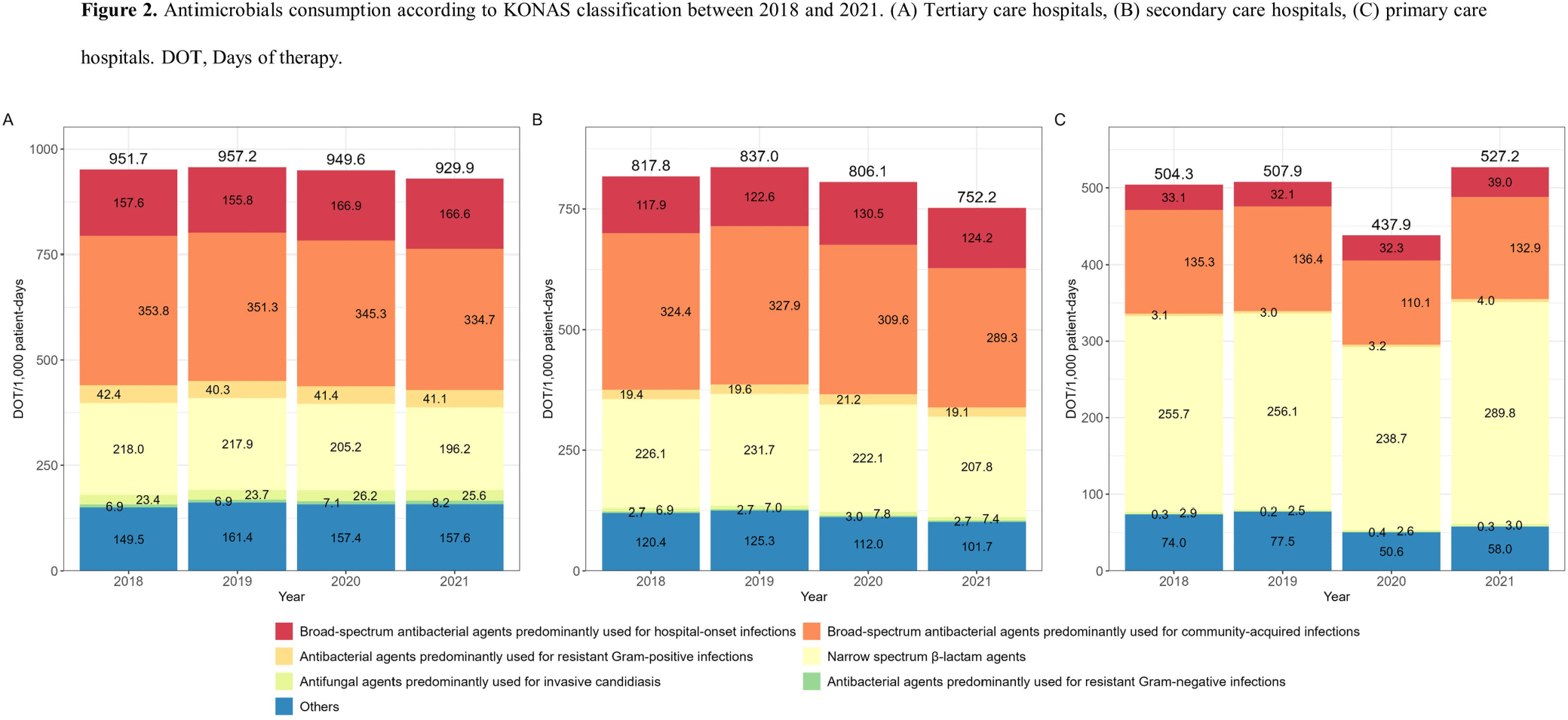
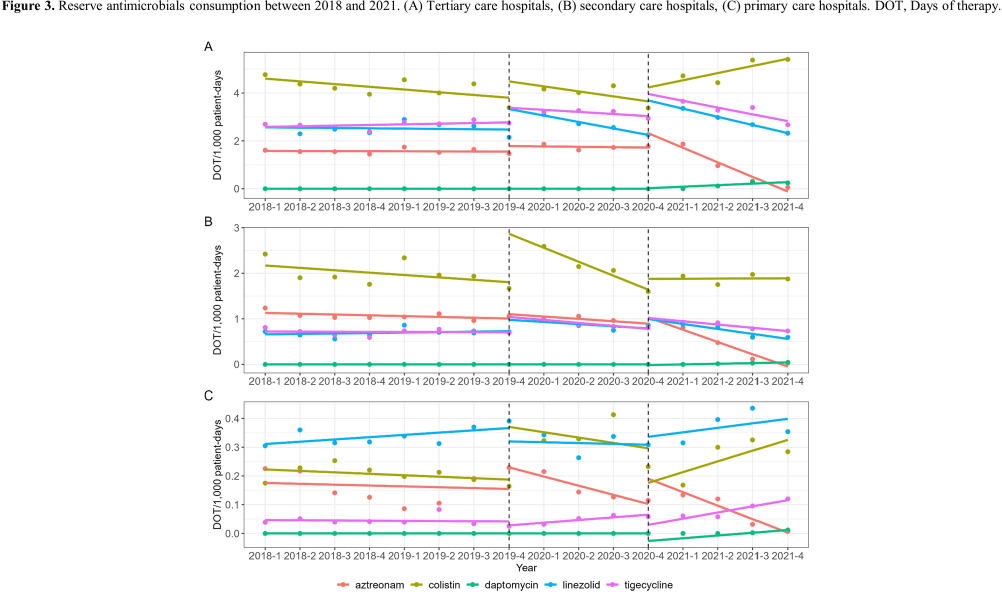
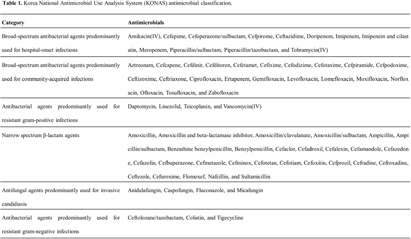
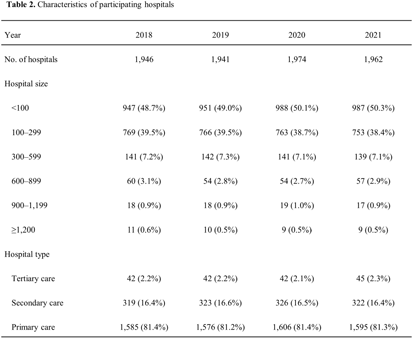
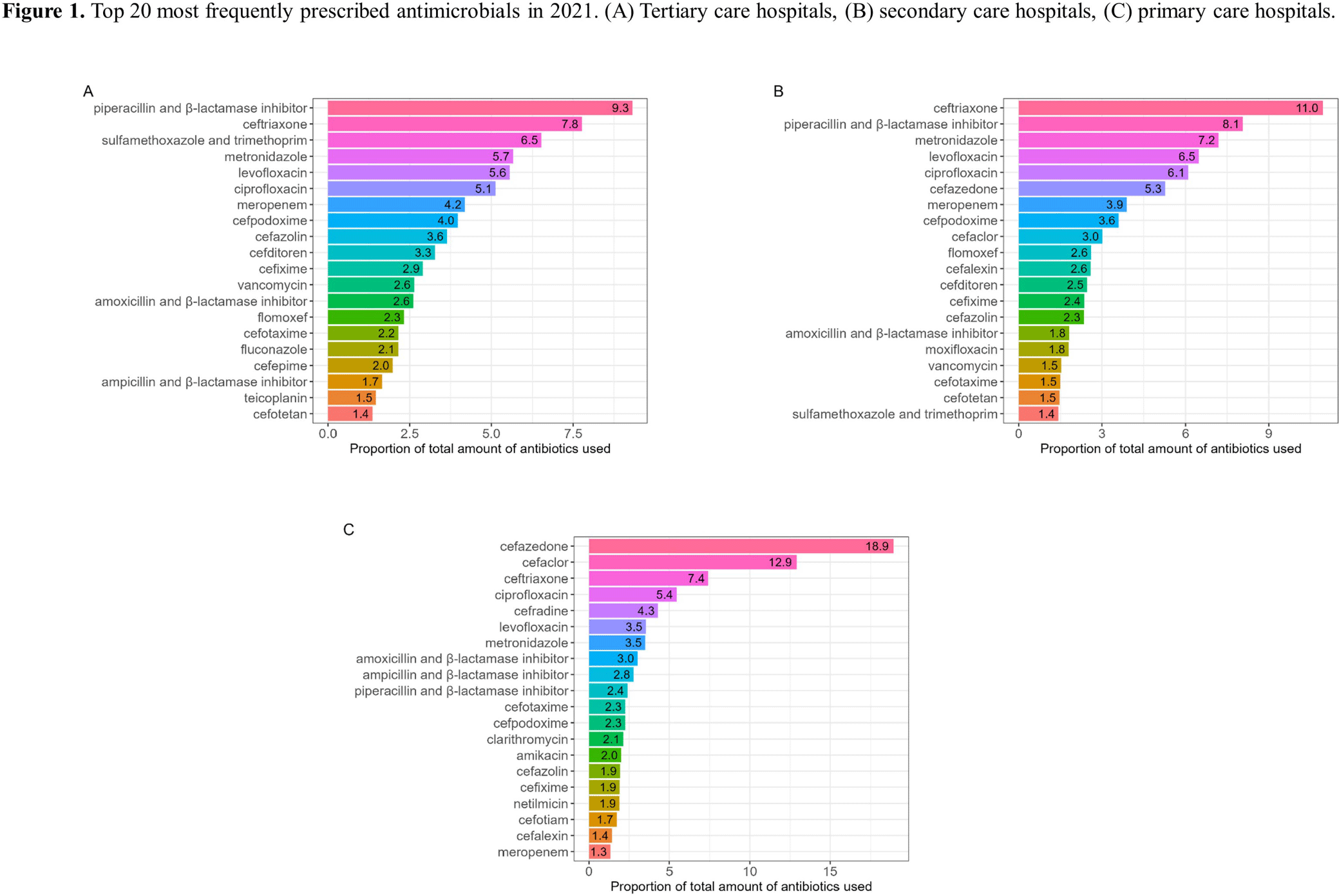
Background: Data on antimicrobial use at the national level is crucial to establish domestic antimicrobial stewardship policies and enable medical institutions to benchmark against each other. This study aimed to analyze antimicrobial use in Korean hospitals. Methods: We investigated the antimicrobials prescribed in Korean hospitals between 2018 and 2021, using data from the Health Insurance Review and Assessment. Primary care hospitals (PCHs), secondary care hospitals (SCHs), and tertiary care hospitals (TCHs) were included in this analysis. Antimicrobials were categorized according to the Korea National Antimicrobial Use Analysis System (KONAS) classification, which is suitable for measuring antimicrobial use in Korean hospitals. Results: Out of more than 1,900 hospitals, PCHs and TCHs represented the largest and lowest percentage of hospitals, respectively. The most frequently prescribed antimicrobial in 2021 was piperacillin/β-lactamase inhibitor (9.3%) in TCHs, ceftriaxone (11.0%) in SCHs, and cefazedone (18.9%) in PCHs. Between 2018 and 2021, the most used antimicrobial class according to the KONAS classification was ‘broad-spectrum antibacterial agents predominantly used for community-acquired infections’ in TCHs and SCHs, and 'narrow spectrum beta-lactam agents' in PCH. Total consumption of antimicrobials has decreased from 951.7 to 929.9 days of therapy (DOT)/1,000 patient-days in TCHs and from 817.8 to 752.2 DOT/1,000 patient-days in SCHs during study period, but not in PCHs (from 504.3 to 527.2 DOT/1,000 patient-days). Moreover, in 2021, while use of reserve antimicrobials has decreased from 13.6 to 10.7 DOT/1,000 patient-days in TCHs and from 4.6 to 3.3 DOT/1,000 patient-days in SCHs, it has increased from 0.7 to 0.8 DOT/1,000 patient-days in PCHs. Conclusion: This study confirms that antimicrobial use differs by hospital type in Korea. Recent increases of use of antimicrobials, including reserve antimicrobials, in PCHs reflect the challenges that must be addressed.
To explore the views of general practitioners (GPs) and nurses on type 2 diabetes (T2D) management, including the use of recently funded T2D medications in New Zealand (NZ) and their perceived barriers to providing optimal care.
Background:
T2D is a significant health concern in NZ, particularly among Māori and Pacific adults. Characterised by prolonged hyperglycaemia, T2D is generally a progressive condition requiring long-term care.
Methods:
Semi-structured interviews were conducted between July and December 2022 with 21 primary care clinicians (10 GPs and 11 nurses/nurse prescribers) from nine different general practice clinics across the Auckland and Waikato regions of NZ. Framework analysis was conducted to identify common themes in clinicians’ perceptions and experiences with T2D management.
Findings:
Three themes were identified: health-system factors, new medications, and solution-based approaches. Lack of clinician time, healthcare funding, staff shortages, and burn-out were identified as barriers to T2D management under health-system factors. The two newly funded medications, empagliflozin and dulaglutide, were deemed to be a positive change for T2D care in that they improved patient satisfaction and clinical outcomes, but several clinicians were hesitant to prescribe these medications. Participants suggested that additional education and specialist diabetes support would be helpful to inform optimal medication prescribing and that better use of a multi-disciplinary team (clinical and support staff) could support T2D care by reducing workload, addressing cultural gaps in healthcare delivery, and reducing burnout. An improved primary care work environment, including appropriate professional development to support prescribing of new medications and the value of collaboration with a non-regulated workforce, may be required to facilitate optimal T2D management in primary care. Future research should focus on interventions to increase support for both clinical teams and patients while adopting a culturally appropriate approach to increase patient satisfaction and improve health outcomes.
Optimal diet and nutrition is vital for military readiness, performance and recovery. Previous research on military diets has primarily focused on the nutritional composition of field/combat rations and dietary intake during deployment. There is accumulating research exploring the usual free-living dietary intake and nutritional status of defence members in garrison (i.e. military bases on which personnel are stationed). However, no comprehensive review has been conducted to assess the overall dietary quality of defence members internationally. Therefore, this review assessed the diets of military populations against national nutritional guidelines and Military Dietary Reference Intakes (MDRI). A systematic literature review of original research was conducted. CINAHL, Medline (EBSCO), Scopus (Elsevier), PubMed and AMED databases were searched up to the 20/02/2023. A total of thirty-six studies met the inclusion criteria. The overall quality of included studies was high, with a low risk of bias. The diet quality scores indicate poor to fair diet quality among defence members. Defence members display low intakes of fruits, vegetables, wholegrains, seafood, plant protein and nuts and high intakes of added sugars, trans fat and processed meat. Results also indicated suboptimal intake of fibre, essential fatty acids, vitamin A, vitamin E, folate, Mg, Zn and iodine. This may lead to reduced performance, increased risk of chronic diseases and mental health disorders. More research is needed to assess the long-term consequences of poor diet quality in defence members. These results require the attention of policymakers to ensure that military education and food environment is supportive of healthy eating.
Whether a topic is seen in a moral or moral-emotional light has significant political implications. Yet, we lack knowledge about the process of moralization: Who defines the way topics are communicated about? Where prior research has investigated the relative power of different actors to place a topic on the agenda or shape opinions, we study who sets the moral and moral-emotional tone of debate. To do so, we zoom in on immigration discourse in Germany and analyze fine-grained social media data from politicians, political parties, newspapers, and members of the public over a period of more than four years. After employing a transformer model to identify moral and moral-emotional appeals, we use structural vector autoregression models to demonstrate the important role of radical-right challengers in shaping public discourse in a negative moral-emotional direction. The results inform theories of moralization and political entrepreneurship.
Despite thousands of individuals entering the illegal wildlife trade each year, assessments of pangolin populations are largely non-existent, even in areas with high exploitation and limited personnel and field equipment. Although pangolins have unique keratin-based scales, there is no universal scale-marking method for individuals despite some pangolin conservation programmes utilizing marking for reference and cataloguing. Each programme currently establishes and manages its own system, resulting in inconsistencies and limiting data sharing. To facilitate pangolin monitoring and research, we developed a standardized method for assigning individual identification numbers, which we call the Pangolin Universal Notching System. This system is neither resource nor training intensive, which could facilitate its adoption and implementation globally. Its application could help to address knowledge gaps in pangolin ageing, reproduction, survivorship, migration and local trafficking patterns, and could be used in combination with other tagging techniques for research on pangolin biology.
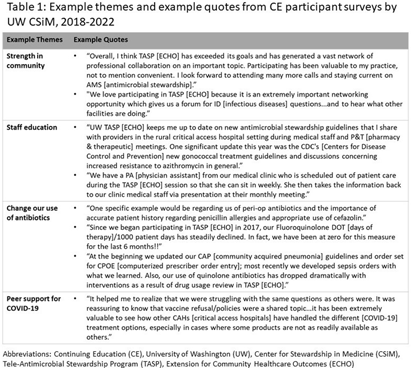
Background: The University of Washington (UW) Center for Stewardship in Medicine (CSiM) supports a tele-antimicrobial stewardship (AMS) program (TASP) using the ECHO approach (Extension for Community Healthcare Outcomes) in small, rural, and Critical Access Hospitals (primarily in the western U.S.) with education, mentoring, organizational capacity building, and a community of peers. To evaluate the continuing education (CE) component of UW-TASP ECHO, CSiM surveyed individuals receiving CE credits as part of the program. This survey was designed to track individuals’ satisfaction with the program and to assess the impact of UW-TASP ECHO on AMS in participating facilities. Methods: The CE participants’ survey was completed annually by individuals participating in UW TASP ECHO using online survey software. The survey included closed-ended and open-ended questions. Responses to open-ended questions were entered into Atlas.ti qualitative analysis software and coded iteratively according to themes that emerged. When a new code emerged partway through the coding process, earlier surveys were re-coded for the new code. Final codes were grouped into themes and sub-themes and quotes from each theme identified were summarized and attached to the theme and reported. Results: Data from three administrations of this survey were available: 2018-2019 (n=66); 2020-2021 (n=27); and 2021-2022 (n=30). These surveys were completed by a total of 95 individuals from 53 hospitals. Seven of these individuals completed a survey in each year, 14 completed a survey in two years, and 74 completed only one survey. Themes identified were COVID-19 support (including procedures and policies, being kept up-to-date, research summaries, and peer support), the antibiotic pocket guide developed by UW, strength in community, staff education, role of CSiM in developing/strengthening the AMS program at the facility, change in use of antibiotics, UW imprimatur, learning/growing as a healthcare provider, and importance for small, rural hospitals (see examples in Table 1). Conclusions: This qualitative analysis provides evidence from surveys of individuals participating in CE that UW TASP ECHO has had a meaningful impact in such domains as building a strong community among small, rural and critical access hospitals, educating staff, changing antibiotic use and providing peer support, among others.
Community health workers and promotoras (CHW/Ps) increasingly support research conducted in communities but receive variable or no training. We developed a culturally and linguistically tailored research best practices course for CHW/Ps that can be taken independently or in facilitated groups. The purpose of this study was to evaluate the facilitated training.
Methods:
CHW/Ps were recruited from communities and partners affiliated with study sites in Michigan, Florida, and California. They participated in virtual or in-person training facilitated by a peer in English or Spanish and then completed a survey about their abilities (i.e., knowledge and skills for participating in research-related work) and perceptions of the training. Linear regression analyses were used to examine differences in training experience across several factors.
Results:
A total of 394 CHW/Ps, mean age 41.6 ± 13.8 years, completed the training and survey (n = 275 English; 119 Spanish). Most CHW/Ps were female (80%), and 50% identified as Hispanic, Latino, or Spanish. Over 95% of CHW/Ps rated their abilities as improved after training; 98% agreed the course was relevant to their work and felt the training was useful. Small differences were observed between training sites.
Discussion:
Most CHW/Ps rated the training positively and noted improved knowledge and skills for engaging in research-related work. Despite slight site differences, the training was well received, and CHW/Ps appreciated having a facilitator with experience working in community-based settings. This course offers a standard and scalable approach to training the CHW/P workforce. Future studies can examine its uptake and effect on research quality.
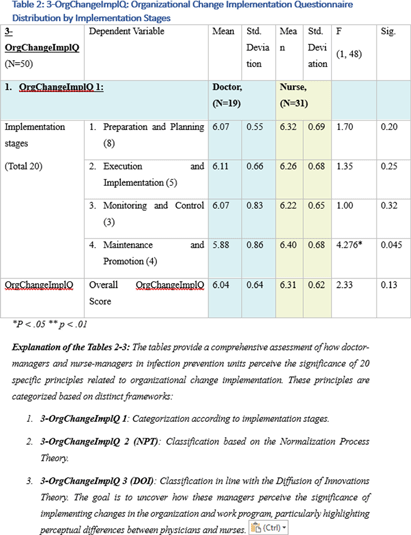
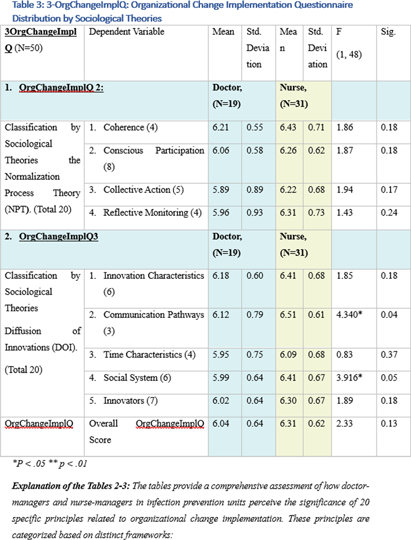
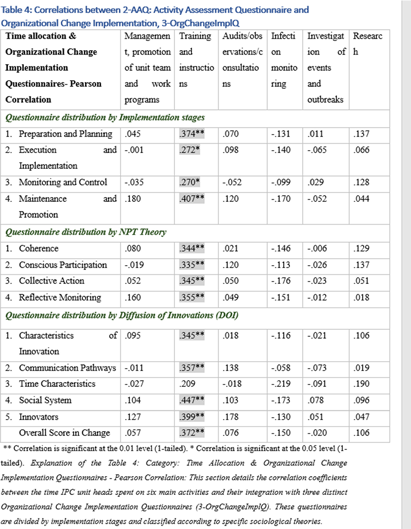
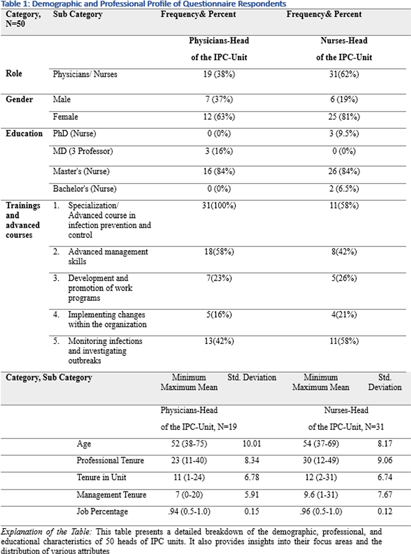
Background: This research, part of a doctoral study, aims to examine the impact of managerial factors on the implementation of Infection Prevention and Control (IPC) measures in Israeli hospitals. The study focuses on identifying key facilitators and barriers from the perspectives of physician and nurse managers, with an emphasis on understanding the integration of managerial strategies and theoretical frameworks in IPC implementation. Objective: The objective is to explore specific managerial factors, both facilitators and barriers, influencing the effective implementation of IPC measures. The research investigates these influences through the lens of physicians and nurses managing IPC units in public hospital settings. Methodology: A mixed-method approach was adopted, involving in-depth interviews with ten IPC-Unit managers (five physicians and five nurses) and a comprehensive questionnaire distributed among IPC-Unit heads. The study’s demographic and professional profiles of participants are detailed in Table 1. The data collection process encompassed an Activity Assessment Questionnaire (2-AAQ) and an Organizational Change Implementation Questionnaire (3-OrgChangeImplQ), with the distribution of responses categorized by implementation stages and sociological theories (Tables 2-4). Result: Managerial autonomy emerged as a significant catalyst for IPC implementation, with supportive leadership and resource allocation being critical. Differences in approaches between physician and nurse managers were observed, reflecting diverse strategies in planning, execution, monitoring, and maintenance of IPC measures. The findings also revealed a natural alignment with sociological theories, particularly Normalization Process Theory (NPT) and Diffusion of Innovations (DOI), despite a lack of formal training in these areas. Conclusions: The study underscores the multifaceted nature of IPC implementation, highlighting the importance of managerial autonomy, supportive leadership, and a deep understanding of organizational culture. The inherent alignment of IPC strategies with NPT and DOI theories suggests the potential of these frameworks in guiding IPC implementation. The research advocates for the integration of these theoretical perspectives into formal training programs to enhance the effectiveness of IPC measures in healthcare settings.
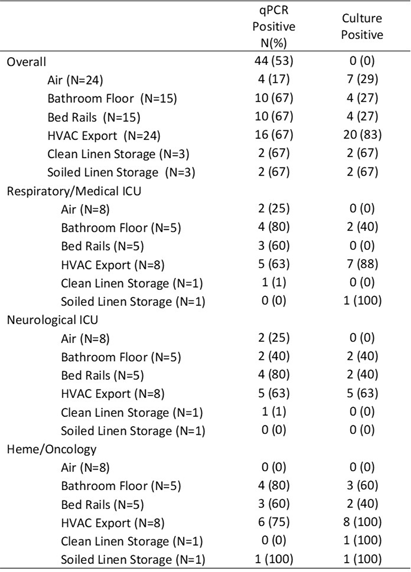
Background: Environmental sampling and detection methods for fungi in healthcare settings are not well-established. We previously refined methods for fungal sampling and detection in a controlled laboratory environment and aimed to validate them in a real-world healthcare setting. Methods: We performed a microbiological analysis of air and surfaces in three inpatient units at a tertiary care center. Surface samples were obtained with foam sponges from 3 locations in patient rooms (Patient bedrails, bathroom floor, HVAC export) and 5 locations in units (HVAC exports 3x, clean linen storage, soiled linen storage). Air samples were taken with an active air sampler directly below HVAC exports. Sponges were processed using the stomacher technique. Samples underwent DNA extraction followed by qPCR with FungiQuant primers targeting the 18S rRNA gene. Amplicons from positive samples were sequenced (NextSeq 1000, 300bp PE) and SmartGene databases were used to interpret sequence data. For comparison to culture methods, samples were also plated onto Sabouraud and HardyCHROM Candida + auris medias. Fungal growth underwent DNA extraction, 18S PCR and Sanger sequencing for genus and species identification. Results: A total of 85 samples were obtained, from 15 patient rooms and three units resulting in 61 surface and 24 air samples. Patients in study rooms had a median age of 53, 9 (60%) were male, and no patients had an invasive fungal infection during their hospital encounter. 44 (53%) and 39 (46%) samples were positive for fungi via qPCR and culture, respectively. Of the 44 positive qPCR samples, microbiome analyses identified at least one fungi to the species, genus and family levels in 43 (98%), 28 (64%), 18 (41%) samples, respectively (Table 1). 114 total isolates were identified of which the most common were Mallassezia restricta (30 [26%]), Malassezia globose (29 [25%]), and Pennicillium paradoxum (4 [4%]). 39 genera were identified of which the most common were Mucor (19 [49%]) and Candida (8 [21%]). Of the 39 culture positive samples, 90 total isolates were recovered. The most common species were Paradendryphiella arenariae (19 [21%]), Aspergillus niger (12 [13%]) and Penicillium commune (12 [13%]). Conclusion: These results demonstrate the presence of diverse fungal species in both air and surface samples across inpatient units. Higher sensitivity was noted utilizing qPCR, however, identified genera and species were markedly different between qPCR and culture methods. Larger studies are needed to assess the efficacy of qPCR for fungal detection in the healthcare environment.
Background: The frequency of Staphylococcus aureus transmission in hospitals is unknown: symptomatic infection may occur months after transmission and colonization, and infection prevention efforts rely on indirect measurements, rather than direct detection of transmission events. We implemented a hospital-based S. aureus screening program, combined with whole genome sequencing of S. aureus surveillance and clinical cultures and data extracted from the electronic health record, to identify S. aureus clonal complex-, patient- and location-specific factors associated with S. aureus transmission in our health system. Methods: Screening S. aureus cultures were obtained at admission by nasal swab for adults admitted to Medicine, Transplant, Oncology and intensive care, and weekly by swab of nares, axilla and groin for children admitted to intensive care and Oncology at NYU Langone Health in New York City. All methicillin-resistant S. aureus (MRSA) from screening and clinical (blood, wound, sputum) cultures and all methicillin-susceptible S. aureus (MSSA) from screening and blood cultures underwent whole genome sequencing. Isolates from distinct patients with < 2 0 single nucleotide pair differences were considered genetically related. Electronic health data was extracted for descriptive statistics and for spatiotemporal plots to assess plausible transmissions. We used REDCap electronic data capture tools hosted at NYU Grossman School of Medicine and SAS software for data analysis to evaluate S. aureus transmissions between November 2022 and November 2023. Results: We analyzed 8,567 S. aureus isolates: including 6,552 screening cultures, 1,008 blood cultures, and 1,007 clinical cultures. We found 424 plausible S. aureus hospital transmissions using sequencing and electronic health data. Screening cultures identified 75% of transmissions that would have otherwise been missed with blood and clinical cultures alone. The majority of positive screening cultures isolated MSSA, but the proportion of transmissions due to MSSA differed by age. In children, MSSA colonization accounted for 62% of transmissions. In adults, only 15% of transmissions were due to MSSA colonization, whereas MRSA colonization accounted for 56% of transmissions. Analysis of adult MRSA isolates by clonal complex found that 45% of transmissions were due to CC8, higher than the 17% among isolates agnostic of transmissions. Emergency departments and the neonatal intensive care unit had the highest number of transmissions. Patients involved in transmissions had longer lengths of stay and frequent hospitalizations. Conclusions: A S. aureus screening program, coupled with genome sequencing and electronic health data, can identify patient group, hospital locations and clonal complexes that are at high risk for S. aureus transmissions.
This study reports on the relationship between timing of initial hepatitis B virus (HBV) vaccine series and HBV antibody immunity in healthcare personnel (HCP) screened prior to employment. HCPs vaccinated as neonates were significantly more likely to have negative or indeterminate antibodies. An alternative screening approach is considered.