To save content items to your account,
please confirm that you agree to abide by our usage policies.
If this is the first time you use this feature, you will be asked to authorise Cambridge Core to connect with your account.
Find out more about saving content to .
To save content items to your Kindle, first ensure no-reply@cambridge.org
is added to your Approved Personal Document E-mail List under your Personal Document Settings
on the Manage Your Content and Devices page of your Amazon account. Then enter the ‘name’ part
of your Kindle email address below.
Find out more about saving to your Kindle.
Note you can select to save to either the @free.kindle.com or @kindle.com variations.
‘@free.kindle.com’ emails are free but can only be saved to your device when it is connected to wi-fi.
‘@kindle.com’ emails can be delivered even when you are not connected to wi-fi, but note that service fees apply.
This handbook provides library and information professionals with the information they need to undertake research projects in the workplace in order to inform their own practice and improve service delivery. Whether you are a complete novice or have experience of undertaking evaluations, audits or research, this book will guide you step-by-step through the key phases of planning, doing and disseminating research.
Effective leadership is key to the future of information services and professional practice, and demands on leaders within the sector are greater than ever before. Leadership skills are required at all levels of the profession, from the top, through to professional staff called upon to lead a team or to take a supervisory role. To meet these challenges, individuals must develop their leadership capacity. This book invites information professionals across the sector and at different stages in their career to reflect on and engage with the development of their leadership role and contribution. Using theoretical concepts and models, coupled with practical tools, this book encourages readers to think about their own leadership and the leadership provided by others around them as the basis for continuing improvement in management and professional practice. No other book offers such a comprehensive and topical perspective on leadership in the context of the information services and the wider information industry. Contents include: challenges in leadership; knowing yourself as a leader; leadership in context; promoting change, innovation and creativity; leading people; setting direction and strategy; leadership development; and influencing others. It has a range of features, including learning objectives, chapter summaries, reflection points, review questions, case cameos and recommendations for further reading, encourages and facilitates engagement and reflection. This book is a must have for information professionals and aspiring leaders seeking to understand leadership and to develop their own leadership practice, as well as the leadership potential in others. It is also a valuable professional education text.
This practical and explanatory guide for library and cultural heritage professionals introduces and explains the use of open licences for content, data and metadata in libraries and other cultural heritage organisations.
A huge investment has been made in digitizing scholarly and cultural heritage materials through initiatives based in museums, libraries and archives, as well as higher education institutions. The 'Digital Economy' is an important component of institutional planning, and much attention is given to the investment in digital projects and programmes. However, few initiatives have examined the actual use, value and impact of digital collections, and the role of digital collections in the changing information environment. As the creative, cultural and educational sector faces a period of restricted funding, it is timely to re-examine the use of the digital collections that have been created in the past twenty years, and to consider their value to the institutions that host them and to the communities of users they serve. This book brings together a group of international experts to consider the following key issues: What is the role of digital resources in the research life cycle? Do the arts and humanities face a 'data deluge'? How are digital collections to be sustained over the long term? How is use and impact to be assessed? What is the role of digital collections in the 'digital economy'? How is public engagement with digital cultural heritage materials to be assessed and supported? This book will be of interest to academics, librarians, archivists and the staff of cultural heritage organizations, as well as funders and other key stakeholders with an interest in the development and long term sustainability of digital collections.
This book explains how information literacy (IL) is essential to the contemporary workplace and is fundamental to competent, ethical and evidence-based practice. In today’s information-driven workplace, information professionals must know when research evidence or relevant legal, business, personal or other information is required, how to find it, how to critique it and how to integrate it into one’s knowledge base. To fail to do so may result in defective and unethical practice which could have devastating consequences for clients or employers. There is an ethical requirement for information professionals to meet best practice standards to achieve the best outcome possible for the client. This demands highly focused and complex information searching, assessment and critiquing skills.
This book provides a 'no-nonsense' guide to project management which will enable library and information professionals to lead or take part in a wide range of projects from large-scale multi-organisation complex projects through to relatively simple local ones. Barbara Allan has fully revised and updated her classic 2004 title 'Project Management' to incorporate considerable developments during the past decade, including: the development and wide-scale acceptance of formal project management methodologies; the use of social media to communicate and disseminate information about projects and the large shift in the types of project library and information workers may be involved in. The text is supported by practical case studies drawn from a wide range of LIS organizations at local, regional, national and international levels. These examples provide an insight into good practice for the practitioner, from an individual working in a voluntary organization on an extremely limited budget, to someone involved in an international project.
What are the most important things a 21st-century library should do with its space? Each chapter in this cutting-edge text addresses this critical question, capturing the insights and practical ideas of leading international librarians, educators and designers to offer you a 'creative resource bank' that will help to transform your library and learning spaces. This is an innovative and practical toolkit introducing concepts, drawing together opinions and encouraging new ways of thinking about library learning spaces for the future.
The information professions - librarianship, archives, publishing and, to some extent, journalism - have been rocked by the digital transition that has led to disintermediation, easy access and massive information choice. Professional skills are increasingly being performed without the necessary context, rationale and understanding. Information now forms a consumer commodity with many diverse information producers engaged in the market. It is generally the lack of recognition of this fact amongst the information professions that explains the difficulties they find themselves in. There is a need for a new belief system that will help information professionals survive and engage in a ubiquitous information environment, where they are no longer the dominant players, nor, indeed, the suppliers of first choice. The aim of this thought-provoking book is to provide that overarching vision, built on hard evidence rather than on PowerPoint 'puff'. An international, cross-sectoral team of contributors has been assembled for this purpose. Key strategic areas covered in this book include: the digital consumer - an introduction and philosophy; the digital information marketplace and its economics - the end of exclusivity; the e-shopper - the growth of the informed purchaser; the library in the digital age; the psychology of the digital information consumer; the information-seeking behaviour of the digital consumer - case study - the virtual scholar; the Google generation - myths and realities about young people's digital information behaviour; and, trends in digital information consumption and the future. Where do we go from here? No information professional or student can afford not to read this far-reaching and important book.
The advantage of radio frequency identification (RFID) over other technologies used in libraries is usually seen to be its ability to combine the functions of the barcode (as a unique item identifier) and the security tag (able to indicate that an item is being removed from the library without permission), but with the added advantage of not needing line of sight. The customer-friendly self service that this combination of features makes possible is at the heart of the attraction of RFID for most libraries. This practical and straightforward new book will consider the benefits of installing RFID technology; work with vendors; and how to implement the technology on the ground. It will also consider technical issues such as interoperability, metadata and standards. Applicable to all types of libraries, its contents include: current and potential application of RFID in libraries; how RFID works in library applications; standards/interoperability; privacy issues; how successful have implementations been? is RFID for you? building a business case for RFID in libraries; staffing implications; practicalities: choosing a system, staff development, process re-engineering; ensuring return on investment; and, RFID and libraries - the future? Written by an expert in the field, it will be a very worthwhile investment for those considering converting to RFID as well as those who are implementing it already.
This edited collection brings together global experts to explore the role of information professionals in the transition from an analogue to a digital environment.The contributors, including David Nicholas, Valerie Johnson, Tim Gollins and Scott David, focus on the opportunities and challenges afforded by this new environment that is transforming the information landscape in ways that were scarcely imaginable a decade ago and is challenging the very existence of the traditional library and archive as more and more resources become available on line and as computers and supporting networks become more and more powerful. By drawing on examples of the impact of other new and emerging technologies on the information sciences in the past, the book emphasises that information systems have always been shaped by available technologies that have transformed the creation, capture, preservation and discovery of content.
This fully updated version of the CILIP-endorsed guidelines for secondary school libraries addresses the changing schools' landscape and impact of technological changes of recent years. Focusing on the librarian at the heart of the school, each chapter interweaves best practice, technological development and context-specific options to provide clear guidance and support for all involved in the provision of school library services.
In the 21st century, digital tools enable information to be generated faster and in greater profusion than ever before, to the point where its extent and value are literally beyond imagining. Such quantities can only be meaningfully addressed using more digital tools, and thus our relationship to information is fundamentally changed. This situation presents a particular challenge to processes of learning and teaching, and demands a response from both information professionals and educators. Enabling education in a digital environment means not only changing the form in which learning opportunities are offered, but also enabling students to survive and prosper in digitally based learning environments. This collection brings together a global community of educators, educational researchers, librarians and IT strategists, to consider how learners need to be equipped in an educational environment that is increasingly suffused with digital technology. Traditional notions of literacy need to be challenged, and new literacies, including information literacy and IT literacy, need to be considered as foundation elements for digitally involved learners.
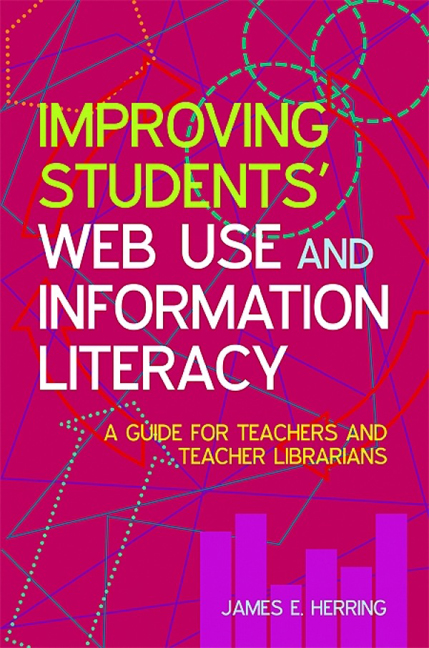
The web is now an integral part of students' lives in school and in society, and they need to be ever more web alert in order to gain the most from their education. What teachers and teacher librarians badly need to help them achieve this is a professional tool that combines knowledge and use of the web, Web 2.0 tools and information literacy for schools. This book fulfils that need by providing a practical guide to using the web effectively in order to enhance learning and teaching in schools. It does this by focusing on the knowledge and skills needed by teachers and teacher librarians to be information literate web users and to develop these abilities in their students. It then focuses on using Web 2.0 tools to create learning resources for students which will develop them as reflective web learners as well as web users. Key areas covered include: * learning and teaching in today's schools * finding and using information on the web * evaluating websites * Web 2.0 and schools * information literacy * improving student use of the web * developing learning websites for student use * the next phase of ICT in schools. Set in a context of theory, this guide offers many examples of best practice in schools from a range of countries. Packed full with ideas which teachers and teacher librarians can use in their own schools, it is unique in providing a guide to the creation of learning websites, which combine subject learning, mediated resources for students, information literacy guidance (including effective web use), and student assignments. This much-needed book is a vital resource for teachers and teacher librarians, as well as being of strategic interest to school principals. It should be on the reading lists of all trainee teachers and librarians.
Classification is a crucial skill for all information workers involved in organizing collections. This new edition offers fully revised and updated guidance on how to go about classifying a document from scratch. Essential Classification leads the novice classifier step by step through the basics of subject cataloguing, with an emphasis on practical document analysis and classification. It deals with fundamental questions of the purpose of classification in different situations, and the needs and expectations of end users. The reader is introduced to the ways in which document content can be assessed, and how this can best be expressed for translation into the language of specific indexing and classification systems. Fully updated to reflect changes to the major general schemes (Library of Congress, LCSH, Dewey and UDC) since the first edition, and with new chapters on working with informal classification, from folksonomies to tagging and social media, this new edition will set cataloguers on the right path.
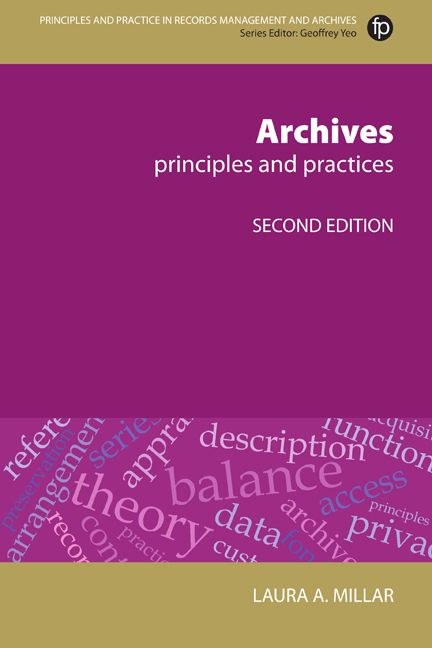
This new and extensively revised second edition offers an international perspective on archives management, providing authoritative guidance relevant to collections-based repositories and to organizations responsible for managing their own institutional archives. Written in clear language with lively examples, Archives: Principles and practices introduces core archival concepts, explains best-practice approaches and discusses the central activities that archivists need to know to ensure the documentary materials in their charge are cared for as effectively as possible. Topics addressed include: core archival principles and concepts archival history and the evolution of archival theories the nature and diversity of archival materials and institutions the responsibilities and duties of the archivist issues in the management of archival institutions the challenges of balancing access and privacy in archival service best practice principles and strategic approaches to central archival tasks such as acquisition, preservation, reference and access detailed comparison of custodial, fonds-oriented approaches and post-custodial, functional approaches to arrangement and description. Discussion of digital archives is woven throughout the book, including consideration of the changing role of the archivist in the digital age. In recasting her book to address the impact of digital technologies on records and archives, Millar offers us an archival manual for the twenty-first century. This book will be essential reading for archival practitioners, archival studies students and professors, librarians, museum curators, local authorities, small governments, public libraries, community museums, corporations, associations and other agencies with archival responsibility.|This new and extensively revised second edition offers an international perspective on archives management, providing authoritative guidance relevant to collections-based repositories and to organizations responsible for managing their own institutional archives.
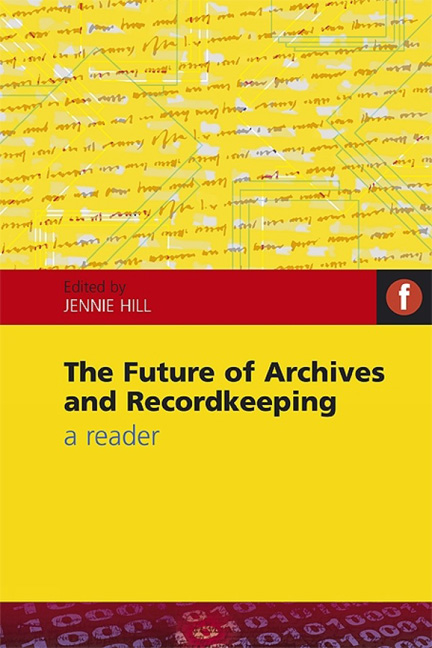
The way in which we view the nature of archives and the role of the archivist has changed significantly in the last few decades. With increasing interest from outside of the profession, the idea of archives as the static, impartial carriers of truth and the archivist as a guardian of records has been questioned: how can society take greater control over its own written memory? There have been a number of other changes which have impacted upon the way archivists conceive of themselves and the way in which they work. Chief among these are the rapid rise of technology and the challenges this poses, and the changing place of archives within related fields, such as records and information management. It is imperative that archivists engage with these challenges if archives are to emerge as a renewed force in the 21st century. This much-needed book is designed not as a practical guide to professional practice, but rather as a reader addressing these challenges. The chapters are contributed by leaders in the field, and are grouped around the following four core themes: defining archives; shaping a discipline; and, Archives 2.0: archives in society. Archives in the information age: is there still a role for the archivist? Each chapter represents a defined argument in its own right to enable readers to dip in and out of the collection as they wish, and the book is structured to highlight chapters that share a common theme. This book offers a clearly organized approach to developments in archives and record keeping and will prove an invaluable resource for students following postgraduate training courses in archive administration as well as for archive professionals wishing to refresh and update their understanding of the profession.
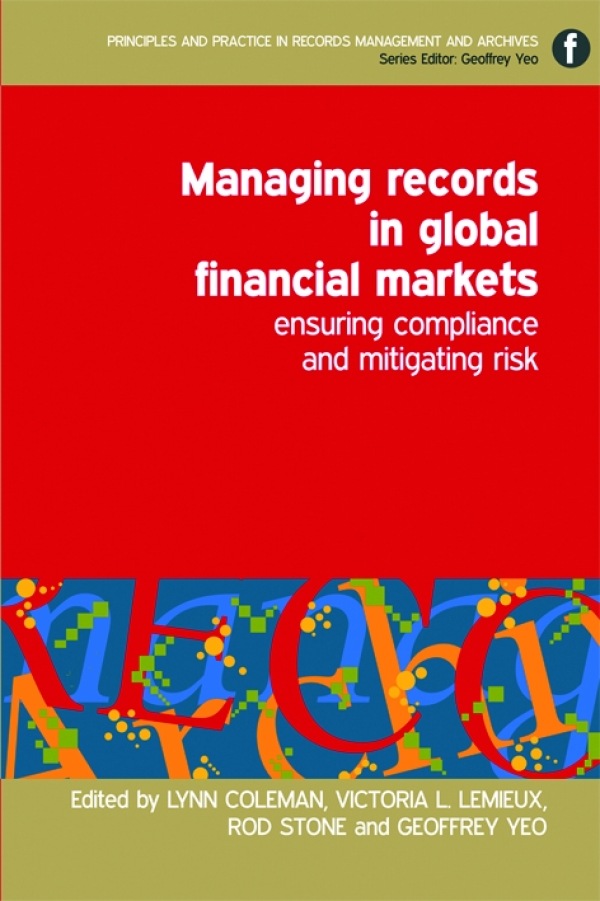
Although there are a number of publications covering records management generically, very few are focused on the challenges for business, and global business in particular, and fewer still on regulatory, legal and governance issues associated with managing records in the global banking and financial sector. This book fills the gap by exploring these complex issues and offers strategies and frameworks to meet the record-keeping challenges to which they give rise in investment banking and other global financial services. While the book focuses on the financial sector, it will also be of relevance to multinational businesses in other sectors, covering as it does the issues that arise from operating across borders and in different jurisdictions. The book is divided into four main parts which cover: regulatory and legal compliance, balancing risk and return, litigation-related issues, and record-keeping approaches. Expert contributors to the book come from Europe, North America and Australasia and include legal, regulatory and technology specialists as well as records managers and archivists. Whilst the book reflects recognized records management principles, the accessible language used will assure its value to information professionals and others without a formal records management background. This book will be essential reading for records managers, archivists and information professionals who manage records in the financial sector. It will also be invaluable for individuals in a wide range of disciplines who rely on records, and their effective management, to meet the increasing number of legal and regulatory obligations to which financial institutions and global businesses are now subject. These include compliance professionals, privacy and data protection officers, risk managers and IT specialists, together with the senior managers, directors and chief operating officers who have ultimate accountability for ensuring compliance and mitigating risk.
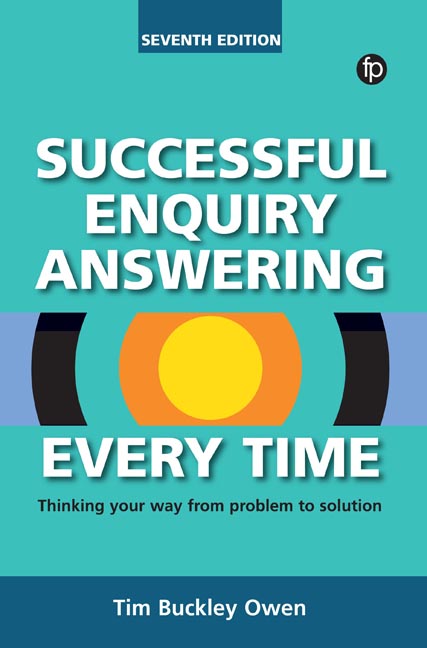
This book guides the reader step-by-step through all stages of the research process, from finding out what the enquirer really wants, to providing a polished, actionable, value-added answer.
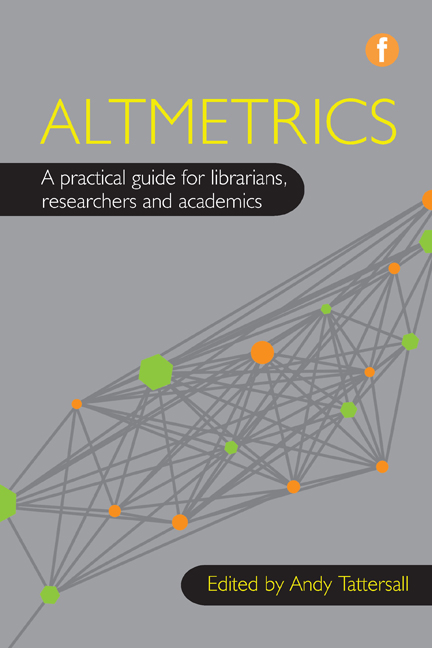
This book gives an overview of altmetrics, its tools and how to implement them successfully to boost and measure research outputs. New methods of scholarly communication and dissemination of information are having a huge impact on how academics and researchers build profiles and share research. This groundbreaking and highly practical guide looks at the role that library and information professionals can play in facilitating these new ways of working and demonstrating impact and influence.
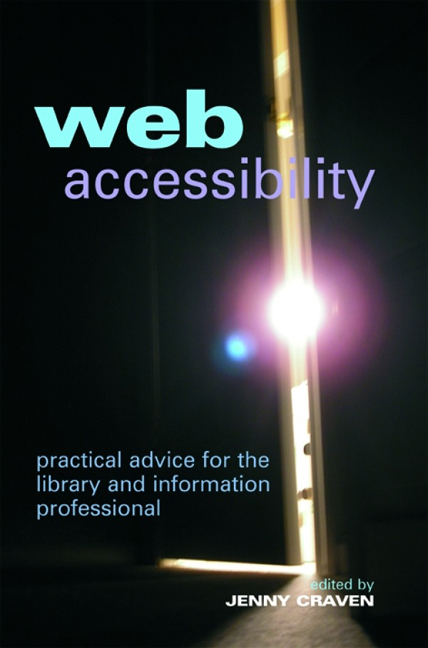
With ever greater provision of resources in electronic formats, formal recognition is increasingly being given to the growing awareness within the information profession that it is a moral duty as well as a legal requirement to take every feasible step to ensure that no one is excluded from access to goods and services, including web-based information and resources. This timely book provides a practical introduction to web accessibility and usability specifically for information professionals, offering advice from a range of experts and experienced practitioners on the concerns relevant to library and information organizations.It's contents include: Tools used for widening access to the web; Design for All - how web accessibility affects different people; the importance of web accessibility; accessibility advice and guidance; accessibility evaluation and assessment; issues for library and information services; Design for All in the library and information science curriculum; best practice examples of web accessibility; and, web accessibility in the future. Although its main focus is on UK legislation and other requirements, many of the featured guidelines and recommendations are of an international nature, so are transferable to other countries. This approachable guide will enable information practitioners and students new to web accessibility to gain a good understanding of the issues involved in this vital area.This book can be used as a resource for developing staff training and awareness activities, or for developing course content. It will also be of value to website managers involved in web design and development who need to broaden a basic understanding of accessibility and usability issues.