To save content items to your account,
please confirm that you agree to abide by our usage policies.
If this is the first time you use this feature, you will be asked to authorise Cambridge Core to connect with your account.
Find out more about saving content to .
To save content items to your Kindle, first ensure no-reply@cambridge.org
is added to your Approved Personal Document E-mail List under your Personal Document Settings
on the Manage Your Content and Devices page of your Amazon account. Then enter the ‘name’ part
of your Kindle email address below.
Find out more about saving to your Kindle.
Note you can select to save to either the @free.kindle.com or @kindle.com variations.
‘@free.kindle.com’ emails are free but can only be saved to your device when it is connected to wi-fi.
‘@kindle.com’ emails can be delivered even when you are not connected to wi-fi, but note that service fees apply.
Dyslipidaemia is a metabolic anomaly which has been related to numerous morbidities. Orange juice (OJ) is a popular flavonoid-rich drink consumed worldwide. Due to the existing controversies regarding its impact on blood lipids, we decided to investigate the impact of OJ supplementation on lipid profile parameters. Major scientific databases (Cochrane library, Scopus, PubMed and Embase) were searched. Pooled effects sizes were reported as weighted mean difference (WMD) and 95 % confidence intervals (CIs). Out of 6334 articles retrieved by the initial search, 9 articles met our inclusion criteria. Overall, supplementation with OJ did not exert any significant effects on blood levels of TG (WMD −1·53 mg/dl, 95 % CI −6·39, 3·32, P = 0·536), TC (WMD −5·91 mg/dl, 95 % CI −13·26, 1·43, P = 0·114) or HDL-C (WMD 0·61 mg/ dl, 95 % CI −0·61, 1·82, P = 0·333). OJ consumption did reduce LDL-C levels significantly (WMD −8·35 mg/dl, 95 % CI −15·43, −1·26, P = 0·021). Overall, we showed that the consumption of OJ may not be beneficial in improving serum levels of TG, TC or HDL-C. Contrarily, we showed that daily intake of OJ, especially more than 500 ml/d, might be effective in reducing LDL-C levels. In the light of the existing inconsistencies, we propose that further high-quality interventions be conducted in order to make a solid conclusion.
The global prevalence of vitamin D deficiency is high. Poor vitamin D status, especially in women, has been reported in several countries in the Middle East despite adequate year-round sunlight for vitamin D synthesis. However, data on vitamin D status in Palestine are scarce. The aim of this cross-sectional study was to evaluate vitamin D status based on serum concentrations of 25-hydroxycholecalciferol [25-(OH)D] among young healthy Palestinian students (18–27 years) and to assess associations between 25-(OH)D concentrations and several predictors. The mean 25-(OH)D concentration of women (n 151) was 27⋅2 ± 14⋅5 nmol/l, with the majority having insufficient (31⋅1 %) or deficient (<60 %) 25-(OH)D status. Only 7 % of women achieved sufficient or optimal 25-(OH)D status. In contrast, men (n 52) had a mean 25-(OH)D concentration of 58⋅3 ± 14⋅5 nmol/l, with none classified as deficient, and most obtaining sufficient (55⋅8 %) or even optimal 25-(OH)D status (11⋅5 %). Among women, 98 % wore a hijab and 74 % regularly used sunscreen. Daily dietary vitamin D intake (3-d 24-h recalls) was 45⋅1 ± 36⋅1 IU in the total group (no sex differences). After adjustment, multiple linear regression models showed significant associations between 25-(OH)D concentrations and the use of supplements (B = 0⋅069; P = 0⋅020) and dietary vitamin D (B = 0⋅001; P = 0⋅028). In gender-stratified analysis, the association between supplement use and 25-(OH)D concentrations was significant in women (B = 0⋅076; P = 0⋅040). The vitamin D status of women in the present cohort is critical and appears to be mainly due to wearing a hijab, regular use of sunscreen and low dietary vitamin D intake. The vitamin D status of the women should be improved by taking vitamin D containing supplements or fortified foods.
Adolescence is a pivotal, yet frequently overlooked, period of life, with this age group often no longer receiving the focus, care and protection devoted to other life stages. Nutritional vulnerability increases in adolescence due to heightened nutritional requirements, yet the quality of the diets consumed by this age group often deteriorates significantly. Poor-quality dietary patterns and insufficient nutrient intakes are frequently observed amongst adolescents both in Ireland and globally. This deterioration in diet quality is greatly influenced by individual, social and environmental determinants of behaviour and health. The influences of each of these factors change and increase as adolescents begin to interact independently with the surrounding world. Poor nutrition during adolescence can result in several immediate and long-term health consequences, including micronutrient deficiencies, increased risk of overweight/obesity and increased presentation of cardiometabolic risk factors, all of which have been observed as persistent issues amongst adolescents in Ireland and internationally. Adolescence is a critical period of intervention to protect youth both now and into their future lives. This age group can be particularly receptive to the influence of society and the surrounding environment, posing several avenues in which to influence adolescents towards more health-promoting behaviour. This review aims to summarise the key nutritional and dietary characteristics of adolescents, to provide an overview of the causes and consequences of poor nutrition in adolescence, and to highlight potential opportunities for intervention to protect the health of this age group, with a particular focus on evidence from an Irish context.
Several studies have examined the association between CD36 rs1761667 polymorphism with cardiometabolic risk factors and metabolic syndrome (MetS). This study aimed to investigate the interactions between rs1761667 polymorphism and dietary patterns on the cardiometabolic risk factors and the risk of MetS in apparently healthy individuals aged 20–70 years. Food consumption data were acquired using a validated semi-quantitative FFQ. Dietary patterns were identified by factor analysis. CD36 rs1761667 was genotyped by PCR-restriction fragment length polymorphism. The gene–diet interaction was detected by the general linear model or logistic regression. Significant or marginally significant interactions were observed between healthy dietary pattern (HDP) and CD36 rs1761667 on weight (P = 0·006), BMI (P = 0·009), waist circumference (P = 0·005), hip circumference (P = 0·06), body muscle percentage (P = 0·02), body fat percentage (P = 0·09), TAG-glucose index (P = 0·057), atherogenic index of plasma (P = 0·07), the risk of MetS (P = 0·02), risk of abdominal obesity (P = 0·02) and elevated blood pressure (P = 0·07). Besides, a gene–diet interaction was detected between the traditional dietary pattern and rs1761667 variants on odds of hypertriglyceridaemia (P = 0·02). The adherence to HDP was associated with a lower weight, BMI and higher odds of HDL-cholesterol only in A-allele carriers. In conclusion, adherence to HDP (a diet with high fibre, fish and dairy products) can be more effective on some cardiometabolic risk factors and risk of MetS components in the A-allele carrier than the GG genotype of rs1761667 polymorphism. However, future studies are required to shed light on this issue.
We aimed to investigate the association of metabolic obesity phenotypes with all-cause mortality risk in a rural Chinese population. This prospective cohort study enrolled 15 704 Chinese adults (38·86 % men) with a median age of 51·00 (interquartile range: 41·00–60·00) at baseline (2007–2008) and followed up during 2013–2014. Obesity was defined by waist circumference (WC: ≥ 90 cm for men and ≥ 80 cm for women) or waist-to-height ratio (WHtR: ≥ 0·5). The hazard ratio (HR) and 95 % CI for the risk of all-cause mortality related to metabolic obesity phenotypes were calculated using the Cox hazards regression model. During a median follow-up of 6·01 years, 864 deaths were identified. When obesity was defined by WC, the prevalence of participants with metabolically healthy non-obesity (MHNO), metabolically healthy obesity (MHO), metabolically unhealthy non-obesity (MUNO) and metabolically unhealthy obesity (MUO) at baseline was 12·12 %, 2·80 %, 41·93 % and 43·15 %, respectively. After adjusting for age, sex, alcohol drinking, smoking, physical activity and education, the risk of all-cause mortality was higher with both MUNO (HR = 1·20, 95 % CI 1·14, 1·26) and MUO (HR = 1·20, 95 % CI 1·13, 1·27) v. MHNO, but the risk was not statistically significant with MHO (HR = 0·99, 95 % CI 0·89, 1·10). This result remained consistent when stratified by sex. Defining obesity by WHtR gave similar results. MHO does not suggest a greater risk of all-cause mortality compared to MHNO, but participants with metabolic abnormality, with or without obesity, have a higher risk of all-cause mortality. These results should be cautiously interpreted as the representation of MHO is small.
To assess the attitudes and perceived knowledge of health professionals regarding the food product judgemental-labelling reform that began in January 2020 in Israel.
Design:
Cross-sectional survey.
Settings:
An online survey among health professionals working in the Israeli health system.
Most respondents (89·9 %) were women, 36 % had over 20 years of professional experience. All nutritionists, 96·6 % of physicians and 94·7 % of nurses reported hearing about the reform, and most (88·9 % of nurses, 76·3 % of physicians and 75·6 % of nutritionists) claimed supporting the reform to a great or very great extent. Most respondents believe they should discuss issues related to healthy eating with their patients (91·8 % of nurses, 94·9 % of physicians and all nutritionists), but only about half (47·5 % of physicians and 57·0 % of nurses) reported that they have sufficient knowledge in this field, particularly about food labelling. Almost two-thirds of nutritionists (60·3 %) reported instructing patients to change their food intake according to labelling v. 40·1 % and 34·7 % of nurses and physicians, respectively. Only some respondents felt that they could influence their patients’ nutrition habits. Most participants believe that additional regulatory measures should also be used to promote healthy nutrition.
Conclusions:
There is a gap between the desire of physicians and nurses to provide nutritional guidance to the public and their actual knowledge about the labels’ meaning as well as their competencies in providing nutrition counselling. When formulating a reform, policymakers should provide clear guidelines about the expectations of implementing it in therapeutic practice.
To assess the prevalence, severity and socio-demographic predictors of household food insecurity among vulnerable women accessing the Canada Prenatal Nutrition Program (CPNP) and to examine associations between household food insecurity and breastfeeding practices to 6 months.
Design:
Cohort investigation pooling data from two studies which administered the 18-item Household Food Security Survey Module at 6 months postpartum and collected prospective infant feeding data at 2 weeks and 2, 4 and 6 months. Household food insecurity was classified as none, marginal, moderate or severe. Logistic regression analyses were performed to assess predictors of household food insecurity and associations between household food security (any and severity) and continued and exclusive breastfeeding.
Setting:
Three Toronto sites of the CPNP, a federal initiative targeting socially and/or economically vulnerable women.
Participants:
316 birth mothers registered prenatally in the CPNP from 2017 to 2020.
Results:
Household food insecurity at 6 months postpartum was highly prevalent (44 %), including 11 % in the severe category. Risk of household food insecurity varied by CPNP site (P < 0·001) and was higher among multiparous participants (OR 2·08; 95 % CI 1·28, 3·39). There was no association between the prevalence or severity of food insecurity and continued or exclusive breastfeeding to 6 months postpartum in the adjusted analyses.
Conclusions:
Household food insecurity affected nearly half of this cohort of women accessing the CPNP. Further research is needed on household food insecurity across the national CPNP and other similar programmes, with consideration of the implications for programme design, service delivery and policy responses.
To investigate whether the combined consumption of fresh/minimally processed and ultra-processed food is associated with food insecurity (FI) during the COVID-19 pandemic.
Design:
Cross-sectional observational study was derived from a survey using a population-based search of a complex sample. FI was assessed using the validated Brazilian Food Insecurity Scale. Food consumption was assessed using a qualitative FFQ and the NOVA classification for fresh/minimally processed food and ultra-processed food. A scoring system was used to evaluate combined food consumption according to the extent and purpose of processing, considering the weekly consumption of the two groups (according to the NOVA classification). Higher punctuation reflects worse diet quality (higher consumption of ultra-processed foods and lower consumption of fresh/minimally processed foods). A theoretical causality model was constructed using a directed acyclic graph, and multivariate analysis was performed using Poisson regression to test the association between FI and food consumption.
Setting:
Ouro Preto and Mariana, Brazil, between October and December 2020.
Participants:
An epidemiological household survey was conducted with 1753 individuals selected through a stratified and clustered sampling design in three stages.
Results:
Those with food consumption scores in the fourth quartile had a 60 % higher prevalence ratio (PR) for FI (PR: 1·60 and 95 % CI: 1·06 - 2·40). Also, the increased consumption of fresh/minimally processed foods and low consumption of ultra-processed foods presented a 45 % lower prevalence ratio of FI (PR: 0·55 and 95 % CI: 0·40 – 0·80).
Conclusion:
These results indicate an inverse association between FI and diet quality.
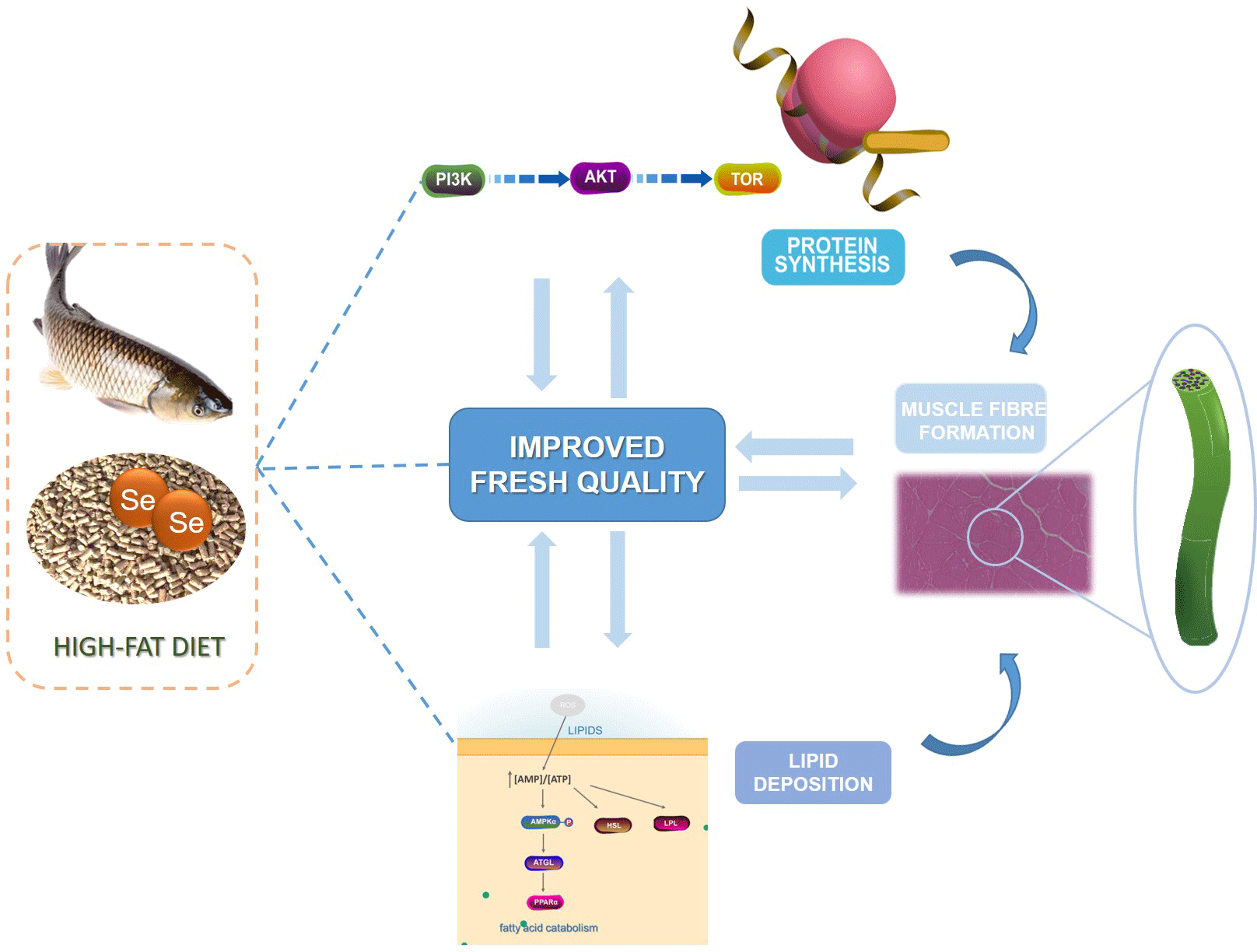
Selenium (Se) is an essential trace element which has an important role as a constituent of seleno-proteins involved in various physiological processes. Previous research in Irish adults suggests that intakes of this important nutrient are suboptimal. The aim of the present study was to estimate the current intakes and major food sources of Se by Irish adults. Mean daily intakes (MDIs) of Se were calculated using data from the National Adult Nutrition Survey which involved 1500 Irish adults aged 18–90 years. The Se content of foods and drinks consumed over a 4-d period was determined using data from the Irish Total Diet Study (TDS). Adequacy of Se intakes was assessed by calculating the proportion of the population with intakes below the adequate intake (AI) of 70 μg/d and lower reference nutrient intake of 40 μg/d (LRNI). The MDI of Se in the total population was 71⋅7 μg/d, with significantly higher intakes reported in men (80⋅2 μg/d) compared with women (63⋅4 μg/d, P < 0⋅01). Meat and meat products were the major contributing food group to Se intakes for both men (37 %) and women (31 %). Overall, 47 % of the population were not meeting the recommended AI, while 4 % of the total population were not meeting the LRNI. Although the average intake of Se is above the AI, a significant proportion of the population is not meeting this recommendation and continued monitoring of Se intakes is necessary, particularly by at-risk groups and also in the context of sustainability.
Naturalistic online grocery stores could provide a novel setting for evaluating nutrition interventions. In 2021–2022, we recruited US adults (n 144, 59% low-income) to complete two weekly study visits: one in a naturalistic (‘mock’) online grocery store developed for research and one in a real online grocery store. Participants selected groceries and responded to survey questions. Analyses examined survey responses and expenditures on fifteen food categories (e.g., bread, sugar-sweetened beverages). Nearly all enrolled participants completed both visits (98% retention). Moreover, nearly participants all reported that their selections in the naturalistic store were similar to their usual purchases (95%) and that the naturalistic store felt like a real store (92%). Participants’ spending on food categories in the naturalistic store were moderately-to-strongly correlated with their spending in the real store (range of correlation coefficients: 0⋅36–0⋅67, all P-values < 0⋅001). Naturalistic online grocery stores may offer a promising platform for conducting nutrition research.
Nutrition-related smartphone applications (apps) could improve children’s nutrition knowledge and skills. However, little is known about the quality of nutrition-related apps for children. This study aimed to identify and evaluate the quality of nutrition-related smartphone apps designed for children ages 4–17.
Design:
This systematic appraisal is guided by the Protocol for App Store Systematic Reviews.
Setting:
Using Google’s Advanced Search, we identified 1814 apps/1184 additional apps in an updated search on iOS, of which twenty-four were eligible. The apps’ objective and subjective quality were evaluated using the twenty-three-item, five-point Mobile App Rating Scale. The objective quality scale consists of four subscales: engagement, functionality, aesthetics and information.
Results:
Most of the apps (75 %) focussed solely on promoting nutrition skills, such as making food dishes, rather than nutrition knowledge. Of the twenty-four apps, 83 % targeted children 4–8 years old. The app objective quality mean score was 3·60 ± 0·41. The subscale mean scores were 3·20 ± 0·41 for engagement, 4·24 ± 0·47 for functionality, 4·03 ± 0·51 for aesthetics and 2·94 ± 0·62 for information. The app subjective quality mean score was 2·10 ± 0·90.
Conclusions:
More robust approaches to app development leveraging co-design approaches, including involving a multidisciplinary team of experts to provide evidence-based nutrition information, are warranted.
Vegan and vegetarian diets are widely supported and adopted, but individuals following such diets remain at greater risk of iodine deficiency. This systematic review and meta-analysis was conducted to assess the iodine intake and status in adults following a vegan or vegetarian diet in the modern day. A systematic review and quality assessment were conducted from October 2020 to December 2022 according to Preferred Reporting Items for Systematic Reviews and Meta-Analyses (PRISMA) and Meta-analysis of Observational Studies in Epidemiology (MOOSE) guidance. Studies were identified in Ovid MEDLINE, Web of Science, PubMed, and Scopus. Eleven articles were eligible for review containing 4421 adults (aged ≥ 18 years). Vegan groups had the lowest median urinary iodine concentration (mUIC) (12·2/l). None of the dietary groups had mUIC within the optimal range for iodine status (100–200 µg/l) (WHO). Vegan diets had the poorest iodine intake (17·3 µg/d) and were strongly associated with lower iodine intake (P = < 0·001) compared with omnivorous diets. Lower intake in vegan diets was influenced by sex (P = 0·007), the presence of voluntary or absence of Universal Salt Iodisation (USI) programmes (P = 0·01 & P = < 0·001), and living in a country with adequate iodine nutrition (P = < 0·001). Vegetarians and particularly vegans living in countries with no current USI programme continue to have increased risk of low iodine status, iodine deficiency and inadequate iodine intake. Further research into the usefulness of mandatory fortification of vegan appropriate foods is required.
To compare the frequency and healthfulness of foods being advertised to children and adolescents in four countries of WHO European region.
Design:
Cross-sectional quantitative study, guided by an adapted version of the WHO protocol. All recorded food advertisements were categorised by categories and as either ‘permitted’ or ‘not permitted’ for advertising to children in accordance with WHO Regional Office for Europe Nutrient Profile Model.
Settings:
Four countries: Russia, Turkey, Kazakhstan and Kyrgyzstan
Participants:
TV channels most popular among children and adolescents
Results:
Analysis included 70 d of TV broadcasting for all channels, during which time there were 28 399 advertisements. The mean number of advertisements per hour varied from eleven in Turkey and Kazakhstan to eight and two in Russia and Kyrgyzstan. In all countries, the majority of the food and beverages advertised should not be permitted for advertising to children according to the WHO Nutrient Profile Model. The mean number of non-permitted food and beverage advertisements per hour was high in Turkey and Kazakhstan (8·8 and 8·5 ads) compared with Russia (5·1) and Kyrgyzstan (1·9). Turkey was the only country where nutritional information was fully available, and no values were missing that prevented coding for some product categories.
Conclusions:
Results revealed that children and adolescents in four countries are exposed to a considerable volume of food and beverage advertisements, including sugary products on broadcast television. As such, policymakers should consider protecting youth by developing regulations to restrict these marketing activities within media popular with children.
To determine predictors of the association between being a Veteran and adult food security, as well as to examine the relation of potential covariates to this relationship.
Design:
Data collected during 2011–2012, 2013–2014 and 2015–2016 National Health and Nutrition Examination Survey (NHANES) were pooled for analyses. Veterans (self-reported) were matched to non-Veterans on age, race/ethnicity, sex and education. Adjusted logistic regression was used to determine the odds of Veterans having high food security v. the combination of marginal, low and very low food security compared with non-Veterans.
Setting:
2011–2012, 2013–2014 and 2015–2016 NHANES.
Participants:
1227 Veterans; 2432 non-Veterans.
Results:
Veteran status had no effect on the proportion of food insecurities between Veterans and non-Veterans reporting high (Veterans v. non-Veteran: 79 % v. 80 %), marginal (9 % v. 8 %), low (5 % v. 6 %) and very low (8 % v. 6 %) food security (P = 0·11). However, after controlling for covariates, Veterans tended to be less likely to have high food security (OR: 0·82 (95 % CI 0·66, 1·02), P = 0·07). Further, non-Hispanic White Veterans (OR: 0·72 (95 % CI 0·55, 0·95), P = 0·02) and Veterans completing some college (OR: 0·71 (95 % CI 0·50, 0·99), P < 0·05) were significantly less likely to experience high food security compared with non-Veterans.
Conclusion:
This study supports previous research findings that after controlling for covariates, Veterans tend to be less likely to have high food security. It also highlights ethnicity and level of education as important socio-economic determinates of food security status in Veterans.
Despite the increasing market share of commercial complementary foods, their nutritional characteristics and those associated with the price of products are still unknown in Japan. We compared the nutritional characteristics of commercially available complementary foods of different price levels in Japan. Data were obtained from the websites of Japanese brands of infant and young children’s food. Nutrient profiles (unit/100 g), ingredients and food additives were compared between low- and high-priced products by product type. Sixty-three dry meals, 425 soft meals, 187 snacks and sweets, and 60 drinks were analysed. One-fifth of meals and snacks exceeded the CODEX-defined limit (200 mg Na/100 g). Most products lacked content information on nutrients non-mandated to be indicated. High-priced soft meals contained more protein (2·5 v. 1·9 g/100 g) and less Na (0·18 v. 0·46 g/100 g), less frequently used ≥ 1 added sugar (23 % v. 82 %), and less frequently used food additives than low-priced products; however, they had a lower variety of ingredients. The prevalence of products containing ≥ 1 added sugar was higher in low-priced snacks and sweets (91 % v. 77 %) but lower in drinks (48 % v. 84 %) than in their high-priced counterparts. High Na content is a concern among commercial complementary foods in Japan. Nonetheless, the relationship between the price and nutritional profile of these foods differs by product type. High-priced soft meals might be more favourable regarding nutrient content but not the variety of ingredients than low-priced counterparts. These findings elucidate the nutritional characteristics of commercial complementary foods in Japan.