To save content items to your account,
please confirm that you agree to abide by our usage policies.
If this is the first time you use this feature, you will be asked to authorise Cambridge Core to connect with your account.
Find out more about saving content to .
To save content items to your Kindle, first ensure no-reply@cambridge.org
is added to your Approved Personal Document E-mail List under your Personal Document Settings
on the Manage Your Content and Devices page of your Amazon account. Then enter the ‘name’ part
of your Kindle email address below.
Find out more about saving to your Kindle.
Note you can select to save to either the @free.kindle.com or @kindle.com variations.
‘@free.kindle.com’ emails are free but can only be saved to your device when it is connected to wi-fi.
‘@kindle.com’ emails can be delivered even when you are not connected to wi-fi, but note that service fees apply.
Novel cerium-loaded MnTiOx/attapulgite (Ce/MnTiOx/ATP) and cerium-doped MnTiOx/attapulgite (Ce–MnTiOx/ATP) catalysts for low-temperature selective catalytic reduction of nitrogen oxides (NOx) with ammonia (NH3-SCR) were synthesized by co-precipitation methods. The results of catalytic activity testing for the as-prepared Ce–MnTiOx/ATP and Ce/MnTiOx/ATP indicated that the Ce–MnTiOx/ATP catalyst exhibited better catalytic performance with over 80% NOx conversion within a wide temperature window between 170 and 350°, and the highest NOx conversion attained for the Ce–MnTiOx/ATP catalyst was 97.5%. A series of characterization illustrated that the Ce–MnTiOx/ATP catalyst exhibited a higher specific surface area, oxygen vacancy, redox ability, and acid site as compared to that of the Ce/MnTiOx/ATP catalyst. The performance tests showed that the Ce–MnTiOx/ATP catalyst exhibited not only better SO2 & H2O resistance but also higher N2 selectivity and good stability. Therefore, the Ce–MnTiOx/ATP catalyst was testified to be a promising catalyst for NH3-SCR.
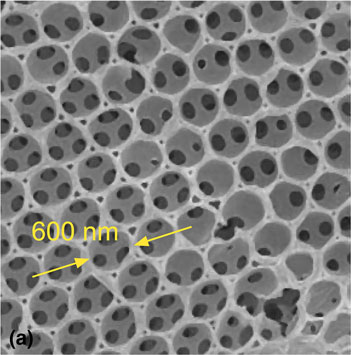
An efficient representative volume element generation strategy is developed in modeling nanoporous materials. It uses periodic 3D beam finite element (FE) models derived from skeletonization of spinodal-like stochastic microstructures produced by a leveled random field. To mimic stiffening with agglomeration of the mass at junctions, an increased Young’s modulus is assigned to the elements within the junction zone. The effective Young’s modulus, Poisson’s ratio, and universal anisotropy index are computed. A good agreement of the Young’s modulus predictions with those obtained from experimental results for phase volume fractions $0.20 \lt {\phi _{\cal B}} \lt 0.50$ is observed. Moreover, the elastic anisotropy index of the generated beam networks shows sufficient proximity to isotropy. Finally, it is demonstrated that, as compared to the simulation statistics of voxel-FE models, for the beam-FE models over 500-fold computational acceleration with 250-fold less memory requirement is provided.
Two series of binuclear metal phthalocyanine complexes M2(PcTN)2Nap and M2(PcTA)2Nap (M = Mn2+, Fe2+, Co2+, Cu2+) were designed and synthesized through the liquid solvent method and amination reaction. Elemental analysis, IR, and UV-vis spectroscopy were applied to characterize the compounds. To evaluate their catalytic performance, all the compounds were respectively added into the electrolyte of Li/SOCl2 battery systems as well as three-electrode systems for cyclic voltammetry (CV) measurements. The research studies indicate that the average discharge voltage and discharge time of the battery could be effectively enhanced by 0.2440 V and 810.7 s when compared with the battery in the absence of the compounds. As for capacities of the batteries containing catalysts, they were also found to have an improvement of 51.78–91.62%. Among the effects of diverse metal ions on the catalytic performance of phthalocyanines, the complexes whose center metal ions were Mn2+ or Co2+ exhibited relatively high catalytic performance. Meanwhile, combined with experimental results of CV analyses, the suggested catalytic mechanism of binuclear phthalocyanines for catalyzing Li/SOCl2 batteries had been proposed.
A thorough investigation of nanoindentation response of fiber/matrix composites by using a Berkovich indenter and its equivalent conical counterpart was carried out. Three-dimensional finite element models were developed to study how fiber orientations and the axial distance between the fiber and nanoindenter affect the nanoindentation response of fiber/matrix composites. This demonstrates that the indenter geometry and its orientation have little effect on the nanoindentation response when the fiber is horizontally aligned to the surface. However, when the fiber is vertically embedded in the matrix, the apparent modulus measured by using the Berkovich indenter (depending on the indenter orientation) can be significantly different from its conical counterpart. The results demonstrate that when the ratio of fiber-to-indenter distance over fiber diameter is relatively small, nanoindentation response strongly depends on fiber orientation and distance between fiber and indenter as well as indenter geometry.
Recently, significant progress in the field of grain boundary segregation was achieved, for example, in better understanding and modeling the stabilization of nanocrystalline structures by grain boundary segregation, searching for more advanced approaches to theoretical calculation of segregation energies and development of the complexion approach. Nevertheless, with each progress, new important questions appear which need to be solved. Here, we focus on two basic questions appearing recently: How can be the experimental results on the grain boundary segregation compared reliably to their theoretical counterparts? Is the preferred segregation site of a solute in the grain boundary core substitutional or interstitial? We also show that the entropy of grain boundary segregation is a very important quantity which cannot be neglected in thermodynamic considerations as it plays a crucial role, for example, in prediction of thermodynamic characteristics of grain boundary segregation and in the preference of the segregation site at the boundary.
A transmission surface plasmon resonance image (TSPRi) obtained with a plasmonic grating structure was investigated in combination with a smartphone camera. A substrate of a gold-coated CYTOP grating/glass slide showed the TSPR excitation wavelength of 675 nm at the incident light angle of 30°. The TSPRi acquired from a smartphone camera assembled with liquid crystal tunable filters corresponded with spectroscopic results. The sensitivity of this technique was 282/RIU. Due to changes in the sensitivity of the TSPRi intensity to the refractive index of the environment, this technique can be further developed for portable devices for sensor applications.
Developing metallic materials with a good combination of strength and ductility has been an unending pursuit of materials scientists. The emergence of high/medium-entropy alloys (HEA/MEA) provided a novel strategy to achieve this. Here, we further strengthened a strong-and-ductile MEA using a traditional solid solution strengthening theory. The selection of solute elements was assisted by mechanical property and microstructure predictive models. Extensive microstructural characterizations and mechanical tests were performed to verify the models and to understand the mechanical behavior and deformation mechanisms of the designated CoCrNi–3W alloy. Our results show good experiment-model agreement. The incorporation of 3 at.% W into the ternary CoCrNi matrix increased its intrinsic strength by ∼20%. External strengthening through microstructural refinement led to a yield strength nearly double that of the parent alloy, CoCrNi. The increase in strength is obtained with still good ductility when tested down to 77 K. Nanoscale twin boundaries are observed in the post-fracture microstructure under 77 K. The combination of strength and ductility after W additions deviate from the traditional strength-ductility-trade-off contour.
The selectivity of catalyst is an essential factor in direct methanol fuel cells (DMFCs) and plays an important role to improve their performance. To this end, platinum (Pt)-based low-cost trimetallic catalysts have been developed. The catalyst comprising ultra-low Pt-decorated NiCu bimetallic alloys nanoparticles fabricated on reduced graphene oxide (rGO). The series of Pt-NiCu/rGO nanocomposites were synthesized with different compositions to obtain the optimal conditioned material. The electrochemical results showed good performance for the electro-oxidation of methanol at anodic end of DMFCs. These outcomes opened up a broad avenue for developing lower cost-active catalysts with better performance for DMFCs.
The effects of misorientation on the quasi-static and dynamic mechanical behaviors of a second generation Ni-based single crystal superalloy DD5 were investigated. A Split-Hopkinson pressure bar system was used to perform dynamic compression. The crystallographic misorientation between the stress axis and the [001] direction was characterized through rotating orientation X-ray diffraction. The results demonstrated that the flow stress was closely related to the misorientation. It decreased first and consequently increased as the misorientation increased from 0° to 45°. The dynamic flow stress was significantly higher than the quasi-static stress. Moreover, the flow stress under dynamics was more sensitive to the misorientation. A constitutive model was used to illustrate the misorientation effect on the mechanical behavior. Finally, the effect of strain rate on the crystal orientation was also investigated. It was discovered that the orientation deviation change following quasi-static compression could be neglected. By contrast, the orientation changed by 3–9° subsequently to dynamic compression.
Frequency-dependence and magnitude of second harmonic generation (SHG) from ~4 × 10⁵ nm2 molybdenum disulfide (MoS2) monolayers was examined in presence of single 150 nm plasmonic gold@silica shell@core nanoantenna monomer and dimers. Quantitative agreement between discrete dipole approximation-calculated fields and measured SHG enhancements was found. SHG from MoS2 was enhanced up to 1.88 × upon deposition of a plasmonic nanoantenna-dimer with 170 nm gap, reaching maximal normalized SHG conversion efficiency of 0.0250%/W. Pump losses attributable to plasmonic damping, e.g., scattering and/or hot-electron injection into MoS2, were apparent. Linear and nonlinear optical activity of MoS2 and nanoantenna controls were compared with literature values.
To overcome the limited feasibility of various refractory high-entropy alloys (HEAs) due to the presence of (i) very dense elements (W and Ta), (ii) costly elements (Hf and Ta), and (iii) oxidation prone elements (V) in them, AlxCryMozNbTiZr HEAs were prepared via arc-melting. Considering the critical nature of oxidation resistance in high-temperature applications, HEAs were characterized to form a combinatorial library of microstructural and oxidation behavior. AlxCryMozNbTiZr HEAs revealed multiphase microstructures consisting of intermetallic phases along with BCC matrices. Mass loss and porous microstructures were obtained in Mo-rich HEAs after oxidation at 1000 °C for 1 h. The presence of Al enhanced the oxidation resistance and developed a protective oxide layer on the HEAs. Al30Cr10-NTZ exhibited promising potential for use in high temperature applications, as it showed an oxidation time exponent of ∼0.5 and a dense and continuous oxide layer.
To eliminate the toxic effect of chemotherapy drug of lobaplatin (LBP) on body tissue in liver cancer therapy, this work prepared a nanodrug carrier based on polyethylene glycol-modified carbon nanotubes (PEG–CNTs) and then constructed a targeted drug delivery system (LBP–PEG–CNTs) by loading LBP on PEG–CNTs. Fluorescein isothiocyanate (FITC) was used to label PEG–CNTs to observe the cellular uptake of PEG–CNTs. In addition, the inhibitions of LBP–PEG–CNTs on HepG2 cells were investigated. The results show that the FITC-labeled PEG–CNTs have good cell penetrability; meanwhile, LBP–PEG–CNTs have good stability, pH-controlled release property, and high inhibition rate on HepG2 cells. To be specific, 80% of LBP is released under physiological conditions of liver cancer cells at pH 5.0, and LBP–PEG–CNTs show a high inhibition rate of 77.86% on HepG2 cells, demonstrating that they have targeted, pH-controlled release and inhibition properties on HepG2 cells.
Flexibility is a key parameter of device mechanical robustness. The most profound challenge for the realization of flexible electronics is associated with the relatively low flexibility of power sources. In this article, two kinds of energy applications, which have gained increasing attention in the field of flexibility in recent years, are introduced: the lithium-ion batteries and the supercapacitors. We overview the latest progresses in flexible materials and manufacturing technology. The performances of the energy devices based on flexible materials are introduced. The advantages and disadvantages of different manufacturing processes are discussed systematically. We then focus on current technical difficulties and future prospects of research in flexibility.
X-ray powder diffraction data, unit-cell parameters and space group for methoxmetamine (C14H20ClNO2) are reported [a = 6.5768(7) Å, b = 14.0830(10) Å, c = 15.0530(10) Å, β = 90.975(2)°, unit-cell volume V = 1394.0(2) Å3, and Z = 4, and space group P21/n]. All measured lines were indexed and are consistent with the P21/n space group. No detectable impurities were observed.
The crystal structure of terazosin hydrochloride dihydrate has been solved and refined using synchrotron X-ray powder diffraction data, and optimized using density functional techniques. Terazosin hydrochloride dihydrate crystallizes in space group P-1 (#2) with a = 10.01402(4), b = 10.89995(4), c = 11.85357(4) Å, α = 89.5030(3), β = 71.8503(3), γ = 66.5632(2)°, V = 1118.143(8) Å3, and Z = 2. The terazosin cation occurs in an extended conformation. The crystal structure is dominated by hydrogen bonds. The most notable are the O–H···Cl from the water molecules to the chloride anion and N–H···Cl from the protonated ring nitrogen to the chloride. The amino group donates protons to each of the two water molecules. The powder pattern has been submitted to ICDD® for inclusion in the Powder Diffraction File™.
High-entropy and multiprincipal element alloys present exciting opportunities and challenges for computational modeling of their structure and phase stability. Recent interest has catalyzed rapid development of techniques and equally rapid growth of new results. This review surveys the essential concepts of thermodynamics and total energy calculation, and the bridge between them provided by statistical mechanics. Specifically, we review the electronic density functional theory of alloy total energy as applied to supercells and special quasirandom structures. We contrast these with the coherent potential approximation and semi-empirical approximations. Statistical mechanical approaches include cluster expansions, hybrid Monte Carlo/molecular dynamics simulations, and extraction of entropy from correlation functions. We also compare first-principles approaches with Calculation of Phase Diagrams (CALPHAD) and highlight the need to augment experimental databases with first-principles derived data. Numerous example applications are given highlighting recent progress utilizing the concepts and methods that are introduced.
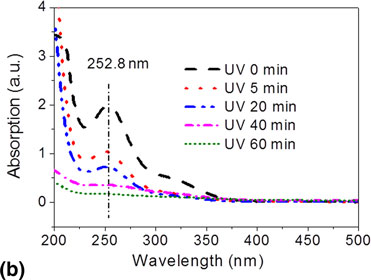
The influence of the content of trifluoroacetate (TFA), in the precursor solution, on the critical current density (Jc) of YBa2Cu3O7−x (YBCO) superconducting films was investigated. We found that a TFA/Ba ratio of 0.68 is optimal to obtain high-performance YBCO films. Using this optimal solution, we then developed an ultraviolet (UV) light soaking technique to prepare YBCO films. This resulted in the constituent elements being uniformly distributed in the films, and this then enabled enhanced Jc. The addition of water vapor during the UV soaking process decreased the content of carbon residue in the films, and further increased the Jc of the resulting YBCO films.
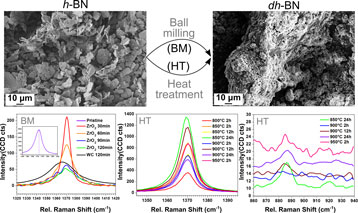
Catalytic processes are critical steps in numerous industrial processes. The discovery of high reactivity of defects in metal-free two-dimensional materials has bolstered their emergence as catalysts. Here we consider the effect of defect-inducing methods in hexagonal boron nitride (h-BN) on their performance for olefin and CO2 hydrogenation. We compare the changes introduced by ball milling and heat treatment in h-BN and show how varying the treatment conditions can impact the properties. We provide some evidence of the reactivity of the powders. Our results highlight how characterization can be exploited to assess the potential catalytic activity of h-BN for heterogeneous catalysis.
Magnetic tunnel junction can produce highly configurable molecular spintronics devices. This paper highlights a rather subtle attribute of magnetic tunnel junction fabrication that can lead to the very pronounced impact on magnetic properties of molecular spintronics device. We conducted magnetic studies to observe the effect of depositing ~5 nm Tantalum (Ta) on the top of a magnetic tunnel junction. We investigated the effect of Ta by using characterization techniques like ferromagnetic resonance, magnetometry, and polarized neutron reflectometry. Bridging paramagnetic molecules between the two ferromagnetic electrodes of magnetic tunnel junctions with and without Ta top layer produced the very different magnetic response.