Refine search
Actions for selected content:
238502 results in Physics and Astronomy
A semi-empirical model to predict resonant conditions in valveless asymmetric pumping
-
- Journal:
- Journal of Fluid Mechanics / Volume 1007 / 25 March 2025
- Published online by Cambridge University Press:
- 13 March 2025, A2
-
- Article
-
- You have access
- Open access
- HTML
- Export citation
3 - Born’s Rule from the Symmetries of Entanglement
- from Part I - Foundations
-
- Book:
- Decoherence and Quantum Darwinism
- Published online:
- 06 March 2025
- Print publication:
- 13 March 2025, pp 44-74
-
- Chapter
- Export citation
Preface
-
- Book:
- Decoherence and Quantum Darwinism
- Published online:
- 06 March 2025
- Print publication:
- 13 March 2025, pp xiii-xvii
-
- Chapter
- Export citation
9 - Quantum Darwinism and the Existential Interpretation
- from Part III - Quantum Darwinism
-
- Book:
- Decoherence and Quantum Darwinism
- Published online:
- 06 March 2025
- Print publication:
- 13 March 2025, pp 262-335
-
- Chapter
- Export citation
Part III - Quantum Darwinism
-
- Book:
- Decoherence and Quantum Darwinism
- Published online:
- 06 March 2025
- Print publication:
- 13 March 2025, pp 191-192
-
- Chapter
- Export citation
Acknowledgments
-
- Book:
- Decoherence and Quantum Darwinism
- Published online:
- 06 March 2025
- Print publication:
- 13 March 2025, pp xviii-xviii
-
- Chapter
- Export citation
Self-similar flow of Newtonian and power-law viscous gravity currents in a confining gap in rectangular and axisymmetric geometries
-
- Journal:
- Journal of Fluid Mechanics / Volume 1007 / 25 March 2025
- Published online by Cambridge University Press:
- 12 March 2025, A4
-
- Article
-
- You have access
- Open access
- HTML
- Export citation
-
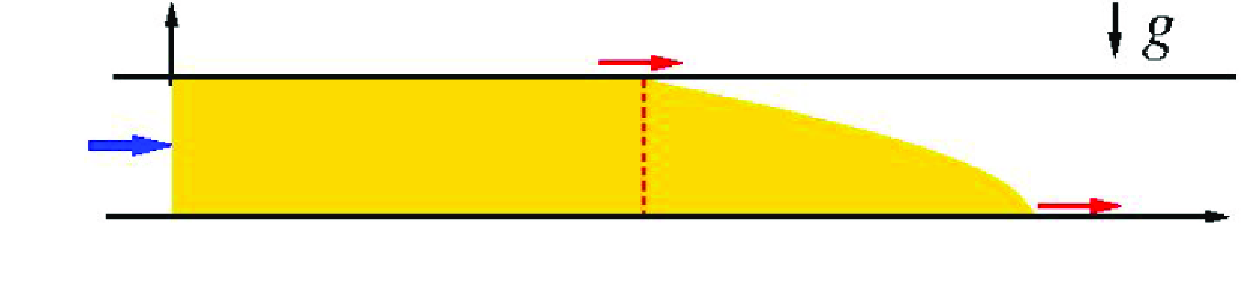
We consider the flow of a volume $\mathcal {V} = q t^\alpha$ of viscous fluid injected into a gap $H$ between two horizontal plates ( $q$ and $\alpha$ are positive constants, $t$ is time). When the viscosity of the displaced fluid is negligible, the injected fluid forms a slug in contact with both plates connected (at a moving grounding line) to a gravity current (GC) with a downward-inclined interface. Hutchinson et al. (J. Fluid Mech., 598, 2023, pp. A4–1–13) considered a constant source ( $\alpha = 1$) of Newtonian fluid at the center of an axisymmetric gap; the flow, governed by the parameter $J$ (the height ratio of the unconfined GC to $H$), admits a similarity solution. Here, the self-similar flow theory is (a) extended to rectangular geometry and power-law fluids, and (b) simplified. Similarity appears when $\alpha = n/(n+1)$ (two-dimensional) and $\alpha = 2n/(n+1)$ (axisymmetric), with propagation $\sim t^\beta$, where $\beta /\alpha = 1$ and $1/2$, respectively, and $n-1$ is the power of the shear in the viscosity law ( $n=1$ for Newtonian fluid). The flow is governed by a single parameter $J$, representing the above-mentioned ratio. For small $J$, the GC is mostly unconfined; for large $J$, almost all the injected fluid is in contact with both boundaries of the gap. For given geometry and $n$, we solve one ordinary differential equation (ODE) for the reduced thickness over the reduced length $0\lt y \leqslant 1$, with a singular-regular condition at $y=1$. The details of the confined GC, functions of $J$, follow by simple formulae.


Unusual electron temperature profile due to grain electrostatics in planetary nebula cored dusty plasma
-
- Journal:
- Journal of Plasma Physics / Volume 91 / Issue 1 / February 2025
- Published online by Cambridge University Press:
- 12 March 2025, E41
-
- Article
-
- You have access
- Open access
- HTML
- Export citation
-
The Cloudy photoionization codes have been employed to study a spherically distributed cloud, around an arbitrary planetary nebula, with core temperature 105 K. The ionization factor ${\chi (H)}$
 is close to unity, in the inner face of the dusty plasma (DP) cloud, which follows a monotonic declining trend, afterwards. For hydrogen density ${n_H} = 10\;\textrm{c}{\textrm{m}^{ - 3}}$
 , an exponentially falling trend of temperature could be noticed. A grain charging$\setminus$
 discharging process is also witnessed, which is very common in a DP environment. For ${n_H} = 10\;\textrm{c}{\textrm{m}^{ - 3}}$
 , photoionization of grains is more common due to higher photon density; compared with ${n_H} > 10\;\textrm{c}{\textrm{m}^{ - 3}}$
 , where the grain–electron acquiring probability is maximum, because of significant electron density. Owing to the electrostatic interactions between the charged grain and the electrons, an unusual trend in temperature has been observed.


Computational methods for binding site prediction on macromolecules
-
- Journal:
- Quarterly Reviews of Biophysics / Volume 58 / 2025
- Published online by Cambridge University Press:
- 12 March 2025, e12
-
- Article
-
- You have access
- Open access
- HTML
- Export citation
The role of an afterbody in flow-induced vibration of cylinders at low to moderate Reynolds numbers
-
- Journal:
- Journal of Fluid Mechanics / Volume 1007 / 25 March 2025
- Published online by Cambridge University Press:
- 12 March 2025, A6
-
- Article
-
- You have access
- Open access
- HTML
- Export citation
-
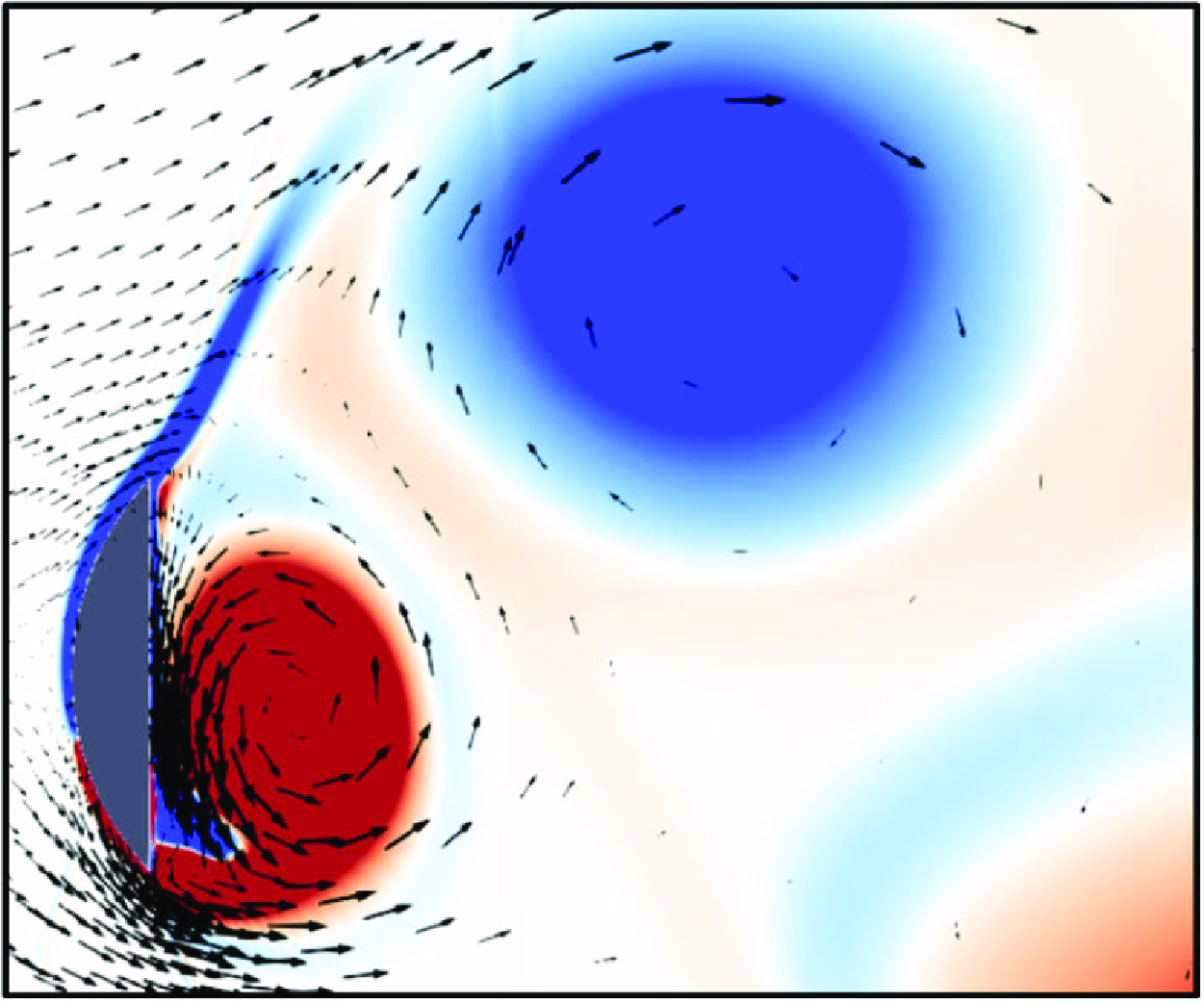
The present study aims to provide an understanding of the influence of an afterbody on the flow-induced vibration (FIV) of cylinders. This is achieved through experimental and numerical investigations into the FIV response of a reverse-D-cross-section cylinder of aspect ratio $AR=5$. By carefully monitoring the point of flow separation to show it always occurs at the sharp top and bottom edges and never further upstream, it is demonstrated that vortex-induced vibration (VIV) can occur without an afterbody. However, for other aspect ratios, an afterbody does play a crucial role in determining the type of fluid forces responsible for sustaining VIV from low to moderate Reynolds numbers in the range $100$– $4700$. For a cylinder without an afterbody, it is found that the viscous force originating from the presence of strong compact vortices forming close to the leeward side of the cylinder is responsible for sustaining strong transverse vibration. In contrast, for a cylinder with an afterbody, the dominant force component depends on the size of the afterbody. In cylinders with a small afterbody, such as a reverse-D semi-circular cylinder, the viscous force dominates, while in cylinders with a larger afterbody such as a circular cylinder, the pressure force dominates.


Particle-in-cell simulations of the tearing instability for relativistic pair plasmas
-
- Journal:
- Journal of Plasma Physics / Volume 91 / Issue 1 / February 2025
- Published online by Cambridge University Press:
- 12 March 2025, E42
-
- Article
-
- You have access
- Open access
- HTML
- Export citation
-
Two-dimensional particle-in-cell (PIC) simulations explore the collisionless tearing instability developing in a Harris equilibrium configuration in a pair (electron–positron) plasma, with no guide field, for a range of parameters from non-relativistic to relativistic temperatures and drift velocities. Growth rates match the predictions of Zelenyi & Krasnosel'skikh (Astron. Zh., vol. 56, 1979, pp. 819–832) modified for relativistic drifts by Hoshino (Astrophys. J., vol. 900, issue 1, 2020, p. 66) as long as the assumption holds that the thickness $a$
 of the current sheet is larger than the Larmor radius $\rho _L$
 , with the fastest growing mode at $ka \approx 1/\sqrt {3}$
 . Aside from confirming these predictions, we explore the transitions from thick to thin current sheets and from classical to relativistic temperatures. We show that for thinner current sheets ($a< \rho _L$
 ), the growth rate matches the prediction for the case $a=\rho _L$
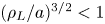
 . We also explore the nonlinear evolution of the modes. While the wavenumber with the fastest growth rate initially matches the prediction of Zelenyi & Krasnosel'skikh (1979), these modes saturate moving the dominant mode to lower wavenumbers (especially for thick current sheets with low growth rates). Furthermore, at a late, nonlinear stage, the growth rate (initially following the growth rate prediction proportional to $(\rho _L/a)^{3/2} < 1$
 ) increases faster than exponentially, reaching a maximum growth rate equivalent to the linear growth rate prediction at $\rho _L/a = 1$
 , before eventually saturating.


Sensitivity of three-dimensional boundary layer stability to intrinsic uncertainties of fluid properties: a study on supercritical CO2
-
- Journal:
- Journal of Fluid Mechanics / Volume 1007 / 25 March 2025
- Published online by Cambridge University Press:
- 12 March 2025, A7
-
- Article
-
- You have access
- Open access
- HTML
- Export citation
-
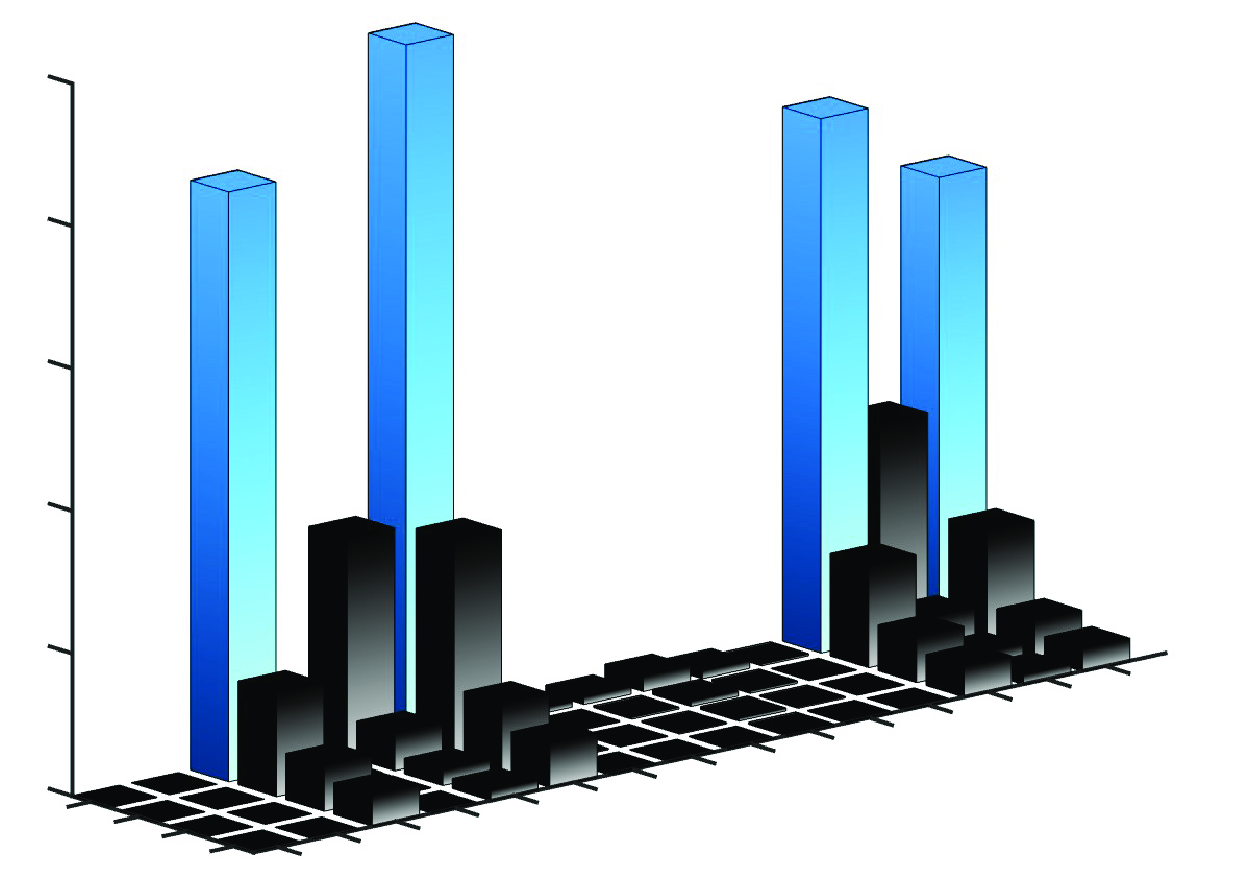
The intrinsic uncertainty of fluid properties, including the equation-of-state, viscosity and thermal conductivity, on boundary layer stability has scarcely been addressed. When a fluid is operating in the vicinity of the Widom line (defined as the maximum of isobaric specific heat) in supercritical state, its properties exhibit highly non-ideal behavior, which is an ongoing research field leading to refined and more accurate fluid property databases. Upon crossing the Widom line, new mechanisms of flow instability emerge, feasibly leading to changes in dominating modes that yield turbulence. The present work investigates the sensitivity of three-dimensional boundary layer modal instability to these intrinsic uncertainties in fluid properties. The uncertainty, regardless of its source and the fluid regimes, gives rise to distortions of all profiles that constitute the inputs of the stability operator. The effect of these distortions on flow stability is measured by sensitivity coefficients, which are formulated with the adjoint operator and validated against linear modal stability analysis. The results are presented for carbon dioxide at a representative supercritical pressure of approximately 80 bar. The sensitivity to different inputs of the stability operator across various thermodynamic regimes shows an immense range of sensitivity amplitude. A balancing relationship between the density gradient and its perturbation leads to a quadratic effect across the Widom line, provoking significant sensitivity to distortions of the second derivative of the pressure with respect to the density, $\partial ^2 p/\partial \rho ^2$. From an application-oriented point of view, one important question is whether the correct baseflow profiles can be meaningfully analysed by the simplified ideal-fluid model. The integrated modal disturbance growth – the N factor calculated with different partly idealised models – indicates that the answer depends strongly on the thermodynamic regime investigated.

Magnetic reconnection, plasmoids and numerical resolution
-
- Journal:
- Journal of Fluid Mechanics / Volume 1007 / 25 March 2025
- Published online by Cambridge University Press:
- 12 March 2025, R3
-
- Article
-
- You have access
- Open access
- HTML
- Export citation
-
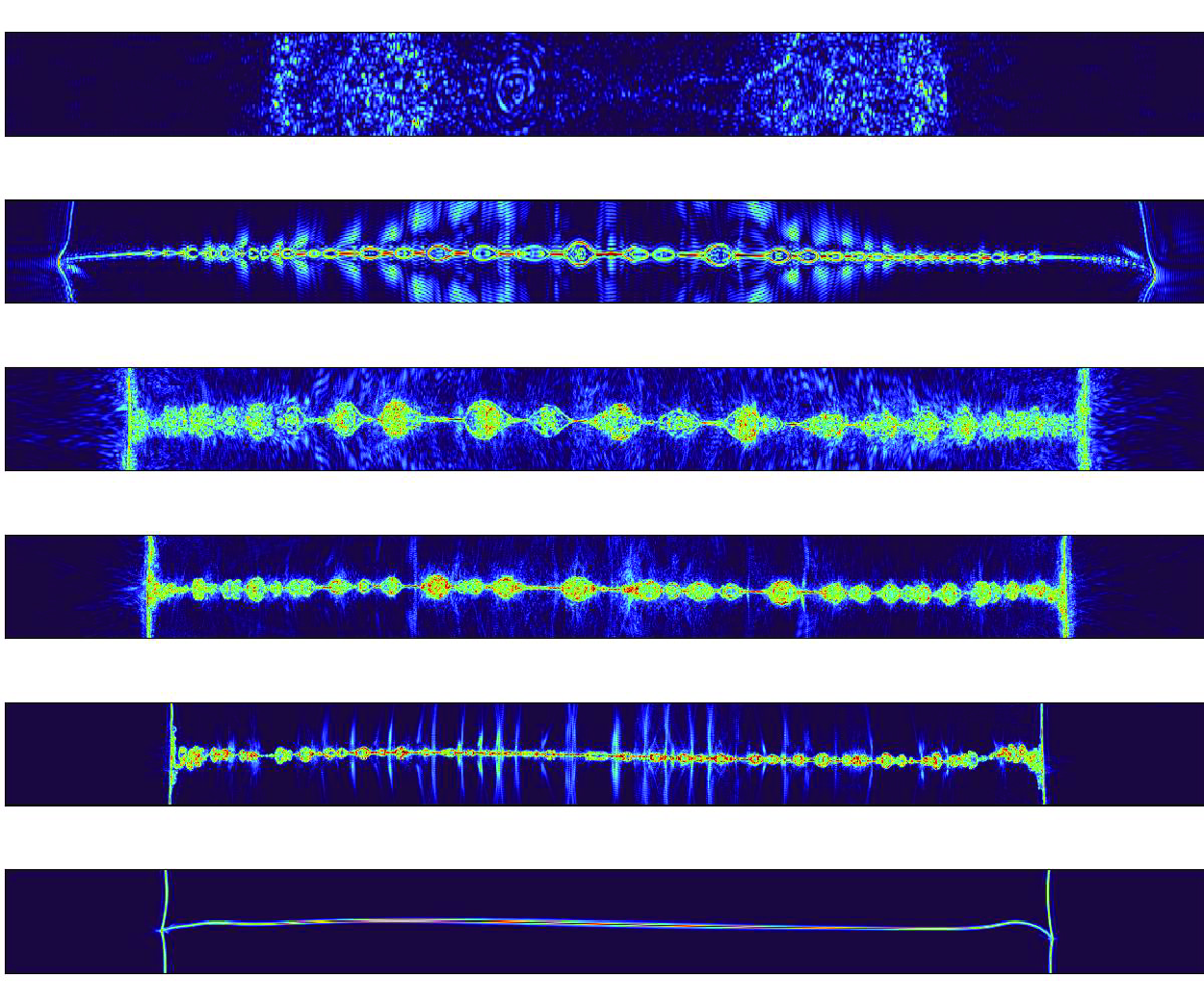
Explaining fast magnetic reconnection in electrically conducting plasmas has been a theoretical challenge in plasma physics since its first description by Eugene N. Parker. In recent years, the observed reconnection rate has been shown by numerical simulations to be explained by the plasmoid instability that appears in highly conductive plasmas. In this work, by studying numerically the Orszag–Tang vortex, we show that the plasmoid instability is very sensitive to the numerical resolution used. It is shown that well-resolved runs display no plasmoid instability even at Lundquist numbers as large as $5\times 10^5$ achieved at resolutions of $32\,768^2$ grid points. On the contrary, in simulations that are under-resolved below a threshold, the plasmoid instability manifests itself with the formation of larger plasmoids the larger the under-resolving is. The present results thus emphasize the importance of performing convergence tests in numerical simulations and suggest that further investigations on the nonlinear evolution of the plasmoid instability are required.


Dissipation in rapidly rotating fluid spheres caused by weak longitudinal libration
-
- Journal:
- Journal of Fluid Mechanics / Volume 1007 / 25 March 2025
- Published online by Cambridge University Press:
- 12 March 2025, A1
-
- Article
-
- You have access
- Open access
- HTML
- Export citation
-
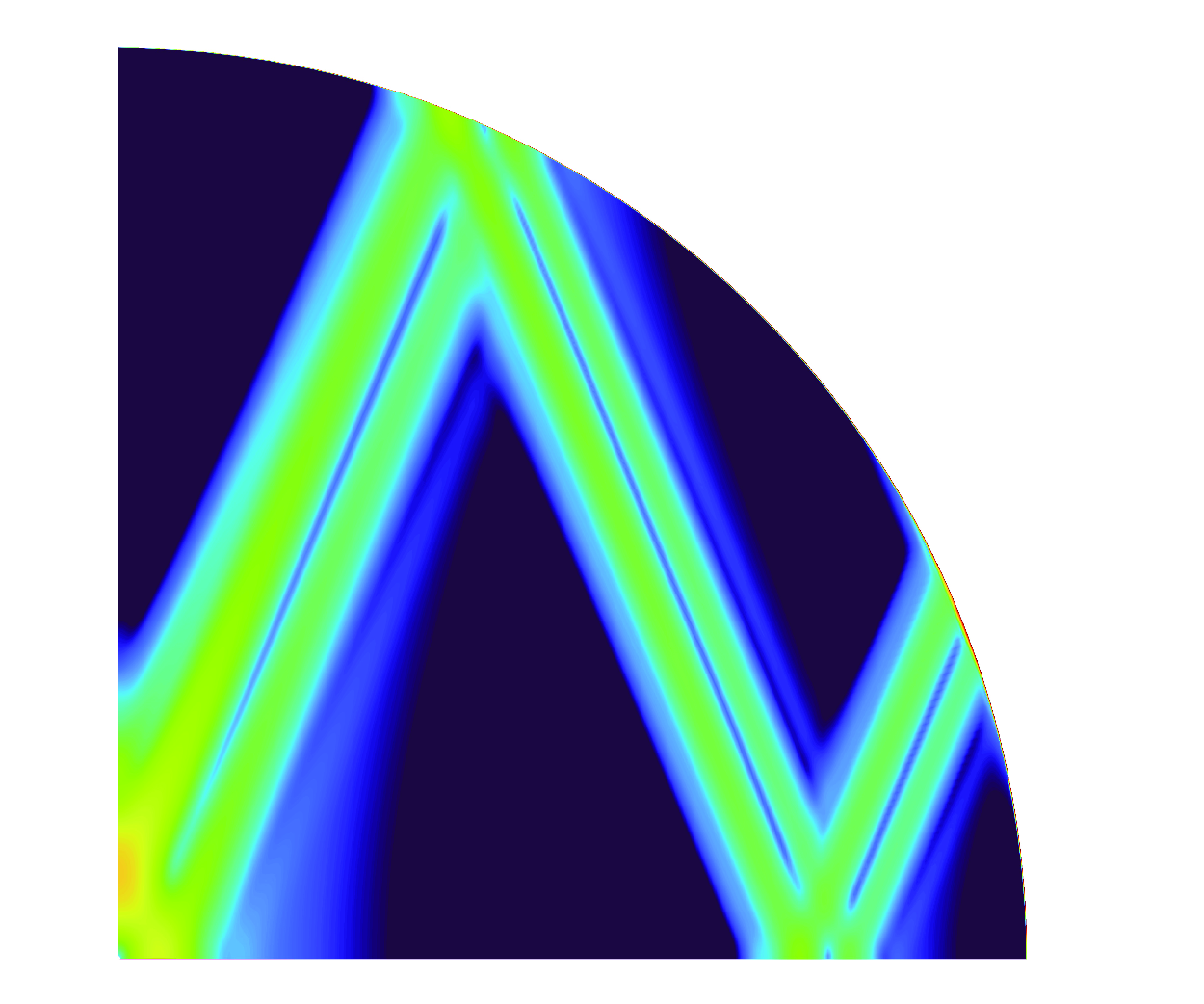
We investigate viscous dissipation in linear flows driven by small-amplitude longitudinal librations in rotating fluid spheres focusing on the rapid rotation regime applicable to planets. Viscous coupling can resonate with inertial modes in the bulk of the fluid when the frequency of the forcing is within the range $(0,2\Omega _0)$, where $\Omega _0$ is the mean angular velocity of the sphere. We solve the linearised equations of motion with a semi-spectral numerical method and with an asymptotic expansion exploiting the small Ekman number, $E$, which quantifies the strength of viscous forces relative to the Coriolis force. Our results confirm that the dominant contribution to the dissipation occurs in the Ekman boundary layer with leading-order scaling $E^{1/2}$. When the forcing frequency coincides with that of an inertial mode, dissipation is reduced by as much as 9 % compared with boundary layer theory alone. The percentage-wise reduction is independent of $E$ and the frequency width of the reduction envelope scales as $E^{1/2}$. At non-resonant frequencies conic shear layers develop in the bulk interior and, together with the Ekman layer bulge at critical latitude, slightly enhance dissipation. We confirm critical latitude bulge and shear layer contributions to the overall dissipation scale as $E^{4/5}$ and $E^{6/5}$ respectively, becoming negligible compared with dissipation in the main boundary layer as $E\rightarrow 0$. The frequencies at which the dissipation enhancement from critical latitude effects is maximised are displaced from the inviscid limit periodic orbit frequencies by a factor that scales with $E^{0.23}$.


Dispersive mixing: within or between pores?
-
- Journal:
- Journal of Fluid Mechanics / Volume 1006 / 10 March 2025
- Published online by Cambridge University Press:
- 12 March 2025, F1
-
- Article
-
- You have access
- Open access
- HTML
- Export citation

Transition of shock reflection with downstream expansion fan interference
-
- Journal:
- Journal of Fluid Mechanics / Volume 1007 / 25 March 2025
- Published online by Cambridge University Press:
- 12 March 2025, A5
-
- Article
- Export citation
-
In this paper, the reflection of shock waves with downstream expansion fan interference in two-dimensional, inviscid flow is investigated, including steady Mach reflection (MR) and the unsteady transition process from regular reflection (RR) to MR. A threshold for the configuration based on non-dimensional wedge length is proposed. The analytical model for the steady MR and RR $\rightarrow$MR transition process is established based on the classical shock and expansion wave relations, whose prediction agrees well with results obtained through inviscid numerical simulation. It is found that the expansion fan interference significantly influences the steady flow patterns, especially the height of the Mach stem and the shape of the slip line. The interaction accelerates the formation of the sonic throat, stabilizing the flow structure rapidly, and results in generally small Mach stem heights. The exposure of the triple point to the expansion fan eliminates the inflection point on the slip line, whose slope increases smoothly. The interaction further affects the time evolution of the Mach stem during the multiple-interaction stage of the RR $\rightarrow$MR transition process. It appears that the modifications come from the curvature of the incident shock brought by the wave interference. During the multiple-interaction stage, the triple point moves upstream along the curved incident shock, where the incident shock angle changes according to the curvature, resulting in the variation of the evolution velocity.


Optimally time-dependent modes of vortex gust–airfoil interactions
-
- Journal:
- Journal of Fluid Mechanics / Volume 1006 / 10 March 2025
- Published online by Cambridge University Press:
- 12 March 2025, A18
-
- Article
-
- You have access
- Open access
- HTML
- Export citation
-
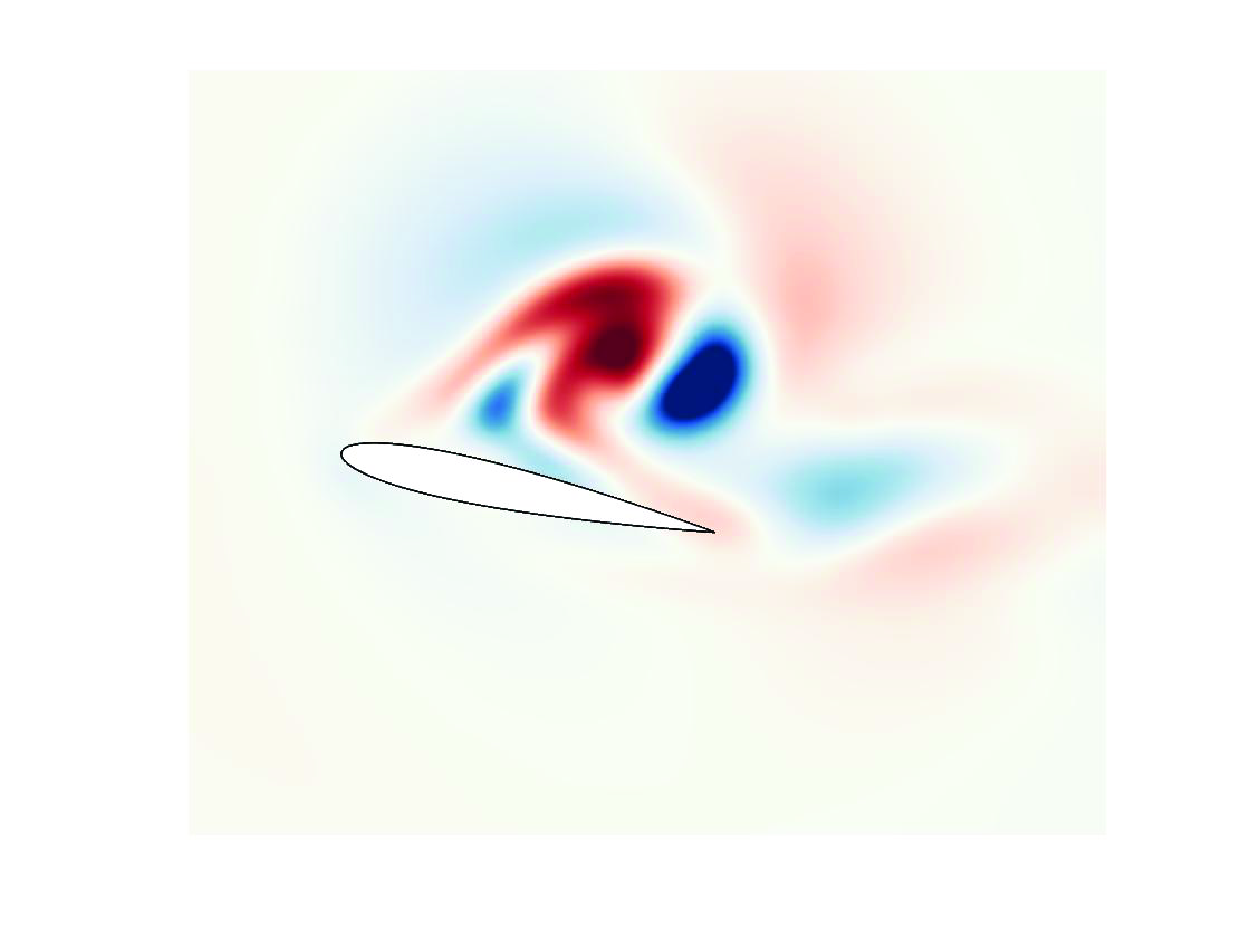
We find the optimally time-dependent (OTD) orthogonal modes about a time-varying flow generated by a strong gust vortex impacting a NACA 0012 airfoil. This OTD analysis reveals the amplification characteristics of perturbations about the unsteady base flow and their amplified spatiotemporal structures that evolve over time. We consider four time-varying laminar base flows in which a vortex with a strength corresponding to the gust ratio $G$ of $\{-1,-0.5,0.5,1\}$ impinges on the leading edge of the airfoil at an angle of attack of $12^\circ$. In these cases, the impingement of the strong gust vortex causes massive separation and the generation of large-scale vortices around the airfoil within two convective time units. As these flow structures develop around the airfoil on a short time scale, the airfoil experiences large transient vortical lift variations in the positive and negative directions that are approximately five to ten times larger than the baseline lift. The highly unsteady nature of these vortex–airfoil interactions necessitates an advanced analytical technique capable of capturing the transient perturbation dynamics. For each of the considered gust ratios, the OTD analysis identifies the most amplified region to perturbations, the location of which changes as the wake evolves differently. For interactions between a moderate positive vortex gust ( $G=0.5$) and the airfoil, the area where perturbations are amplified transitions from the leading-edge vortex (LEV) sheet to the forming LEV. Later, this most amplified structure becomes supported in the airfoil wake directly behind the trailing edge. In contrast, a strong vortex gust ( $G=\pm 1$) encountered by the airfoil shows the most amplified OTD mode to appear around the core of the shed vortices. This study provides an analysis technique and fundamental insights into the broader family of unsteady aerodynamic problems.


Surface-tension-driven buckling of a thin viscous sheet
-
- Journal:
- Journal of Fluid Mechanics / Volume 1006 / 10 March 2025
- Published online by Cambridge University Press:
- 12 March 2025, A23
-
- Article
-
- You have access
- Open access
- HTML
- Export citation
Non-monotonic salt dependence of electro-osmotic flow in pH-regulated nanochannels
-
- Journal:
- Journal of Fluid Mechanics / Volume 1007 / 25 March 2025
- Published online by Cambridge University Press:
- 12 March 2025, R2
-
- Article
- Export citation
-
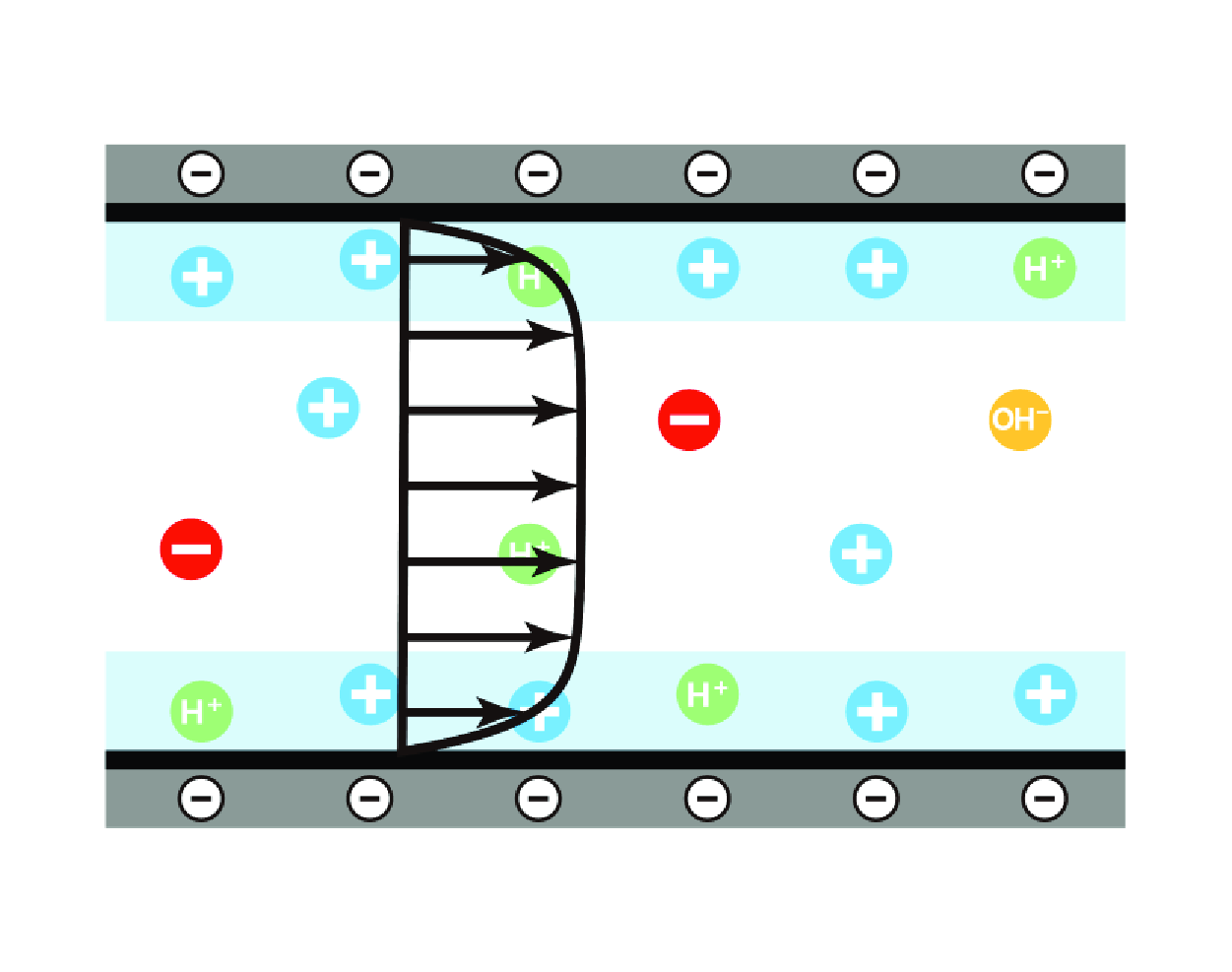
Electro-osmotic flow (EOF) in nanochannels exhibits a puzzling non-monotonic dependence on salt concentration, which contrasts with observations in microchannels and remains not fully understood. In this work, we address this phenomenon through a theoretical investigation of EOF in $\mathrm{pH}$-regulated channels. New analytical approximations for electrostatic potential, EOF profile and electro-osmotic mobility beyond the Debye–Hückel limit are derived through asymptotic analysis. Our findings reveal that the surface electrostatic potential is independent of the channel size only when the half-channel size exceeds the Gouy–Chapman length. In contrast, surface ionization and net charge distribution play more crucial roles in EOF at the nanoscale, as they govern both the magnitude and the spatial distribution of the Coulomb driving force. As salt concentration increases, EOF velocity initially rises due to enhanced surface ionization, followed by a decline attributed to increased wall shear stress. This work provides key insights for EOF applications in nanofluidics and biomedical devices, and deepens the understanding of electrokinetic phenomena influenced by $\mathrm{pH}$-regulation effects.


Flow-induced oscillations of a transversely buckled flexible filament
-
- Journal:
- Journal of Fluid Mechanics / Volume 1006 / 10 March 2025
- Published online by Cambridge University Press:
- 11 March 2025, A5
-
- Article
-
- You have access
- Open access
- HTML
- Export citation
