To save content items to your account,
please confirm that you agree to abide by our usage policies.
If this is the first time you use this feature, you will be asked to authorise Cambridge Core to connect with your account.
Find out more about saving content to .
To save content items to your Kindle, first ensure no-reply@cambridge.org
is added to your Approved Personal Document E-mail List under your Personal Document Settings
on the Manage Your Content and Devices page of your Amazon account. Then enter the ‘name’ part
of your Kindle email address below.
Find out more about saving to your Kindle.
Note you can select to save to either the @free.kindle.com or @kindle.com variations.
‘@free.kindle.com’ emails are free but can only be saved to your device when it is connected to wi-fi.
‘@kindle.com’ emails can be delivered even when you are not connected to wi-fi, but note that service fees apply.
Single-crystal synchrotron X-ray diffraction data were collected up to 10 GPa at room temperature on a natural omphacite with composition close to Jd43Di57, at the Xpress beamline at Elettra Synchrotron, using a diamond anvil cell. A second-order Birch-Murnaghan equation of state (EoS) fit to the unit-cell volumes determined at 20 pressure points yielded V0 = 422.85(15) Å3, and K0 = 121.3(1.2) GPa. These elastic parameters are consistent with the general trend of the diopside–jadeite join. The structural evolution with pressure was determined from both ab initio simulations and structure refinements to the X-ray intensity data. The consistency between experimental findings and local geometrical distortions identified through ab initio calculations is discussed. A distortion variation at the M1 polyhedron occurs at ∼3 GPa, which correlates with the TILT angle of the T2 tetrahedron which stabilises at a similar pressure, coinciding with a decrease in the rate of M1 deformation under pressure.
These results revealing the structural evolution with pressure correlate with changes observed previously in some Raman shifts in the same pressure range in the same material.
The conventional historiography of eighteenth-century Prussia portrays peasants as completely dominated by their imperious Junker superiors. Since the 1980s, a revisionist tendency has challenged this asymmetrical picture of lord-peasant relations, downplaying the oppressiveness of the manorial system and arguing that peasants were equally capable competitors in the “tug-of-war” with their lords. This article evaluates the revisionists’ claims using the historical findings they, and others, have produced about the relationship of lords and peasants in rural Prussia. The evidence supports the contention that peasants were, to a significant extent, the victims of the Prussian manorial system.
We explore debt and debt management among older Americans (ages 51–61 years) using the 2018 National Financial Capability Study. Though these individuals should have been at the peak of their retirement savings, we show that many were heavily indebted, often due to unpaid medical bills and student loans. Additionally, fewer than half (43%) could correctly answer three basic financial literacy questions; importantly, less financially literate people were more likely to hold excessive debt, be contacted by debt collectors, and carry medical debt or student loans. Our findings show that, even before the pandemic, a sizable proportion of older Americans was financially distressed, underscoring the need for researchers and policymakers to devote attention to specific types of debt that burden the older population. Particularly vulnerable groups include African-Americans, women, and the least-educated.
The gambler’s ruin problem for correlated random walks (CRWs), both with and without delays, is addressed using the optional stopping theorem for martingales. We derive closed-form expressions for the ruin probabilities and the expected game duration for CRWs with increments $\{1,-1\}$ and for symmetric CRWs with increments $\{1,0,-1\}$ (CRWs with delays). Additionally, a martingale technique is developed for general CRWs with delays. The gambler’s ruin probability for a game involving bets on two arbitrary patterns is also examined.
Unlike many other industrial societies, the partisan fights on the vaccination against COVID-19 in Taiwan centred on its brand choice rather than acceptance. Did the incumbent DPP supporters adhere to their party line of Medigen to vaccinate against COVID-19 during the pandemic? We argue that individual COVID-19 vaccine brand choices as gradually updated judgements during the pandemic were not solely determined by the party line, but jointly shaped by the strength of party affiliation and the level of government trust to facilitate decision-making in the highly uncertain information environment at the early stage of the pandemic. More specifically, when choosing COVID-19 vaccine brand, the incumbent DPP supporters, particularly weak ones, were more likely to adhere to their party line of Medigen as they trusted government more; however, this was only for the highly uncertain first shot, due to the absence of reliable information for making informed judgements about COVID vaccine brand choice at the early stage of the pandemic, not for the informationally rich booster shot. We report empirical findings consistent with our argument from statistical analyses of original data from a survey of 1642 Taiwanese adult respondents conducted in the fall of 2022.
Nutrition education is crucial for improving nutritional knowledge. This study aims to evaluate the impact of healthy nutrition education on hedonic hunger, adherence to the Mediterranean diet and self-efficacy for healthy eating among early adolescence. This one-group, pre-test-post-test, quasi-experimental study included 202 middle-school students. Data were collected using a researcher-designed survey that included demographic variables, the Children’s Power of Food Scale, the Self-Efficacy for Healthy Eating Scale, the Mediterranean Diet Score and the Brief Nutritional Knowledge Assessment Form. Anthropometric measurements (weight, height, waist circumference, hip circumference and neck circumference) were also taken. After the pre-test, each student received 2 h of healthy nutrition education. A follow-up survey was administered 4 weeks later. The study revealed that most early adolescents exhibited unhealthy dietary habits, such as skipping main meals (15·3 % all the time and 60·2 % occasionally), snacking on sweet treats (33·3 %) and having irregular eating patterns (47·4 %). Additionally, the early adolescents had higher weights, BMI, neck circumferences and heights compared with reference values (P < 0·01). Significant changes were observed post-intervention: lower hedonic hunger scores (beginning: 2·90 (sd 0·68), follow-up: 2·70 (sd 0·76), P < 0·01), decreased self-efficacy for healthy eating (beginning: 5·41 (sd 3·50), follow-up: 4·33 (sd 3·61), P < 0·01) and increased knowledge about healthy nutrition (beginning: 67·23 (sd 14·39), follow-up: 80·00 (sd 17·22), P < 0·01). This study highlighted that healthy nutrition education enhances nutritional knowledge and decreases hedonic dietary tendencies among early adolescents. Continued nutrition education may further improve children’s preferences for healthy foods.
Adjunctive intraarterial (IA) thrombolysis after endovascular thrombectomy may improve clinical outcomes in patients with large vessel occlusion (LVO) stroke possibly due to improvement in microvascular reperfusion.
Methods:
We conducted a meta-analysis of randomized controlled trials (RCTs) evaluating IA thrombolysis with tenecteplase, alteplase or urokinase in anterior or posterior circulation LVO stroke after successful reperfusion (modified Thrombolysis in Cerebral Infarction 2b–3). Efficacy outcomes were excellent functional outcome (modified Rankin Scale [mRS] 0–1), functional independence (mRS 0–2) and recovery without any disability (mRS 0) at 90 days. Safety outcomes included symptomatic intracerebral hemorrhage (ICH), any ICH and death. Odds ratios (OR) and 95% confidence intervals (CI) were pooled using random-effects models.
Results:
Seven RCTs (n = 2,130; 2022–2025) were included. IA thrombolytic drugs used were alteplase, tenecteplase and urokinase with doses ranging from 10 % to 50% of recommended IV dosage. IA thrombolysis significantly improved excellent functional outcome (mRS 0–1: OR 1.45, 95% CI 1.19–1.76) and recovery without any disability (mRS 0: OR 1.34, 95% CI 1.09–1.64), without safety risks (symptomatic ICH: 5.05% with IA thrombolytics vs. 4.49% in standard). Paradoxically, there was no difference in functional independence (mRS 0–2) (OR 1.09, 95% CI 0.99–1.20). Additionally, tenecteplase or alteplase at doses equivalent to 25% or 50% of recommended IV dosage significantly improved excellent functional outcome.
Conclusions:
IA thrombolysis offered immediately following EVT with successful reperfusion improved excellent functional outcome and recovery without disability at 90 days with an acceptable safety profile.
This paper presents the design, implementation, and characterization of a compact two-stage analog phase-shifter for the Ka-band, based on thin-film technology. The design utilizes a reflective-type configuration, employing four metal-insulator-graphene diodes as reflective loads. The fabricated prototype is realized on an 8-µ m-thick flexible polyimide substrate and occupies less than 0.7 mm2 of chip area including the contact pads. Performance evaluation of the fabricated circuit reveals an S11 of better than −13 dB and an S21 of −3.3 dB with a tolerance of ± 0.5 dB across the frequency band from 28 to 36 GHz, along with a tunable phase difference ($\Delta\phi$) exceeding 70∘. The introduced flexible thin-film technology promotes the realization of flexible cost-effective beam steering for smart surfaces implementations for communication and biomedical applications.
In this short narrative review, we would like to discuss the immunomodulatory effects of South African geranium (Pelargonium sidoides) root extract EPs7630 in treating acute rhinosinusitis. The plant has been used for centuries to treat respiratory tract inflammation, such as sinusitis, pharyngitis and bronchitis. South African geranium is rich in polyphenols, flavonoids, tannins, diterpenes and proanthocyanidins, but the main constituent is a type of coumarin called ‘umckalin’ (6–hydroxy–5,5–dimethoxy–coumarin). The substance is standardised as an aqueous-ethanolic extract from the root of this plant under the code name EPs7630.
Methods
The article presents the results of in vitro and in vivo studies of administering this herbal drug in acute viral, post-viral and bacterial rhinosinusitis. The focus is on the immunomodulatory effects of EPs7630 during the therapy of this acute inflammation of the nasal mucosa.
Results
According to the results of some studies, EPs7630 stimulates monocyte-dependent activity and inhibits neutrophil-dependent chemokine activity. However, given the small number of studies, the level of evidence is low, implying the need for new research.
Conclusion
Particular attention should be paid to the effect of EPs7630 on bradykinin, the mediator that triggers most inflammatory processes in acute rhinosinusitis.
The advent of new technologies, particularly artificial intelligence (AI), has expanded the array of options and enhanced performance in addressing biothreats. This article provides a comprehensive overview of the specific applications of AI in addressing biothreats, aiming to inform and enhance future practices. Research indicates that AI has significantly contributed to infectious disease surveillance and emergency responses, as well as bioterrorism mitigation; despite its limitations, it merits ongoing attention for further study and exploration. The effective deployment of next-generation AI in mitigating biothreats will largely hinge on our ability to engage in continuous experiential learning, acquire high-quality data, refine algorithms, and iteratively update practices. Meanwhile, it is essential to assess the operational risks associated with AI in the context of biothreats and develop robust solutions to mitigate potential risks.
Existing evidence on the association between combined lifestyle and depressive symptoms is limited to the general population and is lacking in individuals with subthreshold depression, a high-risk group for depressive disorders. Furthermore, it remains unclear whether an overall healthy lifestyle can mitigate the association between childhood trauma (CT) and depressive symptoms, even in the general population. We aimed to explore the associations of combined lifestyle, and its interaction with CT, with depressive symptoms and their subtypes (i.e. cognitive-affective and somatic symptoms) among adults with subthreshold depression.
Methods
This dynamic cohort was initiated in Shenzhen, China in 2019, including adults aged 18–65 years with the Patient Health Questionnaire-9 (PHQ-9) score of ≥ 5 but not diagnosed with depressive disorders at baseline. CT (present or absent) was assessed with the Childhood Trauma Questionnaire-Short Form. Combined lifestyle, including no current drinking, no current smoking, regular physical exercise, optimal sleep duration and no obesity, was categorized into 0–2, 3 and 4–5 healthy lifestyles. Depressive symptoms were assessed using the PHQ-9 during follow-up. This cohort was followed every 6 months, and as of March 2023, had been followed for 3.5 years.
Findings
This study included 2298 participants (mean [SD] age, 40.3 [11.1] years; 37.7% male). After fully adjusting for confounders, compared with 0–2 healthy lifestyles, 3 (β coefficient, −0.619 [95% CI, −0.943, −0.294]) and 4–5 (β coefficient, −0.986 [95% CI, −1.302, −0.671]) healthy lifestyles were associated with milder depressive symptoms during follow-up. There exists a significant synergistic interaction between a healthy lifestyle and the absence of CT. The CT-stratified analysis showed that compared with 0–2 healthy lifestyles, 3 healthy lifestyles were associated with milder depressive symptoms in participants with CT, but not in those without CT, and 4–5 healthy lifestyles were associated with milder depressive symptoms in both participants with and without CT, with a stronger association in those with CT. The lifestyle-stratified analysis showed that CT was associated with more severe depressive symptoms in participants with 0–2 healthy lifestyles, but not in those with 3 or 4–5 healthy lifestyles. Cognitive-affective and somatic symptoms showed similar results.
Conclusions
In this 3.5-year longitudinal study of adults with subthreshold depression, an overall healthy lifestyle was associated with subsequent milder depressive symptoms and their subtypes, with a stronger association in adults with CT than those without CT. Moreover, an overall healthy lifestyle mitigated the association of CT with depressive symptoms and their subtypes.
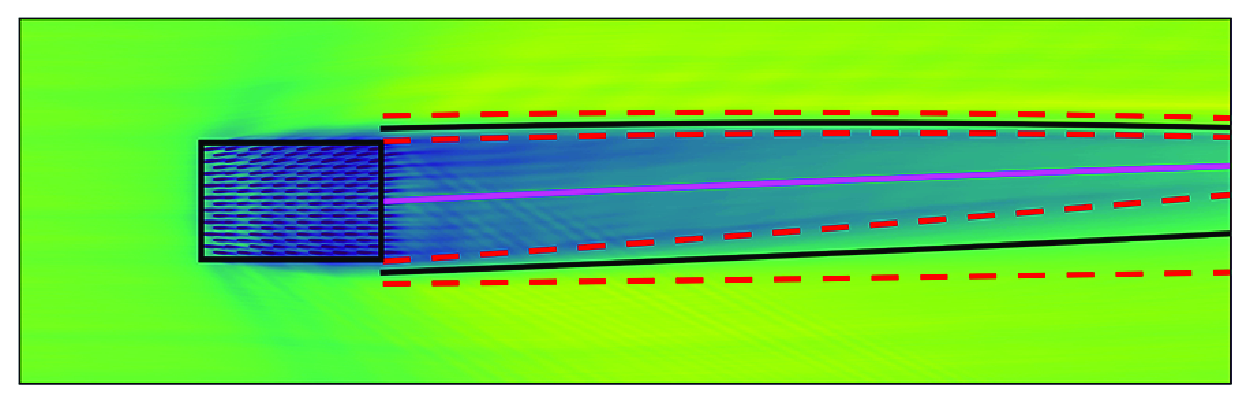
Synthetic-aperture radar images and mesoscale models show that wind-farm wakes differ from single-turbine wakes. For instance, wind-farm wakes often narrow and do not disperse over long distances, contrasting the broader and more dissipating wakes of individual turbines. In this work, we aim to better understand the mechanisms that govern wind-farm wake behaviour and recovery. Hence we study the wake properties of a $1.6$ GW wind farm operating in conventionally neutral boundary layers with capping-inversion heights $203$, $319$, $507$ and $1001$ m. In shallow boundary layers, we find strong flow decelerations that reduce the Coriolis force magnitude, leading to an anticlockwise wake deflection in the Northern Hemisphere. In deep boundary layers, the vertical turbulent entrainment of momentum adds clockwise-turning flow from aloft into the wake region, leading to a faster recovery rate and a clockwise wake deflection. To estimate the wake properties, we propose a simple function to fit the velocity magnitude profiles along the spanwise direction. In the vertical direction, the wake spreads up to the capping-inversion height, which significantly limits vertical wake development in shallow-boundary-layer cases. In the horizontal direction and for shallow boundary layers, the wake behaves as two distinct mixing layers located at the lateral wake edges, which expand and turn towards their low-velocity side, causing the wake to narrow along the streamwise direction. A detailed analysis of the momentum budget reveals that in deep boundary layers, the wake is predominantly replenished through turbulent vertical entrainment. Conversely, in shallow boundary layers, wakes are mostly replenished by mean flow advection in the spanwise direction.
The article examines the drivers of migrant atypical employment in the manufacturing sector of Emilia-Romagna, an Italian region that is well known for its high-quality manufacturing productions and industrial relations. By drawing on administrative data based on mandatory communications, we document that, even in such an institutional context, migrants have a disproportionately higher likelihood of being hired through either fixed-term or agency contracts than native workers. We interpret this evidence through a set of different theories, including human capital theory, dual labour market processes, the use of precarious contracts as screening devices, and institutional segmentation theories. The empirical analysis reveals that while migrant employment through fixed-term contracts is consistent with dual processes and screening practices, the hiring of migrants with agency contracts is driven by processes of institutional segmentation, through which employers shift the costs of flexibility to the most vulnerable and less organized segments within the labour force, such as migrants. Managerial and policy implications are discussed.
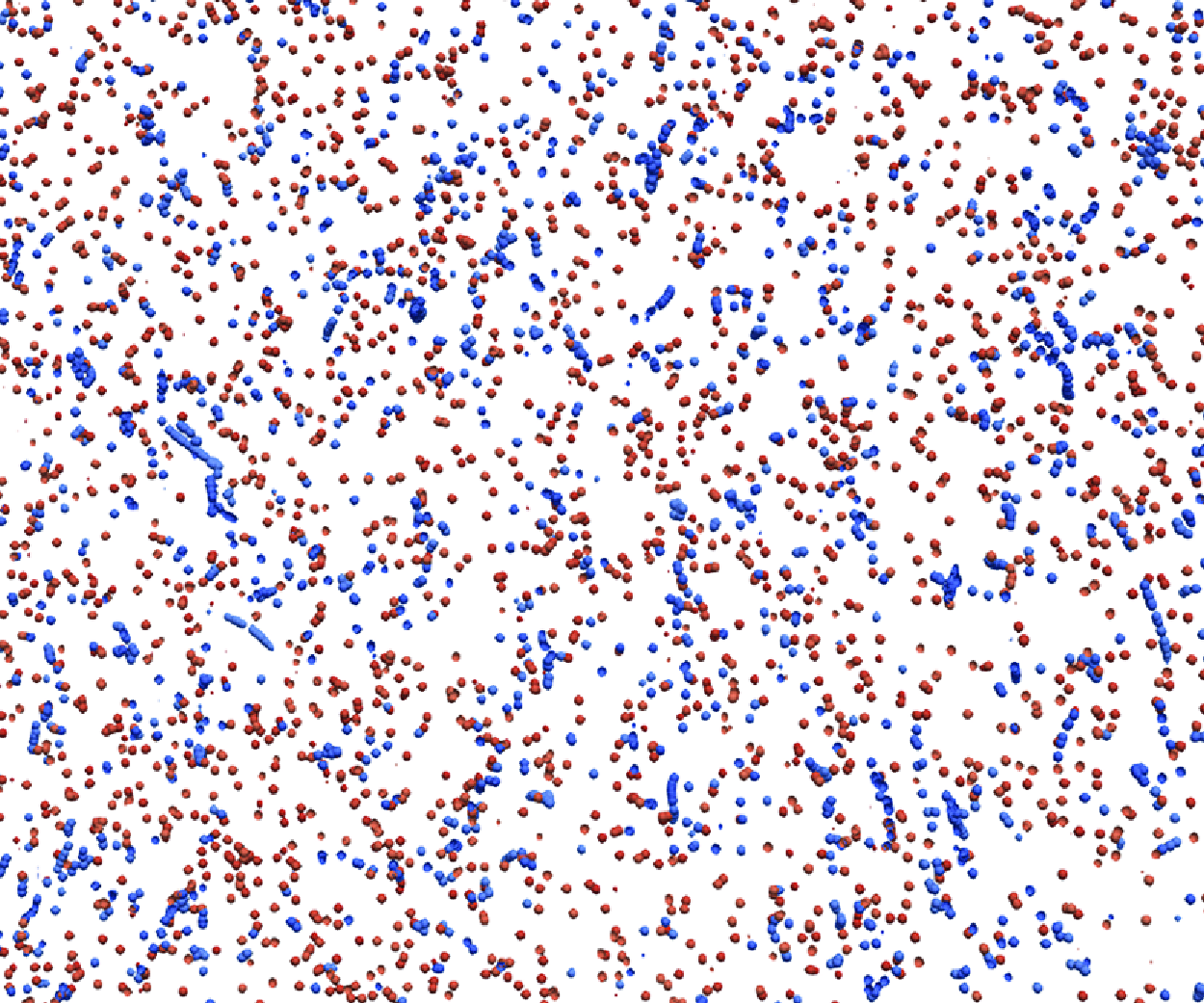
Bubble–particle collisions in turbulence are key to the froth flotation process that is widely employed industrially to separate hydrophobic from hydrophilic materials. In our previous study (Chan et al., 2023 J. Fluid Mech.959, A6), we elucidated the collision mechanisms and critically reviewed the collision models in the no-gravity limit. In reality, gravity may play a role since, ultimately, separation is achieved through buoyancy-induced rising of the bubbles. This effect has been included in several collision models, which have remained without a proper validation thus far due to a scarcity of available data. We therefore conduct direct numerical simulations of bubbles and particles in homogeneous isotropic turbulence with various Stokes, Froude and Reynolds numbers, and particle density ratios using the point-particle approximation. Generally, turbulence enhances the collision rate compared with the pure relative settling case by increasing the collision velocity. Surprisingly, however, for certain parameters the collision rate is lower with turbulence compared with without, independent of the history force. This is due to turbulence-induced bubble–particle spatial segregation, which is most prevalent at weak relative gravity and decreases as gravitational effects become more dominant, and reduced bubble slip velocity in turbulence. The existing bubble–particle collision models only qualitatively capture the trends in our numerical data. To improve on this, we extend the model by Dodin & Elperin (2002 Phys. Fluids14, 2921–2924) to the bubble–particle case and found excellent quantitative agreement for small Stokes numbers when the history force is negligible and segregation is accounted for.
The fields of archaeology and museology are working to encourage and enforce research methodologies and policies that center reciprocity and respect among archaeologists, institutions, and Native Nations. This shift in approach is grounded in part by the inclusion of the Duty of Care clause in the revised NAGPRA regulations and partly by a revised awareness of ethical standards. Policy-level changes around research access are the most impactful but can also be the most challenging to initiate. In this article, we address shifts in both institutional research policies and researchers’ approaches and practices that actively incorporate Native perspectives. The framework presented was developed as a complement to the Indigenous Collections Care Guide and is grounded in case studies from three institutions that have changed their research policies. The resulting prompts, tips, examples, and challenges are provided for both researchers and institutions to evaluate research and access practices and how they intersect with Native perspectives. Seeking input and consent from Native Nations adds challenging layers to research, but the depth, quality, and impact of the research and the strengthening of relationships and trust with the communities significantly outweigh the extra time and effort.
Research informed by sociological neoinstitutionalism often frames organizational reactions to legal norms as either loose coupling, where formal legal commitments are only weakly aligned with actual practices, or tight coupling, where strong internal or external compliance pressures drive close alignment. This article introduces a third pattern – contentious coupling – where some organizational members attempt to realign practices with legal commitments, but these very efforts provoke pushback from others, resulting in substantive yet constrained success. This paradox is key to understanding the widespread yet limited effects of legal rights. I illustrate contentious coupling by examining how international human rights law has shaped solitary confinement reform in Taiwan. While hierarchical enforcement led by rights advocates and policymakers has successfully reduced prolonged solitary confinement, it has also alienated frontline correctional officers by triggering a sense of relative deprivation and perception of hypocrisy, encapsulated in their complaints of a “human rights upsurge.” In response, these officers engage in two forms of passive resistance – formalistic care and resistance spillover – both of which undermine the authority of human rights and hinder their capacity to transform correctional culture.
This study examined the motivational factors influencing African immigrants in New Zealand to become entrepreneurs and the factors that ensured their business success. Data were collected from 117 participants through survey questions employing the Qualtrics platform and its link was sent to participants in the Auckland region. Auckland was decided on for data collection, being the most populated city and the business nerve centre of New Zealand. The research was conducted using a descriptive and quantitative approach. From the analysis, the study found that passion for business entrepreneurship, flexibility, financial independence, generic independence, autonomy, and being one’s own boss are the most highly motivational factors for influencing African immigrants in New Zealand to opt for business ownership. The study also found that the six highest-rated reasons for African immigrants’ entrepreneurial business success in New Zealand were readiness to make sacrifices to succeed, always giving the best in everything that had to be done, the importance of action, a belief that everything is possible if the entrepreneur believes he/she can do it, the challenge of taking on new projects, and learning lessons from past failure. These findings are the most important factors helping African immigrant business owners in New Auckland Zealand to attain entrepreneurial and business success. This research maintains that the results shed light on why African migrants adopt business entrepreneurship and gear themselves up for success in New Zealand.