To save content items to your account,
please confirm that you agree to abide by our usage policies.
If this is the first time you use this feature, you will be asked to authorise Cambridge Core to connect with your account.
Find out more about saving content to .
To save content items to your Kindle, first ensure no-reply@cambridge.org
is added to your Approved Personal Document E-mail List under your Personal Document Settings
on the Manage Your Content and Devices page of your Amazon account. Then enter the ‘name’ part
of your Kindle email address below.
Find out more about saving to your Kindle.
Note you can select to save to either the @free.kindle.com or @kindle.com variations.
‘@free.kindle.com’ emails are free but can only be saved to your device when it is connected to wi-fi.
‘@kindle.com’ emails can be delivered even when you are not connected to wi-fi, but note that service fees apply.
The development of childcare policy can be understood as a process shaped by conflicts across multiple, interconnected dimensions of policymaking. Whilst existing literature often emphasises tensions between established policy legacies and emerging paradigms such as work–family reconciliation and social investment, this study introduces a multi-dimensional framework that includes conflict and negotiation processes between competing policies co-existing within the policy domain but also within policies themselves, emphasising the dynamics of self-reinforcing and self-undermining feedbacks. Our analysis reveals how efforts to resolve tensions in one policy dimension can inadvertently trigger new conflicts in other dimensions. By examining the South Korean case over three decades, we demonstrate how such interwoven tensions drive long-term policy change, offering scholars a more nuanced understanding of the complex mechanisms underlying policy evolution.
Specialists globally employ various clinical scales and instruments to assess balance, gait, and motor functions in children with cerebral palsy (CP). Selecting appropriate assessment tools is essential for planning studies, developing effective treatment strategies, and tracking clinical outcomes. Given the diversity in assessment needs – whether evaluating dynamic, functional, or static balance – there is a need to identify the most suitable tools for each aspect. Therefore, the primary objective of this review is to critically analyze current clinical and instrument-based assessment methods in the literature to determine the most effective approaches for pediatric CP. This systematic review retrieved 1,812 papers, of which only 23 met the inclusion criteria and presented assessment methods for evaluating balance and motor functions in pediatric CP. These methods were further organized into clinical and instrument-based assessment groups. Among clinical examinations, the Pediatric Balance Scale and Gross Motor Function Measures were considered gold standards and featured in eight studies. In contrast, postural sway measured with the Biodex Balance System, Gait Stability Indices from the GAITRite system, and EMG sensing were the predominant instrument-based observations. Despite this variety, a consensus on the best assessment methods remains lacking. This review highlights the potential of integrating AI-driven metrics that combine clinical and instrument-based data to enhance precision and individualized care. Future research should focus on creating integrated, individualized profiles to better capture the unique capabilities of children with CP, enabling more personalized and effective intervention strategies.
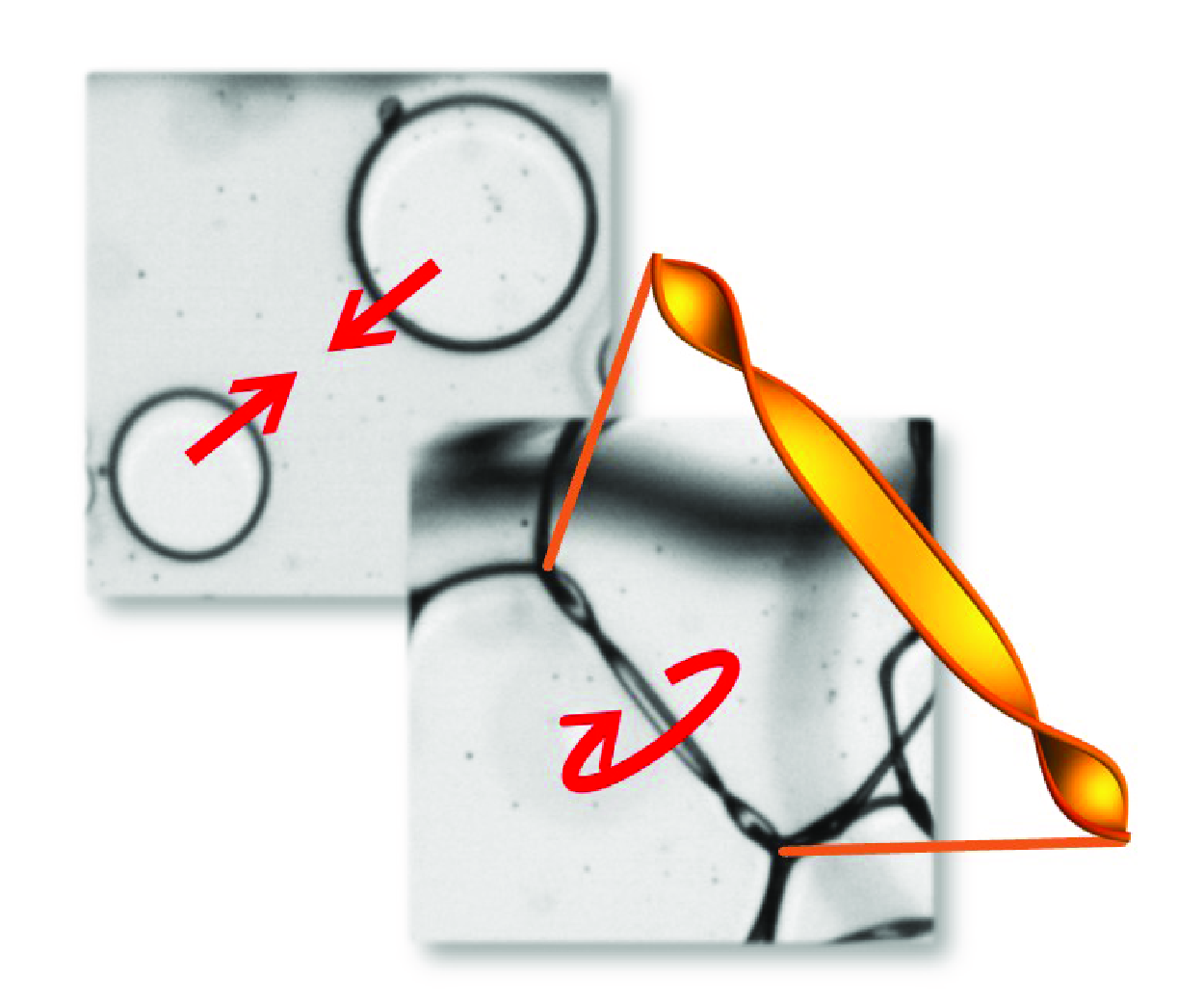
The rupture of a liquid film, where a thin liquid layer between two other fluids breaks and forms holes, commonly occurs in both natural phenomena and industrial applications. The post-rupture dynamics, from initial hole formation to the complete collapse of the film, are crucial because they govern droplet formation, which plays a significant role in many applications such as disease transmission, aerosol formation, spray drying nanodrugs, oil spill remediation, inkjet printing and spray coating. While single-hole rupture has been extensively studied, the dynamics of multiple-hole ruptures, especially the interactions between neighbouring holes, are less well understood. Here, this study reveals that when two holes ‘meet’ on a curved film, the film evolves into a spinning twisted ribbon before breaking into droplets, distinctly different from what occurs on flat films. We explain the formation and evolution of the spinning twisted ribbon, including its geometry, orbits, corrugations and ligaments, and compare the experimental observations with models. We compare and contrast this phenomena with its counterpart on planar films. While our experiments are based on the multiple-hole ruptures in corona splash, the underlying principles are likely applicable to other systems. This study sheds light on understanding and controlling droplet formation in multiple-hole rupture, improving public health, climate science and various industrial applications.
We conducted an analysis of a nationwide survey of US physician offices between 2016 and 2019 and calculated annualized prevalence rates of urinary tract infections (UTIs). During the 3-year study period, UTI was the most common infection in US physician offices, accounting for approximately 10 million annualized encounters.
This article examines the development of colonial public culture in Batavia, the capital of the Dutch East Indies, over the second half of the nineteenth century, focusing on two moments of extended colonial ceremony: the city’s 250th anniversary in 1869 and the inauguration of Queen Wilhelmina in 1898. The analysis shows that over the course of the century, colonial ceremonial increasingly sought to assimilate facets of local cultural practices, while also expanding spatially into a more diverse set of neighbourhoods. Nevertheless, this new and superficially more representative order still maintained a strict internal hierarchy embedded in spatial and socio-cultural boundaries.
Based on an efficacious face-to-face theory-driven psychological therapy for persecutory delusions in the context of psychosis, we set out to develop a scalable guided 6-month online program. The aim was an intervention that patients can easily access and use, produces large clinical effects, and can be supported by a range of mental health professionals in less contact time than face-to-face therapy. We report here the proof-of-concept testing. At least moderate-sized clinical effects were required to progress to a randomized controlled trial (RCT).
Methods
In the 6-month Feeling Safer online program, a certified medical device, patients complete a brief assessment and then are provided with up to 10 modules that match their difficulties. Regular remote meetings with a mental health professional also take place. These may be supplemented by in-person visits. A pre- to post-treatment cohort trial was conducted with 14 patients with persistent persecutory delusions. The primary outcome was the Psychotic Symptoms Rating Scale (PSYRATS)-Delusions.
Results
Satisfaction and usability ratings of the program were high. Very large reductions in persecutory delusions were observed (PSYRATS mean reduction = 7.1, 95% C.I. = 3.4, 10.8, n = 13, Cohen’s d = 3.0). There were large improvements in paranoia, anxiety, depression, agoraphobic distress, psychological wellbeing, meaningful activity, personal recovery, recovering quality of life, and moderate improvements in insomnia, agoraphobic avoidance, and quality of life.
Conclusions
The clinical effects associated with Feeling Safer were very high, comparable to those seen in the evaluations of the face-to-face therapy, and enable progression to an RCT.
Thermal integrity profiling (TIP) is a nondestructive testing technique that takes advantage of the concrete heat of hydration (HoH) to detect inclusions during the casting process. This method is becoming more popular due to its ease of application, as it can be used to predict defects in most concrete foundation structures requiring only the monitoring of temperatures. Despite its advantages, challenges remain with regard to data interpretation and analysis, as temperature is only known at discrete points within a given cross-section. This study introduces a novel method for the interpretation of TIP readings using neural networks. Training data are obtained through numerical finite element simulation spanning an extensive range of soil, concrete, and geometrical parameters. The developed algorithm first classifies concrete piles, establishing the presence or absence of defects. This is followed by a regression algorithm that predicts the defect size and its location within the cross-section. In addition, the regression model provides reliable estimates for the reinforcement cage misalignment and concrete hydration parameters. To make these predictions, the proposed methodology only requires temperature data in the form standard in TIP, so it can be seamlessly incorporated within the TIP workflows. This work demonstrates the applicability and robustness of machine learning algorithms in enhancing nondestructive TIP testing of concrete foundations, thereby improving the safety and efficiency of civil engineering projects.
I reconfigure Hegel’s distinction between Tat (deed) and Handlung (action) to illuminate Oedipus’s enigmatic formula: ‘I suffered my deeds more than I acted them’. Most interpreters hold that Oedipus mistook his Tat for a Handlung and wrongly took responsibility for parricide and incest. I argue against the merely causal reading of Tat presupposed by this view that the tragic Tat also has an intentional structure. On the Restrictive Intentionalism about Action (RIA) which underlies Handlung, what counts as my action is only the realization of a conscious intention, accomplished with reasonable knowledge of the relevant circumstances and foreseeable consequences of realizing my intention. On RIA, Oedipus killed the charioteer and married Iocasta: parricide and incest happened to him. By contrast, on the Inclusive Intentionalism about Action (IIA) which underlies the tragic Tat, what counts as my action is everything I bring about in realizing a conscious intention, regardless of reasonable expectations about knowledge of the circumstances or foreseeable consequences of realizing my intention. On IIA, parricide and incest are part of the ‘whole compass’ of Oedipus’s deeds. I argue that Oedipus is right to take responsibility for his deeds and draw on Tony Honoré’s conception of ‘outcome responsibility’ to characterize the responsibility at stake as blameless liability. Where Oedipus errs is in taking ethical responsibility for his deeds. I show that in Oedipus at Colonus the older Oedipus reverses his position and holds, somewhat surprisingly, that he is innocent and ‘did nothing’. I argue that this reversal presupposes an implicit shift from IIA to RIA, and that this shift helps to finally make sense of Oedipus’s enigmatic formula: Oedipus suffered his deeds (on RIA) more than he acted them (on IIA). I conclude by widening the perspective beyond ancient Greece and engage with Bernard Williams’s interpretation of the same formula.
SIGIRR, also known as the single immunoglobulin interleukin-1 receptor (IL-1R)-related molecule, is a member of the IL-1 receptor superfamily and is believed to play a pivotal role in inflammation and anti-inflammatory regulation within the body. Studies have shown that SIGIRR expression is associated with autoimmunity, inflammatory disorders, graft rejection, viral infection, thrombosis and tumour progression. Due to its unique structure and function, SIGIRR is commonly referred to as an ‘orphan receptor’, with IL-37 being the only confirmed ligand molecule for SIGIRR to date. The primary mechanism through which SIGIRR exerts its anti-inflammatory regulatory effect involves the negative modulation of the Toll-like receptor-IL-1R (TLR-IL-1R) signalling pathway. TLR-IL-1R signalling plays critical roles in immune responses triggered by microbial invasion and alterations in the tumour immune microenvironment. This article provides an overview of research findings on SIGIRR as an orphan receptor and its regulatory role in maintaining a delicate balance between natural immune activation and uncontrolled inflammatory processes under pathological conditions.
While nutrition plays a major role in health, medical students have generally not received adequate nutritional education, lack confidence in their nutritional knowledge and feel unqualified to offer nutrition advice to future patients. Culinary medicine programmes have been developed to address this gap and employ an active learning approach that integrates medical and nutritional learning with the acquisition of culinary competencies and skills. This study aimed to qualitatively evaluate the Université Laval culinary medicine course based on students’ experiences of the course structure, active learning approach and its influence on their lifestyle, clinical practice and future approach to nutrition as physicians.
Design:
Discussion groups were conducted. Thematic content analysis of discussion group data was performed.
Setting:
A first French-language culinary medicine course was developed and pilot tested at Université Laval. The curriculum of this course combined online training videos on medical and nutritional concepts, hands-on cooking sessions and the realisation of a collaborative project.
Participants:
Pre-clerkship medical students enrolled in the elective culinary medicine course at each pilot project semesters (fall 2022: n 12, winter 2023: n 12).
Results:
Students valued the course’s innovative active learning approach, noting improvements in their diet, nutrition and cooking knowledge, skills, self-efficacy and confidence. They also developed greater critical thinking regarding nutrition and recognised their role in collaborating with dietitians.
Conclusion:
The culinary medicine course demonstrated prospective benefits for medical students, potentially improving their personal and future patients’ health and the integration of nutrition into medical education and practice.
Effective interdisciplinary collaboration is essential for addressing complex clinical and translational research challenges. This paper presents and evaluates a structured team science training program developed by the Colorado Clinical and Translational Sciences Institute (CCTSI), while also introducing and validating a novel assessment tool used to measure changes in key teaming competencies.
Methods:
We evaluated the effectiveness of this program between 2020 and 2022 using pre- and post-program surveys (N = 221). Our evaluation tool was designed to capture familiarity with teaming concepts and the frequency of applying collaborative practices. Principal component analysis (PCA) was applied to validate the grouping of these competencies, and paired t-tests were used to measure changes over time.
Results:
PCA revealed three distinct components of team science competencies: Team Planning, Managing a Team, and Interpersonal Relations, all demonstrating strong internal reliability. Participants showed statistically significant improvements (p < 0.05) in all three domains. Gains were robust in Team Planning and Managing a Team, emphasizing structured tools and practices. Although improvement was also observed in Interpersonal Relations, the overall gains were smaller.
Conclusions:
These findings highlight the self-reported value of Team Science Training programs in CTR settings. The TEAMS instrument described in this manuscript offers a novel approach for CTSAs to evaluate their Team Science training programs. Future applications could include longitudinal tracking and integration metrics to support future program planning, particularly fostering interdisciplinary collaboration and team integration.
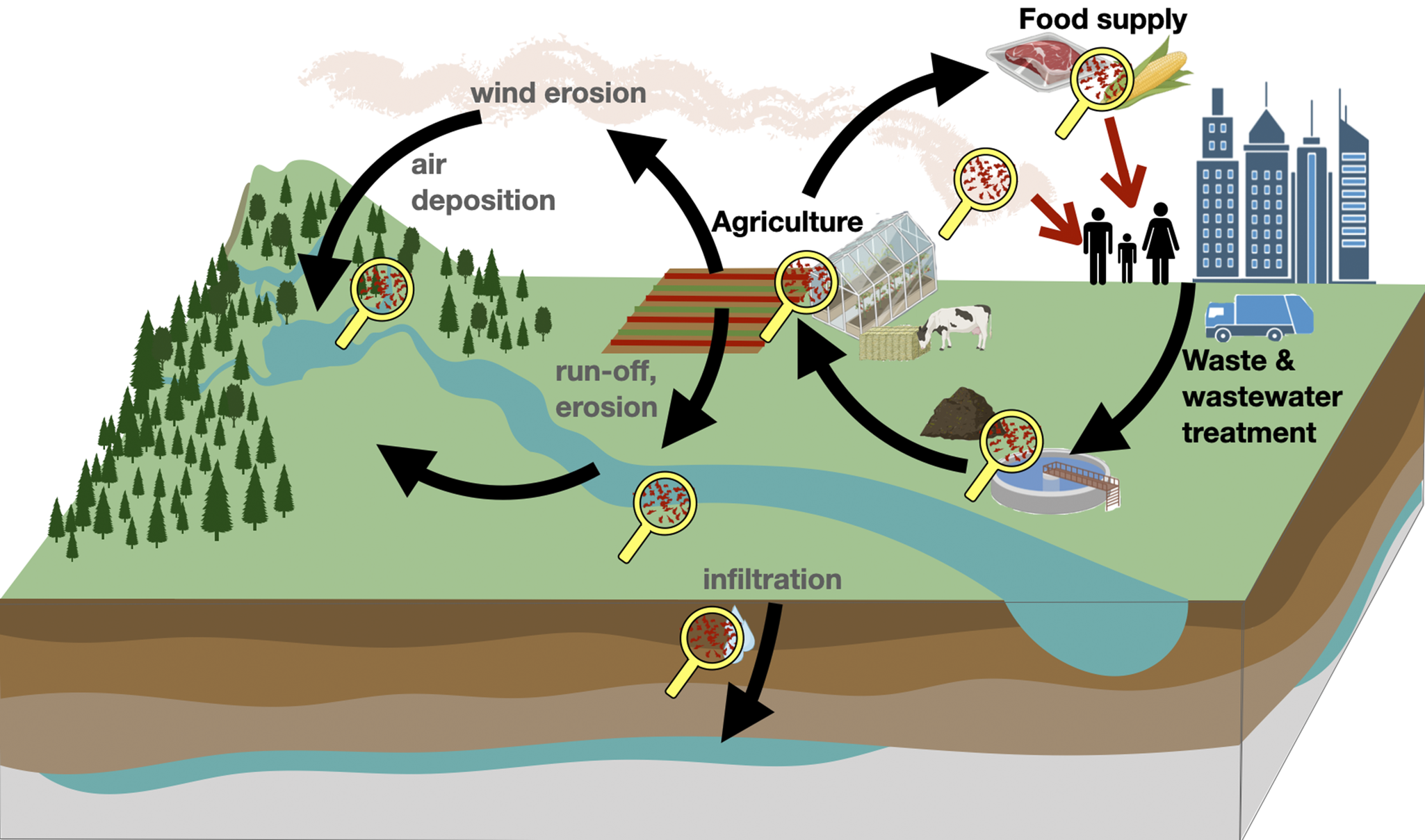
An ambitious global plastics treaty is urgently needed to decrease soil pollution from microplastics and nanoplastics (MNPs), originating both from intentional uses of agricultural plastics and from composts and sludges applied to soils, contaminated due to the increasing plastic production and use. The current narrative, biased by vested interests, overemphasizes short-term benefits of agricultural plastics, while ignoring their adverse effects. MNPs disturb invertebrate and pollinator behavior, affect nutrient cycling and carbon sequestration, decrease photosynthesis and plant growth, contribute to water and air pollution and may contaminate plants, crops and livestock. The thousands of chemicals contained in conventional and biodegradable or biobased plastics can leach into soil. By threatening ecosystem functioning and terrestrial food production, plastic pollution represents a challenge for food safety and human health and is a long-term threat to food security. To protect soils from plastic pollution, a strong global treaty is needed, with provisions on plastic production reduction, product design and regulation of plastic chemicals. Plastics’ essentiality, sustainability and safety criteria are needed in the agriculture sector – where plastics are used unsustainably and not all are essential – and in all sectors along the food production value chain (food processing, packaging).
Enlist E3® soybean is resistant to 2,4-D, glyphosate, and glufosinate, allowing postemergence applications of these herbicides sequentially or as tank mixes. The objectives of this experiment were to evaluate the effect of postemergence herbicide application timing and sequence with or without a preemergence application of micro-encapsulated acetochlor on waterhemp and common lambsquarters control, soybean yield, and economic returns. Field experiments were conducted in Rosemount and Franklin, Minnesota, in 2021 and 2022. Site, herbicide application timing, and sequence influenced weed control, yield, and profitability. In Rosemount, preemergence followed by (fb) two-pass postemergence programs, including 2,4-D + glyphosate applied at mid-postemergence with or without S-metolachlor, resulted in ≥95% waterhemp control at 28 d after late postemergence application. In Franklin, where weed density was lower, two-pass postemergence programs, regardless of preemergence application that included at least one application of 2,4-D + glyphosate (with or without S-metolachlor), provided ≥97% control of waterhemp and common lambsquarters at 28 d after late postemergence. The level of control was comparable to that of a preemergence herbicide fb a mid-postemergence application of 2,4-D + glyphosate + S-metolachlor at that site. In Rosemount, including acetochlor as the preemergence herbicide in the preemergence fb postemergence programs improved soybean yield by 32% and partial returns by US$384.50 ha−1 compared to postemergence herbicides–only programs. In contrast, the preemergence application did not affect yield or profitability in Franklin. The highest soybean yield (2,925.7 kg ha−1) in Rosemount resulted after glufosinate was applied early postemergence fb 2,4-D + glyphosate applied mid-postemergence. This yield was comparable to that of glufosinate applied early postemergence fb 2,4-D + glyphosate + S-metolachlor applied mid-postemergence and the two-pass glufosinate (early postemergence fb mid-postemergence) program, highlighting the importance of early season weed control. In Franklin, 2,4-D + glyphosate + S-metolachlor (applied mid-postemergence) fb glufosinate (applied late postemergence) provided a yield that was similar to the aforementioned programs at that site.
Our quasi-experimental pilot study between July to September 2024 showed that real-time audit/feedback for antibiotic discharge prescriptions improved appropriateness from 50% to 83%, while decreasing median antibiotic duration compared to preintervention period. Hospital discharges are an important transition point for antimicrobial stewardship interventions at discharge.