To save content items to your account,
please confirm that you agree to abide by our usage policies.
If this is the first time you use this feature, you will be asked to authorise Cambridge Core to connect with your account.
Find out more about saving content to .
To save content items to your Kindle, first ensure no-reply@cambridge.org
is added to your Approved Personal Document E-mail List under your Personal Document Settings
on the Manage Your Content and Devices page of your Amazon account. Then enter the ‘name’ part
of your Kindle email address below.
Find out more about saving to your Kindle.
Note you can select to save to either the @free.kindle.com or @kindle.com variations.
‘@free.kindle.com’ emails are free but can only be saved to your device when it is connected to wi-fi.
‘@kindle.com’ emails can be delivered even when you are not connected to wi-fi, but note that service fees apply.
Fruit growth is driven by the interaction of environmental cues and phytohormonal signals. Biophysical models have captured the general trend of fruit growth but often overlook the regulatory role of phytohormones. This study integrates a biophysical framework with the quantitative response of endogenous abscisic acid (ABA) in fruit. ABA dynamics are incorporated as a ripening signal, influencing sugar uptake, respiration, hydraulic conductance and transpiration processes. The model has been primarily tested on blueberries, a fruit with well-characterised ABA responses. Simulations show predictive accuracy and explanatory capability for fruit mass under variable climatic conditions. Notably, the model effectively simulates the impacts of environmental stresses such as heat, cold and drought, capturing the resulting physiological delays in fruit growth. Our research underscores the potential of integrating phytohormonal responses into biophysical models, providing key insights into fruit growth dynamics and practical guidance for optimising crop management under increasing climate uncertainties.
The micronutrient chloride (Cl―) plays key roles in plant physiology, from photosystem II and vacuolar ATPase activity to osmoregulation, turgor maintenance and drought resilience, while also posing toxicity risks at high concentrations. This review examines Cl― uptake, transport and homeostasis, focussing on adaptations balancing its dual roles as a nutrient and toxicant. Key transporters, including NPF, SLAH, ALMT, CLC and CCC families, mediate Cl― fluxes to maintain ionic balance and prevent toxicity. Plants employ strategies such as selective uptake and vacuolar compartmentalization to cope with high salinity. Cl― also influences nitrogen-use efficiency and plant productivity. Advances in transporter biology reveal the role of Cl― in water-use efficiency, drought resilience and stress adaptation.
Technology neutrality is a guiding principle of the European Union’s technology regulation, stating that legislation should not favour or discriminate against any particular technology, but rather focus on the effects or functions of technologies broadly. This article examines the principle as a way to future-proof regulation by allowing legislation to adapt to the changes in technology over time. Effects of technology neutrality have not been sufficiently analysed in the novel context of regulation of artificial intelligence, which arguably poses more significant societal risks than telecommunications, where the principle first evolved. To address this gap in research, this article analyses whether the technology neutral nature of the EU’s Artificial Intelligence Act (AI Act) renders it more future-proof. It identifies three main factors that affect future-proofness of the AI Act in light of technology neutrality: definition of AI, the risk-based approach and its enforcement mechanisms. The findings indicate that the AI Act’s deviations from technology neutrality, including specific provisions for general-purpose AI models significantly improved its scope and future-proofness. Thus, technology neutrality and future-proof regulation should not be treated synonymously, and strict adherence to neutrality may even obscure the political choices and democratic agency essential for AI regulation.
The assessment of soil–structure interaction (SSI) under dynamic loading conditions remains a challenging task due to the complexities of modeling this system and the interplay of SSI effects, which is also characterized by uncertainties across varying loading scenarios. This field of research encompasses a wide range of engineering structures, including underground tunnels. In this study, a surrogate model based on a regression ensemble model has been developed for real-time assessment of underground tunnels under dynamic loads. The surrogate model utilizes synthetic data generated using Latin hypercube sampling, significantly reducing the required dataset size while maintaining accuracy. The synthetic dataset is constructed using an accurate numerical model that integrates the two-and-a-half-dimensional singular boundary method for modeling wave propagation in the soil with the finite element method for structural modeling. This hybrid approach allows for a precise representation of the dynamic interaction between tunnels and the surrounding soil. The validation and optimization algorithms are evaluated for two problems: underground railway tunnels with circular and rectangular cross-sections, both embedded in a homogenous full-space medium. Both geometrical and material characteristics of the underground tunnel are incorporated into the optimization process. The optimization target is to minimize elastic wave propagation in the surrounding soil. The results demonstrate that the proposed optimization framework, which combines the Bayesian optimization algorithm with surrogate models, effectively explores trade-offs among multiple design parameters. This enables the design of underground railway tunnels that achieve an optimal balance between elastic wave propagation performance, material properties, and geometric constraints.
This study was designed to explore changes in soil bulk density (BD), soil organic carbon (SOC) content, SOC stocks, and soil labile organic carbon (C) fractions after 5 years of soil tillage management under the double-cropping rice system in southern of China. The experiment included four soil tillage treatments: rotary tillage with all crop residues removed as a control (RTO); conventional tillage with crop residues incorporation (CT); rotary tillage with crop residues incorporation (RT); and no-tillage with crop residues retention. Our results revealed that soil tillage combined with crop residue incorporation (CT and RT) significantly decreased BD at 0–20 cm soil layer compared to RTO treatment. SOC content and stocks were increased with the application of crop residues. Compared with RTO treatment, SOC content and stocks were increased by 16.8% and 9.8% in CT treatment, respectively. Soil non-labile C content and proportion of labile C were increased due to crop residue incorporation. Compared with RTO treatment, soil proportion of C mineralisation (Cmin), permanganate oxidisable C (KMnO4), particulate organic C (POC), and microbial biomass C (MBC) was increased by 196.1%, 41.4%, 31.4%, and 17.1% under CT treatment, respectively. These results were confirmed by the carbon management index, which was significantly increased under soil tillage with crop residue incorporation. Here, we demonstrated that soil tillage and crop residue incorporation can increase the pool of stable C at surface soil layer while increasing labile C content and proportion. In conclusion, conventional or rotary tillage combined with crop residue incorporation is a soil management able to improve nutrient cycling and soil quality in paddy fields in southern China.
When implementing EU policies, national policy bureaucracies often face a goal conflict when national policy preferences are not aligned with the EU policy and they are granted little discretion in implementation: While customized implementation allows them to adjust EU policies to the national context, it also risks noncompliance with EU law and blame for unpopular EU policies. This bureaucratic politics perspective has received little attention in institutionalist and interest-based explanations of customized implementation. With a bureaucratic politics approach, this article argues that national governments pursue strategies of blame avoidance and reputation seeking when confronted with high goal conflict between timely and correct implementation and substantive (national) policy goals. This argument is illustrated in a comparative case study on the implementation of the EU Single-Use Plastics Directive in France and Germany. This article identifies bureaucratic strategies of blame avoidance and reputation seeking as an underlying mechanism of customized implementation.
Distribution channels such as bancassurance, brokers, agents, direct online sales, and insurance aggregators have been key to ensuring premium growth for both life and non-life insurers. However in recent years, an emerging channel known as embedded insurance has started to provide insurers with a brand-new growth driver. In this paper, we first present an introduction to embedded insurance – what it is and how it will shape insurance distribution in the industry. We then introduce a framework to classify embedded insurance recommendation system. Finally, we propose a novel insurance recommendation system using supervised learning algorithms that can be applied to e-commerce platforms. This needs-based collaborative filtering technique recommends one of three insurance products that would be most appropriate for each buyer on the Olist e-commerce platform based on order-level data. Our work is relevant for actuaries in this field interested in the pricing of embedded insurance risk as well as insurers seeking to improve insurance penetration on such platforms.
Monkeypox (mpox) has re-emerged as global public health concern including in several non-endemic countries. This study aims to characterize monkeypox virus (MPXV) genomes in Indonesia, to explore viral evolution and transmission. Genomic analysis was conducted on 53 isolates from Indonesian mpox patients between 2023 and 2024. All sequences belonged to Clade IIb, with identified sub-clades including A.1.1, B.1, B.1.3, and C.1 – of which C.1 became dominant during this period. Out of 87 mpox-confirmed cases, 60.9% (53/87) were successfully sequenced and submitted to the Global Initiative on Sharing All Influenza Data (GISAID). The majority of cases in Indonesia occurred among males (95.4%), men who have sex with men (59.8%), and people living with HIV/AIDS (71.3%). Notably, a large portion of cases had no travel history, suggesting local transmission. Initially, only clade IIb (B.1) was detected in October 2022. By August 2023, lineage diversity had increased, with B.1.3 and C.1 emerging as the predominant sub-clades. A time–calibrated phylogenetic tree revealed genetic relatedness and shared ancestry within clade IIb. Integrating genomic and epidemiological data offers valuable insights to improve mpox surveillance and public health response in Indonesia and the broader region
Women in the perinatal phase are at an increased risk of experiencing mental health problems, but in low and middle-income countries such as India, perinatal mental health (PMH) care provision is often scarce. This situational analysis presents the formative findings of the SMARThealth Pregnancy and Mental Health (PRAMH) project (Votruba et al. 2023). It investigates the nature and availability of maternal mental health policies, legislation, systems and services, as well as relevant context and community in India on a national, state (Haryana and Telangana) and district (Faridabad and Siddipet) level. A desktop, scoping review and informal interviews with mental health experts were conducted. Socio-demographic and maternal health indicators vary between Haryana and Telangana. No specific national PMH policy or plan is available. General mental health services exist at a district level within Siddipet and Faridabad, but no specific PMH services have been identified.
Blast injuries can occur by a multitude of mechanisms, including improvised explosive devices (IEDs), military munitions, and accidental detonation of chemical or petroleum stores. These injuries disproportionately affect people in low- and middle-income countries (LMICs), where there are often fewer resources to manage complex injuries and mass-casualty events.
Study Objective:
The aim of this systematic review is to describe the literature on the acute facility-based management of blast injuries in LMICs to aid hospitals and organizations preparing to respond to conflict- and non-conflict-related blast events.
Methods:
A search of Ovid MEDLINE, Scopus, Global Index Medicus, Web of Science, CINAHL, and Cochrane databases was used to identify relevant citations from January 1998 through July 2024. This systematic review was conducted in adherence with PRISMA guidelines. Data were extracted and analyzed descriptively. A meta-analysis calculated the pooled proportions of mortality, hospital admission, intensive care unit (ICU) admission, intubation and mechanical ventilation, and emergency surgery.
Results:
Reviewers screened 3,731 titles and abstracts and 173 full texts. Seventy-five articles from 22 countries were included for analysis. Only 14.7% of included articles came from low-income countries (LICs). Sixty percent of studies were conducted in tertiary care hospitals. The mean proportion of patients who were admitted was 52.1% (95% CI, 0.376 to 0.664). Among all in-patients, 20.0% (95% CI, 0.124 to 0.288) were admitted to an ICU. Overall, 38.0% (95% CI, 0.256 to 0.513) of in-patients underwent emergency surgery and 13.8% (95% CI, 0.023 to 0.315) were intubated. Pooled in-patient mortality was 9.5% (95% CI, 0.046 to 0.156) and total hospital mortality (including emergency department [ED] mortality) was 7.4% (95% CI, 0.034 to 0.124). There were no significant differences in mortality when stratified by country income level or hospital setting.
Conclusion:
Findings from this systematic review can be used to guide preparedness and resource allocation for acute care facilities. Pooled proportions for mortality and other outcomes described in the meta-analysis offer a metric by which future researchers can assess the impact of blast events. Under-representation of LICs and non-tertiary care medical facilities and significant heterogeneity in data reporting among published studies limited the analysis.
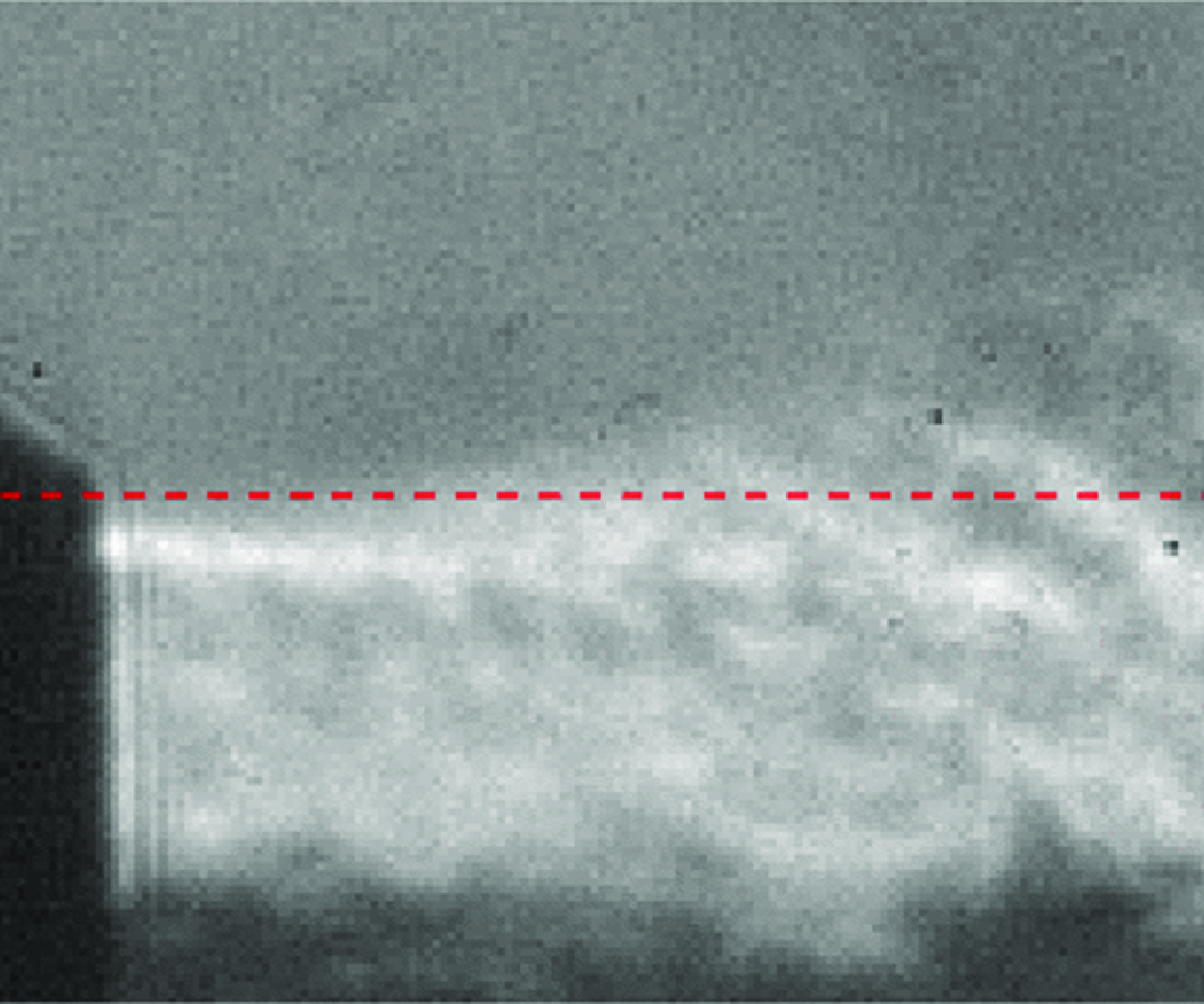
The jet from a model-scale, internally mixed nozzle produced a loud howling when operated at jet Mach numbers between 0.80 and 1.00. Discrete tones dominated the noise radiated to the far field and powerful oscillations were present in the jet. To explain these observations, this paper leverages a blend of experimental acoustic and flow measurements and modal analyses thereof via the spectral proper orthogonal decomposition, computational fluid dynamics simulations and local, linear stability analyses of vortex-sheet models for the flow inside the nozzle. This blend of experiments, computations and theory makes clear the cause of the howling, what sets its characteristic frequency and how it may be suppressed. The flow around a small-radius, convex bend just upstream of the final-nozzle exit led to a pocket of locally supersonic flow that was terminated by a shock. The shock was strong enough to separate the boundary layer, but neither the attached nor separated states were stable. A periodic, shock-induced separation of the boundary layer resulted, and this shock-wave/boundary-layer interaction coupled with a natural acoustic mode of the nozzle’s interior in a feedback phenomenon of sorts. Acoustic tones and large flow oscillations were produced at the associated natural frequency of the nozzle’s interior.
A previous analysis of 200,000 exome-sequenced UK Biobank participants using weighted burden analysis of rare, damaging variants failed to identify any genes associated with risk of affective disorder requiring specialist treatment. Exome-sequence data has now been made available for the remaining 270,000 participants and a two-stage process was applied in order to test for association in this second sample using only genes showing suggestive evidence for association in the first sample.
Methods:
Cases were defined as participants who reported having seen a psychiatrist for ‘nerves, anxiety, tension or depression’. Exhaustive testing of the first sample was carried out using rare variant analyses informed by 45 different predictors of impact of nonsynonymous variants. The 100 genes showing the strongest evidence for association were then analysed in the second sample using the same predictor as had been most statistically significant in the first sample.
Results:
The results for the 100 nominated genes conformed closely with the null hypothesis, with none approaching statistical significance after correction for multiple testing.
Conclusion:
Risk of common affective disorder, even if severe enough to warrant specialist referral, is not sufficiently impacted by effects of rare variants in a small enough number of genes that effects can be detected even with large sample sizes. Actionable results might be obtained with a more extreme phenotype but very significant resources would be required to achieve adequate power. This research has been conducted using the UK Biobank Resource.
Ventricular tachycardia is a rare condition in the fetus and neonate with a paucity of data regarding the management and outcomes.
Methods:
We reviewed the clinical histories, associated CHD and syndromes, diagnostic investigations, management strategies, and outcomes for all fetuses and neonates with ventricular tachycardia encountered between 2005 and 2020.
Results:
Five fetal and 8 neonatal cases of ventricular tachycardia were encountered. Two (40%) fetal cases, compared to 5 (62%) neonatal cases had CHD (p = 0.59), and only 1 fetus had cardiomyopathy with findings suggesting restriction before ventricular tachycardia onset. The median age at ventricular tachycardia presentation was 32 (26–37) weeks for fetal and 11 (1–27) days for neonatal cases. Of the fetal cases, 2 were initially treated trans-placentally with propranolol and 2 with amiodarone. Two fetuses (40%) had ventricular tachycardia suppression prenatally that recurred during the neonatal period necessitating propranolol therapy, 2 (40%) had resolution before birth with no postnatal recurrence, and the cardiomyopathy case never achieved full control, developed hydrops and demised. Of the neonatal cases, 4 received intravenous antiarrhythmics on admission: 3 amiodarone and 1 esmolol, and 2 of these were converted to propranolol and 2 to sotalol. Three other neonates initially received propranolol, with 1 discharged on propranolol, 1 on sotalol, and 1 on mexiletine after failed propranolol and sotalol treatment. The 8th neonate was discharged on no medication.
Conclusion:
Most fetal and neonatal ventricular tachycardia is manageable with pharmacologic therapy. Given its rarity, larger studies are needed to identify optimal management strategies.
The coupling of the disruptive processes of digitalization and the green transformation in a so-called “Twin Transformation” is already being considered a strategic step within the European Union and is discussed in the academic sphere. Strategically, this coupling is necessary and meaningful to realize synergies and to avoid counterproductive effects, such as rebound effects or lock-in effects, particularly given the time constraints imposed by climate change. The European data strategy not only calls for the establishment of various data spaces, such as the data space for the European Green New Deal, but also calls for the opening, integration, and utilization of European data for stakeholders from administration, business, and civil society. Considering this, it is argued that administrative informatics as a discipline could be integrated as an additional analytical perspective into the political science heuristic of the policy cycle. This integration offers substantial added value for analyzing and shaping the policy processes of the European Green transformation. Moreover, this heuristic approach enables the ex-ante prediction of changes in policymaking based on the theories, models, methods, and application areas of administrative informatics. Building on this premise, this article provides insights into the application of the proposed heuristic using the example of the European Green transformation. It analyzes the resulting implications for the analysis of policymaking considering an increasingly digitalized public administration.
Nonlinear dynamical systems often allow for multiple statistically stationary states for the same values of the control parameters. Herein, we introduce a framework that selectively eliminates specific nonlinear triad interactions, thereby suppressing emergence of a particular state, and enabling the emergence of another. The methodology is applied to yield the multiple convection-roll states in two-dimensional planar Rayleigh–Bénard convection (e.g. Wang et al., 2020, Phys. Rev. Lett., vol. 125, 074501) in the turbulent regime. The intrusive framework presented here is based on the observation that the characteristic wavenumber associated with the mean horizontal size of the convection rolls mediates triadic scale interactions resulting in both kinetic energy and temperature variance cascades that are dominant energy transfer processes in a statistically stationary state. Suppression of these cascades mediated by a candidate wavenumber hinders the formation of the convection rolls at that wavenumber. Consequently, convection rolls are formed at another candidate wavenumber which is allowed to mediate energy to establish the cascade processes. In case no stable convection-roll states are possible, this technique does not tend to yield any convection rolls, making it a suitable method for discovering multiple states. Whereas in previous investigations the signature of different states in the initial condition in simulations yielded the multiple states, the present method alleviates such dependence of the emergence of multiple states on initial conditions. It is also demonstrated that accurate predictions of statistical quantities, such as Nusselt number and volume-averaged Reynolds numbers, can also be obtained using this method. The convection-roll states yielded using this technique may be used as initial conditions for direct simulations quickly converging to the target roll state without taking long convergence routes involving state transitions. Additionally, because only one state can possibly emerge in each simulation, this technique can empirically designate each of the multiple states with respect to their stability.
This article examines the narrative strategies employed in the representation of world literature history, departing from the chronological and geographical divisions used in the recently published four-volume work, Literature: A World History. The separation of the narrative paths by continents may appear overly mechanical, but the work demonstrates remarkable flexibility in this regard. The example of classical literature is particularly illustrative. Despite the chapters belonging to the ‘Europe’ category, the work discusses literature produced in all three continents around the Mediterranean together and without any mechanical separation. Although divisions in a narrative of such a vast scope are unavoidable, it is essential to apply them in a flexible manner.
In this article, we argue that Brazilian tan lines constitute a new site of race and class struggle on and over women’s bodies. Popular in Rio’s socially and geographically marginalized periphery, fita (electrical tape) bikinis leave sharp and shocking tan lines that call attention to the contrast between lighter and darker skin. Brazil’s funk music sensation Anitta brings this aesthetic practice to the global stage as part of her brand, disrupting hegemonic beauty norms and attracting attention for herself and her fans. Through the public display of their bronzed sensuality, Brazilian women accrue “visibility capital” as they create new forms of bodily value and self-esteem in what we call a look economy. While global beauty hierarchies continue to promote and glorify whiteness, Anitta and fita tanners simultaneously turn heads (in person), attract eyeballs (online), and lay claim to the right to represent Brazil.
Cognitive Behavioural Therapy for psychosis (CBTp) is an effective psychological treatment for Schizophrenia Spectrum and other psychotic Disorders (SSD). Despite guidelines recommending CBTp for all psychotic disorder patients, many SSD patients lack access to the treatment and little is known about its long-term cost-effectiveness. The aim of this study is to evaluate the cost-effectiveness of CBTp for the treatment of psychotic disorders through scenario analysis from a healthcare perspective.
Methods
Increased implementation of CBTp was evaluated using a real-world SSD population (N = 12,835) from the northern Netherlands (2010–2019). A patient-level model was used to simulate the long-term effects of rehospitalisation rate. We compared treatment as usual (TAU) with the same TAU plus hypothetical CBTp for all individuals not having received such in TAU, hence patients who received any CBTp sessions prior were excluded (N = 2,679). Outcomes considered were quality-adjusted life years gained and total costs of mental healthcare. Additional sensitivity and scenario analyses were performed to evaluate structural and parameter uncertainty.
Results
TAU+CBTp was a cost-effective treatment in 61.2% of the simulations. The simulated net present values for QALY gains were 0.038, and for incremental costs were €492 per patient on average, resulting in an expected incremental cost-effectiveness ratio (ICER) of €12,947.
Conclusions
The evaluation shows that CBTp is likely a cost-effective treatment, although results were uncertain. These findings stress the importance of sufficient availability of CBTp for SSD patients. Making CBTp available for all eligible SSD patients may lead to substantial health gains for the SSD population and cost savings from the healthcare perspective in The Netherlands.
We study monitoring and enforcement for environmental compliance in the context of a transitional economy. We estimate the factors correlated with inspections carried out by the Chilean Superintendence of Environment, the imposition of fines to detected violators and the compliance behaviour of regulated facilities. The analysis considers 6,670 facilities from different economic sectors between 2013 and 2019. We find evidence of targeted monitoring and enforcement actions based on past facilities’ behaviour and individual specific characteristics. The size of the implemented fines on detected violators correlates positively with the severity and recurrence of the violation and larger fines are imposed on facilities in the energy and mining sector. We also find that the imposition of fines is transmitted as a spillover effect on the compliance behaviour of facilities sharing the same firm owner. We discuss the policy implications for improving monitoring and enforcement strategies under budget constraints.