To save content items to your account,
please confirm that you agree to abide by our usage policies.
If this is the first time you use this feature, you will be asked to authorise Cambridge Core to connect with your account.
Find out more about saving content to .
To save content items to your Kindle, first ensure no-reply@cambridge.org
is added to your Approved Personal Document E-mail List under your Personal Document Settings
on the Manage Your Content and Devices page of your Amazon account. Then enter the ‘name’ part
of your Kindle email address below.
Find out more about saving to your Kindle.
Note you can select to save to either the @free.kindle.com or @kindle.com variations.
‘@free.kindle.com’ emails are free but can only be saved to your device when it is connected to wi-fi.
‘@kindle.com’ emails can be delivered even when you are not connected to wi-fi, but note that service fees apply.
Many people experiencing mental ill health are trapped in cycles of worsening social exclusion. Individual Placement and Support (IPS) is being implemented to support those with mental ill health into employment. However, this intervention does not address the many challenges faced by those who are more vulnerable and is less effective for those with more severe clinical presentations. Although National Health Service (NHS) guidance suggests broader support is needed, there is little clarity over what this should look like. We discuss one model, drawing on years of experience facilitating user-led services at Lambeth Vocational Services, implementing a genuinely person-centred, trust-based approach to facilitate social inclusion.
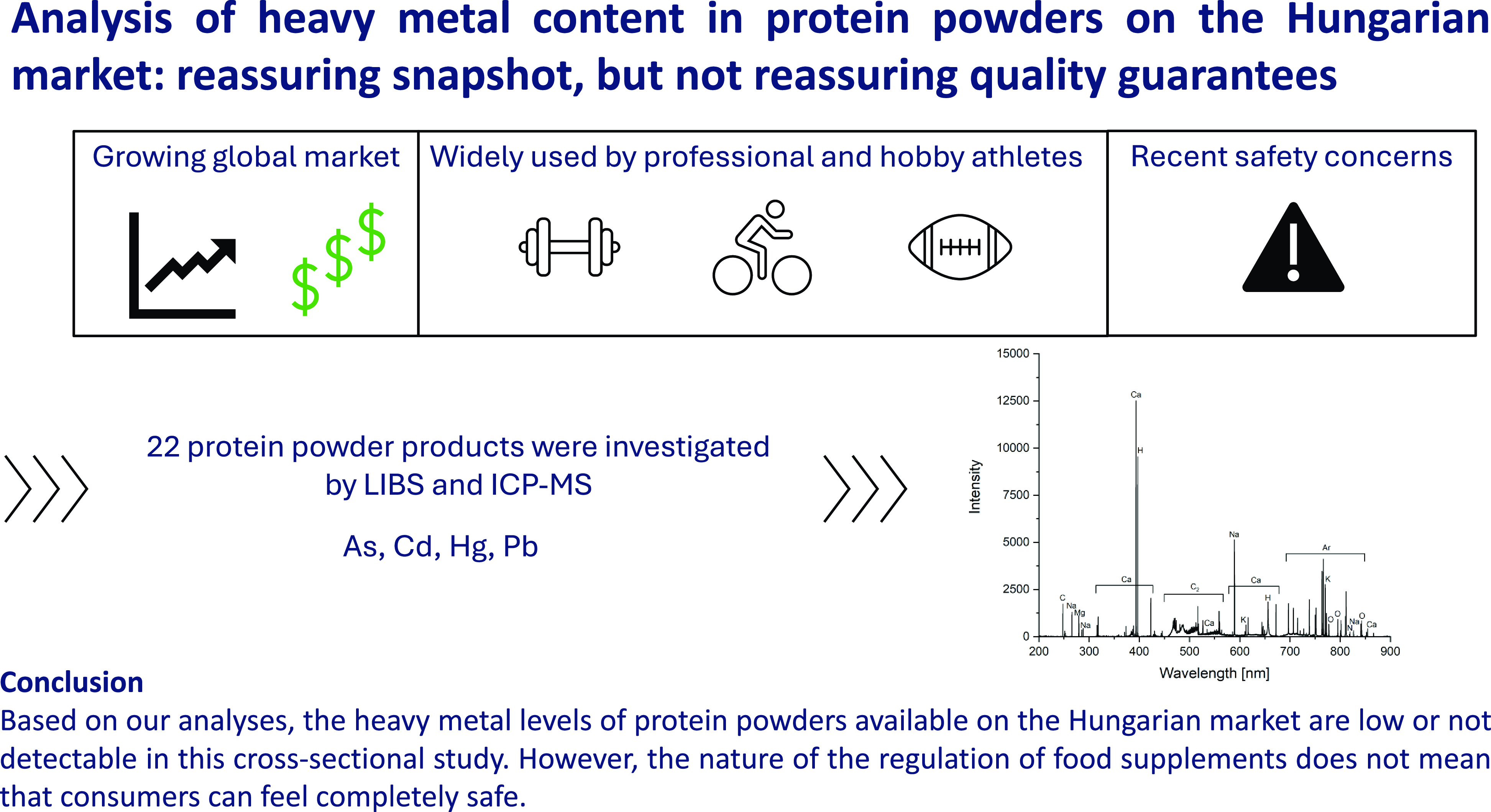
Amateur and professional athletes often consume protein supplements to accelerate muscle gain; however, it has been suggested that these products not only are associated with risks when consumed excessively. Several recent reports have indicated that certain products are contaminated with heavy metals. Therefore, in this study, we aimed to investigate protein powders in Hungary for heavy metal contamination. A total of 22 commercially available protein powders (including whey, vegan, and beef based) were purchased on the internet for testing. We analysed the samples using laser-induced breakdown spectroscopy (LIBS) and inductively coupled plasma mass spectrometry (ICP-MS) to assess heavy metal contamination. The products were analysed for the presence of 16 elements (Be, Al, Cr, Mn, Co, Ni, Cu, As, Se, Rb, Cd, Sb, Cs, Ba, Hg, and Pb). The LIBS spectral analysis revealed the characteristics of the protein elements (C, C2, H, N, and O) and alkaline metals (Ca, Na, K, and Mg), which were consistent with the previous results. Neither LIBS nor ICP-MS measurements detected significant heavy metal content in the investigated samples above the limit specified in the regulations. Heavy metal contamination of protein supplements can be a serious health threat. Based on the varied results of the previous studies, it is prudent to include testing for heavy metals as part of the routine and mandatory quality control of these products.
Social scientists are paying attention to the role that knowledge plays in economic phenomena. This focus on knowledge has led to exploring two challenges: first, its governance to reap positive externalities and solve social dilemmas, and second, how we can craft institutions to match the intangible nature of ideas with adequate property rules. This article contributes by elaborating on the different knowledge property regimes and the elements contributing to their classification. This paper first taxonomises knowledge governance regimes based on Ostrom’s work on institutional analysis. Second, it examines why governance structures for managing knowledge production vary across industries, according to (1) the characteristics of knowledge, (2) the attributes of the organisations, and (3) the different rules-in-use to enforce property rights. This is the first study at the intersection of institutional analysis and political economy that highlights the knowledge features, incentive structures, and mechanisms undergirding knowledge governance in different property regimes.
The aim of the article is to undertake the first economic analysis exploring the costs of illness (COIs) and factors affecting COIs in people living with mental disorders using individual patient-level data across five countries with different national income levels. This is done by investigating diagnosis-related and sociodemographic factors for country-specific medical and psychosocial service use in these high, lower-middle and low-income countries.
Methods
Using data from the Using Peer Support In Developing Empowering Mental Health Services (UPSIDES) study, a pragmatic randomized controlled trial, costs for medical and psychosocial services have been estimated over 6 months in 615 people with severe mental illness from Germany (n = 171), Uganda (n = 138), Tanzania (n = 110), India (n = 93) and Israel (n = 103). The primary economic analysis included (1) total COI expressed in 2021 international dollars and (2) proportional cost-type expenditures. Generalized linear regression models were also used to estimate the impact of psychiatric diagnosis, social disability, age and gender on the total COI.
Results
Of the 615 participants (mean [SD] age 38.3 [11.2] years; 335 [54.5%] women), the total 6-month COI ranged from $311.48 [±547.47] in Tanzania to $10,493.19 [±13324.10] in Germany. High-income Germany and low-income Uganda both concentrated >70% of COIs on inpatient care. High-income Israel had the most balanced COI, with the lowest mean share (15.40%) on inpatient care, compared with community (35.12%) and primary care (33.01%). Female gender was associated with lower COI (eb = 0.215; p = 0.000) in Tanzania, while in India diagnosis of depression was associated with lower costs than schizophrenia (eb = 0.363; p = 0.017). Health of the Nation Outcome Scale scores (social disability) were not significantly associated with COIs in any country. In Tanzania, the total mean COI increased by 3.6% for every additional year of age. Compared to Germany, mean COIs were significantly lower by 90%, 99% and 86% in Uganda, Tanzania and India, respectively, and by 50% in Israel, although this difference was not significant.
Conclusions
National income is correlated with the total COI in people living with mental disorders but is a poor predictor of the sector-specific distribution of these expenditures.
Reconstructing Quaternary-timescale environmental change in drylands provides insights into styles and rates of change in response to direct insolation forcing and variations in global temperature, ice volume and sea level. Changes to the relatively inhospitable environments presented by drylands are also central to debates about the migration and adaptability of hominin species. This review outlines approaches used for reconstructing past environments, which use dated sequences of environmental proxies – the properties of physical sediments, chemical precipitates and biological materials. In addition, climate model simulations can explore responses to known climatic forcing factors. Advances in both approaches remain situated within conceptual frameworks about dryland responses to: (i) cyclical changes in the Earth’s orbit around the sun, either mediated via the global cryosphere during glacial–interglacial cycles (~100 ka periodicity during the last ~0.9 Ma), or mediated via the response of the global monsoon with ~23 ka periodicity (precession) and (ii) millennial-scale climatic shifts, which are thought to originate outside drylands, within the North Atlantic.
In this review, three examples are outlined to demonstrate areas of emerging consensus and remaining contradictions: (1) speleothem and tufa growth records that span hundreds of thousands of years (ka), (2) conditions at the last glacial maximum (LGM) and (3) proxies recording millennial-scale events. Precessional-scale forcing of the monsoon is not always observed, with apparent mediating roles from glacial boundary conditions in parts of the northern hemisphere (NH) and from interglacial boundary conditions in parts of the southern hemisphere (SH). The LGM in drylands was initially conceptualised as experiencing pluvial (wet) conditions, which shifted to a glacial aridity paradigm, and is again shifting to a pattern of global heterogeneity, in which some drylands were wetter-than-present and others drier. However, there remain contradictions between environmental proxies and model simulations, and spatial heterogeneity is observed within many drylands. Dryland proxies that record millennial-scale events demonstrate clearly the importance of climatic teleconnections across the globe in influencing dryland hydroclimate. The records of Quaternary dryland change across a range of timescales get used alongside simulations of ecosystem response through time, hominin habitat and even hominin physiology to better understand likely hominin dispersals through dryland regions.
We compare the Emory 10-item, 4-choice Rey Complex Figure (CF) Recognition task with the Meyers and Lange (M&L) 24-item yes/no CF Recognition task in a large cohort of healthy research participants and in patients with heterogeneous movement disorder diagnoses. While both tasks assess CF recognition, they differ in key aspects including the saliency of target and distractor responses, self-selection versus forced-choice formats, and the length of the item sets.
Participants and Methods:
There were 1056 participants from the Emory Healthy Brain Study (EHBS; average MoCA = 26.8, SD = 2.4) and 223 movement disorder patients undergoing neuropsychological evaluation (average MoCA = 24.3, SD = 4.0).
Results:
Both recognition tasks differentiated between healthy and clinical groups; however, the Emory task demonstrated a larger effect size (Cohen’s d = 1.02) compared to the M&L task (Cohen’s d = 0.79). d-prime scoring of M&L recognition showed comparable group discrimination (Cohen’s d = 0.81). Unidimensional two-parameter logistic item response theory analysis revealed that many M&L items had low discrimination values and extreme difficulty parameters, which contributed to the task’s reduced sensitivity, particularly at lower cognitive proficiency levels relevant to clinical diagnosis. Dimensionality analyses indicated the influence of response sets as a potential contributor to poor item performance.
Conclusions:
Emory CF Recognition task demonstrates superior psychometric properties and greater sensitivity to cognitive impairment compared to the M&L task. Its ability to more precisely measure lower levels of cognitive functioning, along with its brevity, suggests it may be more effective for diagnostic use, especially in clinical populations with cognitive decline.
Culture is increasingly articulated by financial actors and financial firms as a solution to the dislocations of contemporary capitalism. It therefore matters, not just how actors behave, but how they articulate culture and what importance they accord it. Drawing on pragmatist sociology, the present paper takes this injunction seriously and reports the findings of a field study involving 29 interviews with senior members of financial firms whose understanding of culture and its importance were interrogated directly. The discourse concerning purposeful culture articulated in these interviews simultaneously recognises current arrangements between finance and society as fractured while positing organisational culture initiatives as the most realistic means of repairing said fracture. The paper draws on these findings to argue that, despite masquerading as a call for change, purposeful culture discourse has the effect of protecting against calls to rethink or radically transform the roles and effects of finance in society. The paper thus contributes to sociological perspectives on finance by illustrating how existing cultural discourse in financial markets serves as a kind of conservative critique where shortcomings are conceded in a way which insulates finance from wider structural change.
This article tries to explain the flourishing of geopolitical alternatives to the nation-state form and foreign policies organized around giant militarized power blocs during the two decades after World War II. The first section presents these new approaches to organizing the world. The first set of alternatives consisted of ideas and practices of the federation and the amalgamation of states into larger political units. These included Senghor’s vision of a postcolonial federation in which France and its former colonies would be equals; Nkrumah’s vision of a United States of Africa; and various short-lived amalgamations of states, including the Mali Federation and the United Arab Republic. These new geopolitical alternatives also included nonalignment, which originated with Jawaharlal Nehru of India and culminated with Josip Broz Tito of Yugoslavia but also encompassed Ireland between 1957 and 1961 and France in the early Fifth Republic. One of the distinctive features of this conjuncture is that these experiments were not limited to the global peripheries, colonies, and recently decolonized states, but also characterized certain nonhegemonic European core countries. The second section examines a set of four factors in this period that created an opportunity structure or space of possibilities for geopolitical experimentation: (1) late colonialism; (2) the Cold War; (3) the character of decolonization; and (4) the United Nations. The coexistence of these factors opened spaces of maneuver and autonomy for a flourishing of geopolitical imaginaries. The final section discusses possible reasons for the end of this period of experimentation.
The global food system puts enormous pressure on the environment. Managing these pressures requires understanding not only where they occur (i.e., where food is produced), but also who drives them (i.e., where food is consumed). However, the size and complexity of global supply chains make it difficult to trace food production to consumption. Here, we provide the most comprehensive dataset of bilateral trade flows of environmental pressures stemming from food production from producing to consuming nations. The dataset provides environmental pressures for greenhouse gas emissions, water use, nitrogen and phosphorus pollution, and the area of land/water occupancy of food production for crops and animals from land, freshwater, and ocean systems. To produce these data, we improved upon reported food trade and production data to identify producing and consuming nations for each food item, allowing us to match food flows with appropriate environmental pressure data. These data provide a resource for research on sustainable global food consumption and the drivers of environmental impact.
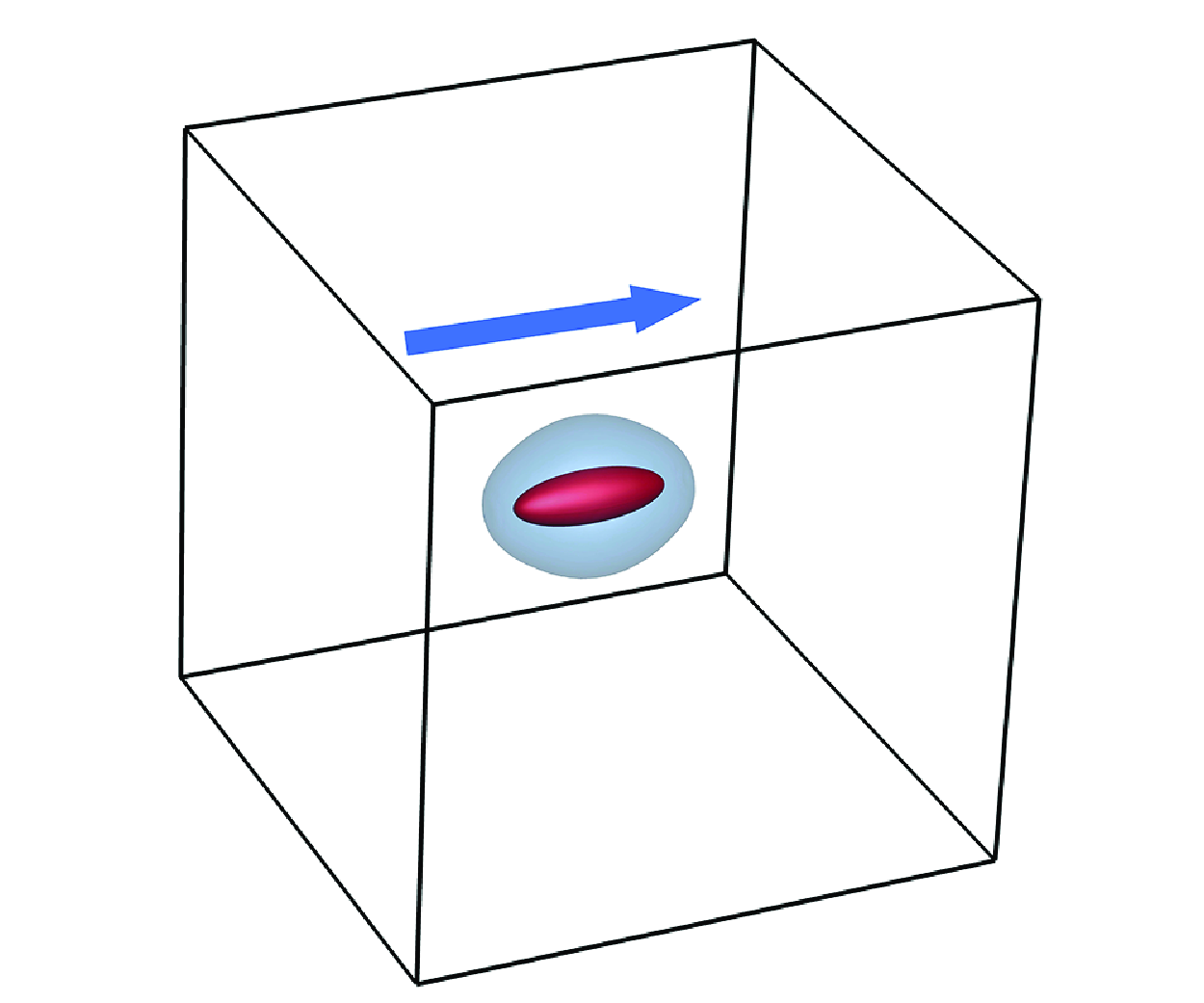
Viscoplastic fluids exhibit yield stress, beyond which they flow viscously, while at lower stress levels they behave as solids. Despite their fundamental biological and medical importance, the hydrodynamics of swimming in viscoplastic environments is still evolving. In this study, we investigate the swimming of an ellipsoidal squirmer and the associated tracer diffusion in a Bingham viscoplastic fluid. The results illustrate that neutral squirmers in viscoplastic fluids experience a reduction in swimming speed and an increase in power dissipation as the Bingham number increases, with swimming efficiency peaking at moderate Bingham numbers. As the aspect ratio of a squirmer increases, ellipsoidal squirmers exhibit significantly higher swimming speeds in viscoplastic fluids. The polar and swirling modes can either enhance or reduce swimming speed, depending on the specific scenarios. These outcomes are closely related to the confinement effects induced by the yield surface surrounding the swimmer, highlighting how both swimmer shape and swimming mode can significantly alter the yield surface and, in turn, modify the swimming hydrodynamics. In addition, this study investigates the influence of viscoplasticity on swimmer-induced diffusion in a dilute suspension. The plasticity enforces the velocity far from the swimmer to be zero, thus breaking the assumptions used in Newtonian fluids. The diffusivity reaches its maximum at intermediate aspect ratios and Bingham numbers, and increases with the magnitude of the squirmer’s dipolarity. These findings are important to understand microscale swimming in viscoplastic environments and the suspension properties.
Historians of colonial and postcolonial attempts to deal with undernutrition in Africa have generally argued that, after the Second World War, scientists and doctors “medicalized” hunger by emphasizing specific deficiencies that could be medically “cured” or alleviated through dietary supplements, thereby covering up the economic, social, and political causes of (post)colonial hunger. This article argues that this explanation obscures the persistence of a more holistic approach immediately after the Second World War, which rejected this narrow vision of hunger and, on the contrary, framed it as a very broad problem requiring interdisciplinary research and ambitious economic and social solutions. It focuses in particular on the work of British nutrition specialist B. S. Platt and his “experiment” in The Gambia that was meant to devise a replicable recipe to cure colonial malnutrition through mechanization and agricultural development. Like many other such colonial projects, the project ended in dismal failure, but it illustrates how malnutrition was understood at the end of the war as a broad economic and social problem. It also shows how this more holistic approach was tightly associated with the postwar project of colonial “development” and was predicated on an ambition to thoroughly re-engineer colonial landscapes and subjects.
The U.S. Supreme Court is often regarded as an impartial arbiter of justice, yet various prejudices may influence its decisions. This article examines Supreme Court justices’ biases, focusing on how they invoke racialized stereotypes of criminality. We argue that justices are more likely to vote in favor of white, nonviolent litigants, reinforcing stereotypes that depict nonwhite defendants as inherently more criminal and violent. Drawing on the U.S. Supreme Court Database’s criminal procedure cases from 2005–2017, combined with an original dataset of litigants’ racial identities, we estimate a series of multilevel logistic regressions. Our findings show that litigant race, crime type, and justice ideology jointly shape judicial votes. We further investigate how bias appears in justices’ written opinions, revealing language that perpetuates racialized conceptions of criminality. Overall, our results underscore the Court’s role in constructing what it means to be both “criminal” and “nonwhite,” suggesting that the Court is not a neutral interpreter of law, but an institution shaped by broader social and political biases.
While gender-based violence (GBV) is increasingly recognised as a significant social and political issue, its impact on women educators remains underexamined. In the context of growing concerns about violence against educators and the prevalence of GBV in educational institutions, this study investigates gendered patterns of violence against school leaders in Australian schools. Drawing on 18,172 observations from reports by principals and deputy principals, this analysis explores incidents of bullying, threats of violence, and physical violence to identify disparities in the experiences of men and women school leaders. The analysis determined that women school leaders were more likely to experience threats of violence and bullying at work than their male counterparts. Logistic regression analyses revealed that gender, school sector, and role significantly influence the likelihood of experiencing various forms of workplace violence, with women in secondary schools and those in government or Catholic sectors being particularly vulnerable.
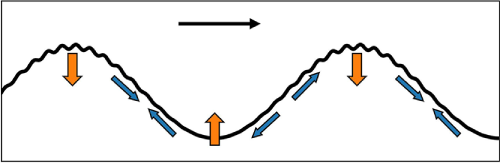
Hydrodynamic modulation of short ocean surface waves by longer ambient waves significantly influences remote sensing, interpretation of in situ wave measurements and numerical wave forecasting. This paper revisits the wave crest and action conservation laws and derives steady, nonlinear, analytical solutions for the change of short-wave wavenumber, action and gravitational acceleration due to the presence of longer waves. We validate the analytical solutions with numerical solutions of the full crest and action conservation equations. The nonlinear analytical solutions of short-wave wavenumber, amplitude and steepness modulation significantly deviate from the linear analytical solutions of Longuet-Higgins & Stewart (1960 J. Fluid Mech. vol. 8, no. 4, pp. 565–583) and are similar to the nonlinear numerical solutions by Longuet-Higgins (1987 J. Fluid Mech. vol. 177, pp. 293–306) and Zhang & Melville (1990 J. Fluid Mech. vol. 214, pp. 321–346). The short-wave steepness modulation is attributed 5/8 to wavenumber, 1/4 due to wave action and 1/8 due to effective gravity. Examining the homogeneity and stationarity requirements for the conservation of wave action reveals that stationarity is a stronger requirement and is generally not satisfied for very steep long waves. We examine the results of Peureux et al. (2021 J. Geophys. Res.: Oceans vol. 126, no. 1, e2020JC016735) who found through numerical simulations that the short-wave modulation grows unsteadily with each long-wave passage. We show that this unsteady growth only occurs for homogeneous initial conditions as a special case and not generally. The proposed steady solutions are a good approximation of the nonlinear crest-action conservation solutions in long-wave steepness $\lesssim 0.2$. Except for a subset of initial conditions, the solutions to the nonlinearised crest-action conservation equations are mostly steady in the reference frame of the long waves.
Cognitive impairments are a core feature of psychotic disorders, but their long-term trajectory remains contentious. Previous meta-analyses focused on the first 5 years following psychosis onset. Here, we evaluated the change in cognitive impairments in psychotic disorders with a meta-analysis of studies with follow-ups of 5+ years. Following preregistration, databases were searched for relevant articles until July 2024. Two authors screened the reports for studies reporting on the change in cognitive impairments in global cognition, verbal learning and memory, visual learning and memory, working memory, attention, speed of processing, reasoning and problem-solving, and verbal fluency in individuals with psychotic disorders, with a minimum follow-up of 5 years. Three authors extracted data, and the PRISMA guidelines were followed. Random-effects meta-analyses and moderator analyses were conducted. Twenty-four studies comprising 2,633 patients and 1,019 controls were included in the study. Over an average of 8.46 years, cognitive impairments remained stable in all eight measures: global cognition (g = 0.09; 95% CI = 0.03–0.20), verbal memory (g = 0.05; 95% CI = −0.11, 0.21), visual memory (g = −0.16; 95% CI = −0.35, 0.03), working memory (g = 0.03; 95% CI = −0.09, 0.14), attention (g = 0.22; 95% CI = −0.36, 0.80), speed of processing (g = 0.10; 95% CI = −0.14, 0.35), reasoning and problem-solving (g = 0.16; 95% CI = −0.03, 0.35), and verbal fluency (g = 0.08; 95% CI = −0.03, 0.19). We conclude that cognitive impairments remain stable over time, consistent with the neurodevelopmental view of psychotic disorders.
Overconsumption of unhealthy, discretionary, foods and beverages are associated with an increased risk of weight gain and non-communicable diseases, including diabetes, heart disease, and cancer. This cross-sectional study explored preferences for setting goals to reduce discretionary food and beverage consumption. The online survey included items about discretionary food and beverage intake, goal setting preferences to reduce intake, habit strength, personality traits, and demographic characteristics. A total of 2664 Australian adults completed the survey. The sample was mostly female (65.9%), half (52.8%) were aged between 30–49 years, and the median intake of discretionary food and beverages was 4.9 (IQR: 3.6 to 7.2) serves per day. Multinomial logistic regression and ordinal logistic regression models were used to explore demographic and psychological predictors of the helpfulness of long-term and short-term goals, elimination and gradual goals, specific food goals, specific eating occasion and food goals, self-set goals, collaboratively set goals, and assigned goals. The results showed participants with higher habit strength had greater odds of finding short-term (OR 1.40, 95% CI 1.06–1.86), gradual (OR 1.14, 95% CI 1.01–1.29), specific (OR 1.35, 95% CI 0.84–1.76), assigned (OR 1.38, 95% CI 1.14–1.66) and collaborative goals (OR 1.24, 95% CI 1.01–1.53) helpful. The results also indicated that age and gender were important predictors of goal setting preferences, particularly for long-term goals, elimination goals, broad goals, and collaborative goals. Interventions to reduce discretionary food and beverage intake are needed and consideration of goal setting preferences could be a novel way to developing more tailored and effective dietary interventions.
The objectives of this study were to study the psychometric properties of the Implementation Drivers Scale (IDS), for the mhGAP programme, both clinical and community; to test its structural validity, and to propose an instrument to accompany the implementation of the mhGAP in similar contexts. For this purpose, a cross-sectional quantitative methodology study was conducted.
Background:
Mental health programmes proposed in low- and middle-income countries to address gaps in care have implementation problems.
Methods:
A cross-sectional quantitative methodology study was conducted. During 2022 and 2023, the instrument was administered to 204 individuals, including primary care professionals (50%), national administrative leaders (19.11%), and community strategy leaders. Three departments of Colombia participated, two with low levels of implementation in mental health programmes and one with high levels of implementation of programmes and services.
Findings:
The Kaiser-Meyer-Olkin factor analysis resulted in 0.861, which indicated the suitability of the data for a factor analysis. Bartlett’s Test of Sphericity had a value of 2480.907 (153 degrees of freedom, p <.001). The exploratory factor analysis explained variance of 66.781%. The four factors proposed in the AIF model (System enablers for implementation, Accessibility of the strategy, Adaptability and acceptability, and Strategy training and supervision) were confirmed, with all items with loadings greater than 0.4. For the entire instrument, a Cronbach’s alpha was 0.907. The IDS could contribute to the monitoring of some components of mhGAP implementation, both clinical and community-based, in low- and middle-income settings through appropriate validation processes.
Boundary points on the moduli space of pointed curves corresponding to collisions of marked points have modular interpretations as degenerate curves. In this paper, we study degenerations of orbifold projective curves corresponding to collisions of stacky points from the point of view of noncommutative algebraic geometry.
To describe motor, respiratory and quality of life changes in a mixed cohort of adults with spinal muscular atrophy (SMA) from a single tertiary rehabilitation center in Canada and to report preliminary psychometric evidence of a nationally recommended core outcome set over 12 months.
Methods:
This real-world, mixed-treatment cohort, exploratory, single-site, prospective observational study followed fifteen adults with SMA over 12 months. Participants completed the Spinal Muscular Atrophy Recommended Toolkit (SMART), which consists of eight outcome measures (OM) assessed at baseline and 12 months. Concurrent and predictive validity were assessed using Spearman’s Correlation Coefficient (SCC). Longitudinal change and sensitivity to change were evaluated using the Wilcoxon signed-rank test and standardized response mean.
Results:
Ten participants were receiving disease-modifying treatments. None of the OMs demonstrated statistically significant changes over 12 months. Respiratory and motor function measures are independently clustered into two clusters. Only the Children’s Hospital of Philadelphia – Adult Test of Neuromuscular Disorders (CHOP-ATEND) exhibited high sensitivity to change. Forced vital capacity (FVC) >2 L or peak cough flow (PCF) >200 L/min corresponds with ceiling effects of the Revised Upper Limb Module (RULM) and SMA Functional Rating Scale (SMAFRS).
Conclusions:
This exploratory study identified two collinear clusters between SMART OMs, suggesting measurement redundancy. SMART OMs did not demonstrate significant changes over 12 months in this small mixed-treatment cohort. Developing new OMs that are valid, reliable and responsive, and optimizing OM selection will reduce clinic and patient burden, and improve clinical utility in a real-world setting.
Tuberculosis (TB) remains a significant public health concern in China. Using data from the Global Burden of Disease (GBD) study 2021, we analyzed trends in age-standardized incidence rate (ASIR), prevalence rate (ASPR), mortality rate (ASMR), and disability-adjusted life years (DALYs) for TB from 1990 to 2021. Over this period, HIV-negative TB showed a marked decline in ASIR (AAPC = −2.34%, 95% CI: −2.39, −2.28) and ASMR (AAPC = −0.56%, 95% CI: −0.62, −0.59). Specifically, drug-susceptible TB (DS-TB) showed reductions in both ASIR and ASMR, while multidrug-resistant TB (MDR-TB) showed slight decreases. Conversely, extensively drug-resistant TB (XDR-TB) exhibited upward trends in both ASIR and ASMR. TB co-infected with HIV (HIV-DS-TB, HIV-MDR-TB, HIV-XDR-TB) showed increasing trends in recent years. The analysis also found an inverse correlation between ASIRs and ASMRs for HIV-negative TB and the Socio-Demographic Index (SDI). Projections from 2022 to 2035 suggest continued increases in ASIR and ASMR for XDR-TB, HIV-DS-TB, HIV-MDR-TB, and HIV-XDR-TB. The rising burden of XDR-TB and HIV-TB co-infections presents ongoing challenges for TB control in China. Targeted prevention and control strategies are urgently needed to mitigate this burden and further reduce TB-related morbidity and mortality.