To save content items to your account,
please confirm that you agree to abide by our usage policies.
If this is the first time you use this feature, you will be asked to authorise Cambridge Core to connect with your account.
Find out more about saving content to .
To save content items to your Kindle, first ensure no-reply@cambridge.org
is added to your Approved Personal Document E-mail List under your Personal Document Settings
on the Manage Your Content and Devices page of your Amazon account. Then enter the ‘name’ part
of your Kindle email address below.
Find out more about saving to your Kindle.
Note you can select to save to either the @free.kindle.com or @kindle.com variations.
‘@free.kindle.com’ emails are free but can only be saved to your device when it is connected to wi-fi.
‘@kindle.com’ emails can be delivered even when you are not connected to wi-fi, but note that service fees apply.
Lobbyists sometimes represent clients with seemingly adversarial policy interests. We seek to explain the occurrence of such ostensible conflicts of interest. In hiring lobbyists, interests encounter a tradeoff between access and agency. Although some lobbyists promise access to lawmakers, they may not lobby as contracted. Interests hire seemingly conflicted lobbyists more often when access is costlier and reputational risks are smaller. We examine the hiring of tobacco lobbyists by health interests, given the possibilities for shirking and reputational damage. We find that institutions such as hospitals hire tobacco lobbyists regularly and more often than membership-based health groups. Intergroup competition for access and lobby laws, especially anti-conflict laws, affect the use of tobacco lobbyists independent of rates of multi-client lobbying. Conflicts are more common today than ever but interests can protect themselves somewhat from opportunistic agents. Our findings also suggest that reforms can improve the representation of client interests.
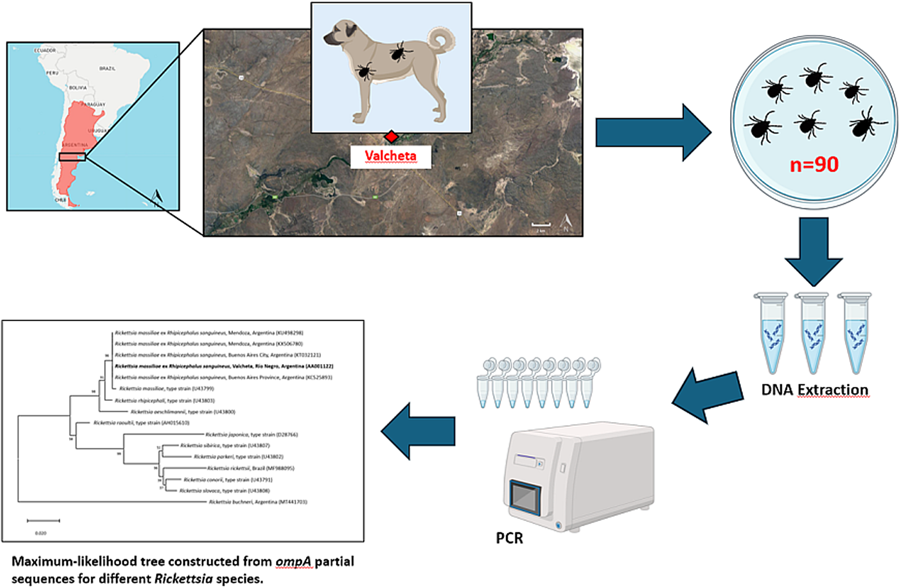
The aim of this study was to examine the presence of tick-borne rickettsial bacteria in Rhipicephalus sanguineus sensu stricto ticks collected from dogs in the Patagonian region of Argentina. Fourteen stray dogs from Valcheta, Río Negro province, Argentina were examined for the presence of R. sanguineus s.s. ticks. Ninety ticks were collected and identified to species level. DNA was extracted and analysed by conventional PCR assays for the presence of tick-borne bacteria belonging to the genera Anaplasma, Ehrlichia and Rickettsia. Thirty-three tick pools were tested by different PCR assays of which 3 were positive for Anaplasmataceae bacteria. From the 3 Anaplasmataceae positive samples, 2 partial 16S rDNA sequences were generated and belonging to Anaplasma platys, the causative agent of canine cyclic thrombocytopenia. Two tick samples were positive in Rickettsia specific PCR assays and were identified by phylogenetic analysis as Rickettsia massiliae, a member of the spotted fever group rickettsiae. The results of this study demonstrate the molecular detection of 2 rickettsial bacteria in R. sanguineus s.s. in a region of Argentina where no data were available so far.
This study examines the origin and distribution of clay minerals of the pedological horizons of Kori Ouallam watershed (south-western Niger). It is based on field sampling campaigns and a series of laboratory analyses. A total of 49 samples were analysed, 28 from surface horizons (0–10 cm depth) and 21 from pedological profiles (0–1 m depth). The samples were analysed by X-ray diffraction on bulk and clay (<2 μm) fractions, X-ray fluorescence spectrometry, laser granulometry, organic matter and calcium carbonate content, macroscopic observations (binocular loupe) and scanning electron microscopy equipped with an energy-dispersive spectrometry system. The pedological horizons are characterized by low organic matter contents (<1%) and no calcium carbonate. The particle-size distribution shows net textural differentiation, with a predominance of sandy loam to sandy clay loam textures in the upper horizons and clay loam to clay in the deep horizons. The main major oxides were SiO2 (46.3–89.0%), Al2O3 (5.0–24.2%) and Fe2O3 (1.0–27.9%). Kaolinite (64–98%) is the predominant clay mineral at all horizons, associated with low to moderate proportions of illite (1–34%) and traces of chlorite. Kaolinite is essentially inherited from the parent rock, whereas illite results from chemical alteration by bisialitization of the primary minerals initially rich in potassium feldspar contained in the parent rock. However, soil texture and organic matter vary independently with clay mineralogy. An extended study of all of the pedological facies that make up south-western Niger, combined with supplementary analyses, would further improve our understanding of clay mineralogy in the Sahelian zone.
The Ethics Committee at Memorial Sloan Kettering Cancer Center (MSK) developed a Bioethics Ambassador Program (BAP); a yearlong educational program to assist clinical and non-clinical staff develop the skills to identify and address common burgeoning ethical issues that can arise during the provision of care to patients with cancer. The goal was to provide greater awareness of the role and services of Ethics, particularly at the institution’s geographically-diverse outpatient care centers and to better-instill a culture of preventative ethics. This article discusses the design and implementation of the first two years of the program and analyzes its strengths, weaknesses, and impact on MSK.
Emerging evidence suggests that routine physical activity may improve exercise capacity, long-term outcomes, and quality of life in individuals with Fontan circulation. Despite this, it is unclear how active these individuals are and what guidance they receive from medical providers regarding physical activity. The aim of this study was to survey Fontan patients on personal physical activity behaviours and their cardiologist-directed physical activity recommendations to set a baseline for future targeted efforts to improve this.
Methods:
An electronic survey assessing physical activity habits and cardiologist-directed guidance was developed in concert with content experts and patients/parents and shared via a social media campaign with Fontan patients and their families.
Results:
A total of 168 individuals completed the survey. The median age of respondents was 10 years, 51% identifying as male. Overall, 21% of respondents spend > 5 hours per week engaged in low-exertion activity and only 7% spend > 5 hours per week engaged in high-exertion activity. In all domains questioned, pre-adolescents reported higher participation rates than adolescents. Nearly half (43%) of respondents reported that they do not discuss activity recommendations with their cardiologist.
Conclusions:
Despite increasing evidence over the last two decades demonstrating the benefit of exercise for individuals living with Fontan circulation, only a minority of patients report engaging in significant amounts of physical activity or discussing activity goals with their cardiologist. Specific, individualized, and actionable education needs to be provided to patients, families, and providers to promote and support regular physical activity in this patient population.
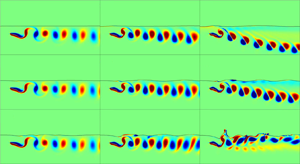
Numerous flying and swimming creatures use the ground effect to boost their propulsive performance, with the ‘ground’ referring to either a solid boundary or a free surface. While our knowledge of how a solid boundary affects biolocomotion is relatively comprehensive, the ground effect of a free surface is not fully understood. To address this limitation, we conduct a numerical investigation on the propulsion performance of a flapping plate under a free surface, subject to a range of control parameters. When the Froude number ($Fr$) is very low (i.e. little surface deformation), the effects of a free surface are similar to those of a solid boundary, with enhanced thrust and input power but little change in efficiency. However, as $Fr$ increases (i.e. more surface deformation), our results reveal an optimal $Fr$ of approximately 0.6, where the free surface induces a more streamlined flow around the flapping plate, effectively reducing the added mass. This results in a significant decrease in input power and greatly enhanced efficiency.
The association between negative wealth shocks and depression among middle-aged and older individuals remains unclear. Our study aimed to assess the association between negative wealth shocks and depression and its trajectories, and to explore cross-national differences in these associations
Methods
Our sample included 21 999 participants, of which 9519 were from the Health and Retirement Study (2012–2020), 4936 from the English Longitudinal Study of Ageing (2012–2020), 2520 from the China Health and Retirement Longitudinal Study (2011–2020), and 5024 from the Mexican Health and Aging Study (2012–2021). We used latent class trajectory models to identify depressive trajectories, alongside mixed-model logistic regression and multinomial logistic regression to evaluate associations.
Results
In the USA (OR 1.73, 95% CI 1.40–2.16), England (OR 1.71, 95% CI 1.09–2.70), and China (OR 1.38, 95% CI 1.09–1.75), negative wealth shocks were associated with subsequent depressive symptoms, but not in Mexico (OR 1.06, 95% CI 0.86–1.29). Additionally, negative wealth shocks were associated with several depressive trajectories in the USA and China. This association occurred only in increasing–decreasing trajectory in England, while no significant association was found across any trajectory in Mexico.
Conclusions
Negative wealth shocks were associated with subsequent depressive symptoms, with significant associations observed in some specific depressive trajectories. These associations exhibited cross-national differences, underscoring the importance of considering country-specific contexts when addressing the mental health impacts of wealth shocks.
Postoperative wound care after craniotomy is not standardized.
Objective:
Evaluate the impact of a standardized post-craniotomy wound care protocol on surgical site infection (SSI).
Design and Setting:
Prospective quasi-experimental single-center intervention cohort study involving adult patients undergoing craniotomy at a 461-bed academic medical center in Orange County, California from January 2019–March 2023 (intervention) compared to January 2017–December 2018 (baseline).
Methods:
A postoperative neurosurgical wound care protocol was developed involving chlorhexidine cloths to remove incisional clots and to clean the surgical incision and adjacent hair after craniotomy surgery. Protocol adherence was monitored by routine inpatient surveillance of wounds and photo-documentation for real-time feedback to surgeons and nursing staff. Impact of the intervention was assessed using multivariable regression models.
Results:
There were 3560 craniotomy surgeries and 62 (1.7%) SSIs; 1251 surgeries and 30 (2.4%) SSIs during baseline, and 2309 surgeries and 32 (1.4%) SSIs during intervention. Process evaluation after implementation found significant decreases in incisional clots, erythema, drainage, and unclean hair. In multivariable analysis, the intervention was associated with fewer SSI (odds ratio (OR): 0.5 (0.3, 0.9), P = 0.02).
Conclusions:
A standardized post-craniotomy wound care protocol involving cleaning of the incision and adjacent hair, including removal of incisional clots with chlorhexidine cloths was effective in reducing the risk of SSI.
Exposure to 2,3,7,8-tetrachlorodibenzo-p-dioxin (TCDD), an environmental endocrine disruptor and model AhR agonist, is linked to skeletal abnormalities, cardiac edema, stunted growth rate, altered metabolism, and neurobehavioral deficits. We have previously reported transgenerational reproductive outcomes of developmental TCDD exposure in adult zebrafish (Danio rerio), an NIH-validated model for developmental and generational toxicology. Using the same paradigm of sublethal TCDD exposure (50 pg/ml) at both 3 and 7 weeks post fertilization (wpf), we investigated several novel endpoints, including longitudinal morphometrics and anxiety-linked behavior, in fish exposed as juveniles. We also assessed developmental abnormalities and neurobehavior in their F1 larval offspring. TCDD exposure induced timepoint-dependent decreases in several craniofacial and trunk morphometrics across juvenile development. In early adulthood, however, only exposed males underwent a transient period of compensatory growth, ending between 7 and 12 months post fertilization (mpf). At 12 mpf, exposed adult fish of both sexes displayed increased exploratory behaviors in a novel tank test. The F1 offspring of parents exposed at both 3 and 7 wpf were hyperactive, but neurobehavioral outcomes diverged depending on parental exposure window. F1 exposure-lineage larvae had increased rates of edema and skeletal abnormalities, but fewer unhatched larvae compared to controls. Parent- and timepoint-specific effects of exposure on abnormality rate were also evaluated; these outcomes were considerably less severe. Our novel behavioral findings expand current knowledge of the long-term and intergenerational consequences of early-life TCDD exposure in a zebrafish model, in addition to delineating minor longitudinal morphometric changes in exposed fish and abnormalities in larval offspring.
Adult attention-deficit hyperactivity disorder (ADHD) clinics are in their infancy in Ireland and internationally. There is an urgent need for clinical evaluation of these services. Until now, clinical outcomes have relied mainly on functional scales and/or quality of life. However, adult ADHD is a longstanding disorder with many comorbidities. Although medication for ADHD symptoms can have immediate effects, co-occurring problems may take considerably longer to remediate.
Aims
To present the psychometrics of a short outcome measure of key clinical areas including symptoms.
Method
The ADHD Clinical Outcome Scale (ACOS), developed by the authors, is a clinician-rated scale and was administered in consecutive adults attending an ADHD clinic. A modified version was completed by the participant. A second clinician independently administered the scale in a subsample. ACOS consists of 15 items rated on a Likert scale. Two self-report scales, the Adult ADHD Quality of Life Questionnaire (AAQoL) and Weiss Functional Impairment Rating Scale (WFIRS), were also administered.
Results
The mean age of 148 participants was 30.1 years (s.d. = 9.71), and 81 were female (54.7%). The correlation for interrater reliability was r = 0.868, and that between the participant and clinician versions was r = 0.663. The intraclass correlation coefficient for the internal consistency was 0.829, and the correlations for concurrent validity with total AAQoL and WFIRS scores were r = −0.573 and r = 0.477, respectively. Factor analysis revealed four factors: (a) attentional/organisational problems; (b) hyperactivity/impulsivity; (c) comorbidities; and (d) alcohol/drug use, self-harm and tension in relationships.
Conclusions
The psychometrics of the ACOS are promising, and the inclusion of typically co-occurring clinical domains makes it suitable for use as a clinician-rated outcome measure in every contact with patients attending adult ADHD clinics.
In Latin America, the notions of academic freedom or the freedom of science have not had the overarching influence in defining the prerogatives of scholars and the university that we see them exerting over the experiences of Western Europe and the Anglosphere. The governing notion, from whence all other freedoms emerge, is that of university autonomy. In Latin America, university autonomy evolved over the twentieth century as a protection of the university against the encroachment of governments – often authoritarian or outright dictatorial – so they could carry out their missions as they defined them. In Latin America, the locus of what in Europe is understood as scientific freedom is vested in the universities, not in the professoriate. It is assumed that free universities will foster an environment of academic freedom within. The contemporary contestations of university autonomy in Latin America fit squarely into the liberal script, as they seek to make universities more responsive to policy goals in the areas of higher education quality and accountability, efficiency and productivity, expansion of public or private provision, access and equity. Often, universities and their associations have raised autonomy as an objection to these policy agendas.
Whether fiscal austerity by governments is unpopular or not is much discussed in the literature. One line of research argues that consolidation has negative electoral effects, ranging from declines in politicians’ approval ratings to abstention by voters at elections. Another strand highlights that re-election chances are not harmed by the implementation of austerity and that some voters in fact support consolidation measures. Both sides are limited in at least two regards. First, they do not allow for the possibility that public opinion is shaped by the political discussion about government debts and budget deficits. Second, and relatedly, the literature is limited in its extent to which it considers heterogeneity in preference adaptation across income groups. This article contributes to these debates by bringing to bear insights from the literature on mass preference formation. In particular, I argue that a cross-party consensus on austerity leads voters to align their preferences with the consensus, increasingly demanding cuts to government spending. This adaptation is conditioned by income so that the preferences of those income groups that are the furthest away from the consensus adapt their fiscal preferences most. By including the discursive context of fiscal policy, this article helps explain how austerity can be made popular. Empirically, I test these expectations by matching citizen preferences with party positions on fiscal policy for 60 country years. The empirical results indeed demonstrate that even though low- and middle-income voters are least supportive of austerity, they adapt the most to the party consensus on austerity.
In this article, we explore the rhetorical space structuring the debates in the United Nations General Assembly's (UNGA) Committee on Disarmament and International Security. To this end, we unfold states' speeches by combining three established methods. First, we estimate terms' relevance for latent topics structuring the debates with structural topic modeling. Second, we estimate topic-specific positions based on the Wordfish algorithm. Third, we map these positions onto a lower-dimensional rhetorical space using principal component analysis. We identify two latent conflicts. First, a debate over conventional weapons with states emphasizing security interests on the one end and humanitarian interests on the other. Second, a conflict over weapons of mass destruction that divides defenders and challengers of the status quo.
This paper describes an early-stage research and experiments exploring methods of co-cultivation of the fungal strain Ganoderma lucidum and the bacterial strain Sporosarcina pasteurii within the field of architecture. Co-cultivating these species within a bio-based compound, forming a living material, shows that the binding abilities of both microbial partners can be harnessed through multistep production techniques. As the mycelial network of the fungus spreads through the inoculated wood substrate, bacterial cells disperse and multiply on this same network and release the enzyme urease throughout the now-forming compound bound by the fungus. The enzyme is one of the key actors in the biocementation process, which is activated with the addition of a calcium source to the material. Calcium carbonate minerals form and attach on the hyphae, as well as in between the network, inside the wood sawdust pieces and around void spaces within the composite. While additional data collection is required, the current state of this research suggests that properties of both living materials can be expanded, for example, fire resistance and compressive strength compared to traditional mycelium-based composites, as well as the increased ability of the bacteria to homogeneously distribute and exist in unfavorable environments compared to mono-cultured bacterial communities.
Can public diplomacy in times of crisis shape citizens’ attitudes towards international politics? Using a survey experiment in Italy, we evaluated whether information cues about public diplomacy efforts by the United States and China to assist the country in dealing with the COVID-19 emergency shifted the importance citizens attached to Italy’s international allies being democracies. We found that citizens who receive positive cues about USA efforts to assist Italy report a stronger preference for Italy interacting with democracies. At the same time, when they received positive cues about China’s efforts to assist Italy, they discounted the importance attached to international allies being democracies. We further found that these effects are conditional on the participants’ support for democracy at home. We argue that these findings are consistent with a cognitive dissonance framework where citizens update their attitudes to decrease dissonant cognitions when they receive information that challenges prior beliefs or expectations.
An innovative methodological approach combining statistical typologies and stochastic frontier analysis was applied to data collected from 1840 mixed crop-livestock farms in six districts of Zimbabwe, representative of semi-arid areas of the country. The average annual cereal production was 362 kg farm–1, and the average annual livestock offtake was 0.64 ± 1.32 Tropical Livestock Units (TLU) farm–1. Our results demonstrate there is scope to increase cereal and livestock production by 90.7% and 111.9% relative to current production levels, respectively, with more efficient use of existing resources and technologies. Rainfall was found to have a strong effect on cereal production, highlighting the need for climate-smart practices. Livestock mortality (0.59 ± 1.62 TLU farm–1) was found to be in the same order of magnitude as livestock offtake (0.64 ± 1.32 TLU farm–1). Cereal production was supported by livestock, demonstrating the importance of crop-livestock interactions in these mixed farming systems. Three farm types were identified in our analysis. Crop-oriented mixed farms (31%) are likely to be the ones most responsive to crop-specific interventions e.g., crop rotation and integrated pest management. Livestock-oriented mixed farms (34%) are likely to benefit the most from livestock-specific interventions, e.g., home feed. Mixed farms dependent on off-farm activities (36% of the sample) may require nutrition-sensitive and labour-saving sustainable intensification technologies to benefit from their limited resources. Reducing cattle mortality is a priority for all three farm types. The method proposed here could be adapted to other contexts characterized by heterogeneous farming populations to target interventions.
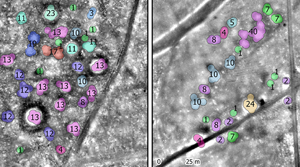
Volunteers are a key part of the archaeological labour force and, with the growth of digital datasets, these citizen scientists represent a vast pool of interpretive potential; yet, concerns remain about the quality and reliability of crowd-sourced data. This article evaluates the classification of prehistoric barrows on lidar images of the central Netherlands by thousands of volunteers on the Heritage Quest project. In analysing inter-user agreement and assessing results against fieldwork at 380 locations, the authors show that the probability of an accurate barrow identification is related to volunteer consensus in image classifications. Even messy data can lead to the discovery of many previously undetected prehistoric burial mounds.
To improve the interpretation and utilisation of blood lipids, ketones and acylcarnitine concentrations as biomarkers in clinical assessments, more information is needed on their dynamic alterations in response to dietary intake and fasting. The aim of this intervention study was to characterise the changes in serum lipid, ketone and acylcarnitine concentrations 24 h after a standardised breakfast meal. Thirty-four healthy subjects (eighteen males and sixteen females) aged 20–30 years were served a breakfast meal (∼500 kcal, 36 E% fat, 46 E% carbohydrates, 16 E% protein, 2E% fibre), after which they consumed only water for 24 h. Blood samples were drawn before and at thirteen standardised timepoints after the meal. Metabolite concentrations were plotted as a function of time since the completion of the breakfast meal. Results demonstrated that concentrations of HDL-cholesterol and LDL-cholesterol decreased until ∼2 h (–4 % for both), while TAG concentrations peaked at 3 h (+27 %). Acetoacetate and β-hydroxybutyrate were highest 24 h after the meal (+433 and +633 %, respectively). Acetylcarnitine, butyrylcarnitine, hexanoylcarnitine, octanoylcarnitine, decanoylcarnitine and dodecanoylcarnitine reached the lowest values at 60 min (decreases ranging from –47 to –70 %), before increasing and peaking at 24 h after the meal (increases ranging from +86 to +120 %). Our findings suggest that distinguishing between fasting and non-fasting blood samples falls short of capturing the dynamics in lipid, ketone, carnitine and acylcarnitine concentrations. To enhance the utility of serum acylcarnitine analyses, we strongly recommend accounting for the specific time since the last meal at the time of blood sampling.
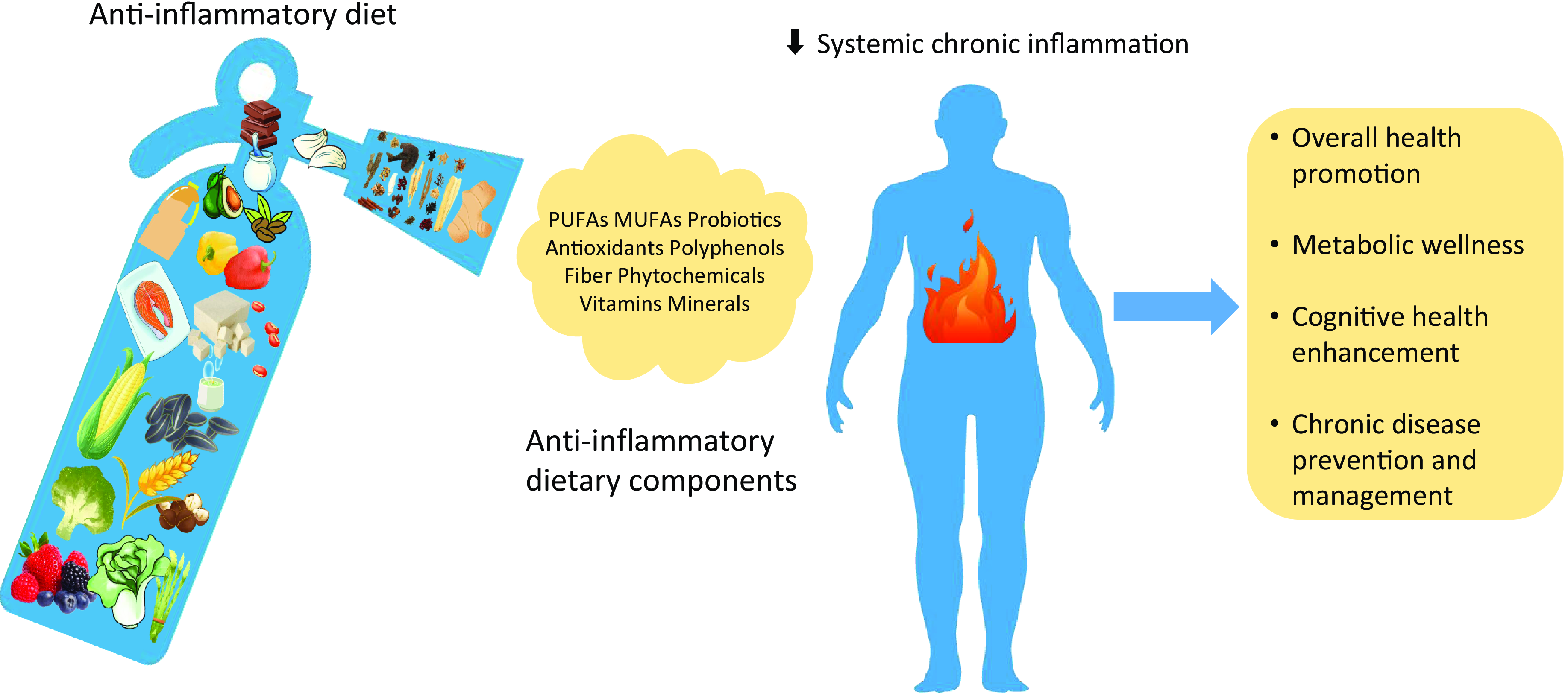
An anti-inflammatory diet is characterised by incorporating foods with potential anti-inflammatory properties, including fruits, vegetables, whole grains, nuts, legumes, spices, herbs and plant-based protein. Concurrently, pro-inflammatory red and processed meat, refined carbohydrates and saturated fats are limited. This article explores the effects of an anti-inflammatory diet on non-communicable diseases (NCD), concentrating on the underlying mechanisms that connect systemic chronic inflammation, dietary choices and disease outcomes. Chronic inflammation is a pivotal contributor to the initiation and progression of NCD. This review provides an overview of the intricate pathways through which chronic inflammation influences the pathogenesis of conditions including obesity, type II diabetes mellitus, CVD, autoinflammatory diseases, cancer and cognitive disorders. Through a comprehensive synthesis of existing research, we aim to identify some bioactive compounds present in foods deemed anti-inflammatory, explore their capacity to modulate inflammatory pathways and, consequently, to prevent or manage NCD. The findings demonstrated herein contribute to an understanding of the interplay between nutrition, inflammation and chronic diseases, paving a way for future dietary recommendations and research regarding preventive or therapeutic strategies.