To save content items to your account,
please confirm that you agree to abide by our usage policies.
If this is the first time you use this feature, you will be asked to authorise Cambridge Core to connect with your account.
Find out more about saving content to .
To save content items to your Kindle, first ensure no-reply@cambridge.org
is added to your Approved Personal Document E-mail List under your Personal Document Settings
on the Manage Your Content and Devices page of your Amazon account. Then enter the ‘name’ part
of your Kindle email address below.
Find out more about saving to your Kindle.
Note you can select to save to either the @free.kindle.com or @kindle.com variations.
‘@free.kindle.com’ emails are free but can only be saved to your device when it is connected to wi-fi.
‘@kindle.com’ emails can be delivered even when you are not connected to wi-fi, but note that service fees apply.
To explore the source, message, channel, and receiver effects on patient concern for antibiotic resistance, willingness to reduce antibiotic use, and expectations for an antibiotic prescription in a prepandemic sample.
Methods:
We used data reported from a national cross-sectional survey of adults who had visited an urgent care center within the last year. Data were collected from April 4 to April 9, 2017. The survey included an embedded experimental design to test changing effects before versus after message exposure.
Participants:
A national sample of adult participants (n = 610) who had used urgent care at least once in the past year were recruited through GfK’s KnowledgePanelTM. KnowledgePanel survey response rates are typically about 65%. Respondents ranged in age from 18 to 85 and were more likely to be female (377/610; 62%), White (408/610; 67%), and covered by private insurance (414/610; 68%).
Results:
Outcome variables were measured on 4-point scales 1–4 scale, and t-tests were conducted for measures that were collected pre and postmessaging. The majority of participants trusted their doctor and desired them as the source for information regarding antibiotic resistance, followed by field experts (eg, CDC). Direct messaging (eg, email) and targeted advertisements were least preferred.
Conclusions:
This study provides foundational data on patient communication preferences in terms of source, message content, and channel when receiving information on antibiotics and antibiotic resistance, as well as how these factors affect patient concern, willingness, and expectations. Follow-up work is needed to replicate these findings in a postpandemic sample.
Treatment resistance is a major challenge in psychiatric disorders. Early detection of potential future resistance would improve prognosis by reducing the delay to appropriate treatment adjustment and recovery. Here, we sought to determine whether neurodevelopmental markers can predict therapeutic response.
Methods
Healthy controls (N = 236), patients with schizophrenia (N = 280) or bipolar disorder (N = 78) with a known therapeutic outcome, were retrospectively included. Age, sex, education, early developmental abnormalities (obstetric complications, height, weight, and head circumference at birth, hyperactivity, dyslexia, epilepsy, enuresis, encopresis), neurological soft signs (NSS), and ages at first subjective impairment, clinical symptoms, treatment, and hospitalization, were recorded. A supervised algorithm leveraged NSS and age at first clinical signs to classify between resistance and response in schizophrenia.
Results
Developmental abnormalities were more frequent in schizophrenia and bipolar disorder than in controls. NSS significantly differed between controls, responsive, and resistant participants with schizophrenia (5.5 ± 3.0, 7.0 ± 4.0, 15.0 ± 6.0 respectively, p = 3 × 10⁻¹⁰) and bipolar disorder (5.5 ± 3.0, 8.3 ± 3.0, 12.5 ± 6.0 respectively, p < 1 × 10⁻¹⁰). In schizophrenia, but not in bipolar disorder, age at first subjective impairment was three years lower, and age at first clinical signs two years lower, in resistant than responsive subjects (p = 2 × 10⁻⁴ and p = 9 × 10⁻³, respectively). Age at first clinical signs and NSS accurately predicted treatment response in schizophrenia (area-under-curve: 77 ± 8%, p = 1 × 10⁻¹⁴).
Conclusions
Neurodevelopmental features such as NSS and age of clinical onset provide a means to identify patients who may require rapid treatment adaptation.
The conservation sector increasingly values reflexivity, in which professionals critically reflect on the social, institutional and political aspects of their work. Reflexivity offers diverse benefits, from enhancing individual performance to driving institutional transformation. However, integrating reflexivity into conservation practice remains challenging and is often confined to informal reflections with limited impact. To overcome this challenge, we introduce co-reflexivity, offering an alternative to the binary distinction between social science on or for conservation, which respectively produce critical outsider accounts of conservation or provide social science instruments for achieving conservation objectives. Instead, co-reflexivity is a form of social science with conservation, in which conservation professionals and social scientists jointly develop critical yet constructive perspectives on and approaches to conservation. We demonstrate the value of co-reflexivity by presenting a set of reflections on the project model, the dominant framework for conservation funding, which organizes conservation activity into distinct, target-oriented and temporally bounded units that can be funded, implemented and evaluated separately. Co-reflexivity helps reveal the diverse challenges that the project model creates for conservation practice, including for the adoption of reflexivity itself. Putting insights from social science research in dialogue with reflections from conservation professionals, we co-produce a critique of project-based conservation with both theoretical and practical implications. These cross-disciplinary conversations provide a case study of how co-reflexivity can enhance the conservation–social science relationship.
From the Freedom Rides to the students’ lunch counter sit-ins, the campaigns of the civil rights movement are seen as the archetypes of civil disobedience. Pineda's wonderful and brilliant book draws on rich archival and historical research to peel the layers of idealization, romanticization, and ideology that have turned the classical phase of the civil rights movement (1954–1965) into both myth and protest template. This illuminating, insightful, and beautifully written book is a must-read for anyone interested in civil disobedience.
This paper engages longstanding questions regarding how children acquire morphology in polysynthetic languages. It examines the roles of frequency, perceptual salience, and semantic complexity for morphemes in the acquisition of Northern East Cree possessive inflection, where prefixes and suffixes interact to encode possessors. Two studies analyze naturalistic video recordings of one adult and two children. Study 1 describes the frequency, salience, and complexity of possessor-encoding morphemes in the input. Study 2 traces the acquisition of these morphemes in child speech. Results indicate the acquisition of possessor inflection involves a combination of factors whose influences shift over time. Perceptual salience plays a key role in early noun production, but frequency later corresponds more clearly to acquisitional order for high-frequency morphemes. Complexity is hard to isolate from frequency, although neither factor clearly determines acquisitional order for low-frequency morphemes. The paper concludes by considering implications for science and potential applications for Cree communities.
Latin American governments are increasingly adopting mano dura initiatives to combat gangs, organized crime, and insecurity. While mano dura has been a concept of increasing empirical interest, there seems to be limited conceptual clarity about the wide spectrum of strategies developed to combat crime and associated fear. This article proposes a definition of mano dura that has three different dimensions, each of them containing specific elements. The form of mano dura depends on formal, informal, and rhetorical practices. Drawing on 46 scholarly works in the social sciences, we develop our definition anchored in the knowledge of Latin American policing strategies, contributions on responses to crime in the region, and the conceptual development literature. With the purpose of supplementing our effort to standardize the usage of the term with the need to retain a degree of conceptual differentiation, we also offer a stylized model to better classify policing strategies in Latin America. In our stylized model, the numerous ways policies and narratives as well as their implementation (or not) interact can be grouped into four broad categories: full mano dura, institutional mano dura, performative mano dura, and covert mano dura.
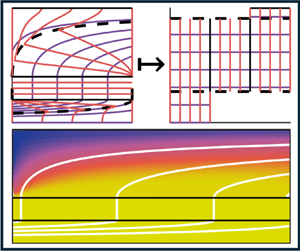
Hollow fibre membrane bioreactors provide a fast and efficient method for engineering functional tissue for use in medical treatments. Flow is utilised to overcome mass transport limitations by perfusing a nutrient-rich culture medium through the fibre lumen, which can then transport along the fibre lumen or across the porous membrane wall. Cells seeded at the outer membrane wall consume the nutrient and subsequently produce waste metabolites, which are transported away through an external extra-capillary space (ECS) along with excess nutrient. We present and investigate a two-dimensional axisymmetric model for fluid flow and solute transport through a single-fibre bioreactor configuration, with cells seeded to the external fibre wall. Fluid flow is modelled by steady lubrication and Darcy equations, which are coupled to the solute transport problem modelled by a system of advection–diffusion equations, supplemented with a reaction term to model the cell layer. Our model analysis reveals how spatially varying wall permeability distributions can be utilised to provide uniform nutrient delivery to a spatially uniform, homogeneous cell population. We also reveal how maximising the transmural pressure drop across the membrane wall is the dominant mechanism for waste removal rather than traditional experimental methods of flushing the ECS.
This study explored how collaborative writing, an often-used instructional strategy in second language (L2) learning, intersects with large-group dynamics, and investigated their potential impact on the quality of writing outcomes in an online distance learning course. Using a mixed-methods approach, the research scrutinized intra-group interaction processes in two large groups undertaking a computer-assisted language learning writing assignment and evaluated the impact of these interaction processes on their writing products. Data from discussions in both a public online forum and a private social communication platform (WeChat) were collected, systematically coded, and analysed quantitatively and qualitatively based on language functions. Data collection also included an assessment of the written products and follow-up group interviews. The findings indicate distinct interaction patterns between high-performing and low-performing groups, characterised by an expert/participant pattern and a dominant/passive pattern, respectively. Additionally, insights from the interviews shed light on these interaction patterns and the potential impact on student learning outcomes. The study suggests practical implications, highlighting the importance of task design in promoting high levels of collaborative knowledge construction to enhance students’ writing skills and L2 language learning in large-group settings.
Globally, resettlement is considered one of the most durable solutions for refugees. The UK has introduced a Community Sponsorship Scheme that enables communities to resettle refugee families providing them with enhanced integration support aided by volunteers. This paper investigates the nature of integration support that sponsored refugees receive utilising the analytical framework of UK’s Indicators of Integration (IoI). Data was collected from interviews with refugee adults resettled in diverse and less diverse areas. Our findings illustrate the importance of support given by volunteer groups to enable access to resources and connections. We establish that there is much potential for sponsorship programmes to add value to refugee support suggesting that the current expansion of sponsorship from its Canadian roots may help facilitate refugee integration. However, further research is needed to uncover the long-term experiences of sponsored refugees and to compare their outcomes to those of forced migrants arriving via different mechanisms.
Harpetid and trinucleid trilobites share a similar and unusual morphology, the most striking feature of which is a wide, flattened cephalic brim with many pits or holes. This similarity was once interpreted as a sign that these two groups of trilobites were closely related, but in recent years it has instead been assumed that the ‘harpiform’ brim arose in both groups independently. However, relatedness and similarity can be difficult to disentangle in fossil taxa without close living relatives, and this assumption about the harpiform brim has never been explicitly tested. Our study re-evaluates the relationship between Harpetida and Trinucleioidea in order to test a longstanding assumption about trilobite relationships and as a case study in evaluating different kinds of morphological similarity in extinct groups. We inferred a new phylogenetic tree using parsimony methods and discrete morphological character data from a broad sampling of harpetids, trinucleids, and their relatives. Despite their gross morphological similarities, we found that harpetids and trinucleids were readily distinguished in our analyses, a result consistent with a hypothesis of multiple origins for the harpiform brim. By mapping brim-related characters across our new phylogeny, we identified a sequence of morphological innovations that arose in parallel in both groups and led ultimately in each case to the evolution of the harpiform brim. These results indicate that harpiform brims are a prime example of parallel evolution—the similar development of a morphological trait in distantly related taxa that nevertheless share a similar original morphology. In addition, our phylogeny supports the idea that trinucleids are specialized, harpiform asaphids, rather than an independent order of trilobites. We also provide new information on the relationships of the putative ‘basal-most’ members of Trinucleioidea, the Liostracinidae, and confirm recent assessments that this family is more distantly related to trinucleids.
This contribution examines the legal intricacies surrounding law enforcement data collection practices in Bulgaria within the framework of the Law Enforcement Directive 2016/680 (LED) and relevant Court of Justice of the European Union (CJEU) rulings, particularly cases C-205/21 and C-80/23. The analysis underscores challenges in interpreting the concept of “strict necessity” and ensuring compliance with its provisions, in particular, Art. 10. Key findings reveal ambiguities in the LED’s application, particularly concerning judicial review and the scope of data collection. The subsequent Case C-80/23 further seeks clarification on the strict necessity standard and the scope of judicial review in the collection of biometric and genetic data. The outcome of both cases has broader implications for EU member states, highlighting the need for legislative alignment and underscoring the complexities and challenges in balancing effective law enforcement with the protection of fundamental rights.
The rights of mental health service users are a subject of profound debate. In this article, we aim to examine mental health professionals’ perspectives, opinions, and attitudes on the state of service users’ rights.
Methods:
We conducted a thematic analysis of eleven focus groups involving mental health professionals.
Results:
Through this process, we identified two main meta-themes that shed light on the challenges faced by mental health service users: ‘Transforming the therapeutic relationship’ and ‘Societal determinants of service users’ rights’. Within the former meta-theme, we identified the following themes: ‘Diversifying mental health knowledge’, ‘Risk-protection tensions’, and ‘Being (ir)responsible’. Within the latter meta-theme we identified ‘Determinants inside the clinics’ and ‘Determinants outside the clinics.’
Conclusions:
Reflecting on these themes could potentially encourage new strategies to support professionals in overcoming the subjective barriers that prevent their adherence to rights-based mental health care models.
This Special Issue presents a wide array of election forecasting models for the 2024 US elections. Most of these models generate forecasts for the presidential, congressional, and gubernatorial races. The contributions are characterized by the variety of their approaches: citizen forecasting, electronic markets, large language models, machine learning, poll-based models, and regression analysis. This introduction first summarizes some of the lessons and challenges of election forecasting. We then provide a brief context of the 2024 campaign and a short overview of the articles included in the Special Issue. The forecasts point to a tight presidential race. The two-party popular-vote predictions are almost evenly split, with some favoring Donald Trump and others Kamala Harris. However, among the models that offer an Electoral College forecast, three predict that Harris will win and five predict that Trump will return to the presidency.
This study explores labour market segmentation within the Turkish construction industry, in a developing country context characterised by refugee influxes and heightened earthquake risks. We apply statistical and regression analyses using 2002–2020 Household Labour Force Survey data to explore segmentation with a specific focus on payment, job type and social security enrolment. The findings reveal a segmented labour market where the progress in regular, permanent and registered employment in the 2000s failed to encompass most construction workers. Lower wages, and temporary and unregistered work are more common among the youngest and oldest workers, those with poor education and qualification levels, immigrants, and those employed by micro enterprises. The construction industry lags behind both manufacturing and services in terms of registered and permanent employment rates and average wages. The prevalence of workers in elementary jobs with little education highlights the ongoing challenge of ensuring a highly skilled workforce, while reconstruction activities in earthquake-prone zones and the demand for urban transformation in Türkiye are increasing. We argue that improvements in working conditions constitute an urgent restructuring component in the sector for elevating the status of construction jobs, addressing the shortage of skilled labour and ensuring a high-quality building stock that upholds the right to a secure life in Türkiye.
Every four years, numerous election-forecasting models attempt to predict the results of the US presidential election. Regardless of the stability of any election system, such as the bipartisan system in the United States, conditions can arise (e.g., candidate resignations) that negatively impact forecasters’ ability to predict electoral outcomes. Citizen forecasting—that is, directly asking respondents who they think will win an election—has a long track record of successfully predicting presidential elections. This study proposes adapting a citizen forecasting measure originally intended for use in multiparty systems to predict the US presidential election in 2024. Using this measure, we created a forecast of the national-level popular vote and vote-share forecasts for seven swing states.
This study creates a virtual space for language learning using a user-customizable metaverse platform and explores its potential for EFL learning. To this end, a virtual learning space, grounded in constructivist learning principles – contextualized learning, active learning, and collaborative learning – was created on a 2D metaverse platform. The metaverse was designed as a simulated deserted island for enjoyable and playful learning, allowing the students to actively explore, discover, and interact as they look for clues to escape the island. For educational application, 29 Korean middle school students participated in a two-hour activity. Data included screen recordings of student activities, student surveys, and interviews with the students and teachers. The findings showed that, as an EFL learning space of playful constructivism, the metaverse had great potential to embed contextualized learning and served as a medium for active learning that positively affected student interest and motivation. The results confirmed that the team-based approach combined with a game-like metaverse fostered student collaboration. Overall, the study showcased how language instructors can make use of a customizable metaverse for L2 learning and how a virtual space may serve as an arena for learner-centered instruction.
The Accelerating COVID-19 Therapeutic Interventions and Vaccines Therapeutic-Clinical Working Group members gathered critical recommendations in follow-up to lessons learned manuscripts released earlier in the COVID-19 pandemic. Lessons around agent prioritization, preclinical therapeutics testing, master protocol design and implementation, drug manufacturing and supply, data sharing, and public–private partnership value are shared to inform responses to future pandemics.
This study applies surveys of business and household expenditure to draw inferences about the size of regional multipliers to assess the cascading economic impacts of the data-limited Indonesian tropical tuna fishery. The average business-level production multiplier was estimated at around 1.3 across survey respondents, while household-level consumption effects were considerably higher, with the total economic effect roughly three times larger than the production value. A statistical analysis using generalized additive models suggests that there is considerable difference in production multipliers across regions, driven by the individual characteristics of operators, such as revenue/profit, size of the boat, type of gear, and the class of the port where the business is located. This research has the potential to provide a practical management tool to measure flow-on economic impacts of a fishery when information necessary for more formal economic analysis is unavailable, such as for data-limited fisheries or small regional studies.
Eleonora's falcon (Falco eleonorae Géné, 1839) is a well-known long-distance migrant of the Afro-Palaearctic flyway, a summer breeder of the Mediterranean region and North-west Africa and a winter resident of Madagascar and surrounding areas, thus characterized as a double endemic. Within the context of a long-term monitoring and conservation programme on Antikythira Island, Greece, which accommodates one of the largest concentrations of breeding pairs of Eleonora's falcons globally, birds were subjected to regular inspections for the presence of ticks from 2017 to 2023. In total, 104 adults and 149 nymphs (all belonging to Haemaphysalis genus) were collected. All ticks, apart from 2 nymphs, exhibited broadly salient palpi and did not possess the pronounced palpal segment 2 spurs or spur-like angles that are characteristic of adults, nymphs and most larvae of Rhipistoma, thus placed them in the Ornithophysalis subgenus. Following comprehensive morphological assessment and genetic analysis of the mitochondrial genome by means of next-generation sequencing of both adult and nymphal stages of the ticks, our empirical findings substantiate the delineation of a previously unclassified species. This taxonomic assignment situates the newly described species within the Ornithophysalis subgenus and the Haemaphysalis doenitzi group, marking its presence for the first time within the Western Palaearctic region.
Twitter has been a prominent forum for academics communicating online, both among themselves and with policy makers and the broader public. Elon Musk’s takeover of the company brought sweeping changes to many aspects of the platform, including public access to its data; Twitter’s approach to censorship and mis/disinformation; and tweaks to the affordances of the platform. This article addresses a narrower empirical question: What did Elon Musk’s takeover of the platform mean for this academic ecosystem? Using a snowball sample of more than 15,700 academic accounts from the fields of economics, political science, sociology, and psychology, we show that academics in these fields reduced their “engagement” with the platform, measured by either the number of active accounts (i.e., those registering any behavior on a given day) or the number of tweets written (including original tweets, replies, retweets, and quote tweets). We further tested whether this decrease in engagement differed by account type; we found that verified users were significantly more likely to reduce their production of content (i.e., writing new tweets and quoting others’ tweets) but not their engagement with the platform writ large (i.e., retweeting and replying to others’ content).