To save content items to your account,
please confirm that you agree to abide by our usage policies.
If this is the first time you use this feature, you will be asked to authorise Cambridge Core to connect with your account.
Find out more about saving content to .
To save content items to your Kindle, first ensure no-reply@cambridge.org
is added to your Approved Personal Document E-mail List under your Personal Document Settings
on the Manage Your Content and Devices page of your Amazon account. Then enter the ‘name’ part
of your Kindle email address below.
Find out more about saving to your Kindle.
Note you can select to save to either the @free.kindle.com or @kindle.com variations.
‘@free.kindle.com’ emails are free but can only be saved to your device when it is connected to wi-fi.
‘@kindle.com’ emails can be delivered even when you are not connected to wi-fi, but note that service fees apply.
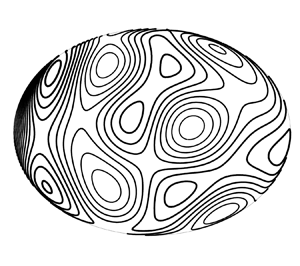
Two-dimensional turbulence transfers its energy towards the lowest mode in the domain, but domain geometry exerts a powerful control. On the sphere, with its three axes of rotational symmetry, angular momentum conservation prevents energy from entering the three lowest modes – those corresponding to the spherical harmonics $Y_1^0$ and $Y_1^{\pm 1}$ – because the amplitudes of these three modes are proportional to the three conserved components of the angular momentum vector. Non-spherical ellipsoids partly or completely break the rotational symmetry corresponding to angular momentum conservation. The flow on spheroids, which have only one axis of rotational symmetry, conserves only a single component of angular momentum. If the axis of symmetry is taken to be the $z$-axis, then only the $z$-component of angular momentum is conserved. Energy can flow into the other two lowest modes. The general triaxial ellipsoid breaks all rotational symmetries, thus angular momentum is not conserved, and energy can flow into any mode. We describe numerical experiments that confirm these predictions.
Differences in cultures, religious beliefs, and philosophical views suggest that leadership ethics may vary between Western and Eastern perspectives. However, ethical leadership scales are mostly rooted in Western conceptualization. This systematic review explores the cultural contributions, philosophical perspectives, and underlying theories shaping the measures of ethical leadership. A comprehensive search across Scopus, Web of Science, ProQuest Management, and Emerald Insight from 1990 to 2021 yielded over 3900 articles, with only 15 focusing on an Eastern conceptualization of ethical leadership. Findings reveal that Eastern ethical leadership encompasses unique dimensions, including leaders’ responsibility and concern for long-term sustainability, often overlooked in existing measures. Despite some similarities in virtues and values between Eastern and Western philosophical views, past studies predominantly employed Western theoretical perspectives to explain ethical leadership. This review highlights the imperative for measures that authentically capture Eastern cultural distinctions, crucial for advancing ethical leadership research amid the East’s increasing global influence.
Diagnostic criteria for major depressive disorder allow for heterogeneous symptom profiles but genetic analysis of major depressive symptoms has the potential to identify clinical and etiological subtypes. There are several challenges to integrating symptom data from genetically informative cohorts, such as sample size differences between clinical and community cohorts and various patterns of missing data.
Methods
We conducted genome-wide association studies of major depressive symptoms in three cohorts that were enriched for participants with a diagnosis of depression (Psychiatric Genomics Consortium, Australian Genetics of Depression Study, Generation Scotland) and three community cohorts who were not recruited on the basis of diagnosis (Avon Longitudinal Study of Parents and Children, Estonian Biobank, and UK Biobank). We fit a series of confirmatory factor models with factors that accounted for how symptom data was sampled and then compared alternative models with different symptom factors.
Results
The best fitting model had a distinct factor for Appetite/Weight symptoms and an additional measurement factor that accounted for the skip-structure in community cohorts (use of Depression and Anhedonia as gating symptoms).
Conclusion
The results show the importance of assessing the directionality of symptoms (such as hypersomnia versus insomnia) and of accounting for study and measurement design when meta-analyzing genetic association data.
Growing numbers of people help and support family members, friends or others due to long-term health problems, disability or older age–related needs. While care-giving can bring fulfilment and meaning to peoples’ lives, it can negatively affect individuals’ financial wellbeing. Much of the evidence in this area is quantitative, while the subjective, in-depth experience of how unpaid care decisions affect financial wellbeing remains relatively underexplored. This scoping review explores what is known about how unpaid carers experience and understand the financial consequences of providing care. It identified 35 studies containing qualitative evidence and, through thematic analysis, identified four overarching themes: (1) direct and indirect costs of caring; (2) social, cultural and institutional care and work decision-making; (3) the unequal cost of caring; and (4) personal finance and carer wellbeing. Findings indicate that unpaid caring affects financial wellbeing in multiple, overlapping ways. The financial consequences are experienced unequally, with systems, circumstances and contexts serving to exacerbate or reduce these negative effects. Crucially, our analysis reveals the paucity of qualitative research specifically focused on unpaid carers’ financial wellbeing. There is a significant gap in the literature regarding whether, and how, individuals understand the future financial implications of unpaid care-giving, or whether longer-term financial consequences are considered when making decisions about care. Future research designed to address this gap, with greater emphasis on the personal, social and structural influences on care-related financial decision-making, could offer important insights for developing policies and practices aimed at improving the financial wellbeing of carers as they age.
Pectin is composed of a group of complex polysaccharides that are naturally found in various plants and are associated with a range of beneficial health effects. Health outcomes from dietary pectin can vary depending on botanical origin, dietary dose and structure of pectin. The objective of this scoping review is to build a comprehensive overview of the current evidence available on intervention studies conducted in humans and to better understand the possible knowledge gaps in terms of structure–function relationships across the different health-related effects. PubMed and Embase databases were searched using PRISMA-ScR guidelines, yielding 141 references (from the initial 3704), representing 134 intervention studies performed between 1961 and 2022 that met inclusion criteria. Studies were divided into six categories, which included gut health, glycaemic response and appetite, fat metabolism, bioavailability of micronutrients, immune response and other topics. Review of these human intervention studies identified a variety of cohort characteristics and populations (life stage, health status, country), sources/types of pectin (i.e. citrus, sugarbeet, apple, other and non-defined), intervention timeframes (from one single intake to 168 d) and doses (0.1–50 g/d) that were tested for health outcomes in people. Gut health, post-prandial glucose regulation and maintenance of blood cholesterol represented the largest categories of studied outcomes. Further research to strengthen the structure–function relationships for pectin with health properties and associated outcomes is warranted and will benefit from a more precise description of physico-chemical characteristics and molecular compositions, such as degree of esterification, weight, degree of branching, viscosity, gel formation and solubility.
Constitutionalisation of the decent standard of living in Greece – Euro-crisis and constitutional change – Financial assistance conditionality and minimum income policy – Decent standard of living in crisis jurisprudence
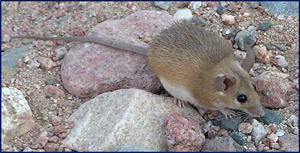
The dominant helminths infecting spiny mice (Acomys dimidiatus) in the montane wadis of the Sinai Peninsula of Egypt are spirurid nematodes, notably Protospirura muricola and Mastophorus muris. Both are relatively large robust stomach worms that accumulate in hosts resulting in high worm burdens. To ascertain whether the presence of spirurid worms or their burdens alters the host's likelihood of infection with other helminth species, we analysed a database containing quantitative data on helminth parasites of these mice (n = 431). This comprised of worm burdens recorded during 4 surveys, conducted at 4-year intervals, in 4 wadis, during late summer of each year. The presence of spirurid worms did not significantly alter species richness with other helminth species nor the likelihood of mice carrying other nematode species. However, there was a significant association, particularly of P. muricola, with the presence of intestinal stages of cestodes, and with the acanthocephalan Moniliformis acomysi. After controlling for intrinsic and extrinsic factors, mice harbouring spirurid worms had greater worm burdens of other helminths compared with mice without spirurids. Moreover, spirurid worm burdens showed a significant positive covariation with similarly adjusted species richness of other helminths, non-spirurid helminths, non-spirurid nematodes, oxyuroid nematodes and intestinal stage cestode worm burdens. We interpret these results as an indication that the key driver for co-occurrence of spirurids with other helminths is likely to be transmission via common arthropod hosts (for cestodes and acanthocephalans), but also that mice carrying the heavier spirurid worm burdens become more susceptible to directly transmitted nematodes such as the Oxyuroidea.
Thomas Taylor's parody of Mary Wollstonecraft's support for rights of women and humans raises a question: does his satire unwittingly propose a defence of animal rights found in Wollstonecraft's arguments? While Wollstonecraft's later works do not mention animal rights, her early educational writings offer arguments on animal ethics. These works explore the value of animals from moral, theological, and consequentialist perspectives, emphasizing both their instrumental and inherent value. This article argues that Wollstonecraft's moral psychology and theology highlight a benevolent attitude towards animals, underscoring their value beyond their utility.
Accurately quantifying all the components of the surface energy balance (SEB) is a prerequisite for the reliable estimation of surface melt and the surface mass balance over ice and snow. This study quantifies the SEB closure by comparing the energy available for surface melt, determined from continuous measurements of radiative fluxes and turbulent heat fluxes, to the surface ablation measured on the Greenland ice sheet between 2003 and 2023. We find that the measured daily energy available for surface melt exceeds the observed surface melt by on average 18 ± 30 W m−2 for snow and 12 ± 54 W m−2 for ice conditions (mean ± SD), which corresponds to 46 and 10% of the average energy available for surface melt, respectively. When the surface is not melting, the daily SEB is on average closed within 5 W m−2. Based on the inter-comparison of different ablation sensors and radiometers installed on different stations, and on the evaluation of modelled turbulent heat fluxes, we conclude that measurement uncertainties prevent a better daily to sub-daily SEB closure. These results highlight the need and challenges in obtaining accurate long-term in situ SEB observations for the proper evaluation of climate models and for the validation of remote sensing products.
This article discusses the significance of the extensive data-gathering procedures incorporated into recent synodal preparations and how they advance Pope Francis’s commitment to forging a church informed by a dialogue between theological ideas and empirical realities. Drawing on my prior case analysis of the Synod on the Family, I argue that despite the limits in place then on lay participation in the formal synod discussions, the diversity of the laity’s self-reported experiences penetrated the bishops’ deliberations. This achievement is in part a function of the synod communication structure whereby participants are allocated to shared-language groups, thus avoiding self-selection based on a priori doctrinal or country-specific biases; the resulting (forced) dialogue with difference helps foster the gradual development of more inclusive doctrinal framings as seen in the post-synodal Amoris Laetitia. In a historic expansion, the Synod on Synodality formally includes lay voting participants and therefore lay perspectives will directly shape the synod proposal outcomes. Like the bishops, lay Catholics do not speak with one voice, and thus the task of finding moral consensus will still necessarily require respectful mutual listening and reciprocal dialogue.
The twenty years surrounding the regulation of Ashdown Forest in 1885 reveal locally complex tensions and interactions. Designed to ensure the environmental protection of the Forest and to end internal dissent among those connected to it, regulation failed. Instead, protracted in-place conflict continued, as working families rejected new legislation which threatened their livelihoods. So the new body of conservators was faced with balancing such protection with the customary uses by commoners, with the working practices of ‘foresters’, with resurgent calls for small-scale farming, and with the ever-increasing residential numbers by the 1880s, many seeking ‘nature’ and ‘the primitive’, but also social tone. And increasingly, from beyond the locality, came the calls for environmental protection, especially from the newly formed Commons Preservation Society, urged on by newspaper articles recommending the fresh air and ‘natural’ beauty of Ashdown to townsfolk as a rural idyll or for moral improvement.
Stranded seals are often infected with a broad range of parasites, although whether they are the cause of significant morbidity or an incidental finding is usually unclear. In this study we used stable isotope ratio analysis, a method frequently used to investigate food webs, to explore the extent to which common seal parasites feed directly on host tissue and fluids or absorb host-derived metabolites, which in turn may give an indication of their potential impact on the host's health. The trophic discrimination factor Δ15N for the nasal mite, Halarachne halichoeri, was mostly positive, ranging between −0.015 and 3.2‰ (n = 6), while for the Acanthocephalan worm, Corynosoma strumosum and the anisakid nematode, Pseudoterranova decipiens, Δ15N ranged between −4.2 and −2.0‰ (n = 7), and between −6.7 and −0.8‰ (n = 5) respectively. In the case of the lungworm, Otostrongylus circumlitus, Δ15N measured between −5.6 and 0‰ for worms collected in the stomach (n = 5), between −1.1 and 0.2‰ for worms collected from the heart (n = 3), between −0.7 and 1.9‰ for worms situated in the lungs (n = 4). Based on Δ15N, parasites could be clearly divided into those that were on a higher trophic level than their host suggesting a predator–prey-like relationship, and those that were not. It is hypothesized that Δ15N may be indicative of the clinical significance of parasite–host associations.
This article examines the challenges and opportunities to integrate diverse sources of evidence in assessments produced by international platforms working at the science–policy interface. Diversity (or pluralism) of sources of literature, both in terms of their geographic origin and disciplinary focus, is essential for assessments to inform decision-making across social–ecological contexts. Using the recently completed ‘Methodological Assessment of the Diverse Values and Valuation of Nature’ of the Intergovernmental Science–Policy Platform on Biodiversity and Ecosystem Services as a case, we find that significant effort has been dedicated to reviewing diverse literature. We discuss three strategies to expand pluralism in future assessments.
Technical summary
Representing plural views in science–policy platforms is essential to avoid reproducing geographic and epistemic biases that permeate contemporary scientific knowledge production and synthesis. The Intergovernmental Science–Policy Platform on Biodiversity and Ecosystem Services (IPBES) has strived to produce assessments that incorporate information from diverse regions and knowledge systems. We explore the geographic and epistemic pluralism of the literature included in the ‘Methodological Assessment of the Diverse Values and Valuation of Nature’ (VA), and the challenges and opportunities to achieve such knowledge pluralism. We applied a bibliometric analysis to the sources of evidence cited in the VA, and reflected on the assessment development process, in which we were directly involved. Our results highlight the success of different strategies developed by VA experts to engage with diverse sources of literature. Still, most evidence was English-language academic literature produced in Western Europe, Canada, and the United States, echoing the prominence of this literature in scientific publication in environmental disciplines. Reflecting on our experiences, we discuss strategies that could further enhance the geographic and epistemic pluralism in the information reviewed for future environmental assessments produced by IPBES and other international science–policy platforms.
Social media summary
Epistemic and geographic pluralism was partially achieved in IPBES Values Assessment, and can be further enhanced in future assessments.
Iron (Fe) minerals play a crucial role in biogeochemical cycles due to their ubiquity in nature, high adsorption capacity and redox activity towards many other elements. Mixed-valent Fe minerals are unique since they contain Fe(II) and Fe(III). For example, magnetite (Fe(II)Fe(III)2O4) nanoparticles (MNPs) can affect the availability and mobility of nutrients and contaminants. This is due to the high surface area to volume ratio and the presence of Fe(II) and Fe(III), allowing redox transformation of (in‑)organic contaminants. Recent studies have shown that magnetite can serve as an electron source and sink for Fe(II)-oxidizing and Fe(III)-reducing microorganisms, storing and releasing electrons; thus, it functions as a biogeobattery. However, the ability of MNPs to act as biogeobatteries over consecutive redox cycles and the consequences for mineral integrity and identity remain unknown. Here, we show MNPs working as biogeobatteries in two consecutive redox cycles over 41 days. MNPs were first oxidized by the autotrophic nitrate-reducing Fe(II)-oxidizing culture KS and subsequently reduced by the Fe(III)-reducing Geobacter sulfurreducens. In addition to reduced magnetite, we identified the Fe(II) mineral vivianite after reductions, suggesting partial reductive dissolution of MNPs and re-crystallization of Fe2+ with phosphate from the growth medium. Measurements of the Fe(II)/Fe(III) ratio revealed microbial oxidation and reduction for both the first redox cycle (oxidation: 0.29±0.014, reduction: 0.75±0.023) and the second redox cycle (oxidation: 0.30±0.015, reduction: 1.64±0.10). Relative changes in magnetic susceptibility (∆κ in %) revealed greater changes for the second oxidation (–8.7±1.99%) than the first (–3.9±0.19%) but more minor changes for the second reduction (+14.29±0.39%) compared to the first (+25.42±1.31%). Our results suggest that MNPs served as biogeobatteries but became less stable over time, which has significant consequences for associated contaminants, nutrients and bioavailability for Fe-metabolizing microorganisms.
Diagnosing Borrelia miyamotoi disease (BMD) presents challenges due to its overlap with Lyme disease (LD) symptoms and the lack of reliable laboratory diagnostics. This case study demonstrates the successful use of phage-based PCR (phb-PCR) in identifying B. miyamotoi in a patient with multiple tick bites. A 46-year-old female presented with joint and muscle pain, chronic fatigue, and cognitive impairment after being bitten by ticks in Europe. Standard diagnostic tests, including Enzyme-linked immunosorbent assay (ELISA), immunoblot for LD, and antibody tests for Bartonella, Anaplasma, and autoimmune conditions, all returned negative results. However, phb-PCR identified the presence of B. miyamotoi. The patient was treated with intravenous ceftriaxone, oral azithromycin, and intravenous vitamin and mineral therapy, resulting in significant improvement in symptoms, including reduced pain, improved cognitive function, and decreased fatigue. This case emphasises the importance of direct diagnostic methods like phb-PCR for accurately identifying BMD, especially when conventional serological tests fail. Clinicians should consider testing for B. miyamotoi in cases of complex tick-borne diseases for timely and effective management.
Globally, each year 1.3 million neonates acquire human immunodeficiency virus during pregnancy, labour, and breastfeeding time. Replacing breastfeeding with recommended safe infant feeding practices significantly reduces the risk of transmission, nearly eliminating it. This study aimed to assess Human immunodeficiency virus exposed child feeding among 314 mothers with infants under 24 months old. Participants were selected using a systematic random sampling technique, and data were collected through a semi-structured questionnaire. Bivariable and multivariable logistic regression analyses employed to identify determinants for safe infant feeding. During interviews, the mean age of women was 32.35 years (standard deviation±4.5), and infants were 10.8(±3.951) months. The overall safe infant feeding was 67.2% (95% CI: 61.7, 72.9), with a mean knowledge score. By the study’s end, 9 infants (2.89%) were confirmed to be infected with virus based on dried blood sample test. Maternal promoting factors for safe infant practice included infant age 25–35 years (adjusted odd ratio (aOR) =2.9) completing high school education (adjusted odd ratio = 9.2), having a good knowledge score for infant feeding (adjusted odd ratio = 8.2), and urban residency (adjusted odd ratio = 2.2). On the other hand, being married made it 83% less likely for safe infant feeding practices (adjusted odd ratio = 0.17) compared to those never in a union. Two in three mothers practiced safe infant feeding for their HIV-exposed infants, with a mean knowledge score of 70.3%. Therefore, healthcare providers give accurate information and counselling services to make informed decisions about infant safe feeding.
To compare prescribing patterns of restricted antimicrobials before and after the removal of prior authorization and to develop a prospective audit and feedback program to mitigate the potential inappropriate prescribing of these antimicrobials.
Methods:
An interrupted time-series analysis assessing the trends in antibiotic use was conducted between May 2020 and February 2023 in large urban hospitals, where all ASP activities were discontinued in May 2022 and a pilot prospective audit and feedback (PAF) program was initiated in January 2023.
Results:
The collective change in restricted antibiotic utilization after the removal of prior authorization was trending towards increased utilization but was not statistically significant. With the PAF program, 9.8% of patients were identified by the antimicrobial stewardship pharmacists as requiring intervention. Within these patients, 19 different recommendations were made, with the most common being to narrow the therapeutic spectrum (47.4%). Stewardship interventions suggestions were accepted (full and partial) 69.2% of the time.
Conclusions:
Although there were some small statistically significant changes detected for a few antibiotics, there were no situations where those changes remained significant after appropriate controls were added to the analyses. As such, the intervention may not have had any statistically significant impact on DDDs of the studied antibiotics.
Money pushes sports to extremes. As the rewards for success grow, so does the pressure, with sportspeople pushing themselves ever harder. In equestrian sports, this can mean pushing the horse as well, too often to the point of abuse. This article discusses the beautiful side of equestrianism as well as its darker side, which is a bitter reality for many competition horses. It sets out a comparison of legal standards for equine animal welfare (at the level of international law, EU law and national laws) as well as those coming from sports laws. It also examines dependencies between animal protection rules under EU law and animal protection rules under the laws of individual EU Member States concerning equestrian sports. It aims to answer the questions of whether equestrian sports constitute a general exemption to their being considered animal abuse and on what grounds this exemption might be changed in the future.