To save content items to your account,
please confirm that you agree to abide by our usage policies.
If this is the first time you use this feature, you will be asked to authorise Cambridge Core to connect with your account.
Find out more about saving content to .
To save content items to your Kindle, first ensure no-reply@cambridge.org
is added to your Approved Personal Document E-mail List under your Personal Document Settings
on the Manage Your Content and Devices page of your Amazon account. Then enter the ‘name’ part
of your Kindle email address below.
Find out more about saving to your Kindle.
Note you can select to save to either the @free.kindle.com or @kindle.com variations.
‘@free.kindle.com’ emails are free but can only be saved to your device when it is connected to wi-fi.
‘@kindle.com’ emails can be delivered even when you are not connected to wi-fi, but note that service fees apply.
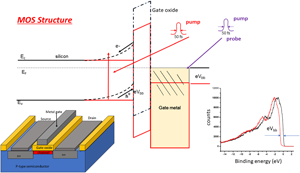
From thin film solar cells to metal–oxide–semiconductor (MOS) devices in leading edge integrated circuits, the electronic structure at and near the interfaces between component materials determines the most important fundamental operating characteristics of those devices such as turn-on voltage, power dissipation, and off-state current leakage. Fermi level location at buried interfaces, semiconductor (SC) band bending, charge transfer, oxide defects, and work functions of the constituent materials all contribute to device performance. This paper describes how these important parameters can be determined by employing femtosecond photovoltage spectroscopy, an extension of ultraviolet photoelectron spectroscopy (UPS) using ultrafast lasers. While standard UPS is fundamentally a surface-sensitive spectroscopy, pump/probe techniques add a new dimension to this venerable spectroscopy, permitting the accurate extraction of the underlying band bending in SCs. When combined with the valence band edge location of the SC and oxide, and determination of the system Fermi level, full characterization of the electronic structure of a MOS stack can be obtained providing key insights on device operating properties. This approach can be extended to study key device materials in emerging areas of artificial intelligence and quantum computing. In each case, surprising new details were uncovered that led to performance optimization of these technologically important devices.
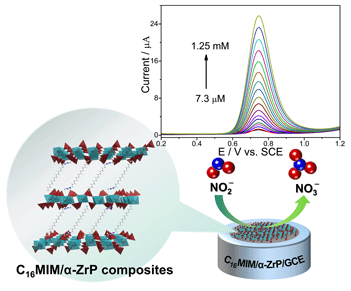
A novel ionic liquid/α-ZrP (C16MIM/α-ZrP) lamellar nanocomposite was fabricated via the electrostatic self-assembly deposition technique by using exfoliated α-ZrP nanosheets and guest molecules (1-hexadecyl-3-methylimidazolium bromide) as building blocks under mild conditions. C16MIM/α-ZrP nanocomposite was characterized by various analytical techniques such as X-ray diffraction (XRD), transmission electron microscopy (TEM), scanning electron microscope (SEM), Fourier transform infrared spectroscopy, and synchronous thermal analyzer. The net interlayer spacing of α-ZrP determined by XRD confirmed that the C16MIM cations formed a monolayer arrangement between the α-ZrP nanosheets. The morphology and microstructure of C16MIM/α-ZrP composite were observed using SEM and TEM. The C16MIM/α-ZrP modified glass carbon electrode exhibited excellent electrocatalytic activity toward the oxidation of nitrite in weak base media. The results obtained with differential pulse voltammetry demonstrated that the C16MIM/α-ZrP hybrid detected nitrite linearly in the concentration range from 7.3 μM to 1.25 mM with the detection limit of 1.26 μM (S/N = 3). Additionally, the prepared sensor showed outstanding reproducibility, high stability, and anti-interference capability.
Understanding the effects of predicted rising sea levels, combined with changes in precipitation and freshwater inflow on key estuarine ecosystem engineers such as the eastern oyster would provide critical information to inform restoration design and predictive models. Using oyster ladders with shell bags placed at three heights to capture a range of inundation levels, oyster growth of naturally recruited spat was monitored over the course of 6 months. Oyster numbers and shell heights were consistently highest in bottom and mid bags experiencing greater than 50% inundation (mid: 63 ± 7%; bottom: 95 ± 3%). Identifying thresholds for optimal oyster growth and survival to enhance restoration engineering would require finer scale evaluation of inundation levels.
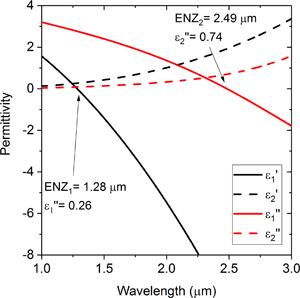
Indium tin oxide (ITO) has become a very useful plasmonic and nonlinear optical material because of its highly tunable electrical and optical properties and strong optical nonlinearity. In this work, the authors conducted detailed fabrication process studies by using high-temperature reactive sputtering to finely tune the optical properties of ITO thin films, particularly the epsilon-near-zero (ENZ) wavelength in the near and mid-IR spectrum. Sputtered ITO thin films are characterized by using spectroscopic ellipsometry, surface profilometry, Hall measurements, and 4-point probe testing. Additionally, the effect of post-deposition annealing of ITO films is also investigated.
Precious ornaments from the Museum Royal Tombs of Sipán were analyzed by X-ray computed microtomography (microCT). The ornaments analyzed were golden earrings produced by the Moche culture that flourished along the north coast of present-day Peru between approximately 100 and 600 AD. Sipán, also known as Huava Rajada, is a mochica archaeological complex in the north of Peru. In particular, the spectacular jewelry, mainly composed of gold, silver, and copper alloys, gilded copper, and tumbaga, from the Museum “Royal Tombs of Sipán,” in Lambayeque, north of Peru, are some of the most sophisticated metalworking ever produced of pre-Columbian America. A portable microCT system consisting of a high-resolution flat panel detector and a mini X-ray tube were used for the structural analysis of these ornaments. The microCT images show parts of the internal structure, highlighting the manufacturing technique and gold sheets joining techniques of the Moche artisans. Furthermore, the advantage of using the portable microCT system for nondestructive testing is clear when the sample cannot be taken to the laboratory.
Metallic thin-film composite membranes are produced by sputtering metal films onto commercial polymer membranes. The separations capability of the membrane substrate is enhanced with the addition of a 10 nm Ta film. The addition of a tantalum layer decreases the molecular weight cutoff of the membrane from 70 kDa dextran (19 nm) to below 5 kDa (6 nm). Water flux drops from 168 LMH/bar (LMH: liters/meters2/hour) (polymer support) to 8.8 LMH/bar (Ta composite). A nanoporous layer is also added to the surface through Mg/Pd film deposition and dealloying. The resulting nanoporous Pd is a promising catalyst with a ligament size of 4.1 ± 0.9 nm. The composite membrane's ability to treat water contaminated with chlorinated organic compounds (COCs) is determined. When pressurized with hydrogen gas, the nanoporous Pd composite removes over 70% of PCB-1, a model COC, with one pass. These nanostructured films can be incorporated onto membrane supports enabling diverse reactions and separations.
There is growing interest in quantifying attitudes towards autistic people, however there is relatively little research on psychometric properties of the only existing measure and its ability to predict engagement with people with autism. To begin addressing these issues, we compared three scales measuring attitudes towards autistic people following the development of two new measures. Exploratory factor analysis, across two datasets, revealed that the factor-structure of an established 16-item scale is unclear. Further, its predictive validity of intended engagement with autistic people was comparable to our novel and psychometrically robust 1- and 4-item measures of attitudes towards autistic people. We therefore conclude that a 1- or 4-item scale is sufficient to measure general attitudes towards autistic people in future research. Equally, we propose that additional research is required to develop measures that are grounded in theoretical models of attitude formation and therefore distinguish between different components of attitudes.
The ongoing coronavirus disease 2019 (COVID-19) pandemic is of global concern and has recently emerged in the US. In this paper, we construct a stochastic variant of the SEIR model to estimate a quasi-worst-case scenario prediction of the COVID-19 outbreak in the US West and East Coast population regions by considering the different phases of response implemented by the US as well as transmission dynamics of COVID-19 in countries that were most affected. The model is then fitted to current data and implemented using Runge-Kutta methods. Our computation results predict that the number of new cases would peak around mid-April 2020 and begin to abate by July provided that appropriate COVID-19 measures are promptly implemented and followed, and that the number of cases of COVID-19 might be significantly mitigated by having greater numbers of functional testing kits available for screening. The model is also sensitive to assigned parameter values and reflects the importance of healthcare preparedness during pandemics.
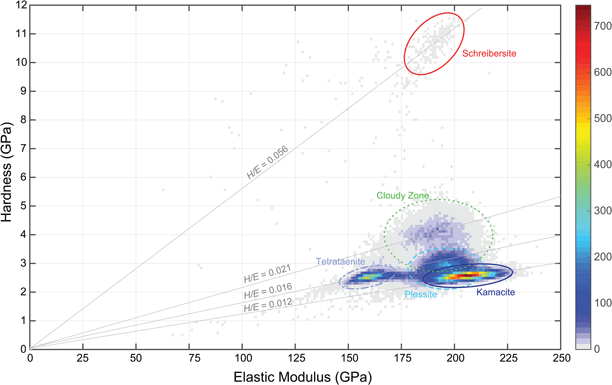
Meteorites have one of the most unique and beautiful microstructures, the Widmanstätten structure. This consists of large, elongated bands which form an intricate octahedral lace of crystalline metal. This structure makes meteorites an ideal case to demonstrate the capabilities of mechanical phase mapping using high-speed nanoindentation. In this work, the mechanical properties and composition of the Taza meteorite were mapped using ~100,000 indentations to statistically determine the properties of the individual phases. Five microstructural phases were characterized in this meteorite: Kamacite, Plessite, Tetrataenite, Cloudy Zone, and Schreibersite. Mechanical phase identification was confirmed using EDX measurements, and the first direct, point-to-point correlation of EDX and large-scale indentation maps was achieved. Mechanical phase maps showed superior phase contrast to EDX in two phases. An indentation property map or a mechanical phase map using a 2D histogram was used to visualize and statistically characterize the phases and identify trends in their relationships.
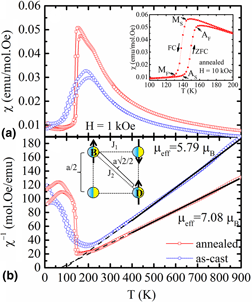
We have synthesized off-stoichiometric Ni40Cu10Mn35Ti15 all-d-metal Heusler alloy with a B2 cubic crystal structure by an arc melting process and investigated its structural, magnetic, electronic, thermal, and mechanical properties under the influence of a single-step thermal annealing. The compound exhibits an antiferromagnetic ordering accompanied by thermal hysteresis indicating a first-order magneto-structural transition. Curie–Weiss molecular field analysis reveals the presence of ferromagnetic interactions competing with long-range antiferromagnetic ordering. Thermal annealing leads to the appearance of a heat capacity sharp peak around antiferromagnetic transition. Electrical resistivity measurements display abrupt changes close to the magneto-structural transition revealing the strong coupling among spin, lattice, and charge degrees of freedom characteristic of a martensitic transition (MT). We have also evaluated its mechanical properties from microhardness measurements, and the results indicate that this alloy exhibits ductile behavior. The occurrence of MT associated with improved ductility is an essential combination for technological application as shape-memory alloys.
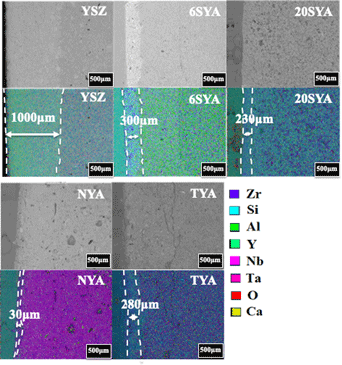
The mitigation of CMAS (calcium–magnesium–aluminum–silicon oxide) infiltration is a major requirement for the stability of thermal barrier coatings. In this study, yttria-stabilized zirconia (YSZ)–Al2O3–SiC, YSZ–Al2O3–Ta2O5, and YSZ–Al2O3–Nb2O5 self-healing composites produced by uniaxially pressing powders were investigated as an alternative to YSZ. CMAS infiltration in these materials was tested at 1250 °C for 10 h. Comparing the depth of CMAS infiltration using scanning electron microscope (SEM) in tandem with electron-dispersive X-ray spectroscopy (EDS), all self-healing materials were found to perform better than the reference materials. While standard YSZ shows massive CMAS infiltration, SEM micrographs and EDS maps revealed a 33-fold improvement in CMAS resistance for the YSZ–Al2O3–Nb2O5 system, which exhibited the best performance among the selected self-repairing materials. X-ray diffraction and high-resolution SEM micrographs taken 10 μm below the surface revealed that CMAS only infiltrated pores in the topmost region of the samples. Both YSZ–Al2O3–Ta2O5 and YSZ–Al2O3–Nb2O5 systems showed no signs of chemical reaction with CMAS.
Given extensive research underscoring the deleterious effects of bullying on youth adjustment, anti-bullying policies and programming are critical public health priorities. However, strategies that increase public support for anti-bullying causes are not well understood. This experiment assessed the influence of “bullying messaging” on support for anti-bullying policies. Specifically, I investigated whether learning about the health consequences of bullying, as opposed to its prevalence or educational impact, increased individuals’ support of anti-bullying policies. Participants (n = 329) were randomly assigned to one of four conditions where they read a brief summary about bullying research; conditions varied by whether the research documented the: a) prevalence of bullying b) mental health consequences of bullying c) physical health consequences of bullying or d) academic consequences of bullying. Results indicated that participants endorsed high levels of support for anti-bullying policies, regardless of experimental condition, and that policies aimed at increasing K-12 mental health resources were most supported.
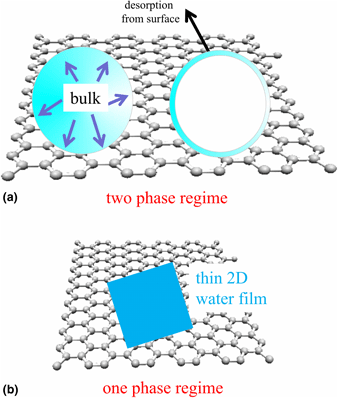
Graphene and its functionalization are still one of the most prominent two-dimensional crystals. In recent years, the wetting properties of graphene for water (i.e., its hydrophobic, hydrophilic, and also icophobic features) were controversially discussed as well as water intercalation and confined water, that have unusual characteristics. The dispute about wetting properties was originally based on contact angle (/engineering) measurements conducted at ambient pressure. In the meanwhile, detailed ultra-high vacuum (UHV) surface science works and theoretical studies are available. This brief review describes the current knowledge available in the literature about the water/graphene system as well as our own work using experimental UHV surface science techniques. The review starts with a definition of hydrophobicity and briefly touches on a possible correlation with icephobicity as well as discusses briefly confined water. Next, theoretical studies are reviewed, and finally, experimental works are described on which the review focusses. Finally, a brief outlook section discusses water adsorption on functionalized graphene.
Persons with rare disorders, such as tetralogy of Fallot, often feel socially isolated due to poor public awareness of the disorder. On 1 May 2017, Jimmy Kimmel aired a segment on Jimmy Kimmel Live! highlighting the impact of tetralogy of Fallot on his son and how the public can learn more about the disorder.
Methods
We tracked public interest in tetralogy of Fallot using Google Trends and Twitter after the episode and constructed an autoregressive integrated moving average algorithm to calculate search volumes had Kimmel not aired the episode.
Results
Google searches and the number of Tweets for tetralogy of Fallot increased by 3063.27% and 4672.62%, respectively, above expected.
Conclusions
Our findings indicate that television talk shows may represent strong outlets for increasing public awareness of rare disorders.
Cyclopentadithiophene (CPDT), a Csp3-bridged bithiophene heteroaromatic unit, displays interesting properties when it is embedded in the repeating units of π-conjugated polymers, and they are applied in organic electronics devices. Common synthetic routes to CPDT-derived polymers rely on toxic methodologies whilst alternative non-toxic strategies such as the Suzuki-Miyaura reaction have been less studied. In this report we demonstrate that the use of a N-methyliminodiacetic acid (MIDA) boronate ester-derived CPDT monomer allows the efficient formation of poly(cyclopentadithiophene) homopolymer under Suzuki-Miyaura cross-coupling reaction conditions. Thus, the use of MIDA boronate esters might be extended to other organic units to design and construct a plethora of π-conjugated polymers.
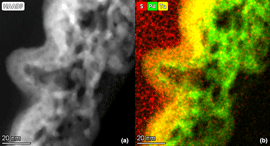
Thermochemical interactions between calcium–magnesium–aluminosilicate (CMAS) glass and an environmental barrier coating of ytterbium disilicate (Yb2Si2O7) and ytterbium monosilicate (Yb2SiO5) were investigated. Top coats were deposited by plasma spray-physical vapor deposition onto silicon carbide substrates. CMAS powder was prepared as a glass and cast into a tape to yield a CMAS loading of ~29 mg/cm2. Samples were heat treated with CMAS at 1300 °C for 1–10 h or at 1400 °C for 1 h in air. Polished specimen cross-sections were characterized using scanning electron microscopy, X-ray diffraction, X-ray energy-dispersive spectroscopy, and transmission electron microscopy to evaluate resulting microstructures, phases, and compositions at CMAS/Yb2Si2O7 interfaces. Coatings exposed at 1300 °C—10 h and 1400 °C—1 h were fully infiltrated and compromised by CMAS. Dissolution of ytterbium silicate into molten CMAS followed by precipitation of cyclosilicate, silicocarnotite, and Yb2Si2O7 at 1300 °C and Yb2Si2O7 at 1400 °C enabled CMAS to effectively infiltrate top coats, rendering the predominantly Yb2Si2O7 coating ineffective at arresting molten CMAS degradation.
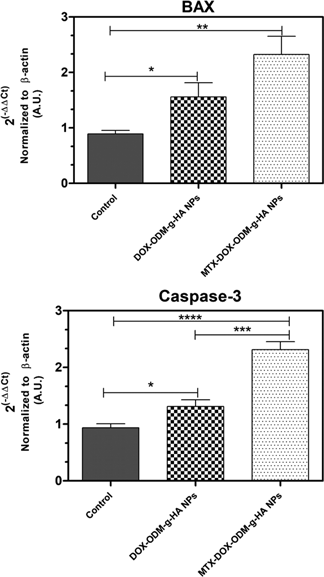
In this study, a hybrid dual drug-loaded hydroxyapatite-oxidized dextran methacrylate core–shell nanocarrier was formulated and explored for combinatorial delivery of doxorubicin (DOX) and methotrexate (MTX) to bone cancer. The synthesized nanocarrier was well characterized by different techniques. In vitro drug release studies in both acidic (pH 5) and alkaline (pH 7.4) conditions showed sequential release of MTX followed by DOX in a sustained manner for 10 days. Biocompatibility and cytotoxicity studies performed using drug-loaded nanoparticles (NPs) on fibroblast L929 cells and osteosarcoma MG63 cells (OMG63) showed that the NPs were highly biocompatible and showed concentration-dependent toxicity. Gene expression studies in OMG-63 cells exhibited the upregulation of caspase-3 and BAX which confirmed the apoptosis induced by dual drug-loaded NPs. The nanocarrier is expected to be a potential bone void filling material, as well as a platform for sequential delivery of DOX and MTX for the treatment of bone cancer.