To save content items to your account,
please confirm that you agree to abide by our usage policies.
If this is the first time you use this feature, you will be asked to authorise Cambridge Core to connect with your account.
Find out more about saving content to .
To save content items to your Kindle, first ensure no-reply@cambridge.org
is added to your Approved Personal Document E-mail List under your Personal Document Settings
on the Manage Your Content and Devices page of your Amazon account. Then enter the ‘name’ part
of your Kindle email address below.
Find out more about saving to your Kindle.
Note you can select to save to either the @free.kindle.com or @kindle.com variations.
‘@free.kindle.com’ emails are free but can only be saved to your device when it is connected to wi-fi.
‘@kindle.com’ emails can be delivered even when you are not connected to wi-fi, but note that service fees apply.
Older adults with treatment-resistant depression (TRD) benefit more from treatment augmentation than switching. It is useful to identify moderators that influence these treatment strategies for personalised medicine.
Aims
Our objective was to test whether age, executive dysfunction, comorbid medical burden, comorbid anxiety or the number of previous adequate antidepressant trials could moderate the superiority of augmentation over switching. A significant moderator would influence the differential effect of augmentation versus switching on treatment outcomes.
Method
We performed a preplanned moderation analysis of data from the Optimizing Outcomes of Treatment-Resistant Depression in Older Adults (OPTIMUM) randomised controlled trial (N = 742). Participants were 60 years old or older with TRD. Participants were either (a) randomised to antidepressant augmentation with aripiprazole (2.5–15 mg), bupropion (150–450 mg) or lithium (target serum drug level 0.6 mmol/L) or (b) switched to bupropion (150–450 mg) or nortriptyline (target serum drug level 80–120 ng/mL). Treatment duration was 10 weeks. The two main outcomes of this analysis were (a) symptom improvement, defined as change in Montgomery–Asberg Depression Rating Scale (MADRS) scores from baseline to week 10 and (b) remission, defined as MADRS score of 10 or less at week 10.
Results
Of the 742 participants, 480 were randomised to augmentation and 262 to switching. The number of adequate previous antidepressant trials was a significant moderator of depression symptom improvement (b = −1.6, t = −2.1, P = 0.033, 95% CI [−3.0, −0.1], where b is the coefficient of the relationship (i.e. effect size), and t is the t-statistic for that coefficient associated with the P-value). The effect was similar across all augmentation strategies. No other putative moderators were significant.
Conclusions
Augmenting was superior to switching antidepressants only in older patients with fewer than three previous antidepressant trials. This suggests that other intervention strategies should be considered following three or more trials.
Critical scholars and intellectuals are often viewed as vanguards of intellectual rigor, moral integrity, and left-leaning/left-liberal politics. In particular, their trajectories tend to be examined from a sympathetic lens: as supporters of lower-class social movements. Unfortunately, this approach overlooks the varied agency of these critical scholars and their complex relationship with the very movements that they often claim to represent. It obscures their potentially unequal socioeconomic status and cultural gap with the movements they engage with. This is not to dismiss their contribution or deny the reality of state repression against some of them, but a more grounded, sober approach to studying these cognitive workers is needed.
This study investigates the value-appropriating, politically-moderating, status-seeking tendency in some parts of critical knowledge production and activism. It advances several claims. First, the increasing neoliberalisation of the research sector exacerbates the process of class differentiation among critical scholars and intellectuals. The majority join the swelling rank of precarious cognitariat, whereas a selected stratum becomes part of the professional managerial class. Second, the latter stratum contains new intellectual actors who enjoy economic, cultural, and, political benefits from their advantaged position at the expense of precarious scholar-activists and marginalised communities, as exemplified in their public celebrity status or appointment into policymaking decisions. Lastly, as an illustration, and a form of self-criticism, I interrogate my position as an early-career researcher of Indonesian politics, show my own role and complicity in the neoliberal research industrial complex, and reflect on possible ways out of this politico-intellectual impasse.
Argumentation is often conceived as a rational response to disagreement, even when it does not resolve differences of opinion. Arguing in the face of disagreement has, however, distinctive epistemic effects. Sometimes argumentation achieves convergence of opinion or at least the mutual recognition that a more thorough inquiry is required. But facing disagreement, participants of argumentative exchanges quite often remain steadfast in their initial views or even radicalize them. Can we make sense of these latter situations? To account for their occurrence, it is common to point out that people’s ability to argue is flawed, that an “argumentative culture” is lacking, and that emotional and other non-rational factors often interfere in confrontative situations. But these suggestions do not amount to a thorough satisfactory explanation. In this paper, I provide the outline of a purely epistemic account of these peculiar effects of argumentation in the face of disagreement. I argue that probabilistic models of degrees of confidence (or “credences”) can shed light on the conditions that give rise to several of these effects. This could provide some guidance on how to avoid them.
This article examines the practice of post-mortem examination in the Royal Navy during the French Revolutionary and Napoleonic Wars (1793–1815). The professional medical logbooks kept by ship’s surgeons as part of their mandated practice reveal that they turned to pathological anatomy to diagnose their patients – a technique typically associated with French anatomy during this period. I show that these post-mortem dissections blended medicine and surgery together by correlating clinical signs and symptoms of disease with pathological manifestations of disease in the bodies after death. This article also considers the medical culture that existed on these ships that enabled this research, specifically how captains, officers and crew responded to, and interpreted, such medical enquiry on board. By resituating the naval ship as a site of medical experimentation and enquiry, I explore how naval surgeons participated in medical research within the Royal Navy and used the ship space to engage in pathological anatomy before their British civilian counterparts flocked to French hospitals after the wars.
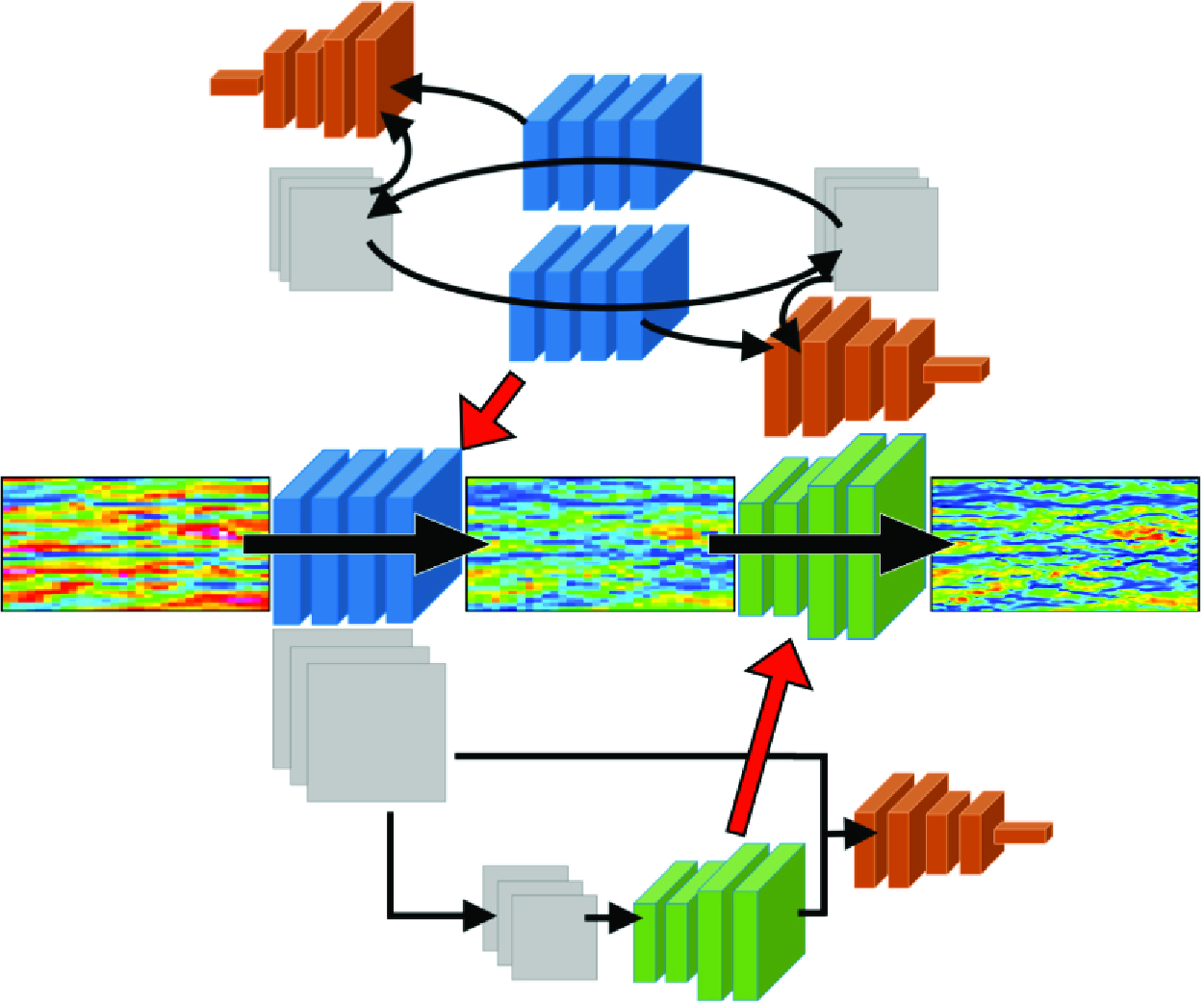
This study proposes a machine-learning-based subgrid scale (SGS) model for very coarse-grid large-eddy simulations (vLES). An issue with SGS modelling for vLES is that, because the energy-containing eddies are not accurately resolved by the computational grid, the resolved turbulence deviates from the physically accurate turbulence. This limits the use of supervised machine-learning models commonly trained using pairs of direct numerical simulation (DNS) and filtered DNS data. The proposed methodology utilises both unsupervised learning (cycle-consistency generative adversarial network (GAN)) and supervised learning (conditional GAN) to construct a machine-learning pipeline. The unsupervised learning part of the proposed method first transforms the non-physical vLES flow field to resemble a physically accurate flow field. The second supervised learning part employs super-resolution of turbulence to predict the SGS stresses. The proposed pipeline is trained using a fully developed turbulent channel at the friction Reynolds number of approximately 1000. The a priori validation shows that the proposed unsupervised–supervised pipeline successfully learns to predict the accurate SGS stresses, while a typical supervised-only model shows significant discrepancies. In the a posteriori test, the proposed unsupervised–supervised-pipeline SGS model for vLES using a progressively coarse grid yields good agreement of the mean velocity and Reynolds shear stress with the reference data at both the trained Reynolds number 1000 and the untrained higher Reynolds number 2000, showing robustness against varying Reynolds numbers. A budget analysis of the Reynolds stresses reveals that the proposed unsupervised–supervised-pipeline SGS model predicts a significant amount of SGS backscatter, which results in the strengthened near-wall Reynolds shear stress and the accurate prediction of mean velocity.
Disinformation is a growing epistemic threat, yet its connection to understanding remains underexplored. In this paper, I argue that understanding – specifically, understanding how things work and why they work the way they do – can, all else being equal, shield individuals from disinformation campaigns. Conversely, a lack of such understanding makes one particularly vulnerable. Drawing on Simion’s (2023) characterization of disinformation as content that has a disposition to generate or increase ignorance, I propose that disinformation frequently exploits a preexisting lack of understanding. I consider an important objection – that since understanding is typically difficult to acquire, we might rely on deferring to experts. However, I argue that in epistemically polluted environments, where expertise is systematically mimicked, deference alone provides no reliable safeguard. I conclude by briefly reflecting on strategies for addressing these challenges, emphasizing both the need for promoting understanding and for cleaning up the epistemic environment.
Automatization is the learning process by which controlled, effortful second language (L2) processing becomes automatic, fast, and effortless through practice – a critical transition for L2 development. Achieving automaticity allows learners to progress from laborious language use to fluent, real-time communication by freeing limited cognitive resources. This research timeline synthesizes four decades of laboratory and classroom research on automatization, bridging cognitive learning theories with pedagogical practice. We trace five key research strands: (1) cognitive mechanisms, including the explicit-implicit knowledge interface; (2) skill development trajectories across phonological, lexical, morphosyntax, and pragmatics domains; (3) instructional approaches promoting automatization of knowledge and skills through deliberate and systematic practice; (4) methodological advances in measuring automaticity (e.g., reaction time, coefficient of variation, neural measures); and (5) individual differences in long-term memory systems (declarative and procedural memory). This timeline offers a comprehensive perspective on how automatization research has significantly advanced our understanding of L2 learning.
The evolution of the temperature and mass balance of first-year (FYI: Site S1) and second-year (SYI: Site S2) land-fast sea ice (LFSI) in May–November were investigated using high-resolution thermistor-string-based ice mass balance buoys, borehole measurements and a numerical sea ice model. In May, the growth rate of a 0.55 m FYI ice floe (9.2 mm day−1) was twice that of 1.08 m SYI (4.7 mm day−1) in snow-free conditions. After snow accumulation on 10 June, the growth slowed down and both reached 3.5 mm day−1 by 20 July. The observed/modelled ice thicknesses were 1.38/1.47 m for S1 (26 November) and 1.70/1.84 m for S2 (30 November). The correlation coefficients between the modelled and observed average ice temperature profiles were 0.8(vertical)/0.9(temporal) for S1 and 0.89/0.97 for S2. SYI had a higher winter cold content (32.78 MJ m−2) than FYI (21.01 MJ m−2). The modelled and observed snow depths were comparable when 50% ERA5 precipitation was used as the forcing. Snow–ice and superimposed ice formation were most sensitive to the precipitation pattern, followed by the initial snow depth and initial ice thickness. The net ice growth of both FYI and SYI were inversely related to the initial ice thickness and snow depth.
Ostrinia furnacalis Guenée (Lepidoptera: Crambidae) is a key lepidopteran pest affecting maize production across Asia. While its general biology has been well studied, the phenomenon of pupal ring formation remains poorly understood. This study examined the factors influencing pupal ring formation under controlled laboratory conditions. Results showed that pupal rings were formed exclusively when larvae were reared on an artificial diet, with no ring formation observed on corn-stalks. Females exhibited a significantly higher tendency to participate in ring formation than males. Additionally, male participation increased proportionally with the number of rings formed, a pattern not observed in females. The size of the rearing arena significantly influenced ring formation, with smaller arenas (6 cm diameter) promoting more frequent pairing, particularly among females. Temperature also played a significant role: lower participation rates were recorded at 22 °C compared to 25 °C and 28 °C, although the number of rings formed did not differ significantly across temperatures. Developmental stage and sex composition further influenced pairing behaviour; pupal rings formed only among individuals of similar maturity, and male participation was significantly reduced in all-male groups compared to mixed-sex groups. These findings suggest that pupal ring formation in O. furnacalis is modulated by dietary substrate, larval sex, environmental conditions, and developmental synchrony, offering new insights into the behavioural ecology of this pest.
Childhood maltreatment (CM) is a risk factor for mental and physical health problems in adulthood, potentially mediated by long-term autonomic nervous system (ANS) dysregulation. To explore this link, the association between CM and vagal-sensitive heart rate variability (HRV) metrics in adults was examined, accounting for biopsychosocial factors.
Methods
Data from 4,420 participants in the Study of Health in Pomerania were analyzed, with CM assessed using the Childhood Trauma Questionnaire. HRV was derived from 10-second electrocardiograms and 5-minute pre-sleep polysomnographic recordings. Post hoc analyses examined abuse and neglect.
Results
CM was associated with reduced HRV (logRMSSD: β = −0.20 [95%-CI: −0.28, −0.12], p = 1.2e−06), driven by neglect (β = −0.27 [−0.35, −0.18], p = 1.9e−09) rather than abuse (β = 0.01 [−0.12, 0.14], p = 1). Adjustments for age, sex, and medication attenuated these effects, which remained robust after additionally controlling for socioeconomic, lifestyle, body mass index, and depressive symptoms (fully adjusted model: CM β = −0.08 [−0.15, −0.001], p = .047; neglect β = −0.11 [−0.19, −0.03], p = .009; abuse β = −0.08 [−0.20, −0.04], p = .174). Age-related differences were found, with reduced HRV in both young and older participants but not in middle-aged participants (fully adjusted: F(2,743) = 6.75, p = .001).
Conclusions
This study highlights long-term ANS dysregulation following CM, particularly neglect, indicated by altered vagal-sensitive HRV metrics. Although small in magnitude, the effect on the ANS was independent of adult biopsychosocial factors. This long-term dysregulation may contribute to an increased risk of adverse health outcomes in adulthood.
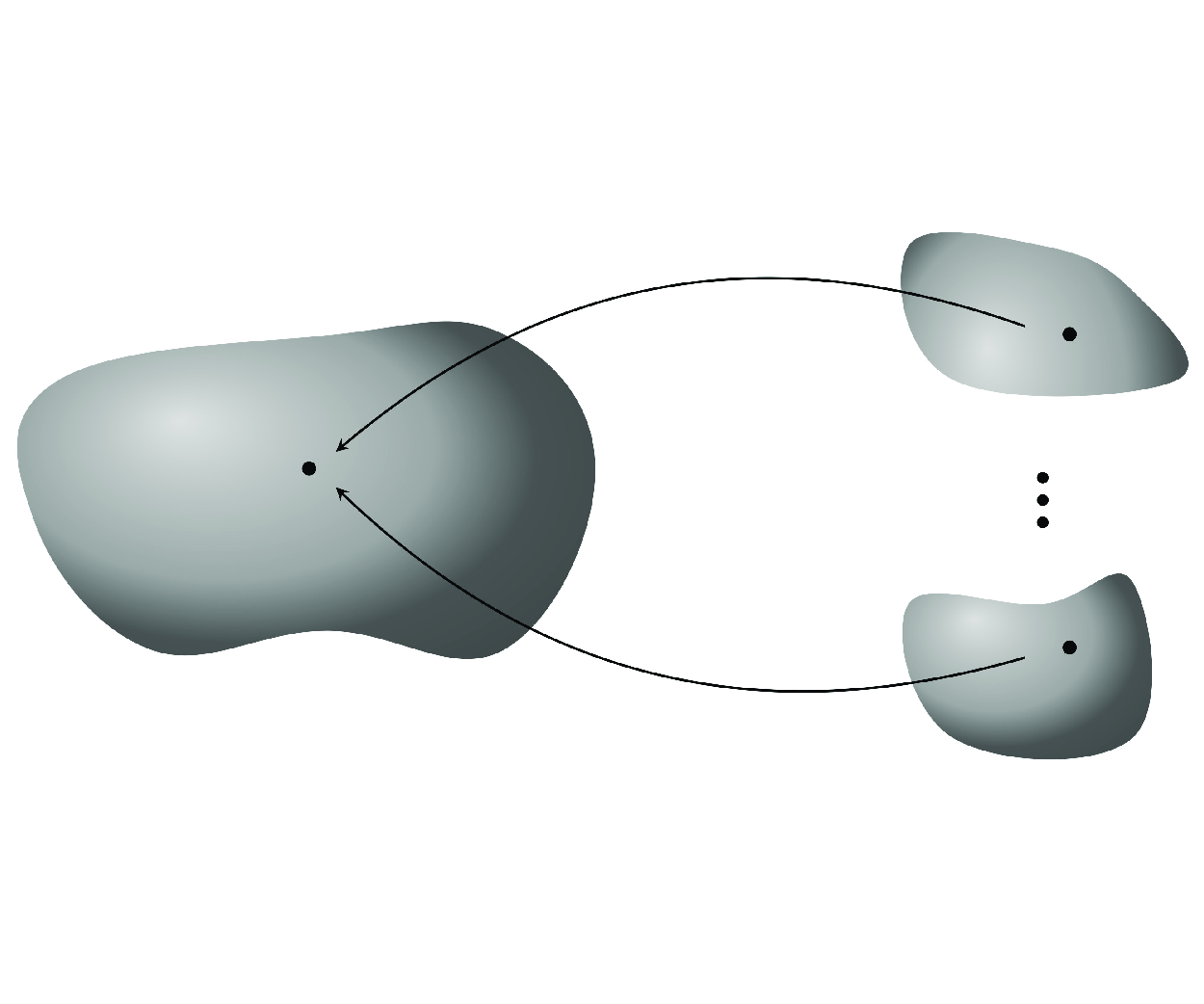
Over the past few decades, numerous N-phase incompressible diffuse-interface flow models with non-matching densities have been proposed. Despite aiming to describe the same physics, these models are generally distinct, and an overarching modelling framework is absent. This paper provides a unified framework for N-phase incompressible Navier–Stokes Cahn–Hilliard Allen–Cahn mixture models with a single momentum equation. The framework emerges naturally from continuum mixture theory, exhibits an energy-dissipative structure, and is invariant to the choice of fundamental variables. This opens the door to exploring connections between existing N-phase models and facilitates the computation of N-phase flow models rooted in continuum mixture theory.
Extensive research showcases that authoritarian propaganda can cultivate support and deter protest during “normal” times. This study examines authoritarian propaganda’s efficacy during crises and policy changes when the regime needs it most. We posit that various propaganda strategies, including “hard” and “soft” rhetoric, have significant limitations during crises. Hard propaganda’s heavy-handed slogans could signal regime strength but may also legitimize “rightful resistance” against local authorities, limiting its protest-deterrence effects. Soft propaganda may lose persuasiveness due to presenting contradictory arguments during policy changes. We leverage the turbulent period of China’s COVID policy reversal to conduct an original survey experiment in December 2022. Our findings reveal that pro-reopening hard propaganda weakens its protest-deterrence effects by reinforcing belief in protest righteousness. Moreover, inconsistent soft propaganda lowers public evaluations of China’s COVID response, diminishing its persuasive effects. Our study highlights significant limitations of authoritarian propaganda during crises and policy changes.
From global tourism and free movement to refugees and climate-related displacement, human mobility is both a driver and an effect of what we think of as globalisation. Yet, the role of international law in constituting human mobility remains critically undervalued. In this contribution, we call for a radical rethinking of the role of international law in shaping our globe through the tenets of the mobilities paradigm in the social sciences. More specifically, we argue for the adoption of a mobile ontology of international law, which pits the constant flow of persons, goods and capital against dominant globalisation narratives predicting the end of place to take a focus on re-territorialisations of power. Taking human mobility as our starting point, we first show how mobility has been central to the foundation of key building blocks of international law. Second, we turn to the example of the global tourism regime to explore how law recursively disperses mobility around the world. Third and finally, we argue that the relationship between international law and human mobility is co-constitutive, as constant shifts in mobilities create unexpected effects, which in turn prompt further evolutions in law. We conclude by reflecting on the space for empirical and critical investigation that may open up by re-imaging (international) law as quintessentially mobile.
The systematic investigation of individual glacier surges across a large statistical sample is key to a better understanding of surge mechanisms. This study introduces a consistent framework for identifying glacier surges from diverse remotely sensed datasets: NASA ITS_LIVE velocity fields, glacier thickness changes digital elevation models and surface roughness from SAR backscatter. We combined these diverse datasets using Gaussian process modelling and signal processing approaches to generate the first worldwide inventory of glaciers with active surges between 2000 and 2024, identifying 261 surge events on 246 glaciers. We performed validation against reference data and conducted a quantitative analysis of key surge metrics - surge duration and peak surface velocity. Our results confirm 12 surge-type glaciers in the Randolph Glacier Inventory (v7). We further evaluated climatological influences on the distribution of surge-type glaciers and assessed the predictive capabilities of existing theories for surges, including hydrological and thermal controls as well as the enthalpy balance theory. In addition, we present the first global analysis of velocity time series from individual surge events and discuss terminus-type dependent dynamics. Our findings strongly support the unified enthalpy balance theory in explaining the breadth of observed surge behaviours. Finally, we report new surge onsets in glaciers quiescent since the 19th century.
Although the role of computed tomography (CT) in vocal fold paralysis is well established, its utility in vocal fold motion impairment remains controversial. We aimed to examine the utility of CT in the aetiological assessment of patients with unexplained vocal fold motion impairment and to identify the underlying pathological causes.
Methods
We retrospectively reviewed the records of consecutive adults with vocal fold motion impairment who underwent neck CT between June 2010 and March 2023. The CT findings were correlated with management and final diagnoses.
Results
Computed tomography helped to identify the cause of vocal fold motion impairment in 119 of 177 patients (diagnostic yield, 67.23 per cent). The accuracy, sensitivity and specificity of CT in detecting the underlying causes of vocal fold motion impairment were 96.05, 99.17 and 89.47 per cent, respectively. The leading cause of vocal fold motion impairment was malignancy, followed by idiopathic disease.
Conclusion
Computed tomography is highly recommended in patients with unexplained vocal fold motion impairment because of its high accuracy and high diagnostic yield.
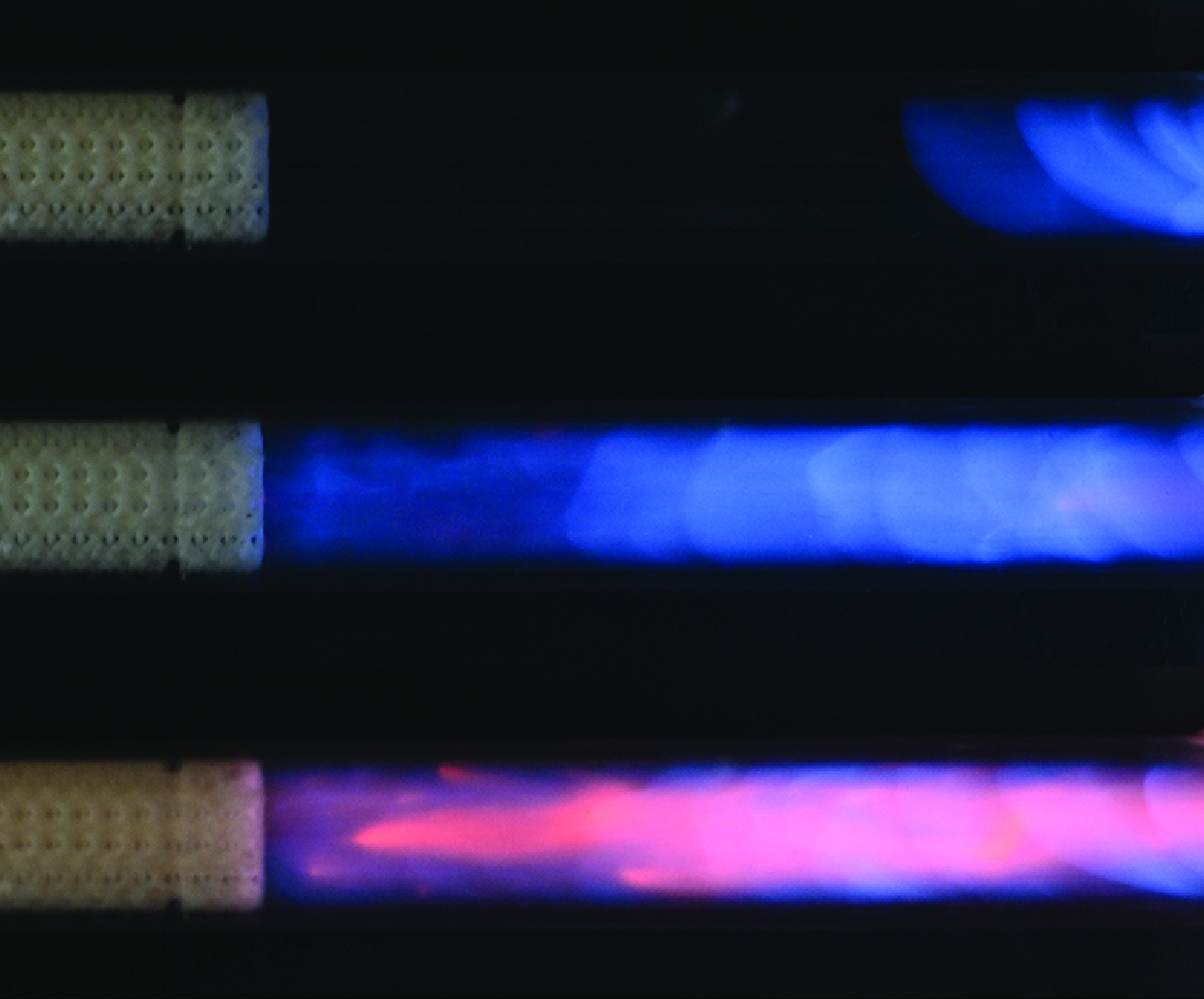
The interaction between the dynamics of a flame front and the acoustic field within a combustion chamber represents an aerothermochemical problem with the potential to generate hazardous instabilities, which limit burner performance by constraining design and operational parameters. The experimental configuration described here involves a laminar premixed flame burning in an open–closed slender tube, which can also be studied through simplified modelling. The constructive coupling of the chamber acoustic modes with the flame front can be affected via strategic placement of porous plugs, which serve to dissipate thermoacoustic instabilities. These plugs are lattice-based, 3-D-printed using low-force stereolithography, allowing for complex geometries and optimal material properties. A series of porous plugs was tested, with variations in their porous density and location, in order to assess the effects of these variables on viscous dissipation and acoustic eigenmode variation. Pressure transducers and high-speed cameras are used to measure oscillations of a stoichiometric methane–air flame ignited at the tube’s open end. The findings indicate that the porous medium is effective in dissipating both pressure amplitude and flame-front oscillations, contingent on the position of the plug. Specifically, the theoretical fluid mechanics model is developed to calculate frequency shifts and energy dissipation as a function of plug properties and positioning. The theoretical predictions show a high degree of agreement with the experimental results, thereby indicating the potential of the model for the design of dissipators of this nature and highlighting the first-order interactions of acoustics, viscous flow in porous media and heat transfer processes.