To save content items to your account,
please confirm that you agree to abide by our usage policies.
If this is the first time you use this feature, you will be asked to authorise Cambridge Core to connect with your account.
Find out more about saving content to .
To save content items to your Kindle, first ensure no-reply@cambridge.org
is added to your Approved Personal Document E-mail List under your Personal Document Settings
on the Manage Your Content and Devices page of your Amazon account. Then enter the ‘name’ part
of your Kindle email address below.
Find out more about saving to your Kindle.
Note you can select to save to either the @free.kindle.com or @kindle.com variations.
‘@free.kindle.com’ emails are free but can only be saved to your device when it is connected to wi-fi.
‘@kindle.com’ emails can be delivered even when you are not connected to wi-fi, but note that service fees apply.
While recent genomic and isotopic information show that migration has been pervasive along human history, southern Andean archaeology has largely overlooked its importance in shaping human trajectories of sociocultural change. Building on previous isotopic research that identified the presence of migrant farmers in the Uspallata Valley (Mendoza, Argentina), we present chronological and bioarchaeological results that help to characterize the timing and mode of human migrations in the southern Andes. The burials with migrants show the representation of the different age classes, including a high abundance of children, as well as both men and women, suggesting that family groups were likely involved. The Bayesian modeling of 16 direct dates for migrants indicates that these migrations started between 1210–1275 CE (median 1255 CE) and finished at 1320–1425 CE (median 1360 CE), indicating that there is nearly no overlap between the commencement of this migration phase and the southwards expansion of the Inka Empire. The model defines a diachronic process that lasted between 55 and 195 years, implying that migration to Uspallata was a multi-generational process that involved between two and eight generations (median of four generations). Our contextual, bioarchaeological and chronological evidence indicates that the conditions fostering migration to Uspallata were sustained through time, inviting to explore persisting push-pull dynamics acting during this period. 87Sr/86Sr results show that migration occurred across the daily territories of these groups and may have involved movement across social or ethnic frontiers.
This study was conducted to investigate individuals’ perceptions of media messages about the COVID-19 pandemic and the effect of these messages on their fear and uncertainty.
Methods
Data for this descriptive correlational study were collected between October and November 2020. A total of 653 individuals living in Turkey provided online survey data by completing a Personal Information Form, the Pandemic Uncertainty Scale, and the COVID-19 Pandemic Fear Scale.
Results
The mean age of the participants was 52.1 ± 12.6, and 79.9% were female. It was found that 27.9% of participants “always” followed COVID-19 news in the media, and 41.3% “often” followed COVID-19-related news. Participants’ COVID-19 fear (24.46 ± 8.07) and uncertainty (55.35 ± 8.63) scores were moderate and correlated.
Conclusions
Level of trust in mass media was found to affect uncertainty about the pandemic. As level of trust in mass media increased, uncertainty about the pandemic decreased. Appropriate measures must be identified and adopted for effective and safe media use in situations posing massive and significant health threats such as COVID-19.
Between 1969 and 1975 the excavations promoted by the Soprintendenza alle Antichità dell'Etruria Meridionale in the area to the east of the church of Santa Maria of Falleri identified a building in opus quadratum, located at the intersection between the main east–west and north–south urban road axes. As part of the Falerii Novi Project, this area has been systematically surveyed and (re)studied, applying an interdisciplinary approach. This has allowed the identification in this area of a monumental republican temple, linked to the forum, which should be placed in the context of the earliest development of the town, which has been known to us up to now only via literary sources. The identification of the republican temple of Falerii Novi contributes to fresh insights into the foundation of the town and its urban development.
We explored the influence of study partner (SP) characteristics on SP-reported neuropsychiatric symptoms (NPS) presence across the neurocognitive spectrum and on the prognostic utility of mild behavioral impairment (MBI).
Design, setting, and participants:
We performed cross-sectional (n = 26,748) and longitudinal (n = 12,794) analyses using participant-SP dyad data from the National Alzheimer’s Coordinating Center. Participants were cognitively normal (CN; n = 11,951) or had mild cognitive impairment (MCI; n = 5686) or dementia (n = 9111).
Measurements:
SPs rated NPS using the Neuropsychiatric Inventory Questionnaire. We used multivariable logistic regression to model the association between SP characteristics (age, sex, and relationship to participant [spouse, child, and other]) and NPS status (outcome). Cox regressions assessed SP characteristics as moderators of MBI associations with incident dementia or as predictors of incident dementia in MBI + participants only.
Results:
Among CN persons, younger, female, and spouse SPs reported NPS more frequently. In MCI, younger SPs and those who were spouses or children of participants reported higher NPS odds. For dementia participants, NPS odds were higher in female and spouse SPs. MBI associations with incident dementia were slightly weaker when SPs were older but did not depend on SP sex or relationship to participant. Among MBI + participants with spouse or child SPs, hazard for dementia was higher when compared to MBI + participants with other SPs.
Conclusions:
SP age, sex, and relationship to participant influence NPS reporting across the neurocognitive spectrum, with potential implications for MBI prognosis. Considering SP characteristics may enhance the accuracy of NPS assessments, which may facilitate therapy planning and prognosis.
This study examines disparities in health and nutrition among native and Syrian refugee children in Turkey. To understand the need for targeted programs addressing child well-being among the refugee population, we analyze the Turkey Demographic and Health Survey (TDHS) – which provides representative data for a large refugee and native population. We find no evidence of a difference in infant or child mortality between refugee children born in Turkey and native children. However, refugee infants born in Turkey have lower birthweight and age-adjusted weight and height than native infants. When we account for a rich set of birth and socioeconomic characteristics that display substantial differences between natives and refugees, the gaps in birthweight and age-adjusted height persist, but the gap in age-adjusted weight disappears. Moreover, the remaining gaps in birthweight and anthropometric outcomes are limited to the lower end of the distribution. The observed gaps are even larger for refugee infants born before migrating to Turkey, suggesting that the remaining deficits reflect conditions in the source country before migration rather than deficits in access to health services within Turkey. Finally, comparing children by the country of their first trimester, we find evidence of the detrimental effects of stress exposure during pregnancy.
To examine the psychosocial impact of the COVID-19 pandemic on patients with a diagnosis of diabetes mellitus (DM).
Methods:
Semi-structured interviews were conducted with 31 individuals with DM attending a diabetes clinic to determine the impact of the COVID-19 restrictions on anxiety and depressive symptoms, social and occupational functioning and quality of life. Anxiety symptoms were correlated with functioning, quality of life and diabetes self-management.
Results:
Likert data demonstrated that social functioning (mean = 5.5, SD = 3.7) and quality of life (mean = 4.1, SD = 3.1) were most impacted by the COVID-19 pandemic. Anxiety symptoms were prevalent with 13 individuals (41.9%) scoring above cut-off scores for the presence of anxiety symptoms based on the Beck Anxiety Inventory. Diabetes self-management was significantly correlated with functioning (r = 0.51, p = 0.006) and inversely correlated with anxiety symptoms (r = −0.51, p = 0.007). A prior history of a depressive or anxiety disorder was associated with significantly increased anxiety symptoms, as well as impaired global functioning (p < 0.01), poorer self-care of diabetes (p = 0.014) and satisfaction with diabetes treatment (p = 0.03).
Conclusions:
The psychological and social impact of COVID-19 restrictions on individuals with DM was significant, with poorer management of diabetes correlated with anxiety symptom severity.
The aim was to explore whether the time-lapse imaging system can help day-3 single cleavage embryo transfer to obtain comparative clinical outcomes to day-4 or 5. The data of 1237 patients who underwent single embryo transfer from January 1, 2018, to September 30, 2020, in our reproductive medicine centre were retrospectively analysed. They were divided into the day-3 single cleavage-stage embryo transfer (SCT) group (n = 357), day-4 single morula transfer (SMT) group (n = 129) and day-5 single blastocyst transfer (SBT) group (n = 751) according to the different embryo transfer stage. The clinical and perinatal outcomes of the three groups were analysed and compared. The clinical pregnancy rates of the patients in the day-3 SCT group, day-4 SMT group and day-5 SBT group were 68.07, 70.54 and 72.04%, respectively. The live birth rates were 56.86, 61.24 and 60.99%, respectively. The monozygotic twin (MZT) rate in the day-3 SCT group was significantly lower than that in the day-5 SBT group (P = 0.049). Regarding perinatal outcomes, only the secondary sex ratio had a significant difference (P < 0.05). After age stratification, no improvement was found in the pregnancy outcomes of patients >35 years of age receiving blastocyst transfer. Our findings suggest that for patients with multiple high-quality embryos on day-3, prolonging the culture time can improve the pregnancy outcome to some extent, but it will bring risks. For centres that have established morphodynamic models, day-3 SCT can also achieve an ideal pregnancy outcome and reduce the rate of monozygotic twins and sex ratio.
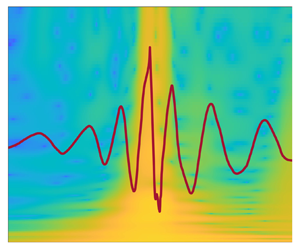
Steep wave breaking on a vertical cylinder (a typical foundation supporting offshore wind turbines) will induce slam loads. Many questions on the important violent wave loading and the associated secondary load cycle remain unanswered. We use laboratory experiments with unidirectional waves to investigate the fluid loading on vertical cylinders. We use a novel three-phase decomposition approach that allows us to separate different types of nonlinearity. Our findings reveal the existence of an additional quasi-impulsive loading component that is associated with the secondary load cycle and occurs in the backwards direction against that of the incoming waves. This quasi-impulsive force occurs at the end of the secondary load cycle and close to the passage of the downward zero-crossing point of the undisturbed wave. Wavelet analysis showed that the impulsive force exhibits superficially similar behaviour to a typical wave-slamming event but in the reverse direction. To monitor the scattered wave field and extract run-up on the cylinder, we installed a four-camera synchronised video system and found a strong temporal correlation between the arrival time of the Type-II scattered wave onto the cylinder and the occurrence of this quasi-impulsive force. The temporal characteristics of this quasi-impulsive force can be approximated by the Goda wave impact model, taking the collision of the Type-II scattered waves at the rear stagnation point as the impact source.
During the Second World War, a number of manuscript fragments in Iranian languages from the Berlin Turfan collections were lost. Photographs of these fragments preserved in the Nachlass of Walter B. Henning bring to light their contents and fill gaps in the record of Turfan texts. These photographs are published here for the first time, together with a description of the fragments and their contents.
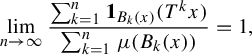
Let $(X,\mu ,T,d)$ be a metric measure-preserving dynamical system such that three-fold correlations decay exponentially for Lipschitz continuous observables. Given a sequence $(M_k)$ that converges to $0$ slowly enough, we obtain a strong dynamical Borel–Cantelli result for recurrence, that is, for $\mu $-almost every $x\in X$,
where $\mu (B_k(x)) = M_k$. In particular, we show that this result holds for Axiom A diffeomorphisms and equilibrium states under certain assumptions.

In this work, the synthesis, characterization, and X-ray powder diffraction data for dichloridodioxido-[(4,7-dimethyl)-1,10-phenanthroline]molybdenum(VI) are reported. The crystal structure of this compound was solved from powder diffraction data using the simulated annealing method with a subsequent refinement using the Rietveld method. The dioxo-molybdenum (VI) complex C14H12Cl2MoN2O2 crystallizes in a monoclinic system with space group C2/c (N° 15) with refined unit-cell parameters a = 12.9495 (5) Å, b = 9.7752 (4) Å,c = 12.0069 (6) Å, β = 101.702 (3) °, unit-cell volume V = 1488.27 (11) Å3, and values of Z′ = 0.5 and Z = 4. The molecules are organized into chains diagonally along the a and c axis. Parallel polyhedra are observed along these axes formed by the interactions of Mo, Cl, O, and N atoms present in the coordination sphere. The crystalline packing of this dioxo-molybdenum (VI) complex is dominated by five intermolecular hydrogen bonds, two intramolecular hydrogen bonds, and the four interactions between the centroids (CgI⋯CgJ) of the aromatic rings. An analysis of the Hirshfeld surface revealed that the greatest contributions of the attractive forces are given by H⋯Cl/Cl⋯H, H⋯C/C⋯H, H⋯O/O⋯H, and H⋯H interactions.
In various industrial robotic applications, the effective traversal of a manipulator amidst obstacles and its ability to reach specific task-points are imperative for the execution of predefined tasks. In certain scenarios, the sequence in which the manipulator reaches these task-points significantly impacts the overall cycle time required for task completion. Moreover, some tasks necessitate significant force exertion at the end-effector. Therefore, establishing an optimal sequence for the task-points reached by the end-effector’s tip is crucial for enhancing robot performance, ensuring collision-free motion and maintaining high-force application at the end-effector’s tip.
To maximize the manipulator’s manipulability, which serves as a performance index for assessing its force capability, we aim to establish an optimal collision-free task sequence considering higher mechanical advantage. Three optimization criteria are considered: the cycle time, collision avoidance and the manipulability index. Optimization is accomplished using a genetic algorithm coupled with the Bump-Surface concept for collision avoidance. The effectiveness of this approach is confirmed through simulation experiments conducted in 2D and 3D environments with obstacles employing both redundant and non-redundant robots.
Thanks to its real-time computation efficiency, deep reinforcement learning (DRL) has been widely applied in motion planning for mobile robots. In DRL-based methods, a DRL model computes an action for a robot based on the states of its surrounding obstacles, including other robots that may communicate with it. These methods always assume that the environment is attack-free and the obtained obstacles’ states are reliable. However, in the real world, a robot may suffer from obstacle localization attacks (OLAs), such as sensor attacks, communication attacks, and remote-control attacks, which cause the robot to retrieve inaccurate positions of the surrounding obstacles. In this paper, we propose a robust motion planning method ObsGAN-DRL, integrating a generative adversarial network (GAN) into DRL models to mitigate OLAs in the environment. First, ObsGAN-DRL learns a generator based on the GAN model to compute the approximation of obstacles’ accurate positions in benign and attack scenarios. Therefore, no detectors are required for ObsGAN-DRL. Second, by using the approximation positions of the surrounding obstacles, ObsGAN-DRL can leverage the state-of-the-art DRL methods to compute collision-free motion commands (e.g., velocity) efficiently. Comprehensive experiments show that ObsGAN-DRL can mitigate OLAs effectively and guarantee safety. We also demonstrate the generalization of ObsGAN-DRL.